Why Oregon Roses Stop Blooming In August (And What To Do Instead)
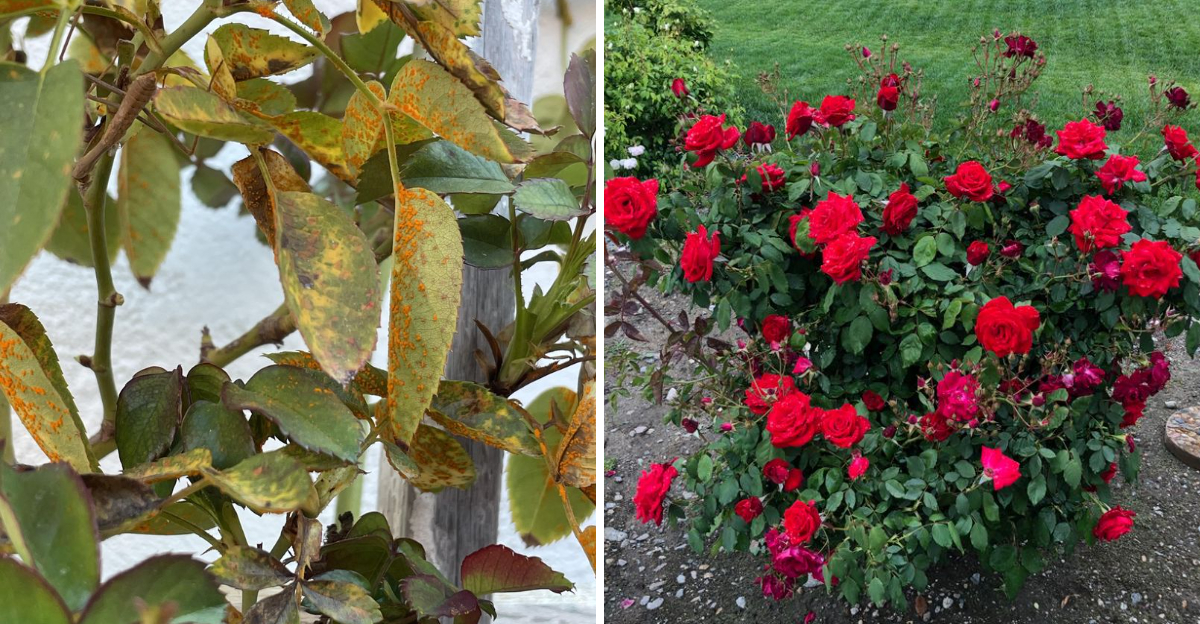
June roses can make a gardener feel like everything is working.
The shrubs are full, the blooms keep coming, and every walk through the garden feels like a reward.
Then August arrives in Oregon, and the same plant can suddenly look like it forgot the whole point of growing roses.
The canes are green. The leaves may still be there. But the flowers slow, the buds stall, and the plant seems stuck between seasons.
That pause can feel alarming, but it is not always a crisis.
Repeat-blooming roses move in cycles. They bloom, rest, rebuild, and bloom again. Late-summer heat, dry soil, tired foliage, spider mites, spent flowers, and overzealous pruning can all stretch that resting period longer than expected.
The good news is that most August rose problems do not need dramatic fixes.
So what should Oregon gardeners do when roses stop blooming before fall?
Start by reading the plant carefully, then give it the calm reset it needs for the next flush.
1. Heat Pauses Fresh Bud Development
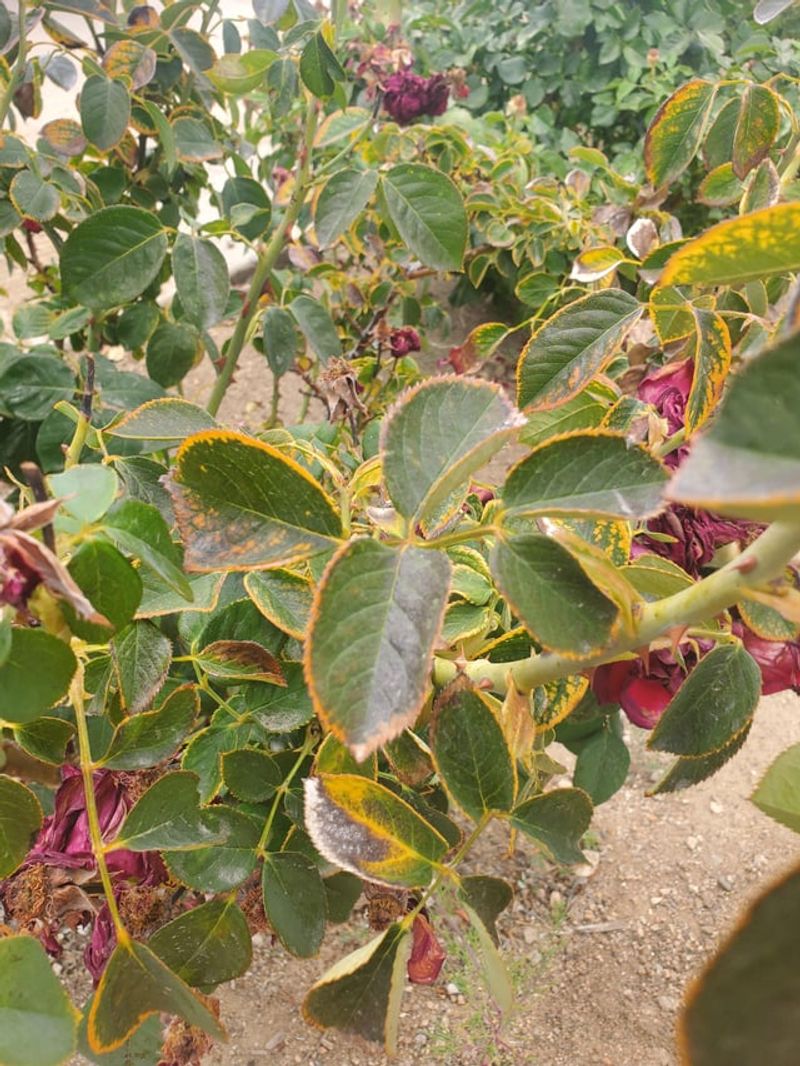
August heat can slow the whole bloom cycle.
Oregon roses often look strongest in June, when temperatures are milder and soil moisture is easier to manage. By August, hot afternoons and warm nights can push repeat-blooming roses into a longer resting phase.
That pause is not failure. It is a survival response.
A rose needs energy to build buds. During intense heat, the plant may shift that energy toward maintaining leaves, canes, and roots instead of pushing flowers.
Tiny buds may stall. You might see small green nubs that sit in place for days without swelling.
That can look discouraging. But stalled buds during heat are different from a dying branch or serious cane problem.
Check the canes. Firm, green, flexible canes usually mean the plant is still sound.
Soft, shriveled, or darkened canes deserve closer attention. That points to a separate issue, not a normal bloom pause.
Do not force growth with heavy fertilizer. A heat-stressed plant does not need pressure to produce tender shoots.
Wait for cooler nights. Late August and September often bring the shift repeat bloomers need.
Keep the plant stable during the pause. Correct water, mulch, and light pruning matter more than rushing it.
Heat can stretch the gap between bloom cycles.
Once temperatures ease, a healthy repeat bloomer often starts building its next round quietly.
2. Dry Roots Interrupt Repeat Bloom
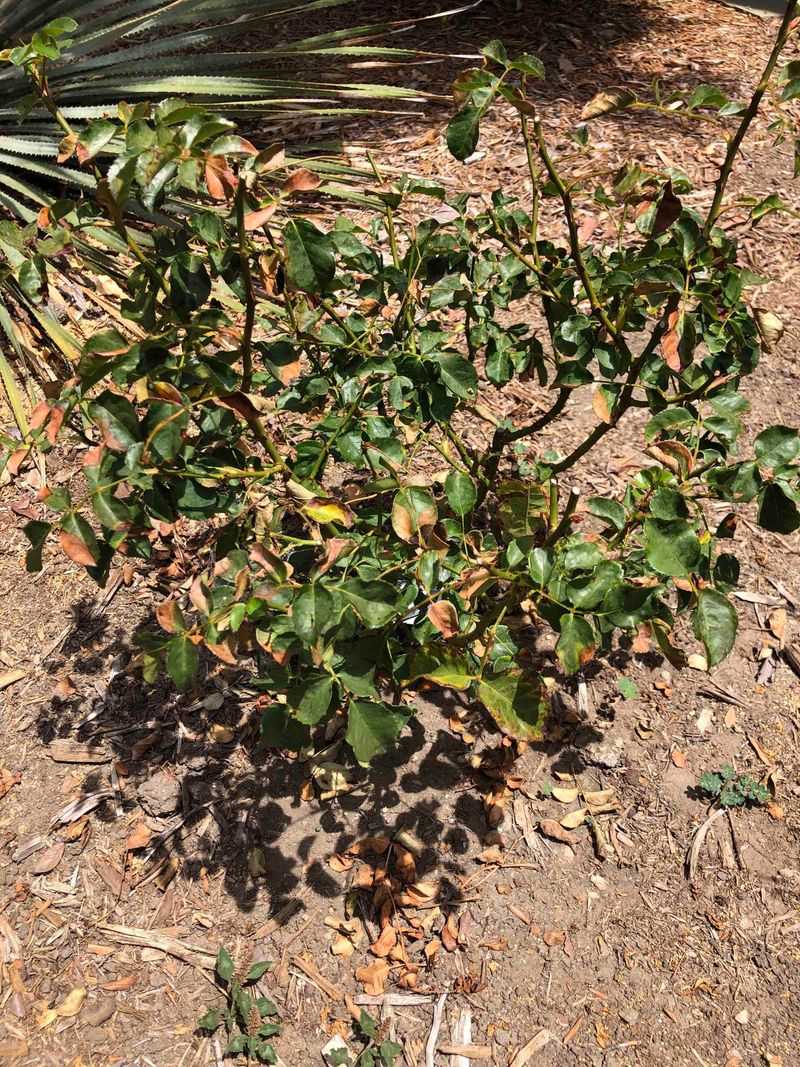
Flowers need steady moisture below the surface.
Oregon’s late-summer dry stretch can leave roses short on water right when they need it for another bloom cycle. The problem often starts when gardeners water too quickly and too shallowly.
A surface sprinkle is not enough. Rose roots can reach much deeper than the top inch of soil.
Water should move into the active root zone. That means slow, deep irrigation rather than a fast blast from the hose.
Check soil before watering. Dig or probe about four inches down near the root area.
Dry soil at that depth means the plant needs water. Moist soil there means the plant may be waiting for cooler weather, not more irrigation.
Your Oregon Garden Changes Every Week. Your Plan Should Too.
Gardening in Oregon changes quickly throughout the season. Every Friday you’ll receive a simple weekly plan showing exactly what to plant, prune, fertilize, harvest, and protect so you never miss the right timing.
Soaker hoses work well. They apply water slowly and keep foliage drier.
Drip lines are useful too. They help deliver moisture near roots without soaking leaves.
Morning watering is best. The plant gets moisture before afternoon heat rises.
Mulch helps hold that moisture. A two-to-three-inch layer can slow evaporation and protect the root zone.
Keep mulch away from the main canes. A clear ring around the crown supports airflow.
Dry roots can make a rose abandon bloom production.
A deep soak at the right time helps the plant rebuild enough strength for the next flush.
3. Spent Flowers Slow The Next Flush
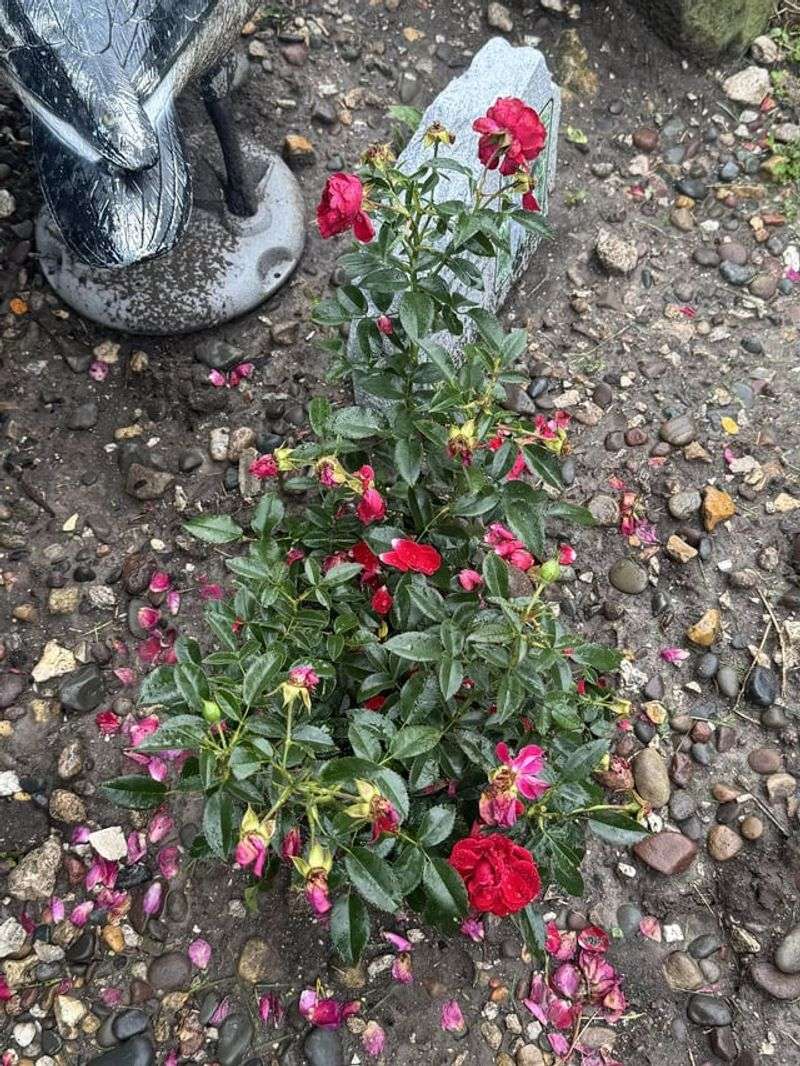
A finished flower still asks for energy.
Once a rose bloom fades, the plant may begin forming a hip. That process uses resources that repeat-blooming roses could otherwise send into fresh buds.
Removing spent blooms helps redirect that energy. It is one of the most useful August tasks for modern repeat bloomers.
Cut cleanly. Use sharp pruners rather than twisting stems by hand.
Look below the faded flower. Find a healthy leaf set with five leaflets when possible.
Make the cut just above that leaf node. A slight angle helps water move off the cut surface.
Clean the blades between plants when disease is present. That reduces the chance of moving problems from one shrub to another.
Do not remove too much cane. The goal is bloom cleanup, not major reshaping.
Work through the plant slowly. Faded blooms can hide behind fresh leaves and side shoots.
Skip this step on roses grown for hips later in the season. Some gardeners prefer the fall and winter display.
Know the rose type. Once-blooming roses will not restart just because spent flowers are removed.
Repeat bloomers respond best. Hybrid teas, floribundas, grandifloras, and many shrub roses often push another cycle after cleanup.
Spent flowers are not just cosmetic.
Removing them tells a repeat bloomer to stop investing in old blooms and start preparing the next ones.
4. Spider Mites Drain Stressed Foliage
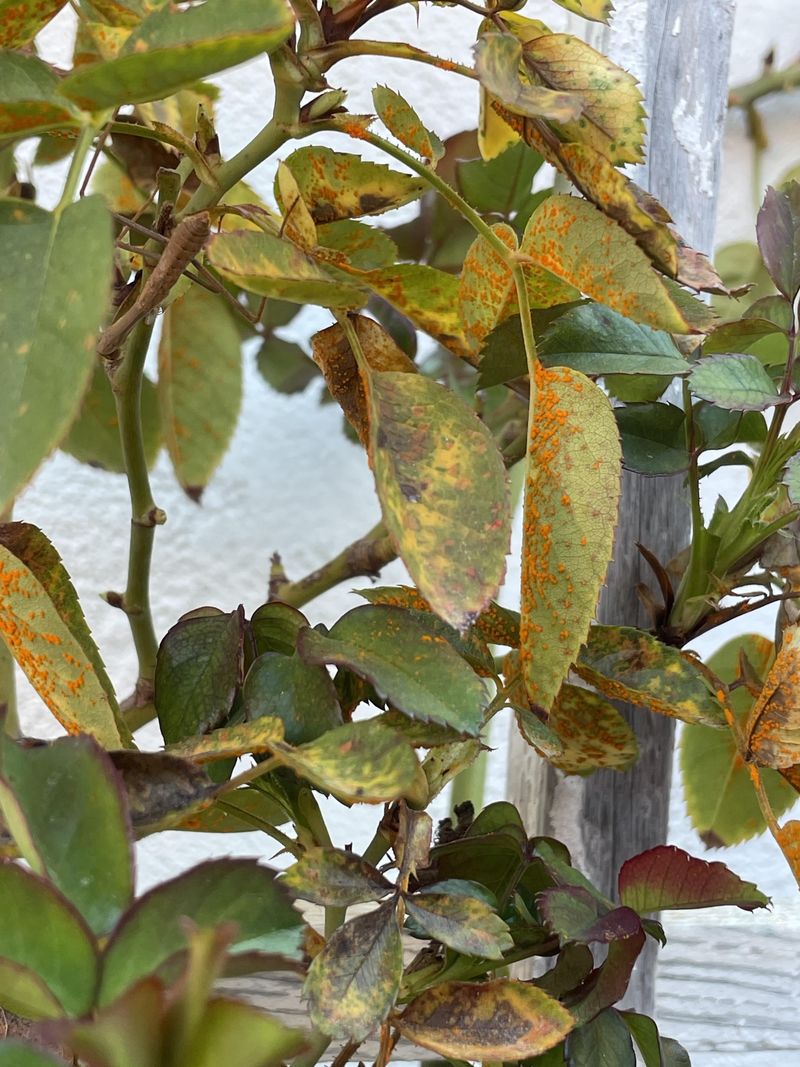
Hot, dry weather can bring spider mites fast.
Oregon roses that look tired in August may not be resting only from heat. Tiny pests can drain leaf strength just when the plant needs foliage to power another bloom flush.
Mite damage starts subtly. Leaves may look speckled, dusty, dull, or bronzed.
The underside tells the truth. Turn leaves over and look closely along veins and between stems.
Fine webbing is a warning sign. It often appears once populations build.
Use the paper test. Hold white paper beneath a suspect leaf and tap the leaf firmly.
Tiny moving specks on the paper point toward mite activity.
Start with water. A strong spray aimed at leaf undersides can knock mites loose and disrupt colonies.
Repeat during hot spells. One rinse may not be enough when conditions favor mites.
Avoid broad insecticides. They can remove beneficial predators and allow mites to rebound worse.
Use insecticidal soap or horticultural oil only when needed. Apply during cooler parts of the day and follow the label carefully.
Keep roses watered correctly. Drought-stressed foliage is more vulnerable to mite pressure.
Spider mites can slow bloom indirectly.
They weaken the leaves that feed the plant, and weak foliage makes the next flower cycle harder to support.
5. Heavy Feeding Pushes Weak Growth
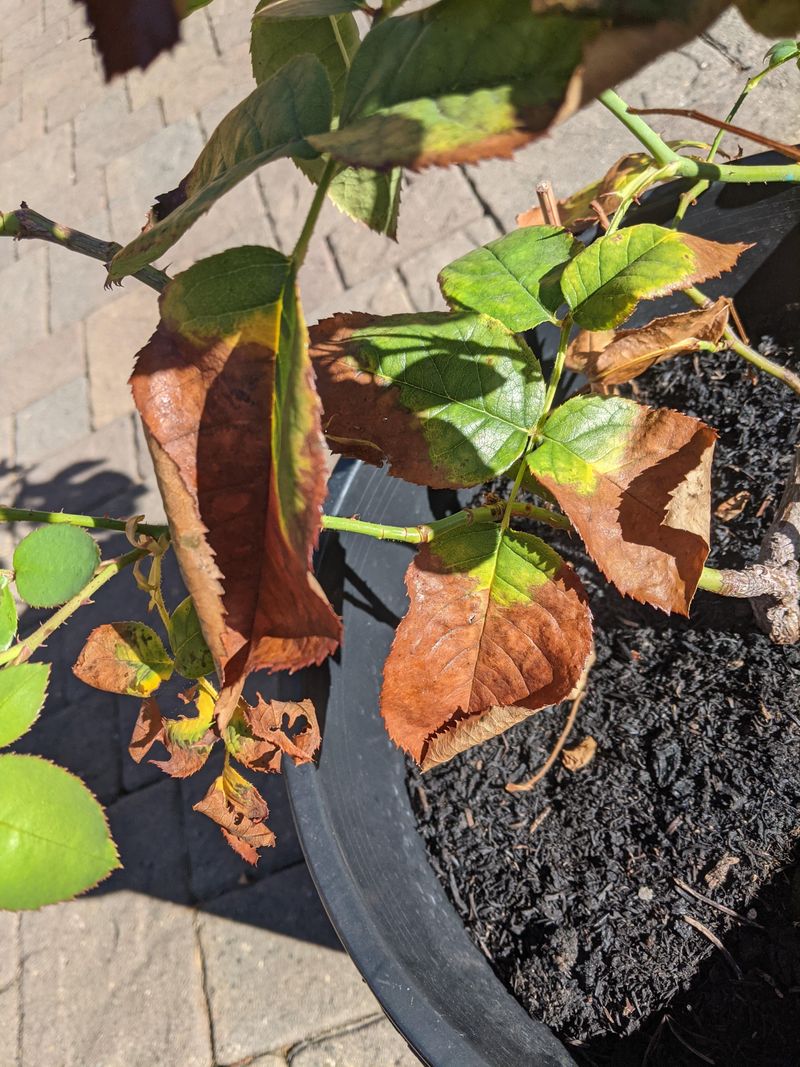
Fertilizer feels tempting when roses stop blooming.
The plant looks quiet, so adding food seems logical. But heavy feeding in August can push the wrong kind of growth at the wrong time, especially when the issue is heat, dry roots, or pest stress.
Nitrogen pushes leaves and shoots. That can create soft green growth instead of strong bloom support.
Tender shoots are vulnerable. Late-summer growth may not firm up well before cooler fall weather arrives.
Too much nitrogen can also delay flowering. A rose may become leafy but still hold back on buds.
Check the plant first. Pale leaves, mite damage, dry roots, and normal heat pause can all look like hunger from a distance.
Do not feed a dry root zone. Fertilizer salts can stress roots when soil moisture is low.
Do not feed a stressed plant heavily. Roots and leaves need stability before they can use nutrients well.
A light balanced feeding may be enough when the plant truly needs support. More is not better.
Soil testing removes guesswork. It can show which nutrients are actually low.
Many gardens do not need extra phosphorus. Bloom booster products are not magic when soil already has enough.
Stop chasing instant green. Fast foliage is not the same as a stronger rose.
August feeding should be cautious.
A rose preparing for fall needs steady support, not a late push that creates weak growth and fewer flowers.
6. Hard Pruning Removes Future Flowers
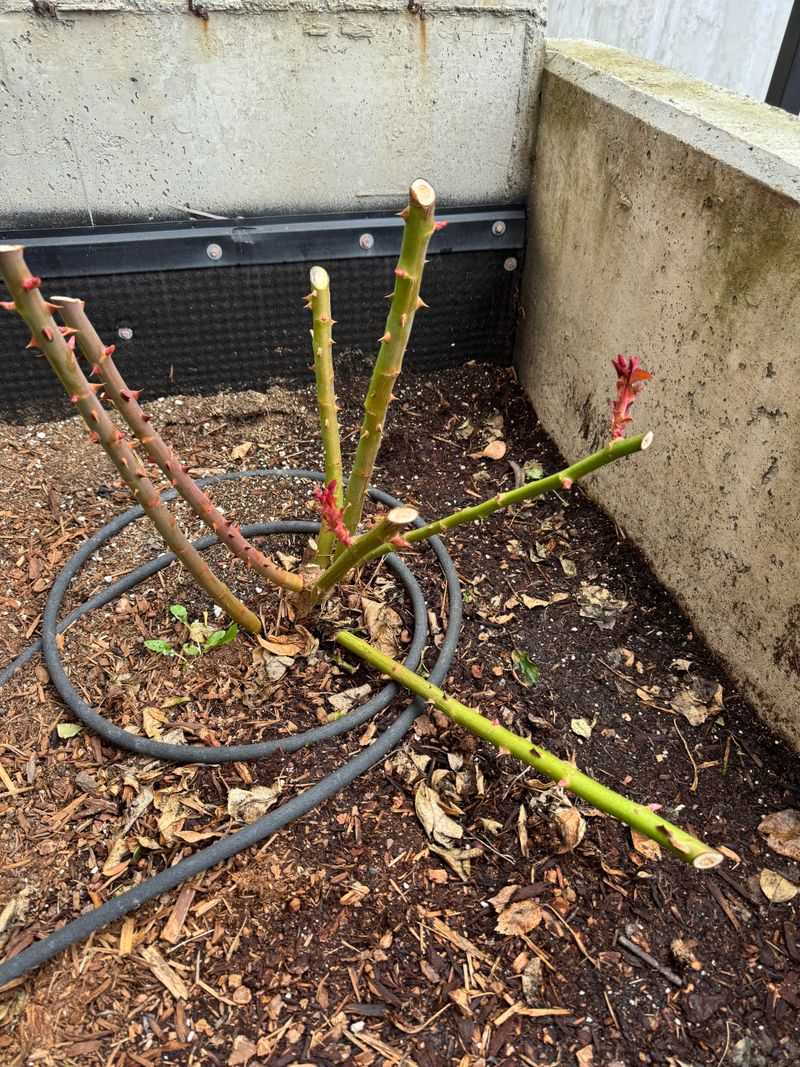
The pruners can set the plant back.
When roses stop blooming, gardeners often want to cut hard and force a fresh start. In August, that can remove the very growth that was preparing to bloom next.
Repeat bloomers form future flowers on active shoots. Those canes may look quiet, but they are not useless.
A hard cut removes stored potential. The plant must spend time replacing growth before it can flower again.
That delay matters in Oregon. Cooler weather is coming, and the rose has limited time for another strong flush.
Light cleanup is different. Removing spent flowers, damaged stems, or diseased leaves is useful.
Major reshaping should wait. Late winter or very early spring is usually better for structural pruning.
Do not cut back by habit. Look for a clear reason before removing healthy cane.
Avoid shearing the whole plant. Roses are not boxwood, and repeated clipping can reduce bloom quality.
Keep cuts targeted. Remove what is fading, crossing badly, or clearly stressed.
Protect yourself. Gloves, long sleeves, and sharp pruners make the job cleaner and safer.
Healthy canes are future bloom sites.
In August, the best pruning often feels almost too restrained, but that restraint protects the next flush.
7. Remove Spent Blooms For A Reset
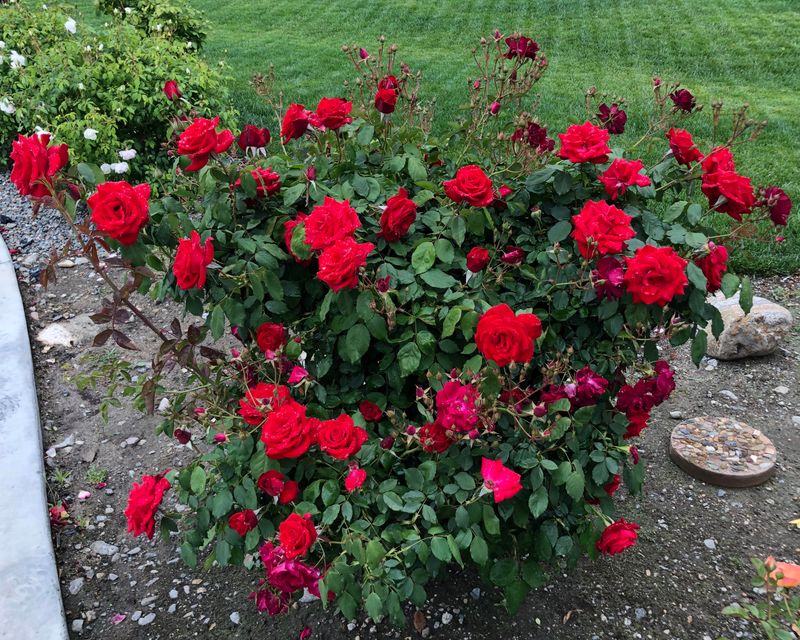
A quiet rose needs a calm reset, not a rescue mission.
One focused week can bring the plant back into balance and reveal whether a real problem is present. The goal is to remove what drains energy, support the roots, and leave healthy canes alone.
Day one, remove spent blooms. Cut above a healthy leaf node and avoid heavy reshaping.
Day two, clean fallen petals and leaves from the soil. This improves sanitation and makes new problems easier to spot.
Day three, check soil four inches down. Water deeply only when that level is dry.
Day four, inspect leaf undersides. Look for spider mites, stippling, and fine webbing.
Day five, rinse foliage undersides when mites are present. Use a strong water spray during the cooler part of the day.
Day six, review fertilizer history. Skip feeding when the plant already received enough earlier in summer.
Day seven, step back and look for new tips. Healthy green growth can signal the next bloom cycle is forming.
Do not change everything at once. Too many interventions make it harder to know what helped.
Keep notes. Bloom timing, heat stretches, watering depth, and pest checks will help next year.
Repeat the light routine as needed. Roses respond well to steady care.
A seven-day reset replaces panic with observation.
That is often exactly what an August rose needs before September brings better bloom weather.