This Is What California Fruit Trees Need Most During August Heatwaves
August heat can change a fruit tree fast.
One week, the canopy looks full, the fruit is sizing up, and the branches seem strong enough to carry the rest of the season.
Then a heatwave rolls through California, and everything tightens. Leaves curl. Fruit softens in the sun. Soil dries faster than the watering schedule can explain, and young trees start looking stressed before the afternoon is even over.
The tree is not asking for panic.
It is asking for protection where the stress hits hardest: the root zone, the trunk, exposed fruit, young bark, and overloaded branches.
During extreme heat, shallow watering and last-minute rescue care rarely catch up. The best support starts before the hottest day arrives and reaches the places a quick surface sprinkle never touches.
Fruit trees can recover from a hard stretch, but they need the right kind of help.
So what do California fruit trees need most during August heatwaves?
Start with deep, slow water across the active root zone, then protect the tree from the sun and stress that water alone cannot fix.
1. Give Fruit Trees Deep Irrigation
A quick splash around the trunk is not enough.
Most established fruit trees draw water from feeder roots that spread outward through the soil, often near the canopy edge and beyond.
A fast surface sprinkle may darken the top layer, but it rarely reaches the depth where the tree needs moisture during extreme heat.
Deep irrigation is the goal. Water should move down into the active root zone rather than staying near the surface.
For many established trees, that means moisture reaching roughly eighteen to twenty-four inches deep. Young trees may need water focused closer to their smaller root system, but it still needs to soak below the crust.
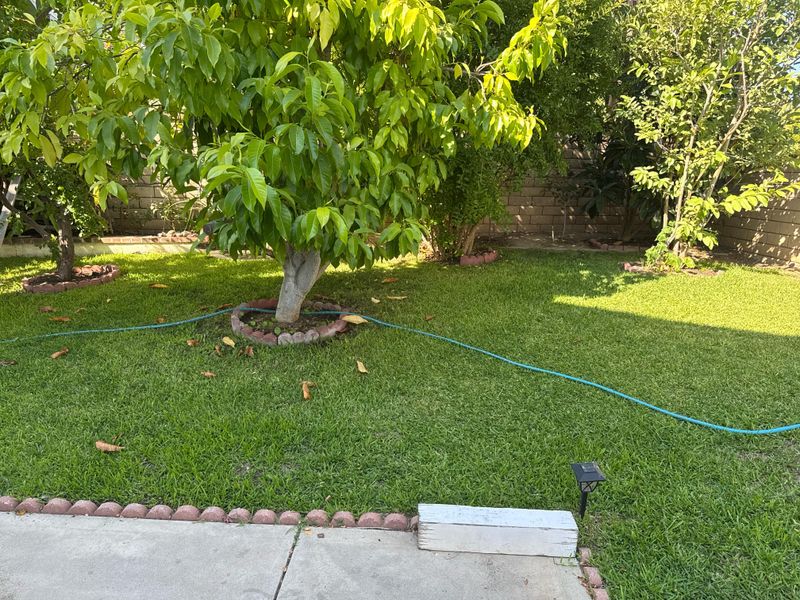
Use slow application. Drip lines, soaker hoses, or a wide basin filled gradually work better than a hard blast from a nozzle.
Water runoff means the application is too fast. The soil needs time to accept moisture.
Clay soil absorbs slowly. It may need several shorter cycles with breaks between them.
Sandy soil drains quickly. It may need more frequent deep watering during long heat spells.
Loam sits between those extremes. It still needs checking during triple-digit stretches.
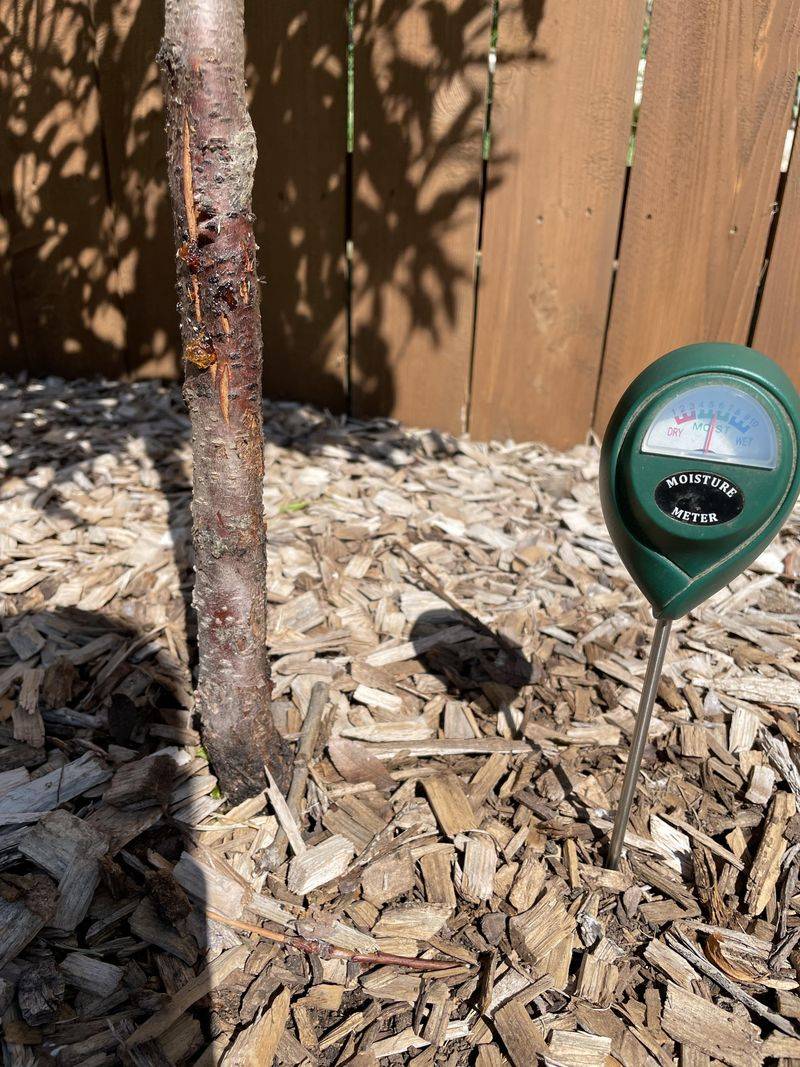
Test after watering. A long screwdriver or soil probe should slide more easily through moist soil.
Surface dryness is not enough information. The top inch can dry while deeper soil still supports roots, or the top can look damp while lower soil stays dry.
Deep watering gives the tree a reserve.
During an August heatwave, that reserve matters far more than a daily surface rinse.
2. Water Before The Heat Peaks
Do not wait for the tree to look desperate.
By the time leaves curl hard, fruit feels soft, or the canopy looks dull, the root zone may already be too dry. A stressed tree can take days to recover, and the hottest part of the heatwave may arrive before it catches up.
Pre-watering is more effective. Check the forecast and give trees a deep soak one or two days before the hottest temperatures arrive.
Your California Garden Changes Every Week. Your Plan Should Too.
Gardening in California changes quickly throughout the season. Every Friday you’ll receive a simple weekly plan showing exactly what to plant, prune, fertilize, harvest, and protect so you never miss the right timing.
The goal is moist soil, not flooded soil. Roots still need oxygen.
Clay soils need special care. Too much water at once can saturate the ground and leave roots short on air.
Use cycle-and-soak watering on compacted ground. Run irrigation, pause, then run it again after water has begun moving down.
Sloped sites need the same patience. Water that runs downhill never helps the feeder roots uphill.
Morning is the best window. Soil can absorb moisture before the afternoon heat pulls hard from the canopy.
Check the system while it runs. A clogged emitter or broken line matters much more before a heatwave than after one.
Look for dry gaps. One side of the tree may receive less water than the other.
Adjust before the hottest day. Waiting until symptoms show makes every correction less effective.
Pre-watering does not mean drowning the tree.
It means sending the root zone into the heatwave prepared instead of asking it to recover after the damage has started.
3. Wet Soil Across The Root Zone
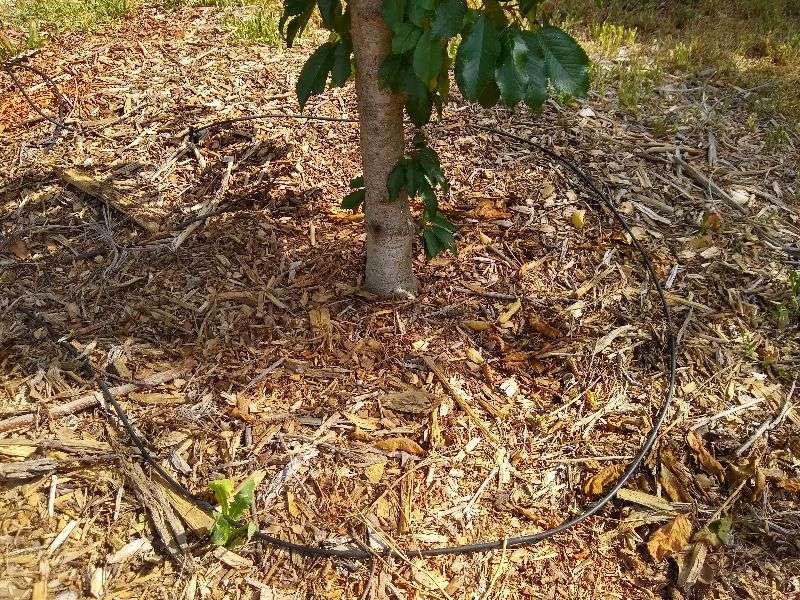
The trunk is not the target.
Many gardeners water fruit trees like they water a potted plant, right at the base. Established trees need a much wider pattern. Their feeder roots spread through the soil beyond the trunk, and those fine roots do most of the absorbing.
Water the area under the canopy. Then extend slightly beyond the drip line where possible.
Do not rely on one emitter near the trunk. That leaves much of the root zone dry.
Use multiple emitters for larger trees. They should be spread across the root area rather than clustered in one spot.
Soaker hoses can work well. Lay them in a broad ring or spiral under the canopy.
Basins should be wide. A tiny ring at the trunk misses the roots that need water most.
Avocados need extra attention. Their feeder roots are shallow and wide, so uneven watering can stress them quickly.
Citrus also benefits from broad coverage. Water should reach the root area from partway out from the trunk to the canopy edge.
Stone fruits need consistency during crop development. Peaches, plums, nectarines, and apricots can all show heat stress when soil moisture swings too sharply.
Probe several locations after irrigation. Test near the canopy edge, halfway inward, and on the hottest exposed side.
A single moist spot does not mean the whole root zone is covered.
The best irrigation pattern supports the tree like a wide foundation, not a narrow puddle at the base.
4. Keep Water Away From Trunks
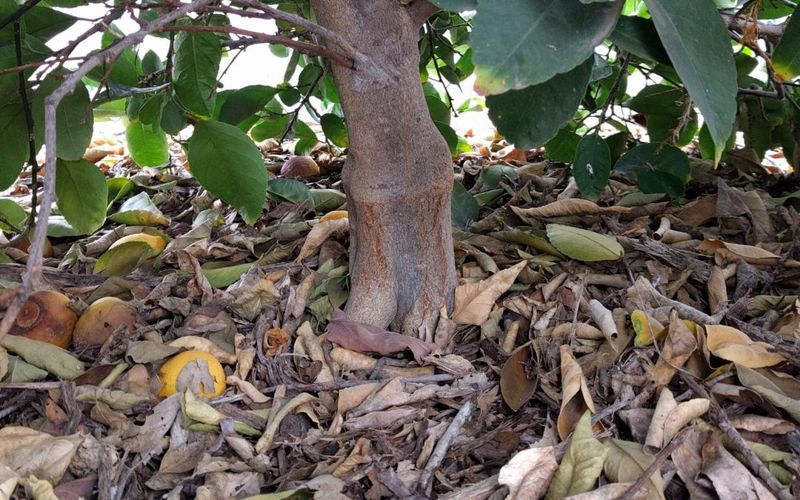
Wet roots are useful. Wet bark is not.
A fruit tree can need deep irrigation during a heatwave while still needing a dry, airy trunk base. Constant moisture against the bark creates conditions that can lead to crown and root problems, especially where soil or mulch stays pressed against the tree.
Move emitters away from the trunk. Water belongs over feeder roots, not directly against the bark.
Keep basins broad. A young-tree basin should encourage water outward as roots expand.
Avoid sprinkler spray on trunks. Repeated wetting can keep bark damp longer than it should be.
Check low spots at the base. Water should not pool against the crown after irrigation.
Pull mulch back from the trunk. Leave several inches of open space around the bark.
Do not pile soil higher to make a deeper basin. Buried bark can create long-term problems.
Look after deep watering. The trunk flare should still be visible and not surrounded by soggy material.
Young trees are especially vulnerable. Tender bark can struggle with constant moisture and intense heat at the same time.
Mature trees need the same respect. A large trunk is not immune to crown stress.
Cooling the tree does not require soaking the bark. The root zone does the real work.
The best heatwave watering pattern keeps moisture wide and deep.
The trunk stays dry, visible, and ventilated while the roots get the support they need.
5. Mulch To Cool Feeder Roots
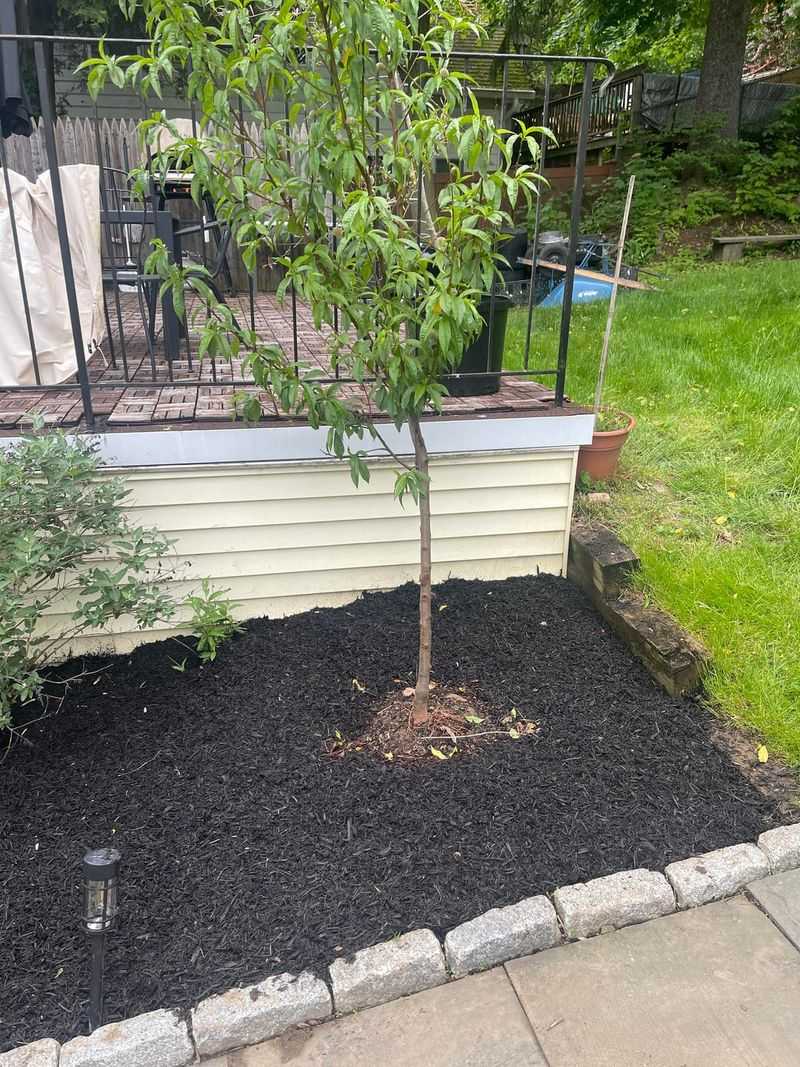
Bare soil heats fast in August.
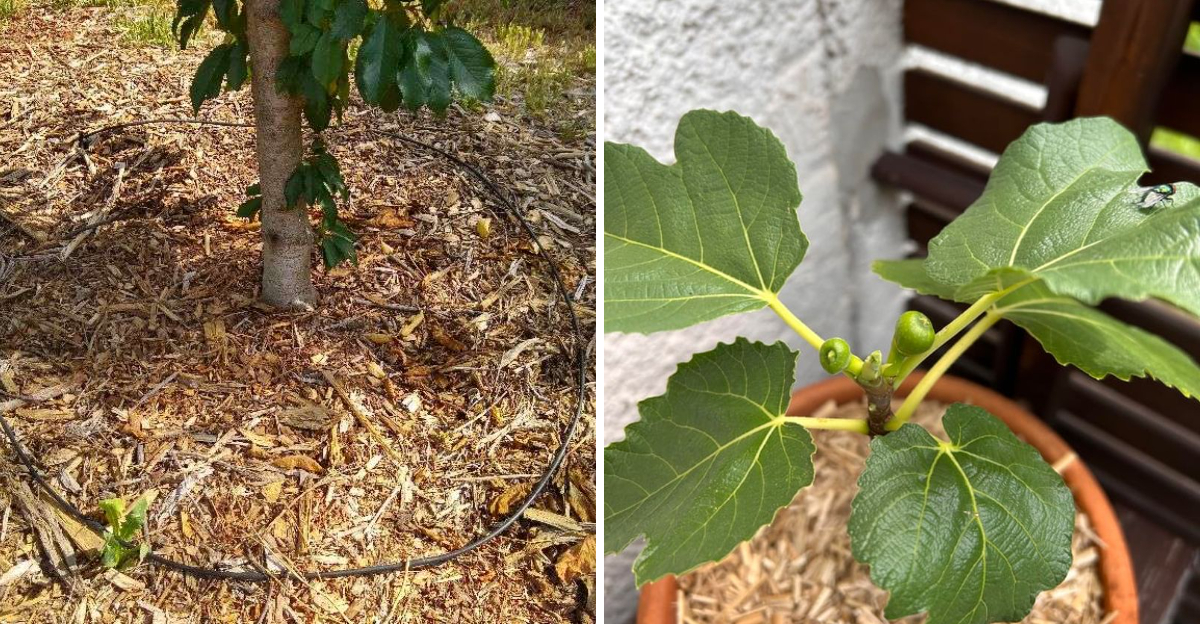
Under California sun, exposed soil can become hot enough to stress shallow feeder roots and burn through moisture quickly. Mulch gives the root zone a protective layer that slows evaporation and reduces temperature swings.
Use organic mulch. Wood chips, shredded bark, straw, or similar material can all help.
Spread it across the root zone. The mulch should cover more than a tiny circle at the trunk.
Aim for three to four inches in most orchard settings. That depth protects soil without smothering it.
Keep it off the trunk. A clear gap around the bark prevents damp contact.
Replenish as it breaks down. Winter rain, wind, and microbial activity can thin the layer over time.
Mulch helps irrigation last longer. Water stays available in the soil instead of disappearing from a baked surface.
It also improves soil over time. Organic material gradually supports better structure and water movement.
Do not use plastic against the root zone. It can trap heat and interfere with gas exchange.
Fresh arborist chips can be useful. Around fruit trees, they often make practical, affordable mulch.
Check beneath the mulch before watering. The top may look dry while soil below remains moist.
Mulch is not a replacement for deep irrigation.
It makes deep irrigation work better by keeping the feeder roots cooler and the soil moisture steadier.
6. Shade Exposed Fruit And Young Bark
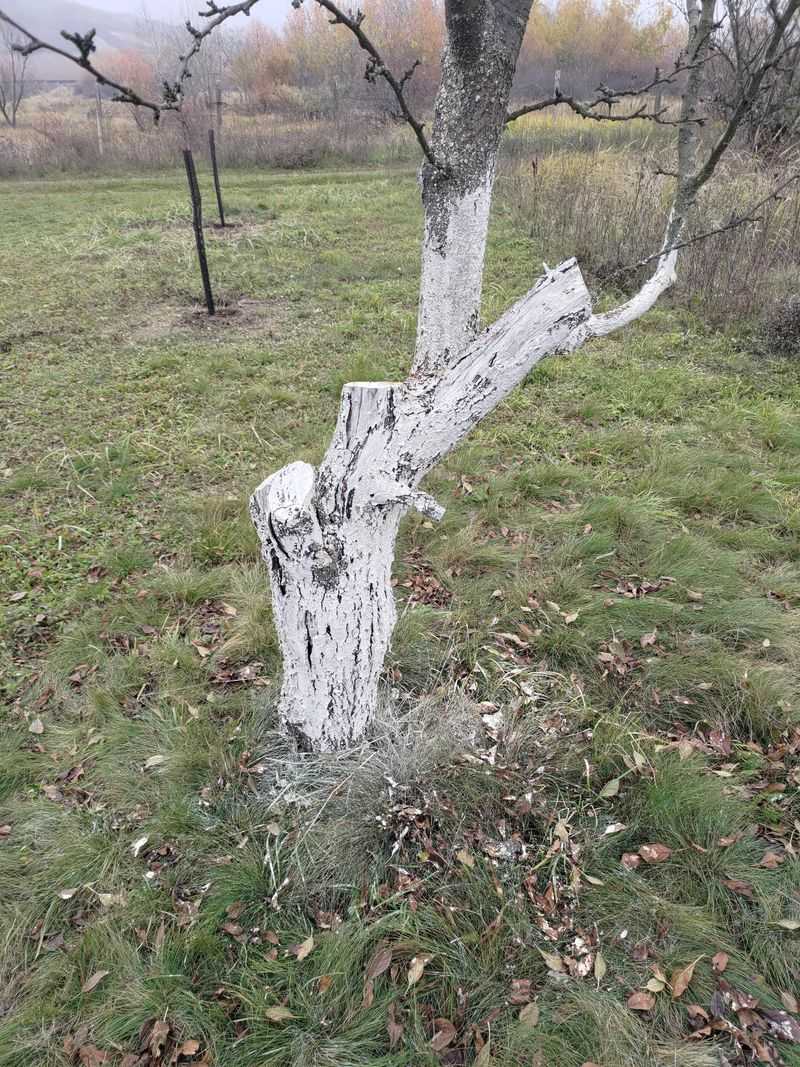
Sun can injure more than leaves.
During a California heatwave, fruit sitting in direct afternoon sun can overheat quickly. Exposed bark can also scorch, especially on young trees or trees that were recently pruned too hard.
Canopy cover is the first defense. Leaves shade fruit, branches, and bark.
Avoid heavy pruning before a heatwave. Removing foliage can suddenly expose tissue that was not prepared for direct sun.
Stone fruit can sunburn badly. Peaches, nectarines, plums, and apricots may develop soft, discolored patches on exposed sides.
Citrus and avocados can suffer surface damage too. Young bark and thin canopy areas need attention during extreme heat.
Use temporary shade where needed. Shade cloth on the west or south side can reduce the harshest afternoon exposure.
Choose moderate shade. Too much shade for too long can reduce light and airflow after the heat passes.
Young trunks may need whitewash. A diluted white interior latex paint or commercial tree paint can help reflect sunlight from exposed bark.
Focus on newly exposed limbs. Branches uncovered by pruning or breakage are most vulnerable.
Remove temporary shade after temperatures ease. Trees still need full light once the danger passes.
Do not wrap trunks with materials that trap heat or moisture. Protection should cool bark, not create a damp sleeve.
Heat protection is not just about saving the current crop.
Protecting bark and fruit now prevents stress that can show up weeks after the heatwave ends.
7. Check Young Trees More Often
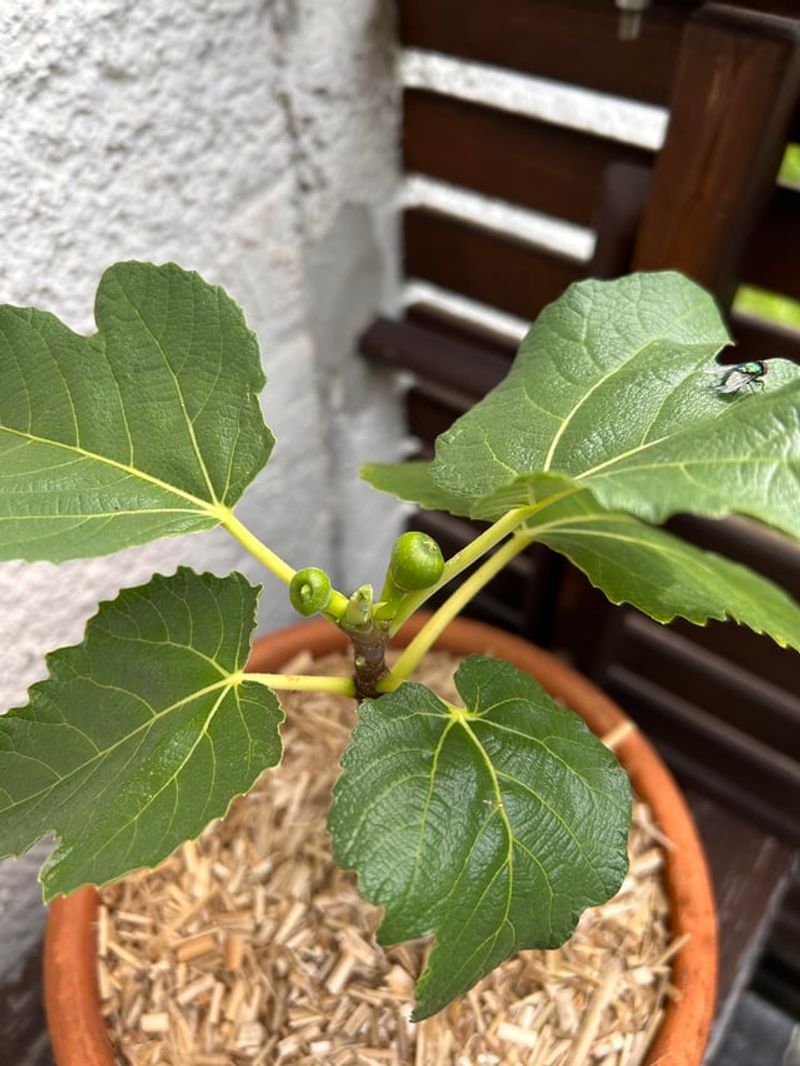
Young fruit trees have very little margin.
A mature tree has a wider root system and more stored energy. A newly planted tree may still be living mostly from the original root ball. During an August heatwave, that small root zone can dry quickly.
Check young trees daily during extreme heat. Morning and late afternoon checks are even better.
Probe the root ball, not just the surrounding soil. The planting hole and native soil can dry at different speeds.
Container trees need extra attention. Pots heat quickly and hold limited moisture.
Look for wilting that persists into morning. Afternoon droop can be heat response, but morning wilt is more concerning.
Watch leaf edges. Curling, browning, or dull color can signal stress.
Check the trunk and bark. Shrunken, cracked, or sunken-looking areas deserve quick attention.
Water slowly. A young tree needs moisture to soak into and around the root ball.
Do not flood the crown. Water should support roots without pooling around the trunk.
Use temporary shade cloth during severe heat. Young canopies may not protect the trunk and fruit well enough.
Stake only when needed. A tree should be supported without being tied so tightly that it cannot move naturally.
Young trees can look fine until they suddenly do not.
Frequent checks during heatwaves catch problems early enough to protect the next few years of growth, not just this season.