What Wisconsin Tomato Gardeners Should Do This First Week of August for Late-Season Fruit
August arrives in Wisconsin like an uninvited guest who overstays right when you need extra time. Tomato vines loaded with green fruit suddenly feel less like a promise and more like a countdown clock.
This is the moment separating a table full of ripe tomatoes from a compost pile of missed chances. Wisconsin’s short growing window turns small decisions into major consequences for anyone hoping for a real harvest.
A handful of overlooked steps right now can quietly decide the fate of every cluster still hanging on the vine. It has nothing to do with luck and everything to do with timing.
Cutting Back On Nitrogen Fertilizer Now
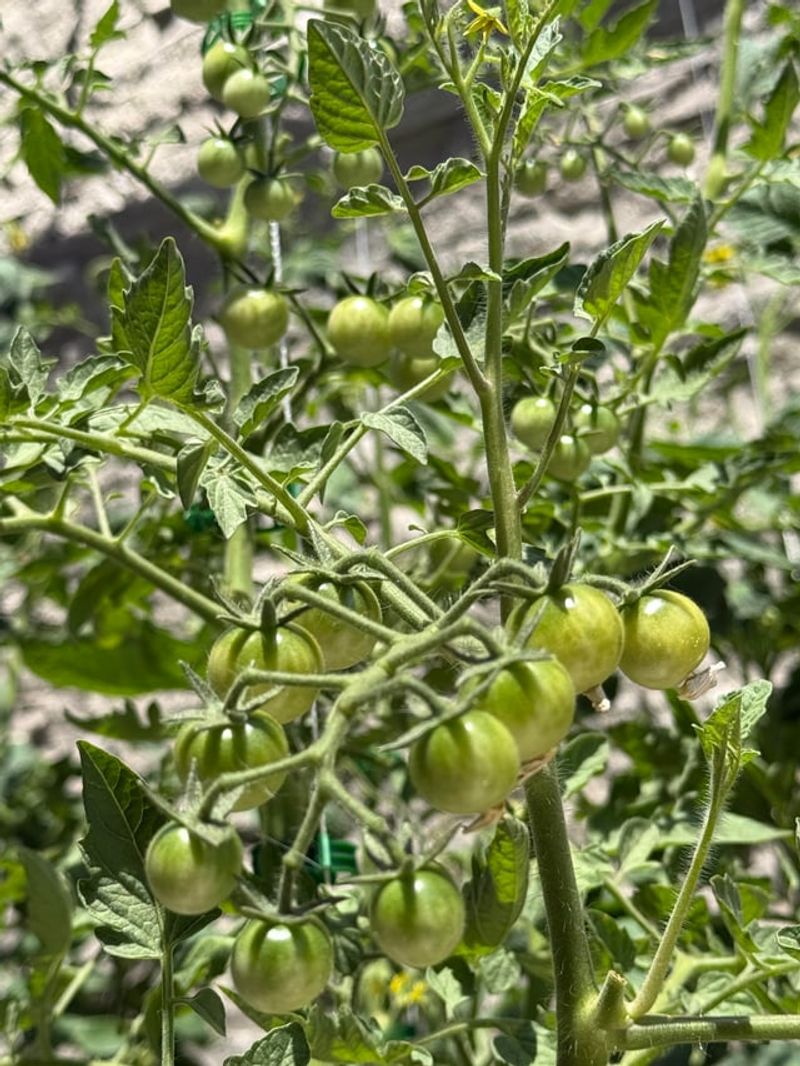
Your tomato plants are done growing up. Now they need to grow fruit.
Pumping nitrogen into the soil right now tells your plants to keep making leaves and stems. That sounds helpful, but it actually delays ripening and steals energy from your tomatoes.
Think of nitrogen like extra homework. It keeps the plant busy doing the wrong task at the wrong time.
Switching to a low-nitrogen or phosphorus-heavy fertilizer sends a different signal. It tells the plant to focus on developing and ripening what is already hanging on the vine.
Look for fertilizers labeled with higher middle and last numbers, like 5-10-10. Those numbers represent phosphorus and potassium, which support fruit quality and root strength.
Many Wisconsin gardeners make the mistake of sticking with the same feeding schedule all season. Changing your approach in early August is one of the smartest shifts you can make for late-season fruit.
If you have been using a balanced granular fertilizer, stop applying it now. Let the soil work with what it already has while you redirect plant energy toward the tomatoes waiting to ripen.
A tomato plant in August is like a runner in the final mile. It does not need more fuel for speed, it needs to cross the finish line strong.
Pruning Suckers To Focus Plant Energy
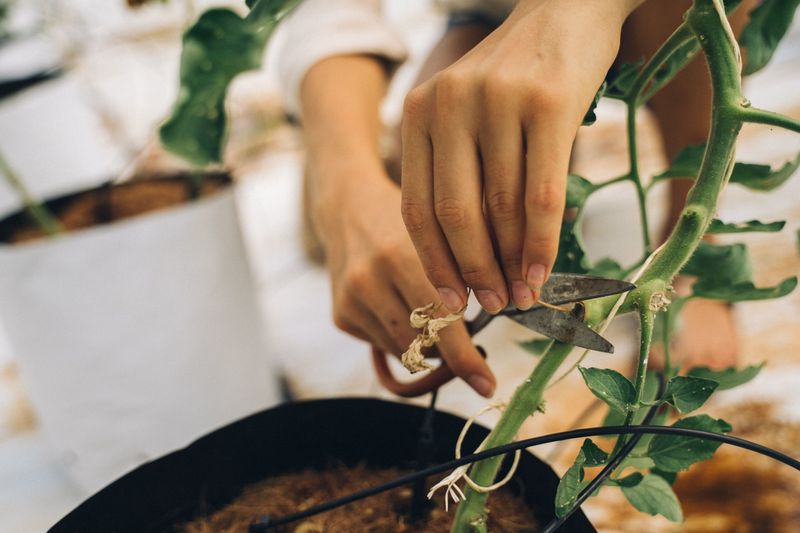
Suckers are sneaky little stems that sprout between the main stalk and a branch. They look innocent, but they are serious energy thieves.
Each sucker that grows into a full branch will try to produce flowers and fruit. That sounds like a good thing, but in early August, any new tomatoes that form will not have enough time to ripen before frost arrives.
Pinching off suckers now redirects the plant’s resources toward the tomatoes already on the vine. Those existing fruits get more water, more sugars, and more of everything they need to finish strong.
Use clean fingers or sanitized pruning scissors to remove suckers. Snapping them off when they are small, under two inches, is easiest and causes the least stress to the plant.
Larger suckers can be cut with a blade, but always wipe your tool with a household disinfectant between plants. This simple habit prevents disease from spreading through your whole garden.
What Wisconsin tomato gardeners should do this first week of August is get comfortable making these small cuts. They feel drastic, but the payoff is worth it.
Your Wisconsin Garden Changes Every Week. Your Plan Should Too.
Gardening in Wisconsin changes quickly throughout the season. Every Friday you’ll receive a simple weekly plan showing exactly what to plant, prune, fertilize, harvest, and protect so you never miss the right timing.
Focus especially on suckers near the bottom of the plant and any growing above the top cluster of fruit. Those are the biggest energy drains in late summer.
A well-pruned plant in August looks a little spare, but that lean structure means every bit of sunshine goes straight to your ripening tomatoes.
Watering Deeply And Consistently Each Day
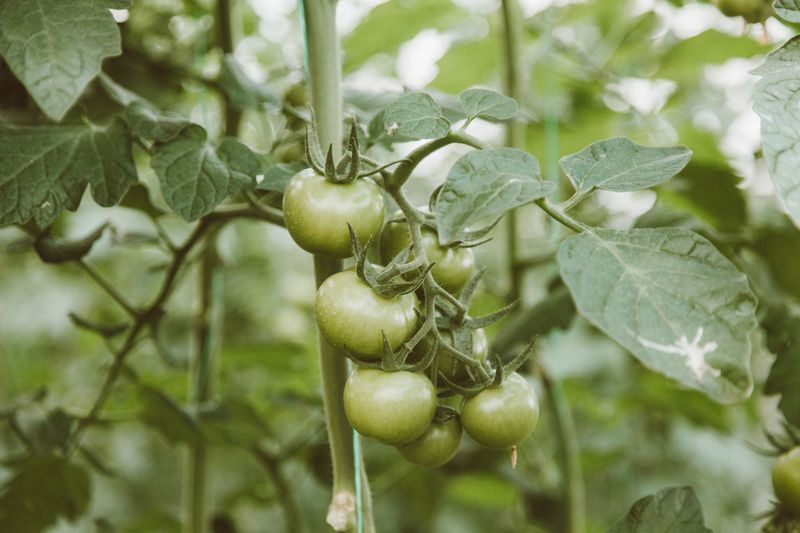
Tomatoes are dramatic when it comes to water. Too little and they crack. Too much at once and they crack anyway.
Deep, consistent watering is the answer that keeps fruit skin smooth and flavor concentrated. Shallow watering encourages roots to stay near the surface, where they dry out fast on hot August days.
Aim for at least one inch of water per week, delivered slowly and directly to the root zone. Soaker hoses and drip irrigation are perfect for this because they keep leaves dry and reduce disease risk.
Wet foliage in August is an open invitation for blight and other fungal problems. Keeping water low and slow protects both the plant and the fruit.
Try to water in the morning so any accidental splashing has time to evaporate before evening. Damp leaves sitting overnight create the exact conditions that fungal spores love.
Inconsistent moisture is one of the top causes of blossom end rot, a dark sunken spot on the bottom of tomatoes. Steady daily watering prevents this frustrating problem from ruining late-season fruit.
Check the soil about two inches down before watering each morning. If it feels dry at that depth, the plant needs a good drink right away.
Consistent care now keeps your harvest on track. A tomato that gets steady moisture in August is a tomato that ripens beautifully before the cold moves in.
Watching For Early Signs Of Blight
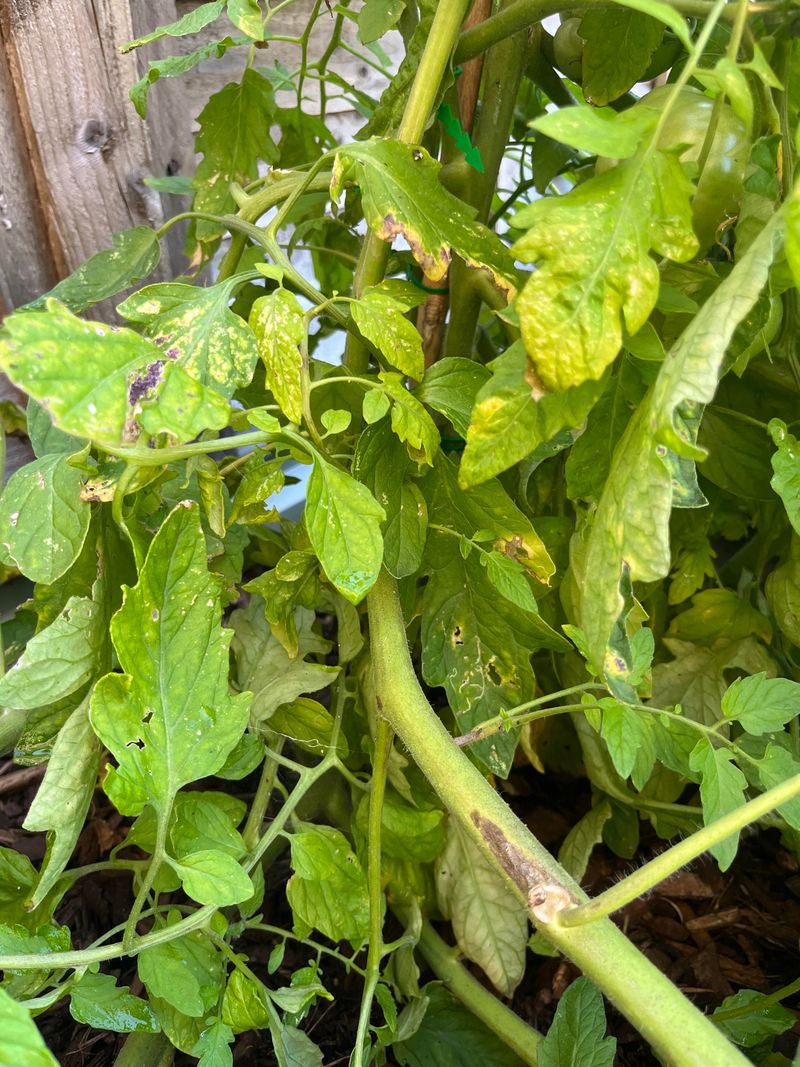
Blight is the fastest-moving problem in the August tomato garden. It can spread through a plant in just a few days.
Early blight starts as small brown spots with yellow rings around them, usually on lower, older leaves. Late blight looks different, with dark water-soaked patches that spread across leaves and stems almost overnight.
Catching either type early is the only way to slow it down before it reaches your fruit. Walk through your garden every single day and flip leaves over to check the undersides too.
Remove any affected leaves immediately and place them in a sealed bag, not the compost pile. Composting diseased leaves spreads the problem right back into your soil next season.
Copper-based fungicide sprays can help slow the spread of blight when applied early. Follow the label instructions carefully and reapply after rain or heavy dew.
Good air circulation around plants is one of the best natural defenses against fungal disease. Crowded plants trap humidity, and humidity is blight’s best friend.
A five-minute walkthrough each morning is often the only thing standing between a healthy plant and a fast-moving outbreak.
Blight does not mean your season is over if you catch it early. Quick action and smart pruning can keep infected plants producing right up until frost taps on your garden gate.
Removing Lower Leaves To Improve Airflow
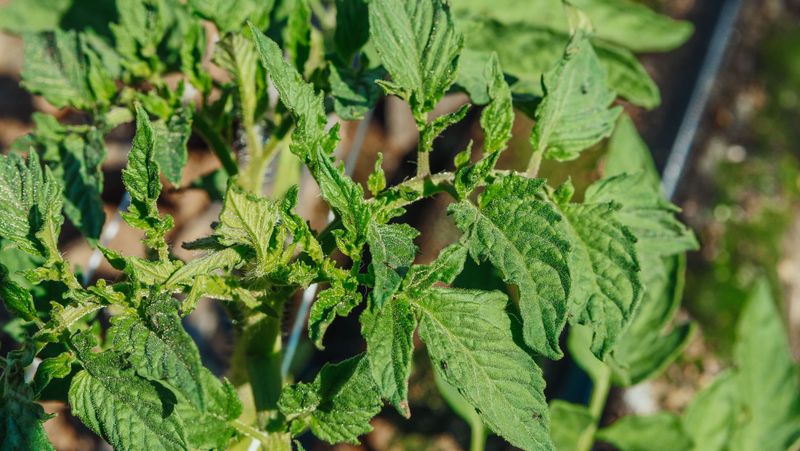
The bottom leaves of a tomato plant are the first to go yellow and weak. Letting them linger is like keeping a broken window open during a storm.
Lower leaves sit close to the soil and pick up splashing water during rain or irrigation. That splash carries fungal spores, bacteria, and other pathogens straight onto the leaf surface.
Stripping off the bottom six to twelve inches of foliage creates a clear zone between the soil and the plant. Less contact with the ground means less disease pressure overall.
Use clean pruning shears or scissors to make smooth cuts close to the stem. Ragged tears create open wounds that can invite infection, so clean cuts matter more than most gardeners realize.
Better airflow through the lower canopy also means leaves dry faster after rain or watering. Dry leaves are healthy leaves, and healthy leaves keep photosynthesis running strong through August.
Do not remove so many leaves that the plant looks stripped bare. Aim to keep plenty of healthy foliage in the middle and upper sections to feed the developing fruit.
A good rule is to remove any leaf that is yellow, spotted, or touching the soil. Green, healthy leaves in the upper half of the plant should stay right where they are.
Opening up the lower canopy feels like giving your plant a fresh haircut. The results show up fast in the form of healthier stems and better-looking fruit.
Topping Plants To Stop New Growth
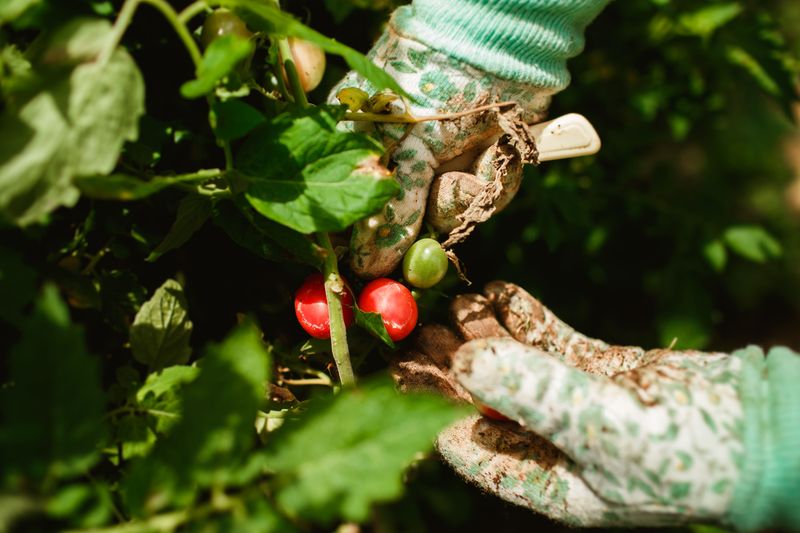
Topping a tomato plant sounds harsh, but it is one of the kindest things you can do in August. Cutting the very top growing tip stops the plant from investing energy in new branches and flowers.
Any flower that opens after the first week of August in most of the state will not produce a ripe tomato before frost. Those late blooms are basically a wasted promise.
By removing the top tip, you redirect all remaining energy to the tomatoes already hanging on the plant. Existing green fruits ripen faster and develop better flavor when they get the plant’s full attention.
Use sharp, clean pruning shears and cut just above the highest flower cluster you want to keep. Leave a few inches of stem above that cluster to avoid stressing the plant too much.
Topping works best on indeterminate varieties, which are the types that keep growing and flowering all season long. Determinate types, which set all their fruit at once, are already wrapping up on their own schedule.
If you are not sure which type you have, check the seed packet or plant tag from spring. Knowing your variety helps you make smarter decisions in the final stretch of summer.
Many gardeners feel nervous about making this cut the first time. Once you see how quickly your remaining tomatoes respond, that nervousness turns into confidence for next season.
Topping your plants now is the boldest move in the August garden, and it pays off at harvest time.
Mulching To Retain Soil Moisture Longer
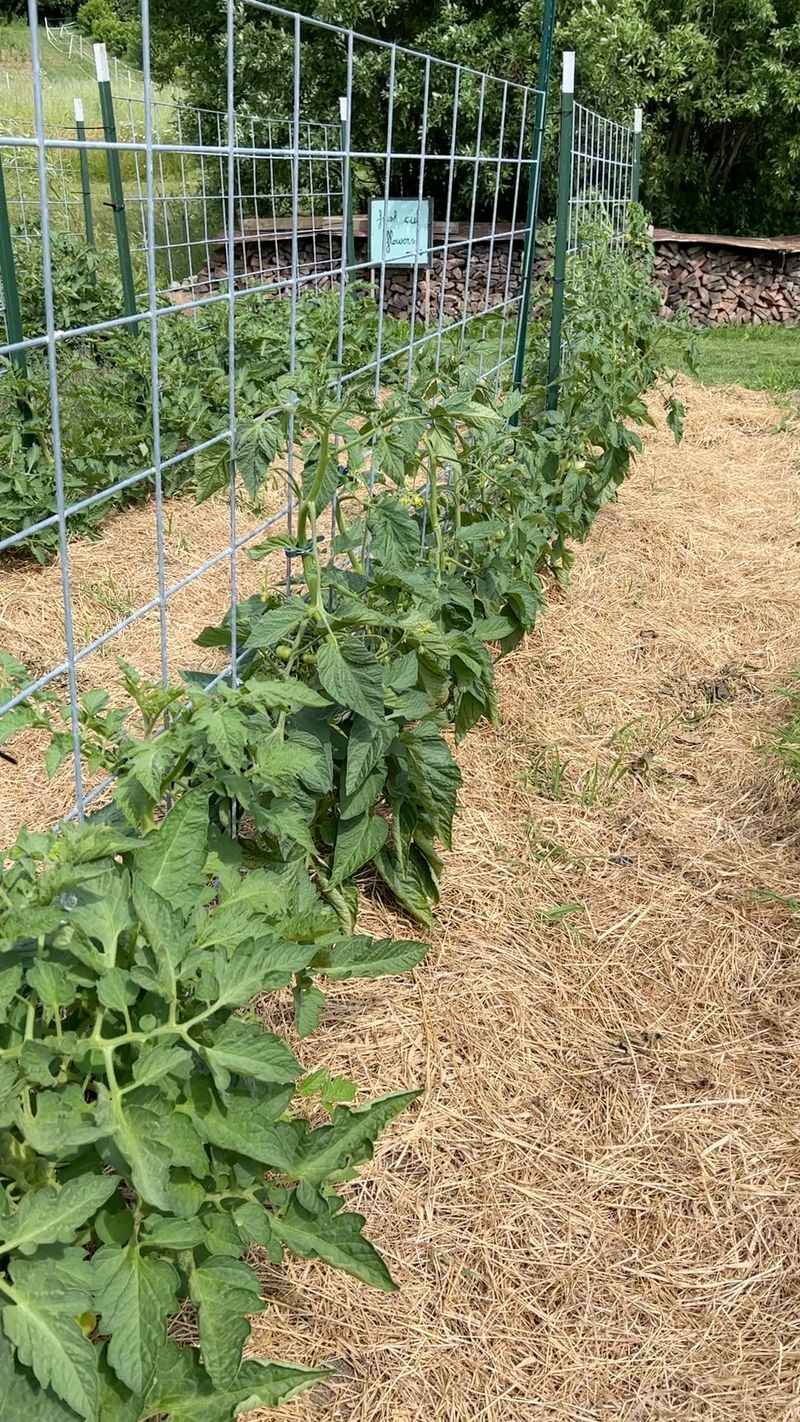
Mulch is one of those garden tools that does three jobs at once without asking for anything in return. It holds moisture, blocks weeds, and keeps soil temperature steady all at the same time.
In August, soil moisture swings wildly between hot dry spells and sudden afternoon thunderstorms. Mulch buffers those swings and keeps roots in a stable, comfortable environment.
Straw is a popular choice because it is loose, breathable, and easy to spread. Shredded leaves, wood chips, and even grass clippings work well too, as long as the clippings have not been treated with herbicide.
Spread a two to three inch layer around the base of each plant, keeping mulch a few inches away from the main stem. Piling mulch directly against the stem traps moisture there and can cause rot.
Tomatoes with well-mulched roots stay hydrated longer between waterings. That consistency reduces cracking, blossom end rot, and the kind of stress that slows fruit development in late summer.
Mulch also keeps soil from splashing up onto lower leaves during rain. Less splash means fewer fungal spores landing on your foliage, which is a big deal in humid August weather.
If you mulched earlier in the season, check the layer now and top it off if it has thinned out. A fresh layer in early August gives your plants a real boost heading into the final ripening stretch.
Good mulch is cheap insurance for a great harvest, and your tomatoes will show their gratitude in red.
Checking For Pests Before Fruit Ripens
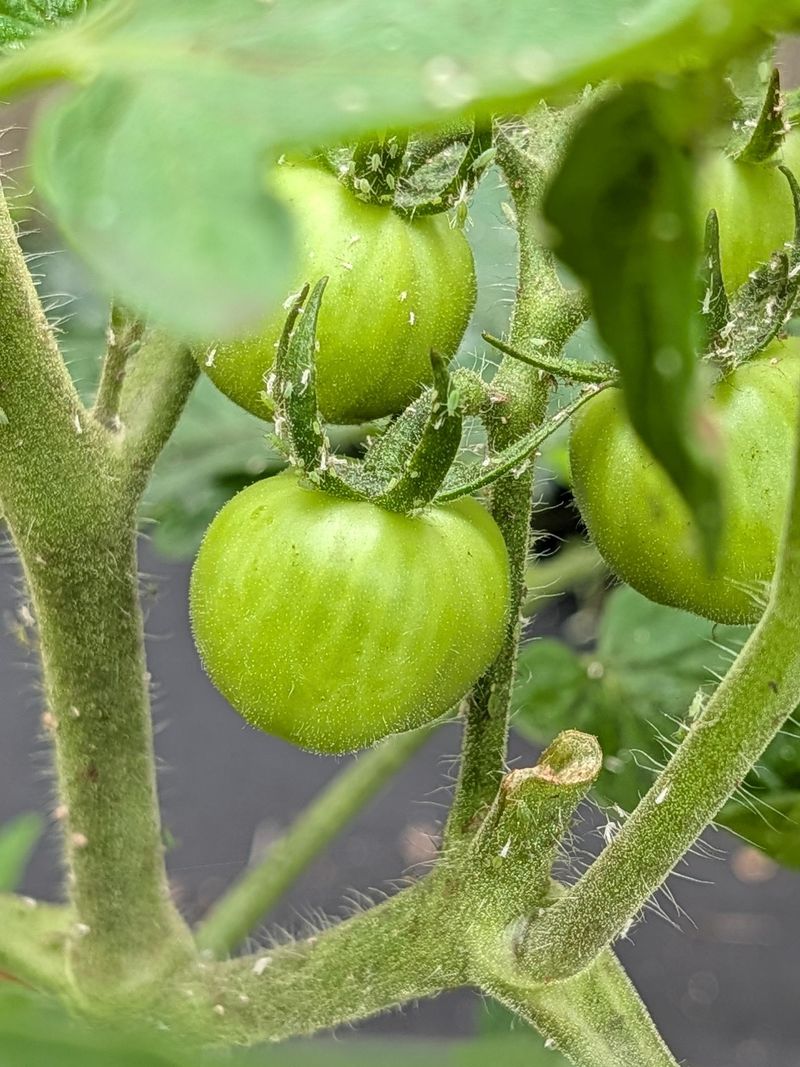
Pests love ripe tomatoes almost as much as you do. Catching them before the fruit colors up is the only way to stay ahead of the damage.
Tomato hornworms are the most dramatic offenders. These large green caterpillars blend into the foliage so well that many gardeners do not spot them until they have already stripped entire branches bare.
Look for dark droppings on leaves below the feeding site, then trace upward to find the hornworm. Handpicking is effective and satisfying in a primal sort of way.
Aphids cluster on the undersides of leaves and drain plant sap slowly. A strong spray of water from a garden hose knocks most of them off without any chemicals needed.
Stink bugs and spider mites are also active in August and both target developing fruit. Check under leaves and along stems every few days to catch populations before they explode.
Daily pest scouting deserves a permanent spot on the to-do list, right alongside watering and weeding. Five minutes of checking now prevents hours of frustration later.
Neem oil spray is a safe and effective option for soft-bodied insects like aphids and mites. Apply it in the early morning or evening to avoid burning leaves in direct midday sun.
A healthy, well-monitored plant in August is a resilient one. Staying on top of pests now means your late-season fruit makes it all the way from vine to table without setbacks.