The Florida Leaf Litter Mistake That’s Costing You Next Year’s Firefly Season
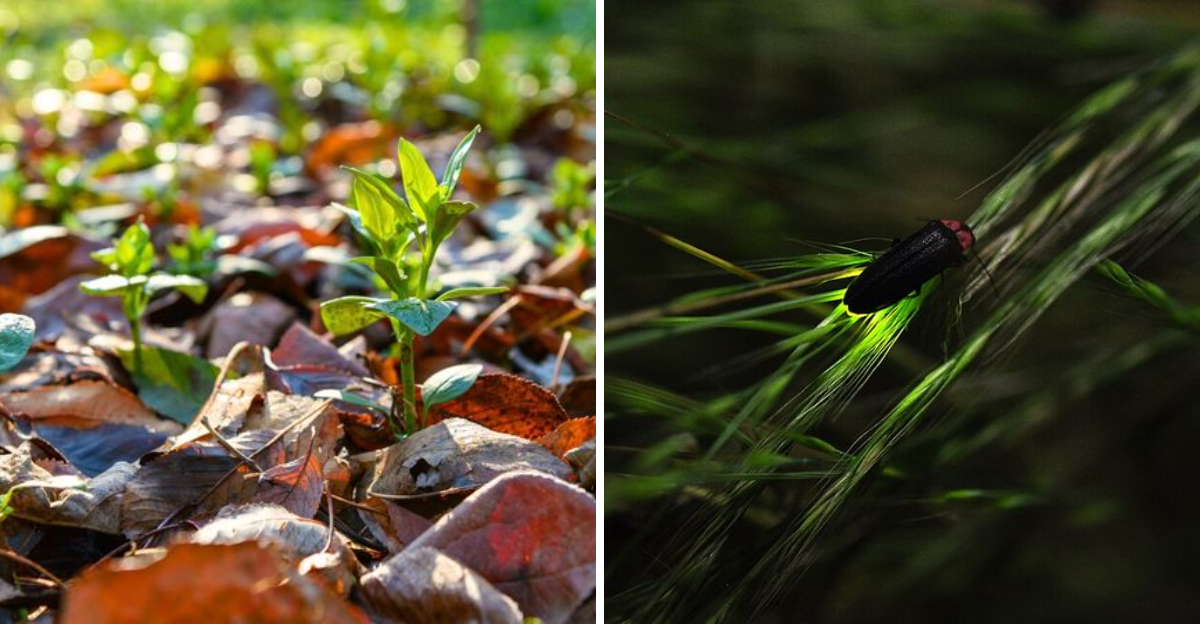
Next year’s firefly season is being decided right now in the leaf litter on the ground. Not in spring when the first flash appears.
Not in summer when the display peaks. Right now, in the layer of organic material that most Florida yards are treating as a problem to solve rather than a resource worth protecting.
Firefly larvae spend nearly a year underground. Leaf litter is where they hunt, shelter, and develop through the long invisible stretch before they ever produce a single flash of light.
One leaf litter mistake wipes out that habitat faster than almost anything else a yard does. It happens on a schedule.
It looks like responsible yard maintenance. And it costs next summer’s firefly population before the current one has even finished.
Florida yards that light up reliably every season are not lucky. They made a different decision about what happens to the leaves.
1. Leave The Leaves Where Fireflies Need Them
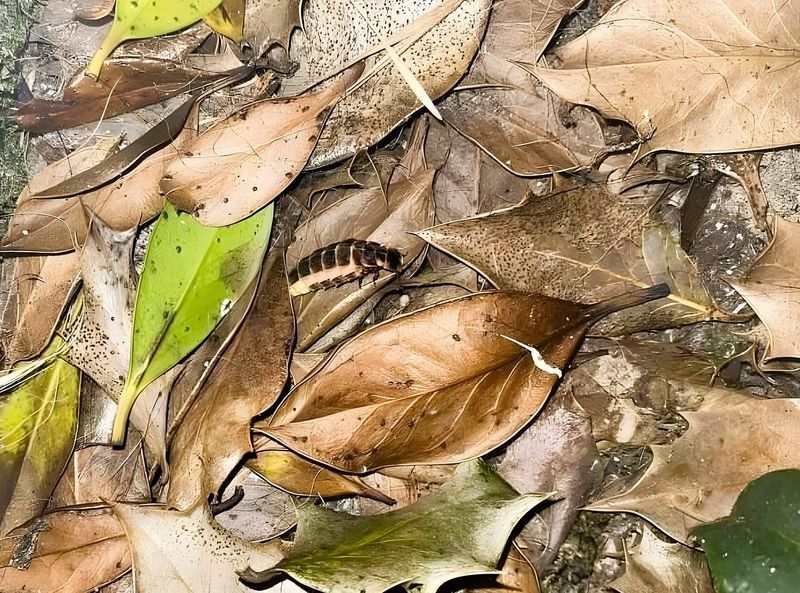
Bare, exposed soil after a thorough raking can look tidy, but something important disappears along with those leaves. A natural layer of fallen material acts as a thin blanket over the ground.
It holds in moisture, softens temperature swings, and gives small organisms a place to shelter. Without it, the soil surface can dry out and become more vulnerable to cold snaps.
Many firefly species spend far more of their lives as larvae than as the flashing adults you spot on warm evenings. Some larvae live near the soil surface, beneath leaf cover, or within rotting organic matter.
A completely bare and frequently disturbed yard may offer fewer of the sheltered, moist spots these young insects need during their development.
You do not need to leave thick piles spread across your entire lawn. A practical approach is to keep fallen material in selected spots beneath trees, shrubs, hedges, or planting beds where it can settle naturally.
Those chosen areas can quietly serve as low-key refuge zones without making the whole property look unmaintained. Tidiness and habitat can share the same yard when you are deliberate about where leaves stay and where they get cleared away.
2. Protect The Hidden Stage Of The Firefly Life Cycle
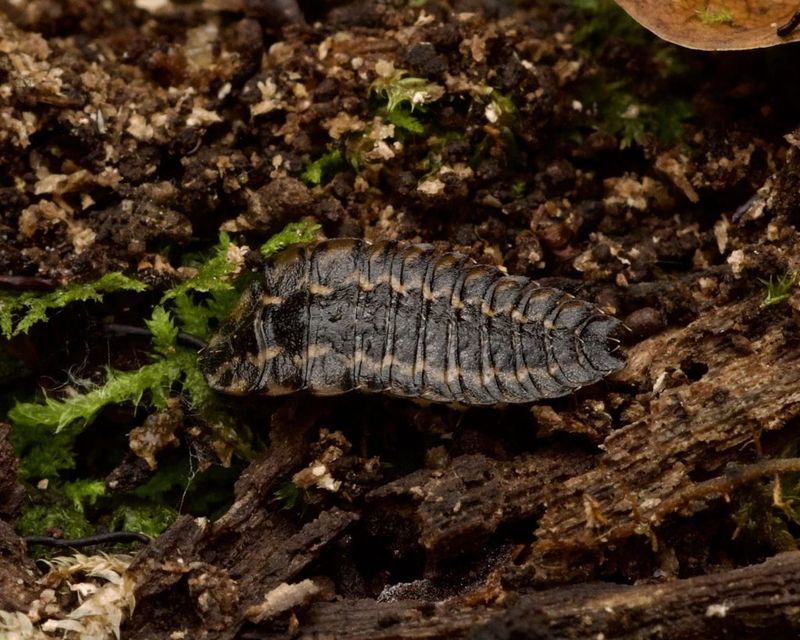
A single firefly larva may spend one to two years developing before it ever becomes a flashing adult. That long stretch of underground and near-surface life is the part most people never think about when they clean up their yards each fall.
Adults are just the brief, visible tip of a much longer process happening quietly beneath your feet.
Many firefly larvae are active predators. Depending on the species, they may feed on snails, slugs, small worms, and other soft-bodied invertebrates found in moist soil and organic matter.
A sheltered layer of decomposing material does not just protect the larvae directly; it also supports the small prey animals that some species depend on for food. Remove that layer and you may reduce both the shelter and the food supply at once.
Habitat needs vary considerably across firefly groups. Terrestrial species, wetland species, and those adapted to forest edges each have different requirements.
Your Florida Garden Changes Every Week. Your Plan Should Too.
Gardening in Florida changes quickly throughout the season. Every Friday you’ll receive a simple weekly plan showing exactly what to plant, prune, fertilize, harvest, and protect so you never miss the right timing.
Your Florida yard may be hosting young fireflies right now even if you have not seen a single flash all season. Recognizing that invisible stage exists is the first step toward making better yard decisions.
That way, you won’t accidentally clear it away before those larvae have a chance to complete their development.
3. Hold Off On The Fall Yard Cleanup
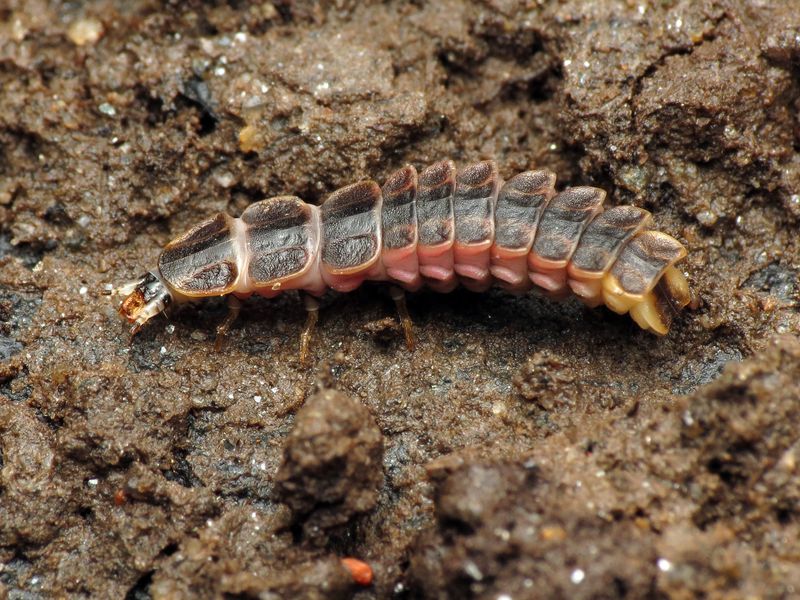
The roar of a leaf blower clearing every corner of the yard in one weekend feels efficient, but aggressive fall cleanup can sweep away more than just leaves. Bagging, vacuuming, and heavy raking can disturb sheltered insects.
So can mowing fallen material into fine pieces, before they have finished the season’s critical development stages. Timing matters just as much as method.
A more balanced approach involves cleaning in stages rather than stripping everything at once. Paths, driveways, patios, and storm drains genuinely need to stay clear for safety and drainage reasons.
Active lawn areas used for play or foot traffic also make sense to tidy. The key is choosing which parts of the property get a thorough clearing and which parts get left alone through winter.
Local conditions should guide your decisions. Florida’s fire codes, homeowners association rules, and drainage concerns near foundations are all worth considering.
So are plant-health issues, before leaving large amounts of material in certain spots. Postponing some cleanup or reducing its intensity in protected planting beds is not the same as abandoning maintenance altogether.
A staged, thoughtful approach gives small organisms more time to complete their development. It also keeps the parts of your property that truly need attention clean and safe.
4. Keep Leaf Litter Moist Without Letting It Pile Up
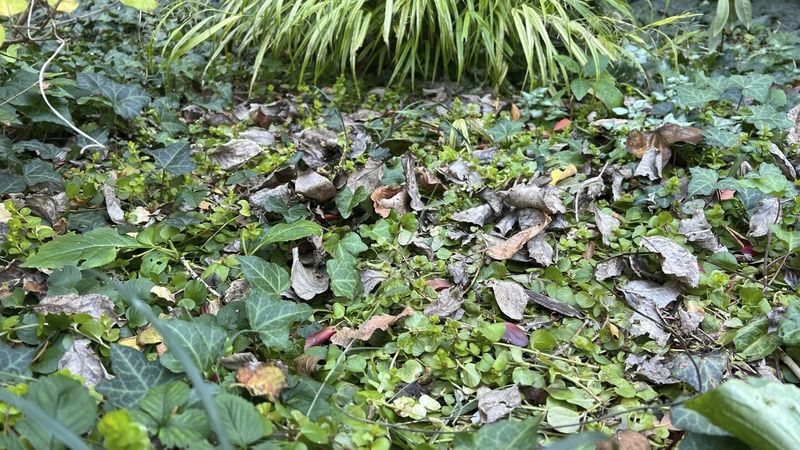
Cool, damp soil beneath a light layer of decomposing material has a particular feel that signals healthy ground conditions. That slight give underfoot, the faint earthy smell, and the visible presence of small organisms are signs that the soil is active and sheltered.
Many firefly larvae favor these kinds of moist, protected spots during their long development period.
Moist does not mean soaking wet or buried under a thick, compacted pile. An excessively deep accumulation near building foundations, delicate plant stems, or areas with poor drainage can cause problems that have nothing to do with fireflies.
A moderate, natural layer that still allows air and water to move through it tends to be more useful than a dense mat that traps too much heat or blocks drainage.
Different climates and soil types call for different approaches. Florida’s sandy, fast-draining soils may benefit from a slightly thicker layer to hold in moisture.
Heavy clay soils in wetter climates may need less accumulation to avoid waterlogging. Observe how quickly leaves break down in your specific conditions and adjust accordingly.
Placing material beneath established trees and shrubs tends to produce the best results. Shade and organic matter already support steadier ground conditions there, without creating maintenance headaches.
5. Create A Safe Zone Beneath Trees And Shrubs
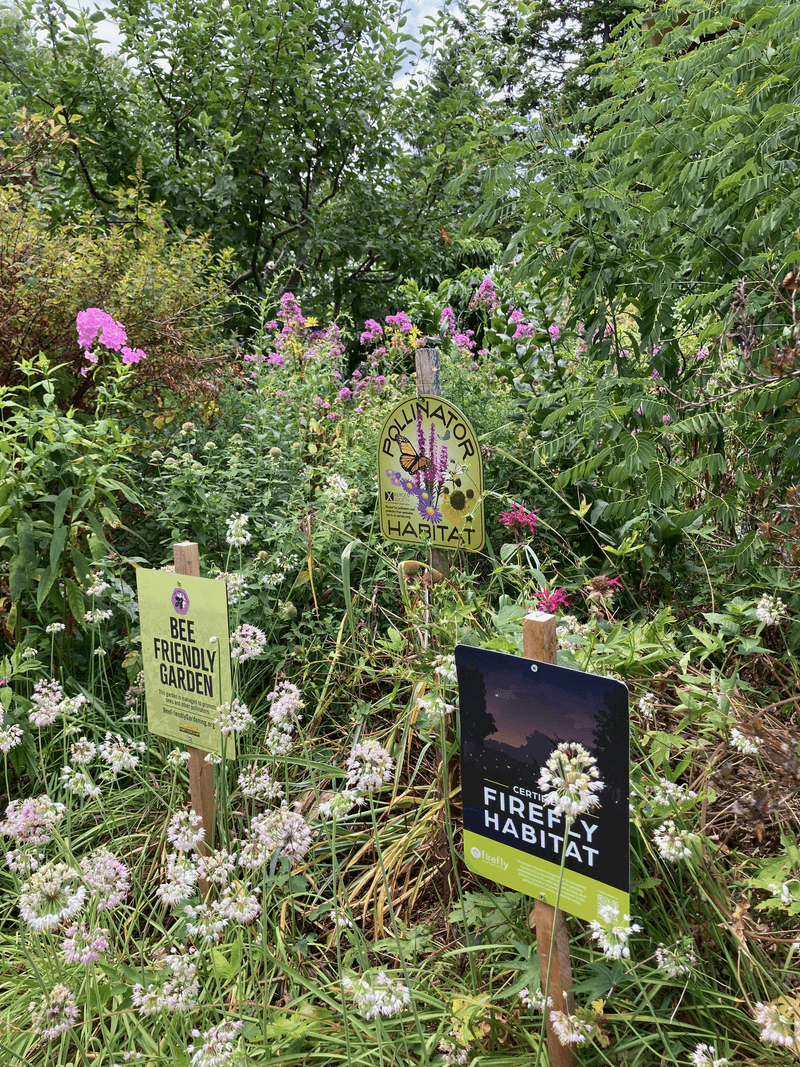
Peek beneath a mature shrub or under the canopy of a shade tree and you will often find a different world from the open lawn just a few feet away. Shade limits wind exposure, organic matter builds up gradually, and foot traffic stays low.
Those conditions tend to create steadier ground temperature and moisture levels. This can make these spots more hospitable for small soil-dwelling organisms over the long term.
Creating an intentional zone in these areas does not require much effort. Defining the space with a low stone border, a simple edging strip, or a line of small logs gives the area a purposeful, maintained look.
That visual boundary signals to visitors that the leaf cover is deliberate rather than neglected. A tidy edge makes a significant difference in how an informal habitat zone is perceived.
Within the zone, leaving small branches, natural mulch, and partly decomposed plant material adds structure without creating clutter. Limiting frequent digging, soil turning, and heavy foot traffic helps preserve the undisturbed conditions that make the area useful.
Florida native plants can contribute additional shelter and root structure, though no single plant species benefits every firefly. Keeping the zone manageable and attractive means you are more likely to maintain it consistently from one season to the next.
6. Skip The Chemicals That Disrupt Firefly Habitat
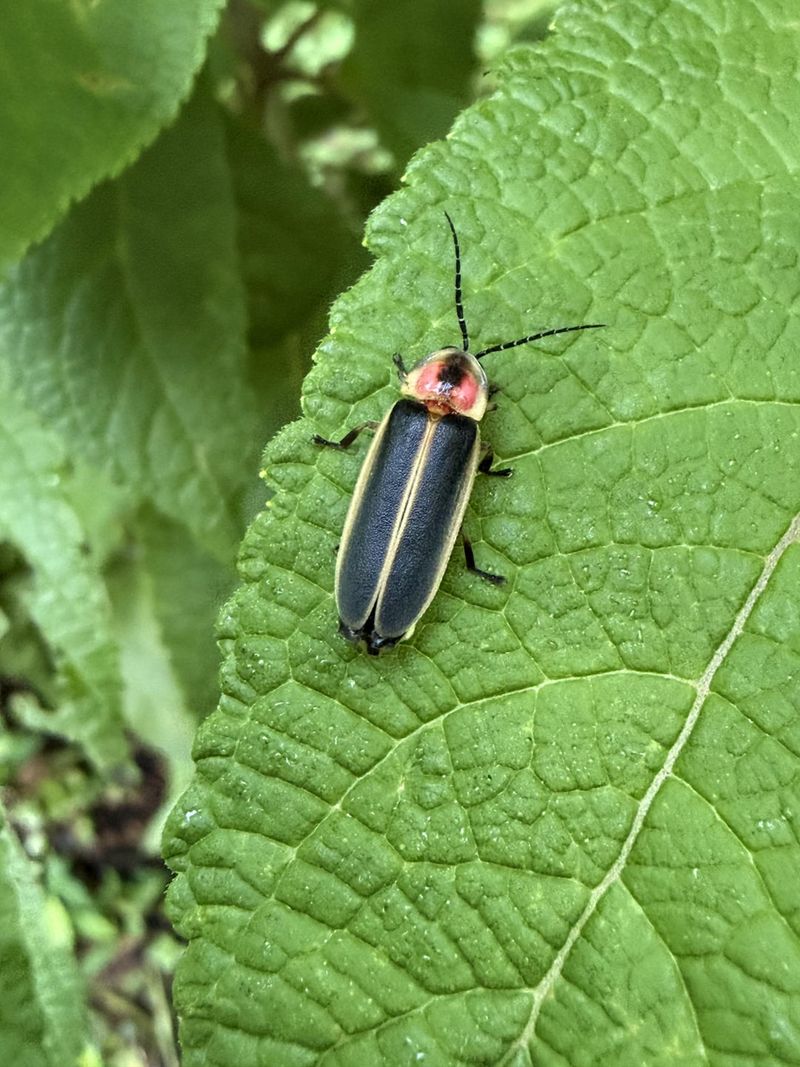
Routine chemical treatments applied across a lawn or garden bed rarely affect only the target pest. Broad-spectrum insecticides can reach firefly larvae in the soil or reduce the small invertebrates that some larval species feed on.
Spraying along moist edges, planting beds, and shaded soil zones puts these chemicals exactly where sensitive ground-dwelling insects tend to shelter.
Systemic insecticides present a particular concern because they move through plant tissue and can persist in the soil environment.
Research from entomology and conservation organizations has raised questions about how these compounds affect non-target invertebrates over time.
Treating soil, lawn edges, or damp hiding places with systemic products may create risks that outlast the immediate pest problem you were trying to address.
Before reaching for any treatment, identify the actual pest and assess the real level of damage. Many minor pest issues in a healthy yard resolve on their own or respond well to physical barriers, improved plant care, or targeted spot treatments.
Mosquito fogging, routine grub treatments, and slug or snail baits applied broadly may affect far more species than intended. Using the least harmful effective method is best.
That’s what university extension services and conservation groups recommend, and it protects more of the small organisms that share your outdoor space.
7. Move Leaves Without Removing Their Benefits
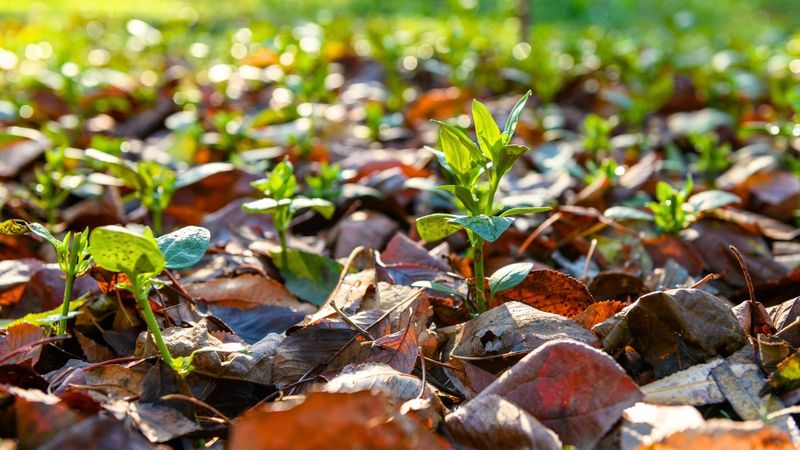
A rake, a pair of gloves, and a few minutes of unhurried work can make a real difference in how your yard handles leaf season.
Instead of bagging every fallen leaf, try moving whole leaves from paths, driveways, and open lawn areas into nearby planting beds or sheltered zones.
The material stays on the property, and the areas that need to stay clear actually get cleared.
Relocating leaves is not the same as removing them entirely. Sending everything to the curb or the compost truck means that material leaves your property for good.
Moving it just a few feet into a bed beneath a shrub keeps the organic layer intact and in place. Small organisms sheltering within the leaves have a better chance of continuing their development undisturbed.
This happens when the material is gently shifted rather than shredded or vacuumed up. It is a reasonable option when you have more than your beds can absorb, but a compost pile works differently from a natural ground layer.
Entrances, sidewalks, storm drains, and active turf areas can stay clear while the rest of the property retains some protected cover. Moving gradually and avoiding scraping the soil surface keeps the process manageable.
So does working in sections rather than all at once, which reduces unnecessary disruption to whatever may be sheltering below.
8. Set The Stage For Next Summer’s Glow
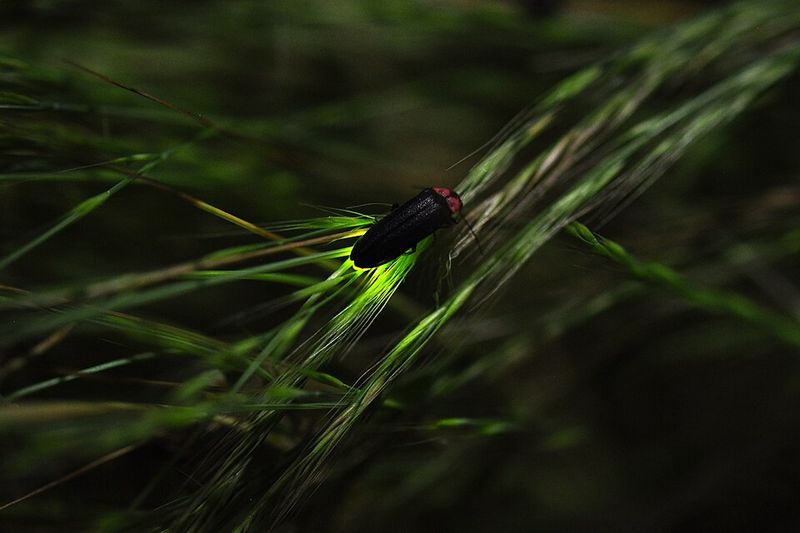
On a quiet evening in late spring, the first flickers of light near the shrubs signal that something worked. That outcome is never guaranteed, but it becomes more likely when several habitat conditions line up over the preceding months.
Retaining some leaf cover is one piece of a broader strategy rather than a single fix.
Artificial light at night is a factor worth addressing seriously. Research supported by the Xerces Society and firefly specialists points to a concern.
Excess outdoor lighting may interfere with the flashing signals adult fireflies use to locate mates.
Turning off unneeded lights after dark, using timers, directing fixtures downward, and closing curtains can reduce light pollution in the immediate area around your Florida yard.
Reduced mowing frequency in low-traffic areas and undisturbed soil both help.
So do moist spots near water features or rain gardens, varied vegetation heights, and limited pesticide use, and together they contribute to conditions that a wider range of species may find suitable.
Different firefly species use fields, forest edges, wetlands, and stream margins throughout Florida in addition to residential yards. No single leaf pile or habitat feature replaces the value of several connected, stable conditions maintained over time.
The choices made during fall cleanup, winter, and early spring collectively shape what becomes possible. That shows up on those warm evenings when the lights start coming on across the lawn.