Why California Gardeners Should Stop Pruning Citrus Trees During This Heatwave
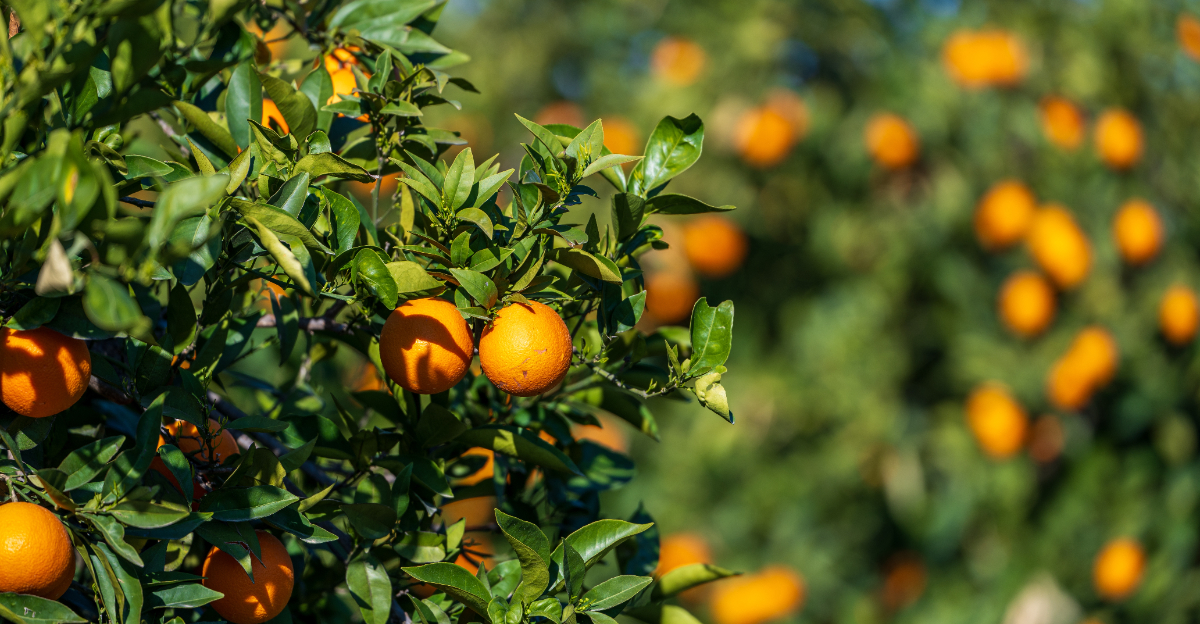
That overgrown citrus branch may be begging for a trim, but a California heatwave is a terrible time to reach for the pruners.
Citrus trees rely on their leafy canopy as built-in sunscreen, shading tender bark, limbs, and developing fruit during punishing summer afternoons.
Cut too much now and suddenly exposed wood can scorch, crack, or become vulnerable to lasting damage. Pruning also removes leaves the tree needs to produce energy while it is already working hard to manage heat and moisture loss.
Even a healthy tree can respond with wilted foliage, dropped fruit, or stalled growth after an aggressive haircut.
Unless a branch is broken, dangerous, or withered, the smarter move is to leave the canopy alone, water deeply, and wait for milder conditions.
Your tree may look untidy for a few more weeks, but that temporary mess is far better than turning helpful shade into a sunburn problem.
1. Fresh Cuts Make Heat Stress Even Worse
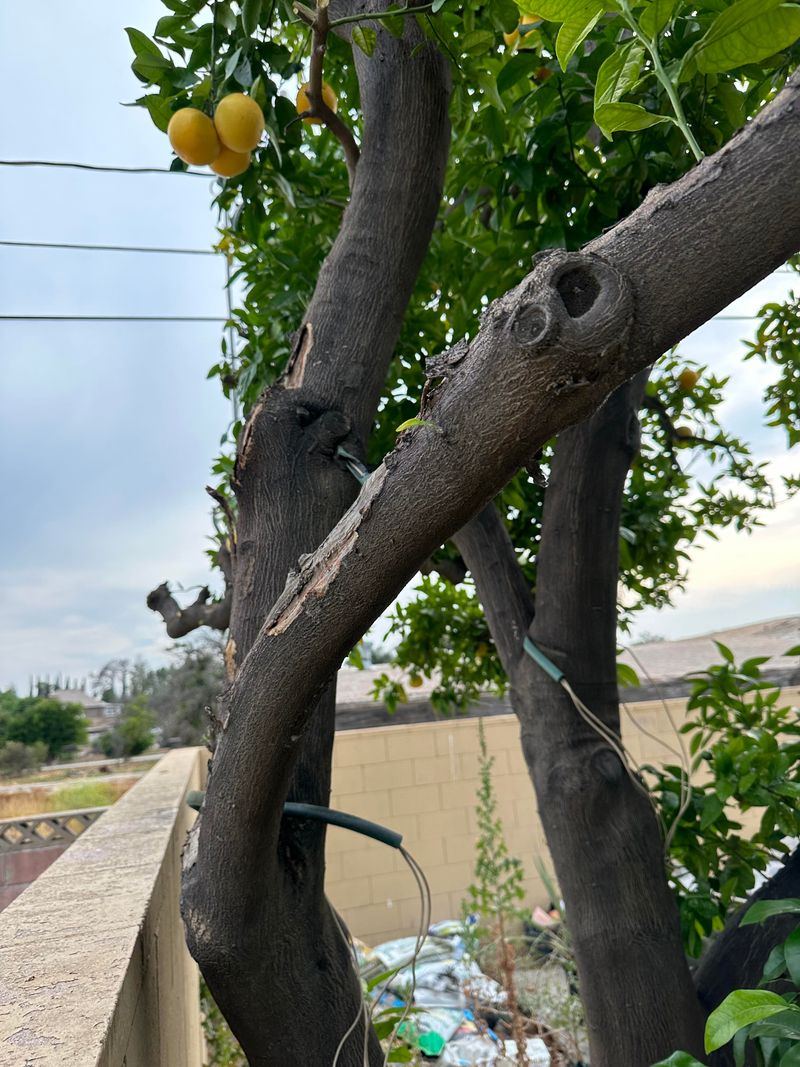
Most people do not think twice about picking up the shears on a sunny afternoon. But during a heatwave, even a small cut on a citrus branch can push a tree over the edge.
The tree is already working hard just to stay upright and hydrated.
When you make a fresh cut, the tree has to redirect energy toward healing that wound. That takes a lot of resources.
During extreme heat, those resources are stretched thin. The tree cannot heal and cool itself at the same time.
Moisture loss speeds up at every cut point. Open wounds allow water to escape from the inside of the branch.
In normal weather, this is manageable. In triple-digit heat, it becomes a serious problem.
Stress compounds quickly in high temperatures. A tree that was doing fine before pruning can start to struggle within just a day or two after cuts are made.
The signs are not always obvious at first, which makes it easy to miss until the damage is done.
Waiting until temperatures drop to the mid-70s or lower is the safest approach. Late fall and early winter are the best windows for citrus pruning in most parts of California.
Your tree will heal faster, recover stronger, and thank you with better fruit next season.
2. Exposed Branches Can Scorch In A Hurry
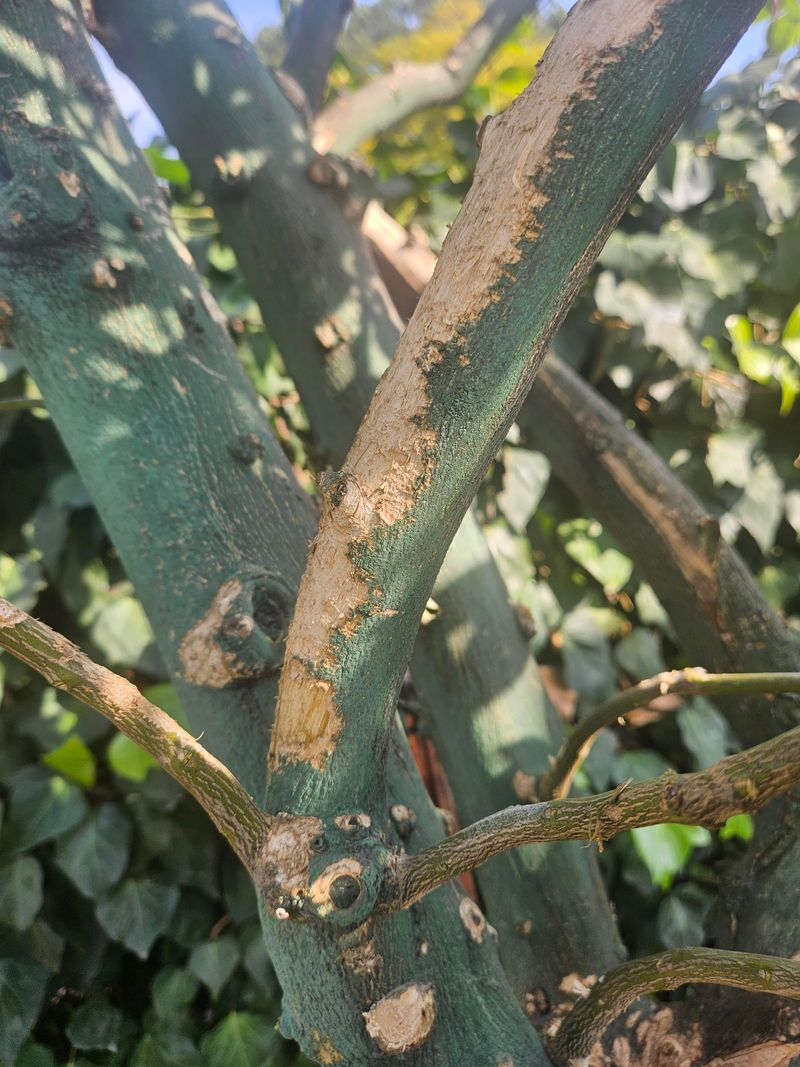
Bark on a citrus tree is not just decoration. It acts like a protective shield, keeping the inner wood cool and safe from direct sun.
When pruning removes leafy cover, the branches underneath are suddenly left wide open to the sun’s full power.
Scorching happens faster than most gardeners expect. In temperatures above 95 degrees, exposed bark can heat up to levels that damage the living tissue just beneath the surface.
That damage shows up as discolored, cracked, or sunken areas on the branch.
Once bark gets scorched, the tree struggles to move water and nutrients through that section. It is like putting a kink in a garden hose.
The parts of the tree beyond the damaged area do not get what they need.
Your California Garden Changes Every Week. Your Plan Should Too.
Gardening in California changes quickly throughout the season. Every Friday you’ll receive a simple weekly plan showing exactly what to plant, prune, fertilize, harvest, and protect so you never miss the right timing.
Southern-facing branches are especially at risk. They receive the most direct sunlight throughout the day.
Removing the leaves that normally shade these branches during a heatwave is a recipe for serious trouble.
The fix is simple: leave the pruning for later. Branches that still have their leaves are naturally protected.
The foliage acts as a built-in sunscreen, bouncing heat away from the bark below. Keeping that cover in place during the hottest weeks of the year is one of the easiest ways to avoid costly damage to your citrus tree.
3. Leafy Shade Is Protecting Your Fruit Right Now
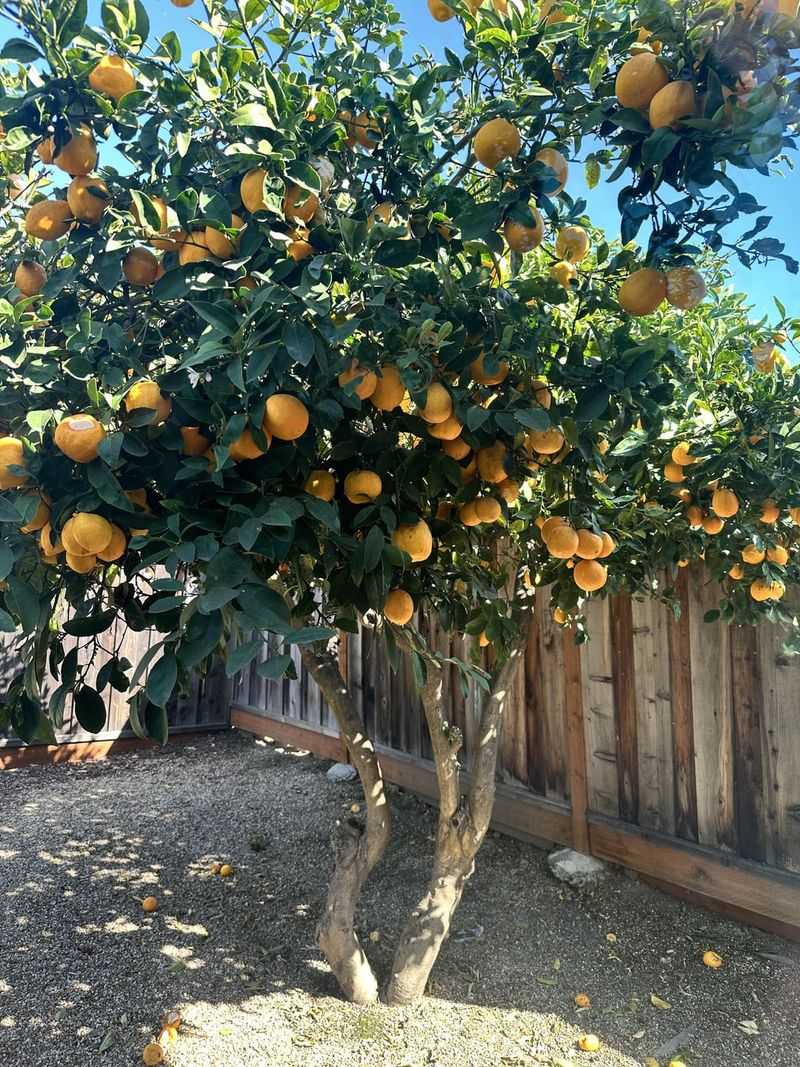
Your citrus tree’s leaves are doing a lot more than just looking green. Right now, during these blazing hot days, that thick canopy of leaves is acting like a natural umbrella over your fruit.
Without that shade, the fruit is exposed directly to the sun.
Fruit that loses its shade cover during a heatwave can develop a condition called sunburn. The skin of the fruit turns pale, then white, and eventually the flesh underneath becomes dry and pithy.
That means less juice and a lot less flavor.
Lemons, oranges, and grapefruits are especially sensitive during their development stages. If the fruit is still sizing up on the tree, heat exposure can stunt that growth.
A shaded fruit develops more evenly and holds more moisture inside.
Think of the leaves as a cooling system for your harvest. They filter harsh sunlight before it reaches the fruit.
They also release moisture into the air around the tree, which slightly lowers the temperature in that immediate zone.
Pruning away branches now means removing that natural protection at the worst possible time. The fruit you have been waiting all year to enjoy could end up damaged before it ever makes it to your kitchen.
Keeping the canopy full and intact through the heat is the smartest way to protect your crop this summer.
4. Heavy Pruning Can Invite Nasty Sunburn
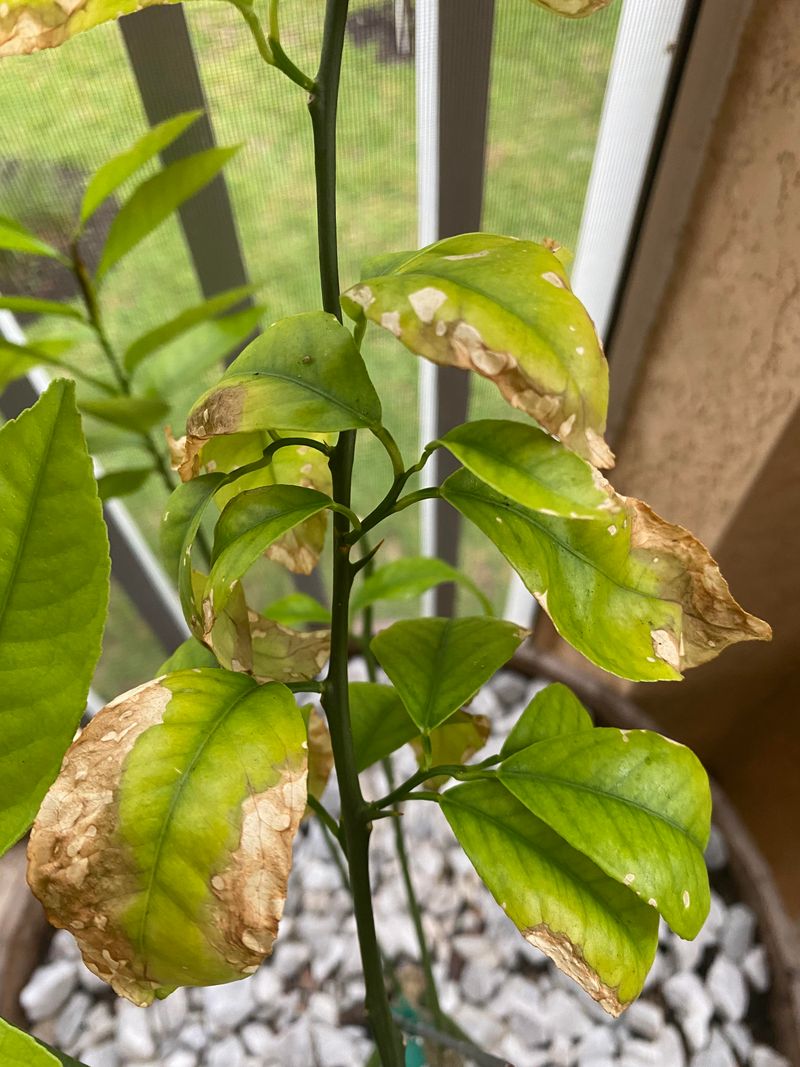
Sunburn on citrus trees is a real problem, and it is not just about the fruit. The bark, branches, and even the trunk can get sunburned when too much of the tree’s cover is removed at once.
Heavy pruning during a heatwave sets this up perfectly.
When large sections of the canopy are cut away, the inner parts of the tree that were always shaded suddenly face full sun exposure.
Those areas were never toughened up to handle direct sunlight. They have no built-in protection.
The damage looks like bleached or yellowed patches on the bark. Over time, the bark may crack or peel.
Once that happens, pests and disease have an easy entry point into the tree. What started as a pruning job can turn into a much bigger headache.
Did you know that young citrus trees are even more at risk? Their bark is thinner and less developed than older trees.
A heavy pruning session on a young tree during peak summer heat can set its growth back by a full season or more.
Protecting the tree means leaving its natural shade structure in place. If you absolutely must remove a branch, do it minimally and consider using diluted white latex paint on exposed areas to reflect sunlight.
But honestly, the best plan is to wait for cooler weather before making any significant cuts.
5. New Growth Has No Business Facing This Heat
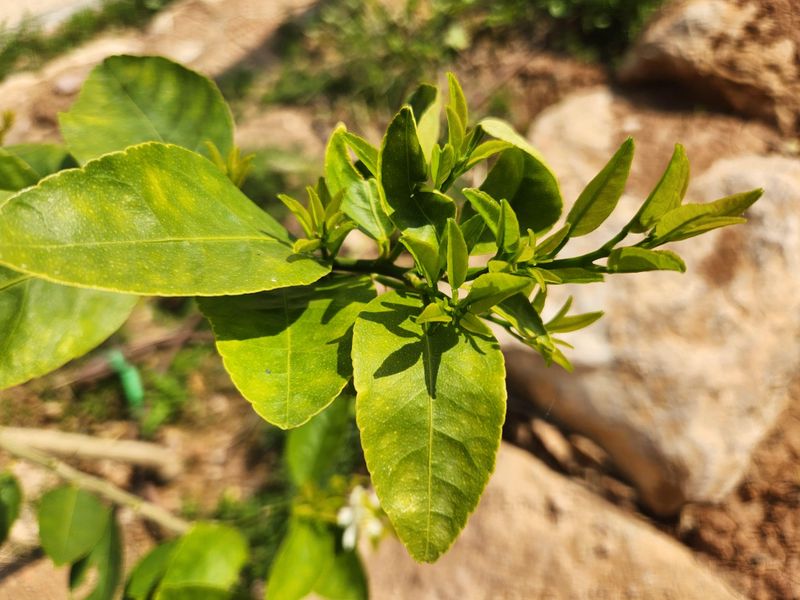
Pruning signals a tree to grow. That is just how trees work.
When you cut a branch, the tree responds by sending out new shoots to replace what was lost. Under normal conditions, that is a good thing. During a heatwave, it is a problem.
New growth is soft, tender, and full of moisture. It has not had time to develop the waxy coating that protects mature leaves from the sun.
When those fresh shoots pop out during a heatwave, they face conditions they are completely unprepared for.
The young leaves wilt fast. They may turn brown at the edges within just a couple of days.
The tree then has to spend even more energy trying to recover from the damage to its new growth, on top of managing the original heat stress.
This cycle drains the tree’s reserves quickly. Every time new growth emerges and gets damaged, the tree has to start over.
Repeated cycles of this can weaken the tree going into fall, which is when it needs to be storing energy for next year’s fruit production.
Avoiding pruning during extreme heat breaks this cycle before it starts. The tree stays stable, keeps its energy, and does not waste resources on vulnerable new shoots.
Wait for cooler temperatures, and the new growth that follows your pruning will be healthy, strong, and ready to thrive.
6. Hot Weather Slows Down Tree Recovery
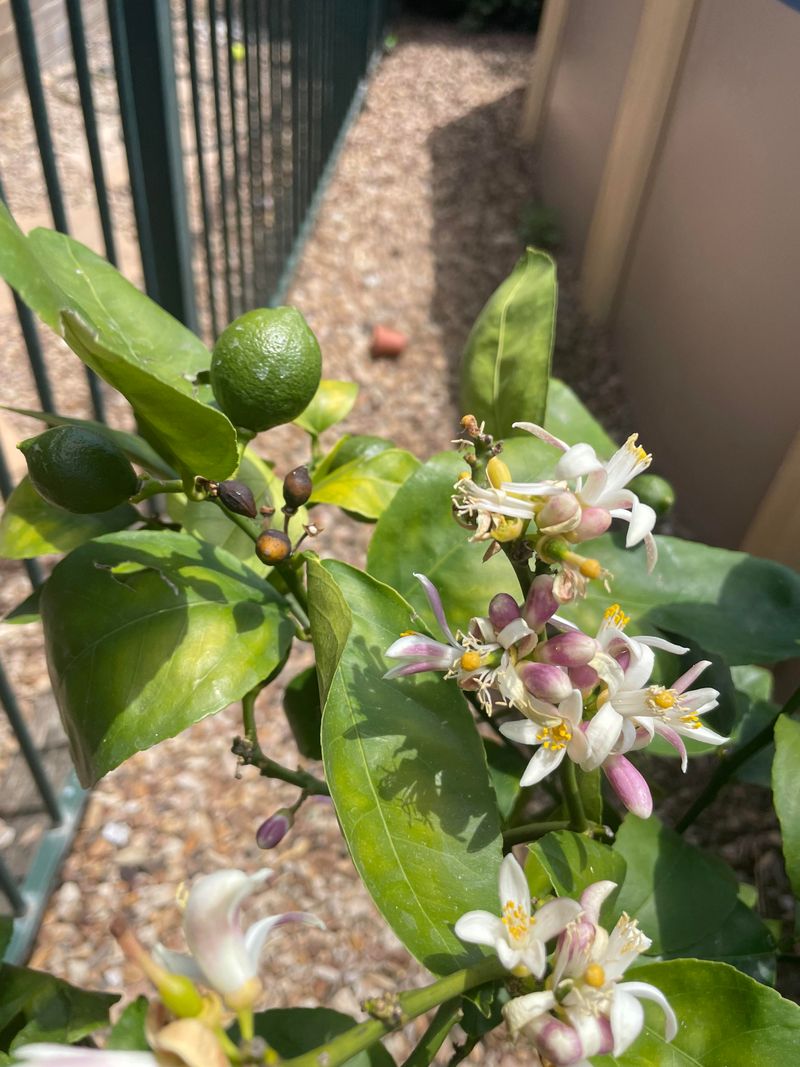
Recovery after pruning depends on the tree having enough water, energy, and the right temperature range to heal properly.
Hot weather throws all three of those off balance at the same time. That is a tough situation for any tree to handle.
Water is the first issue. During a heatwave, trees lose moisture through their leaves much faster than usual.
After pruning, even more moisture escapes through the cut surfaces. The tree can get dehydrated quickly, even if you are watering regularly.
Energy is the second issue. Healing a wound takes calories, in a sense.
The tree pulls stored sugars and nutrients to repair cut tissue. But in extreme heat, a lot of that energy is already being used just to keep the tree’s internal temperature stable.
The right temperature range matters too. Citrus trees heal best when nighttime temperatures drop into the 60s.
In California’s inland valleys and desert regions, summer nights can still be hot enough to prevent proper overnight recovery. The tree never fully gets a break.
All of this adds up to a tree that heals much more slowly, if at all, during a heatwave. Wounds that might take two weeks to close in October could stay open for months if made in July.
Open wounds mean more exposure to pests, fungal issues, and continued moisture loss. Patience is truly the best pruning tool you have right now.
7. Cutting Too Much Can Dry Out Citrus Fast
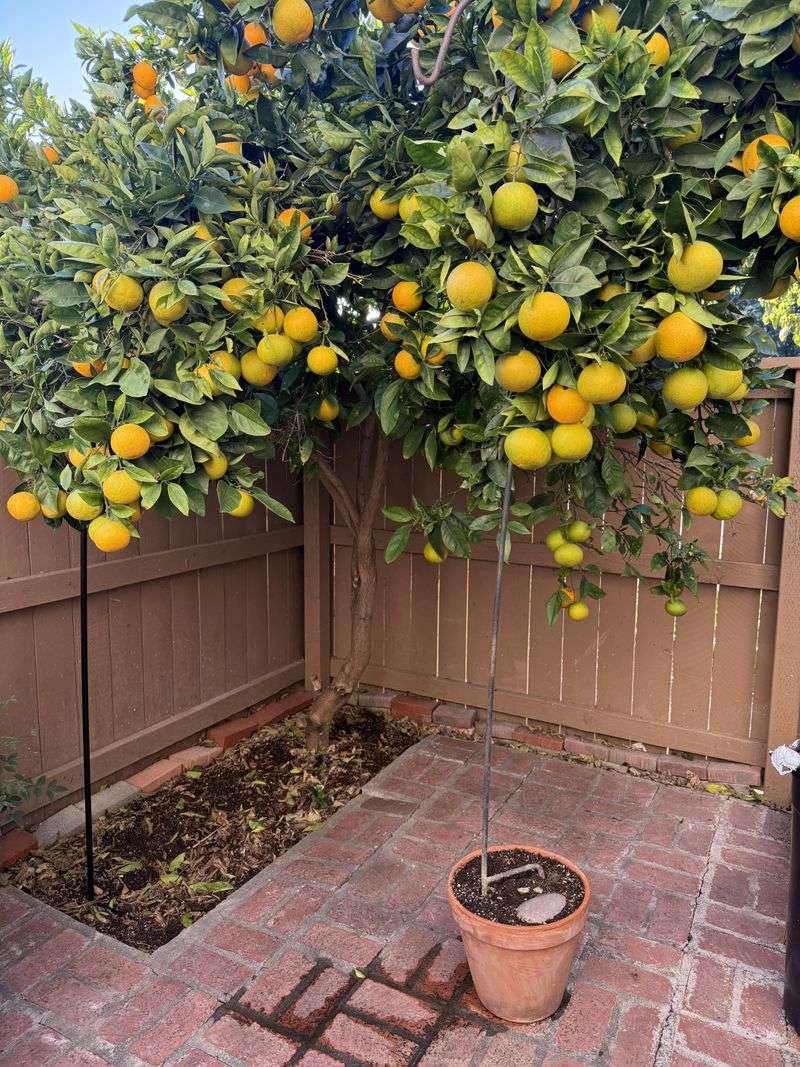
Water management is everything for a citrus tree during summer. These trees are naturally adapted to handle warm weather, but they rely on their full leaf canopy to manage moisture levels inside the tree.
Cutting too much of that canopy away disrupts the whole system.
Leaves do more than absorb sunlight. They also help regulate how much water the tree loses through a process called transpiration.
A full canopy slows this process down. Fewer leaves means less control over water loss, and that is a serious issue in 100-degree heat.
Roots in hot, dry soil are already working overtime to pull up enough water. When you remove a large portion of the canopy, the balance between water uptake and water loss gets thrown off.
The tree can start to dry out even if the soil has enough moisture.
Branches that dry out too fast become brittle. Brittle wood is more likely to crack under its own weight or during wind events.
Coastal and valley California regions, afternoon winds during summer can put a lot of pressure on already-stressed branches.
Keeping the canopy as full as possible right now helps the tree hold onto its internal water supply. Every leaf you leave on the tree is helping it stay hydrated.
Hold off on any heavy pruning until the heatwave breaks, and your citrus will stay much more stable and well-watered through the hottest stretch of the year.
8. That Dense Canopy Is Doing Important Work
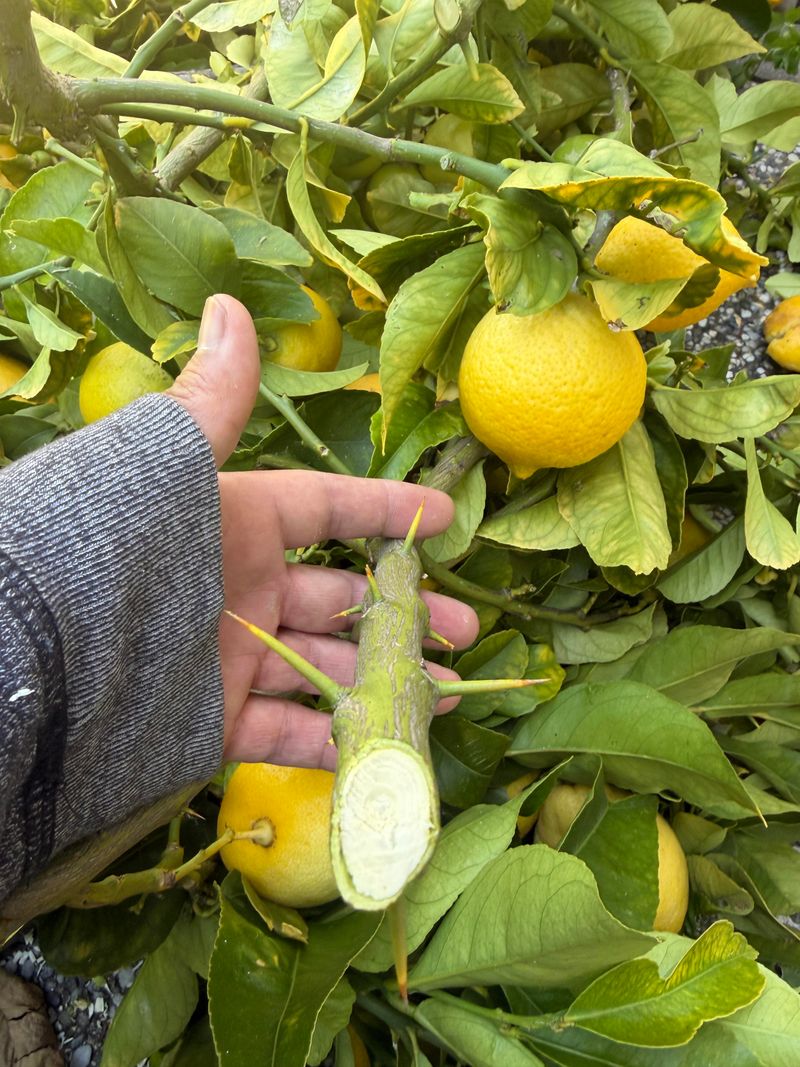
A thick, full canopy on a citrus tree is not just pretty to look at. It is an active, working system that keeps the tree, the fruit, and even the soil underneath protected during the hottest months of the year.
Removing it now would be a real mistake. The canopy blocks direct sunlight from hitting the trunk and lower branches. It keeps the soil below cooler, which helps roots stay comfortable and active.
Cooler soil retains moisture better, which means less watering and less stress on the root system.
Leaves also capture and release small amounts of water vapor throughout the day. This creates a slightly more humid microclimate right around the tree.
In dry inland areas of our state, that little bit of humidity can make a meaningful difference during extreme heat events.
Birds and beneficial insects also use that canopy for shelter. Keeping it intact supports the small ecosystem that lives in and around your citrus.
A healthy garden is full of these helpful relationships, and pruning at the wrong time disrupts them.
Dense canopies also reduce soil temperature fluctuations. When the ground heats up and cools down dramatically between day and night, roots get stressed.
A shading canopy smooths out those swings and keeps the root zone more stable. That stability translates directly into a healthier, more productive tree come harvest season. Let the canopy do its job right now.