This Native Perennial Puts On A Blaze Of Fall Color For Fading Wisconsin Gardens
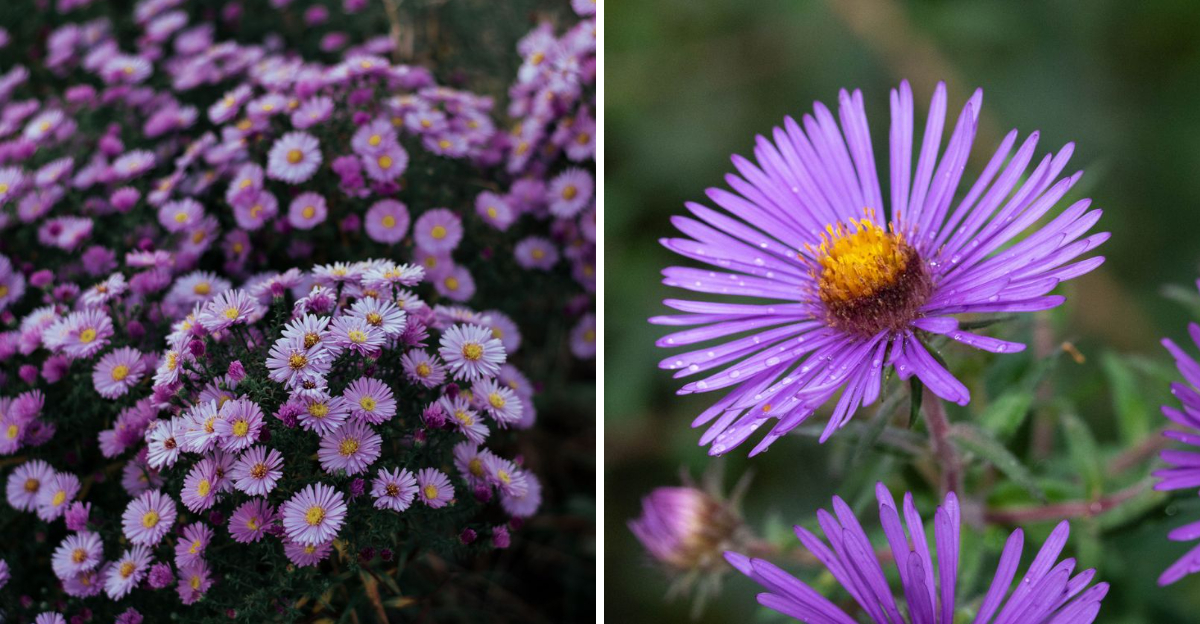
Autumn arrives and most gardens simply surrender. Petals drop, colors fade, and silence takes over. You refuse to accept that fate this year. A defiant bloom fights back when everything else quits.
It ignites your garden with fierce purple and pink. Wisconsin winters simply cannot stop this stubborn survivor from reclaiming your garden. Pollinators swarm its blooms just when they need fuel most.
Bees, butterflies, and hungry moths depend on its late nectar. Deer tend to browse it less than many garden favorites, though this can vary by region. Drought barely slows it down once it takes root.
Growth continues even through relentless Midwest cold snaps. Height reaches impressive levels without needing constant care. Color intensifies as temperatures drop and daylight shortens.
Roots spread wide, ensuring stronger blooms every season. Every Wisconsin yard deserves this kind of relentless color.
None of that effort feels wasted come autumn. Nothing else blooming now can match what comes next.
Why Gardens Start Looking Dull By Late Summer
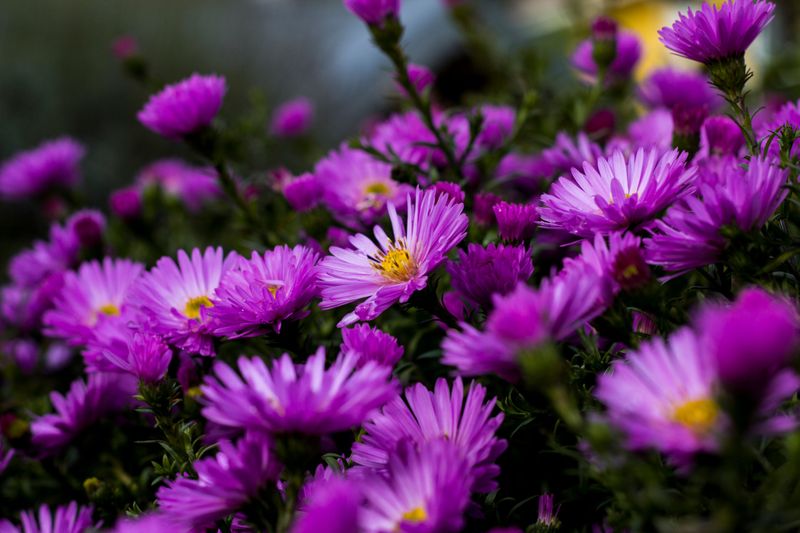
August hits, and suddenly your garden forgets it ever looked good. Zinnias get leggy, coneflowers go to seed, and that once-lush border turns into a tangle of brown stems.
Most common garden plants are built for spring and early summer. They peak fast, then fade even faster as temperatures shift and daylight shortens.
Wisconsin summers are gorgeous but brief. By mid-August, many gardeners feel like they are watching a party wind down before they are ready to leave.
The problem is not your soil or your skills. Most popular annuals and perennials simply were not designed for the long haul into fall.
This seasonal lull is common, and it catches a lot of gardeners off guard. You plant in May, enjoy June, and then spend September staring at a yard that lost its spark.
Filling that gap takes intentional planning. You need plants that are wired to bloom late, not early.
Native plants often hold the answer to this seasonal slump. They evolved alongside local weather patterns and know exactly when to show up.
New England Aster is one of those perfectly timed plants. It waits patiently all season, then it bursts into color right when your garden needs a rescue.
Think of it as your garden’s second act. The bloom arrives in September and often stretches well into October across much of the state.
That timing is not an accident. This plant is built for exactly the moment when everything else bows out.
Meet New England Aster, Wisconsin’s Native Showstopper
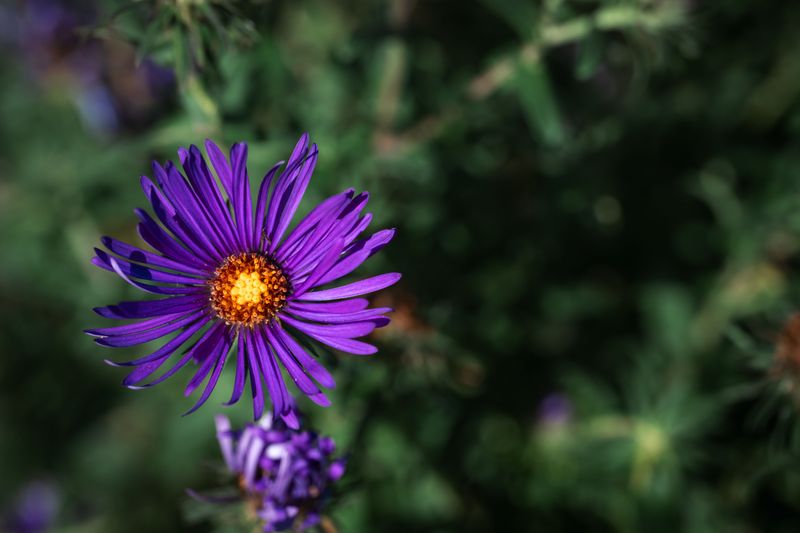
Picture a plant covered in hundreds of small, daisy-like blooms in shades of purple, violet, and deep pink. That is New England Aster in its full fall glory.
Scientifically called Symphyotrichum novae-angliae, this native perennial grows wild across the eastern United States. Wisconsin sits right in its sweet spot.
It can reach four to six feet tall in the right conditions. That height alone makes it a bold statement piece in any fall border.
Your Wisconsin Garden Changes Every Week. Your Plan Should Too.
Gardening in Wisconsin changes quickly throughout the season. Every Friday you’ll receive a simple weekly plan showing exactly what to plant, prune, fertilize, harvest, and protect so you never miss the right timing.
The flowers cluster at the tops of sturdy stems, creating a cloud of color that reads from across the yard. Each bloom has a bright yellow center that glows against the purple petals.
Unlike fussy exotic plants, this one belongs here. It grew in Wisconsin meadows and prairies long before anyone planted a formal garden.
Native plants carry a kind of quiet confidence. They do not need constant coddling because they already know how to live here.
Gardeners across the Midwest have been rediscovering New England Aster over the last decade. Nurseries increasingly stock it as demand for native plants grows.
Popular cultivars like Purple Dome and Alma Potschke bring even more vivid color to the native species. They stay a bit more compact, which works well in smaller yards.
This native perennial is not a trend. It is a long-term investment in a garden that looks alive and intentional well into autumn.
Once you plant it, you will wonder how you ever called your fall garden complete without it.
What Makes Its Fall Color So Vibrant
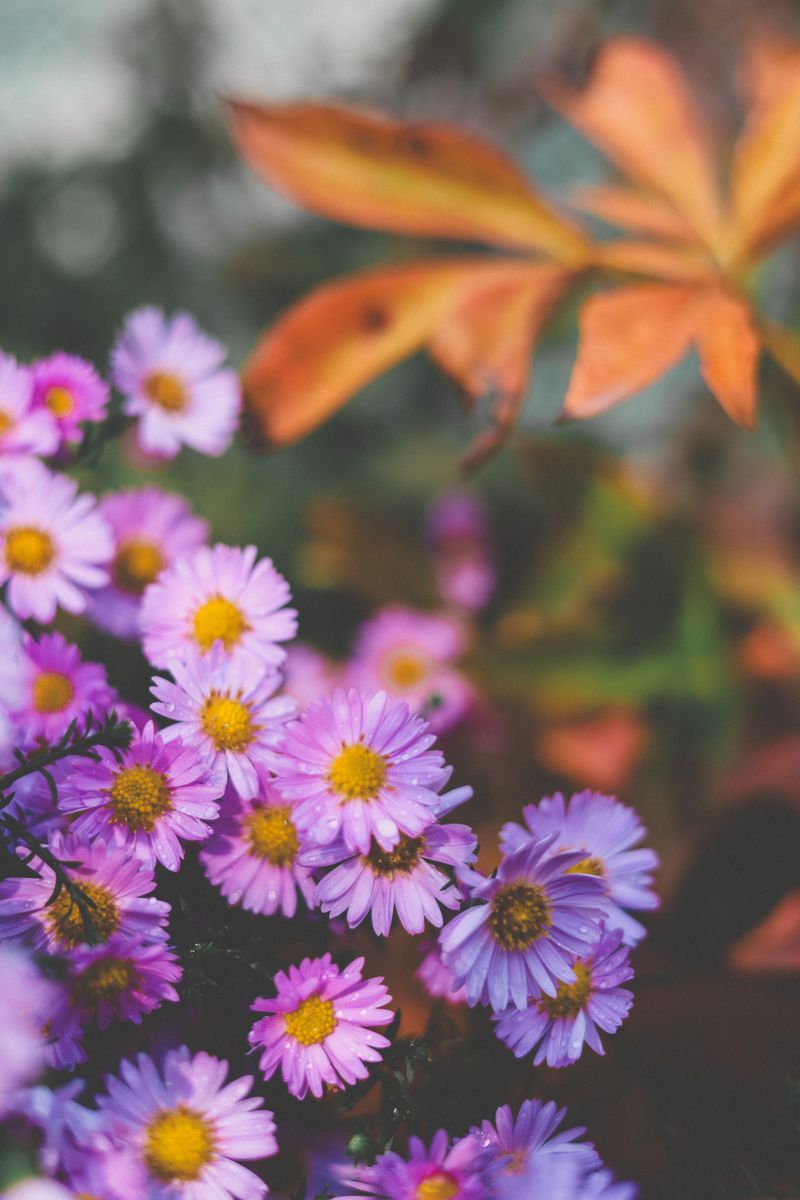
There is something striking about the color New England Aster produces in fall. The purple is not soft or muted. It is bold, saturated, and genuinely hard to ignore.
The secret starts with timing. This plant holds its energy all season and channels it into a late-season bloom that feels perfectly timed.
Shorter days and cooler nights act like a trigger. The plant reads those signals and begins producing flowers in response to the seasonal shift.
That response is built into its DNA after thousands of years of evolving in North American climates. Few other plants share this kind of seasonal timing.
The contrast between the vivid petals and the golden yellow centers intensifies the visual punch. Your eye is naturally drawn to that combination of warm and cool tones.
Fall light also plays a huge role. The lower angle of autumn sun hits flowers differently than the harsh overhead light of July.
That soft, golden fall light wraps around the blooms and makes every color look richer. Photographers call it magic hour, and New England Aster basically lives in it.
Pairing this plant with ornamental grasses or goldenrod amplifies the effect even more. The textures and colors play off each other in a way that feels designed but effortless.
Color in the garden is emotional. Seeing a mass of vivid purple in October creates a feeling of abundance rather than endings.
That emotional lift is part of what makes this native perennial such a powerful addition to any fall planting.
Best Conditions For Planting In Wisconsin
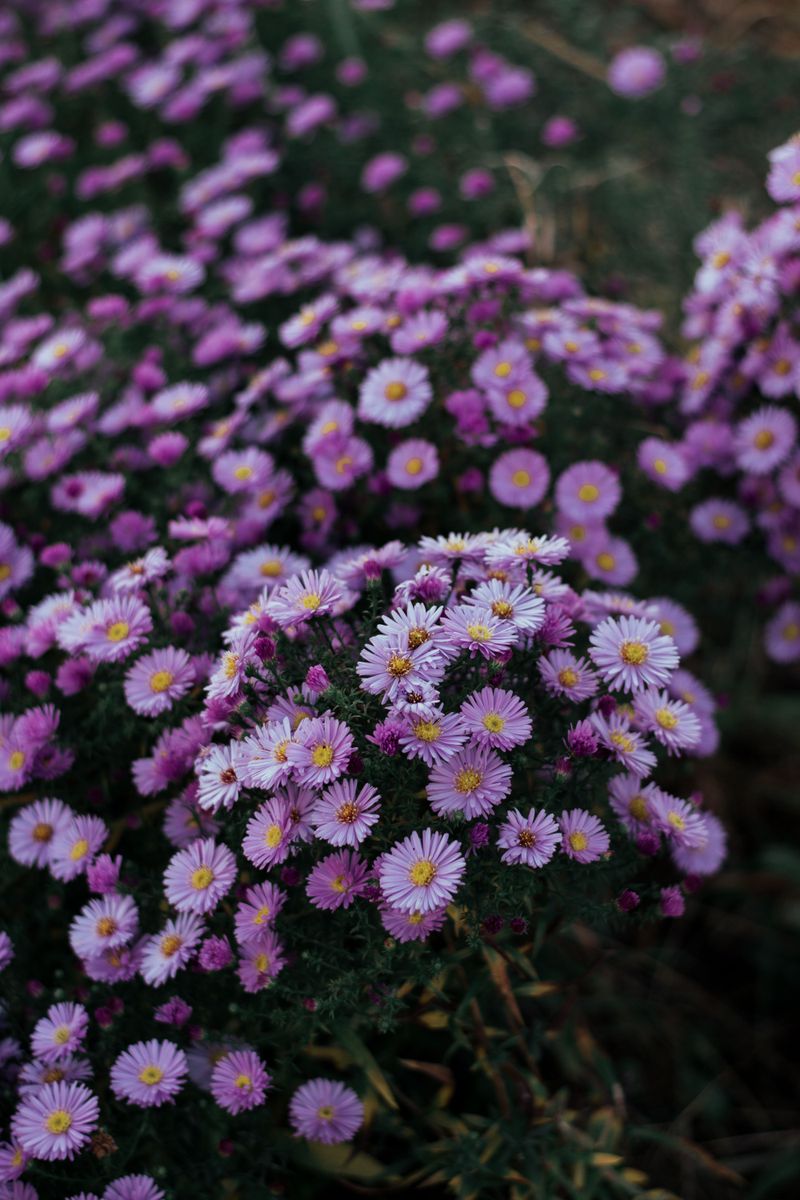
Good news: this plant is not picky. New England Aster grows in full sun to light shade, but it blooms best with at least six hours of direct sunlight each day.
Wisconsin soils range widely from sandy loam in the north to heavier clay in the south. This native handles both without complaint, though it prefers moderately moist, well-drained ground.
Avoid planting it in low spots where water pools after rain. Soggy roots can cause problems, but average garden soil is almost always fine.
Spring is the ideal planting time in most of the state. That gives roots a full growing season to establish before the fall bloom arrives.
You can also plant in early fall if you find it at a nursery then. Just water it consistently until the ground freezes to help it settle in.
Spacing matters more than most people expect. Give each plant at least two to three feet of room so air can move freely around the stems.
Good airflow reduces the risk of powdery mildew, which can show up on lower leaves in humid summers. It looks worse than it actually is and rarely affects blooming.
Pinching the plant back by about half in early June keeps it compact and encourages more branching. More branches mean more flowers by September.
Wisconsin’s cold winters are no threat to this tough native. It goes dormant, waits out the frost, and reliably returns each spring without any special protection. Plant it once, and your fall garden gains a loyal, colorful partner for years ahead.
Benefits For Pollinators Heading Into Autumn
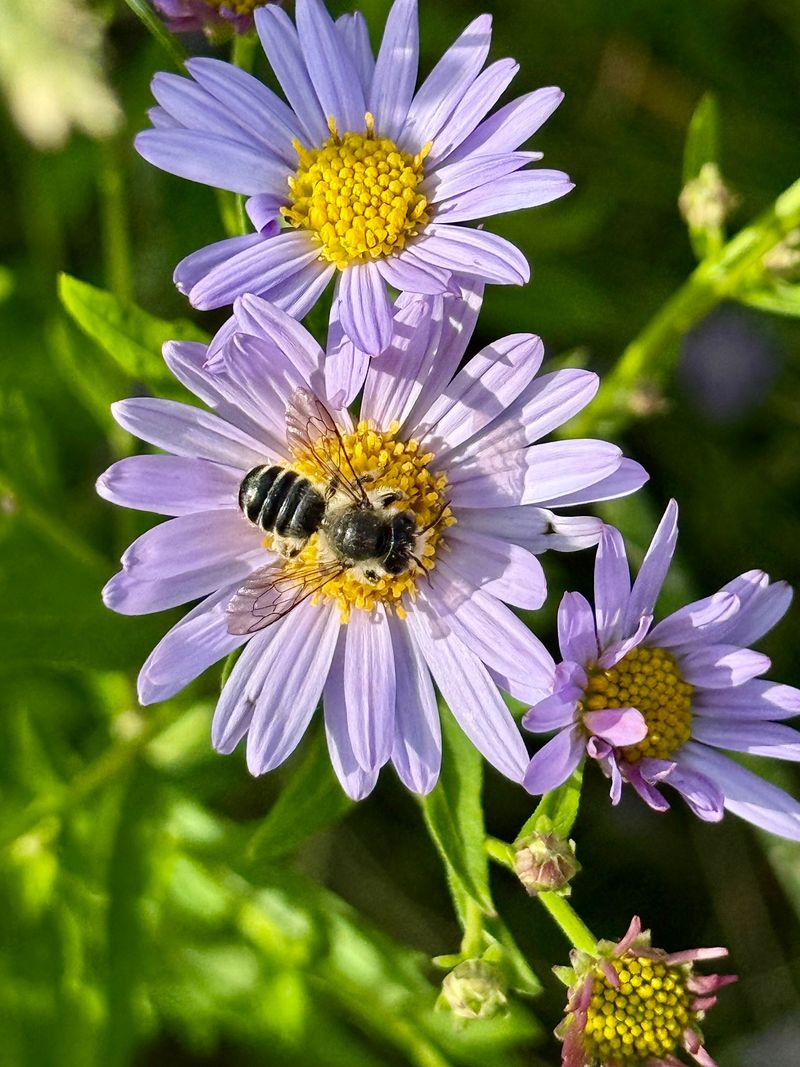
Monarch butterflies are in the middle of a long migration south when New England Aster starts blooming. They need fuel, and this plant delivers it generously.
The flowers produce abundant nectar at exactly the right moment. Late-season blooms are rare, which makes this native perennial an important food source for migrating insects.
Bumblebees also depend heavily on fall-blooming plants. As their colonies prepare to wind down, queens need high-calorie nectar to survive the winter underground.
Native bees, skippers, and painted lady butterflies all visit New England Aster with obvious enthusiasm. On a warm October afternoon, a healthy clump can look like a steady stream of pollinator activity.
Goldfinches and other seed-eating birds follow the pollinators. Once the blooms fade, the seed heads provide a small but valuable food source during lean fall weeks.
Planting for pollinators used to feel like a niche interest. Now it is one of the most talked-about reasons to choose native plants over ornamental imports.
The ecological connection between native plants and native insects runs deep. Some native bee species, such as certain Andrena species, specialize in gathering pollen from asters.
Adding this plant to your yard is not just a design choice. It can contribute in a small way to local habitat support.
You get spectacular fall color, and the local wildlife gets a valuable stopover. That kind of win-win is hard to find in most garden centers. Your yard becomes part of something larger than itself, one purple bloom at a time.
Care Tips To Keep It Blooming Year After Year
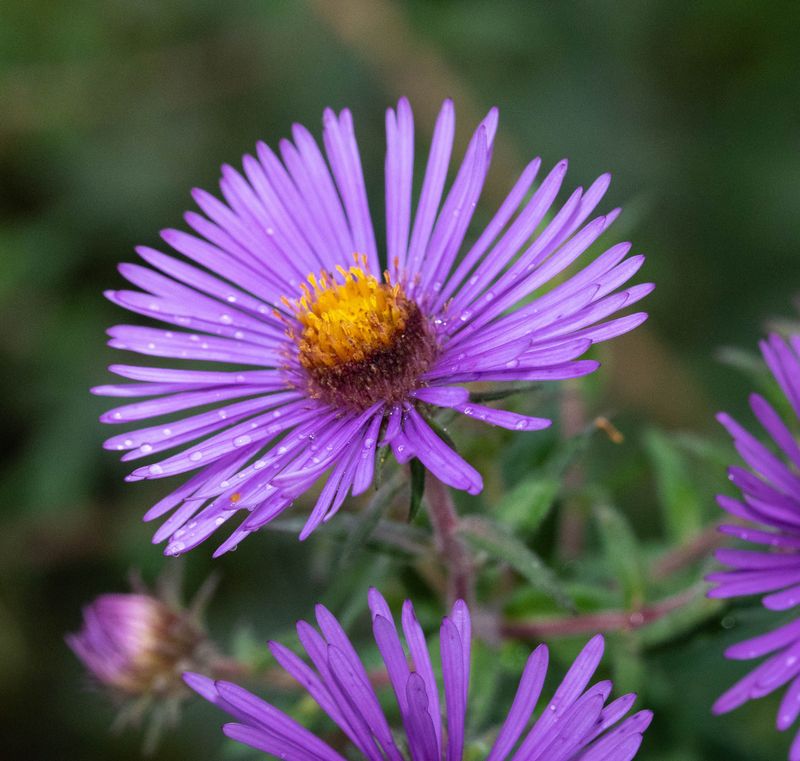
New England Aster is forgiving, but a little seasonal attention keeps it looking its absolute best. The effort required is minimal compared to the payoff.
After the first hard frost, you have two options. Cut stems back to about four inches, or leave them standing for winter bird habitat and natural self-seeding.
Leaving stems up through winter is increasingly popular among gardeners who garden with wildlife in mind. The dried structure also adds subtle texture to a snowy landscape.
Come spring, cut any remaining old growth back before new shoots emerge from the base. Fresh green growth appears early, which always feels like a small celebration after a long winter.
Dividing the plant every two to three years keeps it vigorous and prevents the center from thinning out. Dig it up in early spring, split the clump, and replant the outer sections.
Those divisions are free plants you can spread around your yard or share with neighbors. Generosity in the garden tends to come back around in unexpected ways.
Fertilizing is rarely necessary if your soil is decent. Too much nitrogen pushes leafy growth at the expense of flowers, which defeats the whole point.
Water during extended dry spells in summer, especially in the first year after planting. Once established, this native perennial handles dry stretches with impressive resilience.
This native perennial rewards low-maintenance gardeners more than almost any other fall bloomer available today. Treat it right, and it will light up your Wisconsin garden with blazing color for many autumns to come.