What This Week’s Heavy Rain Could Mean For Georgia Tomato Plants
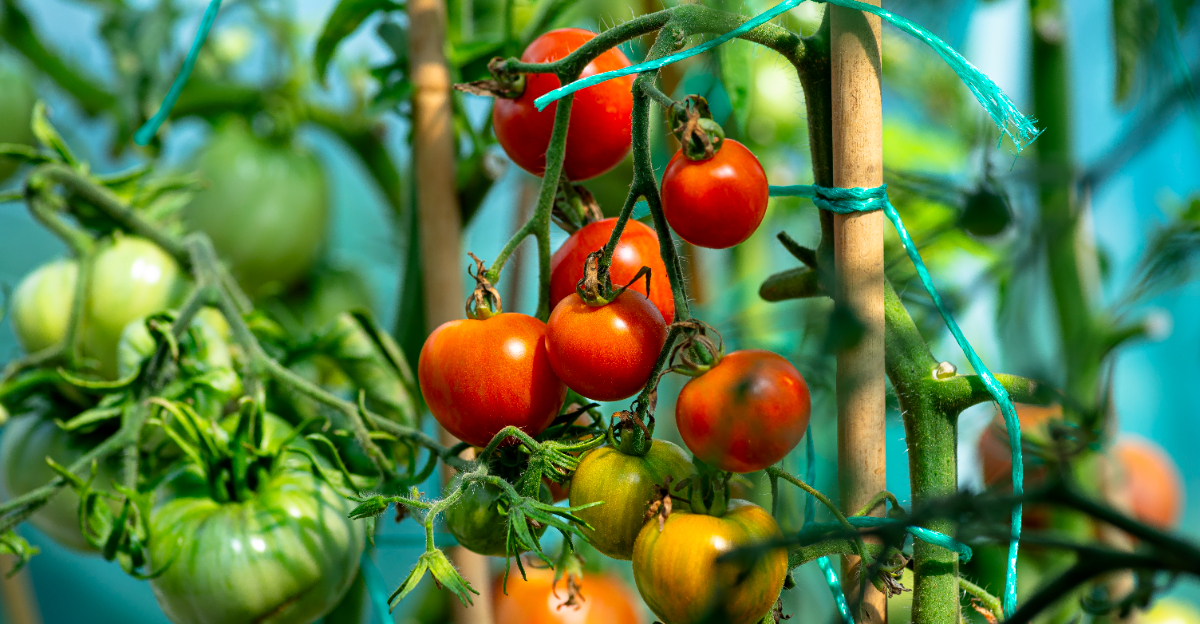
Heavy rain can change tomato plants faster than most people expect. A garden that looked healthy a few days ago may suddenly start showing unexpected changes.
Not every change means something is seriously wrong. Tomatoes often respond quickly when they receive far more water than they are used to.
Some effects appear almost immediately, while others take several days to become noticeable. That is why it pays to keep a close eye on your plants this week.
Across Georgia, many tomato plants are adjusting to the same stretch of wet weather. The next few days will reveal how well they handled all that extra rain.
The first signs are easy to overlook if you are not paying attention.
Knowing what is normal after heavy rain can help you react with confidence instead of unnecessary worry.
1. Improve Drainage Before Water Soaks The Root Zone
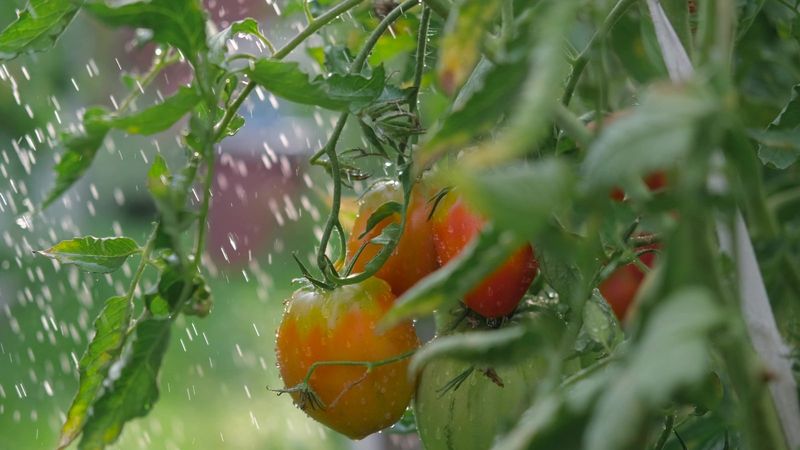
Standing water around tomato roots is one of the fastest ways to stress a plant after a storm. Roots need oxygen to function, and soggy soil cuts off that supply within hours.
If water is pooling near your plants, act before it soaks deeper.
Grab a garden fork and gently loosen the soil a few inches away from the base of each plant. This breaks up compaction and gives water somewhere to move.
You can also use a hoe to create shallow channels that direct runoff away from the root zone.
Raised beds tend to drain faster than in-ground plots, but they can still hold water if the soil mix has broken down over time. Adding coarse perlite or coarse sand to compacted soil can improve drainage in future plantings.
Container growers should check that drainage holes are not blocked by roots or debris. Tipping a container slightly can help excess water escape faster.
Avoid pressing the soil down tightly after rain since that makes drainage worse, not better.
Tomatoes grown in clay-heavy soil face the biggest risk here. Clay holds moisture much longer than loam or sandy soil.
2. Harvest Ripening Tomatoes Before Fruits Split
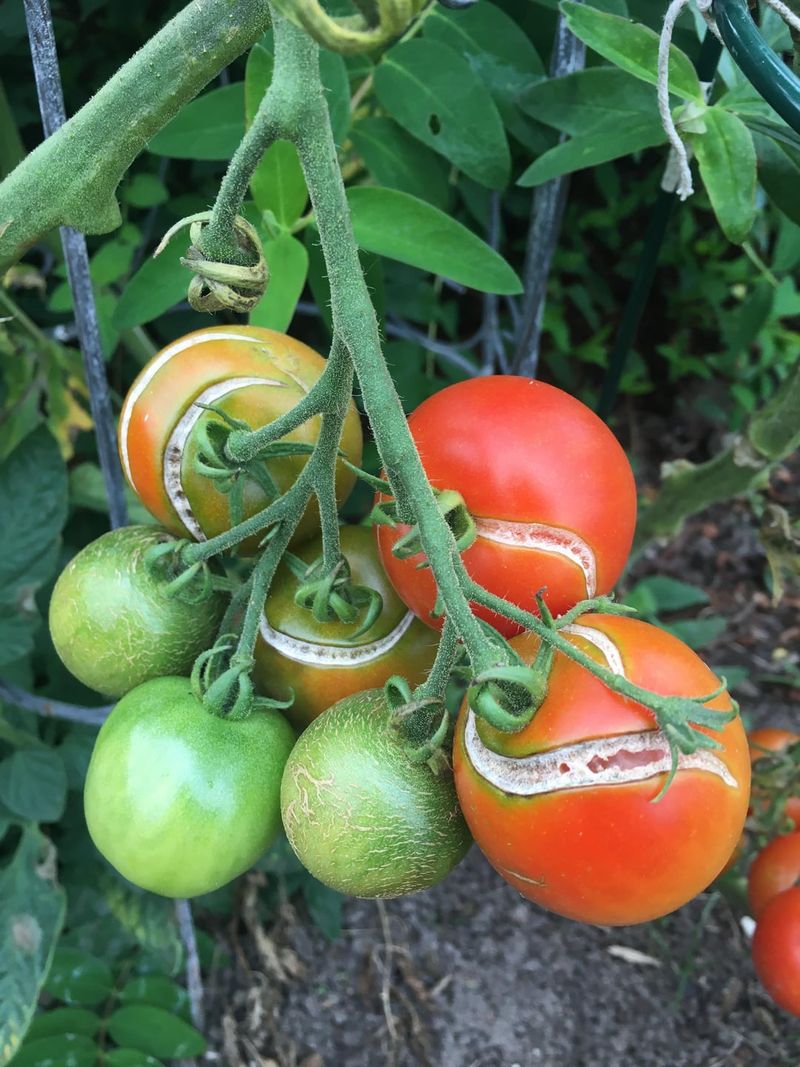
Fruit splitting happens fast after a heavy rain. Tomatoes absorb water through their roots quickly, and when a lot of moisture hits at once, the inside of the fruit expands faster than the skin can stretch.
The result is cracks that run along the top or around the shoulders of the fruit.
Check your plants as soon as it is safe to go outside after the storm. Any tomato that is showing color, from pink to light orange, is close enough to harvest.
Bring those inside and let them ripen on a countertop away from direct sunlight.
Fully ripe tomatoes are the most vulnerable. Once a crack forms, the fruit can mold or attract insects within a day or two.
Picking them just before peak ripeness protects your yield without sacrificing flavor.
Some tomato varieties are more prone to splitting than others. Cherry tomatoes and large beefsteak types tend to crack more easily.
If you grow these in a rainy region, keeping soil moisture consistent with mulch between storms can reduce the pressure swings that cause splitting.
Your Georgia Garden Changes Every Week. Your Plan Should Too.
Gardening in Georgia changes quickly throughout the season. Every Friday you’ll receive a simple weekly plan showing exactly what to plant, prune, fertilize, harvest, and protect so you never miss the right timing.
Cracked tomatoes that are otherwise firm and undamaged are still edible. Slice off the cracked section, use the rest right away, and enjoy them in sauces or salads.
3. Remove Mud-Splashed Leaves To Reduce Infection Risk
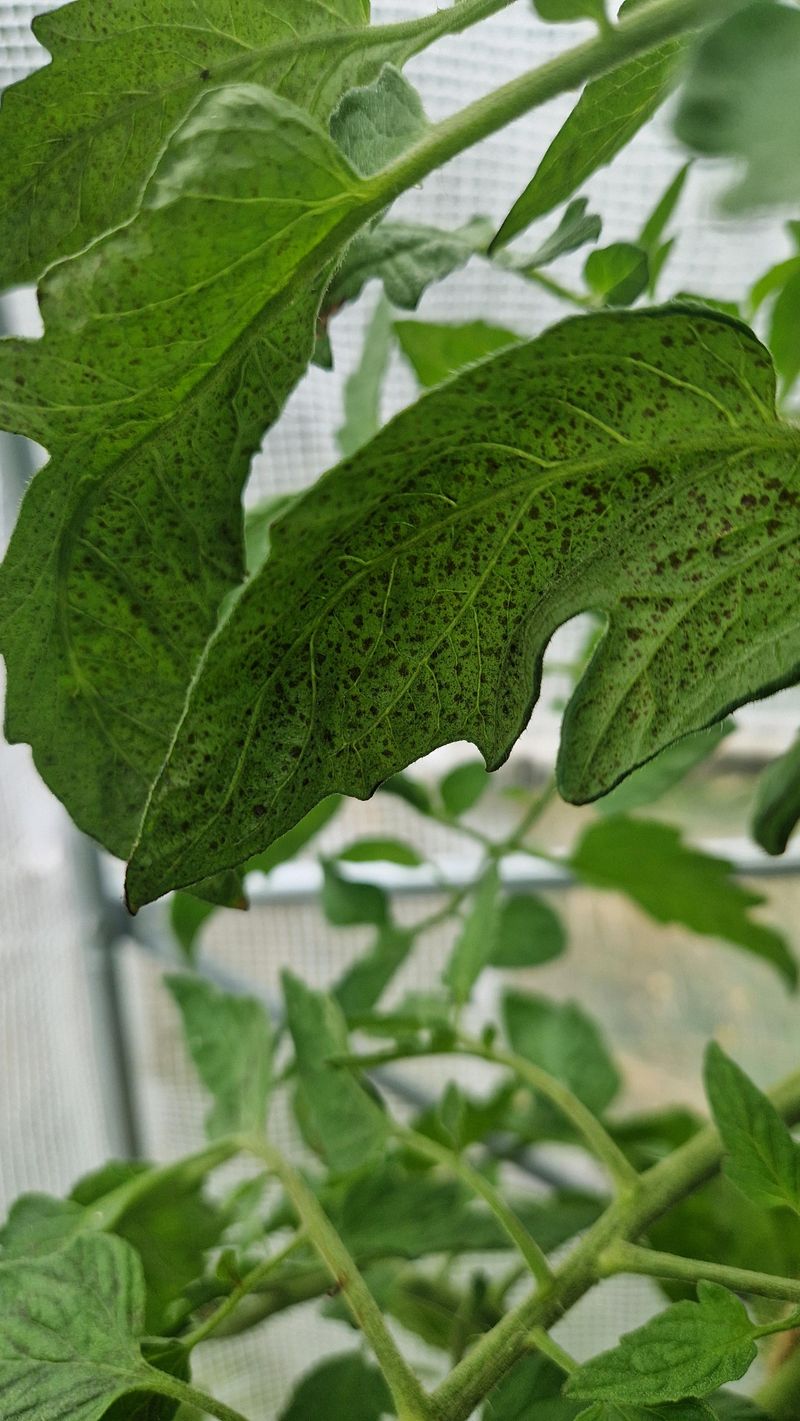
Mud splash is more than a mess. When raindrops hit bare soil, they kick up tiny particles that carry fungal spores and bacteria straight onto your tomato leaves.
Lower leaves are almost always the first ones affected after a storm.
Walk through your garden and look closely at leaves from the ground up. Any leaf with visible mud coating, brown spotting, or yellowing along the edges is a candidate for removal.
Snap them off cleanly at the stem and dispose of them away from the garden, not in a compost pile.
Removing these leaves does two things. It reduces the number of spores sitting on leaf surfaces, and it improves airflow around the lower part of the plant.
Better airflow means foliage dries out faster, which makes it harder for fungal diseases to take hold.
Avoid removing more than one-third of the plant’s leaves at once. Taking too many leaves at one time stresses the plant and can slow fruit development.
Focus on the lowest six to eight inches of the stem first, then reassess in a few days.
After you finish, wash your hands and any tools you used before moving to the next plant. Fungal spores spread easily on hands and pruning shears.
4. Replace Washed Away Mulch Once The Soil Begins To Dry
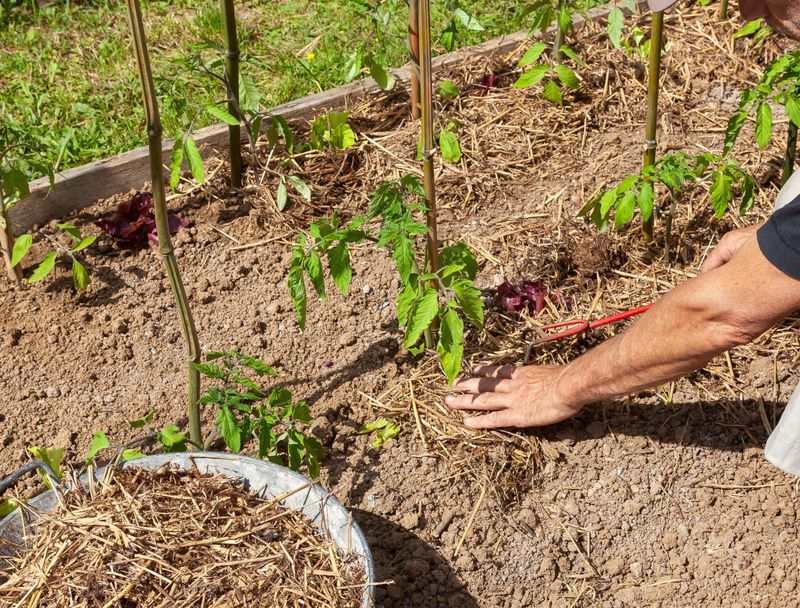
Heavy rain can strip mulch right off a garden bed. Once that protective layer is gone, soil splashes back up onto leaves, moisture evaporates quickly during the next hot day, and weeds get a clear path to sprout.
Replacing mulch is one of the smartest moves you can make post-storm.
Wait until the top inch or two of soil feels firm and no longer muddy before laying new mulch. Covering wet, saturated soil too soon can trap excess moisture and slow the drying process your roots actually need right now.
Straw, wood chips, and pine bark all work well around tomatoes. Aim for a two-to-three-inch layer around each plant, keeping the mulch about two inches away from the main stem.
Piling mulch directly against the stem can encourage rot in humid conditions.
In Georgia’s warm climate, organic mulch breaks down relatively fast during summer. That breakdown feeds the soil over time, which is a genuine benefit, but it also means you may need to top it off more often than gardeners in cooler regions.
Fresh mulch also helps regulate soil temperature. After a big rain, soil temperatures can drop temporarily and then spike again once the sun returns.
5. Wait For Foliage To Dry Before Pruning Or Tying Plants
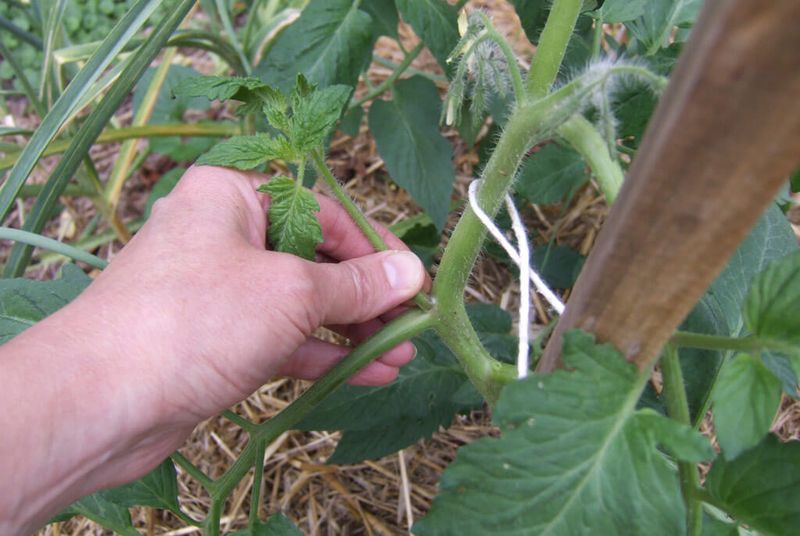
Pruning wet plants sounds harmless, but it opens the door to real problems. Every cut you make on a tomato plant creates a small wound.
When foliage is wet, fungal spores that are already floating around in the air can land directly on fresh cuts and start spreading before the plant has a chance to recover.
Give your plants at least a full day of dry weather before reaching for pruning shears. Morning is usually the best time to prune since dew has had time to evaporate and afternoon humidity has not yet built up.
Midday on a sunny day works well in most cases.
Tying plants back to stakes or cages also needs to wait until stems are dry. Wet stems are slightly more flexible, which sounds like an advantage, but tying them while they are waterlogged can cause bruising if the tie is even slightly too tight.
Bruised stems are more vulnerable to infection.
Check your stakes and cages for any leaning or damage caused by the storm before tying anything. Strong winds and heavy rain can loosen stakes from soft soil.
Push them back down firmly and add a second stake if a plant has started to lean noticeably.
6. Delay Fertilizing Until The Ground Is No Longer Saturated
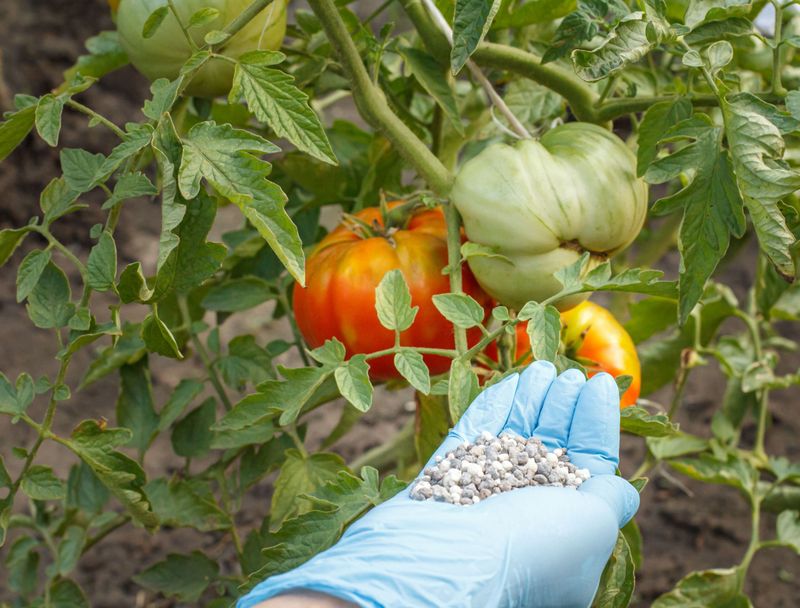
Fertilizing right after heavy rain is a common mistake that ends up wasting product and potentially stressing plants further. Saturated soil cannot hold nutrients the way healthy, moist soil can.
Liquid fertilizer applied to flooded ground often runs straight off before roots can absorb anything useful.
Granular fertilizers face a different problem. When soil is waterlogged, granules can dissolve too quickly and deliver a concentrated dose of nutrients that roots are not ready to handle.
High nitrogen levels in stressed, wet soil can cause leaf burn or push weak, watery growth that is more susceptible to disease.
Wait until the soil surface has dried enough that it does not stick to your shoes when you walk through the garden. That is usually a reliable indicator that drainage has improved enough to consider feeding again.
In Georgia summers, that window can come within two to four days after rain stops, depending on your soil type.
Once the ground is ready, start with a lighter application than you would normally use. A half-strength dose of balanced fertilizer gives recovering plants a gentle nudge without overwhelming them.
You can follow up with a full feeding about a week later if the plants look stable and healthy.
Foliar feeding, which means spraying a diluted fertilizer directly on leaves, is best skipped right after a storm.
7. Monitor For Early Blight And Septoria Leaf Spot
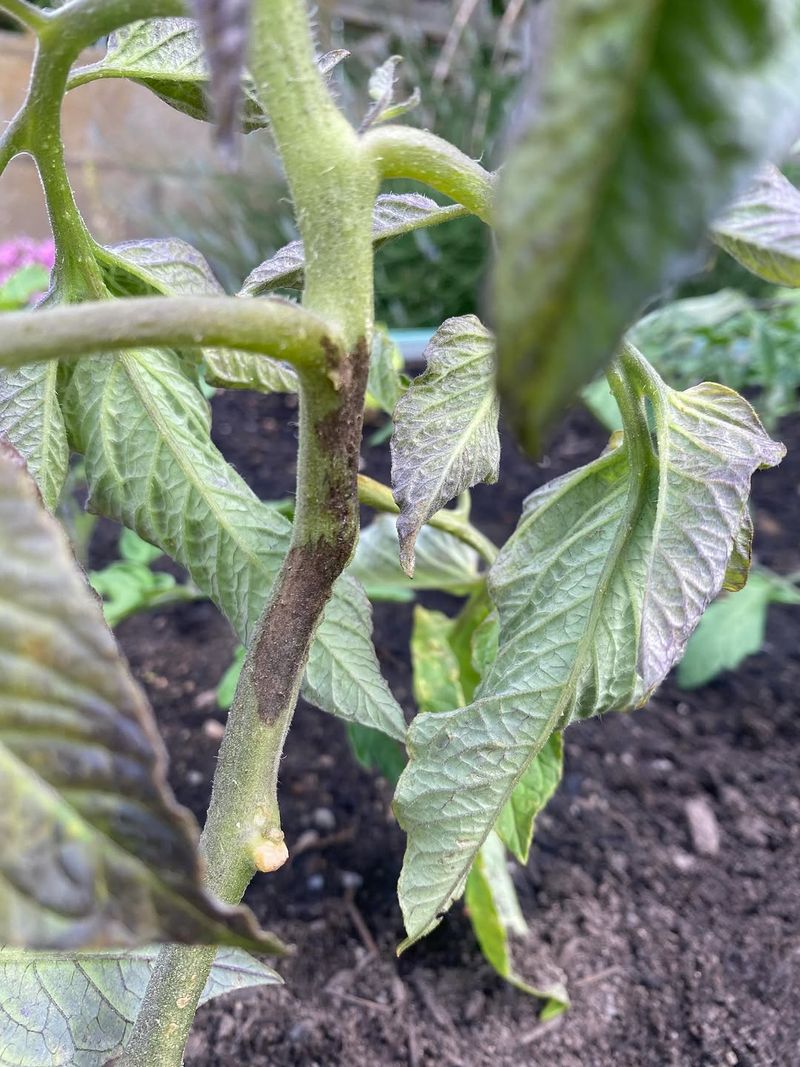
Wet weather and warm temperatures create near-perfect conditions for two of the most common tomato diseases in the Southeast. Early blight and Septoria leaf spot both spread through spores that thrive when leaves stay wet for extended periods.
After a heavy rain event, your window for catching these diseases early is short.
Early blight usually appears as dark brown spots with a target-like ring pattern, most often on older, lower leaves first. Septoria shows up as smaller spots with dark borders and lighter centers, often with tiny dark specks inside.
Both can move up the plant quickly if left unchecked.
Start checking plants three to five days after the storm ends. Look at the undersides of leaves too, not just the tops.
Spores and early lesions often develop on the underside first where moisture lingers longer.
Copper-based fungicides are commonly used by home gardeners to manage these diseases. They work best as a preventive measure or when applied at the very first sign of symptoms.
Always follow label directions carefully, and avoid spraying in the middle of a hot, sunny day to reduce the risk of leaf burn.
Removing affected leaves promptly slows the spread. Bag and discard them rather than tossing them into the compost.