The New Jersey Gardening Mistake That’s Worse Than A Heat Wave
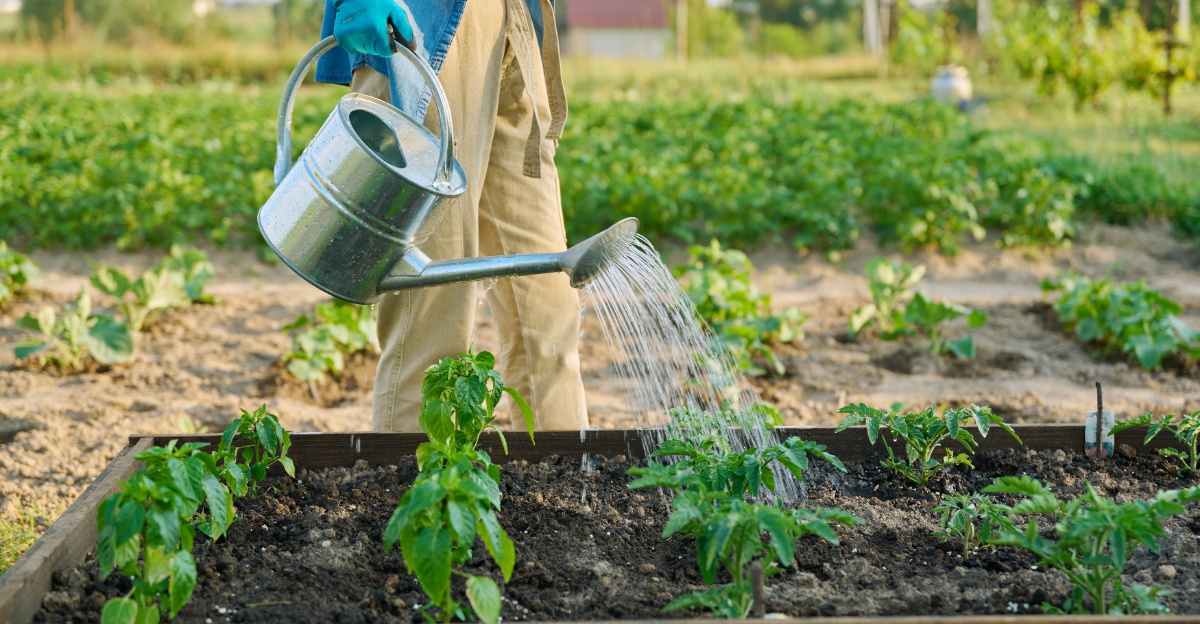
Confidence undoes more gardens than drought ever could. You believe watering daily proves dedication, but it proves nothing except habit.
Soil across New Jersey dries and holds moisture unevenly, block by block, yard by yard. Clay pockets trap water while sandy patches drain within hours.
Roots weaken long before leaves ever show visible stress, quietly, invisibly, steadily. Schedules ignore this chaos completely, treating every plant identically.
Checking the calendar instead of the dirt costs you dearly. Underneath the surface, root rot, caused by fungi thriving in wet conditions, can damage root systems quickly.
Meanwhile, thirsty roots stretch desperately searching everywhere for water that never comes on time. Neither extreme ever announces itself loudly; both weaken plants quietly, steadily, relentlessly.
Gardeners across New Jersey assume consistency equals true care, yet close observation matters more.
Nothing about healthy growth follows a fixed clock. What you do next with your soil determines how your garden performs this season.
The Watering Habit That Looks Helpful But Isn’t
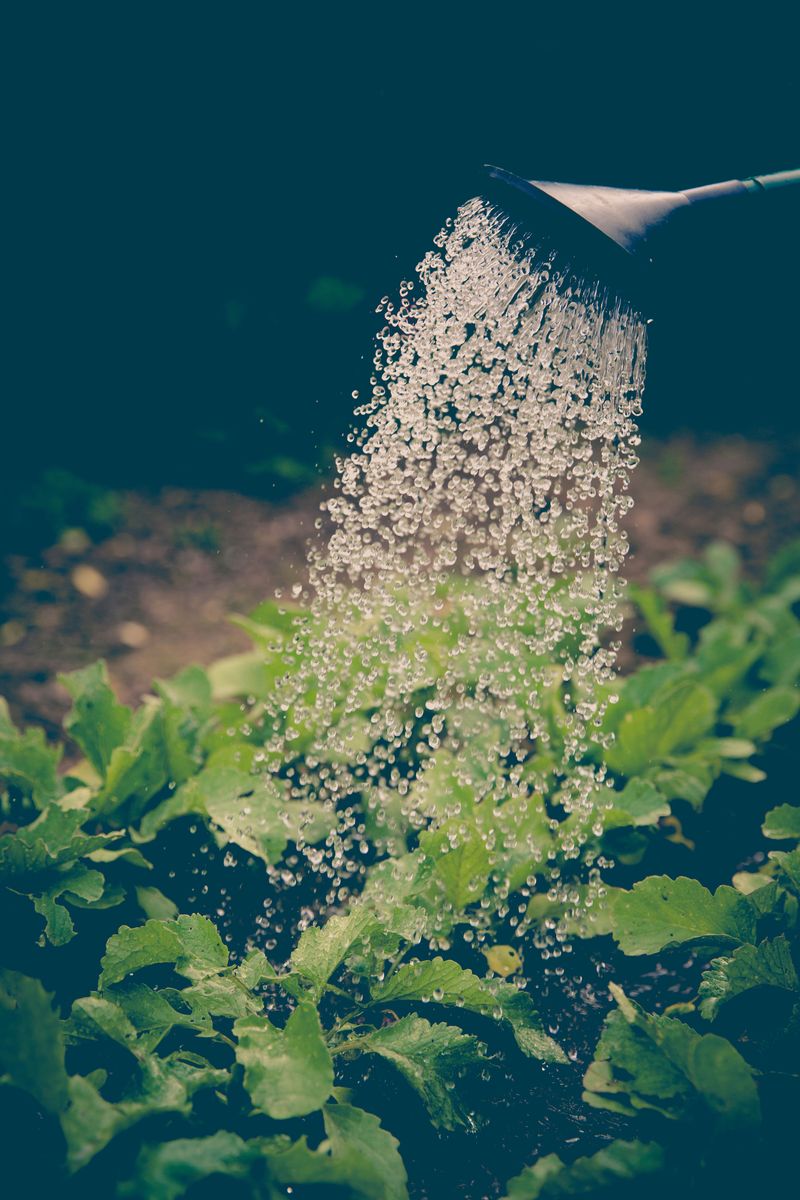
Watering your garden every morning feels responsible. It feels like love, honestly. The problem is that plants don’t run on your calendar. They respond to what’s actually happening in the soil beneath them.
When you water on a fixed schedule, you ignore what the ground is already holding. Some days the soil is still wet from yesterday’s session.
Pouring more water onto already-saturated ground pushes out the oxygen roots need. Roots lose access to oxygen gradually, often without visible warning.
This kind of damage is easy to miss because heat stress is obvious, but overwatering isn’t. You can see heat. You can feel it and react to it.
Overwatering from a rigid schedule can go unnoticed for a while. It creeps in slowly while your plants look perfectly fine on the surface.
Gardeners in the Garden State often assume summer heat means plants always need more water. That assumption leads to daily watering regardless of actual conditions.
Clay-heavy soils, found especially in North and Central Jersey, hold moisture far longer than sandy soils do. Watering daily into clay soil is like refilling a cup that’s already overflowing.
Breaking this habit starts with one simple shift in thinking. Instead of asking “Did I water today?” ask “Does the soil actually need it?”
That one question changes everything about how you care for your New Jersey garden. Your plants will thank you in ways you’ll clearly see.
Why Overwatering Mimics Heat Stress In Plants
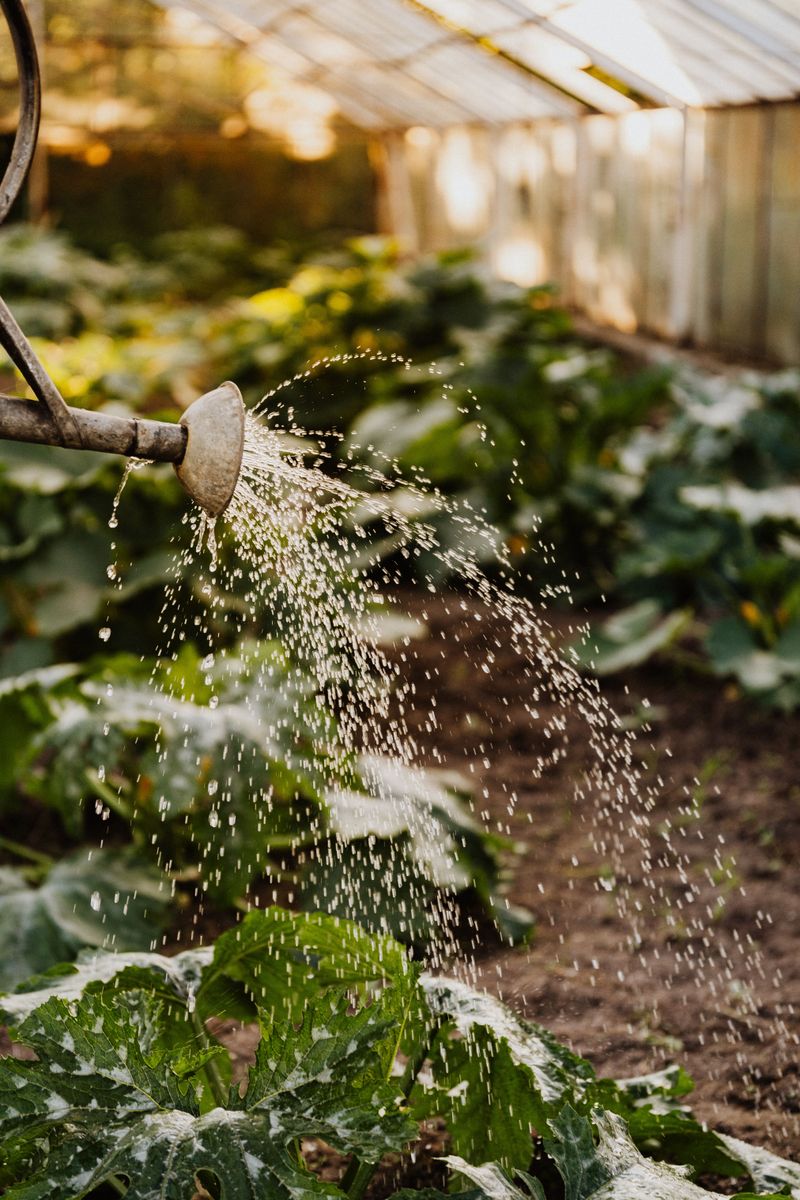
Wilting leaves in summer look like a thirst problem. Your gut says grab the hose immediately.
But wilting can also mean roots are drowning in too much water. The symptoms look almost identical from above the soil line.
When roots sit in soggy soil, they can’t absorb oxygen properly. Without oxygen, they struggle to pull nutrients up into the plant.
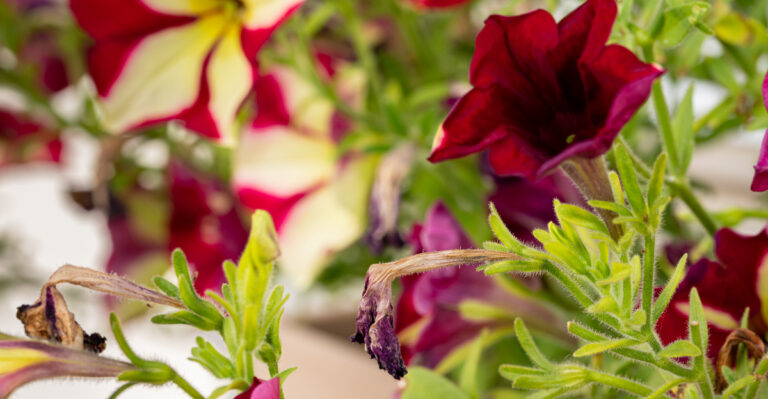
The plant starts showing stress signals: drooping stems, yellowing leaves, and soft mushy spots near the base. These signs feel like heat damage, but the cause is completely different.
Your New Jersey Garden Changes Every Week. Your Plan Should Too.
Gardening in New Jersey changes quickly throughout the season. Every Friday you’ll receive a simple weekly plan showing exactly what to plant, prune, fertilize, harvest, and protect so you never miss the right timing.
Heat stress makes leaves curl inward to conserve moisture. Overwatering stress often makes leaves turn yellow and fall off, unlike the curling typically seen with heat stress.
Checking which type of stress you’re dealing with matters enormously. Adding more water to an overwatered plant typically makes the problem worse.
This kind of damage is harder to reverse because you can shade a plant from sun, but you can’t easily undo root rot. You can’t easily un-drown roots that have already rotted.
Root rot, caused by fungi thriving in wet conditions, can damage root systems quickly. Once it spreads significantly, recovery becomes much harder.
Paying attention to leaf color and texture gives you real clues. Yellow, soft, and dropping leaves point toward too much moisture, not too little.
Learning to read your plants like a language takes a little practice. Once you do, you’ll stop reaching for the hose out of reflex alone.
How Compacted Soil Makes The Problem Worse
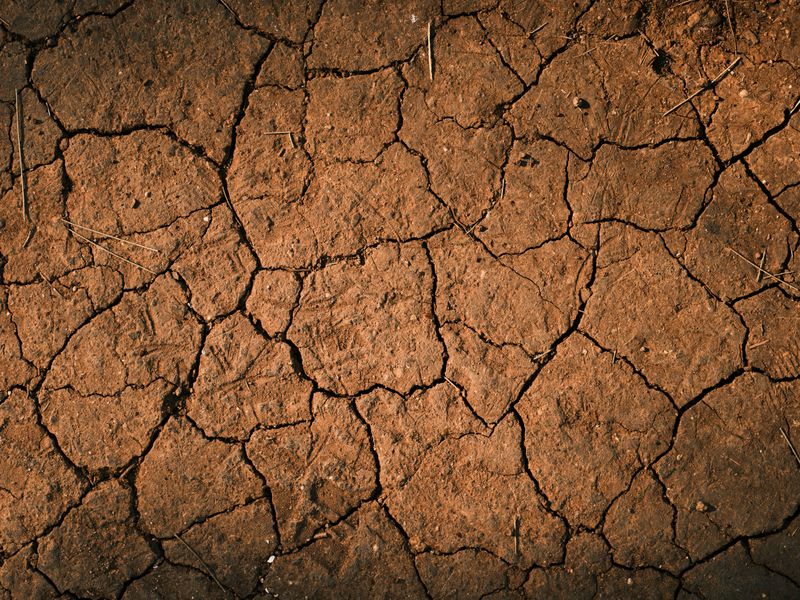
Compacted soil is sneaky. It looks fine from the top but acts like concrete just a few inches down.
When soil is compacted, water can’t drain properly through the layers. It pools near the surface and stays there far longer than healthy soil would allow.
Roots trying to grow downward hit a hard wall of compacted earth. They stay shallow, weak, and vulnerable to both drought and flooding.
Heavy foot traffic, repeated tilling, and clay-rich ground all contribute to compaction over time. Gardens in clay-heavy regions of the state, particularly North and Central Jersey, deal with this constantly because of the local soil composition.
Watering on a fixed schedule into compacted soil creates a standing-water situation fast. The ground can’t absorb at the rate you’re delivering moisture.
That puddle you see after watering isn’t just an eyesore. It’s a signal that your soil is overwhelmed and your roots are struggling as a result.
Aerating your garden beds once or twice a season helps break up compaction. Adding compost improves drainage and gives roots room to breathe and spread.
Mulching the surface of your beds also slows water loss from evaporation. But mulch over compacted soil without fixing the drainage issue just traps moisture closer to the roots.
Fixing compaction is one of the most powerful steps you can take. Healthy, loose soil absorbs water efficiently and releases it slowly as plants actually need it.
Your New Jersey garden’s foundation matters as much as anything you plant in it. Get the soil right and everything else becomes easier to manage.
Signs Your Plant Is Struggling From Too Much Water
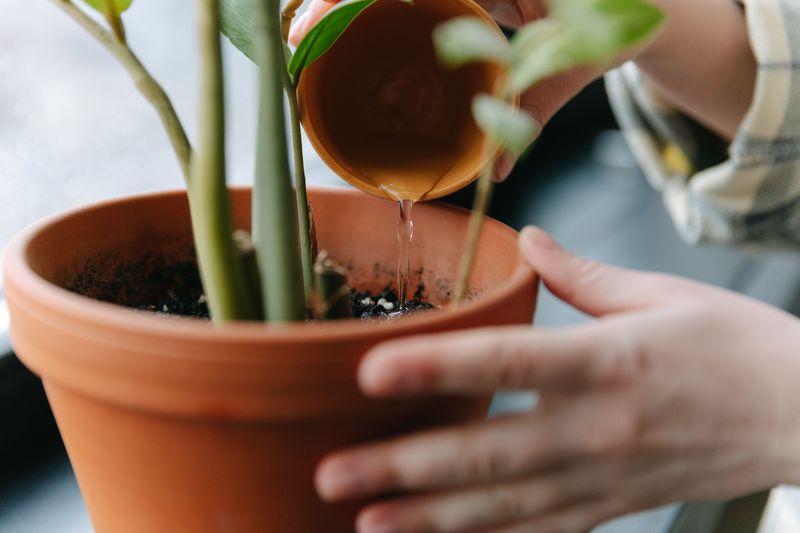
Spotting overwatering early can save a plant that still has a fighting chance. Knowing exactly what to look for makes all the difference.
Yellow leaves are one of the first red flags. When lower leaves turn yellow and drop off without any dry crispness, excess moisture is usually the reason.
Stems that feel soft or mushy near the soil line are a serious warning sign. Healthy stems feel firm and slightly rigid even in hot weather.
Soil that stays wet and dark more than two days after watering tells you drainage is failing. Pressing your finger two inches into the ground and feeling cold dampness means the roots are already sitting in too much water.
Mold or algae growing on the soil surface is another clear clue. That fuzzy green or white growth loves the exact conditions that hurt plant roots.
Fungus gnats hovering around your pots or garden beds love wet soil too. A sudden gnat infestation often means the ground has been consistently overwatered.
Stunted growth during the growing season is also telling. A plant that should be thriving but seems frozen in size is often struggling underground.
Checking multiple signs together gives you a more complete picture. One yellow leaf could mean anything, but yellow leaves plus mushy stems plus wet soil equals a clear pattern.
Acting quickly when you spot these signs gives your plants a real shot at recovery. Catching the problem early is always better than waiting for the damage to spread further.
The Right Way To Check Soil Before Watering
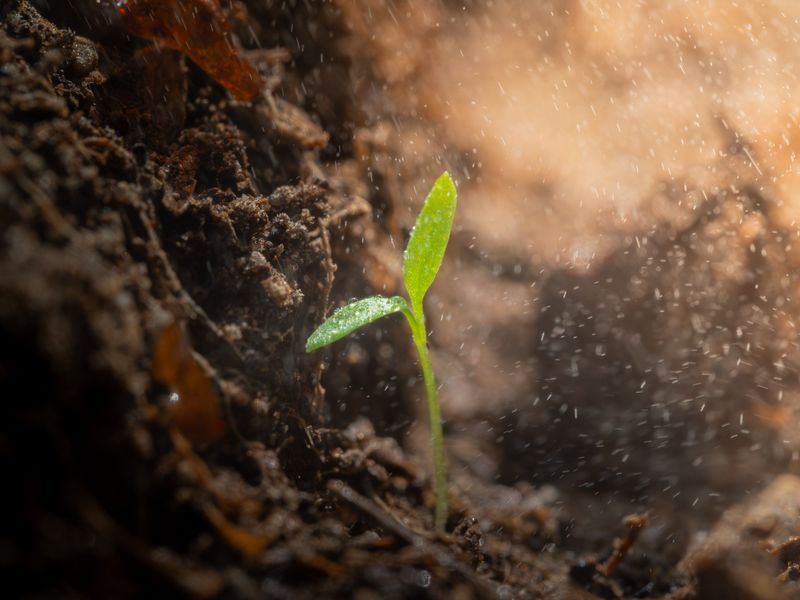
Forget the schedule for a moment. The soil itself is the most honest tool you have. The finger test is simple and costs absolutely nothing. Push your index finger about two inches into the soil near the base of your plant.
If it feels moist or cool at that depth, hold off on watering. If it feels dry and crumbly, that’s your green light to go ahead.
Two inches matters because that’s where most feeder roots are actively working. Surface soil dries fast but doesn’t represent what’s happening where roots actually live.
For container plants, lift the pot before and after watering to feel the weight difference. A heavy pot usually means the soil is still holding plenty of moisture.
Moisture meters are another affordable option worth considering. They give you a numbered reading and remove all guesswork from the process entirely.
Wooden chopsticks work similarly to the finger test. Push one into the soil and pull it out; if soil clings to it, moisture is still present.
Checking at the same time each morning gives you consistent data. Morning readings reflect overnight conditions and tell you what the plant experienced while you slept.
This kind of damage is entirely preventable with just a few seconds of attention. You don’t need fancy equipment or a degree in horticulture.
Checking soil regularly quickly becomes second nature the more you practice it. After that, you’ll check soil automatically before ever picking up the hose.
Simple Fixes To Protect Your Plants Going Forward
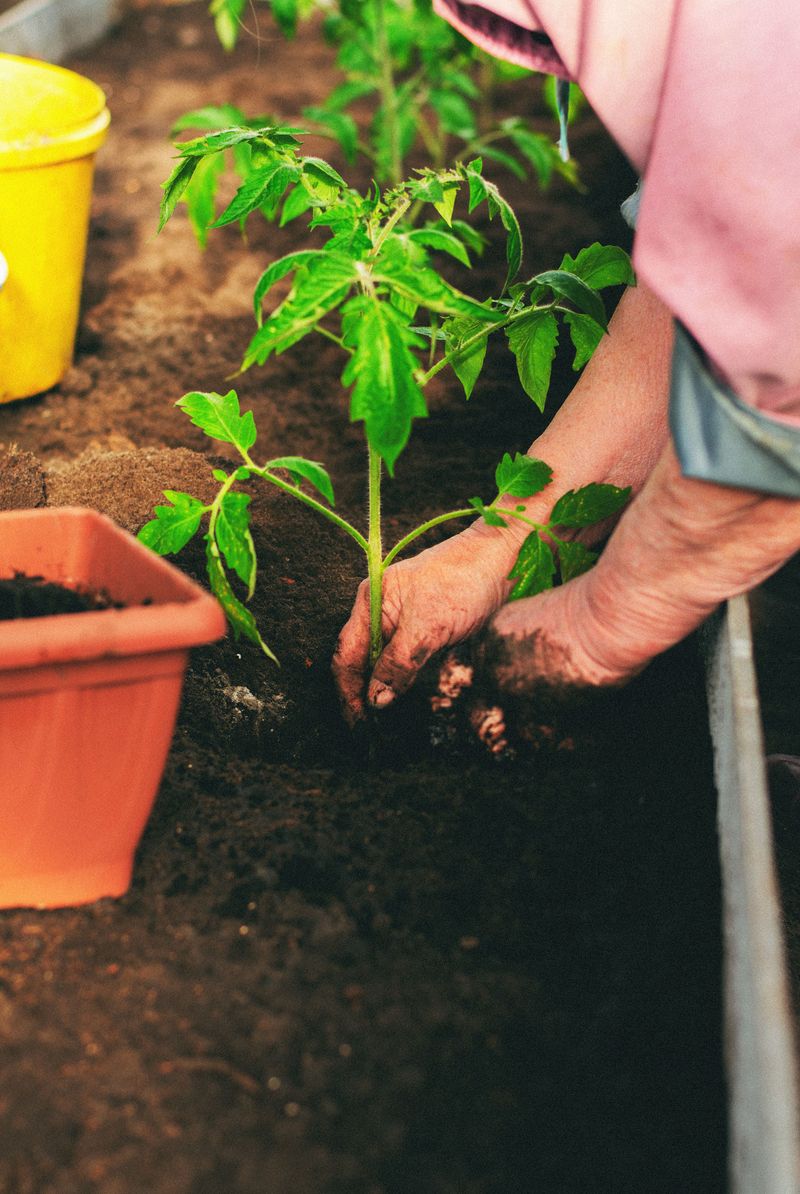
This problem is fixable with a few targeted changes. A few smart changes protect your New Jersey garden starting this week.
Switch from a time-based schedule to a needs-based one. Water only after confirming the soil actually needs it, not because Tuesday is your usual watering day.
Add a two-to-three inch layer of organic mulch around your plants. Mulch slows evaporation and keeps soil temperature stable so you water far less often overall.
Amend your soil with compost if you’re working with heavy clay. Compost opens up the soil structure and dramatically improves how well water drains through it.
Group plants together based on their water needs. Thirsty plants in one zone and drought-tolerant ones in another means no plant gets over or under-served by a single routine.
Drip irrigation systems deliver water directly to root zones in controlled amounts. They reduce waste and remove the guesswork that comes with hand watering on a fixed clock.
Raise your garden beds if drainage is a persistent challenge. Elevated beds give you full control over soil composition and water movement from the start.
Water deeply but less often to encourage roots to grow downward. Deep roots find their own moisture and become far more resilient during dry spells.
Avoiding this kind of damage is about paying attention. Your plants are always communicating with you through color, texture, and posture.
Listen to what they’re showing you instead of following a rigid routine. That shift alone helps you become a more attentive New Jersey gardener.