The Cucumber Watering Mistakes That Can Ruin A California Harvest
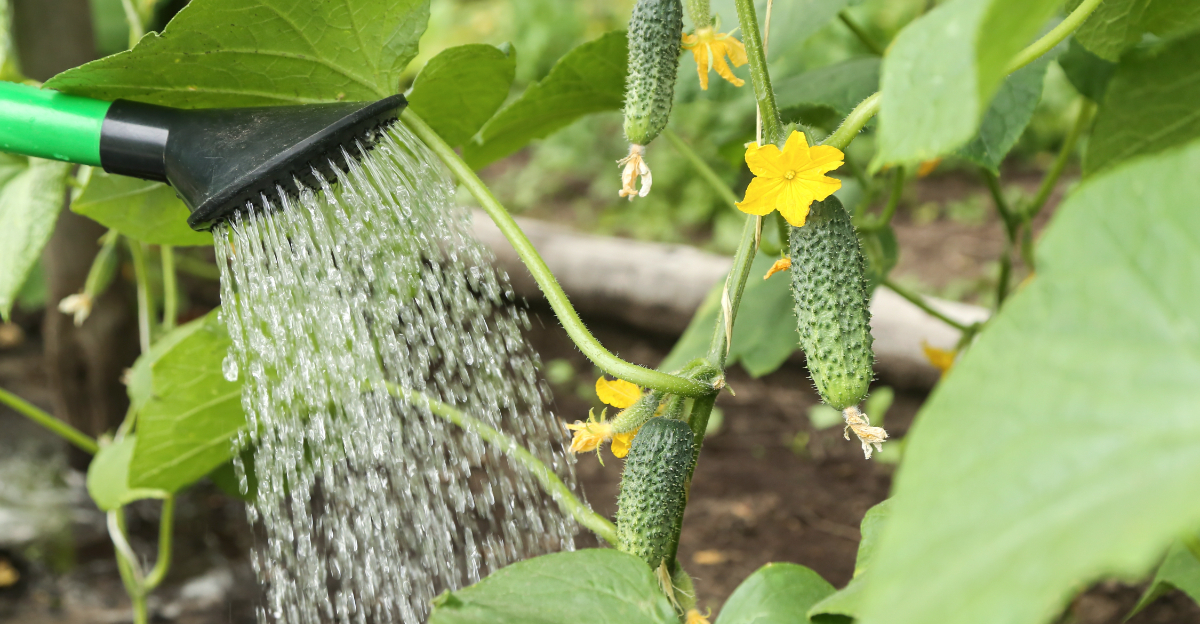
Cucumbers can go from crisp and productive to bitter, misshapen, and barely growing after just a few bad watering days.
California heat makes the margin for error even smaller, especially when dry soil, hot afternoons, and uneven irrigation hit at the same time.
A plant may look thirsty, tempting gardeners to flood the bed, only to struggle again when the surface dries out too quickly.
Watering at the wrong time, soaking the leaves, or giving frequent shallow drinks can also create problems that are easy to blame on pests or poor soil.
The frustrating part is that cucumbers often show stress after the damage has already started. Leaves droop, flowers drop, and fruit development slows before gardeners realize their routine is working against them.
Spotting the most common watering mistakes early can mean the difference between a steady summer harvest and vines that fade long before the season is over.
1. Giving Cucumbers Tiny Sips Instead Of Deep Drinks
Shallow watering is one of the sneakiest problems in any vegetable garden. When you only wet the top inch or two of soil, cucumber roots have no reason to grow deeper.
They stay near the surface, where heat and evaporation hit hardest.
Cucumbers need deep roots to stay strong through hot spells. A deep drink means water soaks at least six to eight inches into the soil.
That kind of moisture encourages roots to follow the water downward, building a stronger and more drought-tolerant plant overall.
Most gardeners underestimate how long it actually takes to water deeply. A quick pass with the hose rarely does the job.
Try using a slow drip or soaker hose for thirty to forty-five minutes to make sure water truly reaches the root zone.
You can check your work with a simple wooden stick or screwdriver. Push it into the soil after watering.
If it slides in easily six inches down, you are on the right track. If it stops at two inches, your cucumbers are only getting tiny sips.
Frequent shallow watering also encourages weeds and surface evaporation. Watering deeply but less often is a smarter strategy.
It saves water and gives your cucumbers the steady moisture they need to produce crisp, flavorful fruit all season long.
2. Letting The Soil Swing From Soaked To Bone Dry
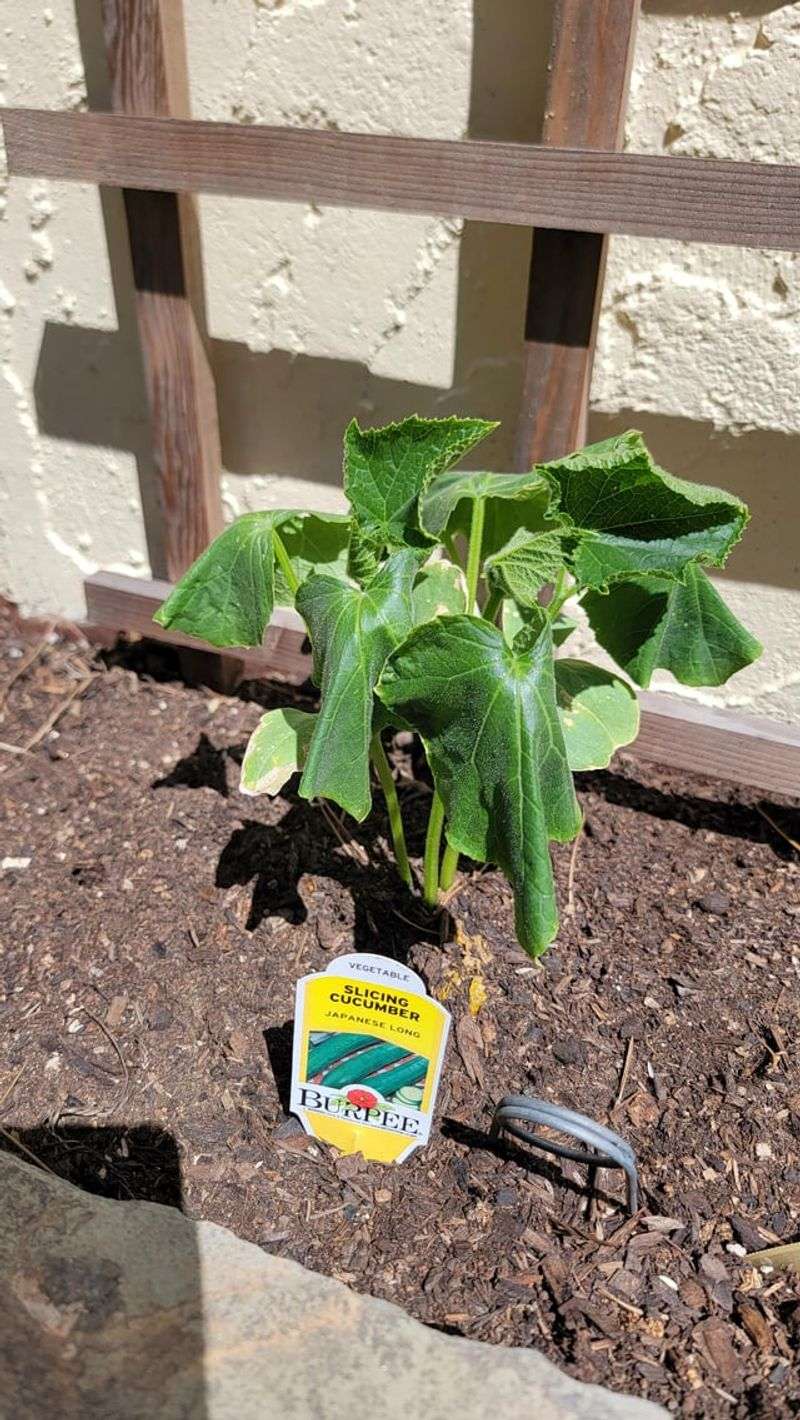
Cucumbers are not fans of drama. When soil goes from muddy wet to desert dry between waterings, the plant goes into stress mode fast.
That kind of inconsistency causes more problems than most gardeners realize.
One of the biggest signs of uneven watering is blossom end rot. The fruit develops a dark, sunken spot at the bottom because calcium cannot travel properly through the plant when moisture levels keep bouncing around.
It has nothing to do with the soil lacking nutrients.
Bitter cucumbers are another clue. When plants experience moisture stress, they produce a compound called cucurbitacin.
That chemical is what makes your harvest taste sharp and unpleasant instead of fresh and mild.
Keeping soil moisture steady is the real goal here. A consistent watering schedule, combined with good mulch, goes a long way toward smoothing out those wild swings.
Your California Garden Changes Every Week. Your Plan Should Too.
Gardening in California changes quickly throughout the season. Every Friday you’ll receive a simple weekly plan showing exactly what to plant, prune, fertilize, harvest, and protect so you never miss the right timing.
Aim to water before the soil dries out completely, not after.
In the warmer inland valleys of California, soil can dry out surprisingly fast. Checking soil moisture every day during peak summer heat is a smart habit.
Stick your finger two inches into the soil. If it feels dry at that depth, it is time to water. Steady moisture equals steady growth and a much better harvest.
3. Watering The Leaves Instead Of The Roots
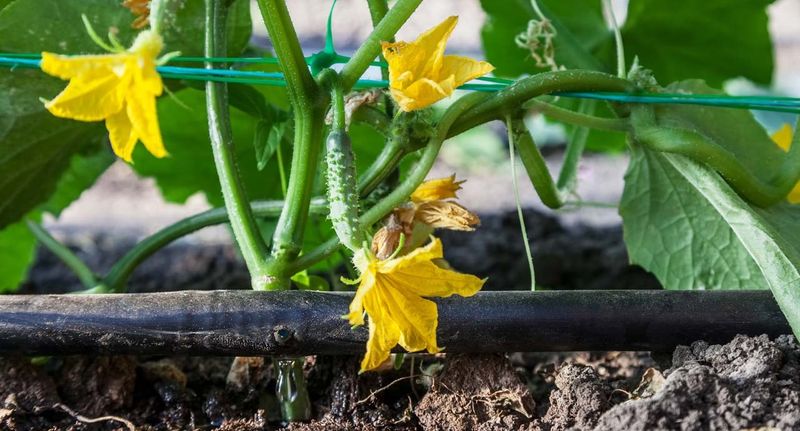
Wet leaves are an open invitation for trouble. Overhead watering might feel thorough, but most of that water lands on the foliage instead of soaking into the soil where roots actually live.
That wasted water does not help the plant at all.
Powdery mildew loves moist leaf surfaces. It spreads quickly in California’s warm temperatures when leaves stay damp for long periods.
Once powdery mildew takes hold, it is very hard to get rid of, and it weakens the plant steadily over time.
Downy mildew and angular leaf spot are two other diseases that thrive when foliage stays wet. Both can move through a cucumber patch fast, turning healthy green leaves yellow and papery.
A garden that looked great in June can look rough by late July if wet leaves are a regular habit.
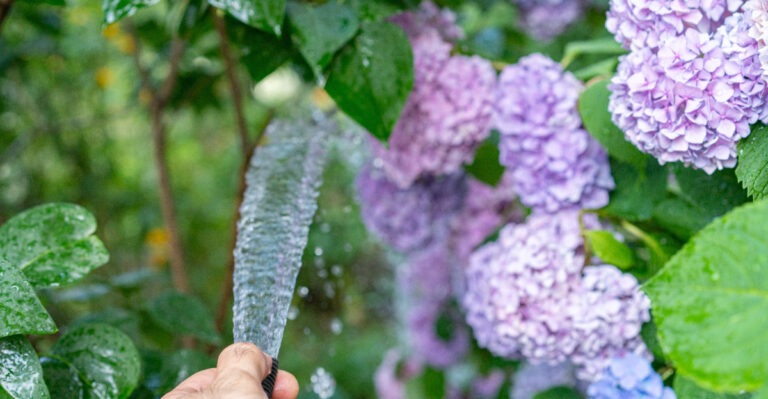
The fix is simple but requires changing how you water. Drip irrigation and soaker hoses deliver water directly to the base of the plant.
The leaves stay dry, the roots get what they need, and disease pressure drops significantly.
Hand watering at the base of each plant also works well. Point the hose nozzle low and let water run slowly near the stem.
It takes a little more patience, but your plants will stay healthier and produce better fruit well into the harvest season.
4. Waiting Until Vines Start Looking Dramatic
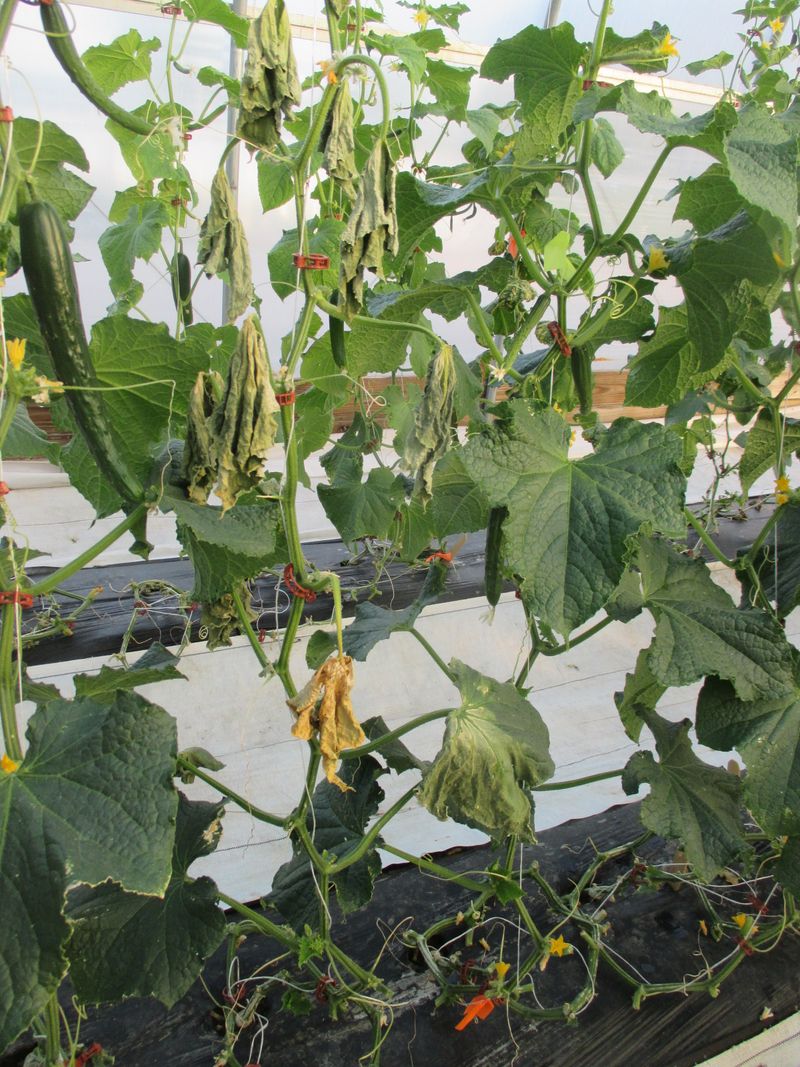
Wilted vines look alarming, and a lot of gardeners rush to water the moment they see drooping leaves. But waiting for that dramatic signal means you have already waited too long.
Stress has already set in by the time vines go limp.
Some afternoon wilting is actually normal on very hot days. Cucumbers may droop a bit in peak afternoon heat even when soil moisture is perfectly fine.
The trick is checking in the morning. If vines are still drooping before the sun gets intense, the plant genuinely needs water right away.
Repeated wilting, even when it is heat-related, adds up over a season. Each stress event takes a toll on fruit production.
Plants that wilt regularly tend to produce fewer cucumbers, and the ones they do produce are often smaller and less flavorful than expected.
A proactive watering schedule beats a reactive one every time. Instead of watching for dramatic signals, check soil moisture regularly.
Get into a rhythm based on weather and soil type, not just how the plant looks on any given afternoon.
Northern regions can have surprising temperature swings, which makes timing trickier. Southern and inland areas heat up fast and hold that heat longer.
Knowing your local conditions helps you stay one step ahead of your cucumbers instead of always playing catch-up with a wilting vine.
5. Skipping Morning Water During Hot California Days
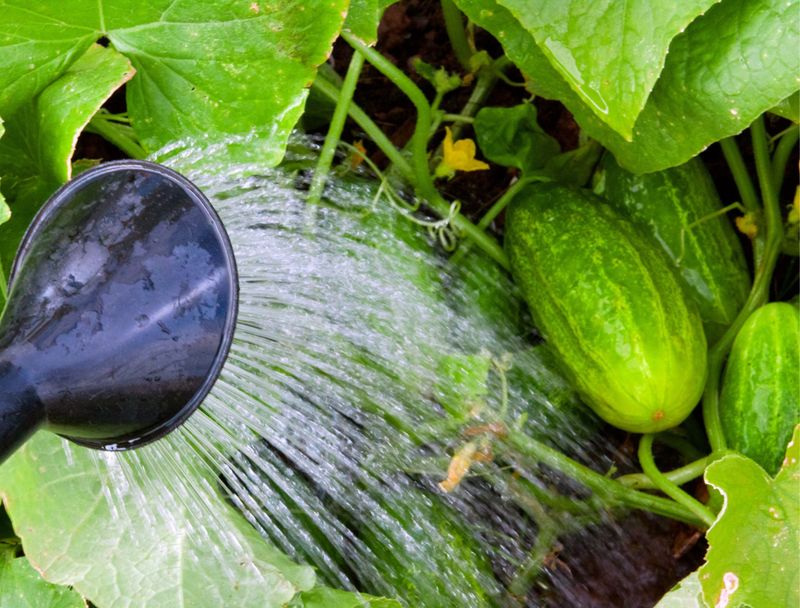
Timing really does matter when it comes to watering cucumbers. Morning is by far the best window, and skipping it in favor of evening or midday can quietly undermine your whole garden plan.
The reasons are straightforward and worth knowing.
Watering in the morning gives soil time to absorb moisture before the sun hits full strength.
Plants are well-hydrated going into the hottest part of the day, which helps them handle heat without shutting down.
That preparation makes a real difference during summer heat waves across California’s growing regions.
Evening watering is a common substitute, but it comes with a cost. Soil and foliage stay moist overnight, creating perfect conditions for fungal diseases.
Our warm nighttime temperatures in many areas make that problem even worse. Mildew and rot love cool, damp, dark conditions.
Midday watering is the least effective option. Water evaporates quickly from hot soil before roots can absorb it.
You end up using more water for less benefit, and the plant still does not get what it needs during the most stressful part of the day.
Setting a simple morning routine makes a big difference over a full growing season. Even watering three to four times a week in the morning is better than daily evening watering.
Pick a consistent time before nine in the morning and stick with it for best results.
6. Flooding Containers That Cannot Drain Fast Enough
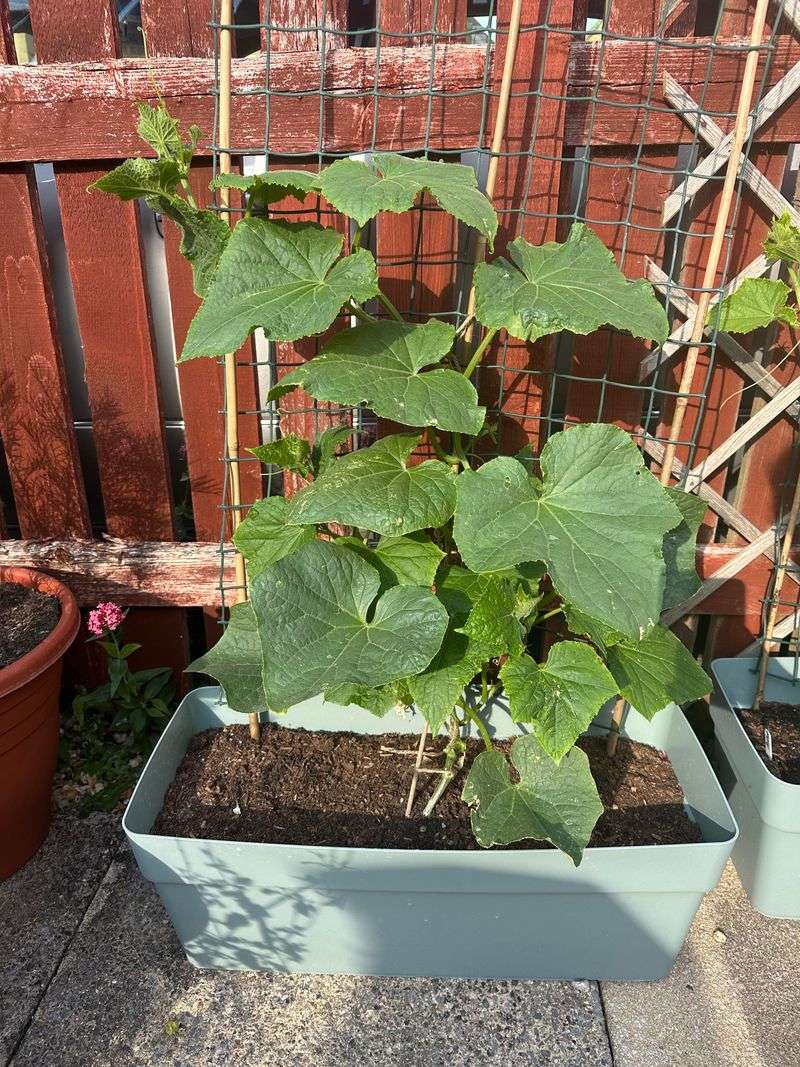
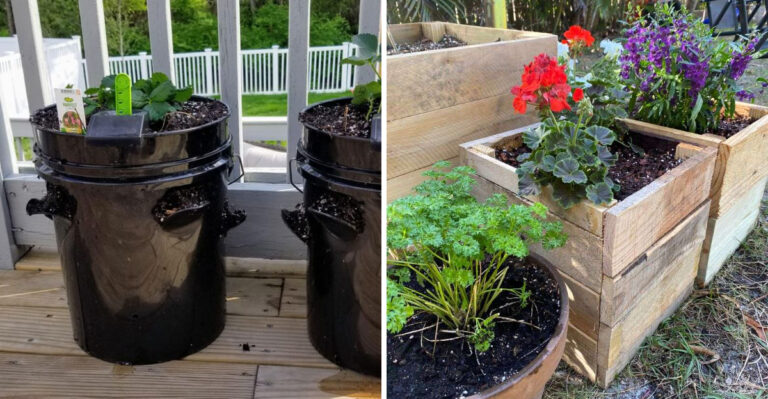
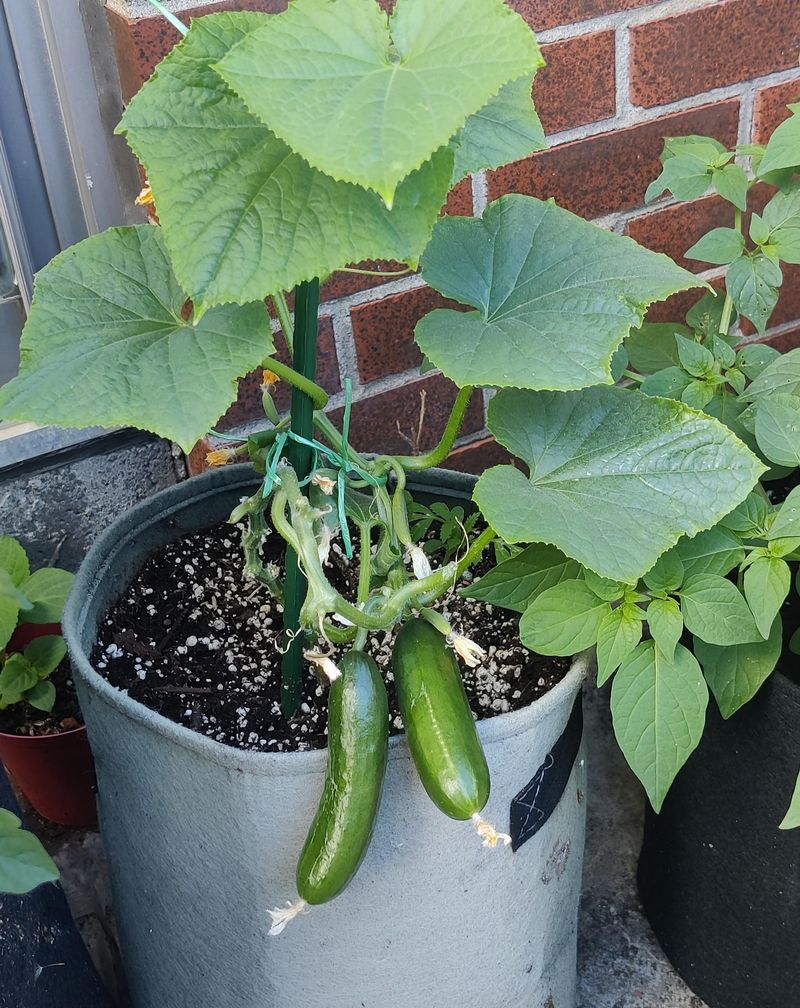
Container gardening is popular in many parts of our state, especially where yard space is limited. Cucumbers can thrive in pots, but only if drainage is handled correctly.
A pot without proper drainage turns into a slow-moving problem that gets worse with every watering.
When water cannot escape the bottom of a container, it fills up the air pockets in the soil. Roots need both water and oxygen to stay healthy.
Waterlogged soil pushes oxygen out and creates conditions where root rot can develop quickly.
Root rot is sneaky because you cannot see it happening. Above the soil, the plant may look fine for a while.
Then leaves start to yellow, growth slows, and the plant begins to struggle even though you are watering regularly. By the time it is obvious, the root system is already in bad shape.
Choosing the right container is the first line of defense. Make sure your pot has several drainage holes at the bottom, not just one small one.
Larger holes and more of them let excess water escape fast. Elevating the pot slightly on feet or bricks also helps water flow out freely.
Soil mix matters too. Heavy garden soil holds too much water in containers.
Use a light, well-draining potting mix instead. Adding perlite improves drainage even further.
These small changes make container-grown cucumbers far more forgiving when you water a little too much.
7. Forgetting Mulch While The Soil Bakes
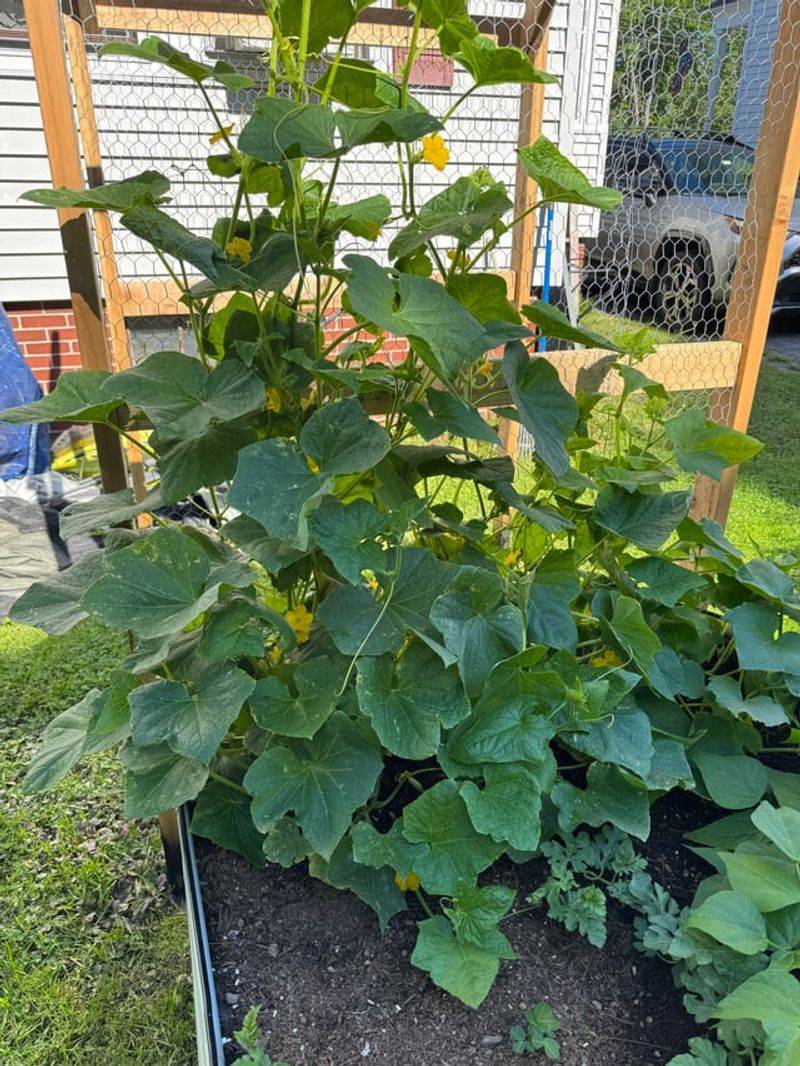
Skipping mulch in a hot-summer garden is a bit like forgetting sunscreen at the beach. The consequences are not always immediate, but they build up fast.
Bare soil bakes under direct sun, and moisture vanishes much quicker than most gardeners expect.
Cucumbers need consistent soil moisture, and mulch is one of the cheapest and most effective ways to hold that moisture in place.
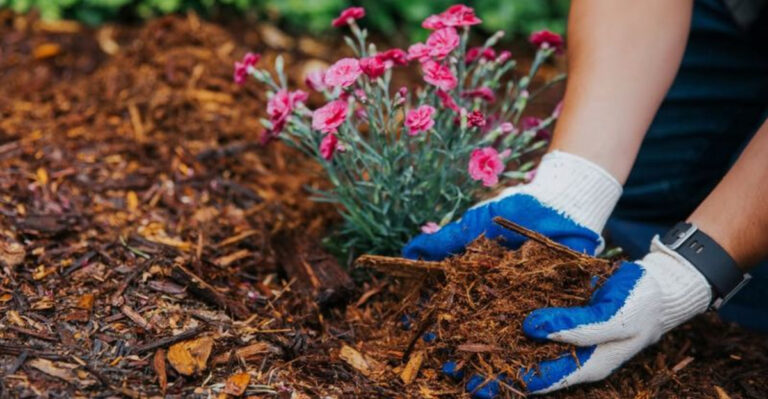
A two-to-three inch layer of straw, wood chips, or shredded leaves can cut soil water loss dramatically.
That means less watering and less stress on your plants overall.
Mulch also keeps soil temperatures more stable. In the hot inland valleys and southern growing regions, bare soil can get extremely hot near the surface.
That surface heat stresses shallow roots and speeds up moisture loss even further. Mulch acts like a buffer, keeping things cooler just below the surface.
Another bonus is weed control. Fewer weeds mean less competition for water and nutrients.
Cucumbers grow faster and stronger when they are not sharing resources with aggressive weeds that pop up in bare, warm soil.
Apply mulch after your first good watering of the season. Pull it back a couple of inches from the main stem to prevent moisture buildup right at the base.
Refresh it mid-season as it breaks down. Your cucumbers will reward you with steadier growth and a longer, more productive harvest window.
8. Using Cold Water On Heat-Stressed Plants
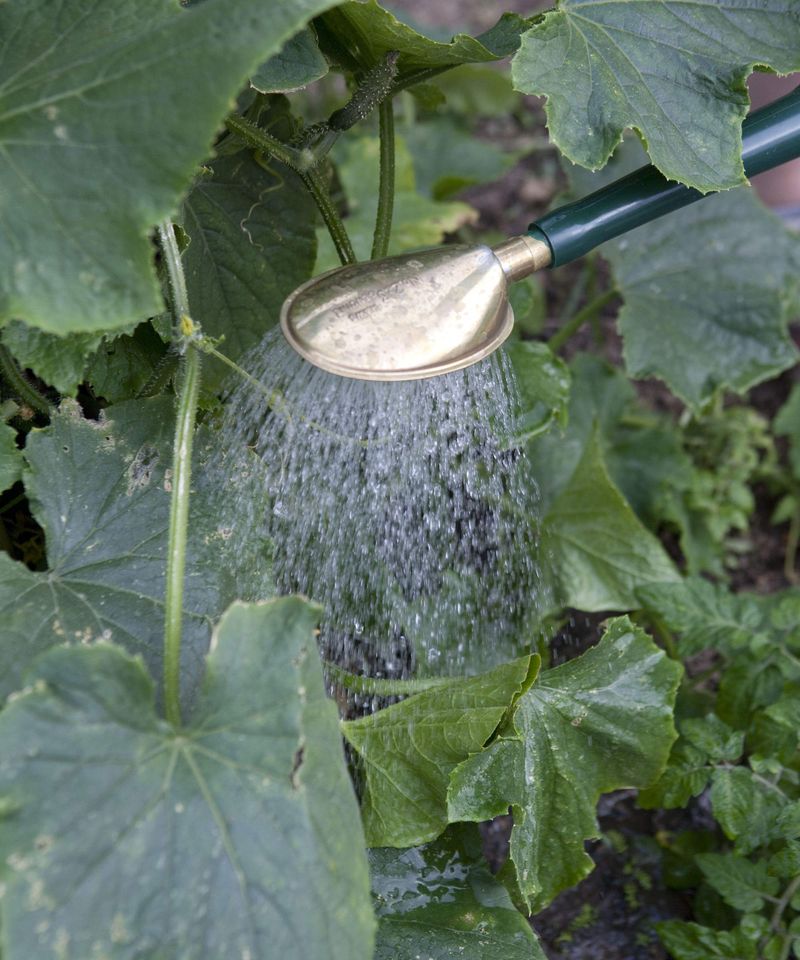
On a blazing hot afternoon, it might feel kind to grab the hose and drench your cucumbers with cold water. It seems refreshing, but plants do not experience temperature the way we do.
Cold water on heat-stressed cucumbers can actually trigger a shock response in the roots.
When cold water hits warm soil rapidly, it creates a sudden temperature drop in the root zone.
Roots that are already working hard to pull up moisture and nutrients can slow down or temporarily stop functioning properly.
That interruption shows up as wilting, yellowing, or slowed growth over the following days.
The issue is especially noticeable in containers, where the soil heats up faster and temperature swings are more extreme. In-ground gardens have more thermal mass to buffer the change, but cold water is still not ideal during peak heat hours for any cucumber planting.
The simplest solution is to water in the morning before soil temperatures climb. At that time of day, the water from your hose and the soil are closer in temperature.
There is no jarring contrast, and roots absorb the moisture smoothly and efficiently.
If you must water during the heat of the day, let the hose run for a minute or two first. Water sitting in a hose in the sun gets warm quickly.
That slightly warmer water is much gentler on roots and causes far less disruption to an already heat-stressed cucumber plant.
9. Watering Too Much Once Fruit Starts Growing
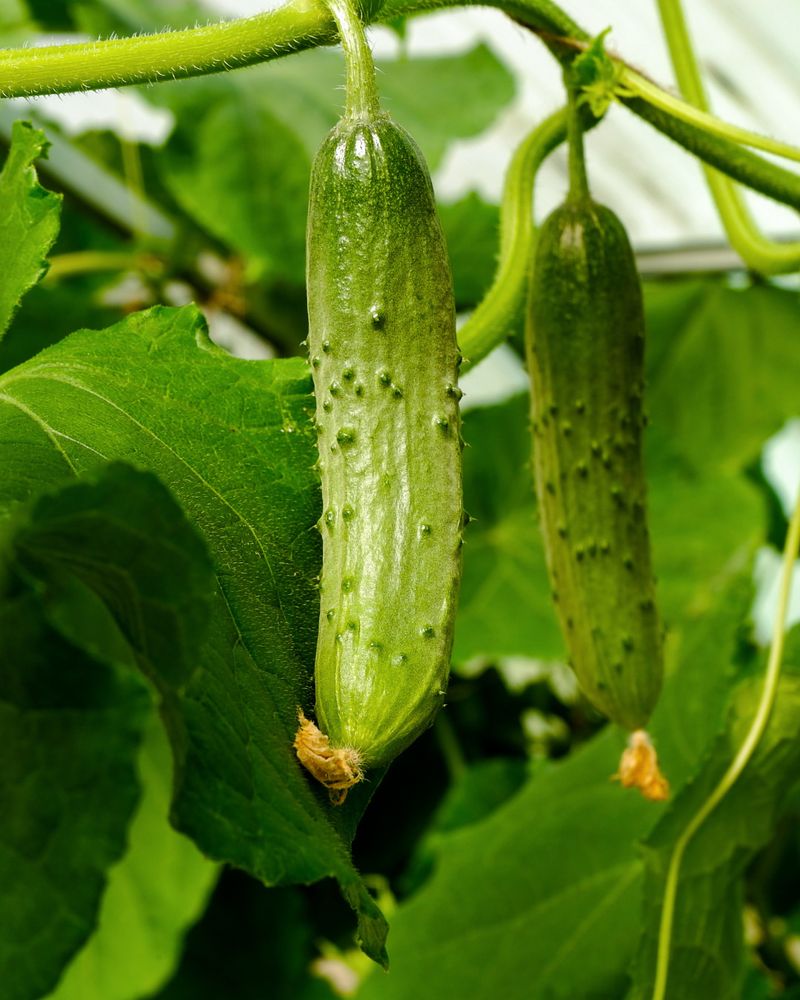
Once cucumbers start setting fruit, a lot of gardeners get excited and start watering even more than before. The logic seems right – the plant is working hard, so it must need more water.
But overwatering at this stage causes a different set of problems that can ruin the harvest.
Too much water during fruit development dilutes the flavor of cucumbers. The fruit takes on extra water weight, and the natural sugars and crispness that make a garden cucumber so much better than store-bought get washed out.
You end up with watery, bland cucumbers that are disappointing after all that work.
Excess moisture at the base of the plant also increases the risk of stem rot and root disease. Fungal pathogens thrive in wet conditions, and an overwatered plant with heavy fruit load is especially vulnerable.
A single week of overwatering can compromise a plant that was doing beautifully just days before.
Reduce watering slightly once fruit begins to size up. Keep moisture steady but back off from the more frequent schedule used during the flowering stage.
The goal is consistent, moderate moisture rather than generous soaking every single day.
Tasting your cucumbers regularly is a good way to monitor what is happening. If they taste watery or flat, that is a sign to cut back on watering.
Good flavor is your best feedback tool, and it tells you more than any moisture meter ever could.