The Hidden Pest Damaging West Virginia Tulip Poplars Before Anyone Notices
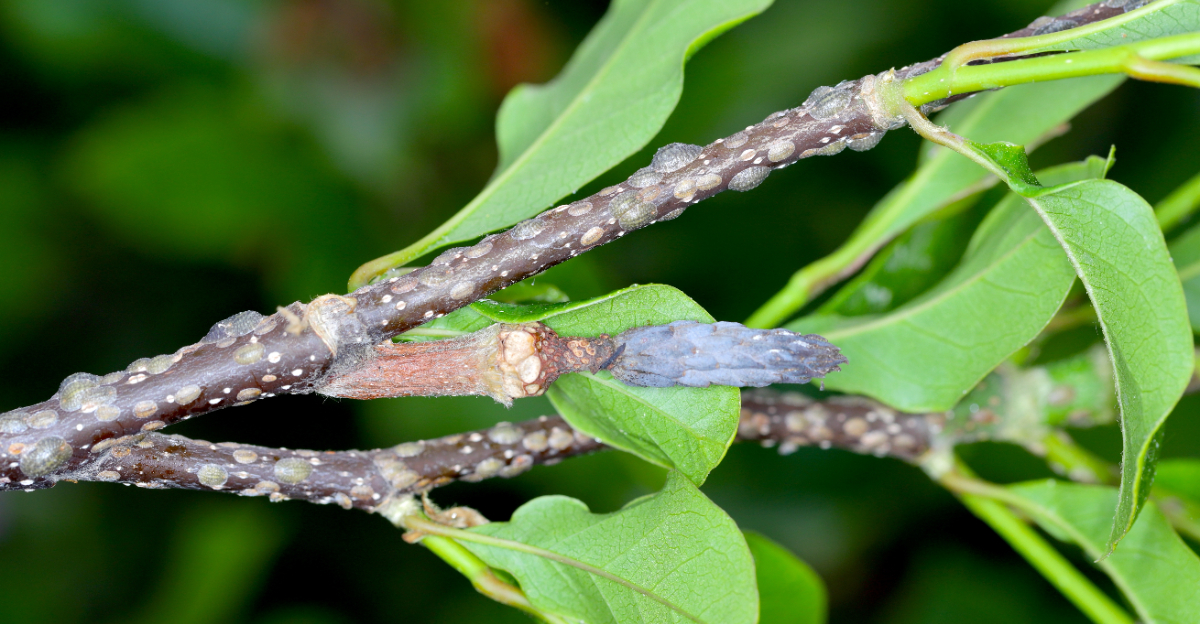
Your favorite shade tree might be hiding a secret. Tiny waxy insects cling quietly along its branches. You probably never notice them until it’s too late.
Something feeds slowly, sapping strength from your tulip poplar. West Virginia trees face this quiet, creeping visitor often. Sticky honeydew drips onto sidewalks, cars, and patio furniture.
Sooty mold follows, coating everything in dark residue. Ants gather next, drawn by the sugary coating. Leaves yellow gradually while branches lose their usual vigor.
Weakened trees grow vulnerable to other pests and disease. Homeowners throughout West Virginia rarely catch this early enough. Populations grow quickly once weather conditions turn favorable.
Correct identification separates a manageable problem from a lasting one. Timing determines whether your treatment actually works or fails. Nobody wants to watch a beloved tree fade slowly.
Knowledge changes outcomes, and speed changes everything else. Nothing about your tulip poplar will look the same again.
What Tuliptree Scale Is And Why It Spreads Unnoticed
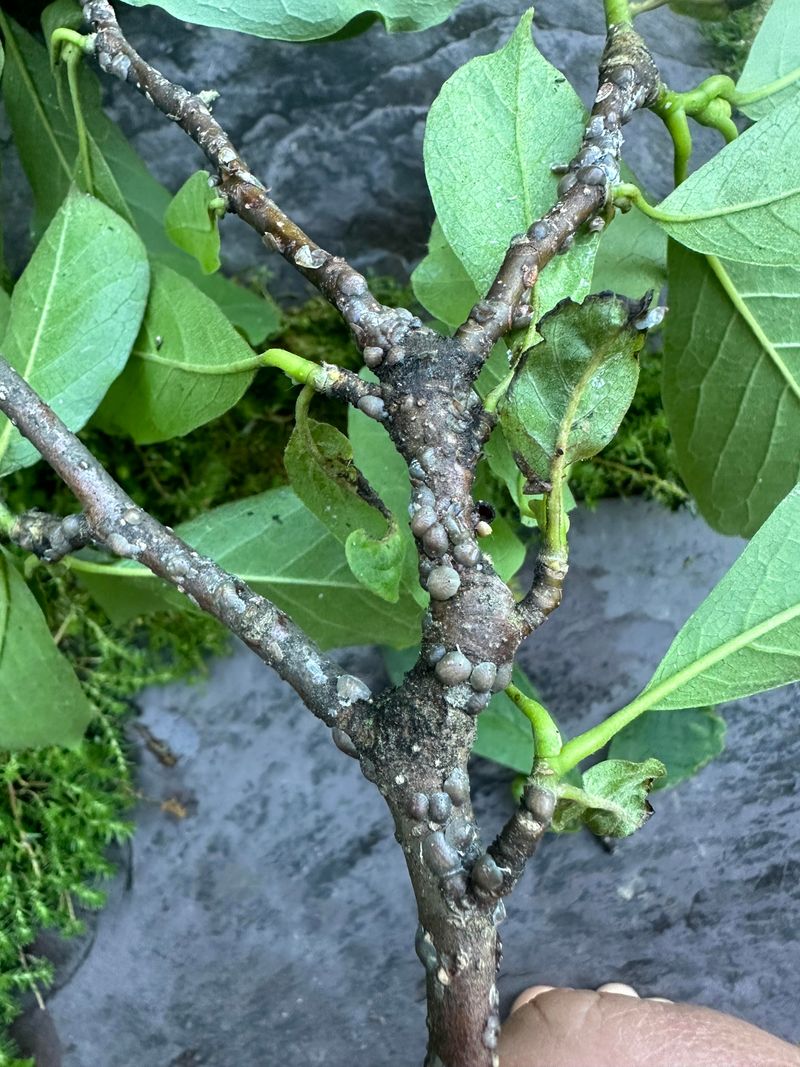
Most people have never heard of tuliptree scale, and that is exactly why it causes so much harm. This insect is a soft scale pest that attaches itself to the branches and twigs of tulip poplars. It feeds by piercing the bark and sucking out the sap beneath.
The pest looks nothing like a typical bug. Adult females appear as small, rounded, brownish bumps on the bark.
They blend in so naturally that most homeowners assume they are seeing a normal part of the tree’s texture.
Tuliptree scale spreads through what are called crawlers, the tiny mobile nymphs that hatch in late summer. Wind carries them to neighboring branches and nearby trees. A single infested tree can quietly seed an entire yard without anyone noticing.
The insect overwinters as a nymph, hiding snugly against the bark through cold months. Come spring, it begins feeding again with renewed energy. By midsummer, populations can grow substantially if left untreated.
Part of what makes this pest so effective is its timing. It does most of its feeding during seasons when homeowners are not closely inspecting their trees. The damage builds slowly, which means the tree looks fine until it really does not.
Tuliptree scale is found throughout the eastern United States, and areas with dense tulip poplar populations, including parts of West Virginia, may see higher infestation rates. Knowing this pest exists is the first step toward stopping it before it settles in for good.
Early Warning Signs Homeowners Often Miss
Catching tuliptree scale early is a game-changer, but the signs are easy to overlook. Most people notice something is wrong only after the tree starts looking tired or stressed. Spotting the clues sooner puts you way ahead of the problem.
One early sign is branch dieback at the tips. Small sections of a branch will look dry or fail to leaf out properly in spring. Many folks chalk this up to winter damage and move on without a second look.
Another clue is a faint glistening on the bark or nearby surfaces. That shine comes from honeydew, a sticky liquid the scale insects excrete as they feed. It is subtle at first, easy to miss unless you are specifically looking for it.
Your West Virginia Garden Changes Every Week. Your Plan Should Too.
Gardening in West Virginia changes quickly throughout the season. Every Friday you’ll receive a simple weekly plan showing exactly what to plant, prune, fertilize, harvest, and protect so you never miss the right timing.
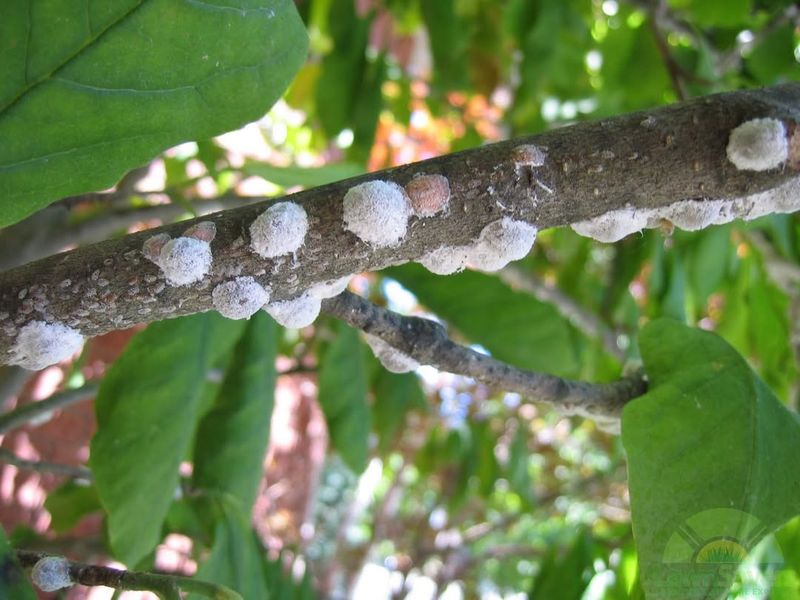
Check the undersides of small branches carefully. You may notice what looks like rows of tiny pebbles or bumps in shades of gray, pink, or brown. Those bumps are the scale insects themselves, lined up and feeding quietly.
Ants are also a surprising early warning sign. They are attracted to honeydew and will march up and down infested branches in noticeable numbers. If you see heavy ant traffic on your tulip poplar, take a closer look at the bark.
Yellowing leaves mid-season can also signal a problem. When scale populations grow large, the tree loses enough sap to show stress above ground. Early action taken at these first signs gives your tree the best shot at a full recovery.
How The Sticky Honeydew Residue Signals Trouble
Walk under an infested tulip poplar on a warm afternoon and you might feel a faint stickiness in the air. That is not your imagination. It is honeydew raining down from thousands of feeding scale insects overhead.
Honeydew is a sugary waste product that soft scale insects produce in large quantities. It coats leaves, branches, and anything sitting beneath the tree, including patio furniture, cars, and sidewalks. The residue feels tacky and attracts a parade of ants, bees, and wasps.
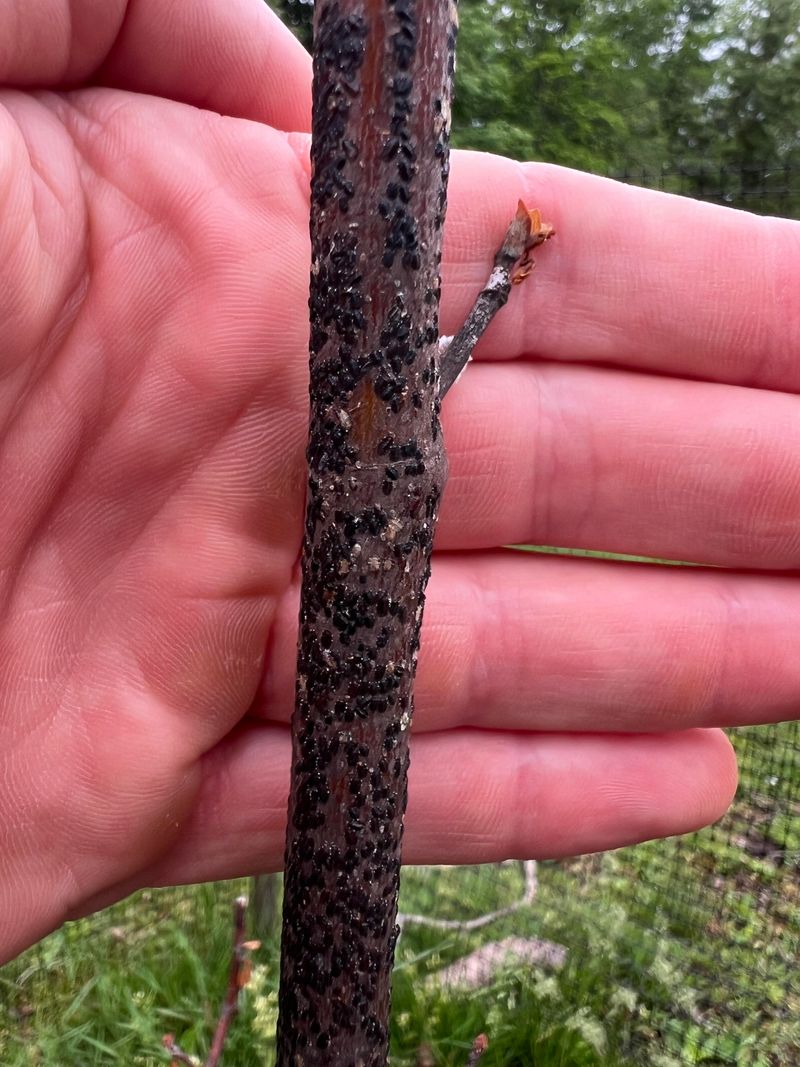
Left alone, honeydew creates a second problem called sooty mold. This black fungal coating grows on surfaces covered in the sticky liquid. It does not directly harm the tree, but it blocks sunlight from reaching the leaves.
When leaves cannot absorb enough sunlight, photosynthesis slows down. A tree that cannot make enough food from sunlight begins to weaken from the inside. Over time, this compounds the damage already caused by the sap loss.
Sooty mold is actually one of the most visible signs of a serious tuliptree scale problem. If you notice a dark, dusty coating on your tree’s leaves in summer, do not ignore it. That black layer is telling you the infestation is well established.
The good news is that treating the scale infestation stops the honeydew production. Once the insects are gone, the sooty mold gradually weathers away on its own.
Recognizing the honeydew signal early gives you a clear path toward getting your tree back on track.
Why Established Infestations Are Difficult To Manage
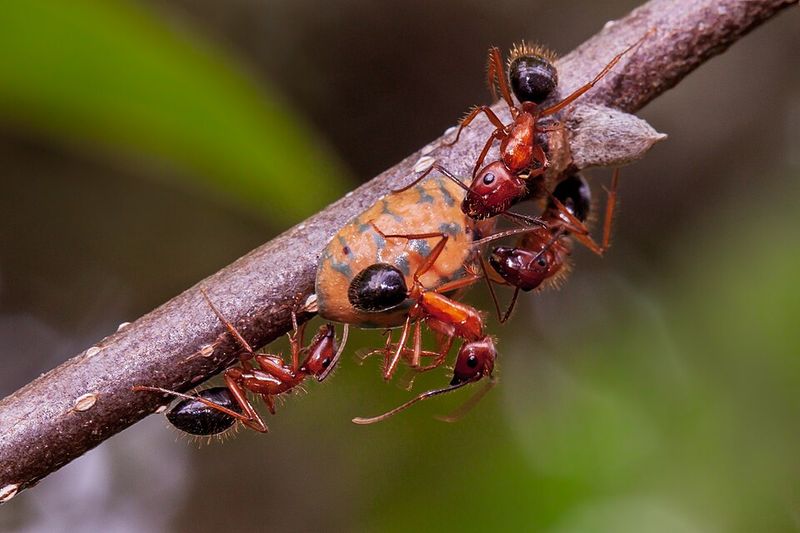
Once tuliptree scale becomes established, it can be difficult to control. An established infestation means the insects have gone through multiple life cycles on your tree. Each generation leaves behind more feeding damage than the last.
The waxy coating that covers adult scale insects acts like a shield. Many common insecticides cannot penetrate it effectively.
Spraying a tree that is already heavily infested often gives disappointing results because the chemical never reaches the insect beneath.
Heavy infestations also tend to occupy hard-to-reach spots. Scale insects cluster in branch crotches and along the undersides of small twigs, areas that are difficult to spray thoroughly. Missing even a small colony allows the population to rebuild quickly.
Repeated feeding weakens the tree’s vascular system, the network that moves water and nutrients from roots to leaves.
A damaged vascular system means the tree cannot recover as fast, even after treatment. Stressed trees are also more attractive to other pests and fungal problems.
Large, older tulip poplars face a particular challenge. Their sheer size makes complete treatment coverage nearly impossible for a single homeowner. Professional help becomes not just useful but often necessary at this stage.
An important reality is that reversing a heavy infestation takes multiple seasons of consistent effort. No single treatment typically resolves a heavy infestation quickly.
Starting treatment early, before populations grow out of control, is the most reliable way to keep tuliptree scale from becoming a long-term challenge that’s hard to manage without help.
The Best Time Of Year To Treat It
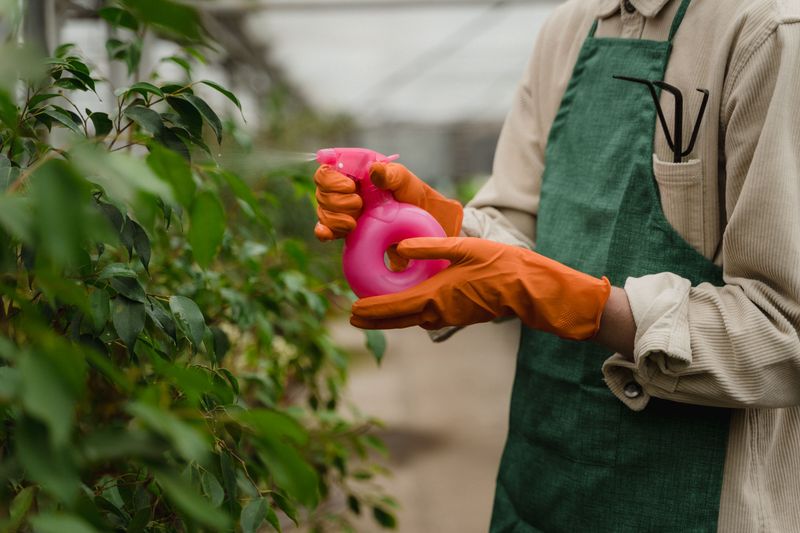
Timing your treatment correctly is just as important as choosing the right product. Treat tuliptree scale at the wrong point in its life cycle and your effort will barely make a dent. Get the timing right and you can stop a growing infestation in its tracks.
The most effective treatment window is generally late summer, though exact timing can shift slightly depending on local weather and should be confirmed with your county extension office.
That is when the tiny crawlers are active and moving across branches. Crawlers have no protective waxy shell yet, making them far more vulnerable to contact insecticides.
Horticultural oil sprays work especially well during the crawler stage. These oils coat the insects and disrupt their breathing process without leaving harsh chemical residue behind. They are also much safer for beneficial insects like bees when applied correctly.
A second treatment opportunity comes in early spring, just before new growth appears. Dormant oil applications during this window can smother overwintering nymphs before they resume feeding.
Catching them before they wake up gives your tree a cleaner start to the growing season. Systemic insecticides, applied as soil drenches, offer another option. These products are absorbed through the roots and move into the tree’s tissue.
Scale insects feeding on that tissue then ingest the insecticide, which works from the inside out.
Soil drenches are typically applied in spring or fall depending on the product, so always check the label for the recommended timing in your area. Always read product labels carefully and follow local guidelines.
Hitting the right window makes every treatment significantly more effective and saves you time, money, and frustration down the road.
Steps To Protect Your Tulip Poplars Going Forward
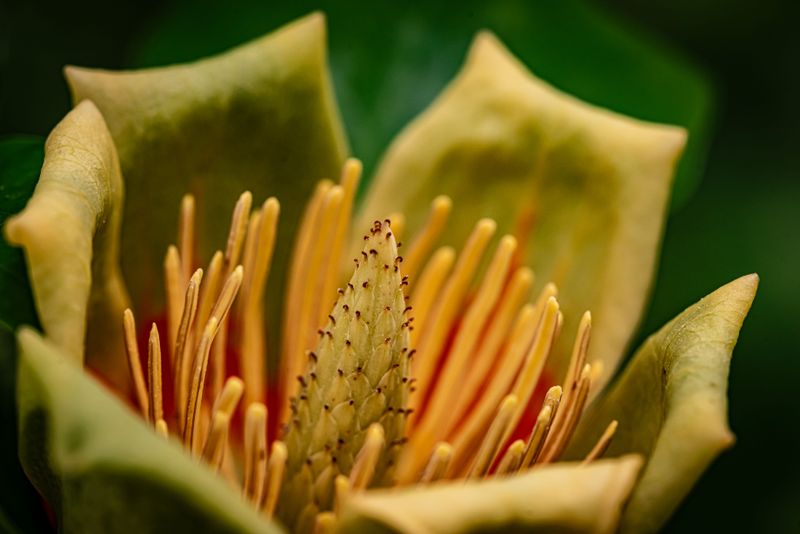
Protecting your tulip poplars long-term comes down to building consistent habits around tree care. One treatment is rarely enough to keep tuliptree scale away permanently. Think of it as seasonal maintenance, not a one-time fix.
Start with regular inspections every spring and late summer. Grab a magnifying glass and check small branches for bumps, sticky residue, or unusual ant activity. Catching a new infestation early makes treatment far simpler and more successful.
Keep your trees as healthy as possible between treatments. A well-watered, properly fertilized tulip poplar is more resistant to pest pressure than a stressed one.
Mulching around the base of the tree helps retain moisture and supports root health through dry stretches.
Prune out heavily infested branches when you spot them. Removing dense colonies before they spread reduces the overall population load on the tree.
Bag and dispose of pruned material well away from your property to avoid spreading crawlers.
Encourage natural predators in your West Virginia yard. Parasitic wasps and lady beetles are natural enemies of scale insects.
Reducing broad-spectrum pesticide use gives these beneficial insects a better chance to establish and help keep populations in check.
Consider working with a certified arborist if your trees are large or the infestation is widespread. Professionals have access to equipment and products that make treatment of tall trees much more thorough.
Staying proactive about tuliptree scale is the smartest thing you can do to keep your tulip poplars healthy, beautiful, and standing strong for decades ahead.