Why Indiana Yellow Jackets Turn Most Aggressive In Early August, And What Actually Works
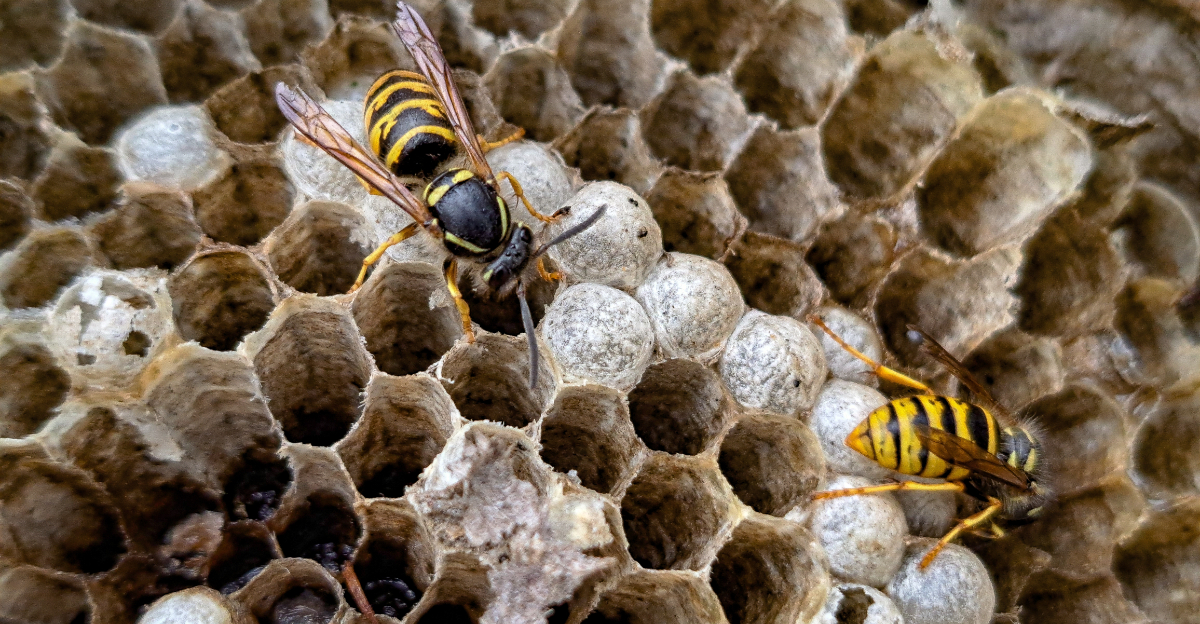
Something changes in Indiana backyards once late July rolls around. The yellow jackets that barely noticed your picnic in June suddenly treat every soda can, hamburger, and open trash bin like personal property.
By early August, these striped visitors move faster, sting quicker, and seem to appear out of nowhere. Homeowners across the state notice the same pattern year after year, yet most have no idea what flips the switch.
The shift isn’t random and it isn’t your imagination. Something happens inside their nests that turns calm foragers into short-tempered defenders almost overnight.
You can still enjoy backyard evenings, just with a sharper sense of when and where trouble tends to show up.
Colony Populations Hit Their Ceiling Right As August Arrives
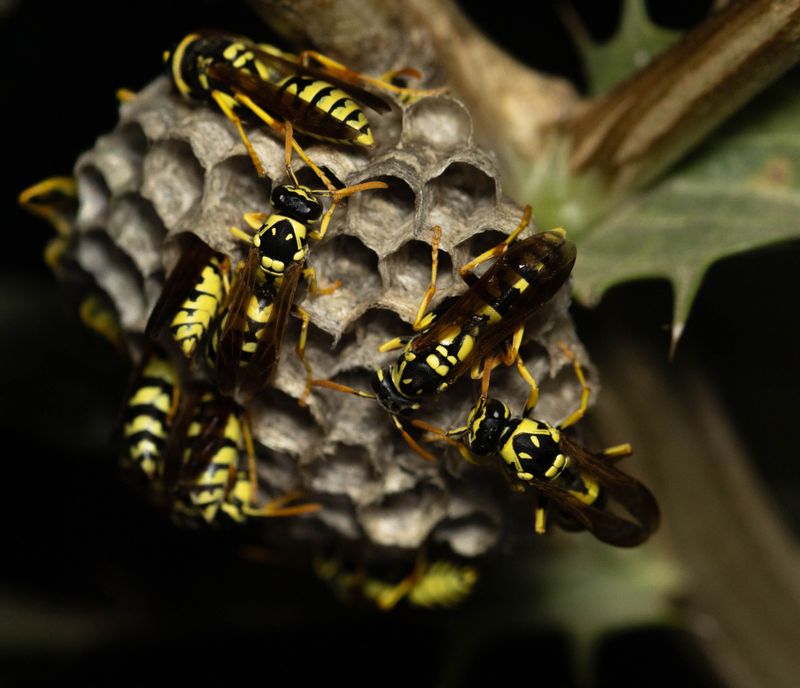
August is crunch time for yellow jacket colonies across Indiana. The queen has spent all spring and summer doing one thing: building her workforce.
By the time August rolls around, that workforce is enormous. A single colony can contain thousands of workers, all buzzing with one shared purpose.
More workers mean more defenders patrolling the nest perimeter. Any movement within a few feet of the entrance triggers an immediate response.
Worker yellow jackets become hypersensitive to vibration and shadow. A lawnmower, a footstep, or even a passing dog can set them off instantly.
Unlike honeybees, yellow jackets can sting multiple times without losing their stinger. That means one agitated insect can deliver several painful stings before flying away.
The colony also starts producing new queens and male drones in August. Protecting these future reproductives makes the whole colony extra defensive.
Worker yellow jackets feel a biological urgency during this period. Their instinct to guard the nest becomes sharper than at any other point in the season.
Colony behavior shifts dramatically once population hits its ceiling. That surge in numbers, paired with a shrinking food supply, explains why nearby yards suddenly feel like risky territory.
Knowing this seasonal pattern helps you anticipate trouble before it starts. Awareness is one of the simplest and most effective defenses against late-summer stings.
Food Sources Become Scarce Late In The Season
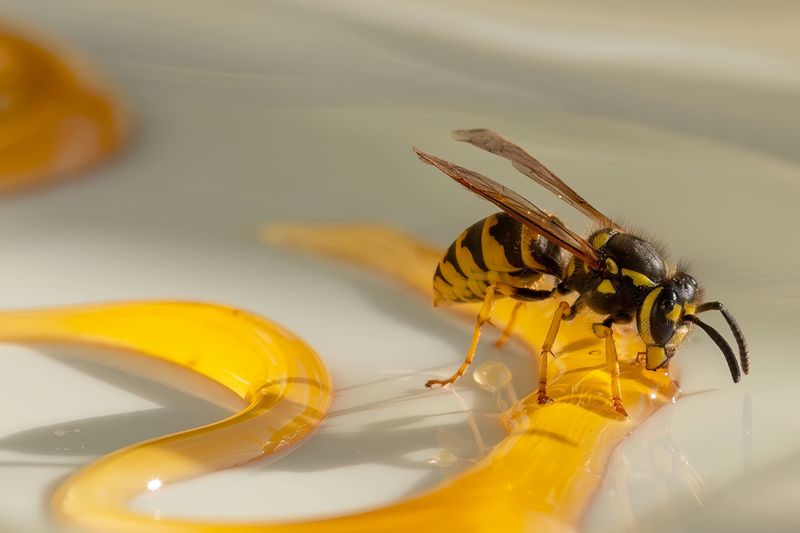
Hunger makes any creature bolder, and yellow jackets are no exception. Late summer brings a sharp spike in food competition that drives aggressive foraging behavior.
Early in the season, yellow jackets feed their larvae protein from caterpillars, flies, and other soft-bodied insects. The larvae, in return, produce a sugary liquid that adult workers consume eagerly.
As August progresses, larval production slows down. The sugar supply from larvae begins to dry up just as the colony size peaks.
Workers suddenly need to find sugar elsewhere. Your open soda, ripe peach, or juice cup becomes a prime target for a desperate forager.
Natural sugar sources like flower nectar also become less available in late summer. Fewer blooms mean more competition among insects for the same limited resources.
Yellow jackets at this stage are not being aggressive for sport. They are hungry, stressed, and highly motivated to secure calories for the colony.
Your Indiana Garden Changes Every Week. Your Plan Should Too.
Gardening in Indiana changes quickly throughout the season. Every Friday you’ll receive a simple weekly plan showing exactly what to plant, prune, fertilize, harvest, and protect so you never miss the right timing.
A forager that feels threatened while eating will sting without much hesitation. Swatting at one near your food is one of the fastest ways to get stung.
Keeping food and drinks covered outdoors is one of the simplest practical steps you can take. Seal trash cans tightly, since rotting food is especially attractive to sugar-starved foragers.
Understanding their hunger-driven behavior helps you respond calmly. Moving slowly and avoiding sudden gestures near foragers reduces your risk significantly during this high-pressure feeding season.
Nest Populations Reach Maximum Size By August
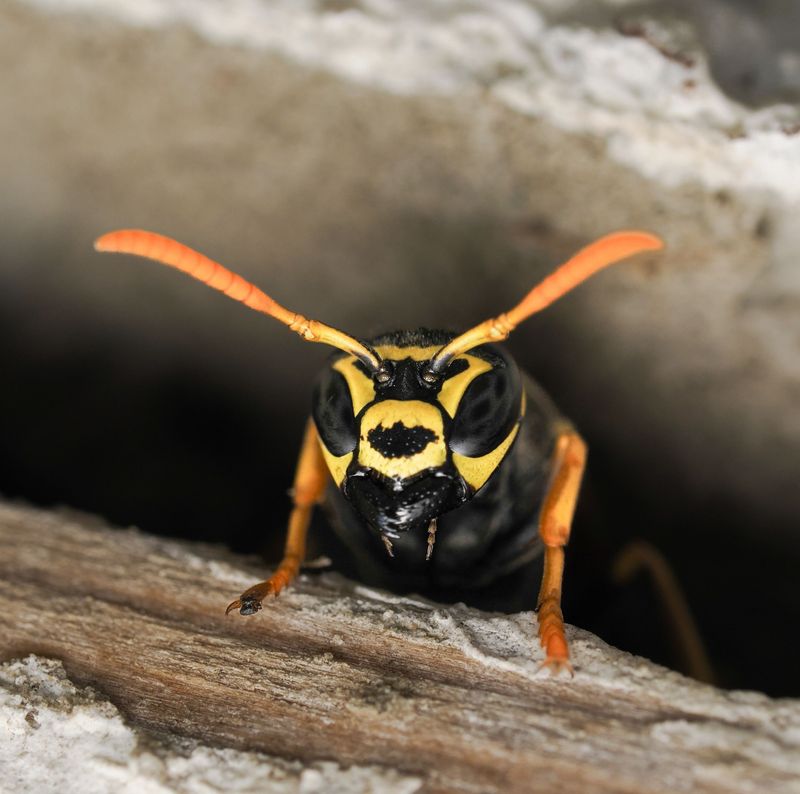
Picture a small startup company that began in April with one employee. By August, that same company has hired thousands of workers with no plans to slow down.
That is essentially what happens inside a yellow jacket colony every single year. The queen starts building in spring with just a handful of eggs.
Each new batch of workers hatches and immediately joins the workforce. They forage, build, guard, and feed the next generation nearly nonstop.
By early August, nest populations in Indiana typically reach their annual peak. Some colonies house upwards of 4,000 to 5,000 individual workers at this point.
A larger population requires more food, more space, and more aggressive nest defense. The sheer number of defenders makes any accidental disturbance far more dangerous than it would have been in May.
Underground nests grow especially large during this period. What started as a golf-ball-sized structure may now fill a space the size of a basketball or larger.
Homeowners sometimes discover these nests accidentally while mowing or gardening. Stepping on or near an entrance triggers an immediate swarm response from hundreds of workers.
The nest itself is made from chewed wood fibers, forming a papery shell around layered combs. Disturbing it even slightly sends vibrations through the entire structure.
Recognizing that August nests are at maximum size helps explain why encounters feel so much more intense. A small colony from June is a completely different threat level than an August powerhouse.
Weather Patterns Influence Sting Frequency
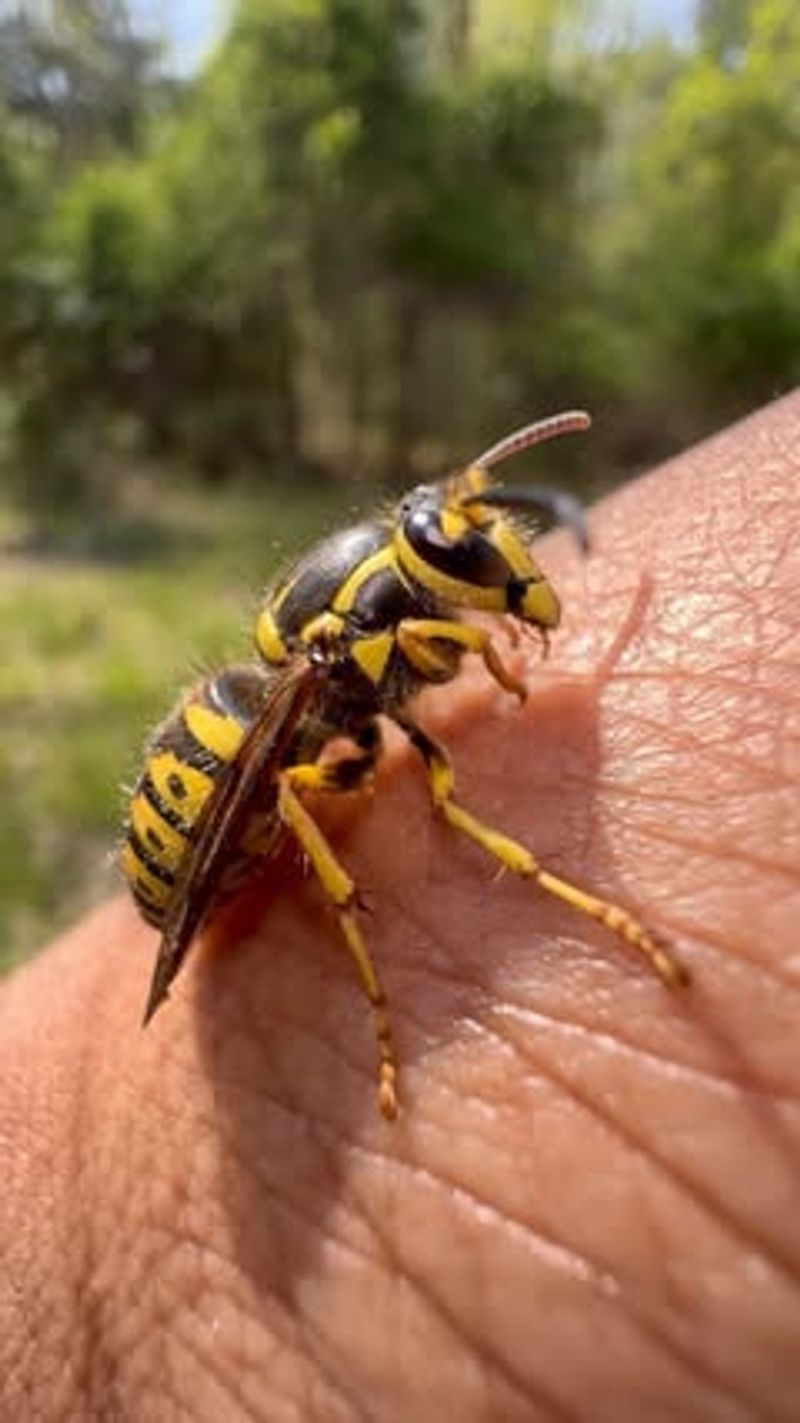
Hot weather does not just make people irritable. It has a measurable effect on yellow jacket behavior and sting frequency throughout Indiana summers.
Warm temperatures speed up insect metabolism. A colony operating in 85 to 95 degree heat is biologically more active than one in cooler spring weather.
High activity levels mean more foragers in the air at once. More foragers near your yard naturally increases the chance of a close encounter.
Dry spells also reduce the availability of natural water sources. Yellow jackets will travel further and become bolder when searching for moisture during a heat stretch.
Interestingly, overcast or stormy days can also spike aggression. Dropping barometric pressure before a storm seems to heighten defensive behavior in colonies.
Researchers believe pressure changes may signal potential flooding or nest disturbance. Workers respond by patrolling more aggressively around the nest entrance.
Indiana summers often combine high heat with sudden afternoon thunderstorms. That combination creates frequent windows of elevated yellow jacket activity across the state.
Wind also plays a role in sting incidents. Strong gusts can carry human scents, vibrations, and shadows in ways that alarm patrolling workers unexpectedly.
Checking the forecast before outdoor activities is a genuinely practical habit during August. Calm, warm mornings tend to be safer for yard work than hot, humid afternoons when colonies are at peak alertness.
Weather awareness paired with nest location awareness gives you a real advantage. Timing your outdoor time wisely can reduce unwanted encounters without any special equipment at all.
Safe Removal Methods For Active Nests
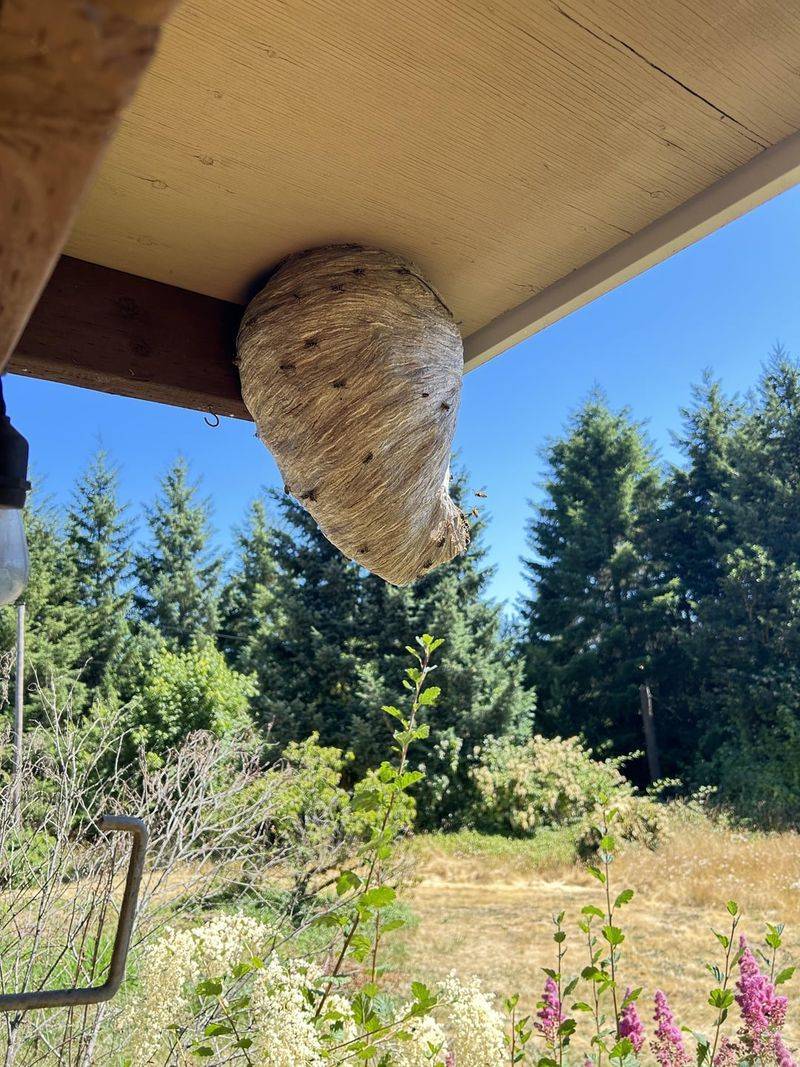
Finding an active nest on your property in August is genuinely stressful. Fortunately, safe and effective removal options exist for Indiana homeowners.
Timing matters enormously when approaching any active nest. Dusk or dawn is your safest window because most workers are inside the nest and less alert.
Avoid attempting removal during the heat of the day. Worker activity peaks between 10 a.m. and 4 p.m., making daytime approaches far more risky.
For underground nests, insecticidal dust products applied directly into the entrance opening are highly effective. Products containing deltamethrin or carbaryl work well when applied carefully at night.
Wear protective clothing even at night. Long sleeves, gloves, and a hat with netting provide meaningful protection during any nest treatment attempt.
Do not use a flashlight directly near the nest entrance. Yellow jackets are attracted to light, so position any light source behind you or to the side.
Aerosol wasp sprays with a long-range stream can work on above-ground paper nests. Apply from a safe distance and retreat immediately after spraying.
Repeat treatments are often necessary for large colonies. Return the following night to confirm activity has stopped before sealing the entrance.
Calling a licensed pest control professional is a smart choice, especially for large or hard-to-reach nests. Professionals in Indiana have access to stronger products and proper protective equipment.
Attempting removal without preparation often makes the situation worse. A calm, well-timed approach is far safer than a rushed daytime attempt.
Preventing Yellow Jacket Encounters Around Your Home
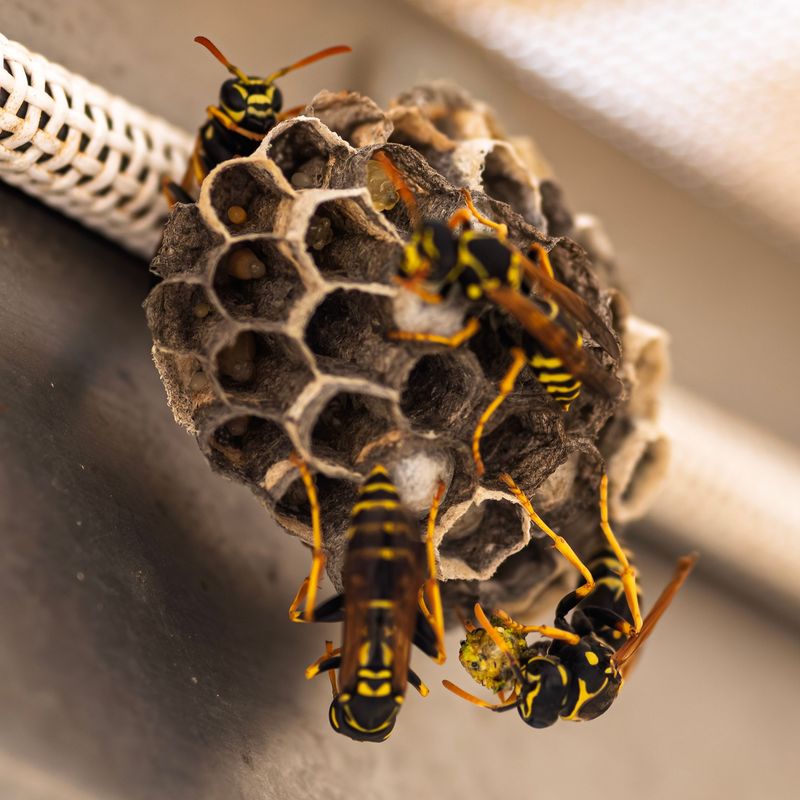
Prevention consistently beats treatment when it comes to late-summer yellow jackets. A few consistent habits around your property can dramatically reduce unwanted encounters.
Start by inspecting your yard in early summer before colonies grow large. Catching a small nest in May is far easier than confronting a peak-August colony.
Check common nesting spots regularly throughout the season. Yellow jackets favor ground burrows, wall voids, deck railings, and spaces under eaves or porches.
Keep all outdoor garbage cans sealed with tight-fitting lids. Rotting food and sweet drink residue inside bins attract foragers from surprising distances away.
Rinse soda cans and juice containers before placing them in recycling bins outdoors. Even a small sugar residue is enough to draw in scouts looking for food sources.
Avoid wearing floral-scented perfumes or bright yellow clothing during outdoor activities in August. Both can attract foraging workers who mistake you for a food or flower source.
Cover food and drinks at outdoor gatherings, especially sweet items like fruit and lemonade. A simple mesh food cover costs just a few dollars and prevents most problems.
Pet food left outside is another common attractant. Feed pets indoors or remove bowls promptly after each meal to eliminate that food signal.
Plant mint, wormwood, or eucalyptus near outdoor seating areas as a natural deterrent. These scents are unpleasant to yellow jackets and can reduce how often they visit your space.
Consistent prevention habits, applied throughout the summer, keep Indiana yellow jackets from becoming a serious late-season problem around your home.