Why Broccoli Needs An August Start In Michigan To Make Strong Heads Before Frost
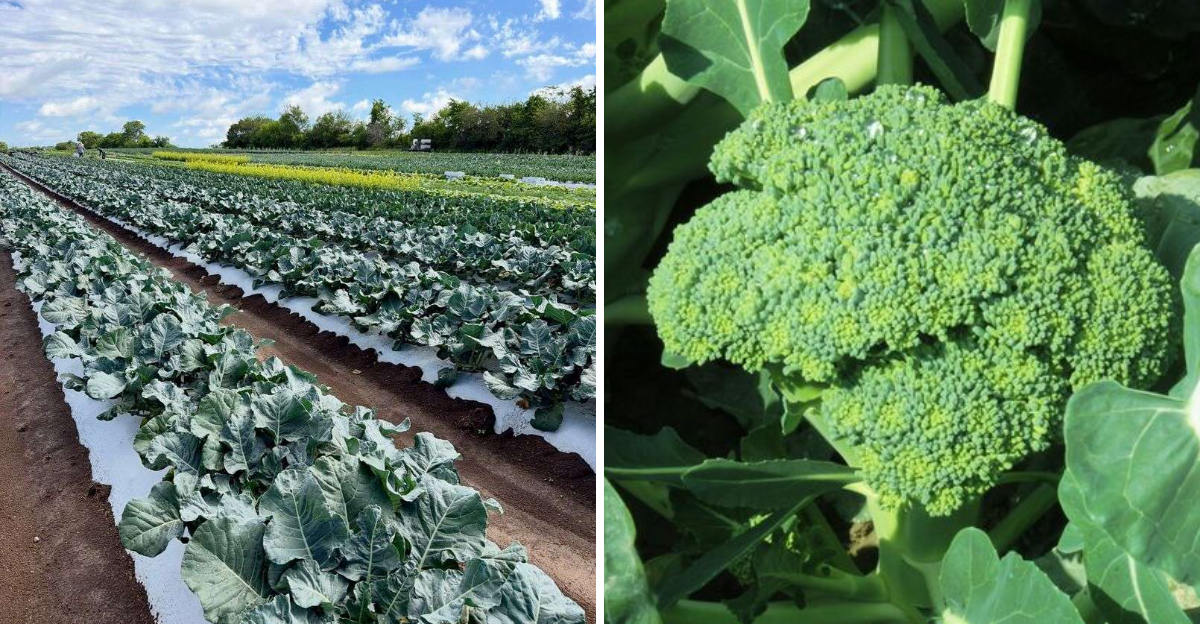
Michigan broccoli does not fail dramatically at first.
It sits there looking green and promising while the calendar quietly closes the door. Then October shows up, nights sharpen, and the plant still has no real head to show for all that watering.
That is when August suddenly feels less like summer and more like the deadline you missed.
Broccoli needs cool weather to finish well, but it needs warm-season timing to get ready for it. Start too late, and the plant may survive fall without ever building enough leafy strength to size up a tight central head.
The trick is not planting when the air feels broccoli-friendly. It is planting early enough for roots, leaves, stems, and pest protection to line up before frost starts calling the shots.
So how does an August start give Michigan broccoli the best chance at a real harvest?
It turns late-summer heat into a launchpad before autumn slows everything down. That timing can mean sturdy heads instead of compost-bin disappointment later in the season.
1. August Gives Heads Time To Size Up
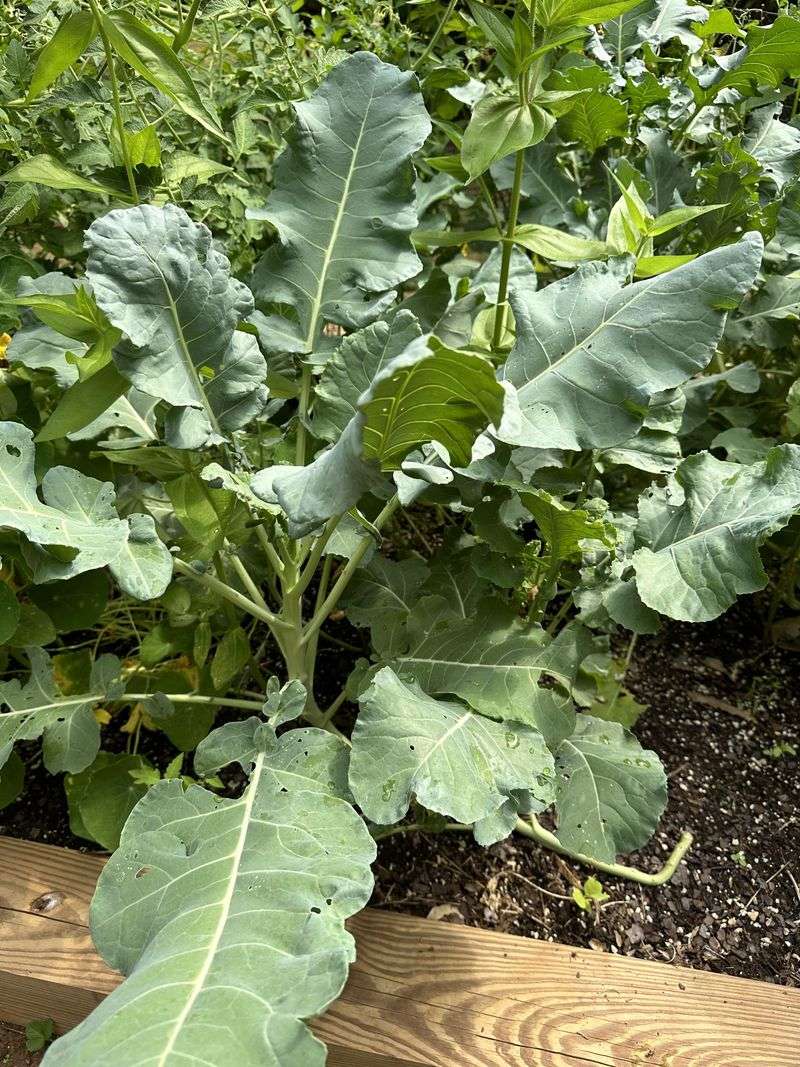
Broccoli has a calendar, and Michigan does not give it endless pages.
Most fall broccoli needs roughly 60 to 80 days from transplant to harvest, and that estimate assumes the plant keeps moving at a decent pace.
Fall does not always allow that. Days shorten. Soil cools. Growth slows. A seed-packet number that looked generous in July can feel wildly optimistic by October.
That is why August matters. In southern Michigan, early August transplants often still have enough runway to root, build leaves, and size up a central head before mid- to late-October frost risk becomes serious.
Around central Michigan, the window is tighter, so late July or the first days of August usually make more sense.
Farther north, especially in the Upper Peninsula, fall broccoli may need such an early start that many gardeners are better off treating it as a spring crop.
Use your local frost date, not a statewide guess. Detroit, Kalamazoo, Lansing, Traverse City, and Marquette do not garden on the same clock.
Add a buffer too. Broccoli planted for fall usually matures slower than broccoli planted into spring conditions. A cool September can feel pleasant to you while quietly tapping the brakes on head development.
August planting gives the plant enough time to build the leafy engine that feeds the head later.
Miss that window, and the plant may stay green, polite, and deeply unproductive right up to frost.
If your garden sits in a cold pocket, give the crop even more lead time. Low areas, open rural lots, and spots near wetlands can frost earlier than nearby town centers.
A simple garden thermometer can teach you more than a regional chart after one autumn.
2. Warm Soil Helps Transplants Root Quickly
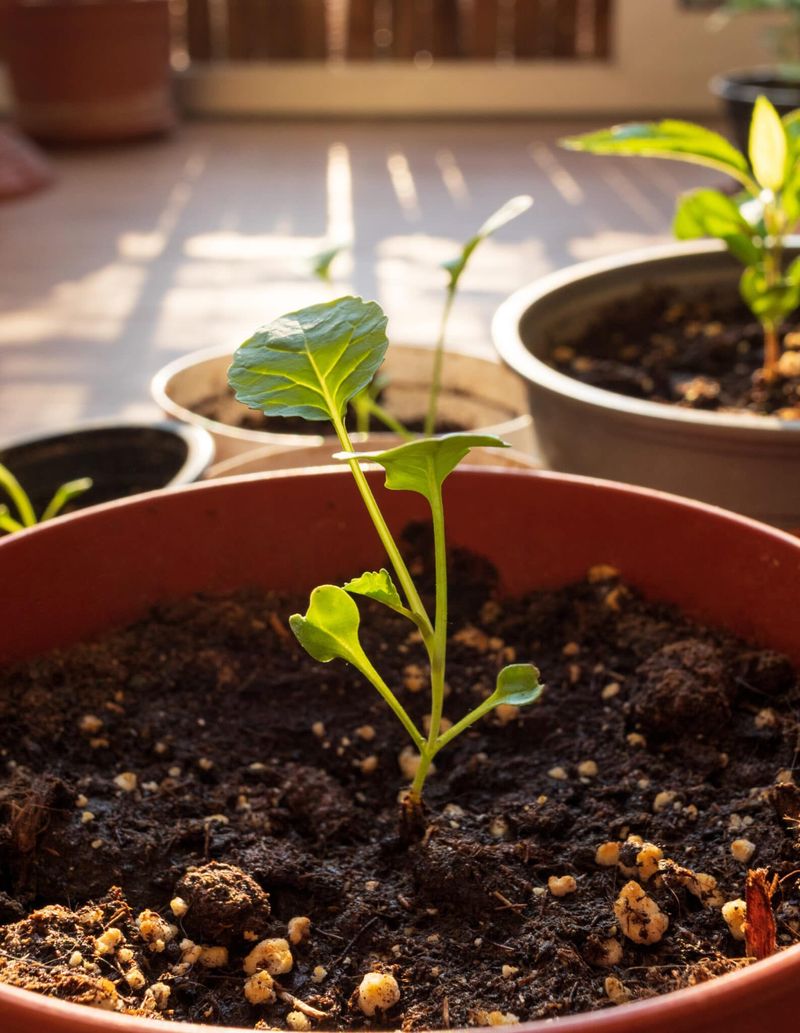
August soil gives broccoli a useful push.
The air may still feel too warm for a cool-season crop, but the soil holds the kind of steady heat that young roots can use.
Broccoli transplants settle faster when the ground is warm, moist, and ready for root growth. That quick establishment becomes important later, when cold nights and shorter days start to slow everything down.
Your Michigan Garden Changes Every Week. Your Plan Should Too.
Gardening in Michigan changes quickly throughout the season. Every Friday you’ll receive a simple weekly plan showing exactly what to plant, prune, fertilize, harvest, and protect so you never miss the right timing.
A transplant that roots fast can pull water and nutrients with less stress. It can build stronger stems. It can add leaves before autumn puts the brakes on.
That does not mean tossing tired, root-bound starts into a hot bed and hoping for a miracle. Choose stocky transplants with healthy green leaves and roots that have not wrapped themselves into a tight little basket.
Plant in the evening or on a cloudy day if possible. Water deeply right after planting so the root ball and surrounding soil connect.
Keep moisture steady through the first couple of weeks. August heat can dry the top few inches fast, especially in raised beds and sandy spots. A transplant that wilts every afternoon spends energy recovering instead of growing.
Temporary shade can help during the first week. Use a light row cover, shade cloth, or even a simple stake-supported fabric that cuts the hottest afternoon glare without trapping too much heat.
Remove or vent covers once plants perk up and start producing new leaves.
Warm soil is the head start. Good transplant care makes sure broccoli can actually use it.
3. Cooler Nights Improve Head Quality
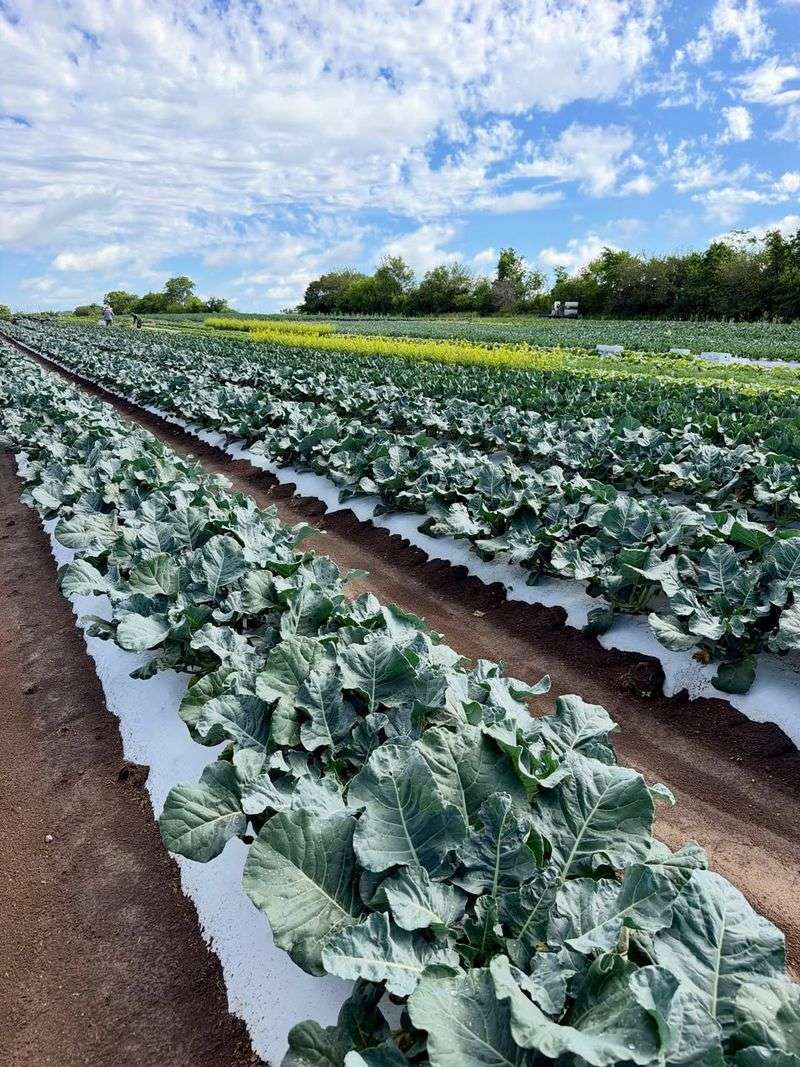
Broccoli likes the part of fall that makes tomatoes nervous.
As Michigan nights cool into the 50s and 60s, broccoli gets the signal it has been waiting for. The plant can shift away from pure leaf-building and start forming a tighter, better central head.
That is the sweet spot. Cool nights help broccoli develop firm buds instead of loose, open growth. They can also improve flavor, giving fall-harvested heads a sweeter, cleaner taste than crops pushed through heat.
The problem is that the plant must be ready when those nights arrive. A strong August transplant reaches September with roots in place and enough foliage to feed head formation. A late little transplant reaches the same weather still trying to build its body.
Cool air alone does not create a harvest. It rewards a plant that already did the prep work.
Watch warm spells during head formation. A stretch of hot September weather can push buds to loosen or open faster than expected. Small heads can turn uneven if the plant sits under heat stress when it should be tightening up.
Harvest slightly early if a hot spell lines up with a nearly mature head. A slightly smaller, firm head is better than waiting for perfect size and getting a loose, yellowing cluster instead.
Keep watering steady while heads form. Moisture swings can add stress right when the plant needs consistency.
August sets the plant up. Cool September nights help finish the job.
That partnership is the whole fall broccoli trick.
That small local adjustment can save the crop from a calendar that looked safe on paper and failed in the bed each year.
4. Late Starts Lose Valuable Growing Days
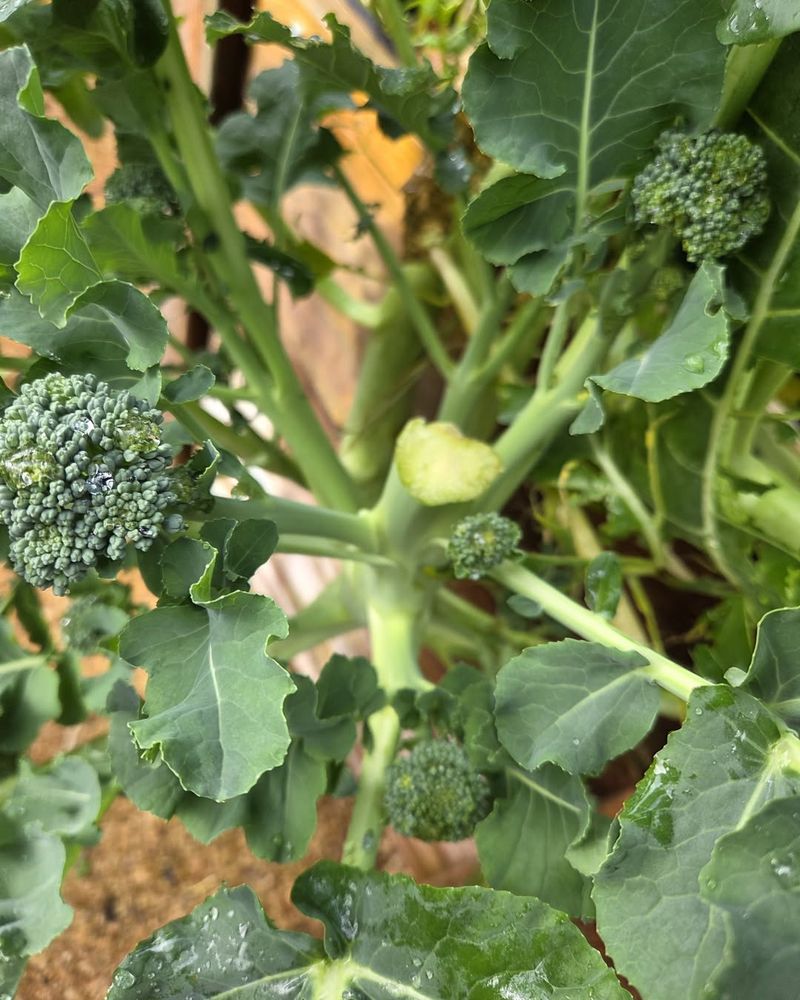
September broccoli can look hopeful and still be too late.
That is the cruel part. A transplant set into the garden after Labor Day may stay green, upright, and perfectly alive. It may even add leaves. But survival is not the same as harvest.
Broccoli needs leaf mass before it can make a strong head. Those leaves act like the plant’s solar panels, feeding the central crown that later becomes the harvest.
A small plant set out too late simply does not have enough time to build that system before Michigan light fades and cold settles in.
Shorter days matter. Broccoli is not as fussy about day length as some crops, but less sunlight means less energy each day. Add cooler soil, cloudy stretches, and frost risk, and the math gets rough quickly.
A two-week delay can change everything. In July, two weeks may feel casual. In a Michigan fall garden, two weeks can be the difference between a firm head and a leafy plant that never gets there.
This is why August planting feels strange but works. You plant while summer crops still dominate the bed, because broccoli needs that early start to be useful later.
Make space before you feel ready. Pull finished beans, clear tired lettuce, or reserve a row where transplants can go in on schedule.
Waiting until the garden “feels like fall” is the common trap.
By then, broccoli may already be behind.
5. Early Varieties Beat The Frost Clock
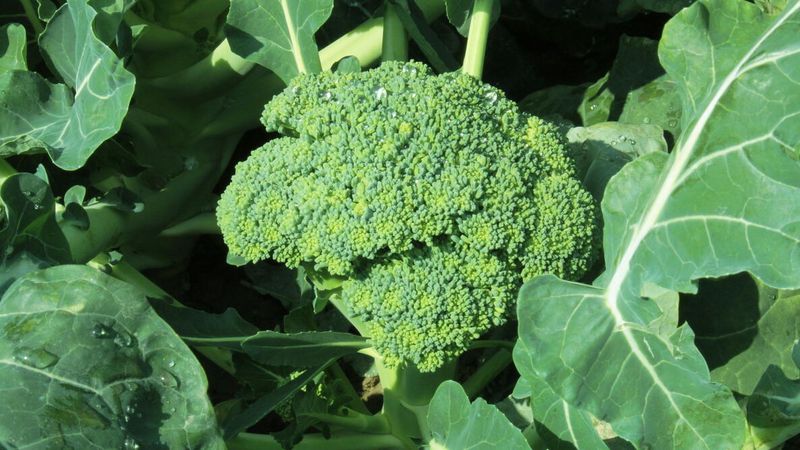
Fall broccoli in Michigan needs a fast variety.
Some broccoli types take too long for a reliable fall crop. A cultivar that needs 85 days or more may sound wonderful in a catalog, but Michigan frost does not care about catalog enthusiasm.
Look for varieties listed around 60 to 70 days from transplant. That shorter schedule gives you more room for cool weather slowdowns, late-summer stress, and the normal little delays that happen in real gardens.
Pay close attention to how the days to maturity are counted. For broccoli, that number is usually from transplanting, not from the day the seed sprouts.
If you start seeds indoors, the seedling stage comes before the listed countdown in many catalog descriptions.
That detail matters. A “65-day” broccoli is not 65 days from the seed packet hitting the kitchen counter.
Fast-maturing varieties can still make solid, satisfying heads. Short season does not have to mean flimsy or disappointing. It means the plant has been bred to reach harvest without needing a long, gentle autumn that Michigan may not provide.
Choose stocky transplants or start seeds early enough indoors to set out sturdy young plants in the August window. Weak seedlings lose the advantage that early varieties provide.
Check local seed sources when possible. Regional suppliers often highlight varieties that perform well in Great Lakes conditions.
The right variety gives you a better race against frost.
August starts the race. Early broccoli helps you finish it.
6. Row Covers Guard Tender New Plants
Young broccoli leaves are pest candy in August.
Flea beetles, cabbageworms, loopers, and other late-summer pests can find new transplants fast. A plant that loses too much leaf tissue during establishment has less energy to root, grow, and form a head before frost.
Row cover gives those plants a calmer start.
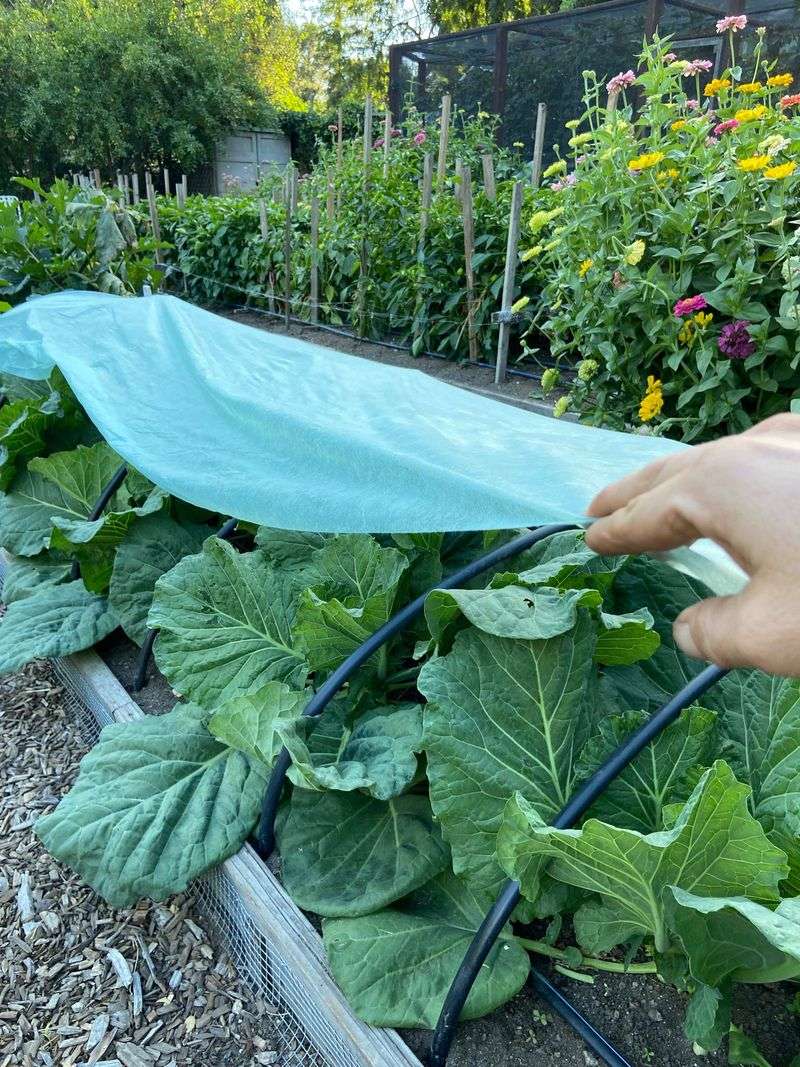
Place a lightweight cover or insect netting over the bed right after transplanting. Secure the edges so pests do not stroll under the fabric like invited guests. The cover works as a barrier, which means it needs to go on before insects settle in.
Check plants before covering. If eggs, caterpillars, or beetles are already there, the cover traps the problem inside with the broccoli. That is not protection. That is a catered pest retreat.
Heat is the August caution. Lightweight fabric can still warm the air around plants, especially on sunny afternoons. Vent the edges or lift the cover during hot spells if plants begin to wilt.
Use hoops when possible so the fabric does not press hard against tender leaves. Hoops also give plants room to grow and improve airflow.
Drip irrigation or a soaker hose under the cover makes watering easier. Overhead watering can work, but it may not reach soil evenly through some fabrics.
Remove or adjust covers as plants grow and weather cools.
A row cover will not grow the broccoli for you. It just helps protect the leaves that the plant needs for the race ahead.
7. Caterpillar Scouting Protects The Center
The center of the broccoli plant is the prize.
That is where the future head forms, which makes it the area you protect first. Outer leaves can take some chewing and recover. The growing point and forming head need much more attention.
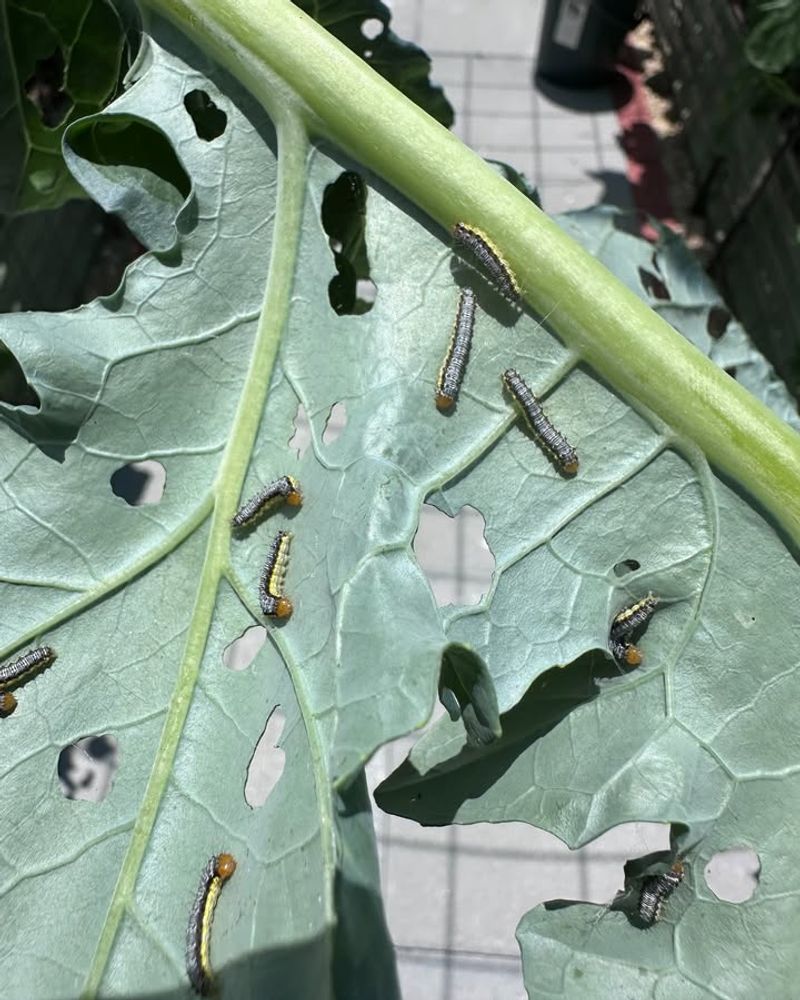
Cabbageworms and cabbage loopers are common late-summer troublemakers in Michigan gardens. They blend into broccoli leaves with almost insulting confidence.
By the time damage looks obvious from a distance, the caterpillars may already be moving toward the center.
Scout often after transplanting. Flip leaves over and check the undersides. Look for tiny pale eggs, green larvae, ragged holes, and dark green droppings tucked near leaf ribs.
Do not just glance from above and declare victory. Broccoli pests love hidden corners.
Hand-pick small numbers early. Drop caterpillars into soapy water or remove the affected leaf section if damage is minor and away from the center.
For heavier pressure, use a labeled caterpillar control suited for vegetables and follow directions exactly. Bt products can work well on young caterpillars, but they must be eaten by the larvae, so coverage and timing matter.
Recheck after rain, irrigation, and warm stretches. New eggs can appear quickly during late summer.
The goal is simple: keep the center clean and growing.
A strong August start can still stumble if caterpillars chew into the crown. Regular scouting protects all the calendar work you did to get the crop this far.