The Underrated Florida Porch Herb That Makes Mosquitoes Less Welcome
Every Florida porch has a mosquito problem and a collection of solutions that work partially, temporarily, or not at all. Candles, coils, sprays, the citronella plant that gets grabbed at the garden center every spring without much conviction.
The ritual is familiar. The results are not impressive.
One herb changes that conversation without replacing it entirely. It grows fast in Florida heat, fills a large container beautifully, and produces a bold citrusy scent that mosquitoes find genuinely hostile.
It also pulls double duty in the kitchen in ways that a citronella candle never managed. To be straight about it, no plant eliminates mosquitoes.
This one adds a real layer of deterrence to a porch that was offering nothing in that department before. A porch that smells remarkable and makes mosquitoes less comfortable is a better porch than one that just looks good.
This herb earns both without much effort.
1. Meet Lemongrass And Its Sharp Citrus Scent
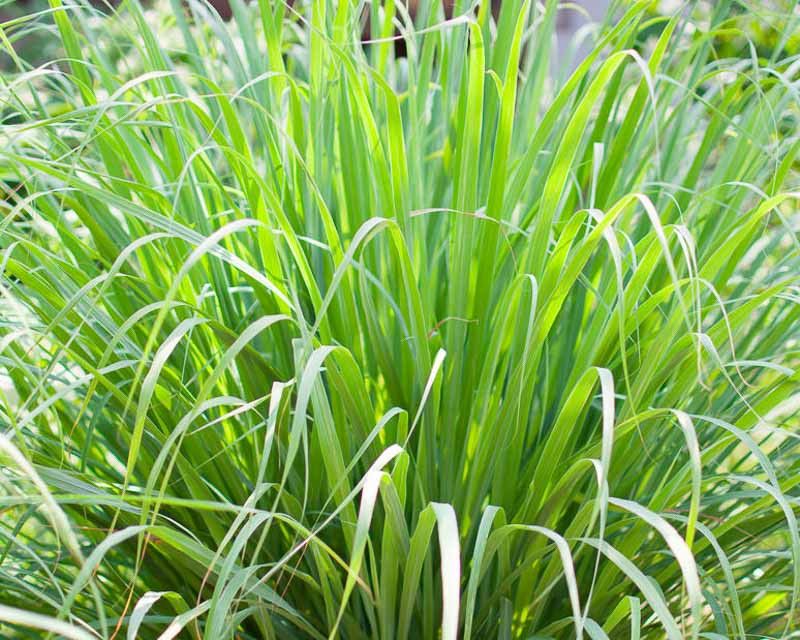
Bend one blade of this grassy clump and the scent hits immediately. Sharp, clean, and unmistakably citrusy, it rises from the foliage and fades just as quickly.
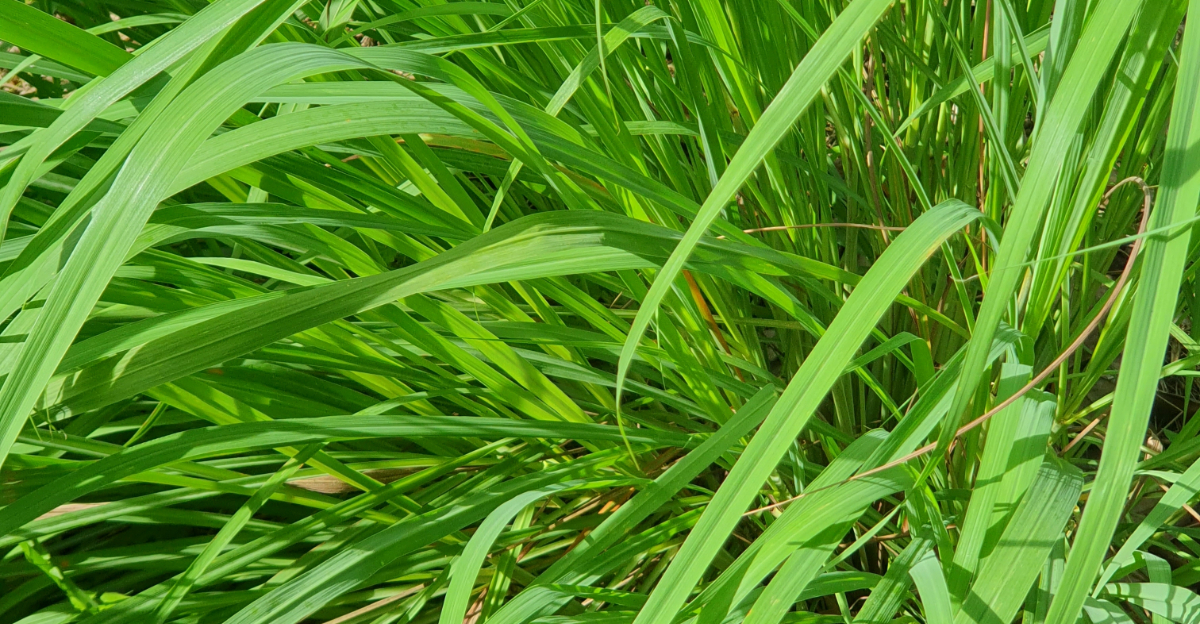
That aromatic quality belongs to culinary lemongrass, known botanically as Cymbopogon citratus. Its tall, arching blades and dense clumping habit make it easy to recognize once you know what to look for.
Culinary lemongrass is not the same as citronella grass, which is Cymbopogon nardus. Both belong to the same genus, and both carry a lemony scent.
However, they are separate species grown for different purposes. Citronella grass is the commercial source of citronella oil, used in candles and sprays.
Culinary lemongrass is the one used in soups, teas, and marinades.
The aroma in lemongrass foliage comes from natural aromatic compounds, with citral being among the most studied. Research on extracted oils and isolated compounds is interesting, but it does not transfer directly to a living plant sitting in a pot.
A concentrated oil delivers far more of those compounds than passive foliage does. If your plant is grown without pesticides or other products not labeled for edible crops, the lower stalks may be harvested for cooking.
2. Place It Where Porch Traffic Releases The Aroma
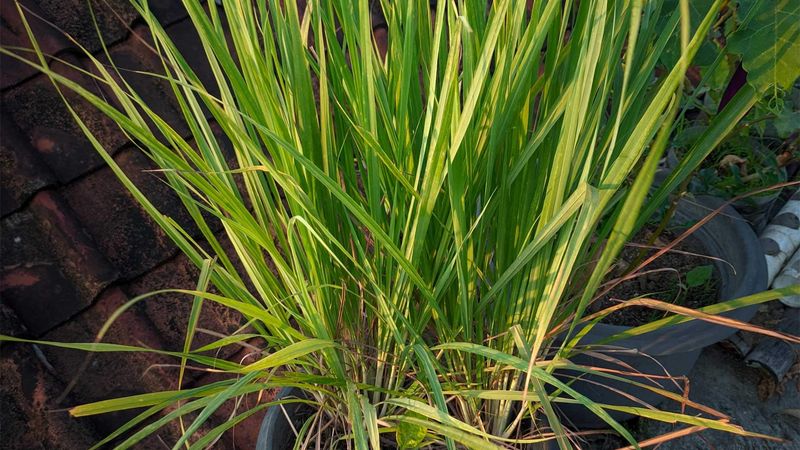
Someone brushing past a large lemongrass clump near the door gets a brief, pleasant waft of citrus. That moment of contact is actually how most of the fragrance gets released.
Foliage left completely untouched gives off far less scent than blades that receive a gentle graze from a passing arm or bag.
Placement near a seating zone, porch edge, or main entrance can make those casual contacts more likely. Choose a spot where guests naturally walk close without the clump becoming an obstacle.
Mature plants can reach five to six feet tall and spread just as wide. Verify the expected size before choosing a permanent spot, because a clump that seemed manageable in spring can arch across a narrow path by late summer in Florida.
Sharp or arching blades can be a concern near stairs, tight walkways, or spaces used by young children, older guests, or anyone carrying food and drinks. A sturdy, wide container keeps spreading roots from taking over nearby areas.
Your Florida Garden Changes Every Week. Your Plan Should Too.
Gardening in Florida changes quickly throughout the season. Every Friday you’ll receive a simple weekly plan showing exactly what to plant, prune, fertilize, harvest, and protect so you never miss the right timing.
Corners that catch a breeze may carry the scent farther, but wind also dries out container soil faster than a calm spot does. Airflow affects mosquito activity too, since even a light breeze makes it harder for them to navigate toward people.
3. Give The Roots Fast Drainage After Summer Rain
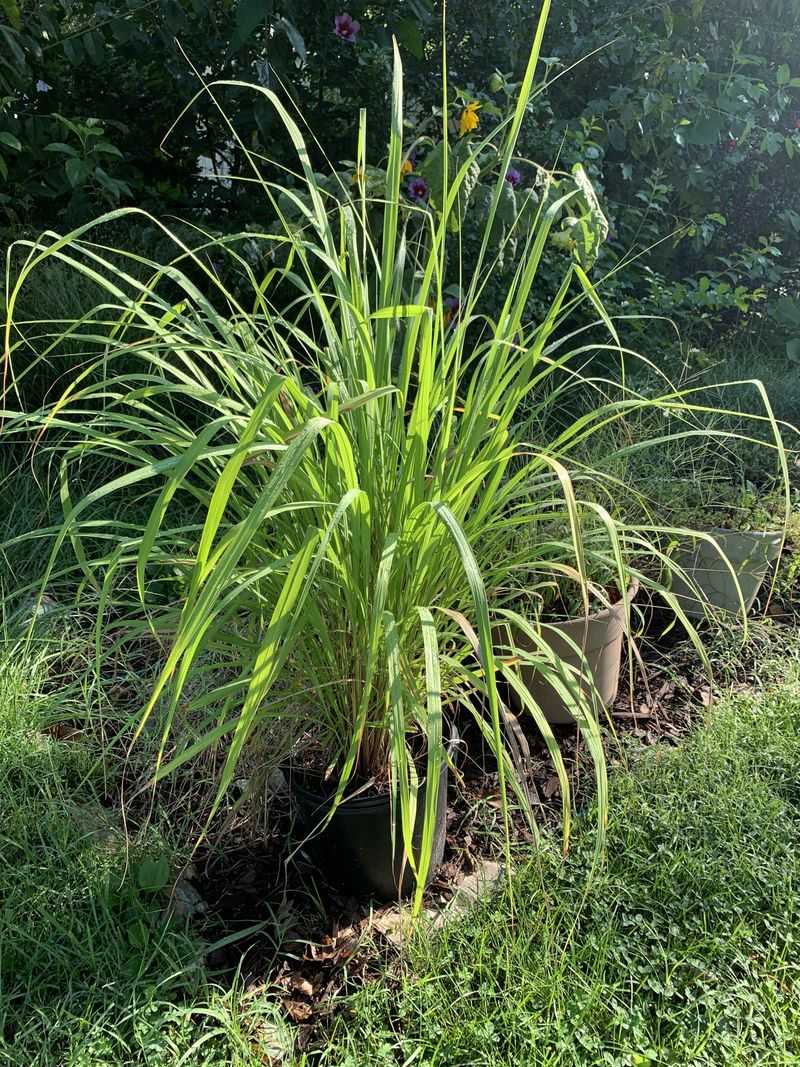
Rainwater collecting beneath a recently soaked pot is a warning sign worth acting on quickly. Warm, wet weather arrives frequently across much of the state, and containers that cannot drain freely put roots at serious risk of staying saturated for too long.
Every pot used for lemongrass needs clear, working drainage holes at the bottom.
Decorative outer pots or cachepots can trap water around the base of the inner container. That hidden moisture keeps the root zone far wetter than the surface soil suggests.
Emptying saucers and outer pots after every rain or watering session is a simple habit that protects the plant. Avoid placing the container where roof runoff or overflowing gutters regularly drench it.
A well-draining potting mix suited to containers works better than dense Florida yard soil, which tends to compact and hold too much moisture in a pot.
Larger containers hold moisture longer than smaller ones, while small pots dry out faster during heat and wind.
Adding gravel to the bottom of a pot does not replace functional drainage holes and may actually raise the water table inside the container.
Yellowing blades or weak growth can signal drainage or watering problems, though several other factors can cause similar symptoms.
4. Keep The Blades Full With Bright Morning Sun
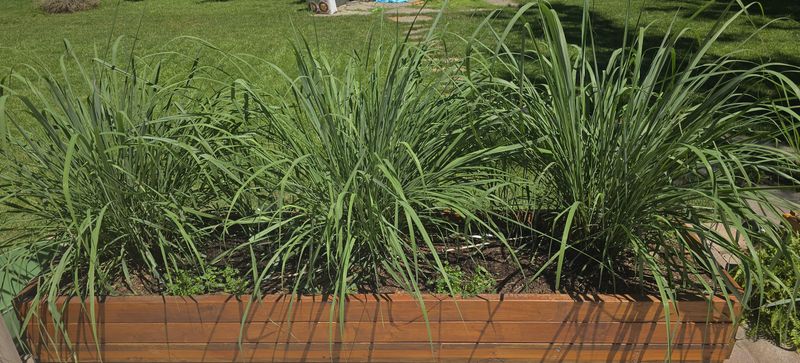
Morning light reaching the upright blades of a well-placed lemongrass clump shows the plant at its best. Full, sturdy growth generally requires at least six hours of direct sun each day.
A deeply shaded porch often produces sparse, floppy foliage that lacks the density and vigor this grass is capable of reaching.
Bright morning sun suits many porch locations during intense late-summer heat because it delivers strong light before afternoon temperatures peak. That said, morning light is not the only workable exposure.
South- and west-facing porches often supply plenty of afternoon sun, though reflected heat from dark porch floors or walls can dry a container quickly. North-facing porches tend to receive the least direct light and may not support full, healthy growth.
Airflow matters in humid weather because still, closed-in spaces can stay too warm and moist around the foliage. An open porch with some air movement generally suits this grass better than an enclosed one.
Rotating a container periodically can keep growth balanced on all sides, but move it gradually if one side has been in shade. Shifting a shade-grown clump directly into intense afternoon sun without adjustment can stress the foliage noticeably.
Match the placement to your specific porch orientation and observe how the plant responds over several weeks.
5. Trim Fresh Growth Without Weakening The Clump
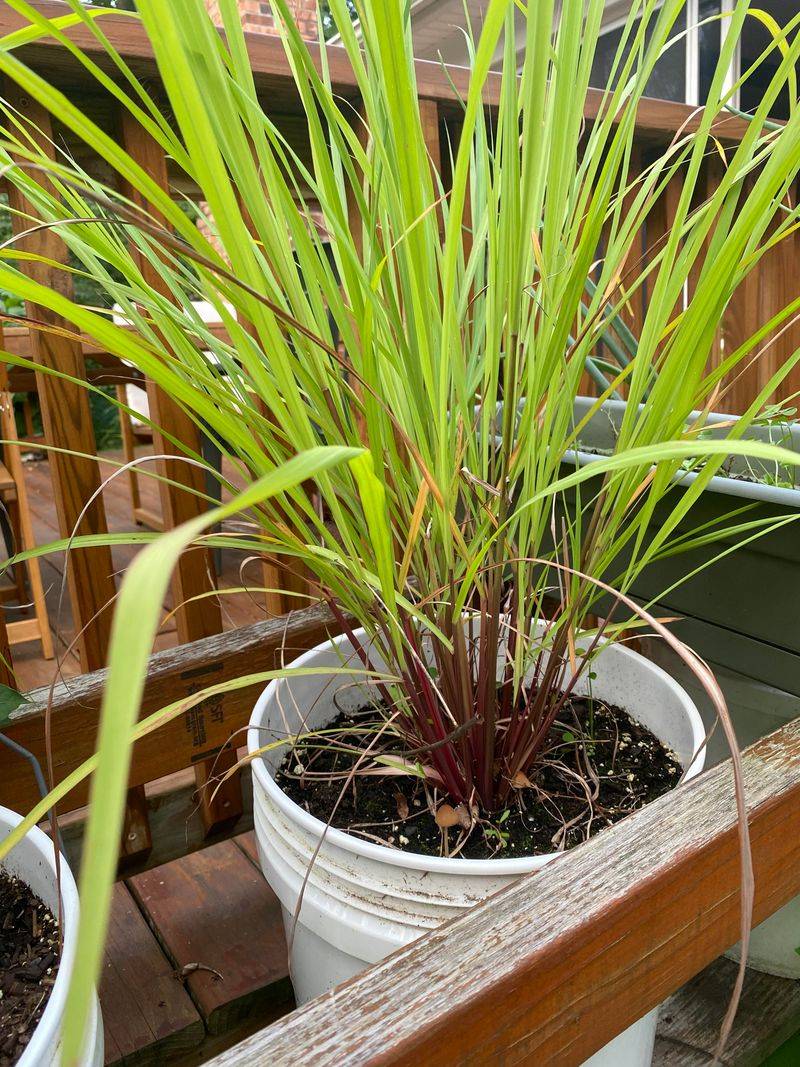
Clean shears approaching a thick clump signal the start of a task that keeps lemongrass tidy and productive. Harvesting lower stalks involves cutting close to the base, choosing the outermost stalks first, and leaving the inner growth intact.
Spreading cuts around the clump rather than removing everything from one side keeps the plant balanced and reduces visible gaps.
Dry or badly damaged blades can be pulled away or trimmed back when they appear. Removing them improves airflow through the clump and keeps the plant looking neat.
Avoid cutting the entire plant to soil level during active summer growth. Make an exception only if specific guidance from a reliable horticultural source supports that approach for your situation.
Repeated heavy trimming reduces the plant’s energy reserves over time.
A stressed specimen needs gentler treatment than a healthy, established one. Newly potted plants, waterlogged roots, or foliage showing signs of pest activity all call for a lighter hand with the shears.
Stalks harvested from a correctly identified plant that has not been treated with products unsafe for edible crops can be used in cooking. Do not rub freshly cut blades on your skin expecting bite protection.
The fragrance released by cutting is pleasant, but it does not provide dependable mosquito defense in that form.
6. Pair Its Scent With Smarter Mosquito Control
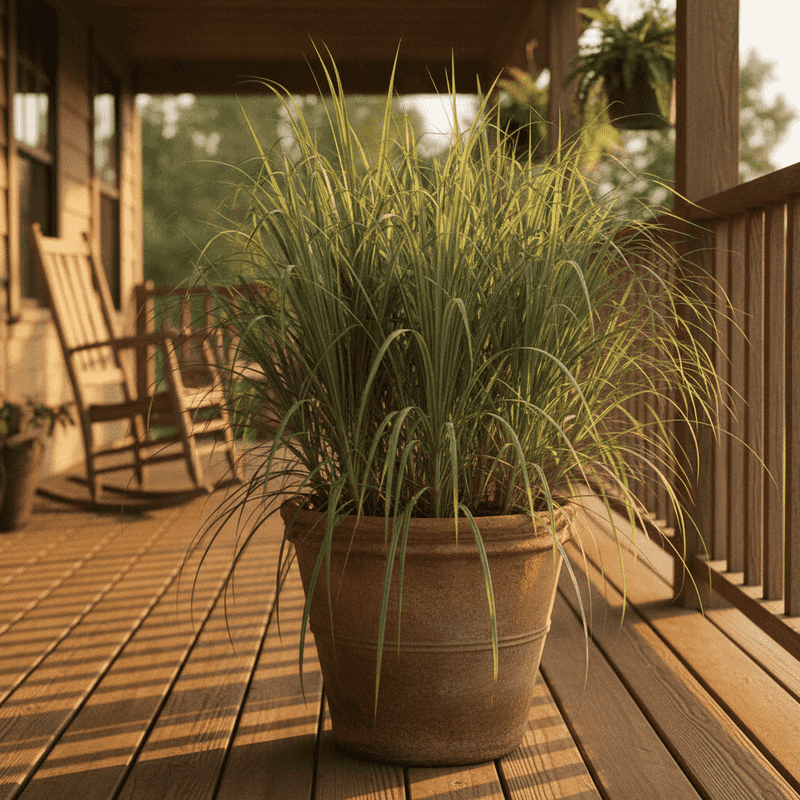
An evening mosquito flying past a scented pot without slowing down makes one thing obvious. Fragrance alone is not a mosquito-control plan.
A living lemongrass clump can make your porch feel more pleasant, but relying on it as your main line of defense leaves real gaps in protection.
An outdoor fan placed near a seating area adds a practical layer of help. Strong, consistent airflow makes it physically harder for mosquitoes to navigate toward people.
Intact door and window screens keep them from moving inside. Wearing long sleeves and pants during peak biting hours reduces exposed skin.
EPA-registered skin repellents applied according to their label directions offer tested personal protection. Always follow the label, since it determines safe and correct use for your situation.
Keeping doors closed when moving between inside and outside limits how many mosquitoes enter the home.
When biting pressure is consistently high in your neighborhood, local mosquito-control services can offer targeted help beyond what any single household measure provides.
Candles, torches, and scented plants have not been shown to provide complete or reliable coverage. Lemongrass fits the picture as a pleasant, fragrant, edible addition to a thoughtful Florida outdoor setup.
Treat it as one piece of a broader approach rather than the whole solution.
7. Move Containers Away From Standing Water
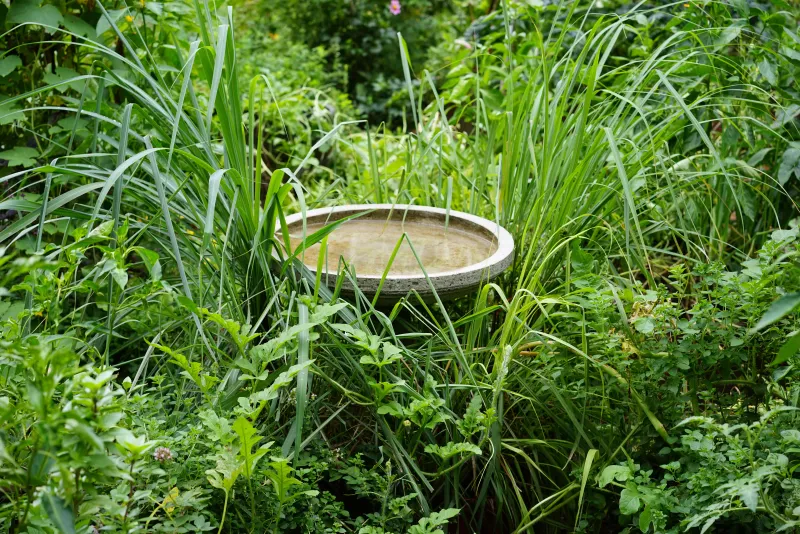
Water sitting unnoticed inside a plant saucer for several days is exactly the kind of opportunity mosquitoes look for. A female mosquito can lay eggs in a surprisingly small amount of still water.
Saucers, buckets, clogged gutters, old toys, decorative containers, and covers that collect rain all deserve a close look at least once a week.
Simply pouring water out of a container may not remove all the eggs already attached to its sides. Scrubbing the interior of frequently used water-holding items before refilling or storing them adds an extra layer of control.
Unused items that collect rain should be turned over or covered securely. Plant trays should not remain full after rain or after a regular watering session.
Moving lemongrass away from areas where water tends to pool matters more for mosquito management than any scent the plant produces. A fragrant clump sitting two feet from a stagnant saucer does nothing to neutralize that nearby source.
For water features or other sources that cannot be emptied, labeled larvicides applied according to their directions offer an option. Local Florida mosquito-control agencies can advise on appropriate products and application.
Never treat water intended for drinking, cooking, or use by pets with any larvicide or chemical product.
8. Carry A Healthy Plant Into The Cooler Season
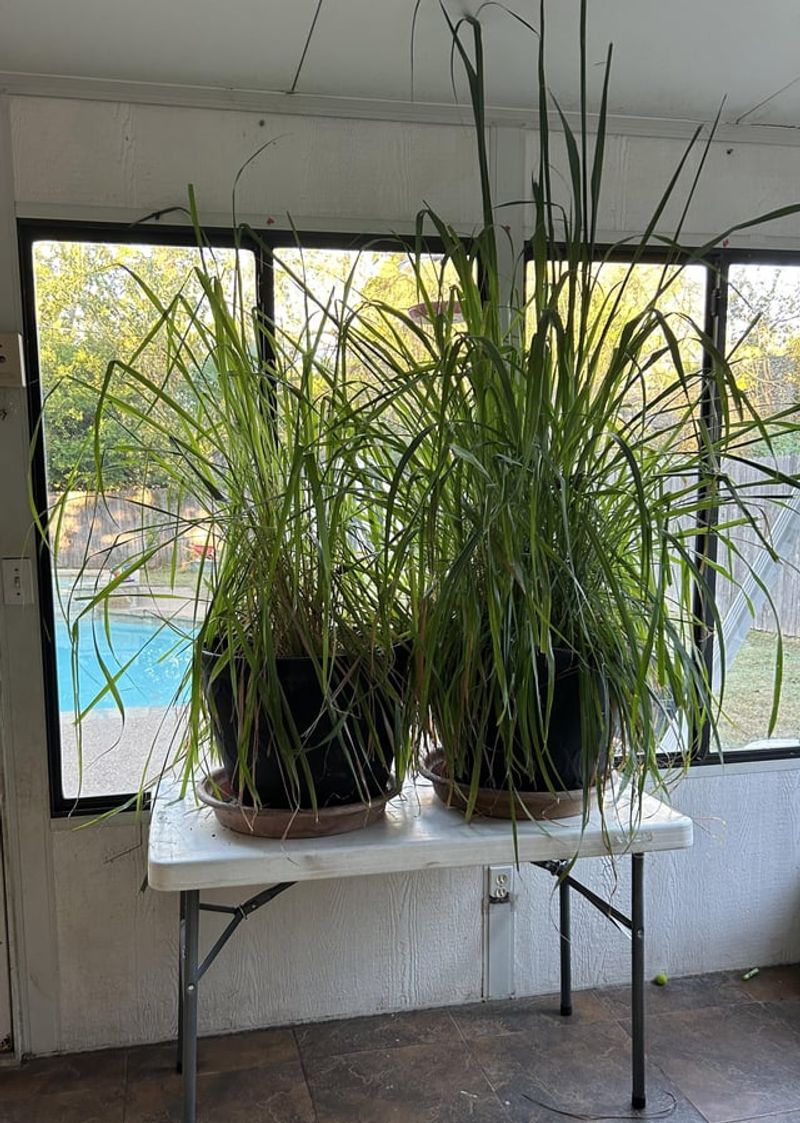
A cooler night arriving after weeks of humid weather signals that lemongrass care needs to shift. Cold tolerance varies noticeably across the state.
Northern Florida areas can see hard freezes that damage or finish off an unprotected container plant. Central areas experience occasional cold snaps.
Southern areas often stay mild enough for lemongrass to persist outdoors through winter with little intervention.
As temperatures drop and rainfall patterns change, adjust irrigation based on actual soil moisture rather than a fixed schedule. Container-grown plants lose heat faster than established in-ground clumps, so they respond to cold sooner.
Watch local forecasts and move a pot to a sheltered spot, such as a garage or covered porch corner, when temperatures are expected to dip significantly. Not every large clump needs to come indoors, but small or recently potted plants tend to be more vulnerable.
Before moving any container near the home, inspect it for insects and check that drainage is working properly.
Damaged or browned foliage can be trimmed once the cold event has clearly passed, but wait for reliable guidance on timing before removing cold-affected growth.
Dividing or repotting is best done when the plant is healthy and the season is appropriate. Healthy placement, consistent drainage, and active mosquito management matter far more than fragrance alone when it comes to getting real value from this herb year-round.