Think Twice Before Planting These Flowers In Your Wisconsin Garden
Certain seeds hide a takeover plan behind pretty packaging. Wisconsin winters weaken tender plants but toughen the wrong ones.
Roots spread underground while you sleep, unnoticed and unstoppable. Blooms return each spring looking innocent, hiding stubborn intentions beneath the soil.
Gardeners across Wisconsin swap stories about flowers that refused to leave. Charm fades fast once these plants claim territory near your fence line.
Patches grow wider every season, crowding out plants you actually wanted. Digging alone rarely works because broken roots regenerate quickly into fresh colonies within weeks.
Trimming barely slows them, and cutting encourages thicker regrowth instead. Cold snaps that stress tender perennials seem to make these thrive.
Neighbors trade warnings quietly, admitting frustration after years of pulling stems. Choices made early determine whether your garden stays yours.
Ignoring warning signs now costs years of effort later. You won’t ever be able to look away from what comes next.
1. Bachelor’s Buttons Scatter Seeds Relentlessly
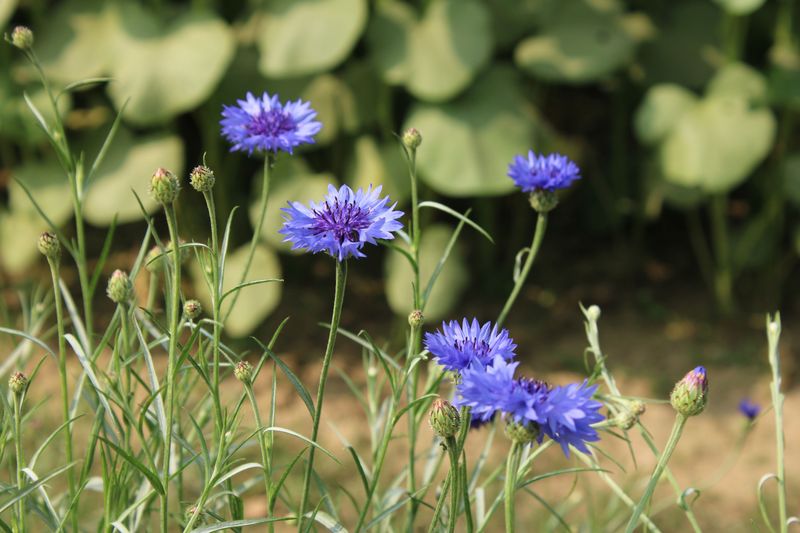
Bright blue and cheerful, bachelor’s buttons look like the perfect cottage garden flower. They seem harmless in the seed packet, but your future self may disagree entirely.
These Wisconsin flowers you’ll regret planting spread by dropping hundreds of seeds per plant. Each seed can stay dormant in the soil for years, waiting for its moment to sprout.
One summer of letting them go to seed means dozens of plants next spring. Pull them all, and you’ll still find stragglers popping up in unexpected spots.
The seeds are lightweight and travel easily on wind and on your shoes. A plant you thought you removed last fall shows up three beds away by June.
Trimming helps slow them down, but you have to be obsessive about it. Miss one week, and the seeds have already dropped and scattered.
Gardeners who love the blue blooms often make peace with the chaos. They accept bachelor’s buttons as a permanent, semi-wild feature of their yard.
If you want some control, try growing them in containers or raised beds with barriers. That way you enjoy the color without surrendering your entire garden to them.
Bachelor’s buttons also self-sow into lawns, gravel paths, and even sidewalk cracks. Their ability to persist is notable.
The blooms do attract pollinators like bees and butterflies, which is a genuine bonus. But the trade-off is a lifelong commitment you never officially agreed to.
Once they’re in your Wisconsin garden, bachelor’s buttons become a permanent houseguest who never got the hint to leave.
2. Morning Glory Vines Overwhelm Nearby Plants
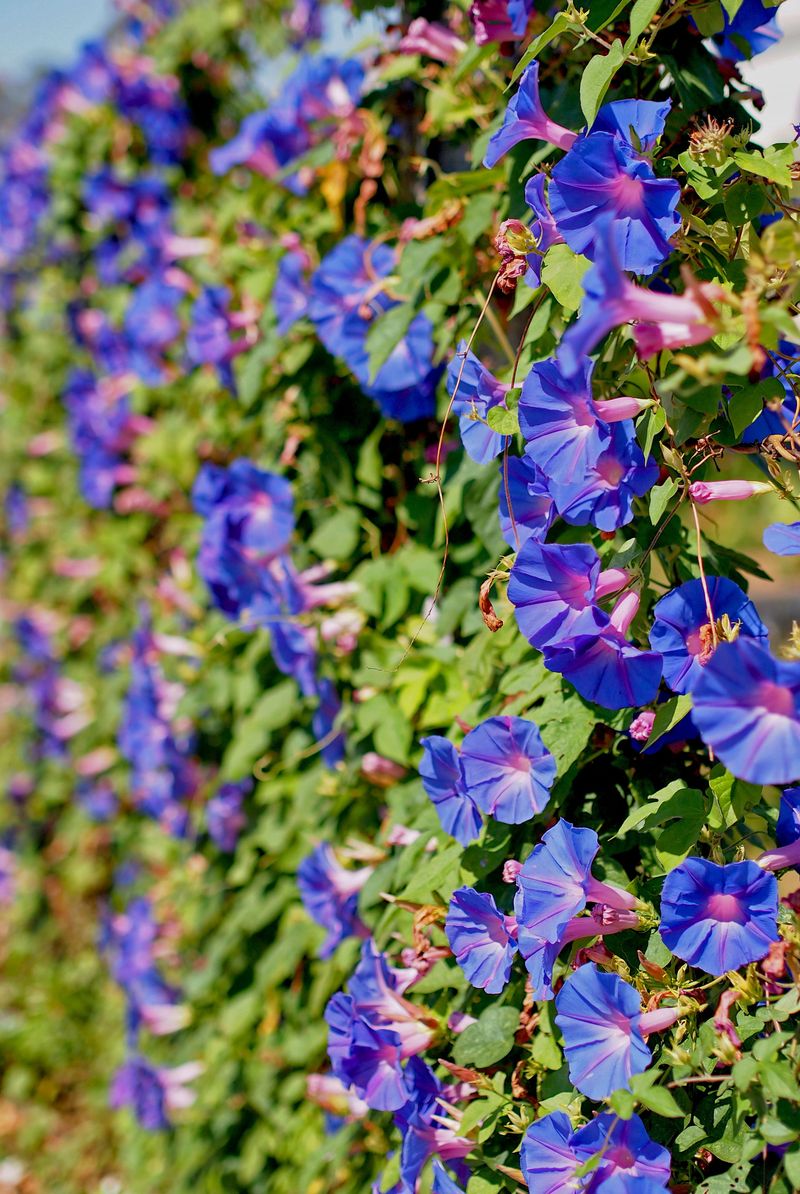
Morning glory sounds poetic, like something from a nature poem. Then you watch it engulf your tomato cage and feel differently about the name.
These vines grow fast, sometimes several inches in a single day during peak summer heat. They wrap around anything nearby, including other plants, fences, and garden tools you accidentally left out.
Gardeners underestimate how aggressive these climbers become once established. Seeds drop at the base of the vine and sprout the following spring without any help from you. They also pass through birds and get deposited in spots far from your original planting.
Your Wisconsin Garden Changes Every Week. Your Plan Should Too.
Gardening in Wisconsin changes quickly throughout the season. Every Friday you’ll receive a simple weekly plan showing exactly what to plant, prune, fertilize, harvest, and protect so you never miss the right timing.
Removing them requires pulling vines carefully to avoid snapping stems and releasing seeds early. Even careful removal leaves behind root fragments that can regrow under the right conditions.
Morning glory also has a sneaky trick: seeds can remain viable in soil for several years, depending on conditions. You might clear them out completely, then see them return two seasons later like nothing happened.
The flowers are genuinely beautiful in shades of purple, pink, and deep blue. Watching them open in the early morning light is one of summer’s small pleasures.
But beauty has a cost here, and that cost is constant vigilance. Skip one season of management, and they’ll cover your entire garden bed.
Growing morning glory in a dedicated container with no drainage holes touching soil can satisfy your love for them. Just never let them touch the ground freely, or they’ll take over completely.
3. Feverfew Spreads Beyond Original Beds
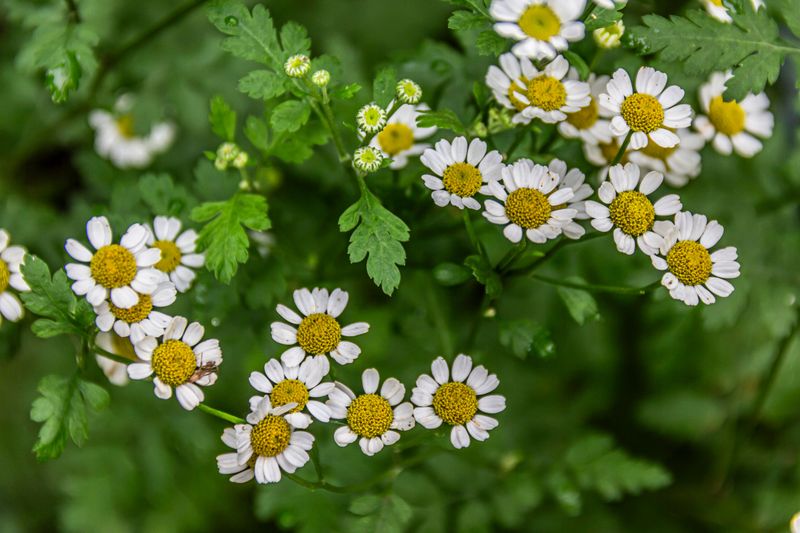
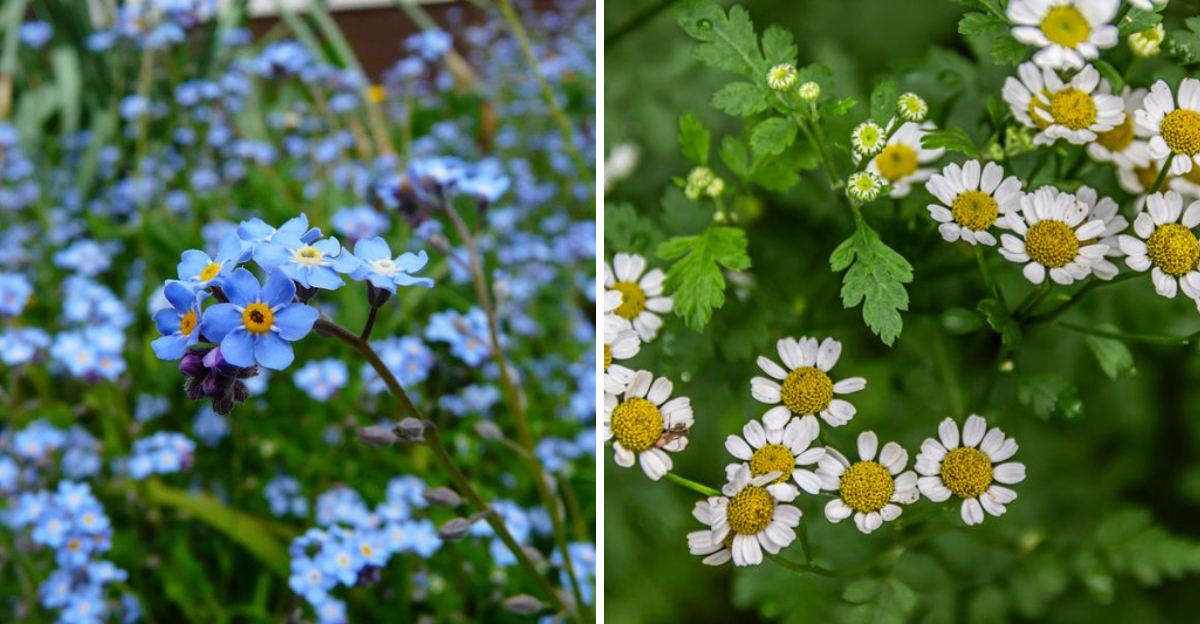
Feverfew has a reputation as a helpful herbal plant, and that charm is exactly how it tricks you. It looks neat and pretty, then quietly spreads through your entire garden while you’re not watching.
Originally planted for its medicinal qualities, feverfew produces dozens of tiny daisy-like flowers per stem. Each flower becomes a seed head, and each seed head holds more potential plants than you’d ever want.
In Wisconsin’s climate, feverfew handles cold snaps and spring frosts with ease. It comes back year after year with no encouragement from you.
The plant self-sows so aggressively that a single specimen becomes a colony within two seasons. You’ll find it creeping into vegetable beds, flower borders, and even between patio stones.
Pulling plants before they go to seed is the best strategy, but timing matters enormously. Miss the window by even a few days, and seeds have already scattered across a wide area.
Feverfew also has a strong, slightly bitter scent that some people find unpleasant up close. Brushing against the leaves while weeding releases the smell immediately.
On the bright side, some gardeners believe the scent helps deter insects, including aphids, though the effect isn’t strongly confirmed.
If you decide to grow feverfew, plant it in a contained area with solid edging buried deep into the ground. Shallow edging won’t stop the roots from sneaking underneath.
Among the Wisconsin flowers you’ll regret planting, feverfew earns its spot by being both useful and persistent in how far it spreads.
4. Evening Primrose Pops Up Unexpectedly
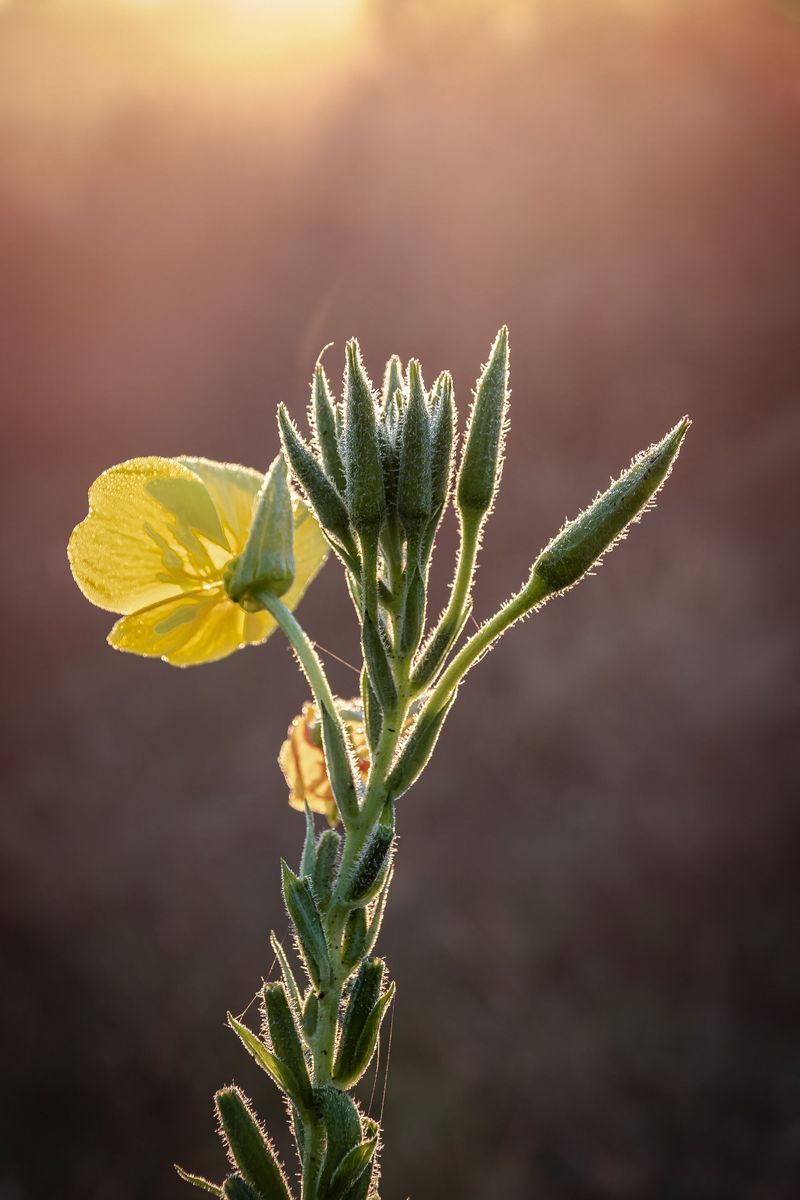
Evening primrose has a magical quality: its flowers open at dusk and glow soft yellow in fading light. That moment of beauty is real, and it will absolutely fool you into planting more.
The problem starts the following spring, when plants appear in spots you never chose. Evening primrose spreads through both seeds and underground runners, giving it two ways to take over your yard.
Seeds are tiny and light, carried by wind and rain to new locations constantly. A plant near your driveway can produce offspring in your neighbor’s yard within a season or two.
In Wisconsin, evening primrose thrives in disturbed soil, gravel, roadsides, and garden edges. It’s not picky about conditions, which is part of what makes it so hard to contain.
The taproot grows deep and breaks easily when you try to pull it. Any piece left behind can sprout a new plant, so hand-pulling rarely solves the problem completely.
Young plants appear as flat rosettes close to the ground in their first year. They’re easy to miss among other low-growing plants, which is exactly how they survive long enough to bloom.
The second year, they shoot up tall flower stalks that can reach four feet high. By then, they’ve already dropped seeds for the next generation.
Pollinators, especially moths, adore evening primrose and visit the flowers at night. That ecological benefit is genuine and worth acknowledging even while you’re frustrated.
If you plant evening primrose, choose a wild or naturalized area where spreading is acceptable. Trying to keep it tidy in a formal garden is a challenge that’s hard to manage.
5. Forget-Me-Nots Colonize Shady Corners Fast
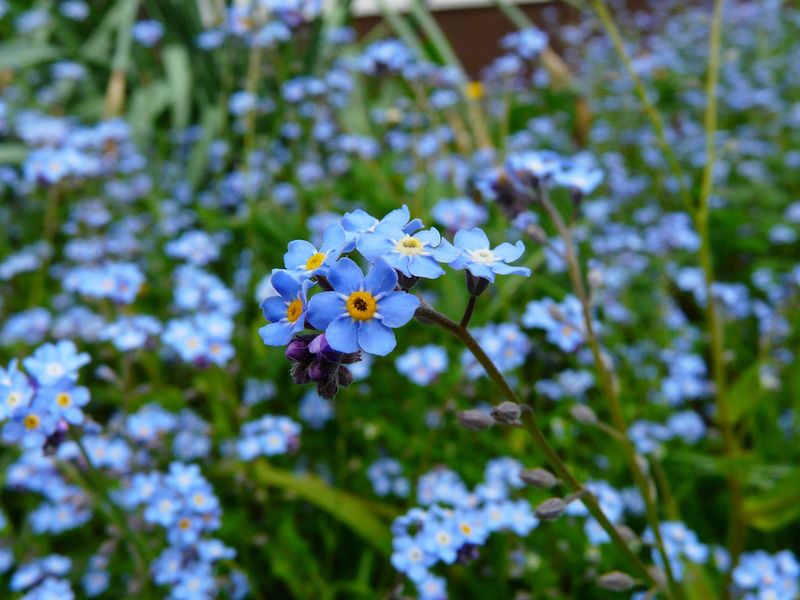
Forget-me-nots have the most charming name in the flower world, and they live up to that name quickly. Once planted, they make absolutely sure you cannot forget them.
These tiny blue flowers thrive in cool, shady spots that other plants ignore. Under trees, along fences, and in damp corners, forget-me-nots fill in fast and claim the space as their own.
Each plant produces an enormous number of seeds relative to its small size. The seeds have tiny hooks that grab onto clothing, fur, and garden gloves, hitching rides to new locations effortlessly.
Among Wisconsin flowers you’ll regret planting, forget-me-nots are sneaky because they look so gentle. Nothing about their delicate blue petals suggests they’re capable of taking over a garden corner.
They’re biennials, meaning they grow leaves the first year and bloom the second. By the time you see the full effect, they’ve already seeded the next two generations.
Pulling them is straightforward since the roots are shallow and not very strong. The challenge is catching every plant before the seeds mature and drop, which requires consistent attention.
A thick layer of mulch can reduce germination rates significantly. But seeds caught in the mulch itself can still sprout if conditions stay moist, so mulch isn’t a perfect solution.
Forget-me-nots pair beautifully with spring bulbs like tulips and daffodils. That combination is genuinely lovely, and it’s why so many gardeners keep planting them despite knowing better.
The key is choosing where they spread, not whether they spread. Accept their wandering nature, and they become a feature rather than a problem you’re always chasing.
6. Violets Creep Through Lawns Persistently
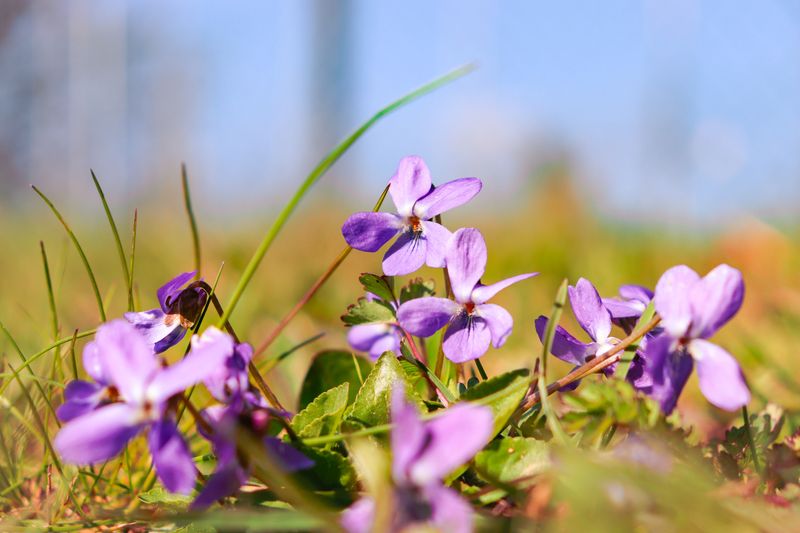
Wild violets look sweet and nostalgic, like something from a childhood memory of picking flowers in the yard. Then you notice they’ve replaced half your lawn and the nostalgia fades fast.
Violets spread through two methods: seeds and underground rhizomes. The rhizomes are the sneaky part because they creep sideways under the soil where you can’t easily see them.
In Wisconsin lawns, violets are particularly stubborn because they tolerate shade, poor drainage, and compacted soil. Basically, they thrive in the exact spots where grass struggles to compete.
Herbicides often reduce violet populations, though results vary by product and timing. Multiple treatments over several seasons are usually necessary to make a real dent.
Hand-digging violets works in garden beds where you can be precise. In a lawn, digging up every rhizome without damaging grass roots is a near-impossible task.
The flowers are actually edible and have been used in salads and as garnishes for centuries. That fun fact makes them slightly easier to tolerate when you find them in unexpected spots.
Violets also feed early spring pollinators before most other flowers bloom. Bees and certain butterfly larvae depend on them, which gives the plants a genuine ecological purpose.
Improving lawn density by overseeding bare patches helps grass compete against violet spread. A thick, healthy lawn is the best natural barrier against their creeping advance.
Among the Wisconsin flowers you’ll regret planting, violets are the ones that make you feel guilty for trying to manage them. They’re too useful to remove entirely, even when they’re everywhere.
7. Lemon Balm Overtakes Garden Borders Quickly
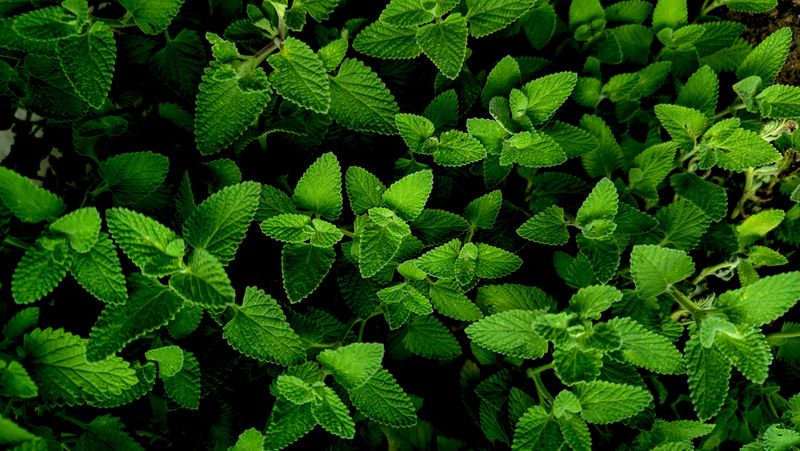
Lemon balm smells incredible when you brush against it on a warm afternoon. That citrusy, fresh scent is the reason so many gardeners plant it, and the reason so many regret it.
It belongs to the mint family, which should have been a warning from the start. Mint relatives are notorious for spreading aggressively, and lemon balm follows that tradition with enthusiasm.
Underground runners spread in every direction, popping up several feet from the original plant. Above ground, self-sown seedlings appear in gravel, between stones, and along the edges of other garden beds.
Among Wisconsin flowers you’ll regret planting, lemon balm stands out because it spreads both above and below the soil simultaneously. That dual strategy makes containment genuinely difficult without serious barriers.
Planting lemon balm in a buried container is the most effective control method available. Use a pot with no drainage holes, sunk into the ground so the rim sits just above soil level.
Even with containment, seeds escape and sprout nearby. Trimming flowers before they go to seed dramatically reduces the spread, but it requires weekly attention during bloom season.
The plant does have real benefits worth mentioning. It attracts bees, is traditionally used in tea for its calming effect, and has traditionally been rubbed on skin as a natural insect deterrent.
Harvesting lemon balm frequently keeps growth in check and gives you a steady supply of fresh leaves. Regular cutting prevents flowering, which stops seed production before it starts.
If you’re willing to stay on top of it, lemon balm can be a rewarding garden plant. But skip one season of management, and the Wisconsin flowers you’ll regret planting list gains a new top contender.