Stop Letting Your Ohio Basil Flower If You Want Better Leaves This Month
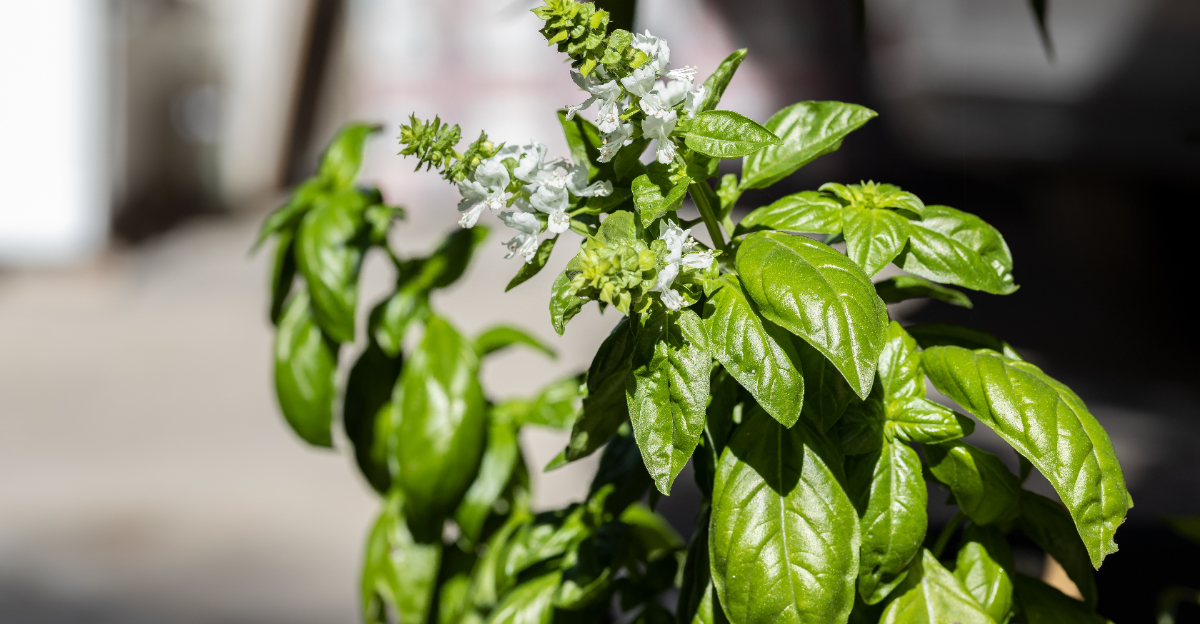
Ohio basil in late summer has one priority and it is not the one the gardener wants. The plant is reading shortening days and late season heat as a signal to flower, set seed, and wrap up its business before the season closes out.
That biological urgency produces flowers, weakens leaf flavor, and ends the productive stretch faster than any pest or disease ever managed. The flowers look harmless.
They are not. Every bloom that opens on an Ohio basil plant in August is energy the leaves are not getting, and the quality difference between a basil that flowered and one that did not is immediate and obvious.
Stopping that process requires catching it at the right moment and knowing exactly what to remove. Done consistently through August, it extends the best leaf production by weeks.
Basil does not stop on its own schedule. It stops on the gardener’s.
1. Pinch Flower Buds Before They Fully Open
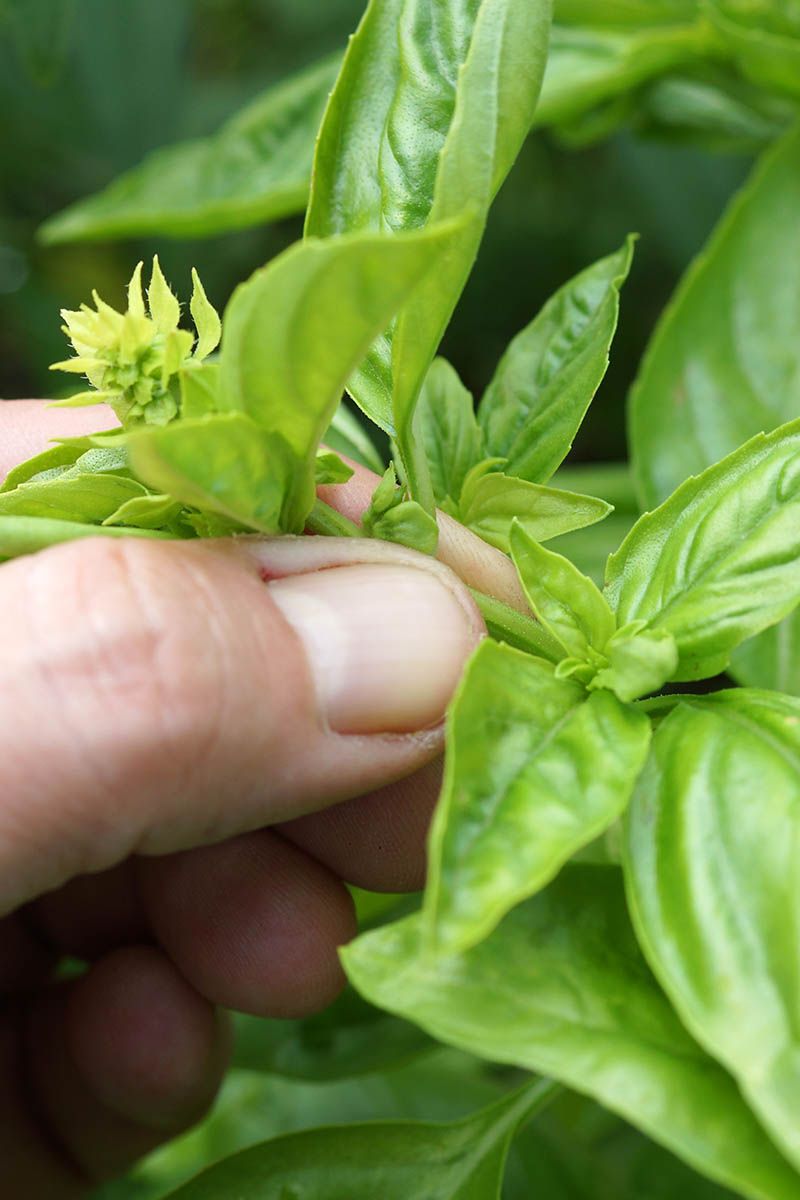
A tight green spike rising from the center of a productive stem is the first sign that your plant is shifting priorities. That cluster of small, stacked buds is not a second set of leaves.
It is the beginning of a flower spike, and it looks noticeably different from the broader, flatter leaf pairs sitting just below it. Leaf pairs grow opposite each other and often show tiny shoots tucked at their base.
A flower spike grows upward from the center with a more cylindrical, pointed shape.
Removing buds before they open can help the plant put more of its resources into continued stem and leaf development. Use cautious expectations here.
Not every removed bud immediately produces a flush of larger leaves. The goal is to support continued branching rather than to guarantee a fixed outcome.
One plant may develop several flower spikes at different times on different stems. Checking during each regular harvest is more practical than following a rigid schedule.
An already open flower spike can still be removed if foliage is the priority. Leaves and flowers from correctly identified, safely grown plants may remain edible, though texture and aroma can shift.
In Ohio August gardens, inspect every stem tip and remove developing spikes before they lengthen further.
2. Cut Each Stem Above A Healthy Leaf Pair
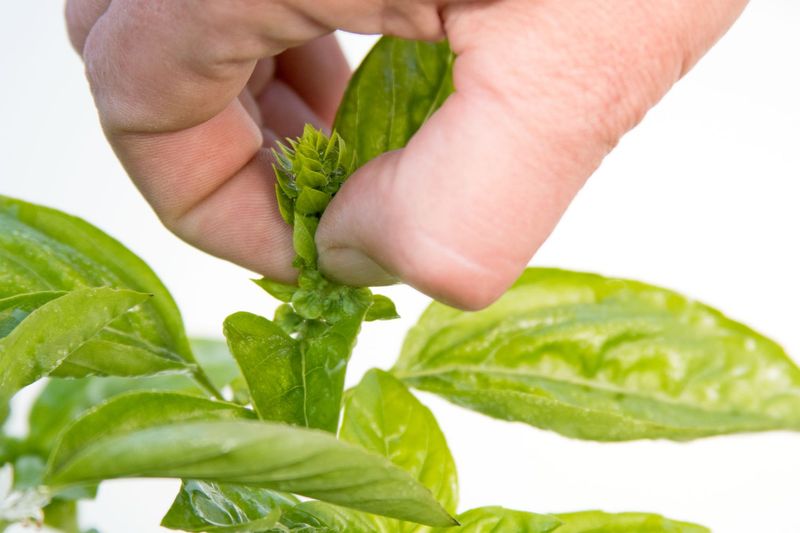
Two opposite leaves sitting below a flower spike often have something valuable tucked right at their base: tiny side shoots waiting for a chance to grow.
That spot where the leaves and those small shoots meet the stem is called a node, and it is the most useful place to make your cut.
Leaving a long, bare stub of stem above the node does not help those shoots develop and can lead to a weak, drying tip.
Place the cut just above the leaf pair so the node stays intact and the side shoots remain undisturbed. The leaf pair you leave behind needs to be genuinely healthy.
Cutting just above yellowed, damaged, or diseased tissue may not give those shoots the support they need to push out strong new growth. Avoid cutting into woody, leafless sections without checking whether any active growth remains below.
Your Ohio Garden Changes Every Week. Your Plan Should Too.
Gardening in Ohio changes quickly throughout the season. Every Friday you’ll receive a simple weekly plan showing exactly what to plant, prune, fertilize, harvest, and protect so you never miss the right timing.
Clean scissors or snips work well for most stem cuts. Fingers can pinch very soft tips cleanly, but a cutting tool tends to give a more precise result on firmer stems.
Clean your tools before use and after working with any plant showing signs of disease. Cuts made too high leave weak stubs.
Trace the flowering stem down to a strong leaf pair and make the cut just above that branching point.
3. Harvest Whole Stems To Trigger Fresh Branches
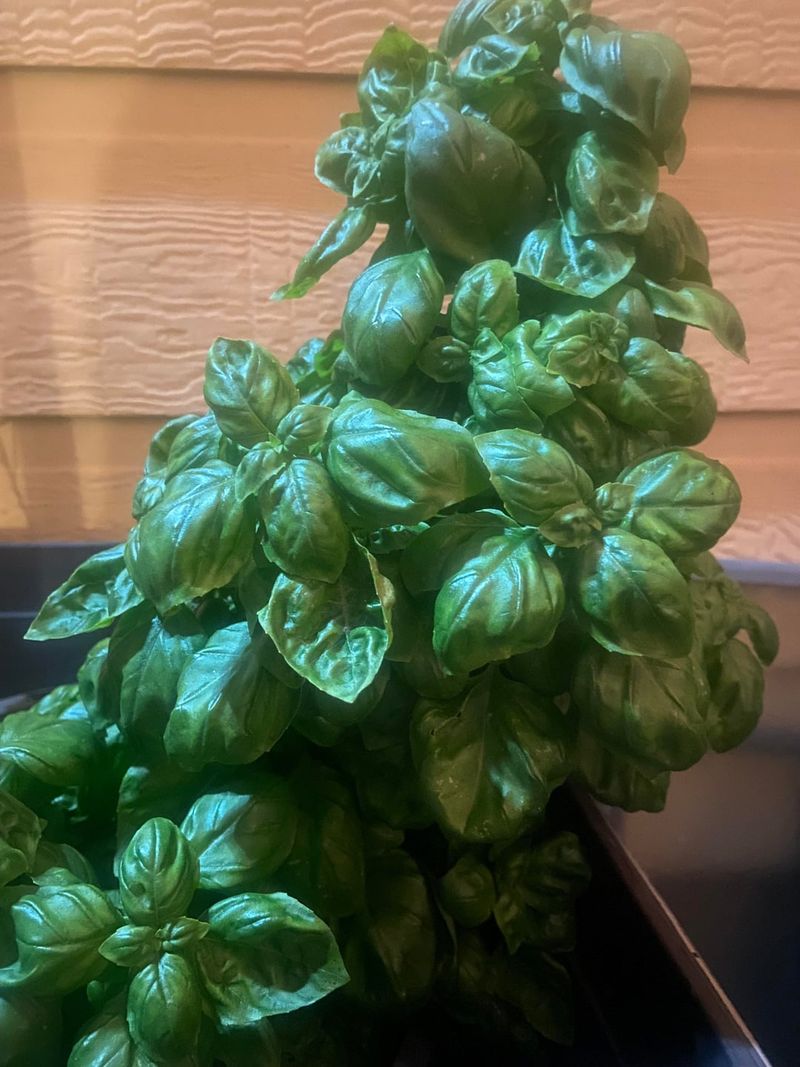
Reaching into the plant and pulling a few leaves from here and there while the long central stem stays untouched is a common habit, and it works fine for a small handful. The stem itself, though, is where the real opportunity sits.
Harvesting a stem tip, cut just above a healthy node, removes the growing point and signals the plant to develop the side shoots waiting below. That response tends to produce more branching over time than leaf-by-leaf picking alone.
Select stems that have grown long enough to offer a useful harvest while still leaving plenty of leafy growth below the cut.
Stripping the plant nearly bare in a single session puts real stress on the root system and slows recovery, especially during warm August weather.
Reliable guidance from university extension sources recommends leaving a substantial portion of the plant’s foliage intact. This lets it continue photosynthesizing and rebuilding.
How much that is depends on plant size, variety, and overall condition, so leave more than you think you need to.
Branching develops from the nodes left below the cut, but the number and strength of new stems vary with light, warmth, water, root health, and variety. Ohio’s remaining summer weeks offer real growing time if the plant is managed consistently.
Cut enough for a meal, a sauce, or short-term storage, and leave a leafy framework that can rebuild between harvests.
4. Trim Leggy Growth Back In Careful Stages
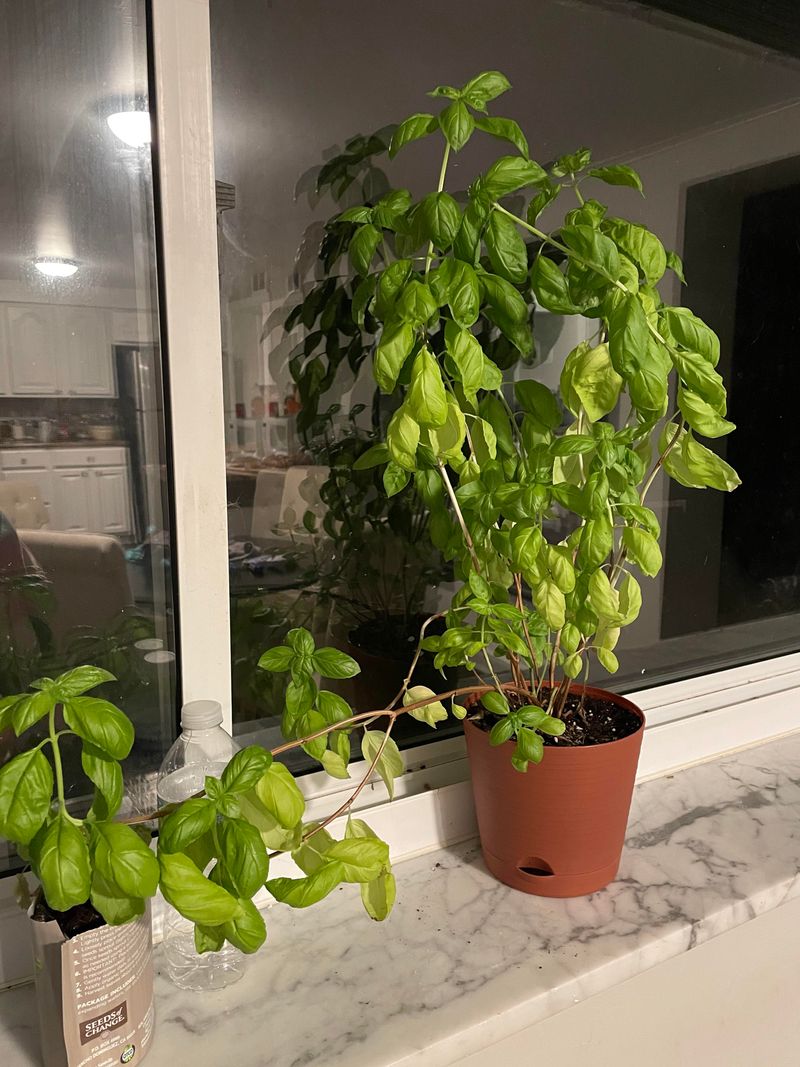
A plant leaning outward under the weight of several flower spikes has sparse foliage along its lower stems. It has moved past the point where a single pinch will tidy things up.
Leggy growth in basil can result from infrequent harvesting, crowding from nearby plants, insufficient light, natural plant maturity, or a combination of these.
Flowering is one possible factor, not the only one, and identifying the underlying cause matters before deciding how aggressively to cut.
Start by looking at the lower stems. If healthy leaves and active side shoots are present below the stretched sections, there is material to work with.
Remove the flowering tops first, then shorten selected stems while preserving enough foliage for the plant to recover. Removing all green growth at once is not advisable.
A staged approach involves shortening the healthiest stems first and watching for new growth before making another major cut. That’s more realistic than attempting a single dramatic reshape.
Severe pruning during hot, dry weather can add stress to a plant that is already working hard to stay hydrated. A very woody or significantly declining specimen may produce limited regrowth regardless of how it is cut.
Light exposure matters too. Trimming cannot compensate for a site that receives too little sun.
Ohio’s remaining warm season varies across the state, so shorten the healthiest stems first and judge the new growth before making another major cut.
5. Keep August Watering Steady After Every Cut
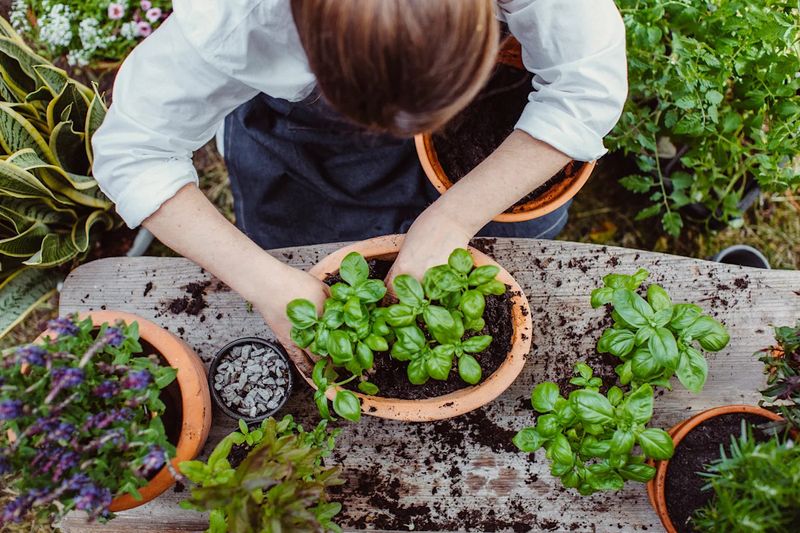
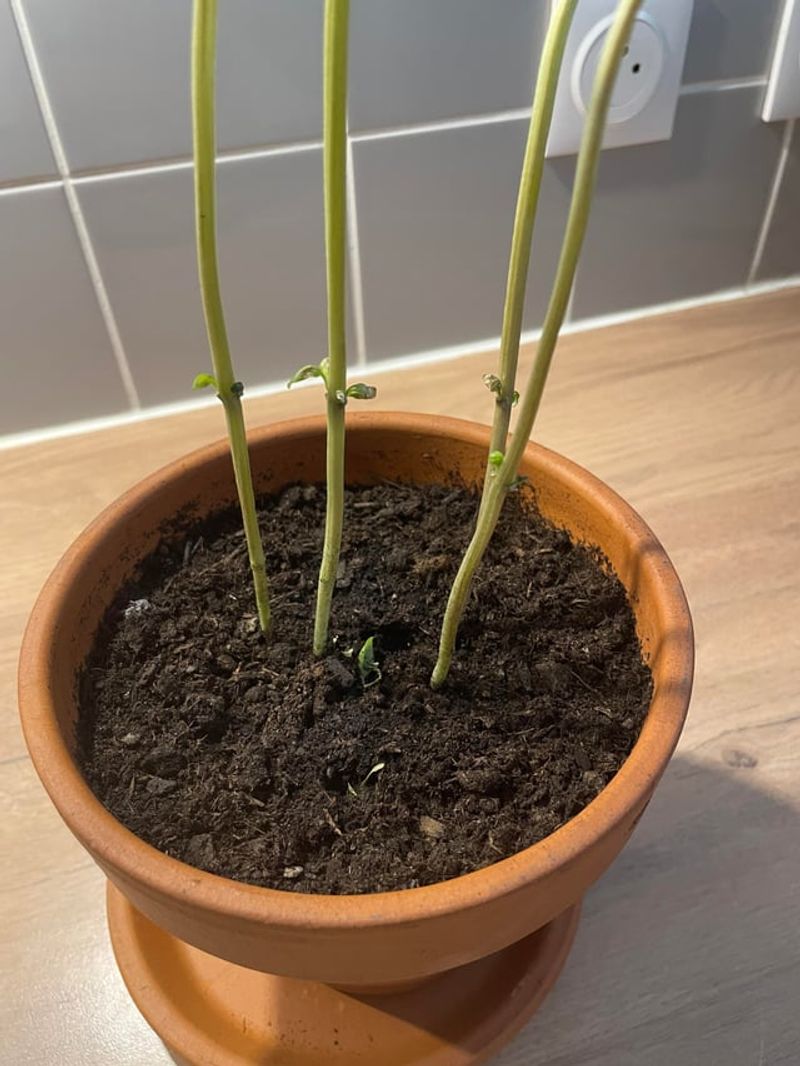
Freshly pruned stems standing above soil that has dried out several inches below the surface face an uphill recovery. Cutting removes foliage, and the root system still needs steady moisture to push out the new growth that replaces it.
Consistent moisture does not mean saturated soil. Basil prefers well-drained conditions, and roots sitting in waterlogged ground can develop problems that no amount of pruning will fix.
Water needs shift based on soil type, container size, plant size, temperature, sun exposure, wind, rainfall, and whether mulch is present. Checking the root zone before watering gives a more accurate picture than judging by the leaves alone.
Temporary midday drooping can happen even when the soil contains adequate moisture. The plant may be losing water through its leaves faster than the roots can replace it in peak heat.
Checking a few inches into the soil or growing medium tells you whether water is actually needed.
Containers deserve separate attention. A pot holds less growing medium than an in-ground bed and can dry out faster, especially a smaller one in direct sun.
Watering near the soil surface rather than soaking the foliage is a sound habit. Ohio summers bring variable rainfall across the state, so local conditions should guide your schedule.
Check the root zone after pruning and restore steady moisture without leaving the soil waterlogged.
6. Skip Heavy Feeding That Produces Weak Growth
A plant with green, actively growing leaves receiving another dose of fertilizer may not need what it is being given. Basil requires nutrients to grow.
But excess feeding, especially with high-nitrogen products, can push soft, weak stem growth that is more vulnerable to stress and less aromatic than growth produced under moderate conditions.
The relationship between nitrogen and flavor compounds in basil is not fully simple, and overcorrecting is a real risk.
Soil-grown basil and container-grown basil have different fertility situations. An amended garden bed may already supply enough nutrients for the rest of the season.
A container loses nutrients through regular watering and may benefit from modest supplemental feeding following product directions.
Before adding anything, review what the potting mix already contains, how recently you last fertilized, the plant’s current color and growth rate, and the container size.
Pale foliage does not automatically point to a nutrient shortage. Excess water, root crowding, low light, disease, or natural leaf aging can all cause similar symptoms.
An in-ground bed with persistent nutrient questions is worth testing through a soil test. Container growers should follow current extension guidance for herbs and read the fertilizer label carefully.
Extra feeding cannot substitute for adequate sunlight, consistent moisture, enough root room, or regular harvesting. Pause unnecessary fertilizer and correct the care issue that the plant actually shows.
7. Use Fresh Leaves Before Their Flavor Fades
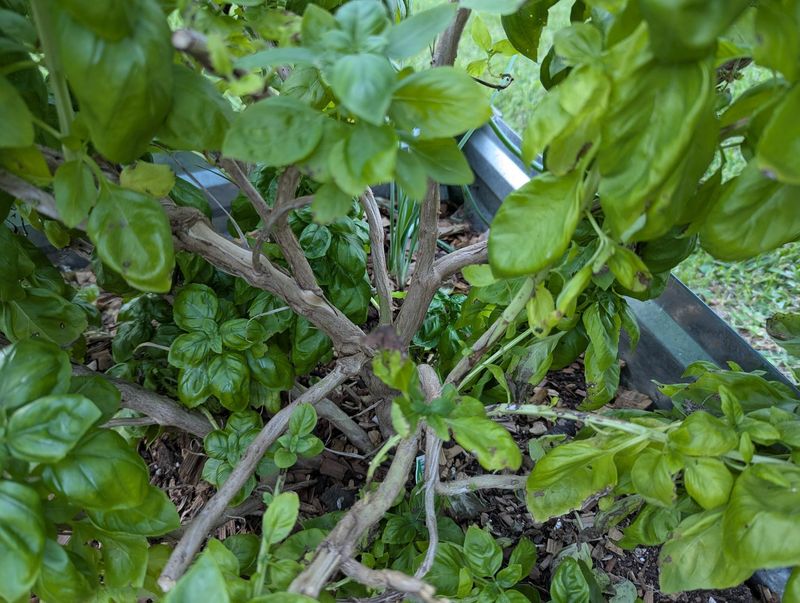
A bowl of newly cut stem tips on the counter carries a noticeable aroma, and that intensity is worth preserving. Leaves are generally considered most flavorful when harvested from actively growing stems before the plant has fully committed to seed production.
Morning harvest is often recommended, once the foliage has dried from any overnight moisture and the plant is not wilted from heat. Growing conditions and variety also shape the outcome, though.
Select leaves that are clean and free from severe insect damage, visible disease symptoms, or decay. Leaves from a plant that has begun to flower can still be usable.
Flavor, aroma, and texture may shift after flowering begins, and the degree of change varies by variety and growing conditions. Not every post-flowering leaf becomes noticeably bitter, so taste before discarding.
Fresh basil is sensitive to cold storage and can discolor quickly in the refrigerator. Keeping cut stems in a small amount of water at room temperature, away from direct cold air, is one commonly used short-term method.
Freezing is a practical option for surplus leaves, whether blanched or packed directly, and it helps preserve some of the aromatic quality. Do not store fresh basil in oil at room temperature, as that practice raises food-safety concerns.
Ohio’s late-summer harvest is worth preserving carefully. Use tender leaves promptly and preserve extra harvests through a verified food-safe method.
8. Reserve One Plant For Flowers And Keep The Rest Leafy
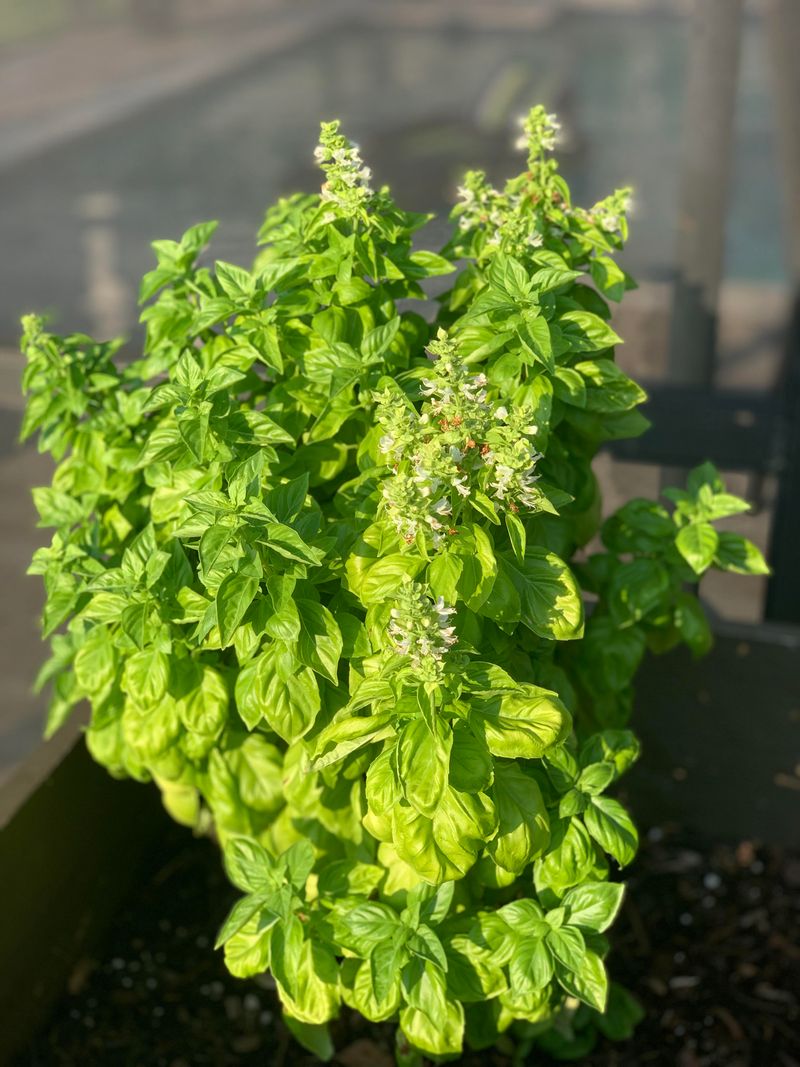
Bees moving between open flower spikes on one basil plant while the plants beside it remain trimmed and leafy is a practical arrangement, not a compromise.
The guidance throughout this article is aimed at gardeners whose main goal is a continued supply of leaves for cooking.
Allowing every plant to flower freely works against that goal, but preventing every bloom in the garden is not necessary either.
Basil flowers can be visited by bees and other pollinators seeking nectar. The specific visitors depend on what is present in your local area, and cautious wording is appropriate here.
Basil may attract certain bee species and other beneficial insects. But common culinary basil is not a plant native to Ohio, and it should not be treated as an essential local pollinator resource.
Flowers and leaves from correctly identified, safely grown plants may be edible. Any plant treated with a product not labeled for edible herbs should not be consumed, though.
Seed saving from basil is possible but comes with a note of caution. Basil varieties can cross-pollinate, and seedlings grown from saved seed may not match the parent plant in flavor, leaf size, or growth habit.
A practical approach is to keep the strongest plants pinched for leaf production and allow one healthy specimen or a selected stem or two to bloom. Ohio’s warm growing days are limited from here.
Manage each plant according to its purpose, then keep harvesting the leafy plants while warm growing weather remains.