The Maryland Garden Tasks Every Homeowner Should Tackle The First Week Of August
Maryland gardens don’t ease into August, they get tested by it. Between the sticky air and the sun that refuses to let up, plants show their hand fast, and so do the problems hiding underneath the leaves.
This first week carries more weight than people expect. Small missteps now turn into bigger headaches by September, while a few smart moves can carry a yard straight through the shift into fall.
The tasks below are built around what Maryland’s climate actually demands this time of year, not a one-size-fits-all checklist. Skip them, and late summer might cost more than a little extra watering.
1. Deep Water Beds During Peak Summer Heat
The ground is practically baking right now. Maryland’s August heat can push soil temperatures high enough to stress even the toughest plants in your yard.
Shallow watering is one of the most common mistakes gardeners make this time of year. When you only wet the top inch of soil, roots stay near the surface where heat does the most harm.
Deep watering means soaking the soil to at least six inches down. That encourages roots to grow deeper, where the ground stays cooler and moisture lasts longer between sessions.
Water your beds early in the morning, before the sun gets strong. Evening watering can leave foliage wet overnight, which invites fungal problems you really do not want.
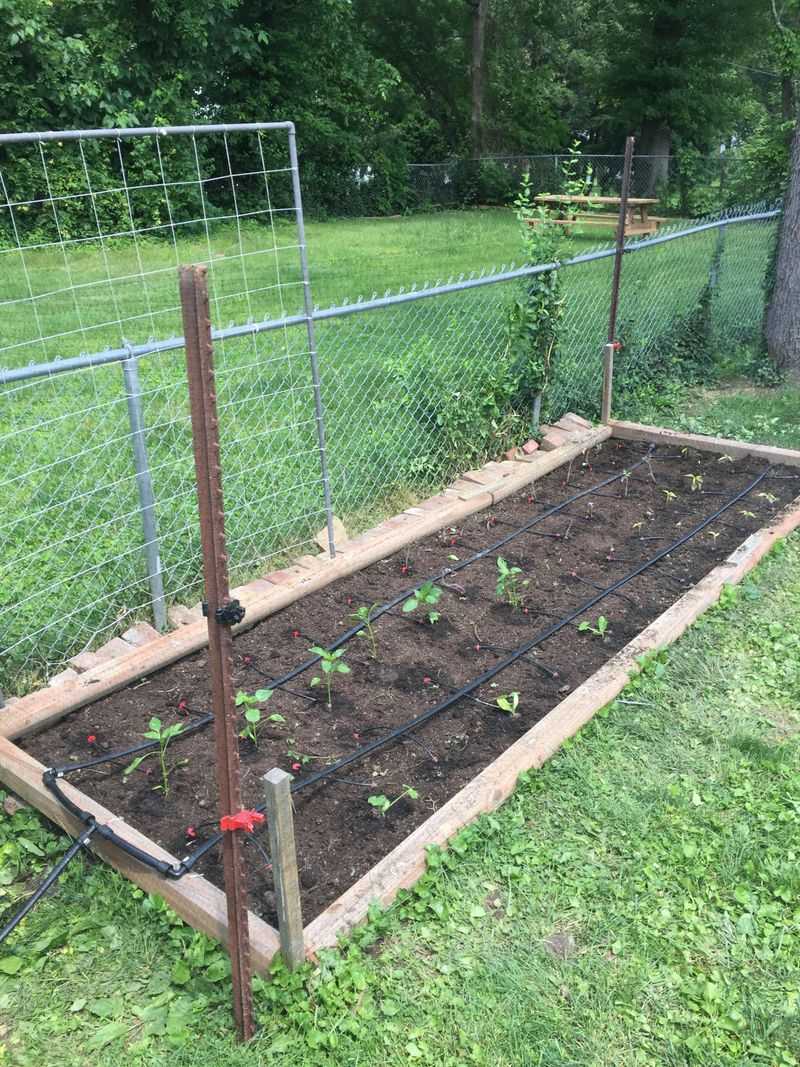
A slow drip hose or soaker hose works better than a sprinkler for most garden beds. These tools deliver water directly to the root zone without wasting it on leaves or pathways.
Check soil moisture by pushing your finger two inches into the ground. If it feels dry at that depth, your plants need water right away.
Container plants dry out even faster than in-ground beds during hot spells. You may need to water pots daily when temperatures stay above ninety degrees.
Mulching around your plants helps the soil hold moisture between waterings. Combine deep watering with a good layer of mulch, and your plants will handle the heat far better all month long.
2. Harvest Vegetables Regularly For Continued Production
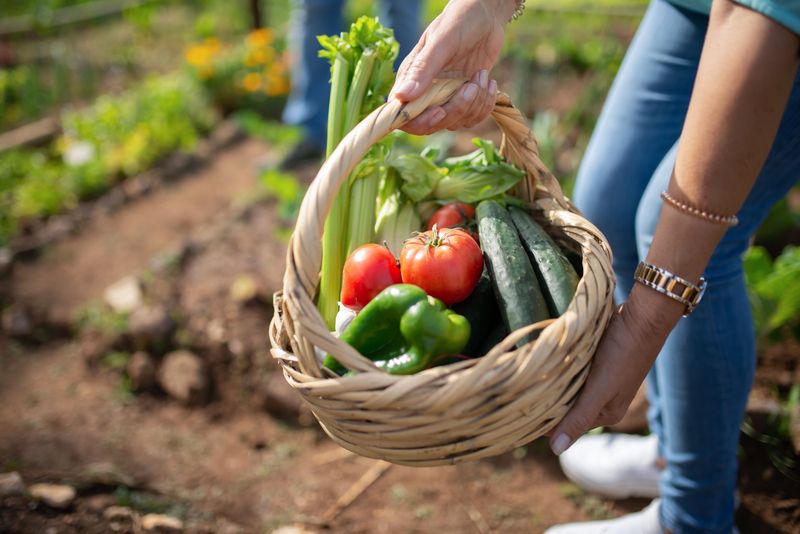
Leaving ripe vegetables on the vine is like telling your plants to stop working. When fruits stay unpicked, the plant shifts its energy toward seed production instead of growing new crops.
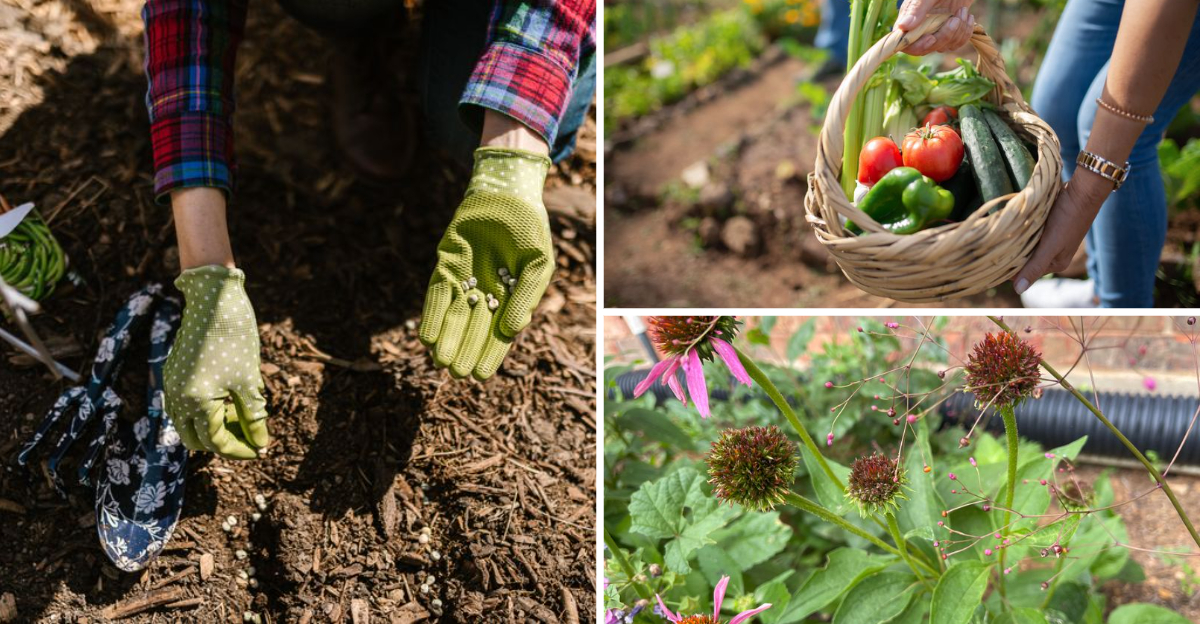
Maryland gardens in August are at peak production for tomatoes, cucumbers, peppers, and summer squash. Picking every two to three days keeps those plants pumping out new growth all month.
Zucchini is famous for sneaking up on you. One day it looks small, and the next it is nearly twice the size sitting under a leaf.
Check beneath large leaves every time you walk through the garden. Hidden overgrown vegetables rob energy from younger, tender ones that are still developing nearby.
Green beans should be snapped off when they feel firm and smooth. Once the seeds inside start bulging through the pod, the plant begins winding down its production cycle.
Tomatoes are best picked when they are fully colored but still slightly firm. They finish ripening beautifully on your kitchen counter without losing any of that fresh flavor.
Your Maryland Garden Changes Every Week. Your Plan Should Too.
Gardening in Maryland changes quickly throughout the season. Every Friday you’ll receive a simple weekly plan showing exactly what to plant, prune, fertilize, harvest, and protect so you never miss the right timing.
Even if you have more vegetables than you can eat, keep harvesting and share with neighbors. Letting produce rot on the vine can attract pests and spread disease through your entire garden.
Regular harvesting is one of the simplest habits that pays off big this time of year. Stay consistent with your picking schedule, and your garden will reward you with fresh food well into September.
3. Remove Spent Blooms To Extend Flowering
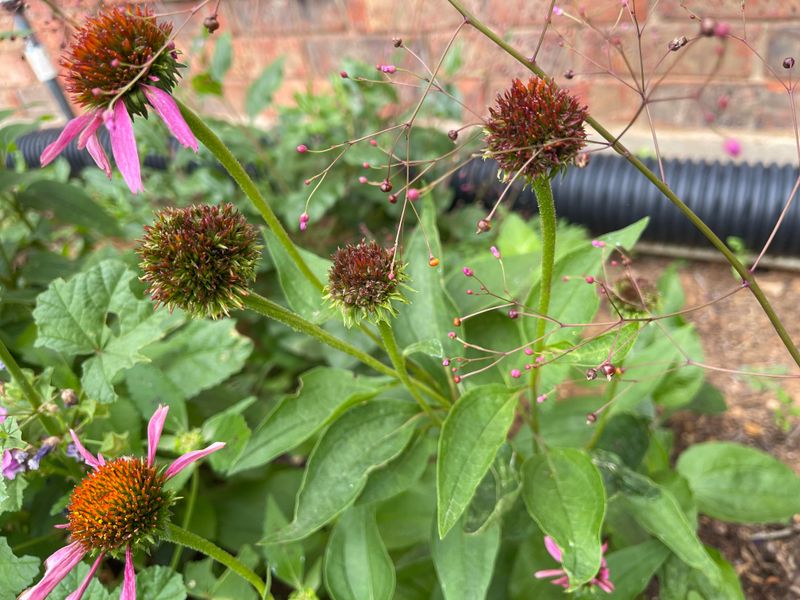
Removing spent blooms sounds harsh, but your flowers respond beautifully to it. Snipping off faded blooms tricks plants into producing more flowers instead of setting seed and shutting down for the season.
Zinnias, marigolds, coneflowers, and black-eyed Susans all respond brilliantly to regular pruning in August. These are some of the most popular choices in Maryland yards, and they bloom longer when you stay on top of spent flowers.
Grab a pair of clean scissors or hand pruners for this job. Cutting just above a leaf node or a side bud encourages the plant to branch out and create more blooming stems quickly.
Some gardeners prefer to pinch off spent blooms with their fingers. That works fine for soft-stemmed annuals like petunias, but use a blade for woodier stems to avoid tearing the plant.
Do this task in the cool of the morning when you can clearly see which blooms are fading. Flowers that look papery, brown, or shriveled at the center are ready to come off.
Impatiens and begonias are self-cleaning, meaning they drop their own spent petals naturally. Focus your trimming energy on plants that visibly hold onto their old blooms and slow down without your help.
Toss removed blooms into a compost pile rather than leaving them on the soil. Old flower heads can harbor fungal spores that spread back to healthy stems if left sitting around the base of the plant.
Your garden will look fresher and bloom longer with this one simple habit kept up all August.
4. Watch For Powdery Mildew On Squash And Cucumbers
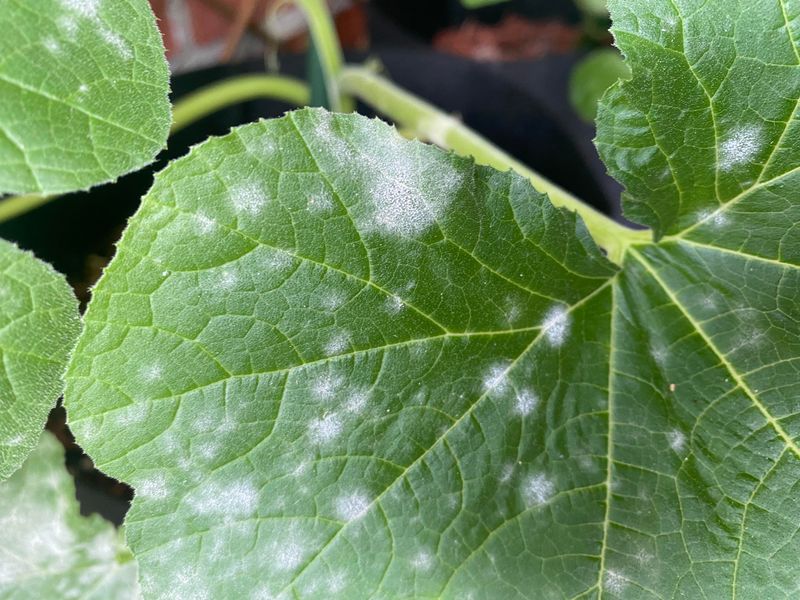
That white dusty coating on your squash leaves is not frost, and it is not harmless. Powdery mildew is a fungal problem that spreads fast in Maryland’s humid August conditions.
Squash, cucumbers, and pumpkins are the most common targets in home gardens this time of year. Once you spot that chalky white film on the upper surface of leaves, the fungus is already well established.
Powdery mildew rarely destroys plants outright, but it weakens them significantly. Infected leaves lose their ability to photosynthesize properly, which slows fruit production and reduces your overall harvest.
Good air circulation is your first line of defense against this fungal nuisance. Space plants generously and avoid overhead watering, which keeps foliage wet and creates perfect conditions for spores to spread.
If you catch it early, a simple spray of diluted baking soda and water can slow the spread. Mix one tablespoon of baking soda with a quart of water and apply it to affected leaves every few days.
Neem oil is another effective organic option that disrupts the fungal life cycle. Apply it in the early morning so leaves have time to dry before the hottest part of the day arrives.
Remove heavily infected leaves and dispose of them in the trash, not the compost pile. Composting diseased material can preserve spores that reinfect your garden the following spring.
Staying alert this week gives you the best shot at saving your squash crop before the season ends.
5. Sow Seeds For Fall Lettuce And Spinach
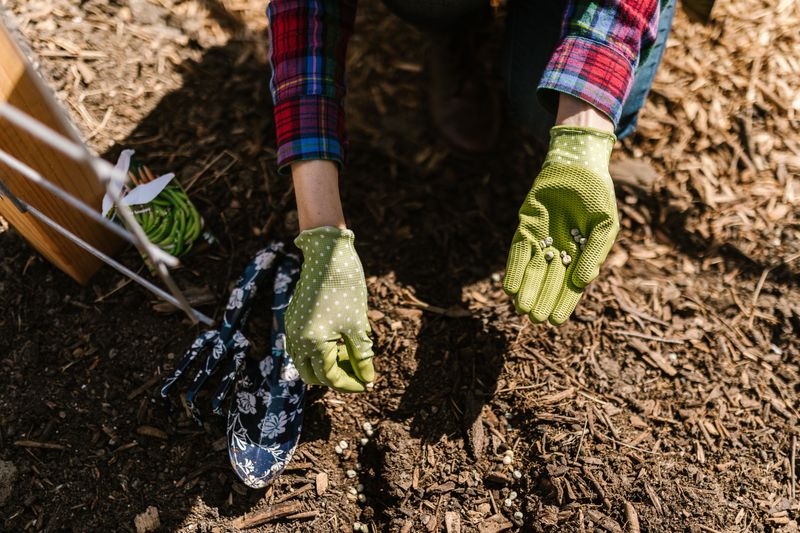
Most people think the growing season is winding down in August, but that thinking leaves months of fresh food on the table. Cool-season greens like lettuce and spinach actually prefer the mild temperatures that arrive in September and October.
Starting seeds now gives them time to germinate and establish before the heat breaks. In Maryland, late summer planting for fall greens typically begins between late July and mid-August for the best results.
Choose a spot that gets some afternoon shade to protect seedlings from the intense August sun. Too much direct heat can cause young lettuce to bolt quickly, turning leaves bitter before you ever get to enjoy them.
Prepare your soil by loosening it about six inches deep and mixing in a little compost. Good drainage and rich organic matter give tender seedlings the strong start they need during warm conditions.
Scatter lettuce seeds thinly across the prepared bed and press them gently into the surface. Cover with just a thin layer of soil since lettuce seeds need light to germinate properly.
Keep the seedbed consistently moist until sprouts appear, which usually takes five to ten days. A light misting twice daily works better than heavy watering that can wash tiny seeds out of position.
Spinach seeds prefer to be planted about half an inch deep and spaced a few inches apart. Thin seedlings once they reach a couple of inches tall to give each plant room to fill out.
This single act of planning ahead is one of the smartest moves you can make in your garden this week.
6. Check Plants For Japanese Beetle Damage
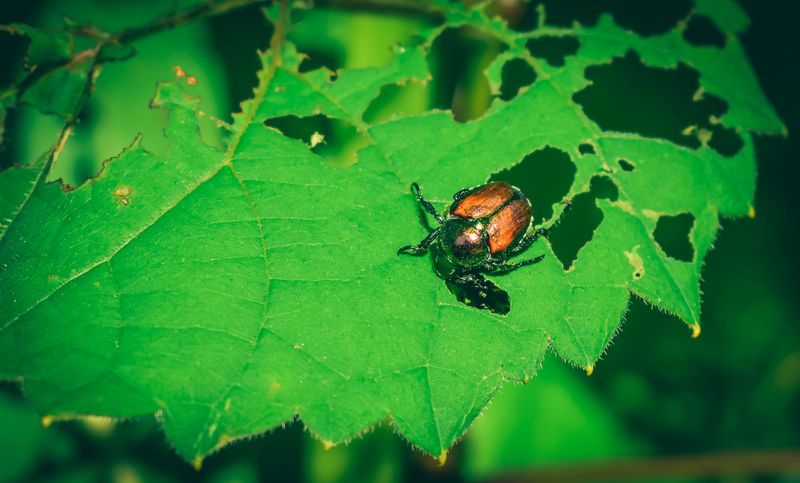
Japanese beetles are some of the most destructive insects in Maryland yards, and August is peak feeding season for these shiny copper-and-green pests. They skeletonize leaves by eating the soft tissue between the veins, leaving plants looking lacy and weak.
Roses, grapes, linden trees, and basil are among their favorite targets in home landscapes. A single heavy infestation can strip a rose bush bare within just a few days of arrival.
Walk through your garden early in the morning when beetles are sluggish from cooler temperatures. That is the easiest time to hand-pick them off plants and drop them into a bucket of soapy water.
Avoid using Japanese beetle traps near your garden. Research shows these traps attract far more beetles than they actually catch, drawing pests from neighboring yards straight toward your plants.
Neem oil applied to plant foliage acts as a feeding deterrent that makes leaves less appealing. Reapply every seven to ten days and always after rain to maintain consistent protection throughout the season.
Spinosad-based sprays offer another organic option for heavy infestations on ornamentals. Follow label directions carefully and apply in the early evening to minimize any impact on beneficial pollinators visiting your garden.
Check the soil around affected plants for white grubs, which are the larval stage of Japanese beetles. Treating grubs now with beneficial nematodes can reduce next summer’s adult population in your yard significantly.
Staying ahead of these pests is a critical part of protecting your garden this week.
7. Mulch Bare Soil To Suppress Weeds
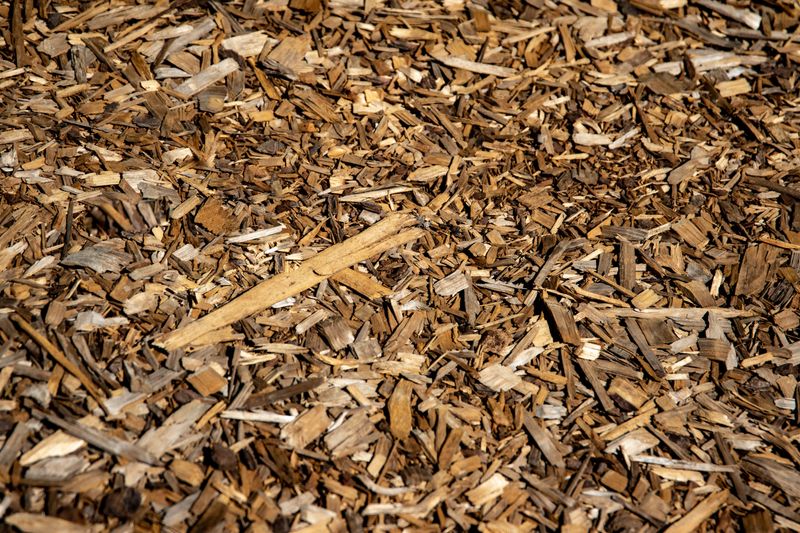
Bare soil is basically a welcome mat for weeds. When sunlight hits exposed ground, dormant weed seeds wake up and sprout fast, especially during Maryland’s warm and humid August weather.
A fresh layer of mulch blocks that sunlight before seeds get a chance to germinate. Two to three inches of organic mulch is usually enough to suppress most common garden weeds effectively.
Wood chips, shredded bark, and straw are all solid choices for vegetable beds and flower borders. Each material breaks down over time and adds organic matter back into the soil as it decomposes.
Keep mulch pulled back a couple of inches from plant stems and tree trunks. Piling it directly against stems traps moisture and creates ideal conditions for rot and fungal issues to develop.
Mulching also does wonders for soil temperature regulation during August heat. A covered bed can stay several degrees cooler than bare ground, which protects shallow roots from heat stress.
If weeds have already sprouted in your beds, pull them before laying fresh mulch. Covering weeds instead of removing them just delays the problem and lets roots grow stronger underneath.
Grass clippings can work as a free mulch option if your lawn has not been treated with herbicides recently. Spread them in thin layers to prevent matting, which can block water from reaching the soil.
Keeping soil covered is one of the most low-effort habits you can adopt this week for long-lasting results.
8. Divide Overcrowded Spring Perennials
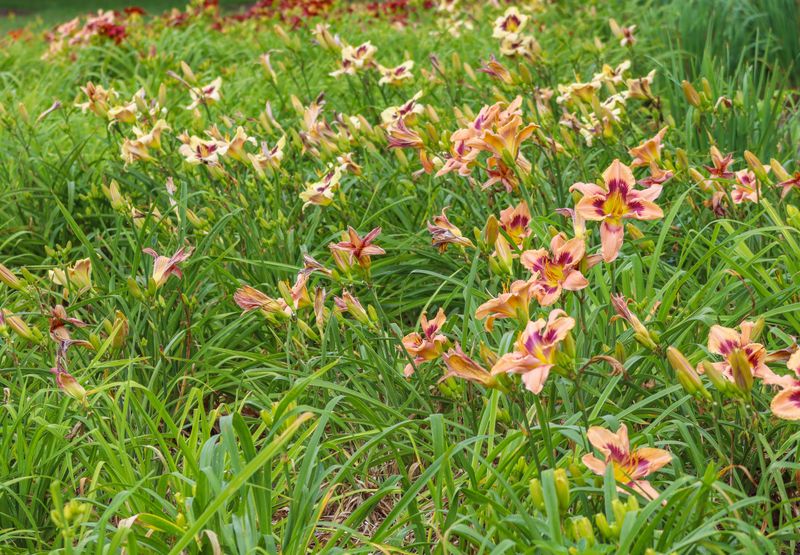
When your daylilies look more like a tangled mat than a tidy clump, it is time to step in with a shovel. Overcrowded perennials compete fiercely for water, nutrients, and light, and they start showing it through smaller blooms and weaker growth.
Early August is actually a good window for dividing many spring-blooming perennials in Maryland. The worst of the summer heat is present, but plants still have weeks to establish new roots before cooler fall weather arrives.
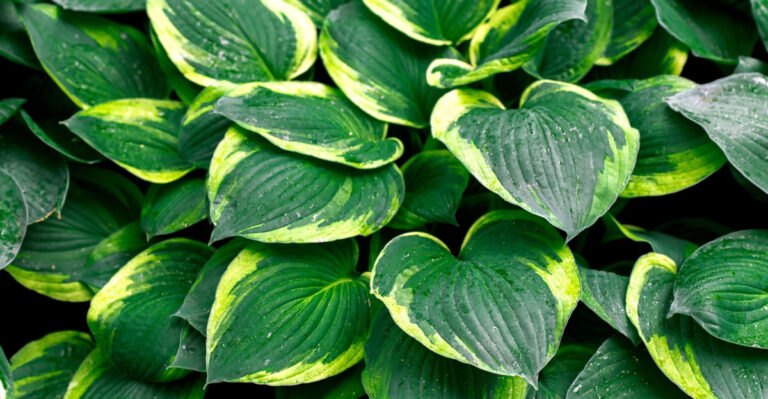
Daylilies, hostas, and ornamental grasses are among the easiest candidates for division this time of year. These tough plants bounce back quickly when given fresh space and a good drink of water after the process.
Use a sharp garden fork or spade to lift the entire clump out of the ground. Shake off excess soil so you can clearly see where natural divisions exist within the root mass.
Pull or cut the clump into smaller sections, making sure each division has healthy roots and several shoots attached. Sections with at least three to five shoots tend to establish most successfully after replanting.
Replant divisions at the same depth they were growing before, and water them deeply right away. Shade new transplants with a light cloth for a few days if the sun is especially intense during the first week.
Share extra divisions with neighbors or pot them up for a fall plant swap. Dividing perennials is one of the most rewarding projects because it multiplies your garden’s beauty for free.