These Georgia Yard Conditions Practically Invite Wasps To Nest
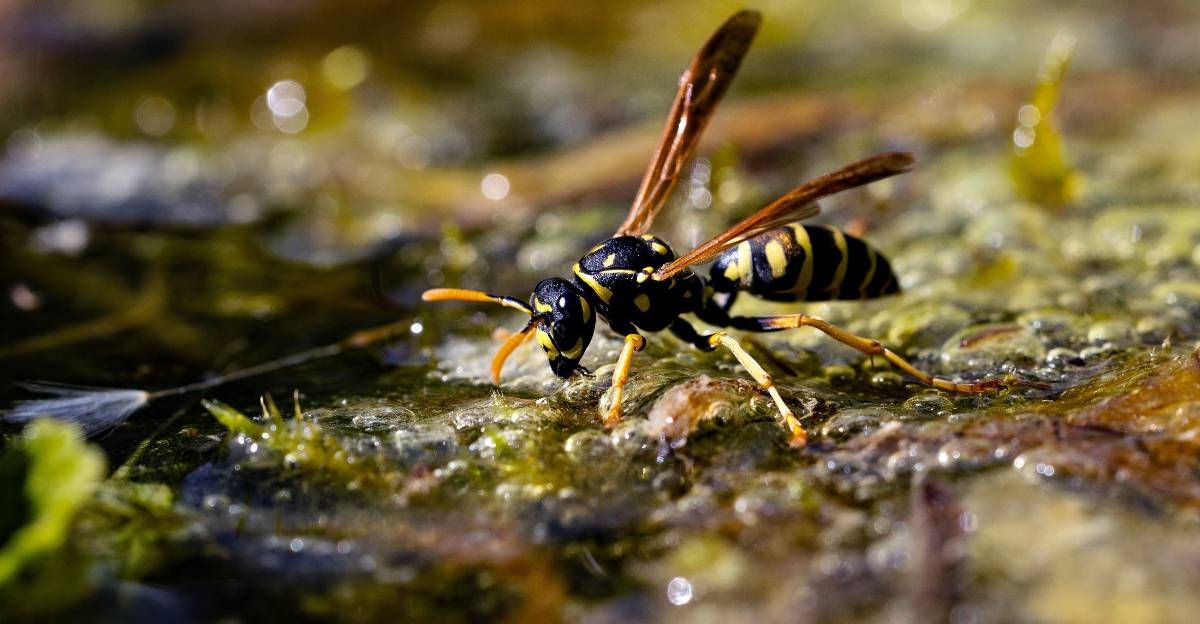
Wasps rarely choose a nesting spot without a reason.
Certain features around your Georgia yard make the space much more appealing than you might realize.
Small details often matter more than expensive changes. A few overlooked conditions can encourage new nests before you even notice them.
Many homeowners focus on removing wasps instead of fixing what attracts them. That approach usually leads to the same frustrating cycle every season.
Take a closer look around your property before the problem grows. A simple adjustment can make your yard far less inviting.
Knowing what draws wasps gives you a clear advantage. You can prevent trouble instead of reacting after nests appear.
Several common yard conditions quietly encourage nesting, and recognizing them early can save you plenty of time and unnecessary frustration later.
1. Standing Water Attracts More Wasps
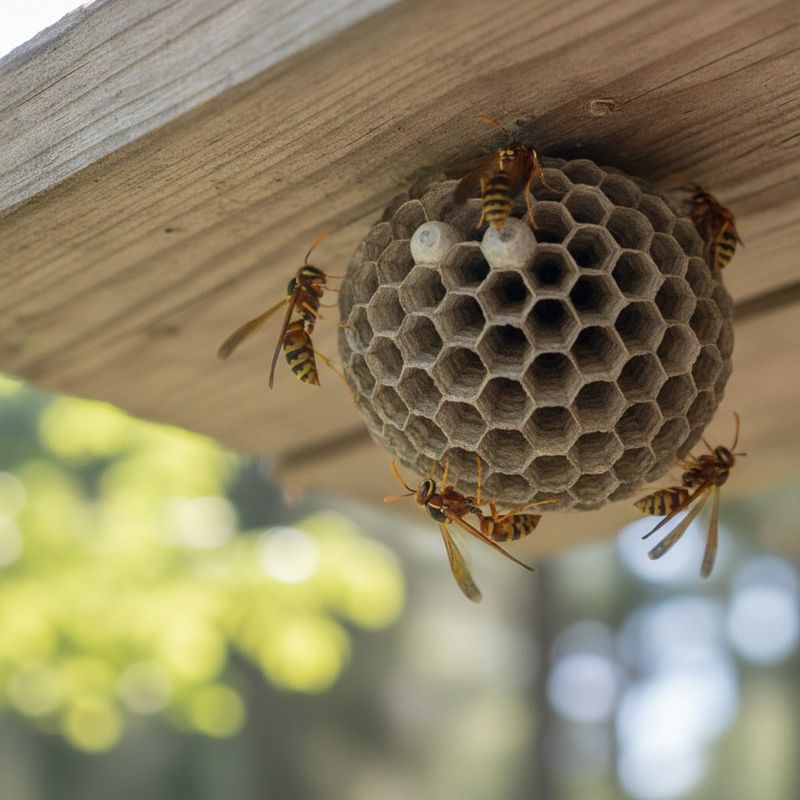
Wasps need water just like any other creature. Standing water in your yard gives them a reliable source they can return to repeatedly.
Birdbaths, clogged gutters, low spots in the lawn, and old containers can all collect enough water to attract them.
Yellow jackets and paper wasps are especially drawn to moisture. Once they find a consistent water source, they tend to stick close to that area.
A nest could follow not far behind.
Tipping out containers after rain helps cut off easy access. Fixing low spots in the yard where water pools regularly makes a real difference over time.
Gutters that drain properly also remove one more spot wasps can use.
Birdbaths are trickier since they serve a purpose, but refreshing the water often and adding a small fountain feature can reduce wasp interest. Moving water is less attractive to wasps than still, warm water sitting in the sun.
Checking the yard after heavy rain is a smart habit. Small puddles dry up fast in summer heat, but shaded spots can hold moisture for days.
Those shaded puddles are exactly what wasps look for when temperatures climb and water gets scarce elsewhere.
2. Overgrown Shrubs Make Nesting Easier
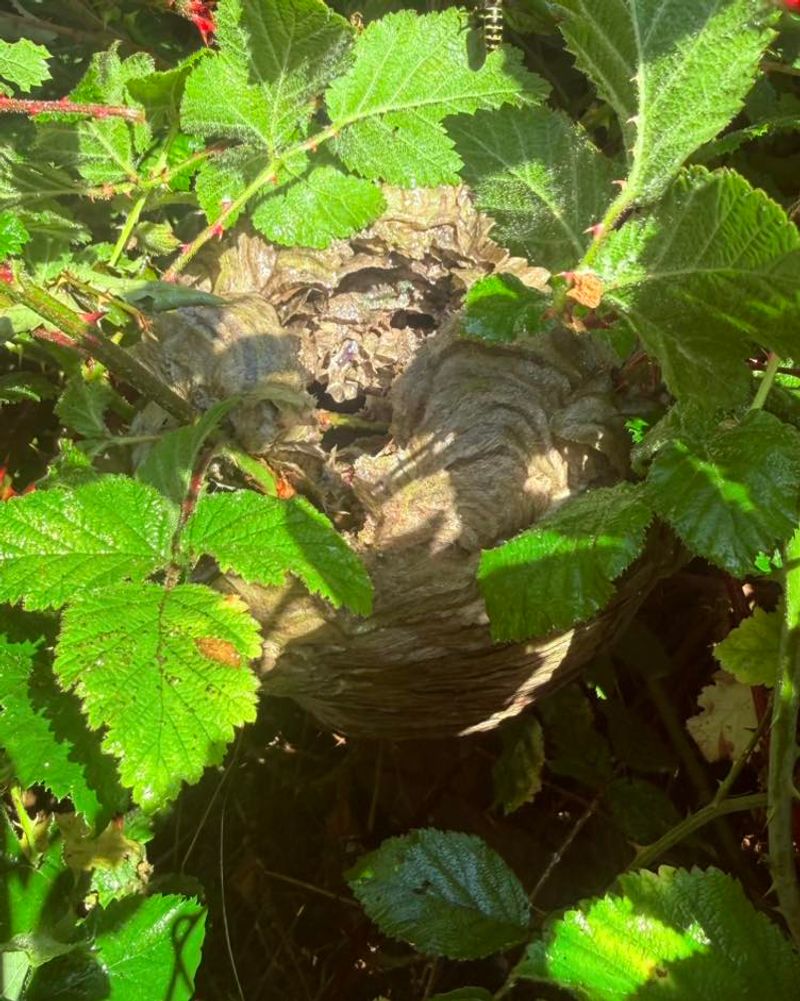
Thick, untrimmed shrubs are like a gift to nesting wasps. Dense branches create sheltered pockets that block wind and rain while staying hidden from view.
Paper wasps especially favor spots tucked inside overgrown hedges and woody shrubs.
A shrub that has not been trimmed in a season or two can develop hollow inner spaces that feel secure and protected. Wasps look for exactly that kind of cover when choosing a nesting spot.
Once they settle in, the nest can grow fast.
Keeping shrubs trimmed on a regular schedule reduces those hidden pockets significantly. Pruning also lets you spot nests early before they expand.
A small nest found in spring is much easier to manage than a large one found in August.
Shrubs planted close to the house create a path that leads wasps toward eaves, window frames, and wall gaps. Spacing plants away from the foundation reduces that connection.
Aim for at least a foot of clearance between shrubs and exterior walls.
Your Georgia Garden Changes Every Week. Your Plan Should Too.
Gardening in Georgia changes quickly throughout the season. Every Friday you’ll receive a simple weekly plan showing exactly what to plant, prune, fertilize, harvest, and protect so you never miss the right timing.
After trimming, remove cuttings from the yard quickly. Piles of brush left on the ground can also attract nesting activity.
Keep the yard tidy and open so wasps have fewer sheltered corners to claim as their own throughout the season.
3. Fallen Fruit Brings Wasps Into The Yard
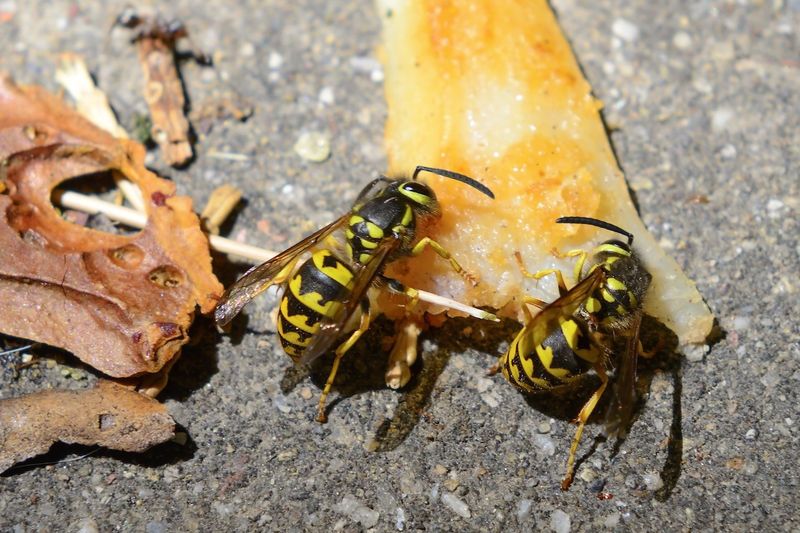
Fruit trees are beautiful until late summer when the ground underneath becomes a wasp buffet. Fallen peaches, apples, pears, and figs rot quickly in the heat, releasing sweet fermented odors that wasps can detect from a surprising distance.
Yellow jackets are strongly attracted to overripe and rotting fruit. Once a few scouts find the source, more follow.
A yard with fruit dropping regularly can see wasp numbers build up fast over just a couple of weeks.
Picking up fallen fruit every day or two breaks the cycle. It removes the food signal before it has a chance to pull in large numbers.
Composting the fruit away from the main yard area is a smarter option than leaving it in an open pile near the house.
If harvesting is not possible every day, a light layer of mulch over fallen fruit slows fermentation slightly and reduces the scent. It is not a complete fix, but it can help lower wasp interest in the short term.
Fruit trees near patios or outdoor seating areas create the most conflict. Relocating seating away from trees during peak fruit drop season is a practical workaround.
Cleaning the ground beneath trees consistently remains the most reliable approach to managing wasp attraction throughout the summer months.
4. Open Trash Cans Provide A Food Source
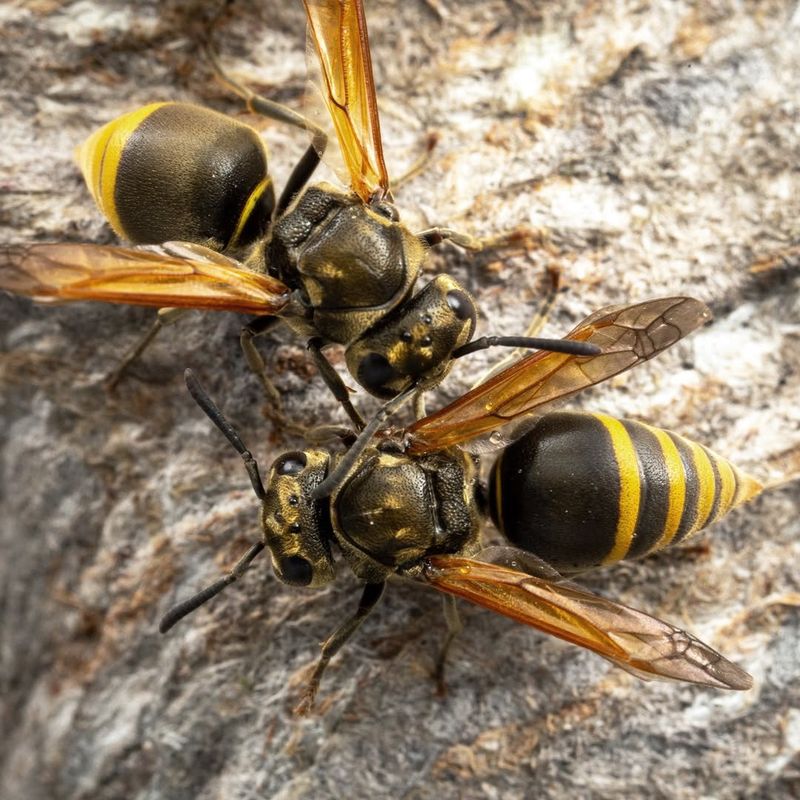
Garbage cans without tight-fitting lids are an open invitation. Leftover food, sugary drink residue, meat scraps, and sweet wrappers inside a bin are exactly what wasps forage for during late summer and fall when natural food sources thin out.
Yellow jackets shift their diet as the season changes. Early in the year they focus on protein for the colony.
Later, they crave sugar and will aggressively search trash, recycling bins, and outdoor dining areas to find it.
Lids that seal tightly make a noticeable difference. Bungee cords over loose lids add an extra layer of security when trash sits out before pickup.
Rinsing containers before tossing them in the bin removes residue that adds to the scent trail.
Placing trash cans away from patios and back doors reduces the chance of wasps drifting toward areas where people spend time. Even a few feet of distance can lower the frequency of close encounters during outdoor activities.
Keeping the area around trash cans clean matters too. Drips, spills, and food scraps that fall outside the bin draw just as much attention as what is inside.
A quick rinse of the surrounding pavement after trash day keeps scent buildup from accumulating over time and pulling wasps back to the same spot week after week.
5. Roof Overhangs Protect New Nests
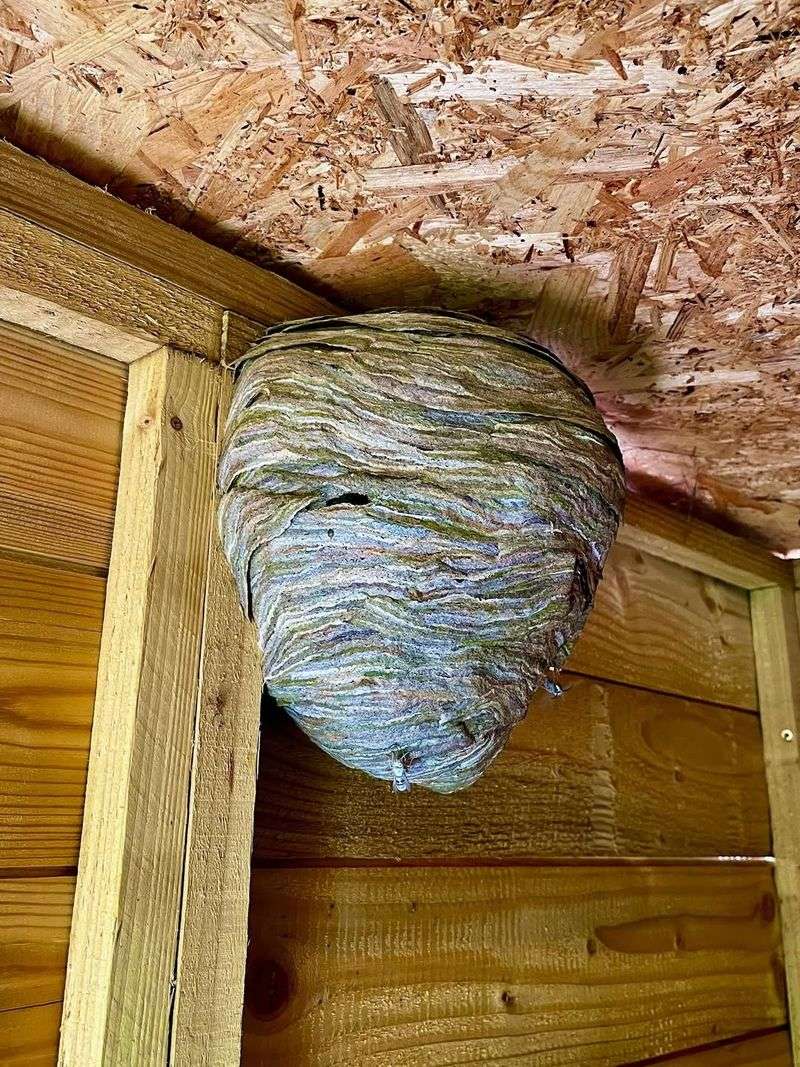
Roof overhangs might seem like a minor architectural detail, but wasps see them as premium real estate. The underside of an overhang stays dry, stays sheltered from wind, and often catches afternoon warmth.
That combination checks every box a nesting wasp looks for.
Paper wasps build their open-celled nests in these spots regularly. A queen starts small in early spring, sometimes with just a few cells.
By midsummer, that tiny start can grow into a nest several inches wide with dozens of active wasps.
Checking overhangs every few weeks starting in March gives you a real advantage. Catching a nest in its early stage, when it is the size of a golf ball or smaller, makes it far easier to address than waiting until it is fully established.
Paint and wood surfaces in good condition are slightly less attractive than rough, weathered wood. Wasps scrape plant fibers to build their nests, and they tend to favor areas where they can anchor easily.
Keeping painted surfaces in good repair may reduce attachment points over time.
Porch ceilings, carport overhangs, and covered patios carry the same risk as roof lines.
6. Cracks And Gaps Make Nesting Easier
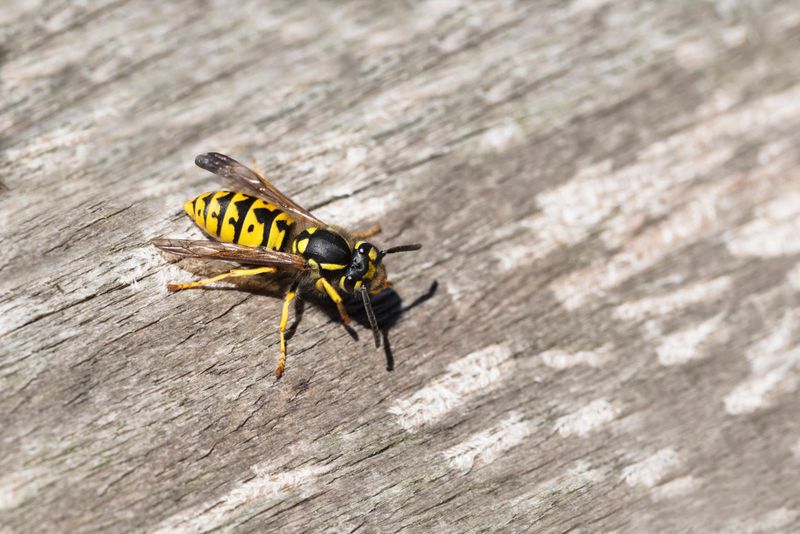
Yellow jackets are notorious for nesting inside wall voids, and they get in through cracks and gaps that most homeowners never notice.
A gap around a pipe, a crack in the mortar, or a loose piece of siding can serve as a doorway to a hidden nest inside the wall.
Unlike paper wasps that build exposed nests, yellow jackets prefer enclosed spaces. Wall voids, crawl spaces, and gaps under concrete slabs suit them well.
By the time homeowners realize there is a nest, it can already hold hundreds of workers.
Sealing exterior cracks in the fall, after wasp season winds down, is one of the most effective preventive steps. Caulk around windows, pipes, and utility entries.
Check the foundation for cracks and repair mortar joints that have started to crumble.
Vents without screens are another common entry point. Installing fine mesh screens over crawl space vents, dryer vents, and soffit openings blocks access to interior spaces where nests can grow out of sight for weeks before anyone notices.
Walking the outside of your home with a close eye each spring, before warm weather fully arrives in your area, helps catch problems early. Gaps that seemed minor in winter can become active nest entrances by May.
7. Unused Yard Items Stay Undisturbed
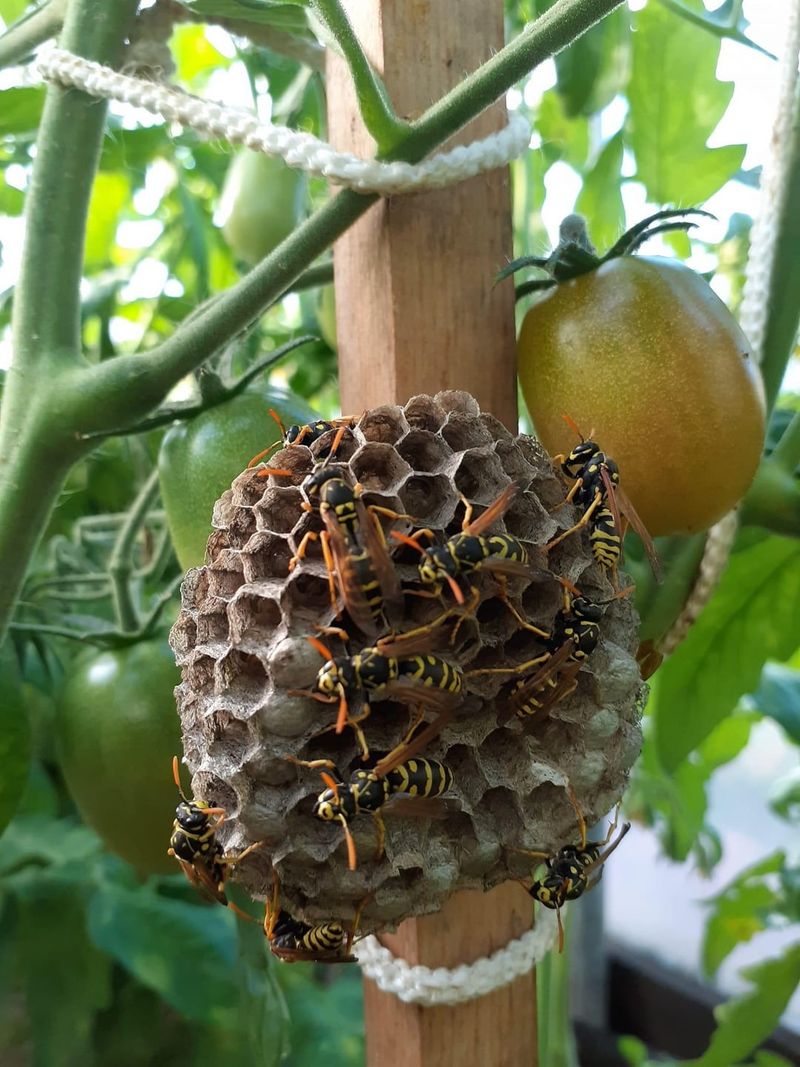
Old equipment sitting untouched for weeks is a wasp magnet. Wheelbarrows, stacked planters, overturned buckets, unused grills, and stored lawn furniture all create quiet, sheltered cavities that look perfect to a nesting queen in spring.
Wasps favor spots that stay undisturbed. An item that sits in the same place without being moved for several weeks signals safety to a scouting wasp.
She will check it, find it stable, and may begin building almost immediately.
Moving stored items regularly, even just shifting them a few inches, disrupts that sense of stability. Wasps are much less likely to commit to a spot that shows signs of regular activity.
Consistent movement matters more than the distance moved.
Covering stored equipment with tarps helps, but check under the tarps regularly. Tarps themselves can create warm, enclosed pockets that attract nesting.
Lifting and re-securing a tarp every couple of weeks keeps things from becoming a hidden nesting site.
Garages and sheds with open doors are also at risk. Stacked boxes, folded tarps, old pots, and rarely touched bins are all candidates for early nest starts.
A quick visual sweep of storage areas every two weeks from March through September catches most nests before they grow large enough to cause real concern.
8. Sweet Drinks Left Outside Draw Wasps
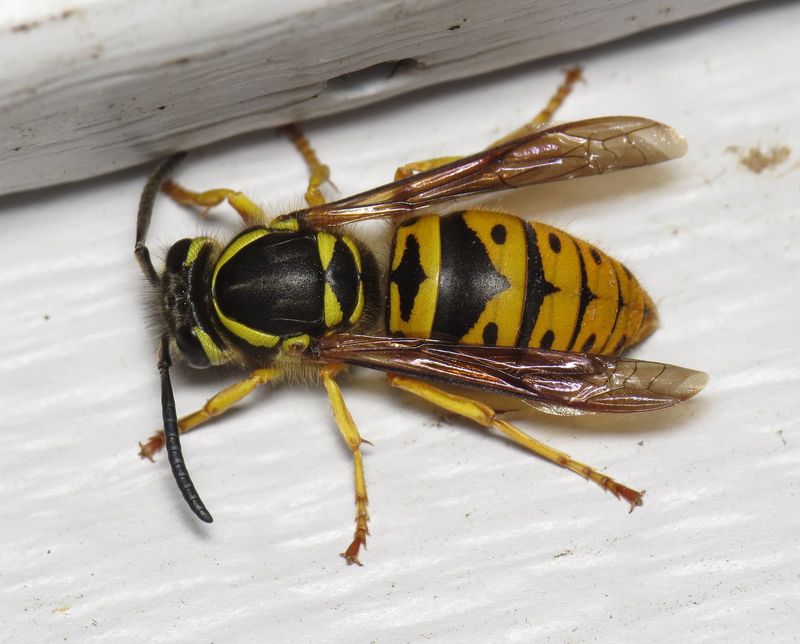
Leaving a soda can or juice glass outside for even a short time is enough to pull wasps in close. Sweet liquids are one of the strongest attractants, especially later in summer when wasp colonies are large and workers forage aggressively for sugar.
Open cans are particularly risky because wasps can crawl inside without being seen. Someone reaching for a drink can encounter a wasp inside the can before realizing it was there.
Keeping drinks covered when not actively sipping significantly reduces that risk.
Cups with lids and straws work well for outdoor gatherings. Pouring drinks into covered containers rather than leaving open pitchers on the table keeps the scent contained.
Even a small lid placed over a cup between sips makes a real difference.
Cleaning up spills right away is just as important. A sugary drip on a table or deck railing can attract wasps long after the drink is gone.
A quick wipe-down after outdoor meals removes residue before it has time to build up and signal wasps nearby.
Fruit punch, lemonade, sweet tea, and sports drinks are among the biggest attractants.
Georgia summers practically call for cold drinks outside, so being thoughtful about how drinks are handled outdoors is a practical habit worth building.