Why Lawn Disease Spreads Faster During Georgia’s August Humidity
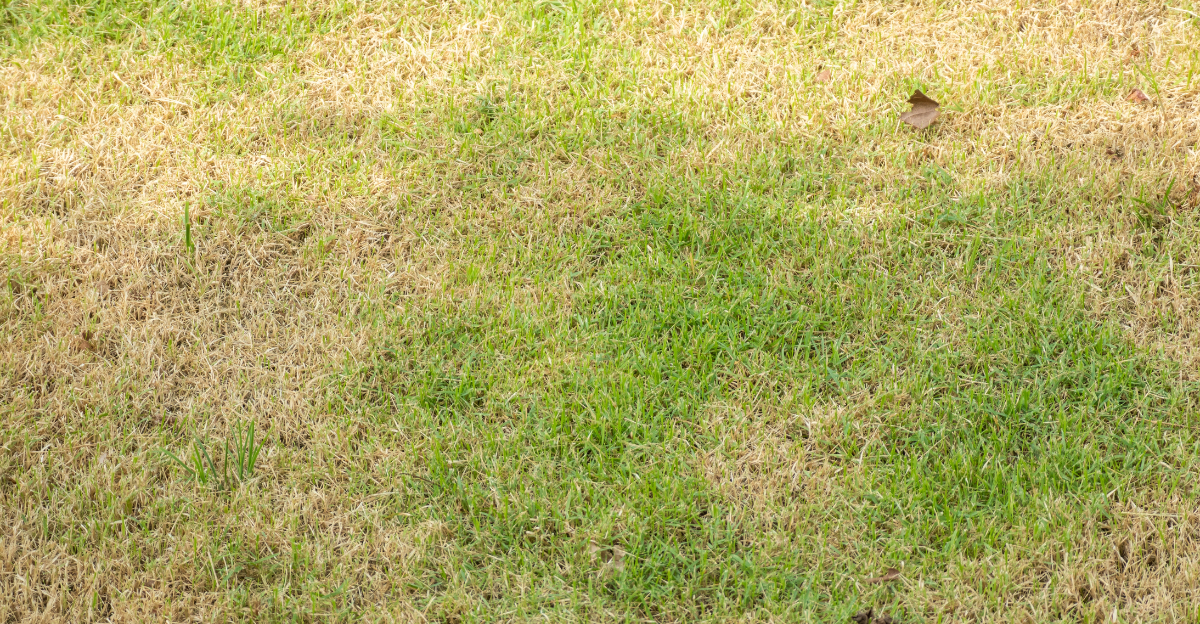
A healthy lawn can begin changing surprisingly fast during August. Georgia’s humid weather creates conditions that allow lawn diseases to spread much more easily.
Those changes often start before obvious damage appears. By the time large patches show up, the disease may already be well established.
Watching your lawn more closely this month can make a real difference. Small warning signs are much easier to deal with early.
Do not assume extra watering or fertilizer will solve the problem. The wrong response can make conditions even more favorable for disease.
Late summer is one of the most important times to pay attention. A little extra care now can protect your lawn for the weeks ahead.
Understanding why diseases spread so quickly during humid weather helps you make better decisions before small issues become much harder to manage.
1. Warm Nights Keep Lawn Diseases Active
Nighttime temperatures in August rarely drop low enough to slow fungal growth. Fungi thrive when overnight temps stay above 70 degrees Fahrenheit, and much of the Southeast sees exactly that through late summer.
Warm nights give pathogens extra hours to spread without any cooling relief.
Most turf diseases need a window of leaf wetness combined with warm air to germinate and move. When nights stay warm and humid, that window stretches from sunset to sunrise.
Grass never gets a break.
Bermuda and zoysia lawns are somewhat resilient, but even tough warm-season grasses struggle when nighttime conditions stay muggy for weeks at a stretch. Stress from heat compounds the problem.
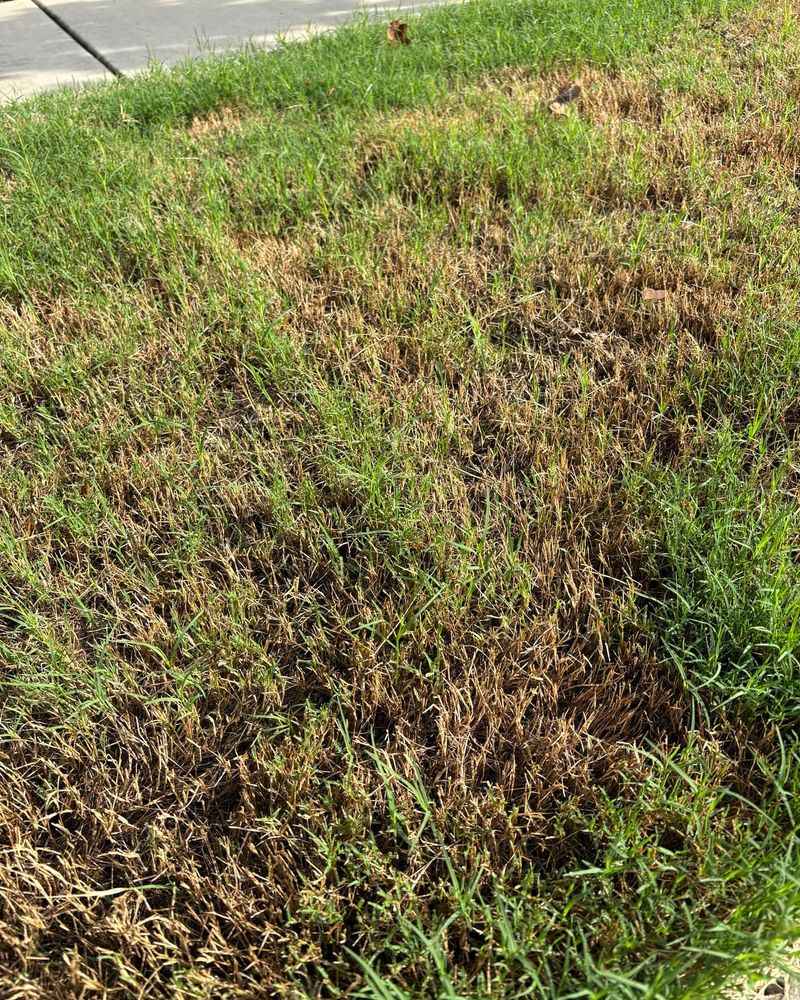
Checking your overnight low temperatures can actually help you predict disease risk. If nights stay consistently above 72 degrees with high humidity, conditions are favorable for common diseases like brown patch and dollar spot.
Awareness is half the battle.
Adjusting your watering schedule is one practical response. Avoid any irrigation that adds moisture to already-damp grass after sundown.
Keeping blades as dry as possible through the night limits how far pathogens can travel across your lawn.
2. Long Periods Of Wet Grass Help Fungi Spread
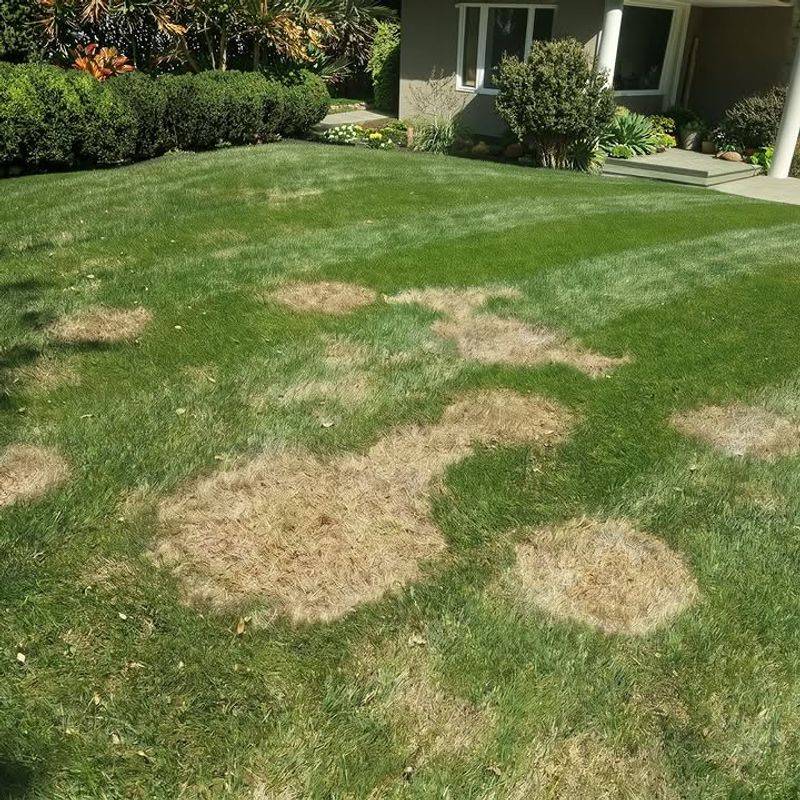
Wet grass is basically an open highway for fungal pathogens. When blades stay damp for six or more hours, spores have enough time to germinate, penetrate leaf tissue, and start colonizing.
August rain patterns in the South make this incredibly common.
Afternoon thunderstorms drop heavy moisture fast. Then the air stays humid, slowing evaporation overnight.
Grass stays wet far longer than it would in drier climates, giving fungi a serious advantage.
Leaf wetness duration matters more than most homeowners realize. Short, frequent rain events back to back can keep grass perpetually damp.
That extended moisture exposure is a major reason disease pressure spikes in late summer.
Improving drainage in low spots around your yard helps reduce how long water lingers. Thatch buildup also traps moisture near the soil surface, so dethatching in spring can pay off by August.
Small changes add up over time.
Watching for early warning signs saves your lawn from widespread damage.
Circular brown spots, grayish rings at patch edges, or a greasy texture on blades in the morning are all signs fungi may already be active.
Your Georgia Garden Changes Every Week. Your Plan Should Too.
Gardening in Georgia changes quickly throughout the season. Every Friday you’ll receive a simple weekly plan showing exactly what to plant, prune, fertilize, harvest, and protect so you never miss the right timing.
Catching it early gives you more options for treatment and recovery.
3. Water Early So Blades Dry Faster
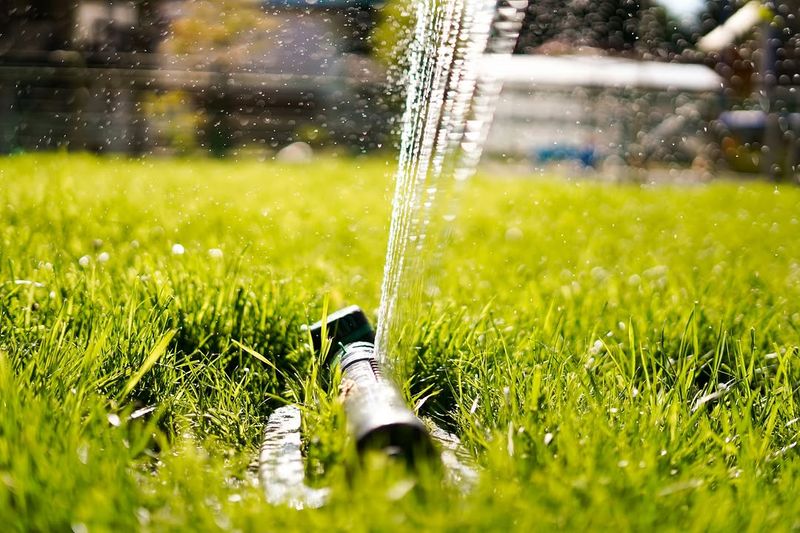
Watering at the wrong time of day quietly makes disease problems worse. Evening irrigation leaves grass wet all night, creating exactly the conditions fungi need to spread.
Shifting your schedule to early morning makes a noticeable difference.
Watering between 4 a.m. and 9 a.m. gives blades time to dry naturally as the sun rises and temperatures climb. By midday, leaf surfaces are dry, and the disease window closes.
It is a simple change with real results.
Avoid watering in the afternoon if possible. While afternoon sun might seem like it would dry things fast, late-day storms are common in Georgia, and adding irrigation on top of storm moisture just extends the wet period further into the evening.
Deep, infrequent watering is better than shallow, daily sessions. Watering deeply two or three times a week encourages roots to grow downward.
Shallow roots stay near the surface where soil dries out fast and stress increases disease vulnerability.
Soil type affects how quickly water moves through your lawn. Sandy soils drain fast, while clay-heavy soils hold water longer.
Knowing what you are working with helps you adjust irrigation timing and volume so blades dry efficiently without leaving roots thirsty.
4. Mow At The Right Height For Better Airflow
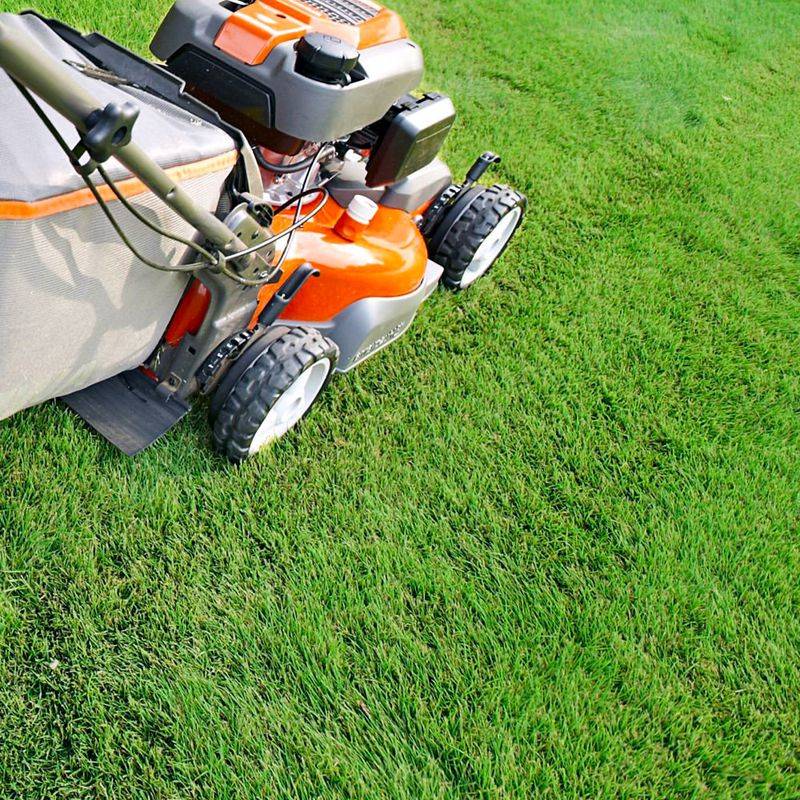
Cutting grass too short during August stress is one of the fastest ways to invite disease. Scalped turf loses its ability to handle heat and moisture fluctuations, and the dense, low canopy traps humidity right at the soil surface where fungi flourish.
Bermuda grass generally does well at one to two inches. Zoysia can handle a slightly taller cut.
Whichever grass type you have, staying within the recommended range helps maintain a canopy that allows air to move through without creating a moisture trap.
Mowing frequency matters too. Removing more than one-third of the blade at once stresses the plant and leaves fresh wounds that are more vulnerable to fungal entry.
Cutting regularly at the right height prevents the need for dramatic cuts.
Dull mower blades shred grass tips instead of cutting cleanly. Ragged edges dry out unevenly and create more entry points for pathogens.
Sharpening blades once or twice per season is a small task that supports healthier turf overall.
Good airflow across the lawn surface helps blades dry faster after rain or irrigation. Trimming back overhanging shrubs or low-hanging tree branches near turf areas can improve air circulation.
Combined with proper mowing height, these adjustments reduce the prolonged leaf wetness that feeds fungal growth.
5. Skip Extra Nitrogen During Active Disease
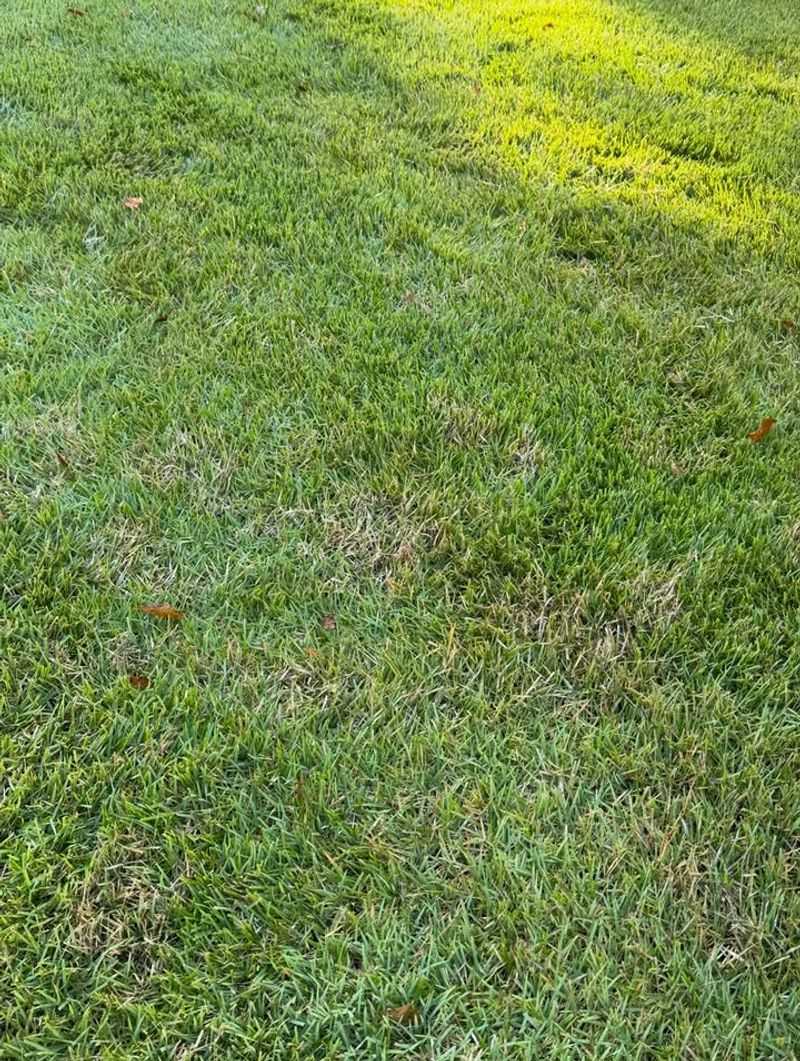
Fertilizing during a disease outbreak can backfire fast. Extra nitrogen pushes rapid, lush top growth, and that soft, fast-growing tissue is far more vulnerable to fungal infection than mature, steady-growing grass.
Timing fertilizer applications matters as much as the product itself.
Brown patch, one of the most common summer turf diseases in the region, is actually worsened by excess nitrogen. Feeding an already-infected lawn encourages the exact tissue that the fungus targets most aggressively.
Holding off on nitrogen during active outbreaks is a practical and widely recommended approach.
Potassium, on the other hand, supports cell wall strength and can improve the lawn’s ability to handle stress. Some turf managers shift to potassium-focused applications during high disease pressure periods instead of nitrogen-heavy blends.
Check product labels carefully before applying anything.
Soil testing before any fertilizer application gives you a clearer picture of what your lawn actually needs. Guessing can lead to over-application, which creates problems beyond disease.
Many county extension offices offer affordable soil testing services.
Resuming nitrogen feeding after disease pressure drops and weather cools is a reasonable approach. Early fall applications help turf recover and build density heading into cooler months.
Patience during the disease window protects the long-term health of your lawn without requiring expensive interventions.
6. Stay Off The Turf While It Is Wet
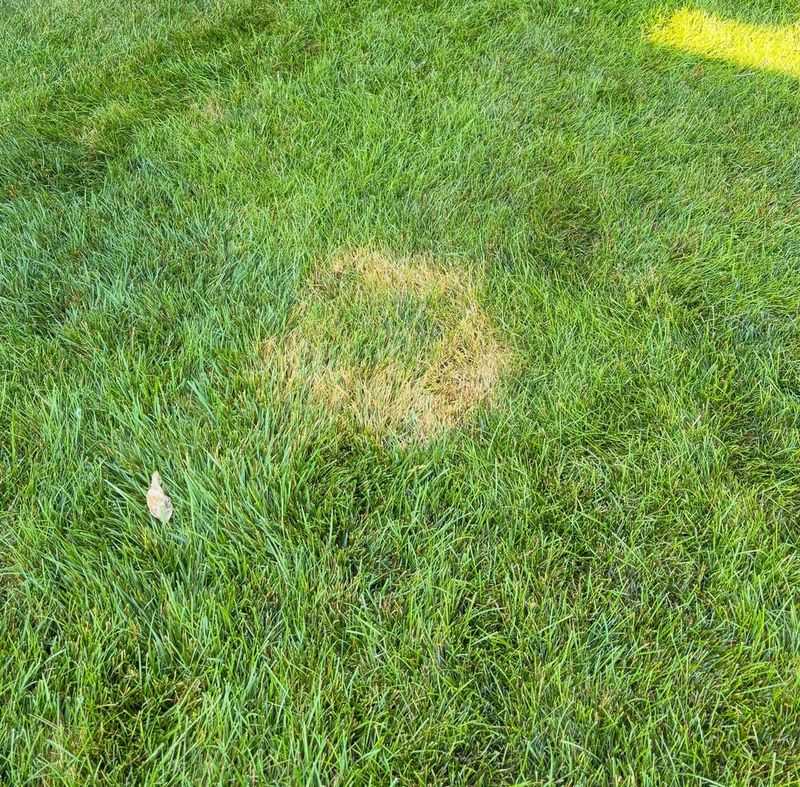
Foot traffic on wet grass does more damage than most people expect. Soggy turf compacts easily under pressure, and compacted soil holds water longer, which extends the very conditions that allow disease to spread.
Wet blades also snap and bruise more easily.
Fungal spores travel. Walking across an infected patch and then moving to a healthy section of your lawn can carry spores with you.
Shoes, mower wheels, and even pets moving through wet grass can redistribute pathogens across a wide area fairly quickly.
Staying off the lawn after rain or irrigation until the surface has dried is a straightforward habit that limits disease movement. It takes some patience, especially with kids or pets, but the payoff is worth it during high-risk months.
If you need to mow or treat during a wet period, try to move in one direction across the lawn rather than crisscrossing. Reducing the number of passes over wet turf limits both compaction and spore transfer between sections.
Clean equipment after each use as a precaution.
Compaction from repeated wet traffic also limits oxygen movement to roots. Aerating in the fall helps reverse compaction damage and improves drainage before the next humid season.
7. Apply The Right Fungicide Before Damage Spreads
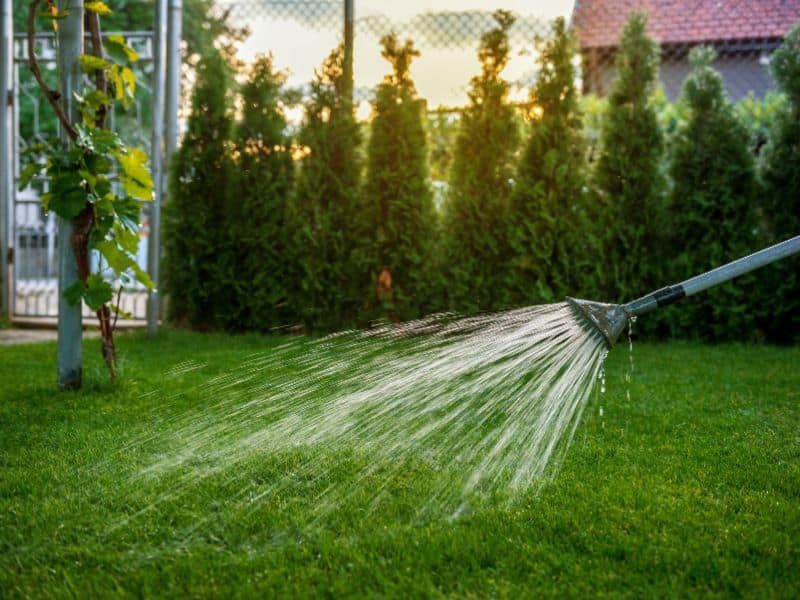
Fungicides work best as a preventive measure rather than a cure. Applying the right product before disease has spread widely gives the treatment a much better chance of limiting damage.
Once large sections of turf are heavily infected, recovery takes longer and requires more effort.
Not all fungicides target the same pathogens. Brown patch requires different active ingredients than dollar spot or gray leaf spot.
Reading the product label carefully and matching it to your specific disease is essential for effective control. Using the wrong product wastes money and time.
Contact fungicides sit on the leaf surface and protect against new infections. Systemic fungicides move into plant tissue and can address infections that have already begun.
Many turf managers use a combination approach during peak disease pressure in late summer.
Application timing also matters. Treating in the early morning or evening when temperatures are cooler reduces product evaporation and improves absorption.
Avoid applying before rain if possible, since heavy rainfall can wash product off before it has time to work.
Rotating between fungicide classes helps prevent resistance from building up over multiple seasons. Using the same product repeatedly can reduce its effectiveness over time.