The Shrub Wisconsin Once Planted On Purpose Is Now A Problem For Gardenerds
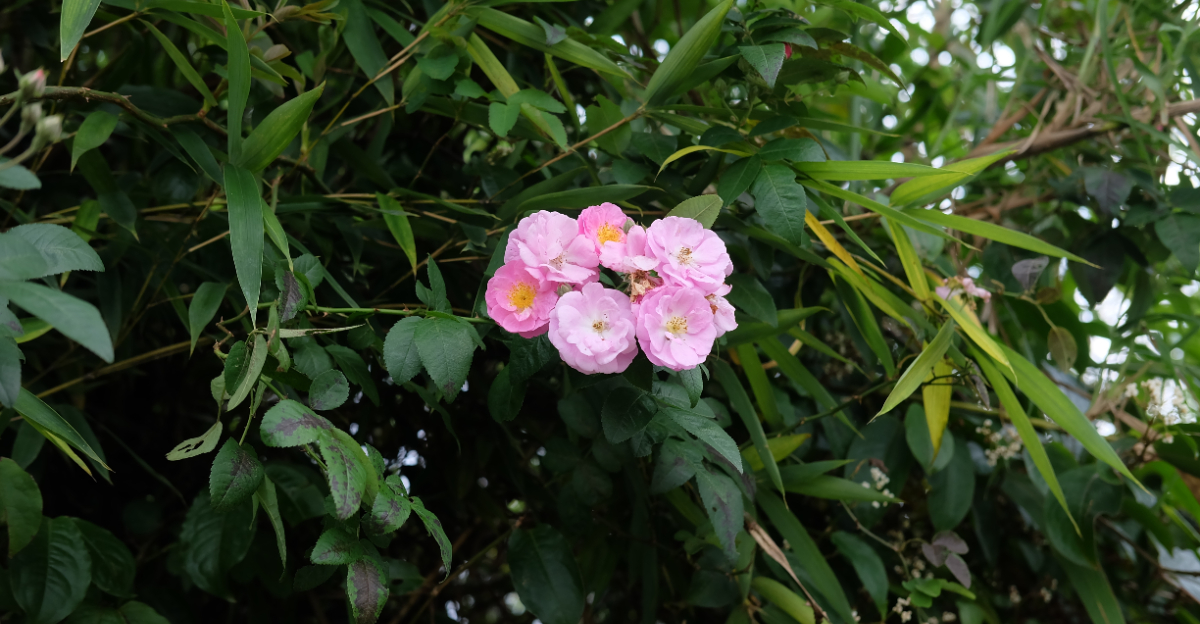
You might walk past it without noticing anything unusual. A shape is spreading slowly along your Wisconsin fence line. Farmers once planted this shrub as a natural barrier. Nobody predicted how far it would eventually travel.
Birds carry its seeds across unsuspecting Wisconsin fields. Roots settle deep while thorny canes arch overhead. Native wildflowers struggle badly once this newcomer takes hold.
Roadsides nearby are already leaning heavily under its weight. Every passing season makes removal slower and costlier. Thorned branches will eventually reach gardens you carefully tended.
Pastures grow thick and tangled within a single growing season. Acting now saves you time, money, and future effort. Waiting only lets this quiet spreader grow stronger.
Curiosity alone won’t be enough to stop it. Something silent is rewriting the borders you trust. Ignoring it now only feeds tomorrow’s larger challenge. Looking away today only guarantees a much harder tomorrow ahead of you.
A Fence-Line Fix That Became Wisconsin’s Invasive Problem
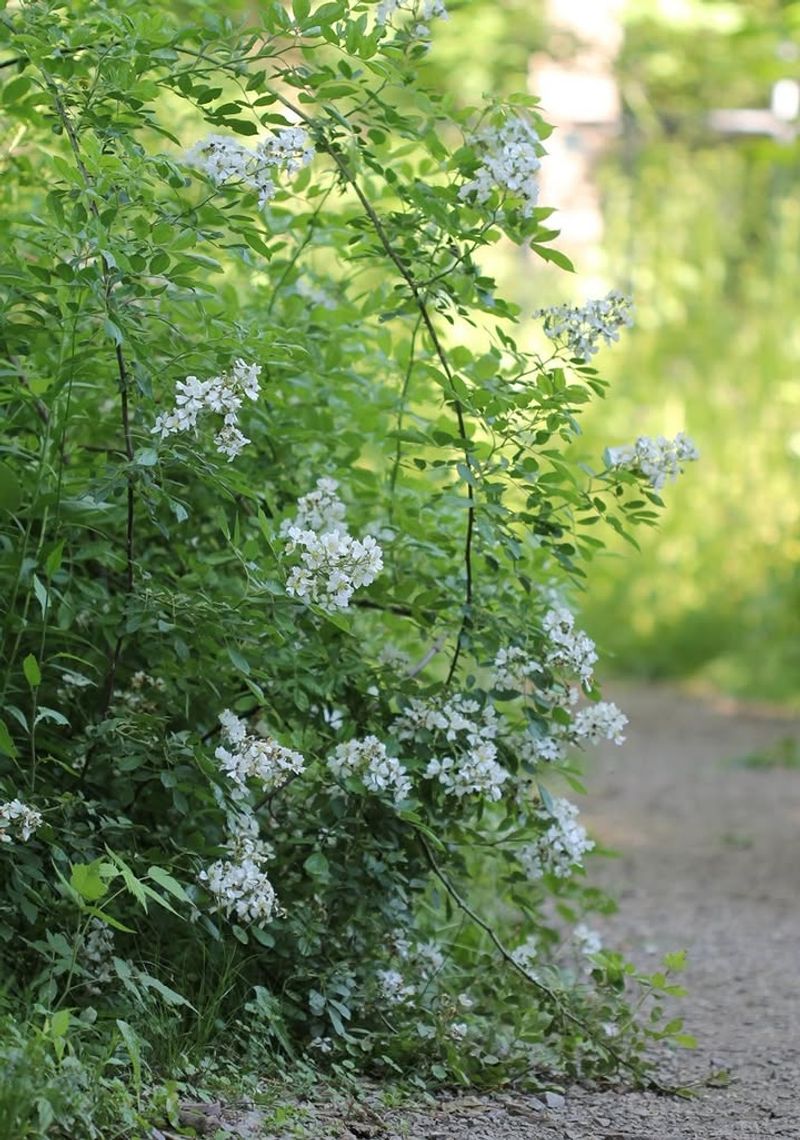
Back in the 1930s, someone had what seemed like a brilliant idea. Plant multiflora rose along fence lines, and you get a cheap, natural barrier that even cattle respect.
The USDA promoted it heavily through the 1960s. Conservation agencies distributed seedlings widely through local programs.
Farmers loved it at first. The plant grew fast, stayed thick, and required almost no maintenance to establish. Few anticipated what would happen once the plant spread beyond fence lines.
Birds ate the small red berries and flew off, dropping seeds across fields, forests, and neighborhoods. One mature shrub can produce hundreds of thousands of seeds per year, with some estimates reaching up to one million.
By the 1990s, several Midwest states had declared it a noxious weed. Wisconsin later listed multiflora rose as a restricted invasive species under its 2009 invasive species rule.
Today it blankets roadsides, forest edges, and yes, suburban yards across the state. The invasive shrub Wisconsin homeowners now manage was literally invited in by well-meaning agricultural policy.
Understanding that history matters. It explains why the plant is so widespread and why casual removal efforts rarely work.
You are not dealing with a random weed. You are dealing with a plant that was engineered to thrive here, and it has had decades to prove it.
How Multiflora Rose Spreads And Takes Over
Speed is this plant’s greatest weapon. Multiflora rose does not spread slowly or politely. Each shrub arches outward aggressively, with canes reaching up to fifteen feet long. Those canes touch the ground, root at the tip, and start a brand new plant.
That process is called layering, and it happens without any help from birds or wind. One shrub becomes a thicket before you even notice what is happening.
Birds are the other major culprit. Cedar waxwings, robins, and starlings feast on the small red rose hips all winter long.
Seeds pass through their digestive systems completely intact. Every bird that perches in your yard after visiting a rose thicket is potentially planting seeds.
Seeds can also remain viable in the soil for up to twenty years. That means even after you remove a plant, dormant seeds can sprout years later.
Your Wisconsin Garden Changes Every Week. Your Plan Should Too.
Gardening in Wisconsin changes quickly throughout the season. Every Friday you’ll receive a simple weekly plan showing exactly what to plant, prune, fertilize, harvest, and protect so you never miss the right timing.
The invasive shrub Wisconsin landowners fight is essentially a seed bank that never fully empties. Wet years encourage massive germination events that feel like the plant came back overnight.
Multiflora rose also tolerates shade, drought, and poor soils better than most native shrubs. It outcompetes plants that have evolved here over thousands of years.
Once it moves into a space, native shrubs like hawthorn and wild plum struggle to hold their ground. Native plants are consistently outcompeted as a result.
Knowing how it spreads helps you interrupt those pathways before the next generation takes root.
Spotting This Shrub Before It Takes Over Your Yard
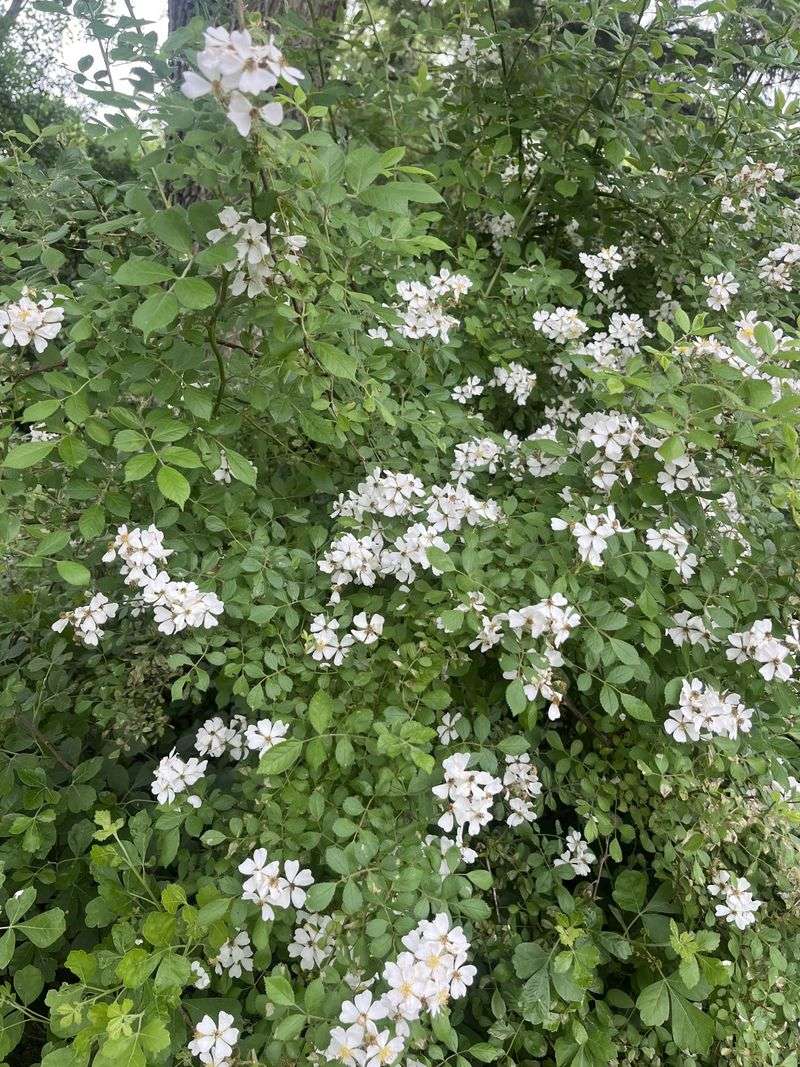
Catching it early is everything. Young multiflora rose plants are far easier to remove than established thickets with large, deeply established root systems.
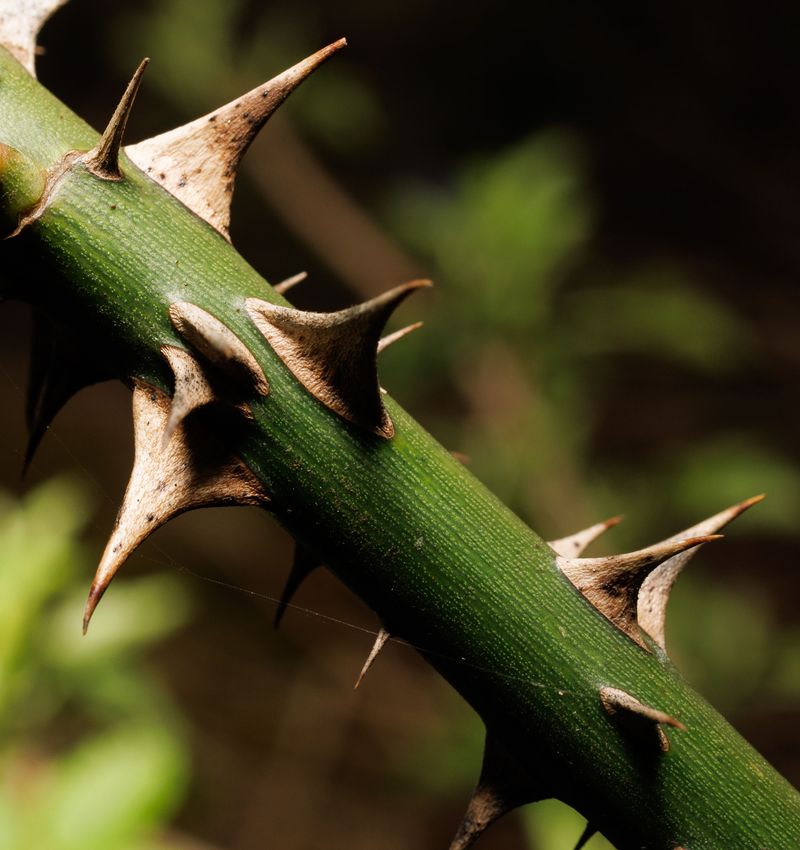
Look for arching canes covered in small, curved thorns. The thorns curve backward like fish hooks, which is why walking through a thicket tears clothing and skin.
Leaves are alternate and pinnately compound, meaning several small leaflets line up along a central stem. Each leaf usually has seven to nine oval leaflets with finely toothed edges.
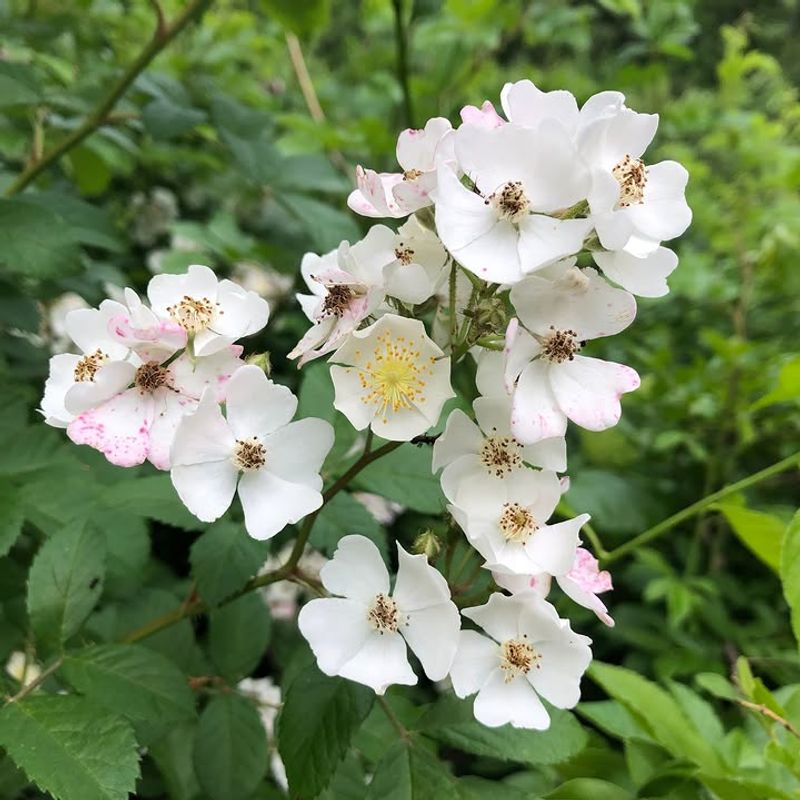
The most reliable ID feature is the fringed stipule. At the base of each leaf stem, you will find a small feathery fringe that looks almost lacy.
No native rose in the region has that fringed stipule. If you see it, you have found your target.
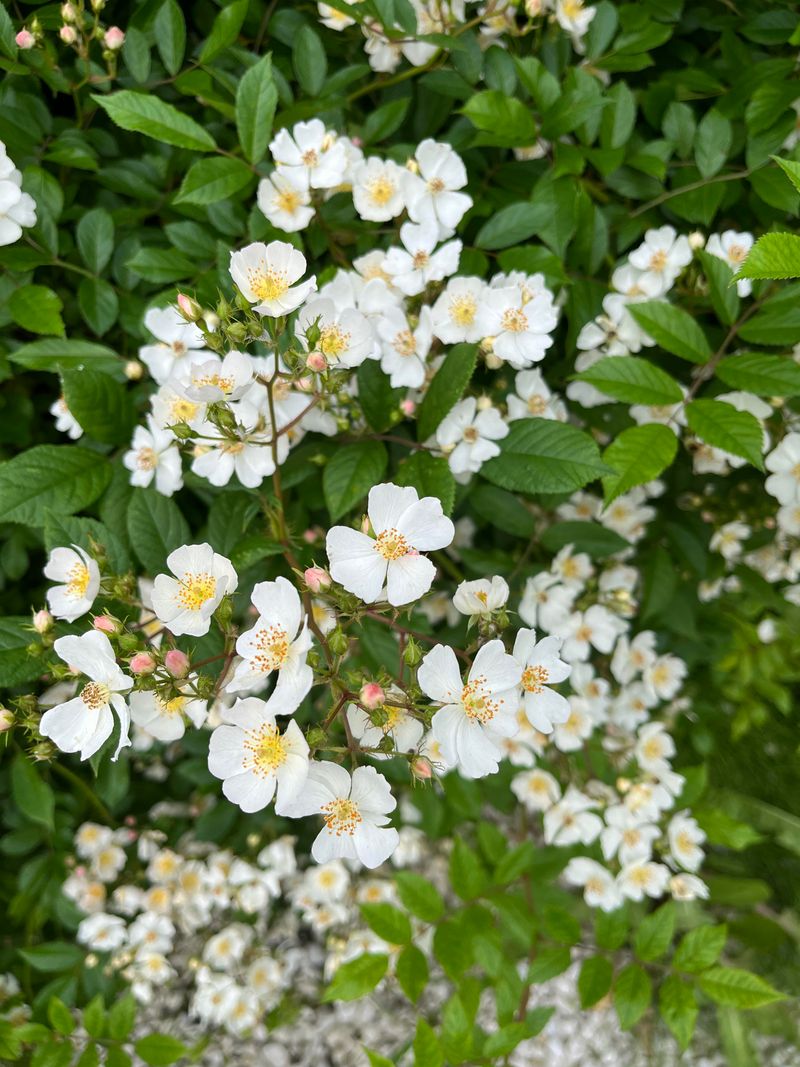
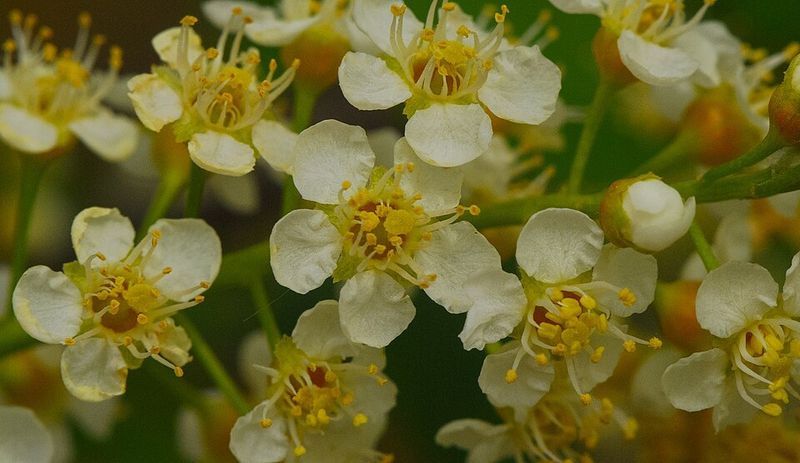
Flowers appear in late May and June, forming large clusters of small white to pale pink blooms. The fragrance is sweet and actually pleasant, which is part of the plant’s deceptive charm.
By fall, clusters of tiny red rose hips replace the flowers. Those hips persist through winter, making the plant easy to spot when other shrubs are bare.
Young seedlings look like small, multi-leaflet plants low to the ground. They are easy to pull by hand when the soil is moist.
The invasive shrub Wisconsin gardeners most often misidentify is multiflora rose mistaken for native roses. Check for that fringed stipule every time, and you will never confuse the two again.
The Ecological Damage Behind The Thorns
Pretty flowers do not equal a healthy plant community. Multiflora rose looks charming in bloom, but underneath that display is a plant actively dismantling local ecosystems.
Native shrubs like gray dogwood, elderberry, and hazelnut need open ground and sunlight to establish. Multiflora rose shades them out and takes their space before they get a chance.
Wildflowers disappear next. Species like trillium, wild columbine, and native violets cannot compete with the dense root mat and shade created by a rose thicket.
That loss of native plants triggers a chain reaction. Specialist pollinators that depend on specific native flowers lose their food sources.
Ground-nesting birds lose the open, brushy habitat they need for safe nesting. Dense rose thickets look like cover, but they offer reduced habitat value for many native species.
White-tailed deer avoid eating multiflora rose, which gives it a competitive advantage over native plants that deer do browse. Deer pressure actually accelerates the shrub’s spread in some areas.
Pasture land becomes unproductive when rose thickets take hold. Farmers in southern Wisconsin have lost significant acreage to this plant over the past few decades.
The invasive shrub Wisconsin ecosystems struggle against is not just a yard problem. It affects forests, wetland edges, prairies, and agricultural land across the entire region.
Removing it from your property is a small act with a larger ripple effect. Every plant you take out reduces the seed pressure on neighboring natural areas.
Removing Multiflora Rose Step By Step
Gear up before you start. Multiflora rose thorns go right through garden gloves, so wear leather gloves and long sleeves made from thick material.
Small plants under one foot tall can be pulled by hand when soil is wet after rain. Grip at the base and pull slowly to get the full root system.
Larger plants need a different approach. Cut the canes back to about two inches above the ground using loppers or a pruning saw.
Then dig out the crown and root system with a mattock or grubbing hoe. Leaving even a small piece of root behind allows the plant to resprout.
Expect regrowth. Multiflora rose almost always sends up new shoots after cutting, sometimes within weeks.
Plan to revisit the site every few weeks throughout the growing season. Repeated cutting exhausts the root system over one to two years.
For large established thickets, a combination of cutting and targeted herbicide application is the most effective strategy. Glyphosate or triclopyr applied directly to freshly cut stumps works well in late summer.
Always follow label directions carefully and consider hiring a licensed applicator for large areas. Foliar spraying should be a last resort to protect nearby native plants.
The invasive shrub Wisconsin landowners remove most successfully are plants caught before they exceed ten feet in diameter. Smaller infestations respond well to physical removal alone.
Persistence matters more than any single method. Consistent effort leads to successful long-term control.
Keeping It From Coming Back
Removal is only half the process. The real victory comes from what you plant after the rose is gone.
Bare ground is an open invitation for multiflora rose seeds already in the soil to germinate. Cover cleared areas quickly with mulch or native groundcovers to suppress new seedlings.
Native shrubs are your best long-term defense. Species like buttonbush, native hawthorn, and wild bergamot establish quickly and crowd out rose seedlings naturally.
Plant them densely in cleared areas. A thick native planting leaves no room for invasive seedlings to find light or soil space.
Monitor cleared areas every spring and fall for the first three years. Young rose seedlings are easy to pull when small, and catching them early prevents the cycle from restarting.
Ask neighbors about their rose situation too. Seeds blowing in from adjacent properties are a constant reinfestation risk.
Community-level removal efforts are significantly more effective than solo projects. Neighborhood groups working together have cleared entire corridors that individual homeowners could not manage alone.
Local conservation groups and county land departments sometimes offer assistance programs for large infestations. Reach out to your county UW Extension office for guidance specific to your area.
Keeping multiflora rose from returning requires ongoing attention, not a one-time effort. Think of it less like a project and more like a seasonal habit.
The yard you protect is also the habitat you restore. That is worth every hour of effort you put in.