The Summer Pruning Window Oregon Gardeners Use To Prevent Overgrown Trees
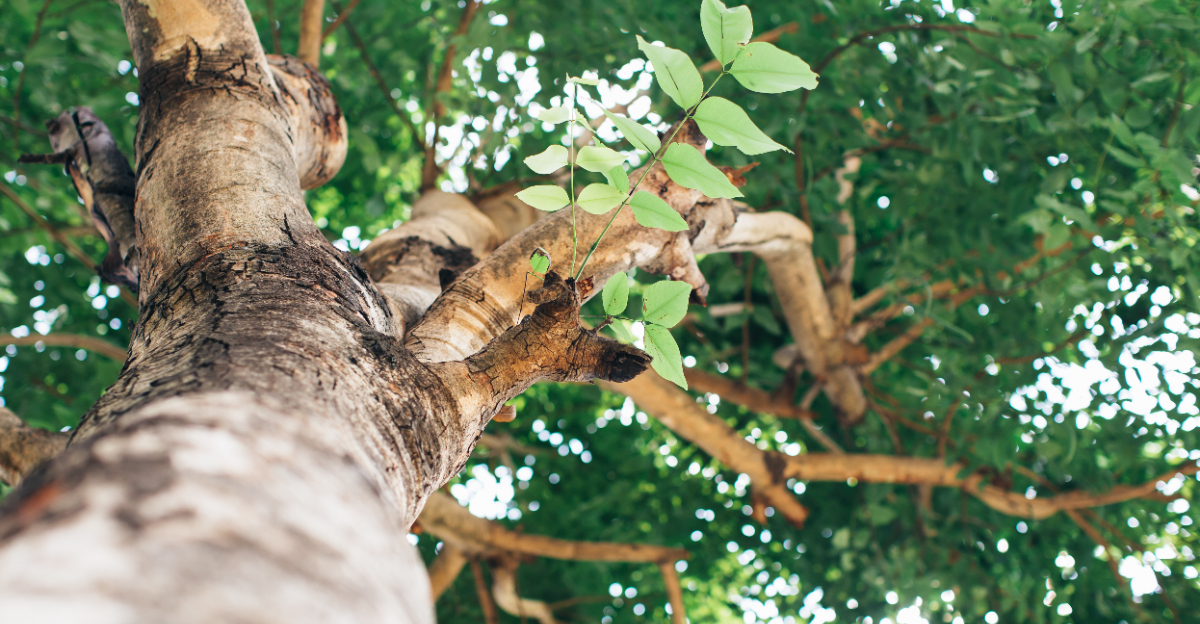
By midsummer in Oregon, a tree that seemed manageable in spring can start crowding windows, swallowing pathways, and throwing deeper shade than expected.
Waiting until winter is not always the smartest move when the goal is to keep growth in check.
There is a brief seasonal window when selective pruning can calm vigorous branches without encouraging the explosive rebound that often follows dormant-season cuts.
Used carefully, this timing can improve shape, reduce clutter, and help sunlight reach the parts of the canopy that need it most.
The catch is that summer pruning rewards restraint. Removing too much during hot, dry weather can stress the tree, while cutting too late may leave fresh growth vulnerable as temperatures drop.
Successful pruning depends on knowing which branches to shorten, which ones to leave alone, and how local conditions affect recovery. Done well, a small summer adjustment can prevent a much larger pruning job later.
1. Catching Fast Growth Before It Gets Out Of Hand
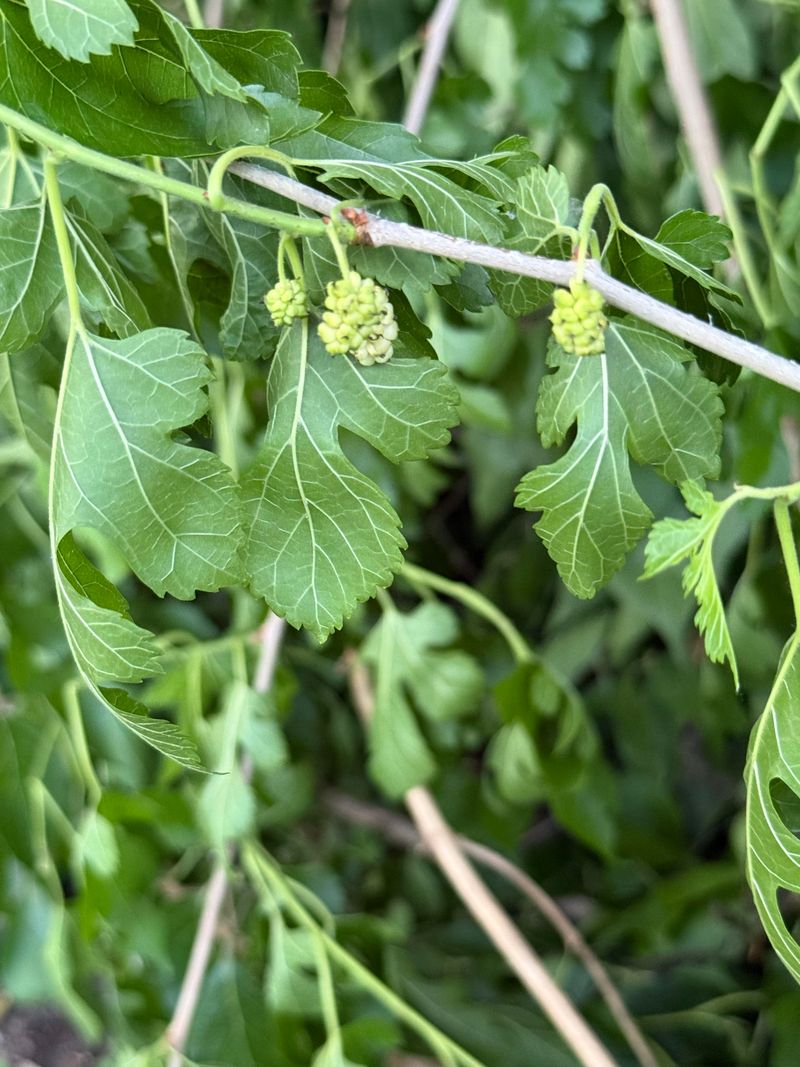
Fast growth can sneak up on you. One week your tree looks fine, and the next week there are long green shoots reaching out in every direction.
Summer is when trees push the hardest, especially after a wet spring like the ones common in this region.
The trick is to check your trees every couple of weeks starting in late June. Walk around the base and look up.
If you see shoots that are growing straight up or shooting out past the natural edge of the canopy, those are your first targets. Catching them early makes the whole job easier.
Young, new growth is still soft and flexible in early summer. That means it takes less effort to remove and causes less stress to the tree overall.
Waiting until August or September means those same shoots have hardened off and grown much longer, making the cut more difficult and leaving a bigger wound.
A good habit is to keep a pair of hand pruners in your garden bag all summer. When you spot a shoot that is clearly growing too fast or heading in the wrong direction, snip it right away.
You do not need to do a full pruning session every time. Small, frequent trims add up and keep the tree looking tidy without a big effort.
Staying consistent is the real secret to avoiding an overgrown mess by the end of the season.
2. Snipping Water Sprouts While They Are Still Soft
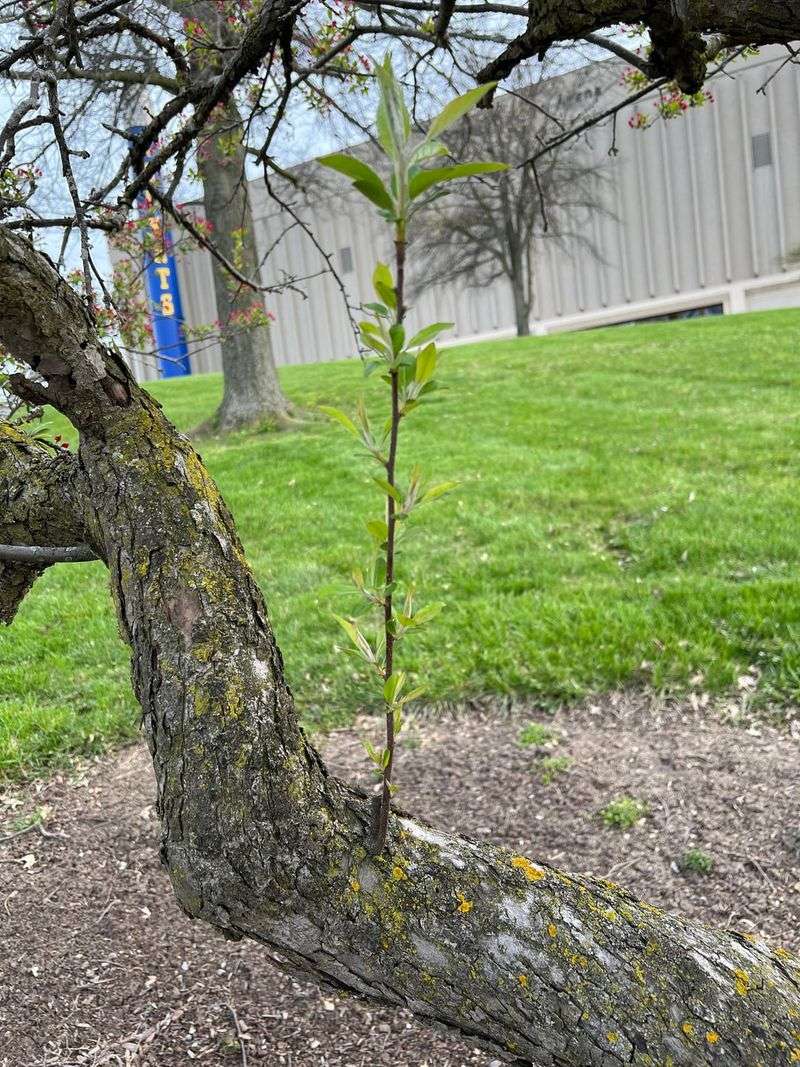
Water sprouts are those fast, thin, vertical shoots that pop up along main branches or from the base of a tree.
They grow like weeds and pull energy away from the parts of the tree that actually produce fruit or a healthy canopy.
Getting rid of them early is one of the best things you can do in summer.
In early to mid-summer, water sprouts are still soft and green. You can often remove them by hand with a simple snap, or use a pair of bypass pruners for a clean cut.
The earlier you catch them, the less energy the tree has wasted on growth that you are just going to remove anyway.
Your Oregon Garden Changes Every Week. Your Plan Should Too.
Gardening in Oregon changes quickly throughout the season. Every Friday you’ll receive a simple weekly plan showing exactly what to plant, prune, fertilize, harvest, and protect so you never miss the right timing.
Left alone, water sprouts harden and turn into woody stems by late summer. At that point, removing them is more like a real pruning job and leaves a larger wound on the branch.
Soft removal in early summer is much cleaner and heals faster.
Look for water sprouts along the tops of horizontal branches, around old pruning cuts, and near the base of the trunk. Trees that were heavily pruned the previous winter tend to push out a lot of water sprouts the following summer.
That is just the tree trying to replace what it lost. Staying on top of them through June and July keeps the tree balanced and prevents a cluttered, unruly look that is hard to fix later in the season.
3. Shortening Long Branches Without Butchering The Tree
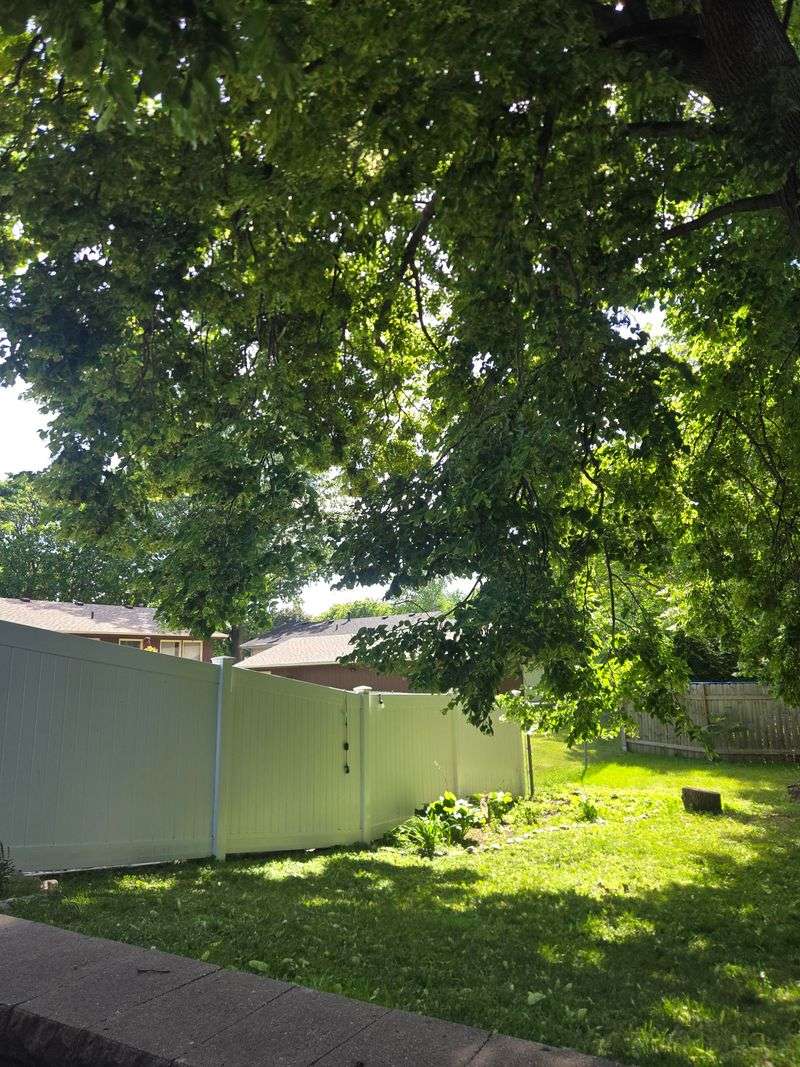
Long branches are one of the most common problems in yards with mature trees. They droop over fences, shade out garden beds, and make the tree look unbalanced.
Summer is actually a great time to shorten them, as long as you do it the right way.
The rule most experienced gardeners follow is the one-third rule. Never remove more than one-third of a branch’s length in a single cut.
Taking off too much at once stresses the tree and can trigger a wave of new water sprouts as the tree tries to compensate. Slow and steady wins here.
Always cut back to a lateral branch that is at least one-third the diameter of the branch you are shortening. This gives the tree a natural-looking end point and keeps the cut from looking like a flat stub.
Stubs invite rot and insects, so a proper lateral cut is important for the long-term health of the tree.
Use sharp, clean tools for every cut. Dull blades tear the wood instead of slicing cleanly, which slows healing and leaves jagged edges that look messy.
Bypass pruners work well for smaller branches, while loppers handle medium-sized ones. For anything thicker than two inches, a pruning saw gives you the cleanest result.
Taking your time with each cut means you end up with a tree that looks intentional and well-cared-for rather than chopped up.
4. Opening Up Crowded Spots Before Fall Arrives
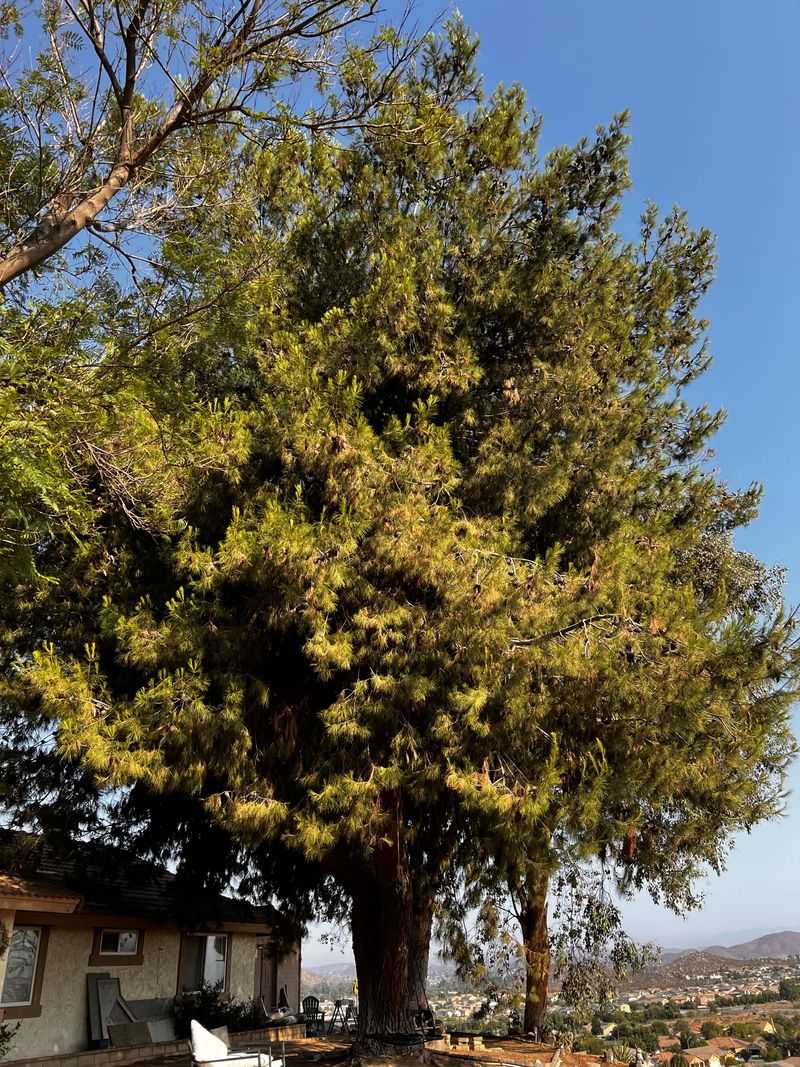
A crowded canopy is more than just an eyesore. When branches are packed too tightly together, air cannot move through the tree freely.
That trapped moisture creates the perfect conditions for fungal problems, especially in a climate known for cool, damp falls.
Late July and early August are the ideal time to thin out crowded spots before the Oregon wet season rolls back in.
Look for branches that are crossing each other, rubbing together, or growing toward the center of the tree instead of outward. Those are the ones to remove first.
Thinning is different from heading cuts. Instead of shortening branches, you remove entire branches at their point of origin.
This opens up the canopy without changing the overall shape of the tree. The goal is to let light and air reach the inner parts of the tree so it stays healthier through fall and winter.
A good visual test is to look up through the canopy from below. If you can barely see the sky through the branches, the tree is too dense and needs thinning.
After a proper thinning session, you should be able to see patches of open sky scattered throughout the canopy. Removing the right branches makes a huge difference in how the tree handles wet weather.
It also reduces the weight load on main branches, which lowers the risk of breakage during fall windstorms that are common in this part of the country.
5. Keeping Backyard Trees From Outgrowing Their Space
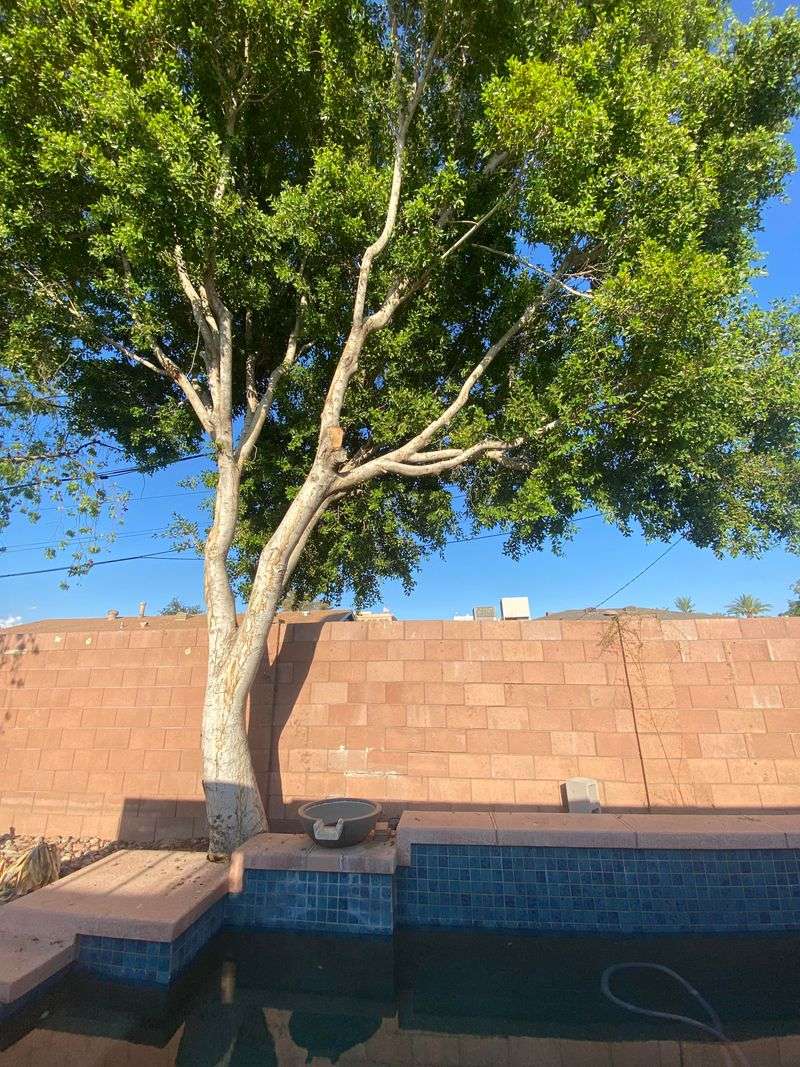
Some trees just grow faster than expected. A tree that looked perfectly sized when you planted it five years ago might now be pressing against power lines, shading the neighbor’s yard, or crowding out your patio.
Summer pruning is one of the most effective tools for keeping size in check.
The approach here is about managing the outer edges of the tree’s canopy. Instead of waiting until the tree has completely outgrown its space, trim back the outermost branches each summer to maintain a consistent size.
Think of it like giving the tree a regular haircut rather than a dramatic overhaul.
Focus on branches that are reaching toward structures, fences, or other trees. Removing those specific branches keeps the tree within its allotted space without disrupting its overall health.
It also means you are never making huge cuts that take years for the tree to recover from. Consistency is the key with size management.
A tree that gets a light trim every summer stays much more manageable than one that gets ignored for years and then needs a major reduction.
Major reductions stress the tree and often result in a flush of aggressive regrowth that brings you right back to the same problem. Small, regular summer cuts teach the tree to stay within its boundaries.
Over time, this approach actually reduces how much pruning you need to do each year, which is a win for both you and the tree.
6. Why Summer Cuts Slow Things Down Better
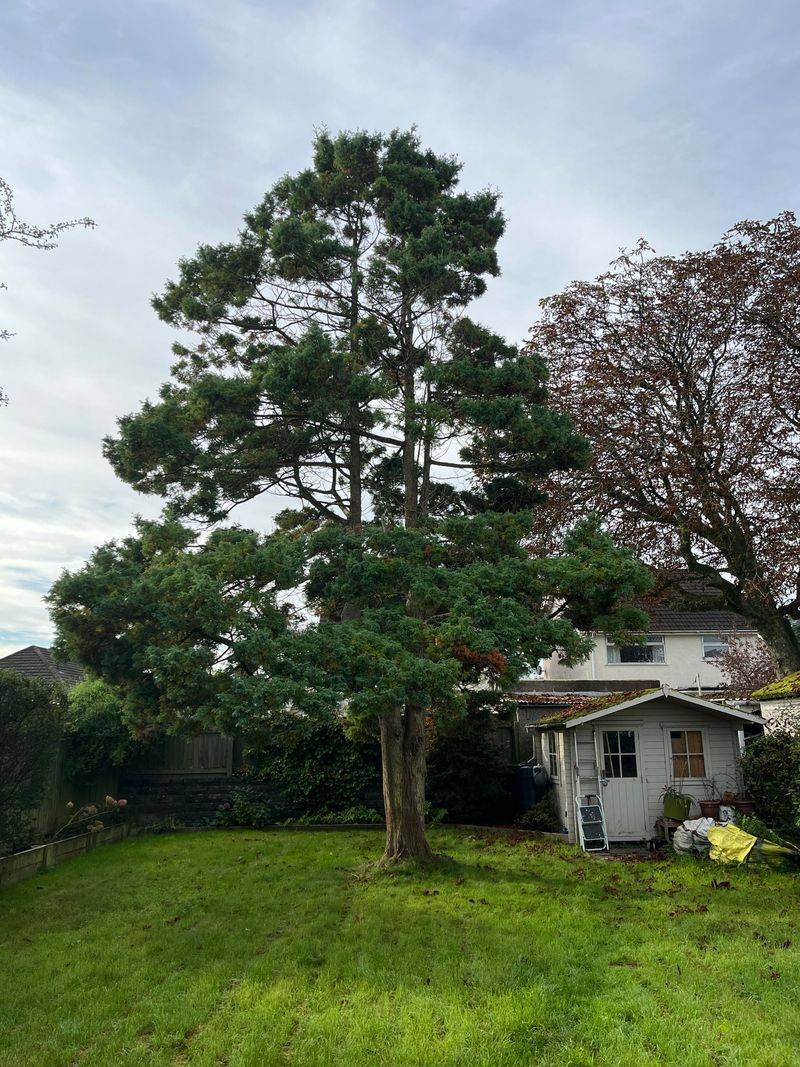
Here is something most gardeners do not know right away. Pruning in summer actually slows down how aggressively a tree regrows.
That sounds backward, but the science behind it is pretty straightforward once you understand how trees move energy.
During summer, a tree’s leaves are busy making food through photosynthesis. When you remove branches in summer, you are removing some of that food-making capacity.
The tree has less stored energy to throw into new growth right away. That means regrowth after a summer cut is slower and less vigorous than regrowth after a winter cut.
Winter pruning has the opposite effect. The tree has stored all of its energy in the roots and trunk through fall.
When you prune in winter and spring arrives, the tree pushes all of that stored energy into new growth. That is why winter-pruned trees often grow back very aggressively in spring, which can undo a lot of your work.
For trees that you are trying to keep smaller or more compact, summer pruning is a smarter choice.
The reduced regrowth means you maintain the shape longer without needing to prune again right away.
Experienced gardeners in Oregon use this principle specifically on fruit trees and ornamental trees where size control matters most.
Combining a light summer trim with a more structural winter pruning session gives you the best of both worlds and keeps your trees in great shape year-round.
7. Trimming Just Enough To Tame The Canopy
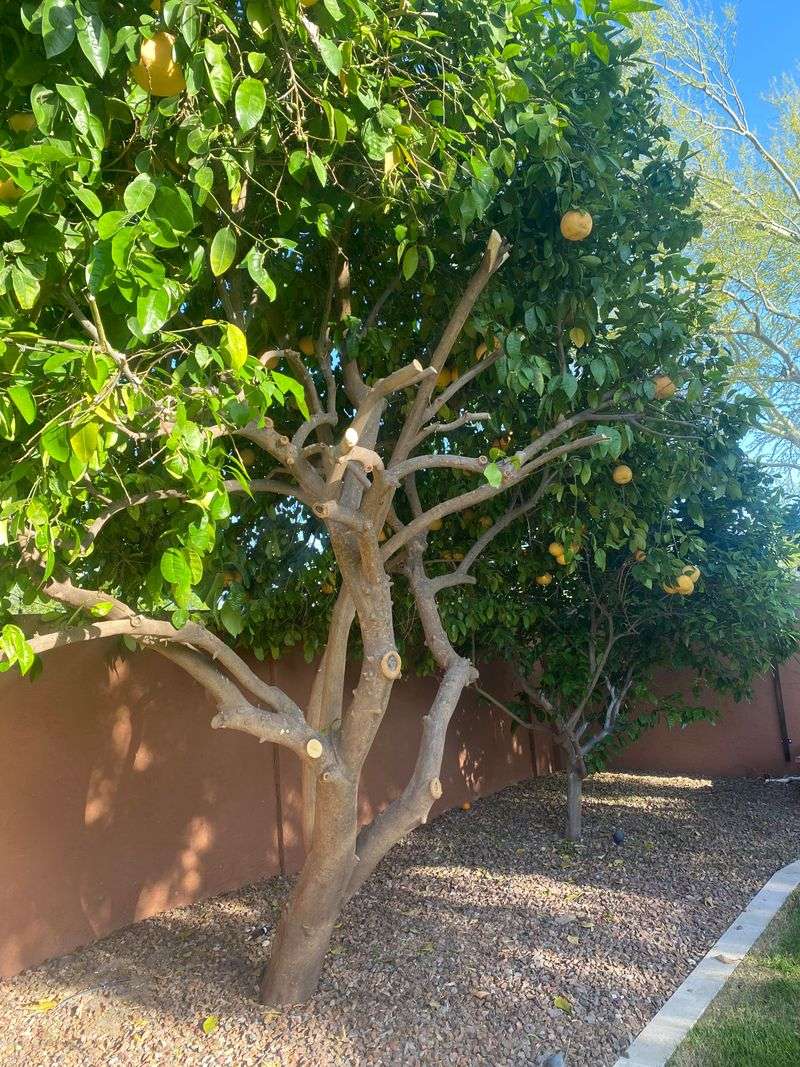
There is a real temptation to go overboard when you finally get up in a tree with a pair of loppers. The canopy looks messy, and it feels satisfying to cut.
But over-pruning in summer is one of the most common mistakes Oregon gardeners make, and it causes real problems.
Removing too many leaves at once reduces the tree’s ability to feed itself. Leaves are the tree’s solar panels.
Take away too many, and the tree struggles to produce enough energy to stay healthy through the rest of the growing season. A general guideline is to never remove more than 20 to 25 percent of the canopy in a single summer session.
Focus your cuts on branches that are clearly out of place. Look for ones that are crossing, rubbing, or sticking out well past the natural canopy line.
Remove those first. Then step back and look at the tree again before making any more cuts. This pause-and-look method helps you avoid taking off more than you intended.
A well-tamed canopy still looks full and green after pruning. If the tree looks noticeably bare or thin after you are done, you likely took off too much.
The goal is a canopy that looks naturally shaped, with good light reaching the inner branches, not a tree that looks like it has been stripped down.
Less is almost always more when it comes to summer canopy trimming, and your tree will thank you for the restraint.
8. Leaving Big Structural Cuts For Dormant Season
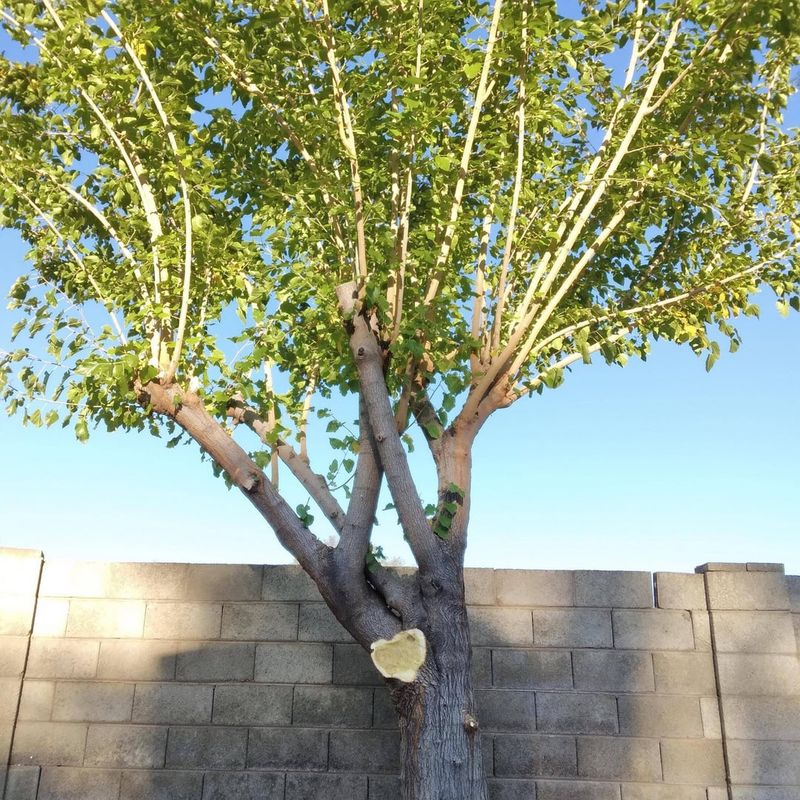
Not every pruning job belongs in summer. Big structural cuts, like removing large limbs or reshaping the main scaffold of a tree, are best saved for the dormant season.
Knowing the difference between a summer job and a winter job is what separates a smart gardener from one who ends up with a stressed tree.
Large cuts made in summer expose a big wound right when heat and insects are at their peak.
Some trees, especially fruit trees like cherries and plums, are very vulnerable to certain diseases and insects that enter through fresh cuts in warm weather.
Waiting until the tree is dormant reduces that risk significantly.
Dormant pruning, typically done between late fall and early spring before bud break, allows the tree to compartmentalize large wounds before the growing season starts. The tree basically seals off the cut area and builds a barrier against rot and disease.
That healing process works much better in cool, quiet conditions than it does in the heat of summer.
Use summer to handle the lighter work. Thinning, water sprout removal, size management, and canopy tidying are all fair game.
Save the big decisions for winter, when you can see the tree’s structure clearly without leaves in the way.
That clear view makes it much easier to spot which major branches to remove and which ones to keep.
Planning those big cuts in winter and doing the light work in summer is the most balanced and effective approach for long-term tree care.