This Is The Amish Watering Trick Pennsylvania Gardeners Swear By In A Dry August
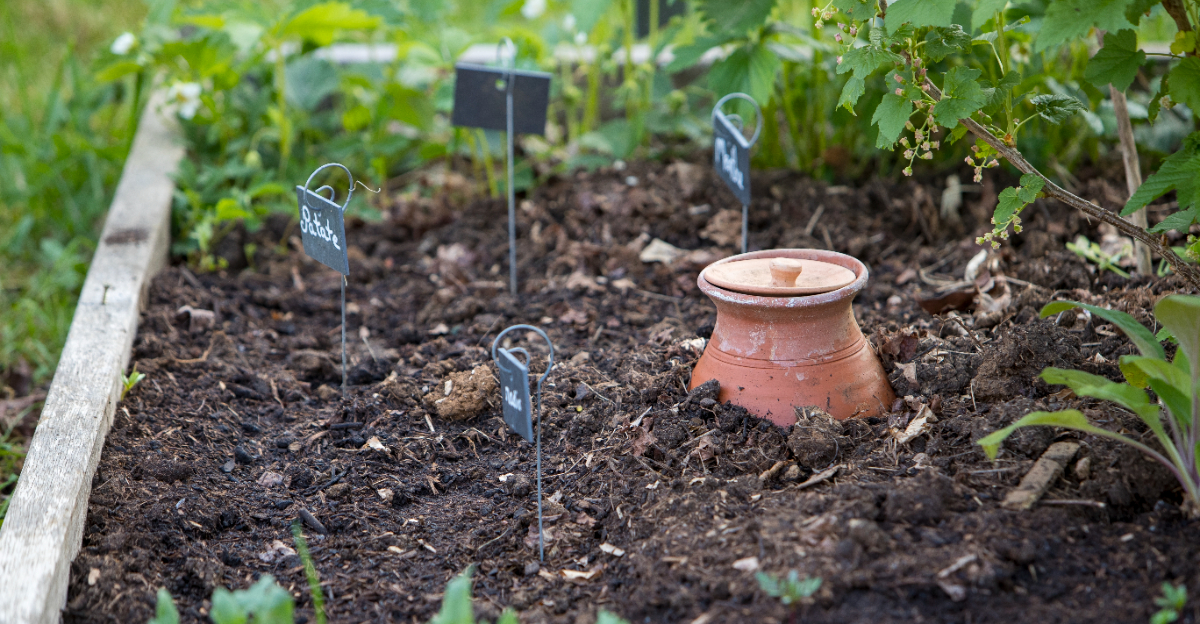
Pennsylvania summers know how to test a garden. The ground turns stiff, leaves sag before lunch, and the hose becomes your new least favorite chore.
Yet many Lancaster County gardeners favor a quiet, old-fashioned trick that keeps crops steady even when the sky refuses to cooperate. It costs almost nothing and asks for no fancy equipment.
Pennsylvania gardeners who switch to this old-school approach notice something surprising fast. Roots grow deeper, plants stop wilting by afternoon, and watering turns from a daily chore into an occasional task.
Vegetable and flower beds all respond to it in their own way. Keep reading to see how this forgotten method quietly outperforms the routines most gardeners have leaned on all season.
Buried Clay Pots Release Water Straight To Roots
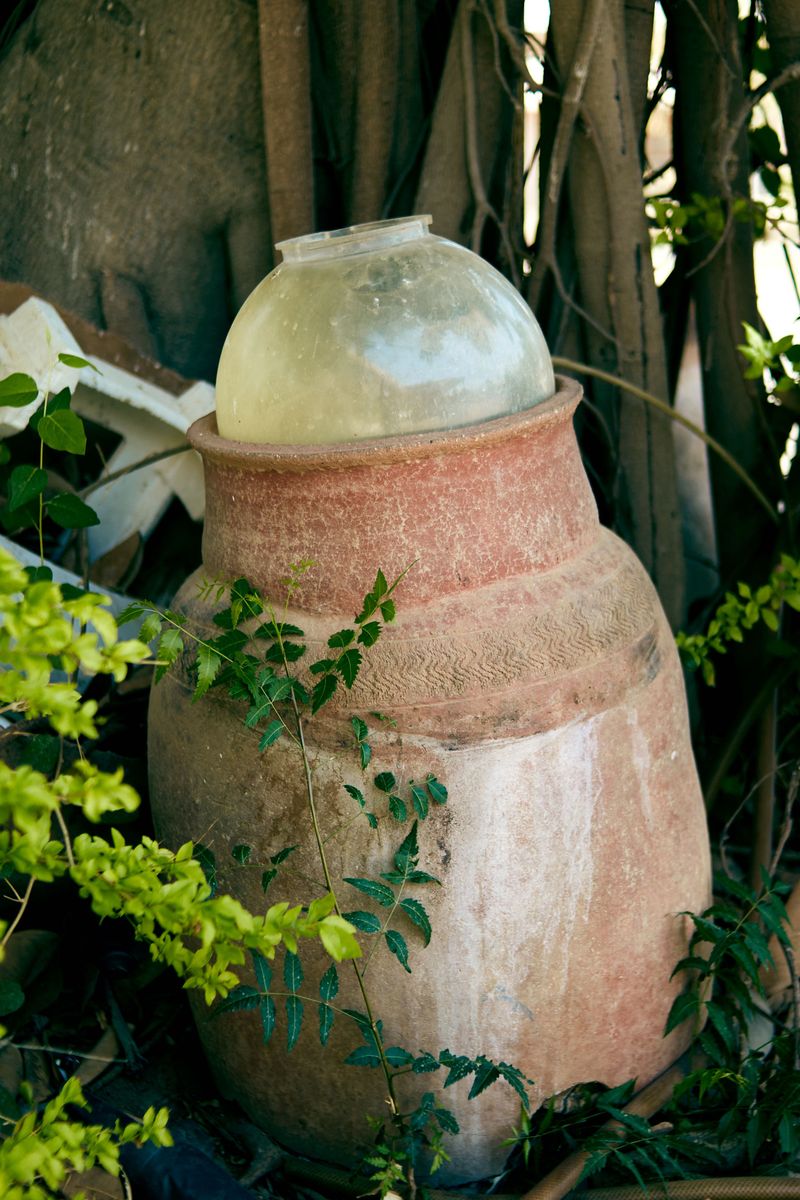
Picture this: water going exactly where plants need it most, with zero waste. That is the core idea behind burying unglazed clay pots, an ancient technique called “olla” irrigation that many home gardeners have adapted beautifully.
Unglazed terracotta is naturally porous. Water seeps slowly through the clay walls and releases directly into the surrounding soil at root level.
Above-ground sprinklers lose a huge amount of moisture to evaporation. Buried pots avoid much of that problem by delivering hydration underground where it actually counts.
Roots sense the moisture nearby and grow toward it. This creates a dense, healthy root network that makes plants far more resilient during dry stretches.
The clay acts like a slow-release reservoir. You fill the pot, plug the top loosely, and let physics do the rest over the next day or two.
Each buried pot can serve a radius of roughly twelve to eighteen inches. That means one pot handles several plants clustered in the same bed.
Lancaster County growers have long favored this approach for corn, beans, and root vegetables. Home gardeners are catching on too, often noticing a difference within the first week or two of use.
This watering trick works because it respects how plants actually drink. Roots pull moisture on their own schedule, reducing both overwatering and underwatering at the same time.
This Old Method Predates Modern Drip Irrigation Systems
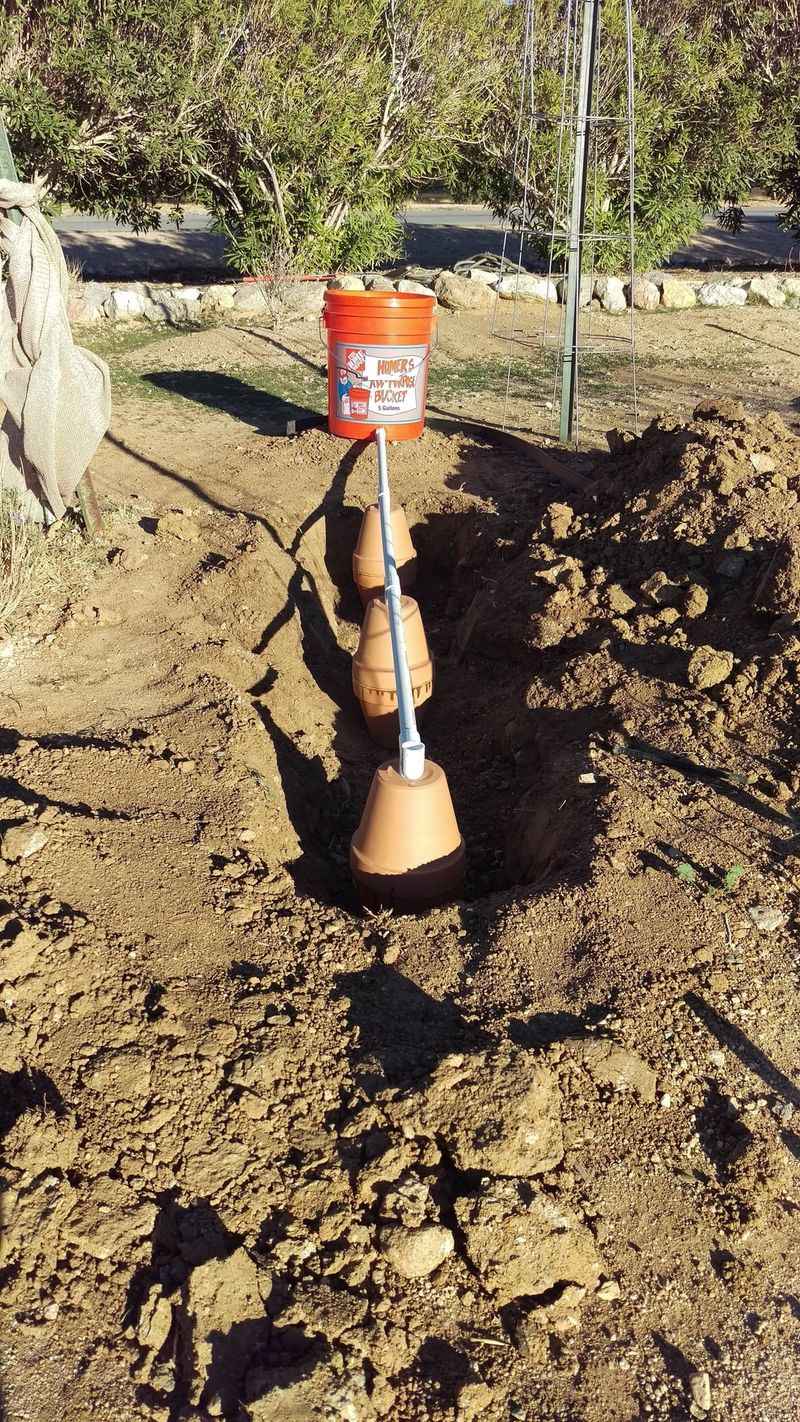
Long before plastic tubing and drip emitters existed, farmers solved drought the old-fashioned way. Clay pot irrigation has been documented in ancient China, India, and North Africa going back over 2,000 years.
This approach fits naturally with plain, low-tech living. Simple materials, no electricity, no plastic, and no complicated setup required.
Modern drip systems are effective, but they come with real drawbacks. Tubing clogs, fittings crack in cold weather, and the upfront cost adds up quickly for larger gardens.
Clay pots cost far less by comparison. A single unglazed terracotta pot from a garden center or thrift shop can cost just a few dollars.
Early farming communities figured out that soil is a sponge. If you place water inside the sponge rather than on top, you stop fighting evaporation entirely.
Drip irrigation was commercialized in the 1960s in Israel as a modern solution to water scarcity. Yet this same core concept was already in use decades before it became trendy.
Your Pennsylvania Garden Changes Every Week. Your Plan Should Too.
Gardening in Pennsylvania changes quickly throughout the season. Every Friday you’ll receive a simple weekly plan showing exactly what to plant, prune, fertilize, harvest, and protect so you never miss the right timing.
This old-fashioned trick reminds us that simple ideas often hold up better than new gadgets. Simplicity has a way of outlasting complexity when the stakes are high.
Knowing the history makes the method feel less like a quirky tip and more like proven wisdom. Generations of farmers trusted it, and the results speak for themselves every dry August.
Deep Root Growth Follows Slow Steady Moisture Delivery
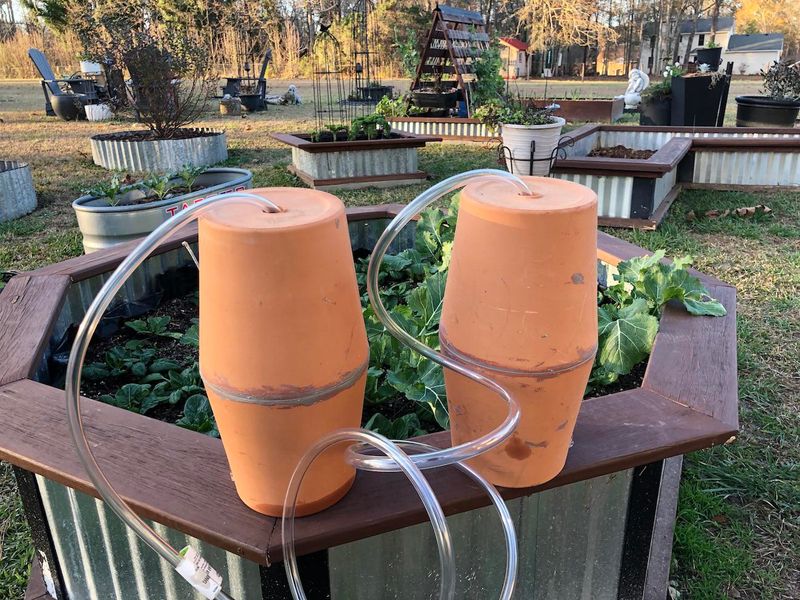
Shallow roots are a garden’s worst enemy in a heatwave. When you water from the top, plants get lazy and keep their roots close to the surface where moisture disappears fast.
Buried clay pots flip that habit completely. Moisture released at depth pulls roots downward, encouraging plants to anchor themselves far below the dry topsoil layer.
A plant with deep roots can access cooler, more stable soil. That means it handles heat stress better and wilts far less on scorching August afternoons.
Gardeners who use subsurface irrigation often report improved root depth compared to surface watering methods. Many have observed this same effect through years of hands-on growing experience.
Tomatoes are a perfect example. Their roots can reach two to three feet deep when given the right incentive, and buried pots provide exactly that kind of pull.
Pepper plants respond similarly well. Pennsylvania gardeners who switch to this method often notice firmer stems, darker leaves, and more consistent fruit production through dry spells.
Slow moisture delivery also prevents the feast-and-famine cycle that harms many garden plants. Consistent hydration at the root zone keeps soil biology active and nutrient cycling steady.
This watering trick is not just about saving water. It fundamentally changes how your plants grow, building tougher, more productive specimens from the ground up.
Less Frequent Watering Saves Time During Dry Spells
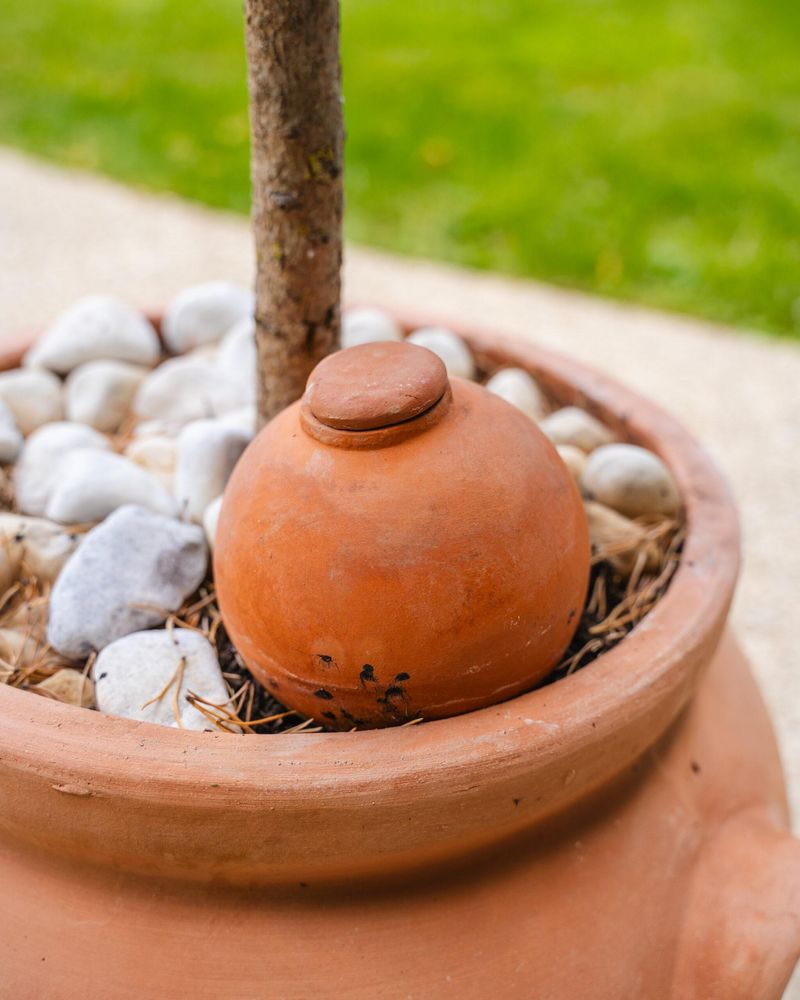
Nobody wants to spend their August evenings dragging a hose around in ninety-degree heat. The buried clay pot method cuts watering trips from daily chores down to once every two or three days.
Each pot holds roughly half a gallon to a full gallon of water depending on its size. That reservoir releases slowly enough to keep soil moist for an extended stretch.
For busy families, this kind of time savings is genuinely life-changing. You can leave for a weekend without worrying that your tomatoes will start wilting by Sunday afternoon.
Traditional overhead watering also encourages fungal issues on leaves and stems. Keeping water underground eliminates that splash-back problem and reduces common diseases like blight and mildew.
Less frequent watering means less soil compaction from foot traffic too. You are not walking through wet beds every single morning trying to reach every corner of the garden.
This method reflects a mindset built on efficiency and simplicity. Every action should serve a purpose, and wasted water serves no one during a dry August stretch.
Refilling pots takes about thirty seconds per pot once you get the routine down. Compare that to twenty minutes of hand-watering, and the math becomes pretty hard to argue with.
Once you feel that freedom of skipping a watering day without guilt, going back to old habits feels almost impossible. Your schedule and your garden both get a much-needed break.
Setting Up The Pots Takes Minutes Not Hours
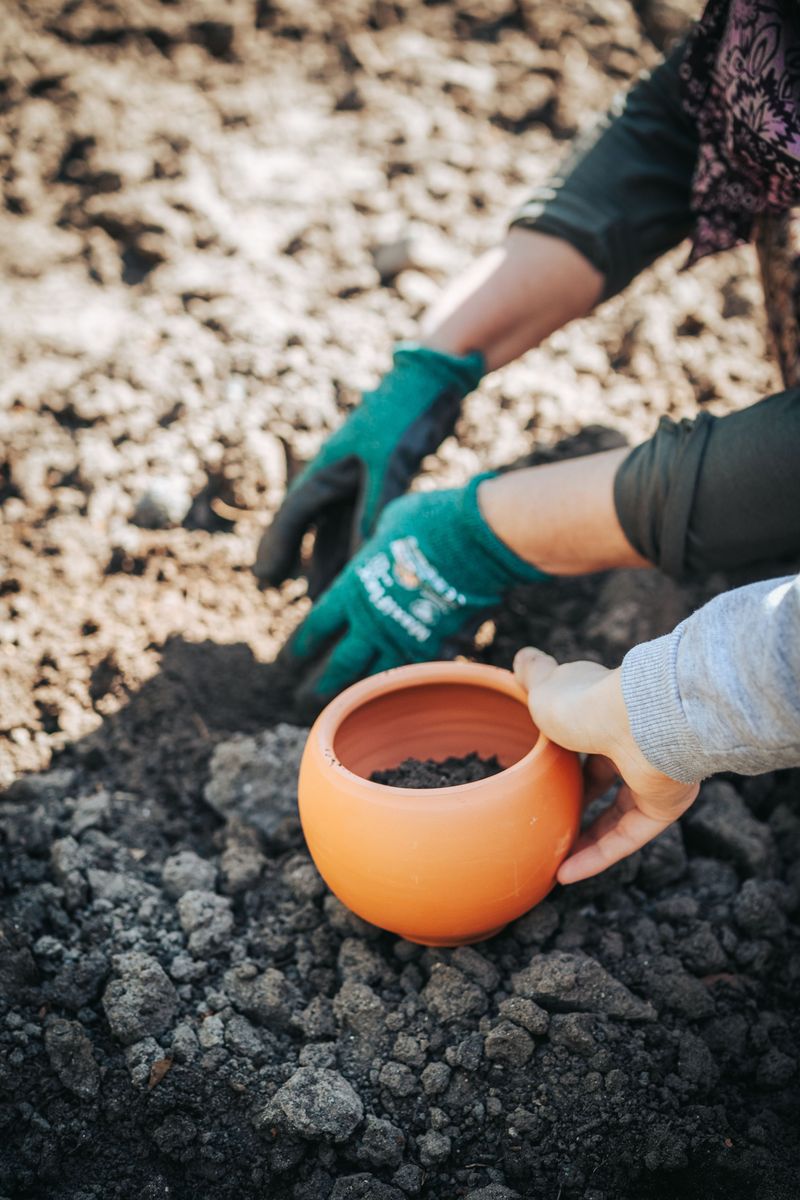
Getting started with this method is refreshingly straightforward. You need unglazed clay pots, a cork or small stone to plug the drainage hole, and a spot between your Pennsylvania garden plants.
Choose a pot size based on how many plants you want it to serve. A six-inch pot works well for one or two plants, while a ten-inch pot can handle a small cluster.
Plug the bottom drainage hole with a bottle cork, a small flat stone, or even waterproof clay. The goal is to slow drainage so water seeps through the walls instead of pouring out the bottom.
Dig a hole deep enough to bury the pot up to its rim. Leave just the top opening exposed so you can refill it easily without digging anything up.
Press the pot firmly into the soil so the clay walls make good contact with the surrounding earth. Air gaps reduce the wicking effect, so snug placement matters.
Fill the pot with water and loosely cover the opening with a flat rock or a terracotta saucer. This slows evaporation from the top while still allowing easy refilling.
Space your pots based on plant spacing in your bed. A well-planned layout means every plant in the bed sits within the moisture radius of at least one buried reservoir.
The whole setup for a standard raised bed takes under fifteen minutes. After that, the system runs almost on its own through the hottest weeks of the season.
Pairing This Trick With Mulch Boosts Results Further
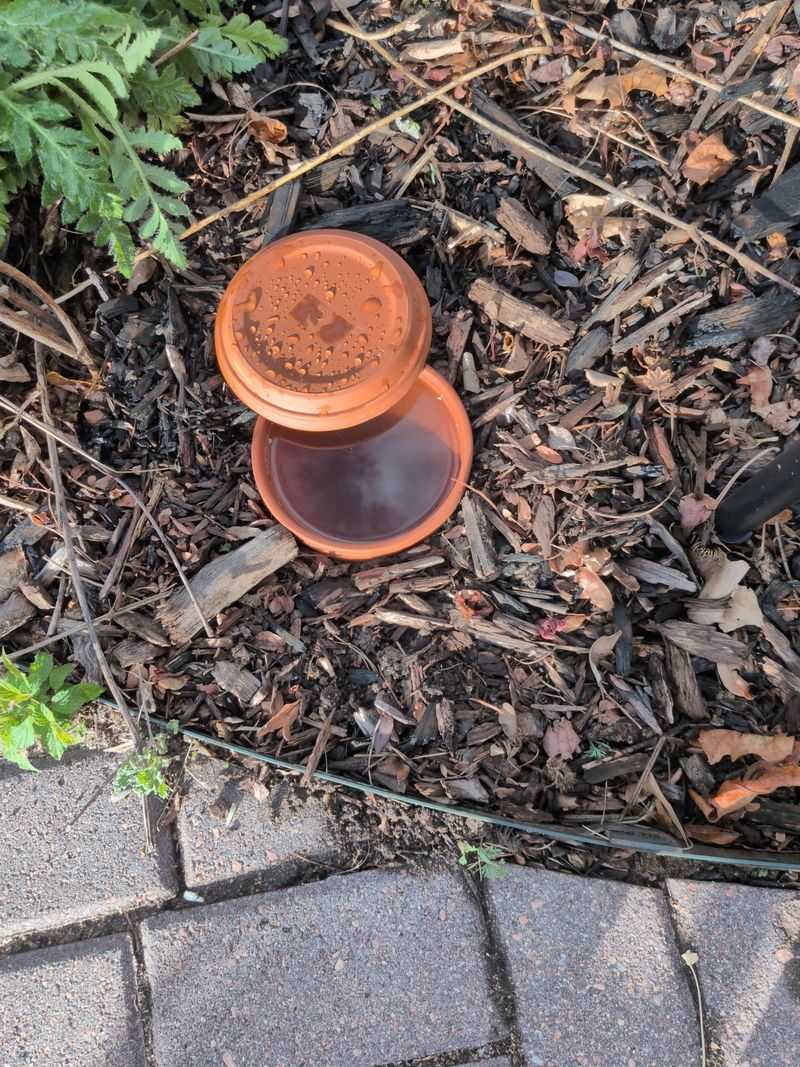
Clay pots do impressive work on their own, but add a thick layer of mulch and you unlock the next level. Mulch acts as an insulating blanket that traps ground moisture and blocks intense surface evaporation.
Straw is a classic mulching choice for garden beds. It is cheap, widely available, and breaks down over the season to add organic matter back into the soil.
Wood chips work equally well and last longer than straw through the summer. Either option reduces soil temperature by several degrees, which directly benefits root health during heat waves.
Apply mulch two to three inches deep around your buried pots and plants. Thicker layers block more sunlight from hitting bare soil and slow weed growth at the same time.
When mulch and buried clay pots work together, your watering frequency drops even further. Some Pennsylvania gardeners in dry climates report going four or five days between refills with this combination.
Mulch also protects the clay pot edges from cracking in extreme heat. Keeping the soil around the pot consistently moist prevents the thermal stress that shortens pot lifespan.
This mirrors a simple, layered approach to garden problems: stack easy fixes until the issue disappears. No single fix needs to do everything when smart combinations exist.
This old-fashioned watering trick, combined with good mulch coverage, creates a self-sustaining moisture system that carries your Pennsylvania garden through the hardest days of a dry August season.