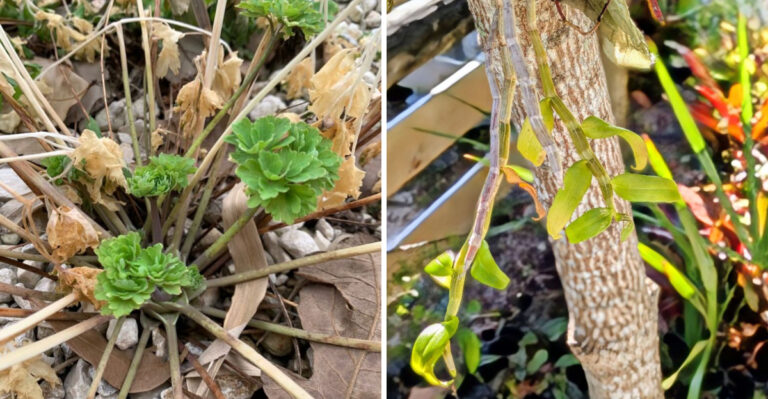
What To Do With Your Florida Ixora In August To Keep Color Through Fall
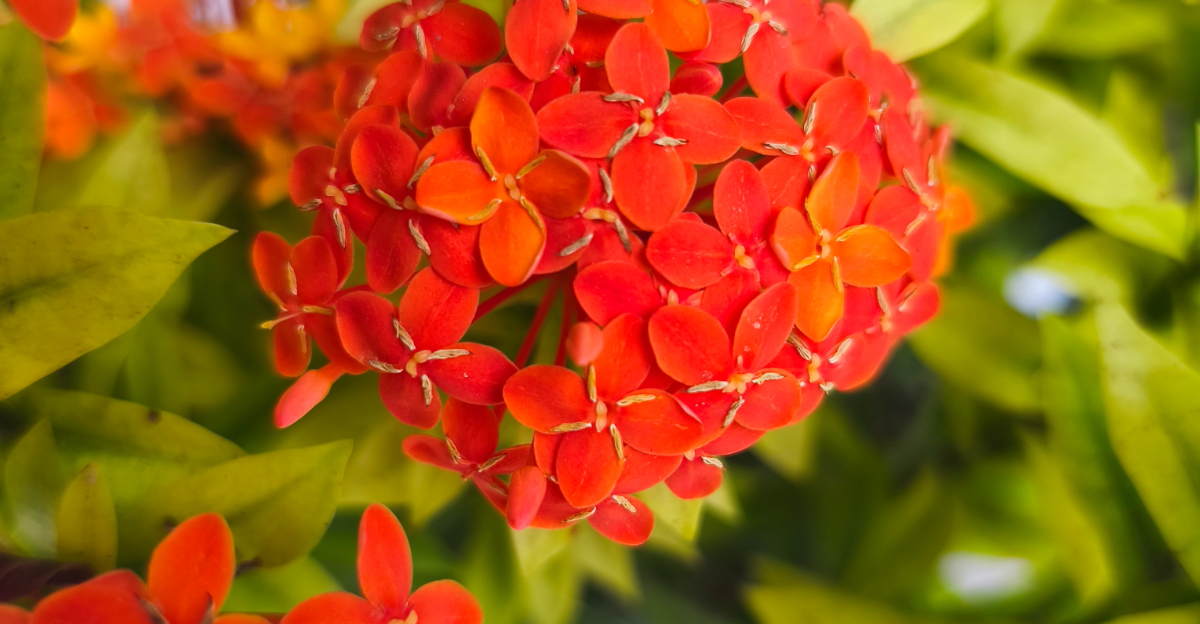
Your ixora can look spectacular now and nearly bare by October. August care decides which version you get.
Florida’s heat, heavy rain, and fast nutrient loss can push this tropical shrub from bold color to weak buds in a matter of weeks. A few smart moves now can protect the next flush of red, orange, pink, or yellow flowers well into fall.
The key lies in moisture control, soil acidity, light pruning, and the right fertilizer schedule. Too much water can starve roots of oxygen, while hard cuts can remove future blooms before they form.
Yellow leaves may also point to alkaline soil rather than a thirsty plant. Check the base, inspect new growth, and resist the urge to treat every problem with more fertilizer.
Give your ixora the right August care, and it can carry vivid color past summer while neighboring shrubs lose their flowers.
1. Make One Light Trim To Spark A Fresh Flush
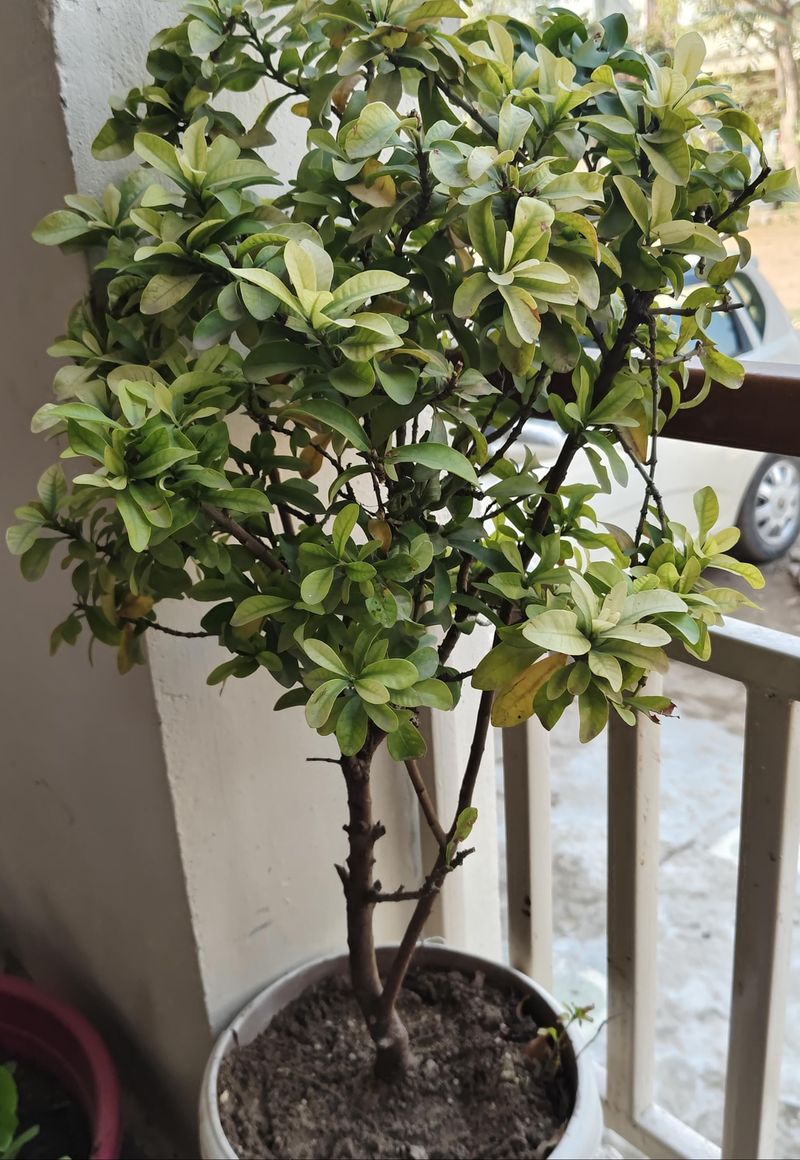
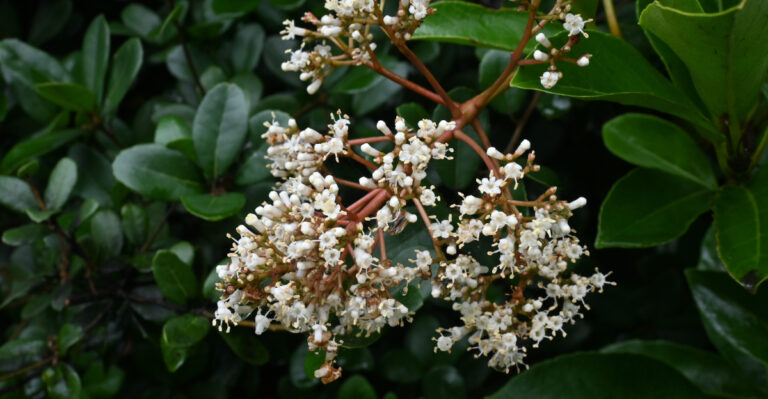
Faded flower clusters hanging at the tips of your Florida ixora are a signal worth acting on. Removing those spent blooms with one light trim can encourage the plant to redirect energy toward fresh growth.
That new growth is where the next round of flower buds forms, so timing and technique both matter here.
Selective tip pruning is very different from shearing the entire shrub into a tight ball. Repeated formal shearing removes developing buds before they ever open, which can reduce flowering over time.
Focus instead on snipping just above a healthy leaf node, and only remove shoots that are damaged, crossing, or growing awkwardly out of the natural shape.
Clean tools are non-negotiable. Wipe blades with rubbing alcohol before moving between plants to avoid spreading any disease.
A sharp cut heals faster than a ragged one, so replace dull blades before you start.
Keep in mind that an August trim does not guarantee a fall flower show. Cultivar, sunlight, local weather, and overall plant health all affect how quickly a new flush appears.
Avoid cutting the entire shrub back hard during peak summer stress, since that level of pruning can strain a plant already working overtime in the heat. Light and intentional is the approach that gives your shrub the best chance.
2. Give The Canopy Enough Sun For More Flower Clusters
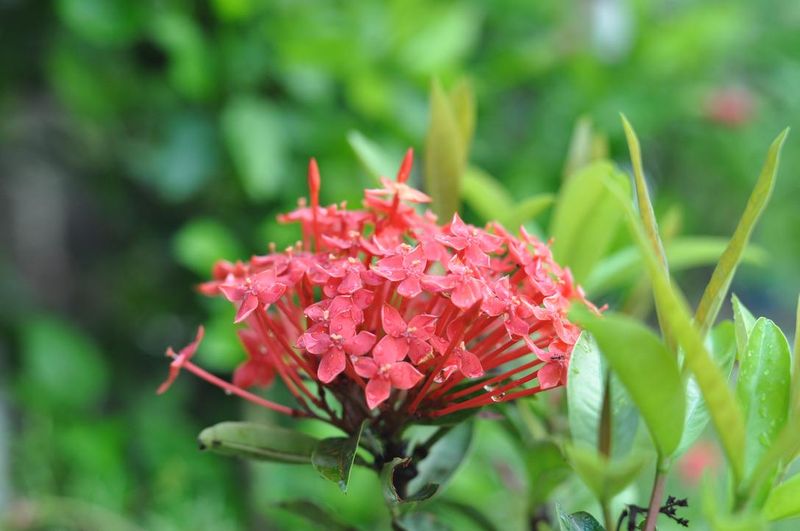
Stronger light is one of the clearest drivers of flower production in ixora. Shrubs that receive several hours of direct sun each day tend to produce more clusters than those tucked into shadier corners of the Florida yard.
August is a good month to take an honest look at how much sun your plant is actually getting.
Buildings, fences, and fast-growing trees can shift shade patterns dramatically over a single season. A spot that received full sun last spring may now be partially blocked by a neighbor’s oak or a pergola that grew in overhead.
Walk around the shrub at different times of day and notice where the light lands.
Some large-leaved cultivars handle partial shade better than compact varieties, but fewer flower clusters is still a common outcome in low-light conditions.
Your Florida Garden Changes Every Week. Your Plan Should Too.
Gardening in Florida changes quickly throughout the season. Every Friday you’ll receive a simple weekly plan showing exactly what to plant, prune, fertilize, harvest, and protect so you never miss the right timing.
Sparse new growth, stretched stems reaching toward brighter areas, and a general lack of blooms can all hint at insufficient light.
Selective trimming of nearby vegetation may help open the canopy, but only attempt this when it is safe and appropriate for the other plants involved.
Moving a mature ixora shrub in August is not recommended, since transplant stress during extreme heat can cause serious setbacks.
Evaluate the site carefully before making any permanent changes to the surrounding landscape.
3. Shut Off Irrigation When Summer Storms Take Over
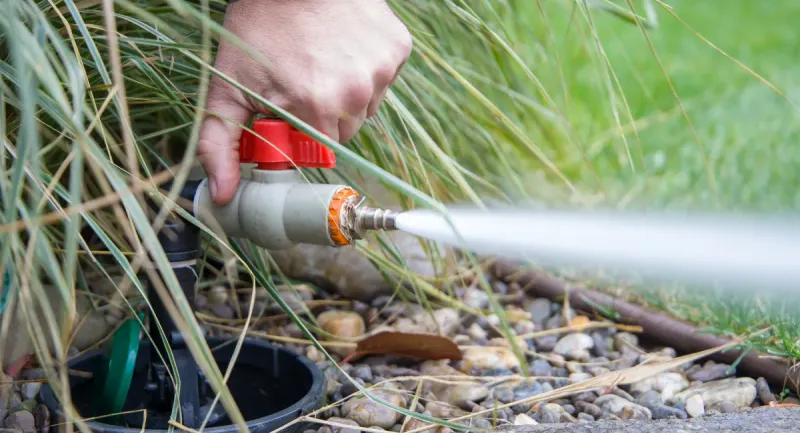
August in many parts of Florida brings daily afternoon storms that can drop an inch or more of rain in a short burst. Running your irrigation system on top of that rainfall adds water the soil simply cannot absorb fast enough.
Established ixora prefers consistent moisture, but it does not benefit from sitting in needlessly saturated ground.
Before triggering any irrigation cycle, press a finger or a soil probe a few inches into the ground near the root zone. If the soil already feels moist, skip the cycle.
Rain sensors connected to your irrigation controller can automate this check. They shut the system off after measurable rainfall, preventing it from watering during a storm.
Soil type plays a big role in how quickly water moves through the ground. Sandy soils drain fast, while compacted or clay-heavy soils hold water much longer.
Heat, plant size, and sun exposure also affect how quickly the root zone dries between rain events, so no single watering schedule works statewide.
Rainfall measured at a nearby weather station may not match what actually fell at your property. Use a simple rain gauge in the yard for a more accurate picture.
Avoiding unnecessary irrigation during the rainy season protects the roots. It also supports steady, healthy growth and better flowering as temperatures cool in fall.
4. Fix Poor Drainage Before Wet Roots Slow The Show
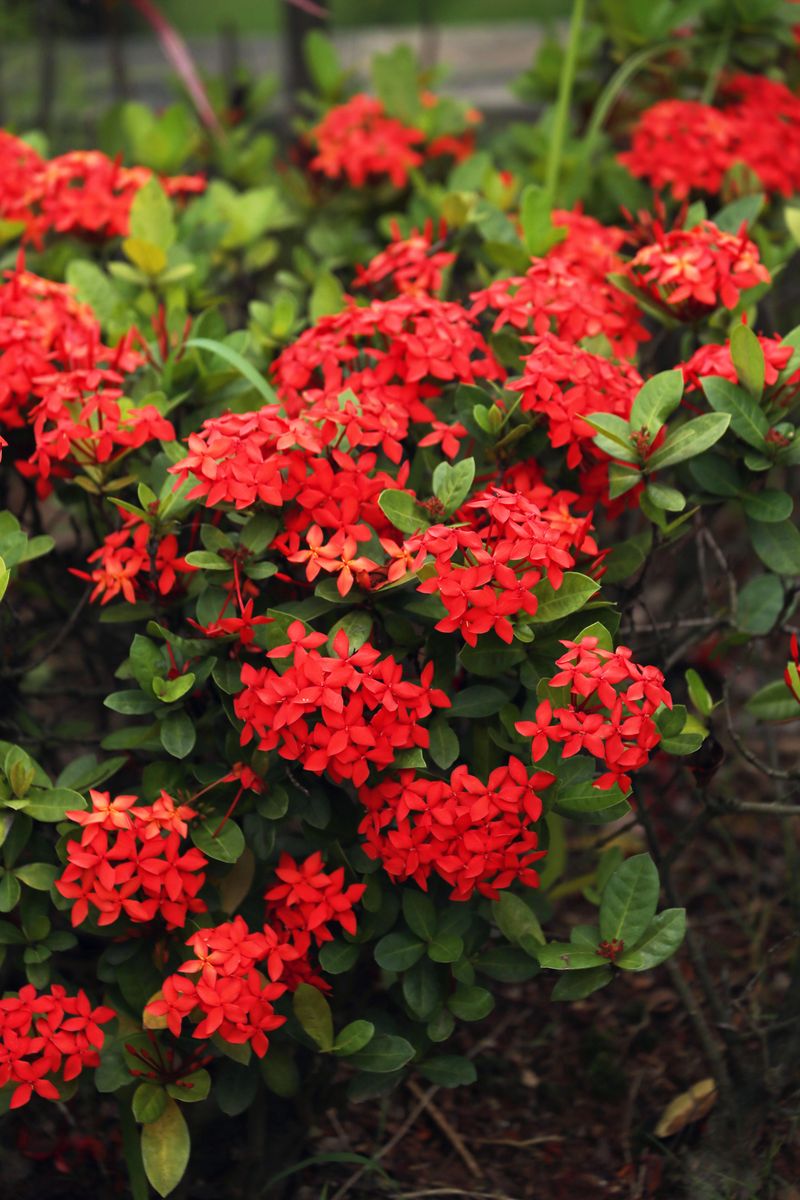
Puddles that linger for hours after a storm are a red flag in any planting bed. When the root zone stays waterlogged, roots struggle to access oxygen, and the shrub can begin to decline in ways that look similar to other problems.
Slow growth, wilting despite wet soil, and a sour or musty smell near the base of the plant are all worth investigating.
Adding more fertilizer to a waterlogged root zone will not fix the underlying problem. Nutrients cannot be absorbed efficiently when roots are stressed from lack of oxygen.
The first step is addressing why water is collecting there in the first place.
Check for irrigation leaks that may be releasing water directly into the bed. Look at how runoff from nearby pavement or higher ground flows toward the planting area during a storm.
Redirecting that flow with simple grading or a small berm can make a noticeable difference without disturbing the root system.
Keep mulch a few inches away from the main stem to allow the crown to stay drier. If the drainage issue is significant, involving changes to the yard grade or installation of a drain, professional help is the safer route.
Avoid digging deeply through an established root system to fix the problem. Healthier drainage leads to stronger root development, which supports more vigorous growth and better flowering through fall.
5. Read Yellow New Leaves Before Reaching For Fertilizer
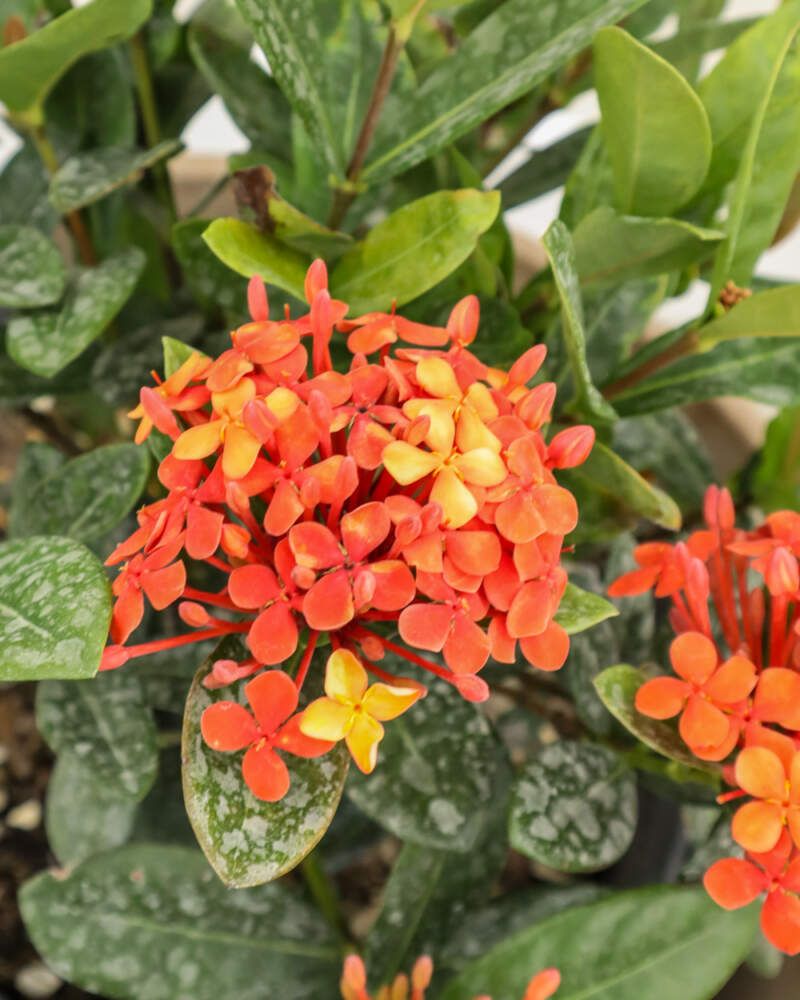
Yellow leaves on an ixora shrub can mean several different things, and grabbing a bag of fertilizer before understanding the cause is a common misstep.
New growth that turns yellow while the veins stay relatively green can suggest a micronutrient issue, often involving iron or manganese.
However, that same pattern can also appear when roots are damaged, when soil is too wet, or when a pest problem is draining the plant’s resources.
Alkaline soil is a frequent contributor to micronutrient trouble in ixora. When soil pH climbs too high, iron and manganese become less available to the roots even if those elements are physically present in the ground.
A soil test is the most reliable way to understand what is actually happening beneath the surface.
Contact your local UF/IFAS Extension office for guidance on testing and interpreting results. Extension agents can help you identify whether a pH adjustment, a specific micronutrient product, or a different approach altogether makes sense for your situation.
Self-diagnosing from leaf color alone leads to guesswork.
Applying a general fertilizer to a plant with high soil pH or root stress rarely solves the problem and may add salts that create additional pressure.
Accurate diagnosis first, then targeted action, is the approach that protects the plant and keeps your efforts from going to waste as fall approaches.
6. Keep Alkaline Runoff Away From The Root Zone
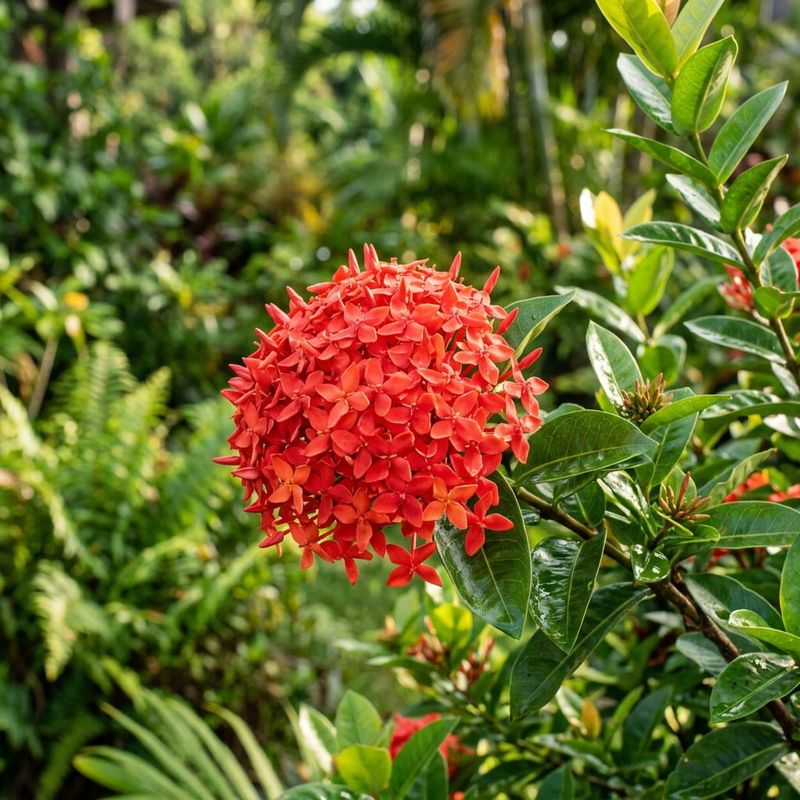
Ixora grows best in acidic soil, and that preference is one of the most important things to keep in mind about its placement in the yard.
Shrubs planted close to concrete driveways, sidewalks, stucco walls, or poured foundations are routinely exposed to alkaline runoff.
Over time, that runoff raises the soil pH in the root zone, making it harder for the plant to absorb certain nutrients.
Concrete and similar materials leach lime as they age, especially during rain. Water picks up that alkalinity as it flows across the surface and carries it directly into nearby planting beds.
The effect is gradual but cumulative, and a shrub that performed well for years near a walkway may slowly begin showing signs of decline without any obvious single cause.
Acidic organic mulches are sometimes recommended to help buffer soil chemistry, but check current guidance from a reliable source before applying anything. Avoid homemade acidifying treatments such as vinegar or coffee grounds.
Their effects on soil chemistry are unreliable and are not supported by current horticultural research.
If your shrub sits in a location with chronic alkaline influence, a soil test can clarify whether the pH has drifted outside a suitable range. Long-term site conditions may call for professional advice about whether the location remains viable.
Suitable soil chemistry connects directly to greener foliage, better micronutrient availability, and stronger flowering potential heading into fall.
7. Catch Scale Before Sooty Mold Dulls The Foliage
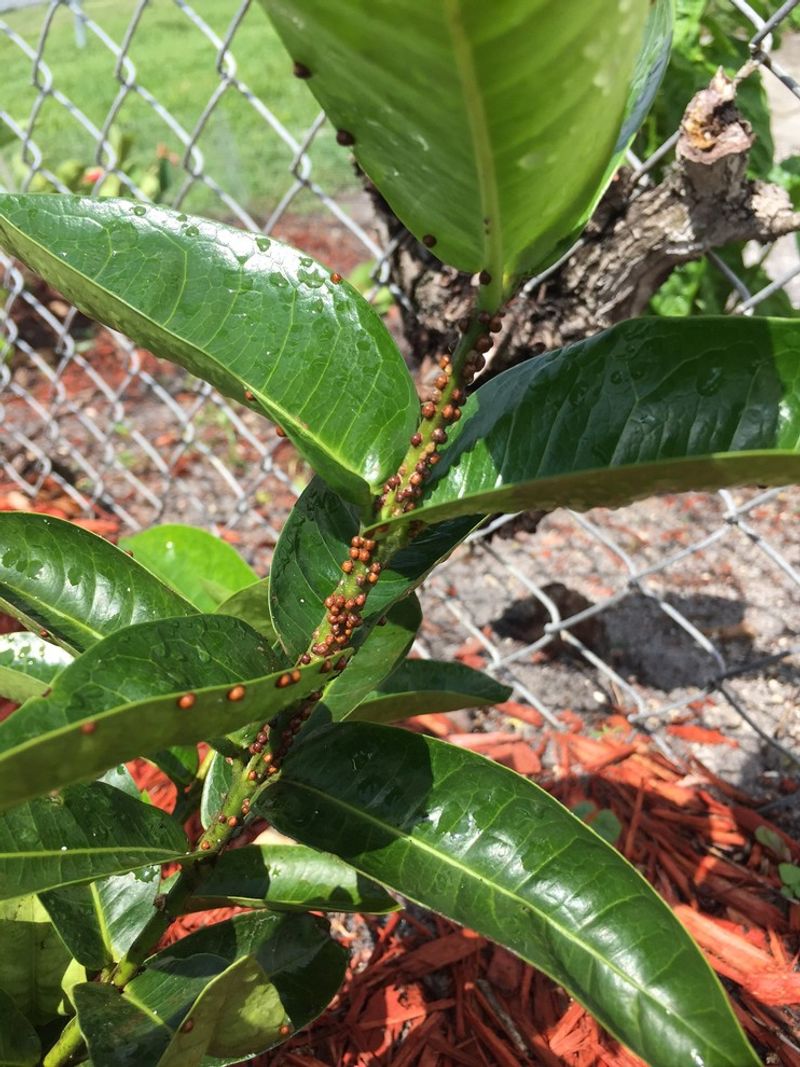
Black, dusty-looking coating on ixora leaves is often sooty mold, a fungal growth that feeds on the sticky honeydew left behind by sap-feeding insects.
The mold itself is not the original pest, so wiping off the dark surface without addressing the insects underneath will not solve the problem for long.
Scale insects and aphids are common culprits in Florida landscapes during the warm months.
Flip leaves over and examine the undersides carefully. Scale insects often look like small bumps or waxy spots attached to stems and leaf surfaces.
Aphids cluster near tender new growth. Both pests excrete honeydew as they feed, and that sticky residue is what the sooty mold grows on.
Ants moving up and down the stems can also be a clue that honeydew-producing insects are present nearby.
Natural predators such as ladybugs and parasitic wasps help keep pest populations in check in healthy, low-spray landscapes. Encouraging that balance by avoiding broad pesticide applications is worth considering before reaching for any product.
Insecticidal soap is a labeled option for confirmed soft-bodied pests like aphids, but always identify the specific pest before treating. Read and follow label directions completely.
Treating a shrub before knowing what you are dealing with can harm beneficial insects and create bigger problems. A clean, well-monitored plant is far less vulnerable to a full-blown pest outbreak as the season shifts toward fall.
8. Check Local Fertilizer Rules Before Feeding
Reaching for a fertilizer bag in August without checking local rules first can put you on the wrong side of a county ordinance. Many municipalities across the state restrict or prohibit nitrogen and phosphorus applications during the rainy season.
These restrictions typically run from June through September. These rules exist to protect local waterways from nutrient runoff during heavy summer storms.
Ordinances vary by city and county, so what is allowed in one area may be prohibited just a few miles away. Check directly with your local government or Extension office to understand exactly what applies to your address.
A quick search on your county website is usually the fastest way to find current restrictions.
Even where fertilizer is technically permitted, applying it right before a heavy rain is a poor practice. Rain can wash nutrients off the root zone before the plant absorbs anything, sending those materials into storm drains and waterways instead.
Soil testing and a close look at plant symptoms help you decide whether feeding is actually needed or whether something else is limiting growth.
Slow-release nutrient products are sometimes preferred in landscape settings because they release nutrients gradually rather than all at once. Current UF/IFAS guidance can point you toward suitable options for your situation.
Restrained, well-timed care during August sets a steadier foundation for the healthy foliage and renewed color you are hoping to carry all the way through fall.