Virginia Gardeners Are Watering Less In Early August Even Though It Is Still Hot
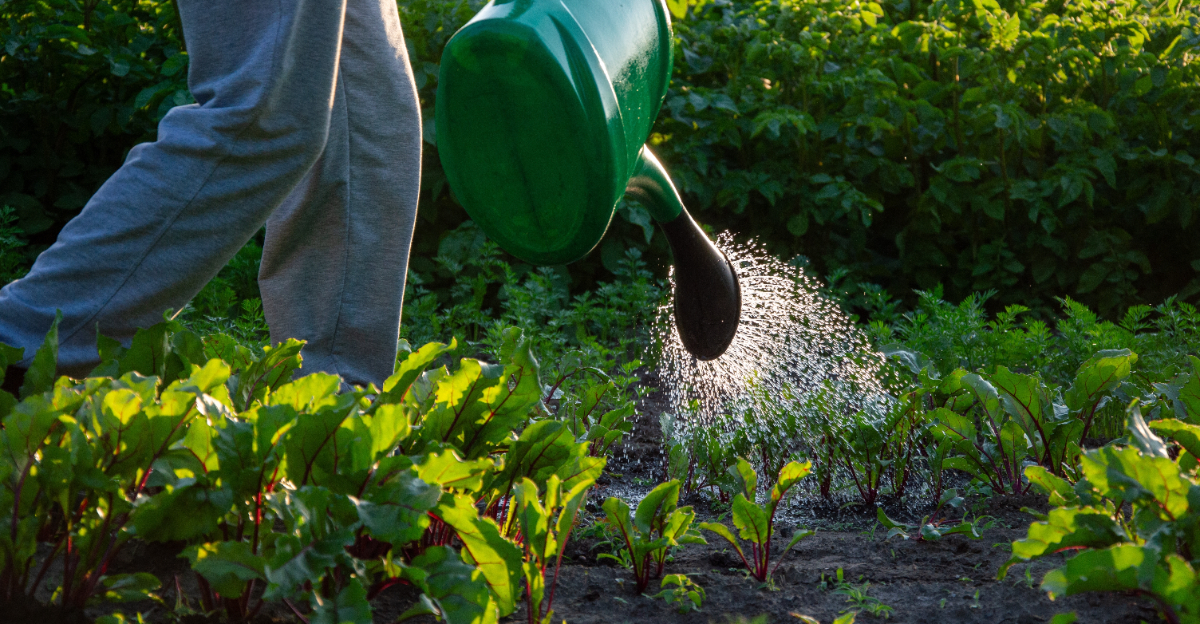
Virginia in August feels like a furnace with no exit door, yet something strange is happening in local gardens. Plants that should be gasping for water are actually getting less of it, and thriving because of a choice most homeowners never consider.
This is not about ignoring your garden or hoping for rain. Something is shifting beneath the soil surface that changes everything about how water should reach your plants right now.
Seasoned Virginia gardeners have picked up on a pattern most people miss entirely, tied to timing, temperature, and the way roots behave under stress. It has nothing to do with luck.
Keep reading and you will discover the exact reasoning behind this shift, and why your own watering routine might be working against you this month.
Soil Moisture Runs Deeper Than It Looks
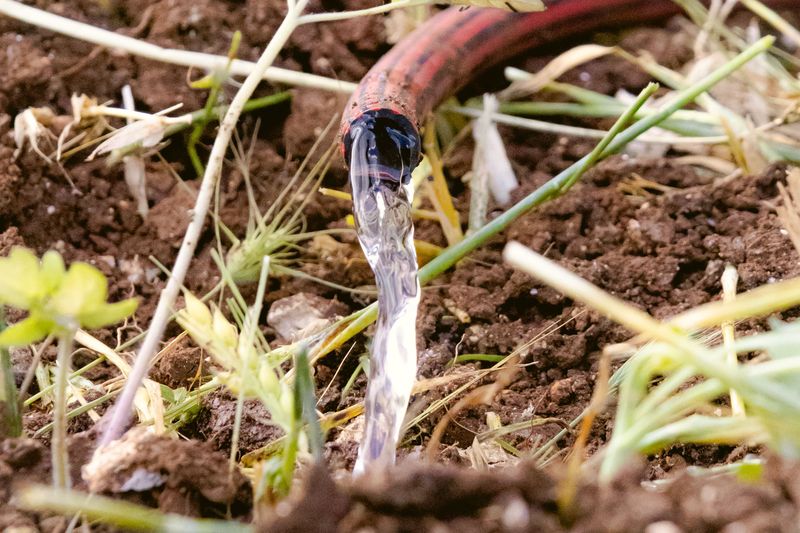
Dry on top does not mean dry all the way down. Many gardeners make the mistake of checking the soil surface, seeing dust, and reaching for the hose immediately.
The top inch of soil dries out fast in August heat. But two to four inches below that surface, moisture from earlier watering or rain often lingers for days.
Roots do not feed from the top layer anyway. Most of a plant’s active root system sits several inches underground, where conditions stay cooler and wetter than the surface suggests.
A simple finger test changes everything. Push your finger two inches into the soil near your plant’s base and feel for dampness before deciding to water.
If it feels moist down there, your plant is fine. Watering on top of already-moist soil creates a soggy layer that suffocates roots and invites fungal problems.
Skilled growers now check moisture below the surface before touching the hose. What the top layer shows rarely matches what the roots actually feel.
Checking moisture at root depth takes about ten seconds. That ten-second habit can save gallons of water and prevent the root rot that quietly weakens plants faster than drought typically does.
Trust the depth, not the surface. Your garden’s real story is always being written a few inches below what your eyes can see.
Plants Shift Into Slower Growth Mode
Plants are smarter than we give them credit for. When August temperatures push past 90 degrees, most garden plants quietly flip a biological switch.
Growth slows down on purpose. The plant is not struggling; it is conserving energy the same way you slow down on a scorching afternoon walk.
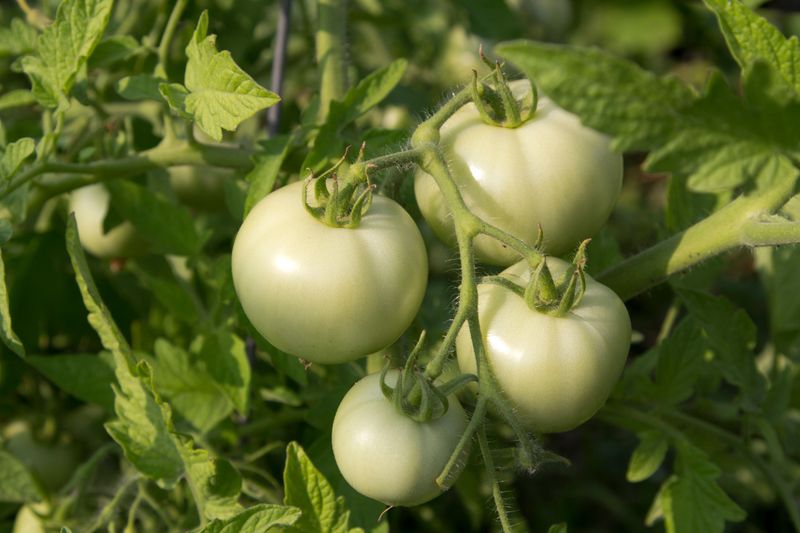
Tomatoes largely pause fruit set when nighttime temps stay above 75 degrees. Peppers, squash, and beans all follow similar patterns, pausing reproductive activity to protect themselves.
A plant in slow-growth mode needs less water than one actively pushing out new leaves and flowers. Watering at your peak-summer rate during this slowdown floods a system that is not actively consuming moisture.
Think of it like filling a gas tank on a parked car. The engine is not running, so the fuel just sits there, and too much creates overflow problems.
Your Virginia Garden Changes Every Week. Your Plan Should Too.
Gardening in Virginia changes quickly throughout the season. Every Friday you’ll receive a simple weekly plan showing exactly what to plant, prune, fertilize, harvest, and protect so you never miss the right timing.
Experienced growers scale back watering frequency when they stop seeing new growth. Fewer new leaves and blooms are a clear signal that the plant has downshifted.
Matching your watering schedule to your plant’s actual pace is one of the most effective garden habits you can build. Stop watering for the weather and start watering for the plant.
Once temperatures cool in late August, growth surges again. That second wind is worth protecting now by not drowning roots during the quiet weeks before it arrives.
Overwatering Risks Rise As Roots Rest
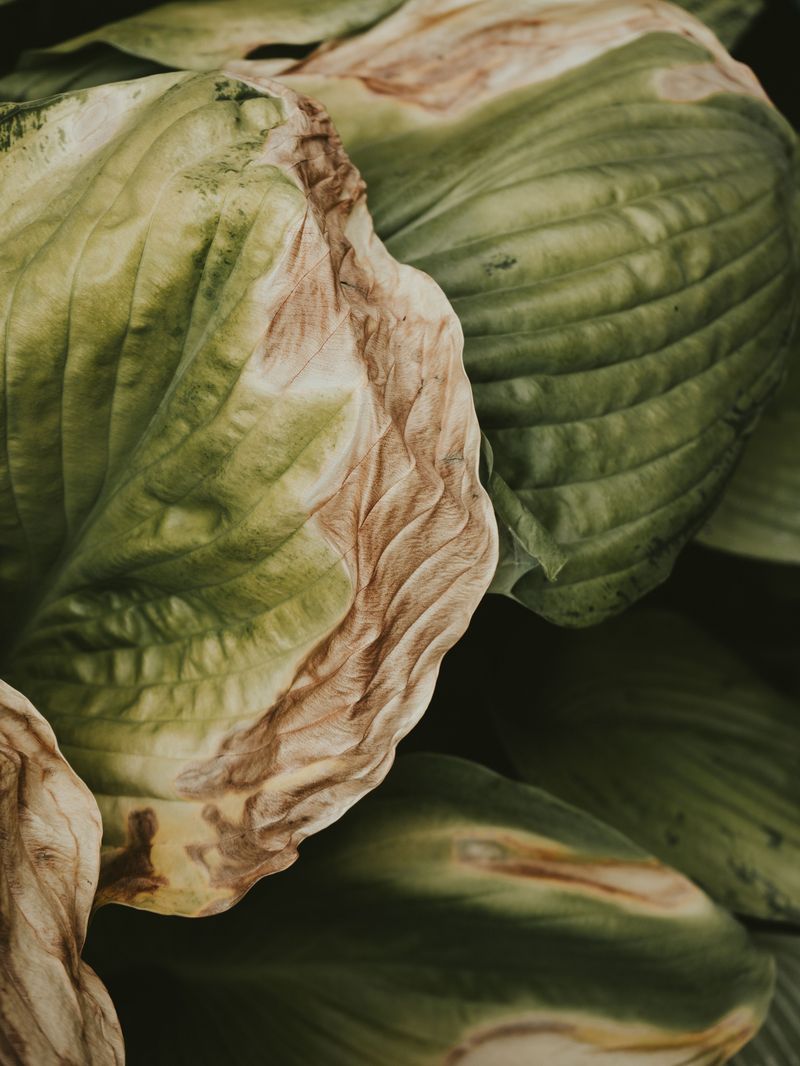
Yellow leaves in August often get blamed on heat or drought. But overwatering is actually one of the most common causes of struggling summer plants.
When roots sit in wet soil for too long, they cannot absorb oxygen. Without oxygen, roots begin to break down, and the plant above ground starts showing stress signs that look exactly like thirst.
This creates a cruel trap. You see a wilting plant, add more water, and accidentally make the root problem worse while thinking you are helping.
August is when this trap catches the most gardeners. Roots slow their activity during peak heat, meaning they pull in less water than they would during active spring growth.
Soil that stays wet for a day or two in warm temperatures becomes a breeding ground for root-rot fungi. Those fungi spread fast and can seriously damage a healthy plant in under a week.
Cutting back watering frequency gives soil time to partially dry between sessions. That dry period is not a punishment for your plants; it is a reset that keeps roots healthy and breathing.
Excess water poses a greater risk than a dry spell during this resting phase. Roots need airflow far more than a constant flood right now.
A stressed plant that is too wet looks almost identical to a thirsty one. Learning to tell the difference is a skill that saves gardens every single summer.
Morning Humidity Reduces Evaporation Needs
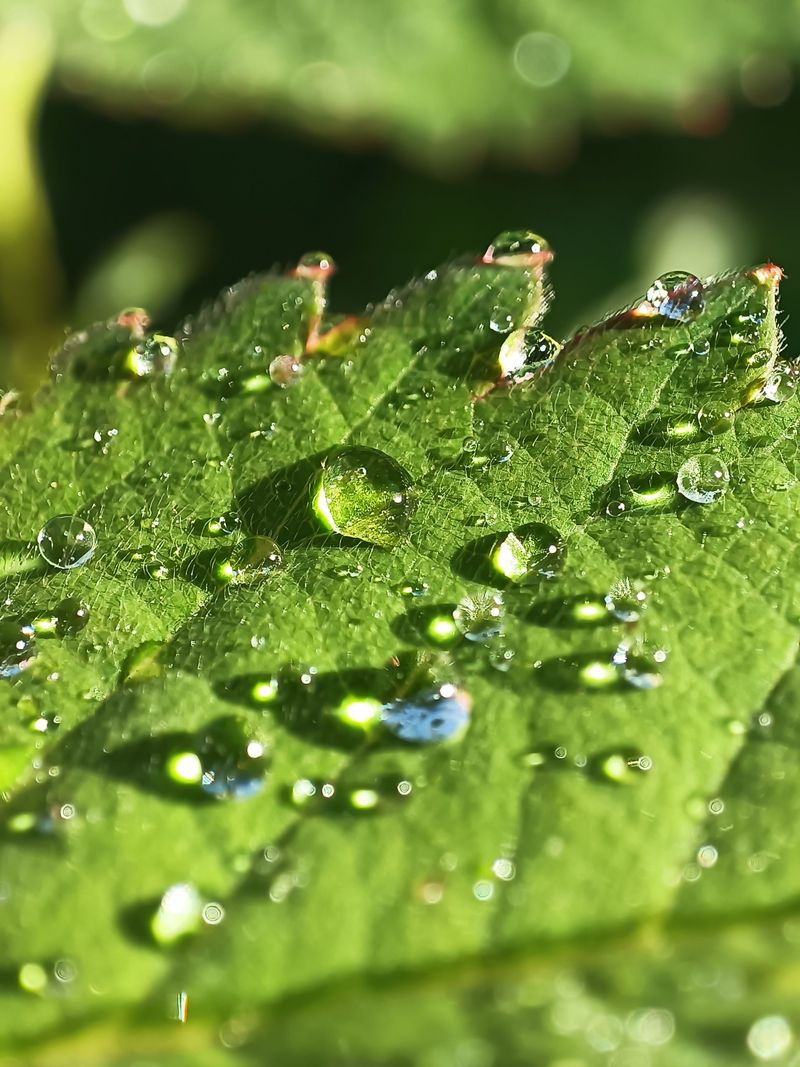
August mornings in Virginia are thick with humidity. That heavy, sticky air you feel before 9 a.m. is not just uncomfortable; it is actually doing your garden a quiet favor.
High humidity slows the rate at which water evaporates from both soil and plant leaves. A garden that might lose moisture quickly on a dry spring day holds onto it much longer when air humidity runs above 70 percent.
Transpiration, the process where plants release water through their leaves, also slows in humid conditions. Plants lose less water per hour on a muggy Virginia morning than they do on a dry afternoon in May.
This means the moisture already in your soil from a previous watering or a recent storm goes further. The same amount of water lasts longer in humid air than in dry air.
Many gardeners do not account for humidity when setting their watering schedules. They calculate based on temperature alone, which leads to overwatering during the muggy weeks of late summer.
Paying attention to the humidity reading on a basic weather app takes five seconds. If morning humidity is above 65 percent, your garden likely needs less supplemental water than your gut tells you.
Humidity is free moisture management. Learning to factor it into your routine is one of the easiest upgrades any home gardener can make without spending a single dollar.
Cool, damp mornings are nature’s slow-release watering system. Trust them more than you currently do.
Established Plants Rely On Deeper Roots
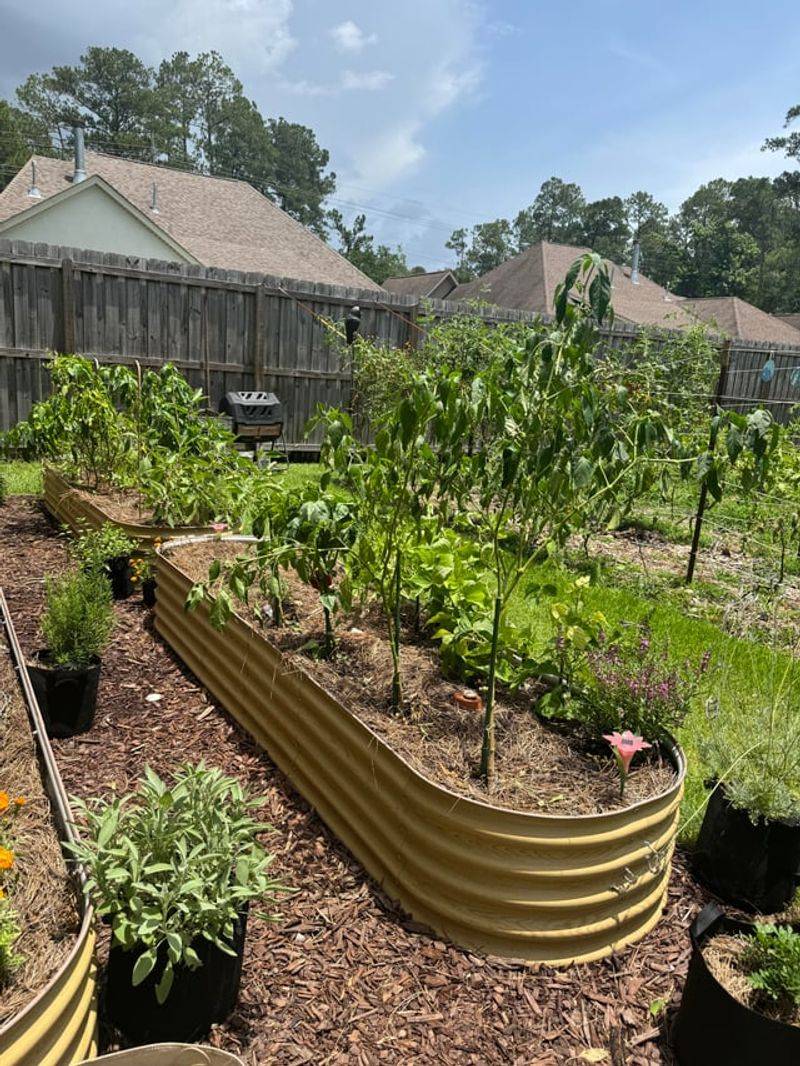
A plant you put in the ground three or more years ago is not the same plant it was on day one. Established plants have spent years quietly engineering their own water supply system.
Deep roots can reach moisture that sits far below the surface, sometimes 12 to 18 inches down, where soil stays cooler and wetter even during August dry spells. That depth gives them a serious advantage over newly planted neighbors.
Native perennials like coneflowers, black-eyed Susans, and native grasses are especially skilled at this. They evolved in the same mid-Atlantic climate you are gardening in, which means they built root systems designed for exactly this kind of summer.
Watering established plants as frequently as new transplants actually works against them. Shallow, frequent watering trains roots to stay near the surface, making plants more dependent on you and less resilient on their own.
Pulling back on water encourages roots to chase moisture deeper into the ground. That downward reach builds drought tolerance that pays off every summer for years to come.
Many experienced Virginia gardeners cut back most regular watering of established beds in August, stepping in only after a week or more of zero rainfall. Their plants do not just survive; they thrive.
Mature plants have already built the underground support system they need for this stretch. The only task left is trusting the root network you helped establish.
Rain Patterns Change Watering Requirements
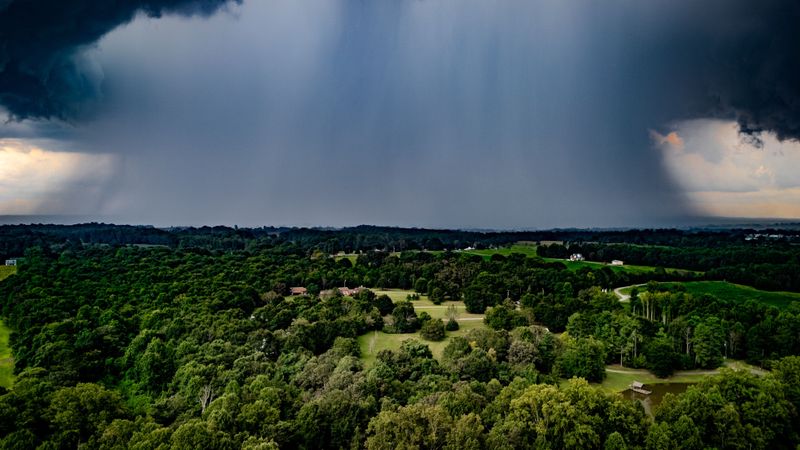
Virginia summers have a reputation for afternoon thunderstorms that roll in fast and drop serious rain before most people even have time to close their car windows. These storms are irregular, but they are frequent enough to matter.
A single strong storm can drop half an inch to a full inch of rain in under 30 minutes. That amount of water saturates most garden soils and eliminates the need for supplemental watering for several days.
The problem is that many gardeners water on a fixed schedule without checking whether rain already handled the job. Watering the day after a solid storm is one of the most common and easily avoidable garden mistakes.
A basic rain gauge is inexpensive and takes two minutes to read. Knowing that 0.7 inches fell last night means you can confidently skip your morning watering and let the soil absorb what it already received.
August storm patterns in the mid-Atlantic region mean that even during hot stretches, rain events are often just a few days apart. That gap is well within the tolerance range of most established garden plants.
Tracking rainfall also helps you spot patterns over weeks. You might discover your garden gets more water than you thought, which changes how you plan your entire watering routine going forward.
Storms are doing more of the watering work than most people realize this month. A rain gauge remains one of the most overlooked tools sitting unused in garden sheds.