The Plants California Fire Officials Want Gone Before Peak Fire Season
Some plants earn their place in a California yard because they grow quickly, stay green, or hide an unattractive fence. Fire season can turn those same qualities into liabilities.
Dense growth may hold withered material deep inside, while dry foliage can ignite easily and carry flames toward nearby structures. The biggest concern is not always a particular species.
Location, spacing, and upkeep can make an ordinary landscape plant far more hazardous than it appears.
A healthy-looking shrub pressed against siding deserves different scrutiny than one growing well away from the house.
The same goes for neglected grasses or trees that create a continuous path through the yard.
As peak fire season approaches, officials urge homeowners to judge vegetation by the fuel it provides, not simply by how attractive it looks.
Several familiar plants may need severe thinning, relocation, or complete removal before the next ember lands nearby.
1. Junipers Packing More Firepower Than They Look
Do not let the low, spreading shape fool you. Junipers are one of the most fire-dangerous plants found in residential yards across California, and fire officials have been warning about them for years.
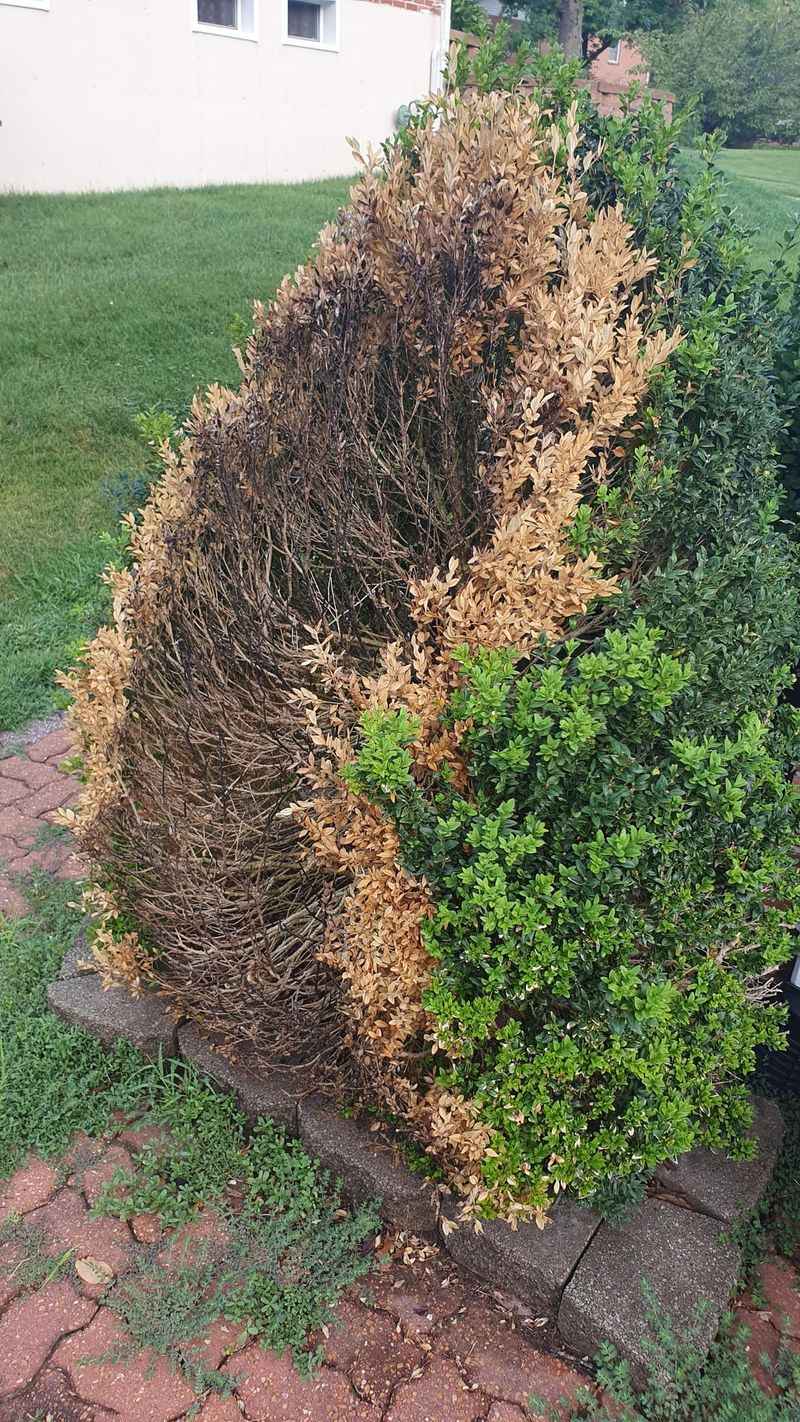
Their dense, resinous foliage holds oils that ignite quickly and burn hot.
A single juniper can act like a small bomb when conditions are dry. The interior of a mature juniper is packed with damaged, dry branches that never get sunlight.
That hidden dry material is essentially stored fuel sitting right next to your home.
Fire agencies often list junipers at the top of their removal lists, especially when they are planted close to a house or fence line. Many homeowners keep them because they are low-maintenance and stay green year-round.
But that evergreen look comes with a serious trade-off during fire season.
If removing them entirely is not possible, keeping junipers pruned and thinned reduces the risk significantly. Remove withered interior branches regularly and keep the base clear of dry leaves and debris.
Better yet, replace them with fire-resistant ground covers like ice plant or creeping sage. Making this swap before peak season could make a real difference when a fire threatens your street.
2. Bamboo Hiding Dry Fuel Inside Dense Clumps
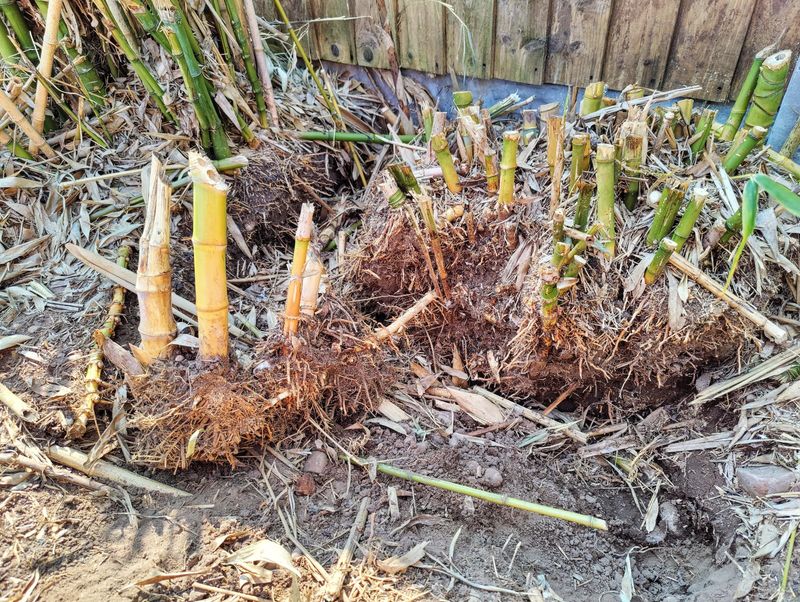
Bamboo grows fast, looks tropical, and gives yards a sense of privacy that homeowners love. The problem is what happens inside those dense clumps when the rainy season ends and the heat sets in.
Dry bamboo stalks and fallen leaves build up quickly, and they burn with surprising intensity.
Fire officials in multiple regions of California have flagged bamboo as a serious concern, particularly when it grows along fences or property lines. Once it catches, bamboo burns hot and spreads rapidly.
The hollow stalks can even pop and crack, throwing burning material in multiple directions.
Running bamboo varieties are especially problematic because they spread underground and can be very hard to contain. Homeowners often underestimate how far bamboo has traveled until it shows up in unexpected places.
That spread means the fuel load covers a wider area than most people realize.
Your California Garden Changes Every Week. Your Plan Should Too.
Gardening in California changes quickly throughout the season. Every Friday you’ll receive a simple weekly plan showing exactly what to plant, prune, fertilize, harvest, and protect so you never miss the right timing.
Clearing bamboo before fire season means cutting it back hard, removing all dry debris from the base, and treating any regrowth as soon as it appears. Clumping bamboo varieties are less invasive but still need regular maintenance.
If bamboo is growing along a shared fence line, coordinate with your neighbor on removal. A tidy yard on one side does not help much if the other side is a wall of dry stalks.
3. Italian Cypress Turning Into Tall Green Torches
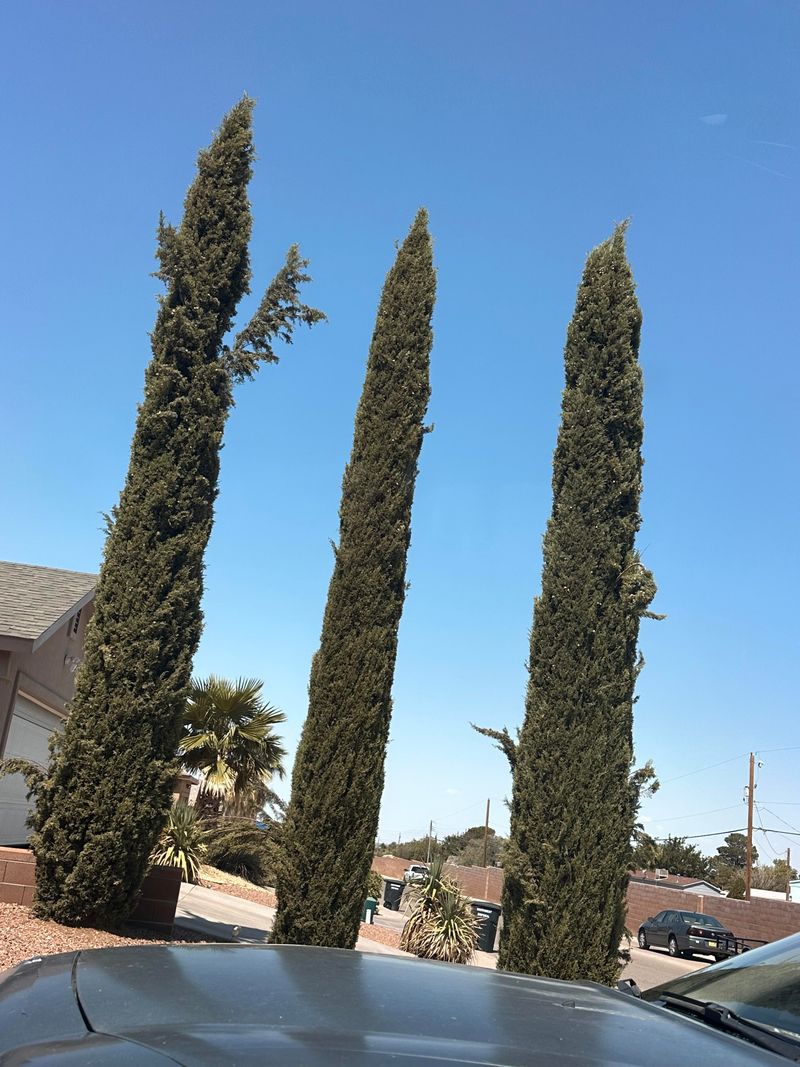
There is something almost elegant about a row of Italian cypress trees lining a driveway or property edge. They are tall, narrow, and deeply rooted in Mediterranean-style landscaping.
But fire officials have a less flattering name for them: torches. When dry and stressed, Italian cypress trees burn from the bottom up with incredible speed.
Their columnar shape acts like a chimney, pulling the fire upward and throwing embers high into the air.
Those embers can land on rooftops and ignite spot fires far from the original source.
What makes them especially risky is their height. A single burning cypress can reach 40 to 70 feet tall, sending flames and burning debris well above rooflines and into the path of the wind. In areas where fire moves fast, that is a serious problem.
Fire officials recommend removing Italian cypress trees within 30 feet of any structure. If you love the look they provide, consider replacing them with lower-growing, fire-resistant alternatives like certain varieties of arborvitae or native shrubs.
Keeping any remaining trees well-watered and free of dry foliage also reduces their risk level. Taking action before summer peaks is the smartest move a homeowner can make.
4. Eucalyptus Dropping Bark That Burns Fast
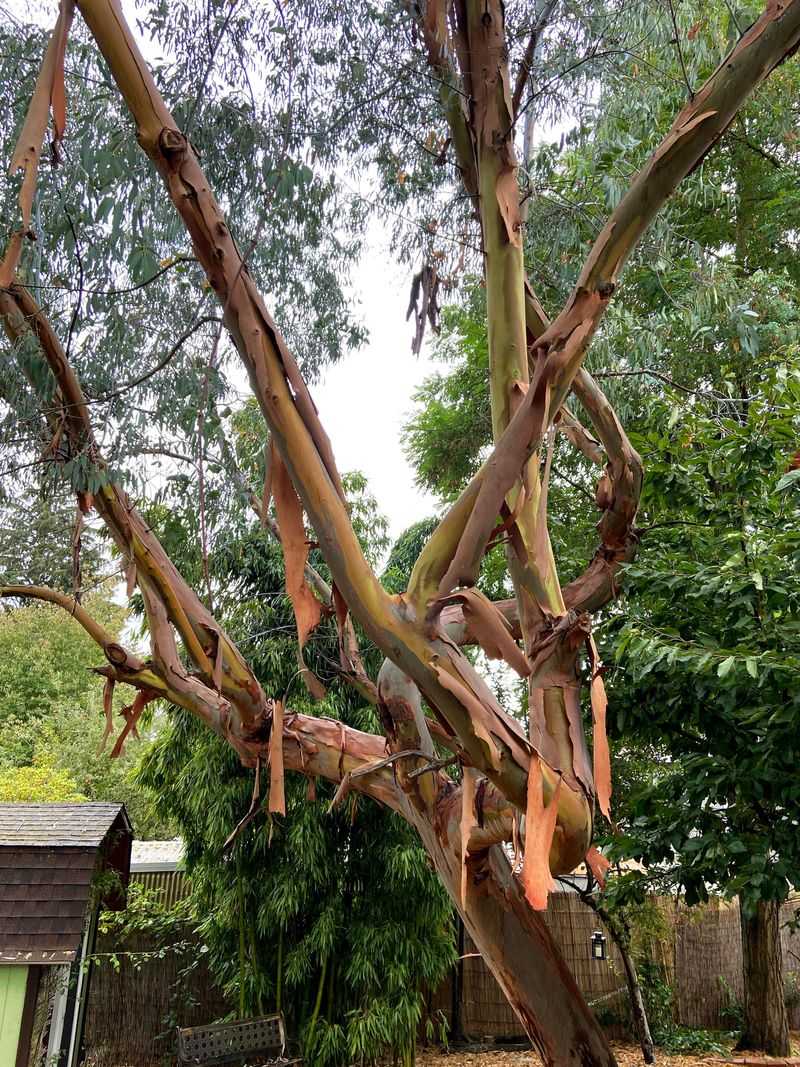
Few trees are as closely linked to fire danger in California as the eucalyptus. Originally brought over from Australia in the 1800s, eucalyptus trees were planted widely across the region.
What nobody fully anticipated was how fire-adapted they truly are, and how much that works against us here.
Eucalyptus trees shed long strips of bark throughout the year. That bark lands on the ground and dries out quickly, creating a thick layer of flammable material around the base of the tree.
Add in the oil-rich leaves that also drop constantly, and you have a fuel bed that is ready to ignite at any time.
When a eucalyptus tree catches fire, it burns intensely. The oils in the leaves and bark create a hot, fast-moving flame.
Burning bark strips can also lift into the air on wind currents and carry fire to new locations, making spot fires a major concern wherever these trees grow near homes.
Fire officials strongly recommend removing eucalyptus trees near structures and replacing them with native, drought-tolerant species. If removal is not immediately possible, clearing all fallen bark and leaf debris regularly is essential.
Keep the area under and around the tree as clean as possible throughout the dry season. That extra effort can slow how fast a fire moves through your property.
5. Palm Trees Holding Dry Fronds Way Too Long
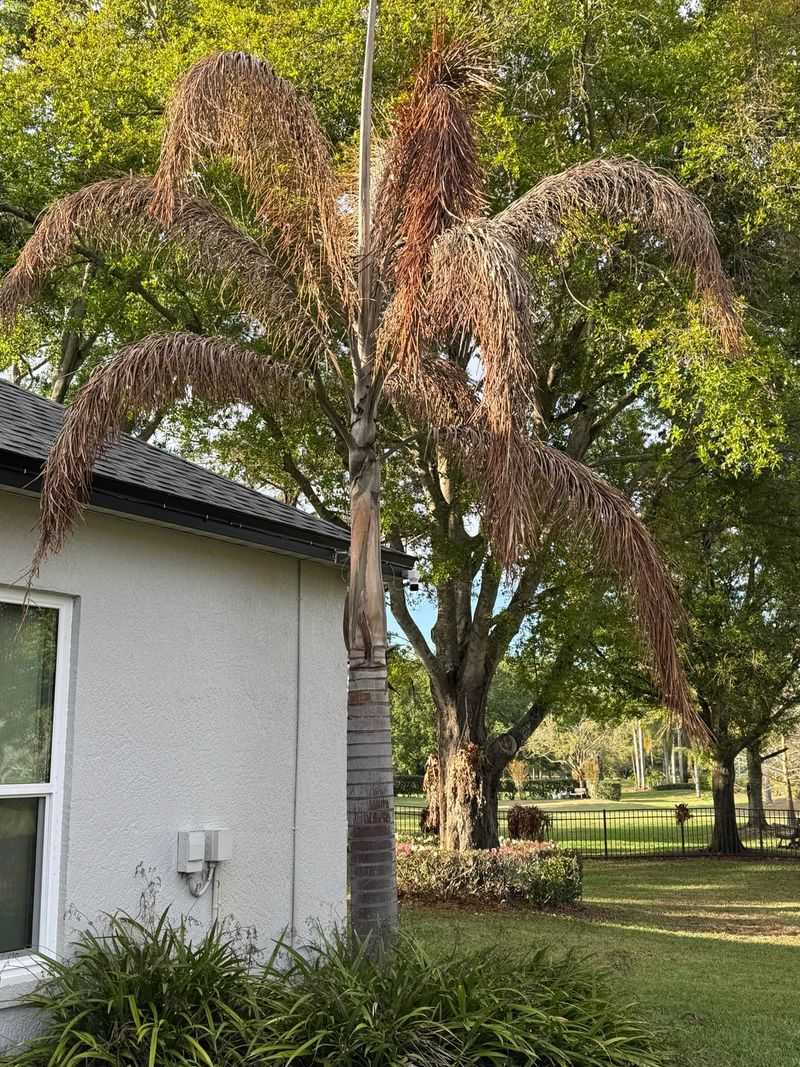
These trees are practically a symbol of warm, sunny living in Southern California. They line boulevards, stand tall in backyards, and show up in almost every postcard image of the region.
But those iconic silhouettes come with a hidden fire risk that many homeowners overlook until it is too late.
Dry fronds hang on to palm trees for a long time. As they dry out, they form a thick, papery skirt around the trunk that is highly flammable.
One ember landing in that skirt can set the whole thing ablaze within seconds. Burning fronds then fall or fly off, spreading fire to nearby rooftops and landscaping.
California fire officials consistently cite un-trimmed palm trees as a top fire hazard in residential areas. Some areas have local ordinances requiring palm tree maintenance before the dry season.
Even without a legal requirement, removing dry fronds is one of the easiest and most effective things homeowners can do.
Trimming should be done carefully and ideally by a licensed arborist. Improper cuts can harm the tree and create new problems.
Aim to remove all brown fronds while leaving the green canopy intact. Many fire agencies recommend trimming at least once a year, with a second pass before summer begins.
A clean palm tree is not just safer; it also looks much better.
6. Rosemary Growing Thick Right Against The House
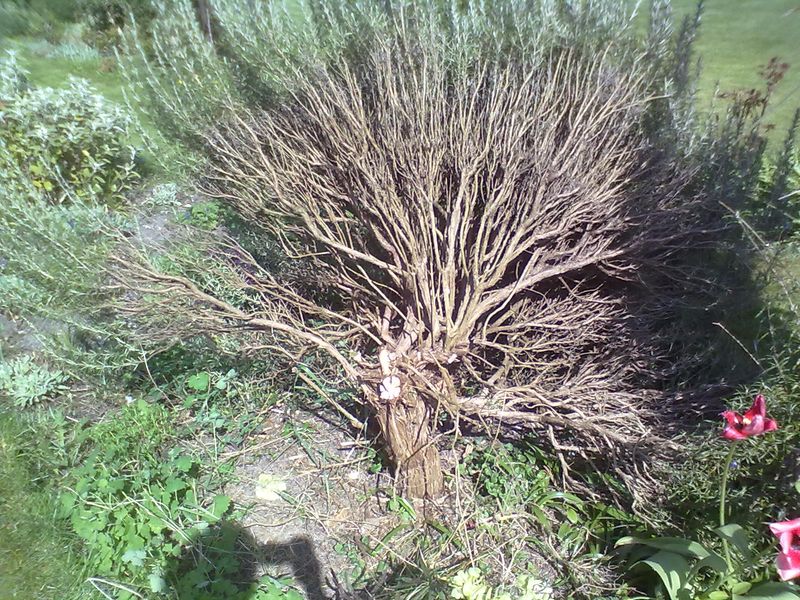
This versatile shrub smells wonderful, grows easily in dry climates, and has been a favorite in yards across the state for generations. It is drought-tolerant, deer-resistant, and practically grows itself.
All of that sounds great until you realize that rosemary also contains aromatic oils that make it burn fast and hot.
The real danger comes from how and where rosemary is typically planted. Homeowners often let it grow thick and woody right up against the house, along walkways, or under windows.
Over time, the interior of the plant fills with dry, damaged wood. That combination of oily foliage and dry interior creates a fire hazard that is easy to underestimate.
Fire officials recommend keeping rosemary and similar aromatic shrubs at least five feet away from any structure.
If you have a large rosemary hedge growing against your foundation, now is the time to cut it back hard or remove it entirely.
Replacing it with a low-growing, non-aromatic ground cover is a smart move before fire season peaks.
If you want to keep rosemary in your yard, try growing it in containers placed away from the house. That way, you get the fragrance and the culinary benefits without the fire risk.
Pruning it regularly also helps by reducing the amount of dry, withered wood inside the plant. A little maintenance goes a long way with this popular but risky shrub.
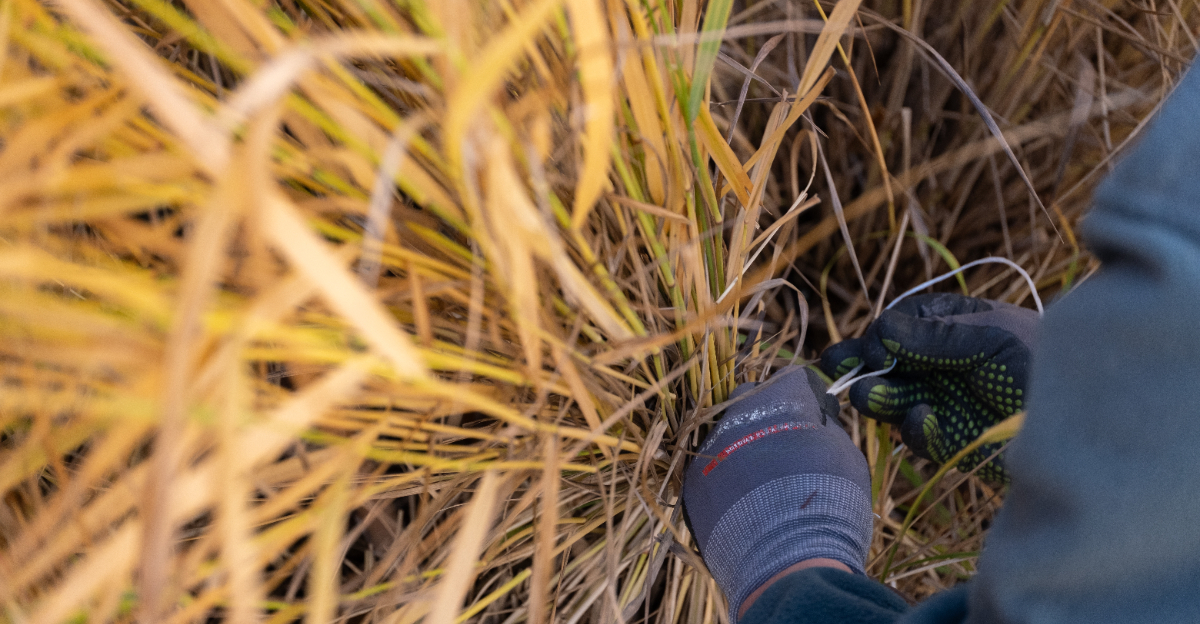
7. Ornamental Grasses Drying Into Backyard Kindling
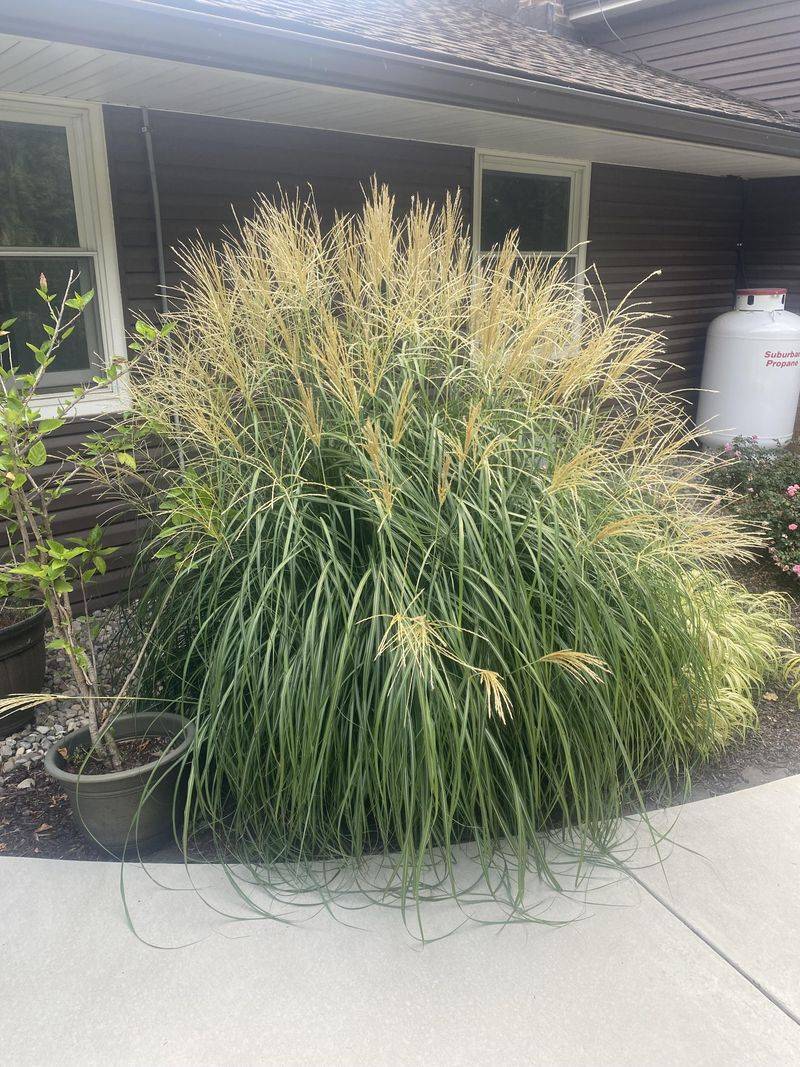
Ornamental grasses have become incredibly popular in modern landscaping. They are low-maintenance, water-wise, and add beautiful texture to a yard.
But by the time summer arrives, many of them have turned from lush and green to dry and golden brown, and that is when they become a serious problem.
Dry ornamental grass ignites almost instantly when exposed to a spark or ember. A large clump can be fully engulfed in seconds.
Because these grasses are often planted in clusters or rows, fire can race from one clump to the next in a chain reaction that moves faster than most people expect.
Pampas grass is one of the most commonly cited offenders. It grows large, produces fluffy plumes that catch embers easily, and can spread aggressively.
But many other varieties, including Mexican feather grass and fountain grass, carry similar risks when they dry out in the summer heat.
Fire officials recommend cutting ornamental grasses back hard in late spring before they fully dry out. Remove all the damaged material from the base and dispose of it properly.
Avoid planting large ornamental grasses within 30 feet of any structure or fence line. If you love the look, consider replacing high-risk varieties with native bunchgrasses that are better adapted to local fire conditions.
Some native options are beautiful and much safer to have near your home.
8. Pines Piling Needles Under Their Own Branches
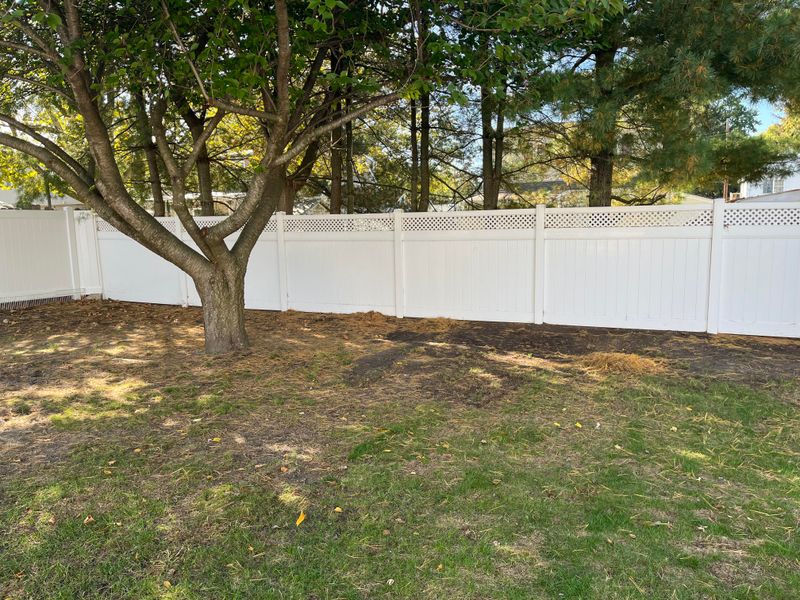
In the foothills and mountain communities of our state, they are everywhere. But pine trees have a habit that creates a serious fire hazard year after year, and it builds up quietly beneath their branches.
Pine needles fall constantly and pile up on the ground, on rooftops, and in gutters. Dry pine needles are extremely flammable.
A thick layer of them around the base of a tree gives fire an easy pathway to climb up into the canopy. Once a pine tree is burning, it is very hard to stop.
The resin inside pine bark and branches also burns intensely. When a pine torch ignites, it throws embers and burning debris across a wide area.
In communities where homes sit close together, one burning pine can put multiple properties at risk very quickly.
Fire officials recommend clearing all pine needles from the ground within at least 30 feet of any structure. Gutters and rooftops should be cleaned out regularly throughout the dry season.
Remove any withered or low-hanging branches to reduce the chance of fire climbing the tree. Keeping the area around pines clean and clear is one of the most important habits you can build before fire season reaches its peak.
Make it a regular routine, not a one-time task.
9. Overgrown Shrubs Creating A Fire Ladder
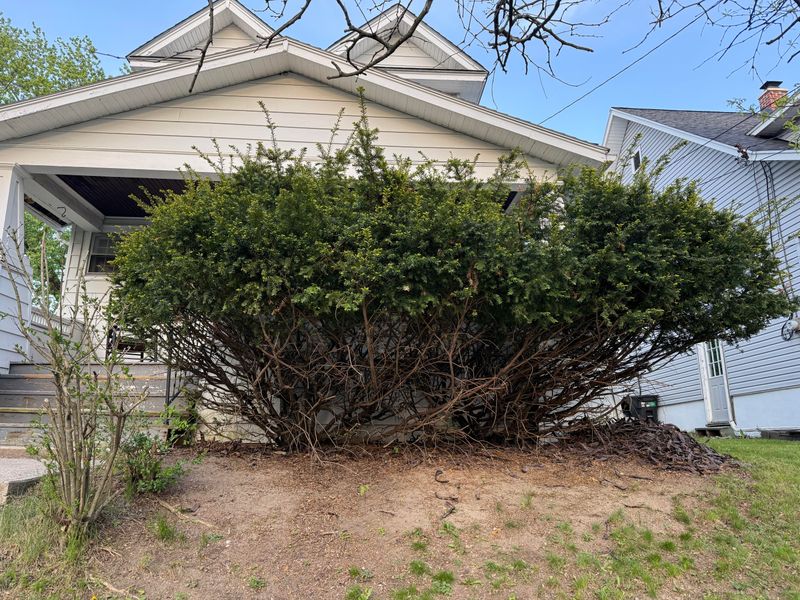
A fire ladder is exactly what it sounds like. It is a pathway of vegetation that allows fire to climb from the ground up into the higher branches of trees and then onto rooftops.
Overgrown shrubs are the most common way fire ladders form in residential yards, and most homeowners have no idea it is happening.
When shrubs grow tall and bushy without regular pruning, their upper branches can reach the lower limbs of nearby trees. Fire that starts in dry grass or ground cover can move up through the shrubs and into the tree canopy in a matter of minutes.
From there, it spreads fast and becomes very difficult to control.
Common culprits include oleander, coyote brush, toyon, and many ornamental species that grow quickly and are often left untrimmed. Any shrub that is allowed to grow tall and dense near a tree creates this risk.
The problem gets worse when multiple overgrown shrubs are planted in a row or cluster.
The fix is straightforward but requires commitment. Prune shrubs so they do not touch or reach toward tree branches above them.
Keep the space between the top of shrubs and the lowest tree limbs clear. Remove dry wood and dry debris from inside each plant.
Fire agencies recommend inspecting your yard for fire ladders every spring and again before the heat peaks. A well-maintained yard breaks the chain that fire needs to climb.