What Oregon Gardeners Should Plant Now Before The Fall Rains Arrive
Late summer can feel like an odd time to think about planting, but Oregon’s next stretch of weather creates a valuable opportunity.
Once the first steady fall rains arrive, newly planted roots can settle into cooler soil without needing the constant irrigation demanded by July heat.
Getting plants in a little earlier gives them time to establish before winter slows growth. That head start can make a noticeable difference when spring returns.
The trick is choosing plants that can handle the transition rather than simply filling empty beds with whatever looks good at the nursery.
Some perennials and woody plants respond especially well to this timing because their roots keep developing after top growth begins to ease.
If there is a bare corner you have been meaning to tackle, the weeks ahead may be more useful than waiting until spring.
1. Garlic Going In Before The Ground Turns Soggy
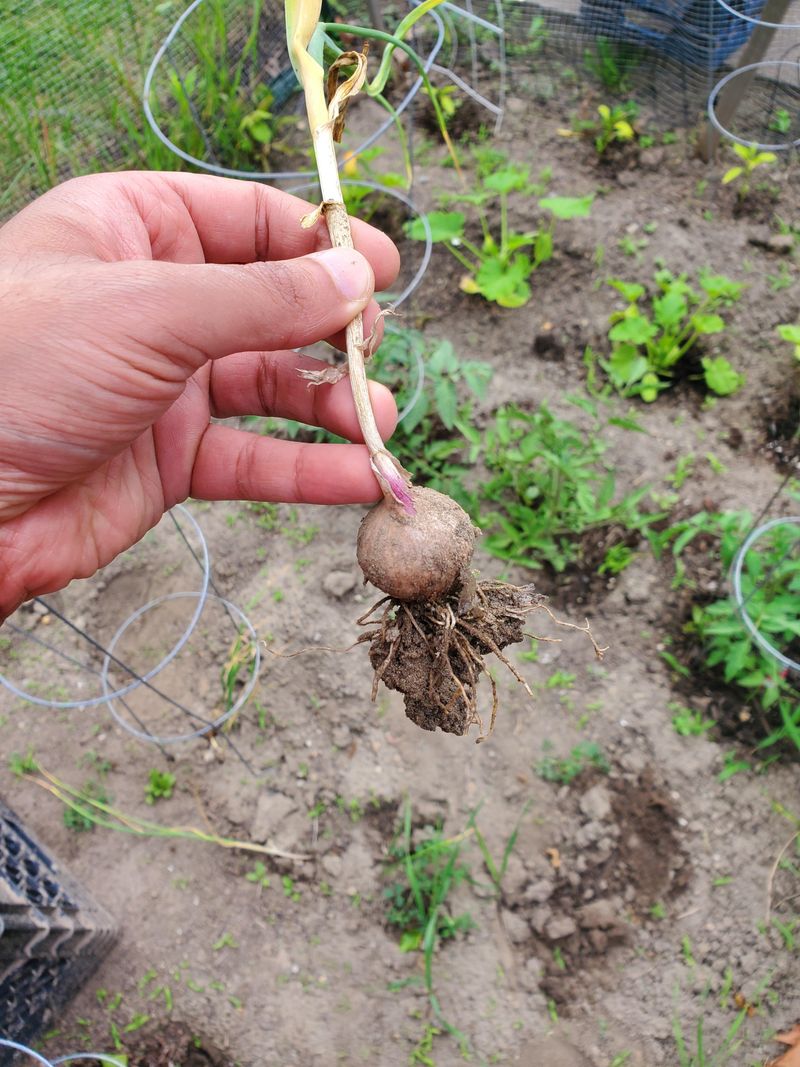
Few things in the garden pay off as well as a well-timed garlic planting. Most gardeners think of garlic as a spring crop, but here in the Pacific Northwest, fall planting is the secret to big, flavorful bulbs.
Getting cloves in the ground before the heavy rains arrive gives them time to sprout roots without sitting in waterlogged soil.
Choose a hardneck variety for best results in our climate. Varieties like Chesnok Red or German Red handle cold winters well and produce large, tasty cloves.
Break apart a healthy bulb and plant each clove about two inches deep, pointed end up, spaced six inches apart.
Good drainage is key. Garlic does not like wet feet, so raised beds or well-amended soil work best.
Add a layer of straw mulch after planting to protect the cloves through winter. You will see green shoots poking up before long, and by next summer, you will have a full harvest ready to pull.
Planting now also means less competition from weeds, since most annual weeds slow down in cooler weather. Garlic is a low-maintenance crop once it is in the ground.
Water it lightly if fall stays dry, and then let the rains do the rest. It is one of the most rewarding things you can grow, and the flavor of homegrown garlic beats anything from the store.
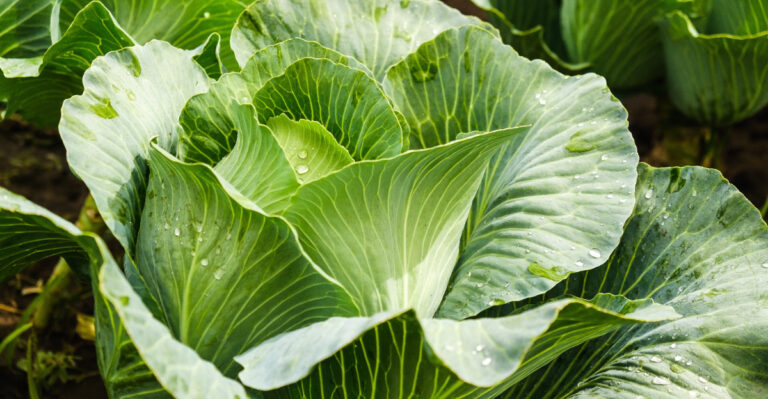
2. Kale Getting A Head Start On Cooler Weather
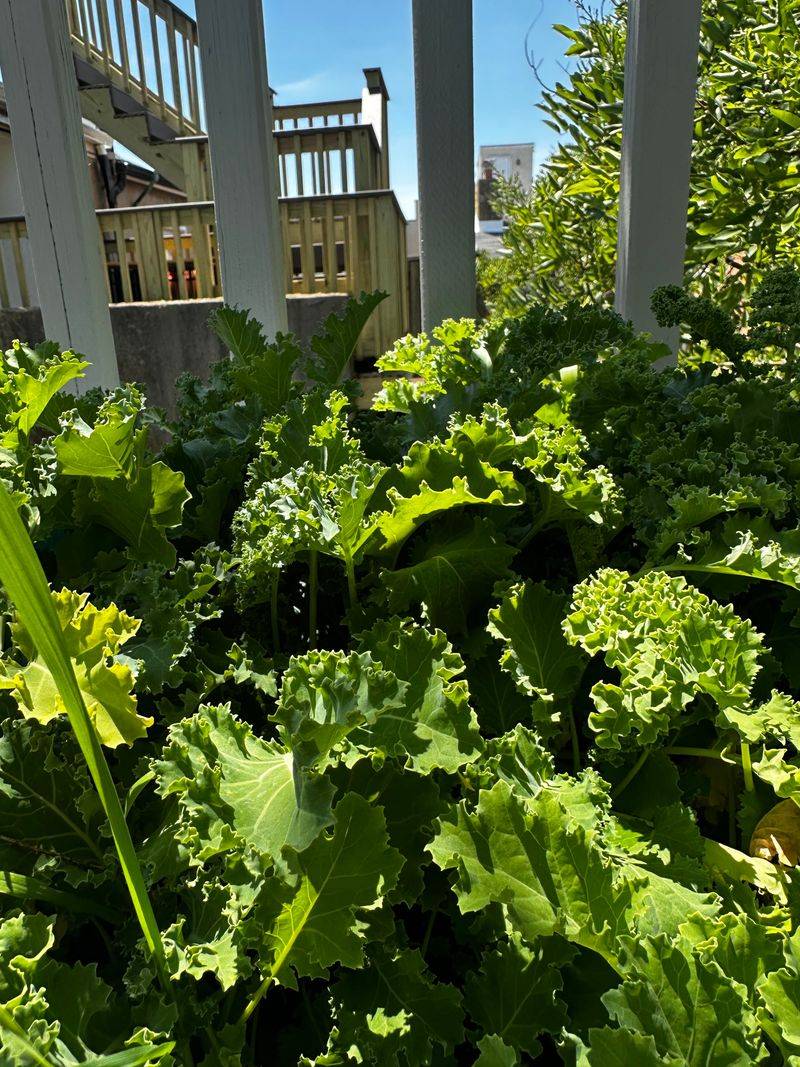
Kale is one of the toughest vegetables you can grow, and planting it now gives it a serious advantage. When temperatures start to drop, kale does not just survive, it actually gets sweeter.
A light frost converts some of the plant’s starches into sugars, making the leaves more flavorful than anything you would buy at a grocery store.
Start seeds directly in the garden or transplant seedlings you started indoors a few weeks ago. Either way, give plants about eighteen inches of space so air can move freely between them.
Good airflow helps prevent fungal issues that come with the wetter months ahead. Lacinato, Red Russian, and Winterbor are all solid choices for our rainy climate.
Your Oregon Garden Changes Every Week. Your Plan Should Too.
Gardening in Oregon changes quickly throughout the season. Every Friday you’ll receive a simple weekly plan showing exactly what to plant, prune, fertilize, harvest, and protect so you never miss the right timing.
Kale grows well in average garden soil, but it appreciates a bit of compost worked in before planting. Keep the soil consistently moist until plants are established, and then the fall rains will take over from there.
Pests like aphids and cabbage worms are less active in cooler weather, so you will deal with fewer problems than a spring planting. Harvest outer leaves as the plant grows to encourage new growth from the center.
A single kale plant can produce leaves all the way through winter and into early spring. That makes it one of the best investments you can make in your fall garden right now.
3. Spinach Loving The Break From Summer Heat
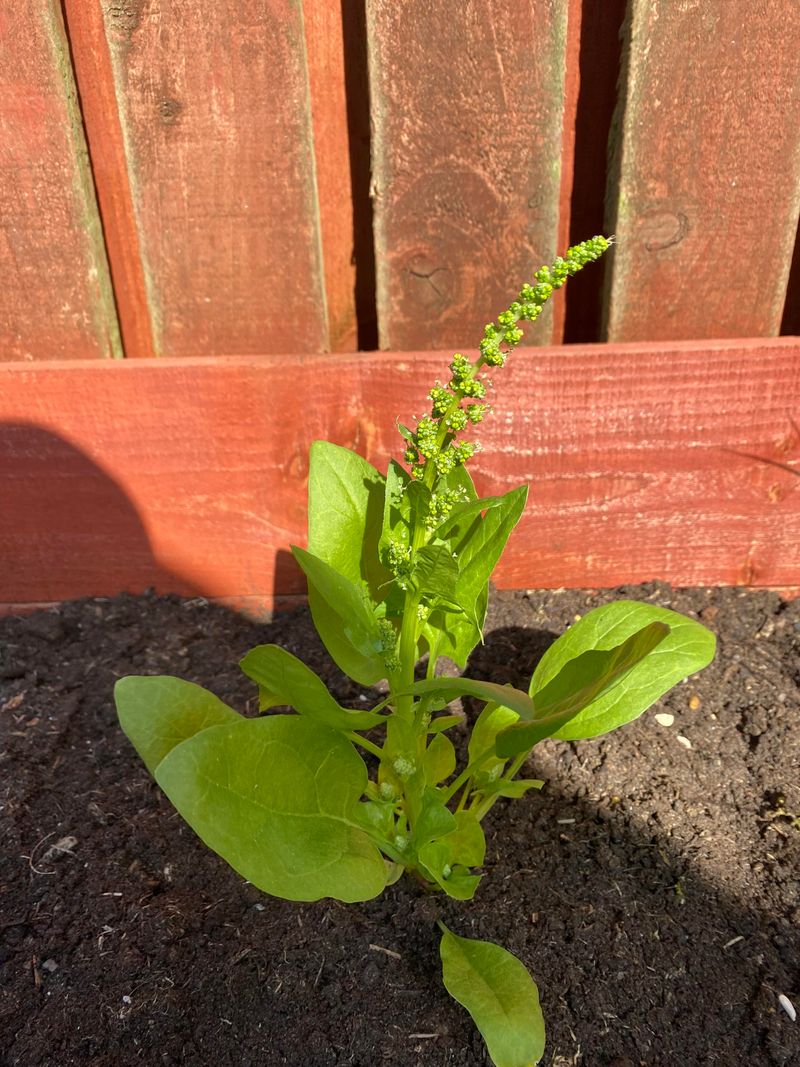
Spinach has a complicated relationship with summer. High heat makes it bolt quickly, sending up flower stalks and turning leaves bitter almost overnight.
But as soon as temperatures cool down, spinach bounces back and becomes one of the easiest, most productive crops in the garden. Now is exactly the right time to get it going.
Direct sow seeds about half an inch deep in rows spaced twelve inches apart. Spinach germinates best when soil temperatures are between 50 and 68 degrees Fahrenheit, which is right where late summer and early fall land in Oregon.
Keep the bed moist until seedlings emerge, which usually takes about a week. Once they are up, thin plants to three to four inches apart so each one has room to develop full, tender leaves.
Varieties like Bloomsdale Long Standing and Space are especially well-suited to fall growing. They hold up well in cold, wet conditions and do not bolt easily.
A lightweight row cover can protect plants if temperatures drop sharply in the northern regions of the state. Spinach grown in fall tends to be more nutritious and better tasting than summer-grown spinach.
The leaves are thicker, darker, and packed with iron and vitamins. You can start harvesting baby leaves in as little as four weeks, making spinach one of the fastest rewards in any fall vegetable garden.
4. Arugula Growing Fast Before The Heavy Rains
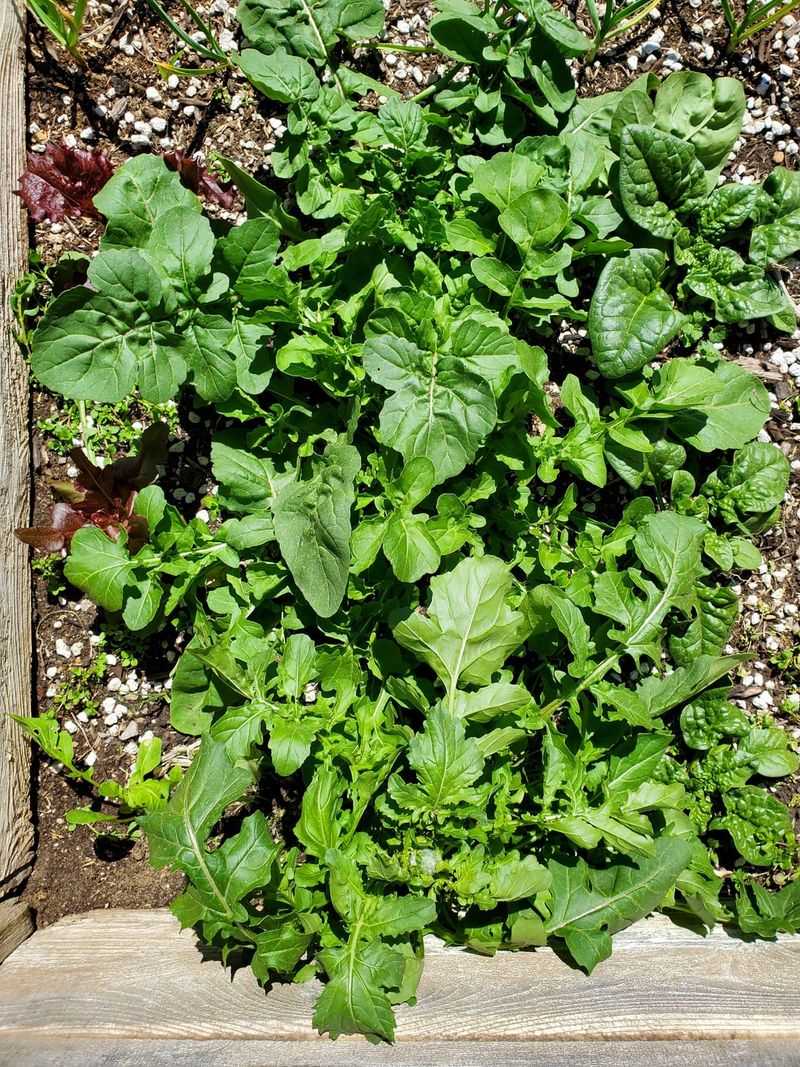
Arugula is the sprinter of the fall garden. From seed to first harvest, it can take as little as three weeks, which makes it one of the best crops to direct sow right now.
It thrives in cooler temperatures and actually becomes more peppery and complex in flavor as the weather chills down.
Scatter seeds thinly across a prepared bed and press them lightly into the soil. No need to cover them deeply, just a light dusting of soil or compost is enough.
Water gently and keep the bed from drying out until seedlings appear. Once plants are a few inches tall, thin them to about four inches apart so each plant has space to spread its leaves without crowding.
Arugula does not need rich soil, but it appreciates decent drainage. If your garden beds tend to stay wet, consider mixing in some compost to improve texture before the rains arrive.
Harvest leaves when they reach two to three inches long for the mildest flavor. Larger leaves pack more heat, which is perfect for people who love that signature arugula bite.
Cut the plant back to about an inch above the soil and it will regrow for another harvest. You can get two or three cuts from a single planting before the plant gives out.
Few vegetables offer this kind of quick turnaround with so little effort in a fall garden.
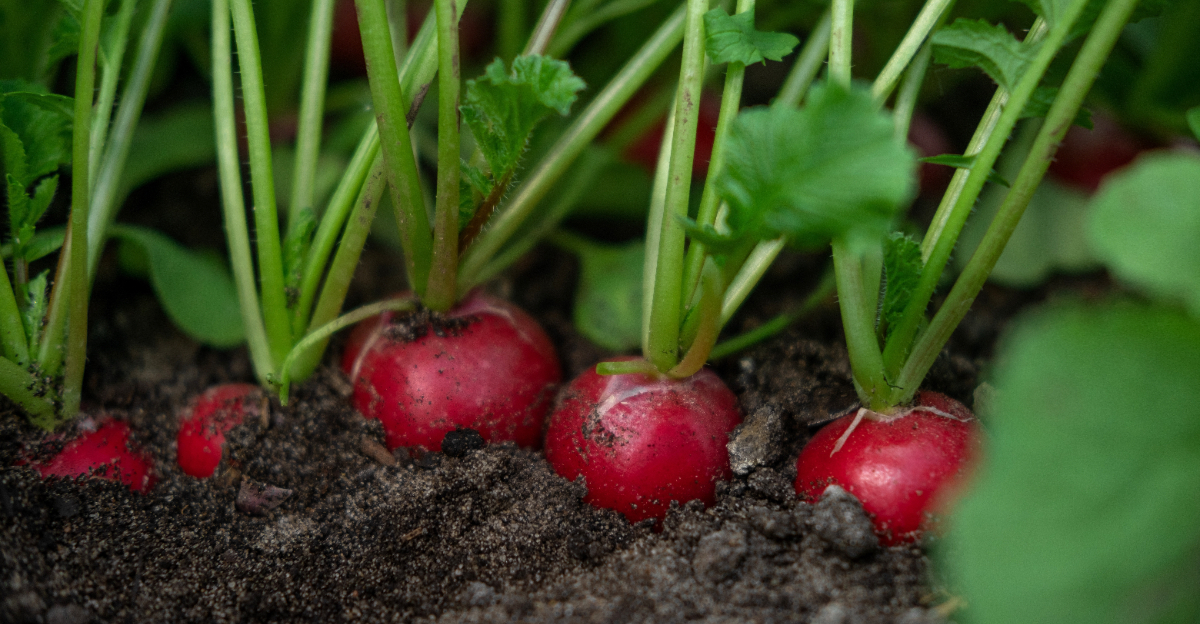
5. Radishes Racing From Seed To Harvest
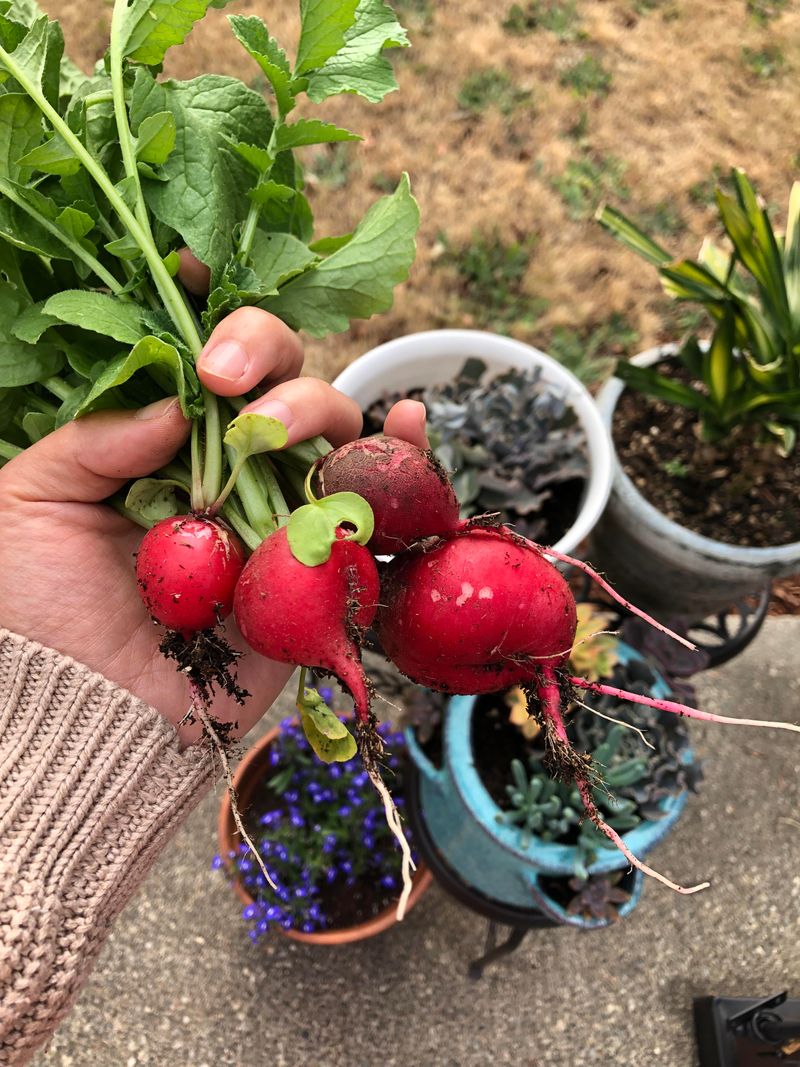
If patience is not your strong suit, radishes were made for you. Some varieties go from seed to table in as little as three weeks, making them the fastest crop you can grow in a fall garden.
Planting now means you could be pulling crisp, spicy radishes before the first heavy rain of the season even arrives.
Sow seeds about half an inch deep and an inch apart in rows spaced about six inches apart. Thin seedlings to two inches apart once they sprout so each bulb has room to swell properly.
Crowded radishes tend to stay small and get woody. Varieties like Cherry Belle and French Breakfast are reliable performers and handle our mild fall temperatures well.
Radishes actually prefer cooler soil, so late summer planting gives them ideal conditions as temperatures ease off from summer highs. They do not need much fertilizer, and heavy feeding can push leafy top growth at the expense of the root.
Keep the soil consistently moist to prevent cracking and bitterness. Stagger your planting every two weeks to keep a steady supply coming in.
Because they mature so fast, you can plant a second or even third round before the soil gets too cold.
Radishes also work great as companion plants, helping to loosen compacted soil and drawing pests away from slower-growing crops nearby in the garden bed.
6. Carrots Settling In While The Soil Is Still Warm
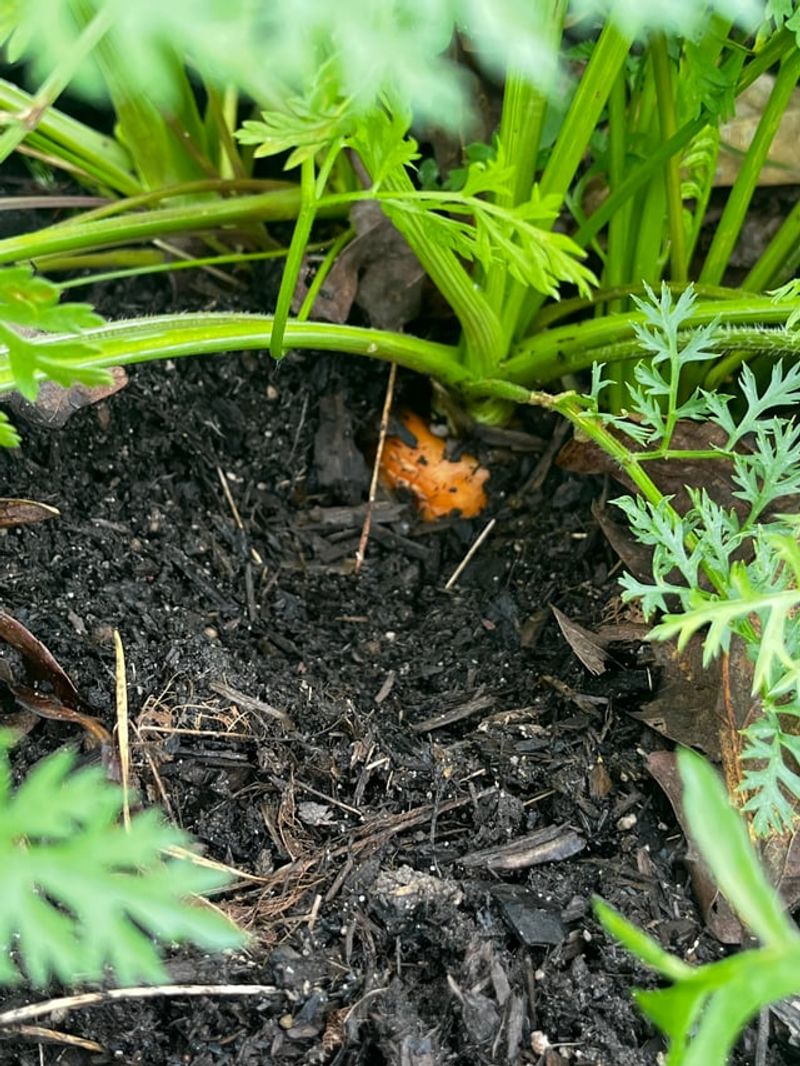
Carrots need time, and planting them now gives them exactly that. Warm soil in late summer speeds up germination, which is one of the trickiest parts of growing carrots successfully.
Once the seeds sprout and roots begin forming, the cooling temperatures of fall actually improve the flavor, making carrots sweeter and more tender than summer-grown ones.
Loosen the soil deeply before sowing, at least ten to twelve inches down, to give roots room to grow straight. Remove rocks and break up clumps.
Sow seeds thinly, about a quarter inch deep, in rows eight inches apart. Carrot seeds are tiny and easy to oversow, so try mixing them with sand for more even distribution across the bed.
Keep the soil surface moist until germination, which can take one to three weeks. Once seedlings are an inch tall, thin them to two to three inches apart.
Crowded carrots fork and tangle, making harvest frustrating. Varieties like Nantes and Danvers are great picks for Oregon’s clay-heavy soils.
They are shorter and stockier, which means they do not need as much depth to develop well. Mulching lightly after thinning helps retain moisture and keeps the shoulder of each carrot from turning green.
With the right timing and a little patience, you will be pulling sweet, vibrant carrots well into winter, long after most summer crops are just a memory.
7. Broccoli Transplants Building Roots Before Fall
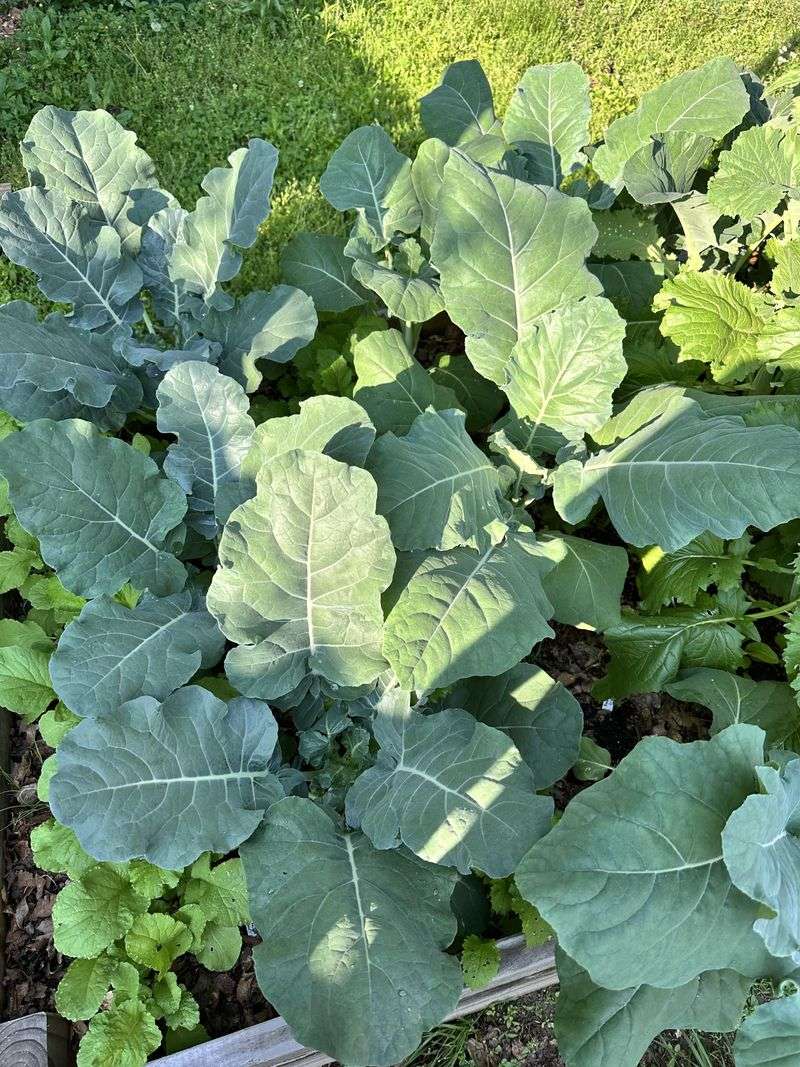
There is something satisfying about watching a broccoli head form in the cool, misty air of a Pacific Northwest fall. But that moment only happens if you get transplants in the ground at the right time.
Planting now gives the root system weeks to establish before cooler, wetter weather sets in, which leads to stronger, more productive plants overall.
Start with healthy transplants that are four to six weeks old, or pick some up from a local nursery.
Space them eighteen to twenty-four inches apart to allow for full head development and good airflow between plants.
Broccoli is a heavy feeder, so work a balanced fertilizer or generous amount of compost into the bed before planting. Give each transplant a deep watering right after it goes in the ground.
Varieties like Waltham 29 and Belstar perform well in our climate and are known for producing side shoots after the main head is harvested.
Those side shoots can keep producing into late fall and even early winter in milder parts of the state.
Watch for cabbage loopers and aphids early in the season, as they are most active before temperatures drop. A row cover can offer protection from both pests and early cold snaps.
Broccoli grown in cool weather tends to be more tender and flavorful than anything rushed through in summer heat, so the wait is absolutely worth it.
8. Onions Getting Established Ahead Of Winter
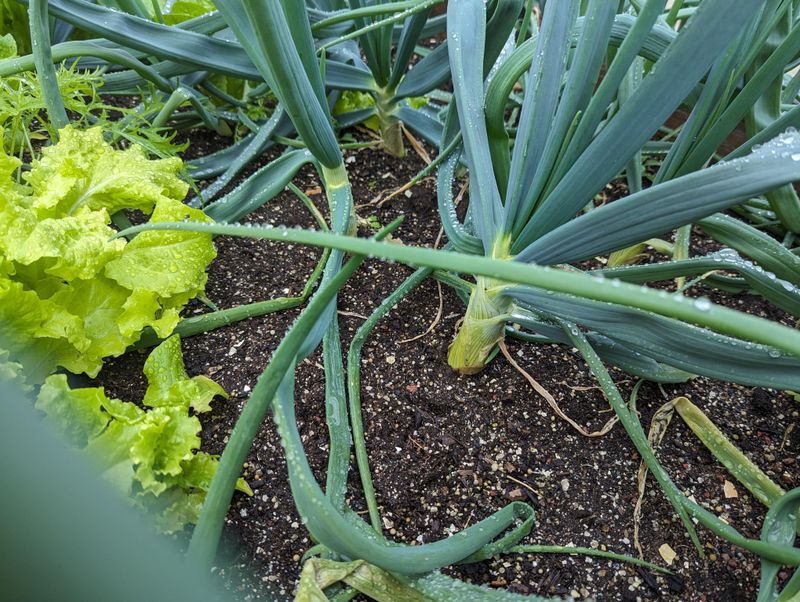
Onions planted now have a real advantage over spring-planted ones. Getting them in the ground before the rains arrive lets roots spread out while the soil is still easy to work with.
By the time winter arrives, the plants are already settled and ready to push through into a strong spring growing season with a serious head start.
You can plant onions from sets, which are small bulbs, or from transplants. Sets are easier to handle and establish quickly.
Push each set about an inch into the soil, pointed end up, spaced four to six inches apart in rows twelve inches apart.
Choose short-day or intermediate varieties if you are in the southern part of the state, and long-day varieties if you garden in the northern regions.
Onions like loose, well-drained soil with good fertility. Mix compost into the bed before planting and add a balanced fertilizer to give plants a strong start.
Keep the bed weeded, since onions have shallow roots and do not compete well with weeds. Water lightly after planting and let the fall rains take over once they begin.
You will not see dramatic growth above ground during winter, but the roots will be quietly expanding underground.
Come spring, your onions will take off fast and size up much sooner than those planted in March or April.
The extra lead time makes a noticeable difference at harvest.
9. Native Perennials Rooting In Before Rainy Season
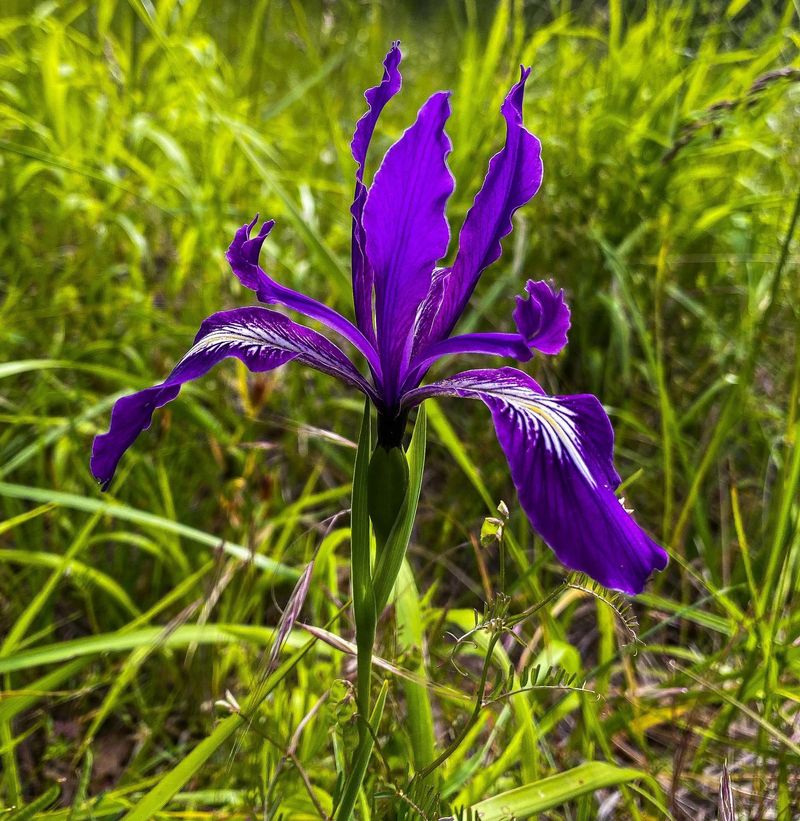
Planting native perennials right now is one of the smartest long-term moves any gardener in this region can make. The soil is warm, the air is cooling, and the rainy season is just weeks away.
That combination is nearly perfect for root development. Plants put in the ground now will spend the entire wet season building deep, strong root systems without needing much help from you.
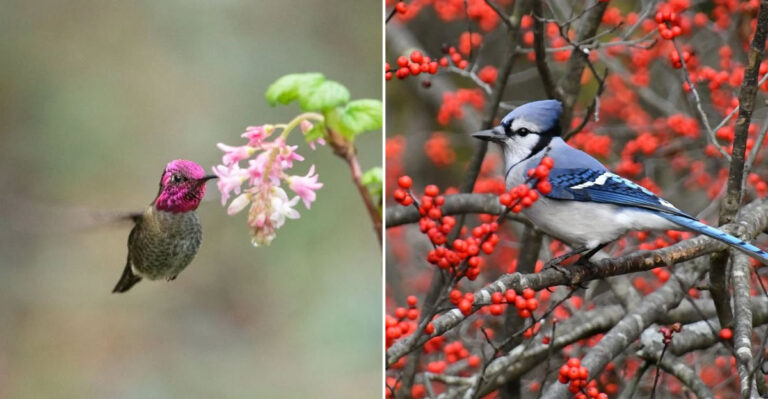
Great choices include Oregon grape, red flowering currant, camas, and native asters. These plants are adapted to the specific rainfall patterns, soil types, and temperatures of the Pacific Northwest.
They require far less water and maintenance once established compared to non-native ornamentals. Many also provide food and shelter for local pollinators, birds, and beneficial insects throughout the year.
Dig a hole twice as wide as the root ball but no deeper. Set the plant so the top of the root ball sits level with the surrounding soil.
Backfill with the native soil you removed, and water deeply after planting. A two-inch layer of wood chip mulch around the base helps retain moisture and keeps weeds down through the wet months.
Avoid fertilizing at planting time, since native plants prefer lean soil conditions. Let the rain do the watering once the season shifts.
By next spring, these plants will look like they have been growing in your garden for years, and they will keep coming back stronger every season after that.