The Real Reason Praying Mantises Choose Kentucky Gardens
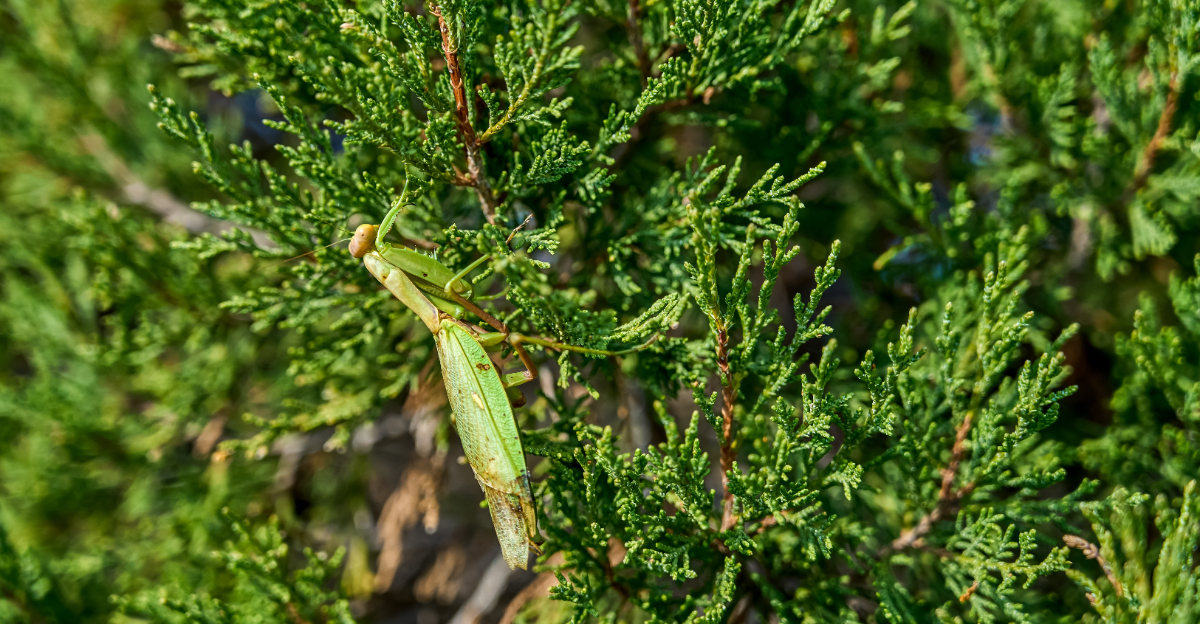
A mantis on your fence post is never truly a random accident. Something rare is happening right where you stand. Most gardeners miss this signal, unaware of its true meaning.
Your garden just passed a quiet test few yards achieve. Kentucky offers a truly rare mix of humidity, prey, and shelter. Predators rarely settle for scraps or weak cover.
Green stalks, tangled leaves, and steady insect traffic all matter. Gardeners rarely notice what truly attracts these hunters. Few insects reward patience like this hunter does.
Understanding their choices reveals hidden strengths in your soil and layout. Seasonal shifts across Kentucky push mantises toward specific textures and heights.
Height matters more than most gardeners realize. Shelter matters just as much, sometimes even more.
Timing decides whether a mantis stays or leaves. Every signal you missed is about to make sense. You will not look at your garden the same way again.
Why Praying Mantises Choose Certain Gardens
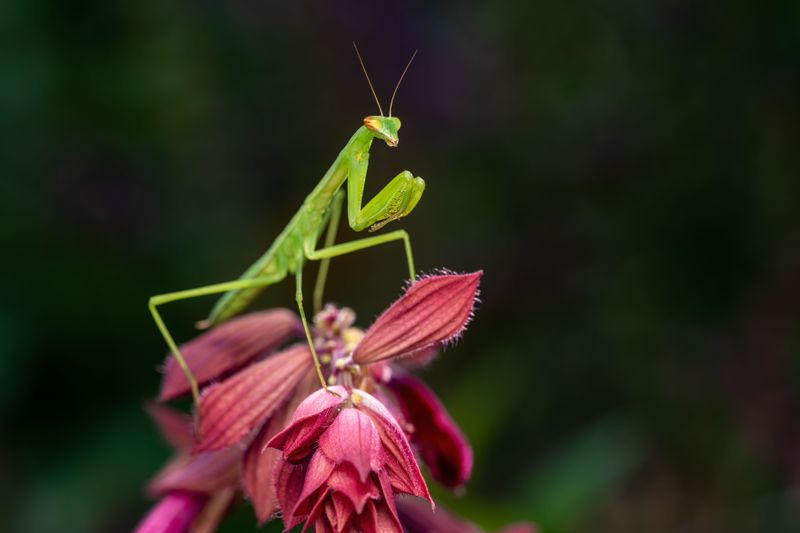
Not every garden gets a visit from a praying mantis. These sharp-eyed hunters are picky, and they show up where conditions are just right.
Mantises look for gardens packed with dense, layered vegetation. Tall plants, ground cover, and shrubs give them plenty of hiding spots to ambush prey.
Sunny spots matter a lot to mantises. They are cold-blooded, so warm, sun-drenched garden beds help them stay active and hunt more efficiently.
Gardens with a wide variety of plants attract more insects overall. More insects mean more food, and mantises follow the food chain like tiny, focused predators.
Water sources nearby also play a role. A birdbath, a garden pond, or even moist soil draws in the smaller bugs that mantises depend on for survival.
Pesticide-free gardens are especially attractive to these hunters. Chemical sprays wipe out the insect population that mantises need, so organic spaces naturally become their preferred territory.
Gardens with tall grasses and flowering plants offer ideal egg-laying spots too. Female mantises attach their foam egg cases, called oothecae, to firm plant stems and branches.
Praying mantises in Kentucky gardens tend to appear from late spring through fall. That timing lines up perfectly with peak insect activity in the region.
If a mantis has chosen your garden, it likely reflects favorable conditions in your space. Your space is offering exactly what this beneficial insect needs to survive and thrive.
What Their Presence Says About Your Ecosystem
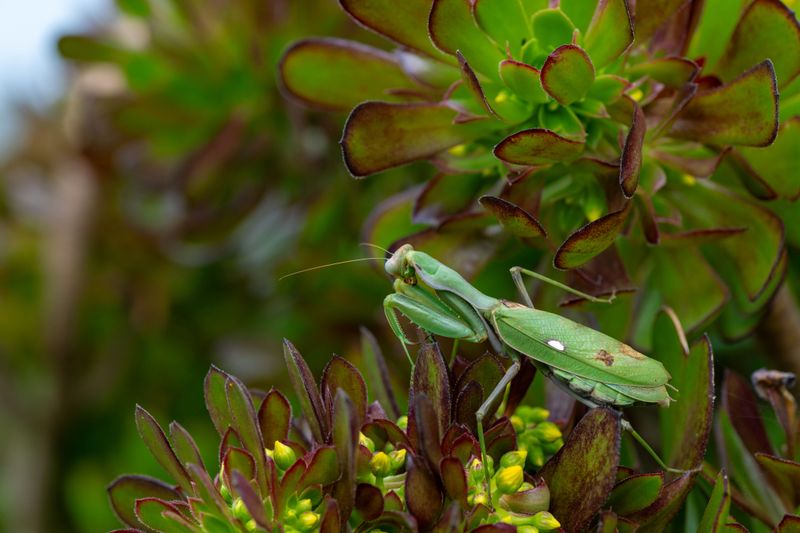
Spotting a mantis in your garden is a positive ecological signal. Their presence is a direct signal that your ecosystem is functioning well.
Mantises sit near the top of the garden insect food chain. They only stick around when there is a rich, balanced supply of prey below them.
A thriving insect community requires healthy soil, clean water, and diverse plant life. When all three exist together, predators like mantises naturally move in.
Gardens free from synthetic chemicals tend to support far more life. Beneficial insects, pollinators, and natural hunters all coexist in spaces where pesticides are not regularly applied.
Your Kentucky Garden Changes Every Week. Your Plan Should Too.
Gardening in Kentucky changes quickly throughout the season. Every Friday you’ll receive a simple weekly plan showing exactly what to plant, prune, fertilize, harvest, and protect so you never miss the right timing.
Seeing a mantis also suggests your garden has structural diversity. Layers of tall plants, mid-level shrubs, and low ground cover create the kind of habitat complexity these hunters prefer.
Bird activity often increases in gardens where mantises live. Birds and mantises share overlapping habitats, and both signal a food-rich, biologically active environment.
Butterflies and bees tend to appear in the same gardens too. Pollinators thrive in pesticide-free, plant-rich spaces, and mantises benefit from the insect traffic those pollinators bring.
Your garden is essentially a small, self-sustaining world. Every creature in it plays a connected role, and the mantis is one of the clearest signs that those connections are working.
A garden that attracts praying mantises in Kentucky is likely offering favorable conditions. Protect that balance, and nature will keep rewarding your space with beneficial visitors.
Common Species Found In Kentucky Gardens
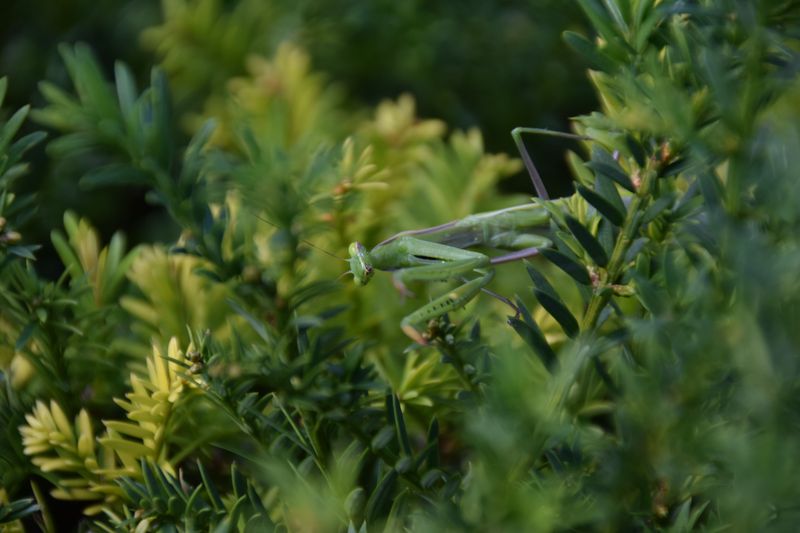
Kentucky gardeners are lucky to host several mantis species throughout the warmer months. Each one brings its own personality and hunting style to your backyard.
The Chinese mantis is the largest and most commonly spotted. Introduced to North America in the late 1800s, it can grow up to five inches long and is hard to miss.
Its brown and green coloring helps it blend into woody stems and dry foliage. Gardeners often spot Chinese mantises on tomato cages, sunflowers, and tall ornamental grasses.
The Carolina mantis is widely considered the most common native species in the eastern United States. Smaller and more slender than its Chinese cousin, it tends to favor open, sunny garden areas.
Carolina mantis coloring varies by individual, ranging from gray to brown to green, regardless of sex. This natural variation helps individual mantises blend into slightly different parts of the garden habitat.
The European mantis is another introduced species that has spread widely across North America. Solid green or tan in color, it is often found resting on flowering plants and shrubs.
All three species are completely harmless to humans and pets. Their focus is entirely on the insects around them, making them safe and welcome garden companions.
Each species lays its eggs in a papery foam case attached to plant stems or fences. Those egg cases survive winter and hatch in spring, releasing hundreds of tiny nymphs.
Knowing which species lives in your garden adds a whole new layer of fun to outdoor time. Start looking closely, and you might be amazed at what you find.
How Mantises Help Control Garden Pests
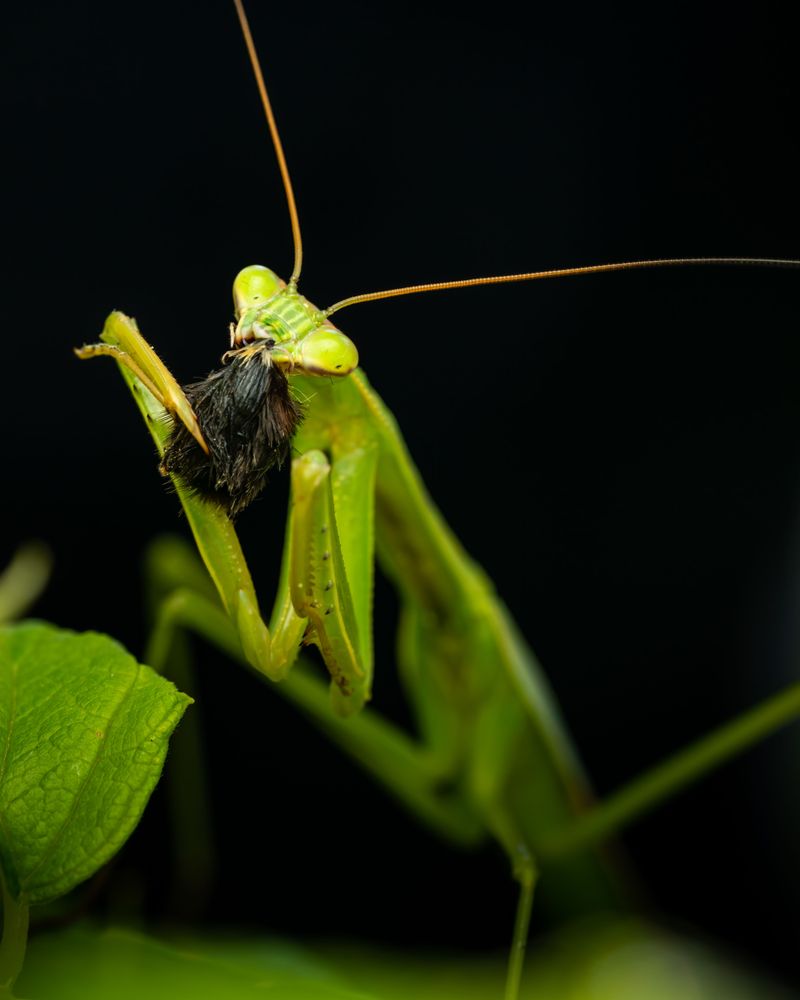
Forget expensive pest sprays and chemical treatments. A single praying mantis can handle a surprising amount of garden pest control completely on its own.
Mantises are ambush predators with lightning-fast reflexes. They stay perfectly still until prey comes within striking distance, then strike with precision speed.
Their diet includes aphids, caterpillars, grasshoppers, beetles, and flies. All of those insects can cause serious damage to vegetable gardens and ornamental flower beds.
Aphids alone can significantly damage a garden within a few weeks. Mantises pick them off steadily, keeping populations from growing into full-blown infestations.
Caterpillars that target leafy greens are another favorite food. Gardeners who grow kale, cabbage, or broccoli know how destructive these larvae can be without natural control.
Grasshoppers are one of the most destructive summer pests in the region. Mantises are one of the few predators agile and patient enough to catch them consistently.
Unlike broad-spectrum pesticides, mantises only target what they can physically catch. That selective hunting style protects beneficial insects like ladybugs and lacewings nearby.
One adult mantis can consume a significant number of pest insects each week during peak season. That level of natural pest management adds up quickly across an entire growing season.
Gardeners who support mantis populations often report healthier plants with less visible damage. Choosing this natural approach saves money and keeps your garden genuinely chemical-free.
Your garden deserves protection that works with nature, not against it. Mantises are proof that the best solutions are often already living right outside your door.
Signs Your Garden Has A Healthy Population

You might have more mantises in your garden than you realize. These masters of camouflage blend in so well that most people walk right past them without noticing.
The clearest sign of a healthy population is finding egg cases in late fall or winter. Those papery, tan-colored foam structures cling to plant stems, fence posts, and woody branches.
Each egg case can hold anywhere from 50 to 200 eggs. Spotting even one means a new generation of mantises is already waiting for spring to arrive.
During summer, watch for sudden stillness on your plants. Mantises freeze when they sense movement, so a motionless shape among the leaves is often worth a second look.
Shed exoskeletons are another quiet clue. As mantises grow, they molt their outer shells, leaving behind ghost-like casings attached to stems or garden structures.
Increased bird activity near certain plants can also hint at mantis presence. Birds hunt mantises, so frequent hovering near a specific shrub sometimes signals something interesting is hiding there.
Noticing fewer aphids or caterpillars on your plants without using any sprays is a meaningful sign. Natural pest reduction often means a predator is quietly doing the work for you.
Baby mantises, called nymphs, are tiny but visible in late spring. They look exactly like adults but are no bigger than a grain of rice when they first hatch.
A garden full of these resident predators is a garden functioning in ecological balance. Keep your eyes open, and the signs will start appearing everywhere you look.
Tips To Attract And Support Mantises
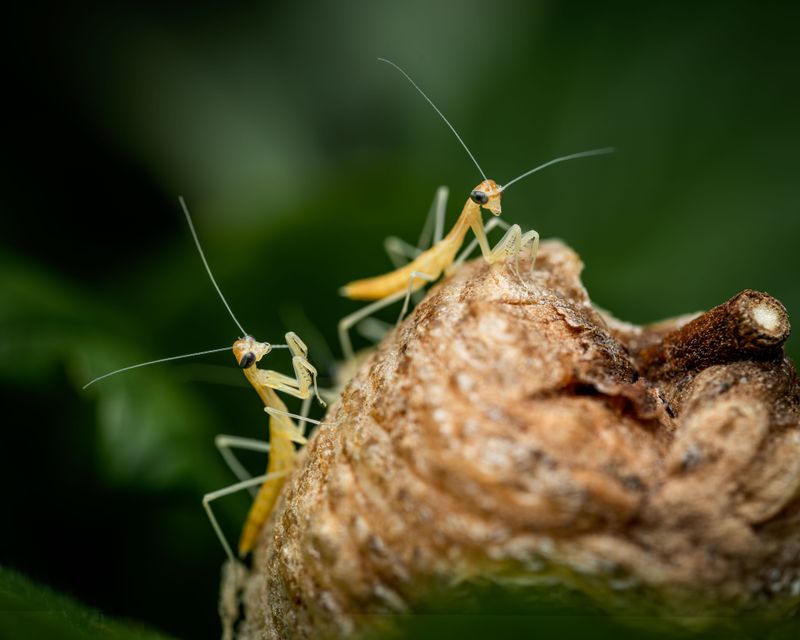
Attracting praying mantises to your garden does not require expensive equipment or complicated plans. Small, intentional changes to your space can make a big difference fast.
Start by removing pesticide use completely. Even one application of broad-spectrum insecticide can wipe out the insect population that mantises depend on for food.
Plant a wide variety of native flowers, grasses, and shrubs. Diversity in plant life creates layered habitat structure, which is exactly the kind of environment mantises seek out.
Tall plants like sunflowers, cosmos, and native grasses are especially attractive. Mantises use height to survey their surroundings and position themselves for successful ambushes.
Leave some areas of your garden a little wild and untrimmed. Overly manicured spaces remove the dense cover that mantises need to hide, hunt, and lay their eggs safely.
Add a shallow water source like a birdbath or small dish near your plants. Moisture attracts the smaller insects that make up the bulk of a mantis diet.
If you find an egg case on a stem you plan to cut, relocate it carefully. Attach it to a nearby branch at a similar height to protect the eggs inside.
You can also purchase mantis egg cases from garden supply stores. Place them in sheltered, sunny spots among your plants and wait for spring hatching to begin.
Supporting praying mantises in Kentucky gardens is one of the most rewarding choices a gardener can make. Give them a home, and they will help reduce pest pressure throughout the season.