Dragonflies Are Visiting Your Kentucky Yard And Here Is What It Really Means
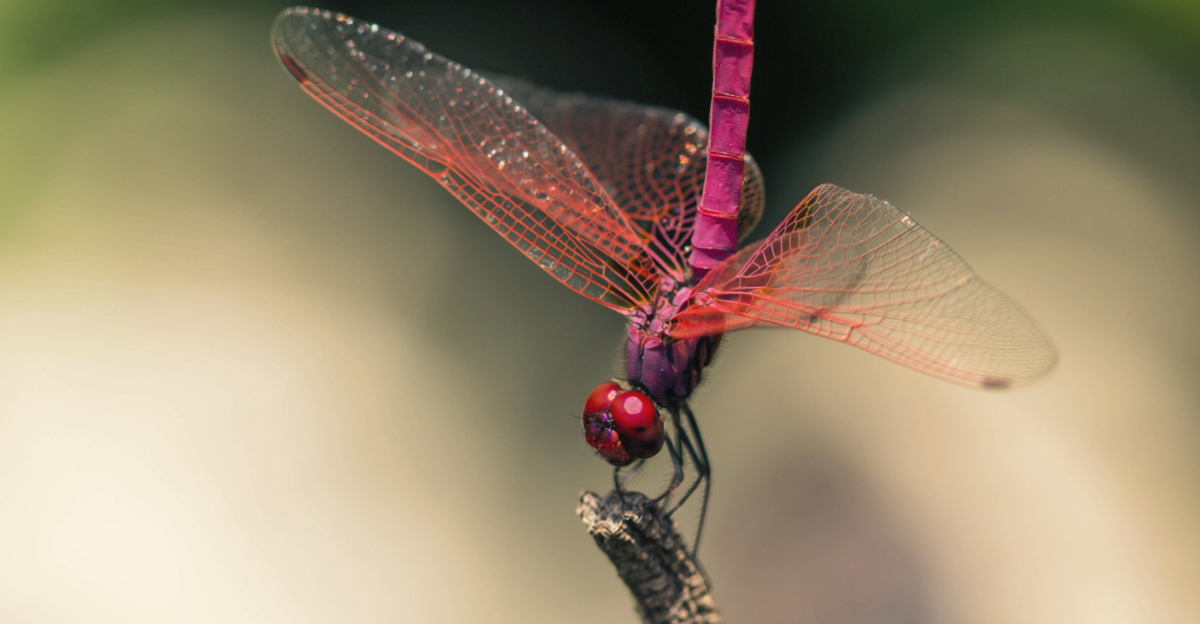
Step outside on a humid Kentucky afternoon and something small will catch your eye before your brain registers what it is. A flicker.
A hover. Four wings moving independently, each at a different angle, defying every rule of flight you thought you knew.
Dragonflies have been pulling this trick for 300 million years, long before the first bird ever tried. They were here before the dinosaurs, and they will outlast most of what we build.
When one decides to haunt your yard, it is not random. Dragonflies do not wander. They hunt with near-perfect accuracy, migrate like birds, and read a landscape the way a seasoned tracker reads a trail.
Kentucky summers draw them in swarms some years, lone scouts in others. Either way, their arrival is a signal, and a precise one. The question is whether you know how to read it.
Nearby Water Sources Are Present Or Close
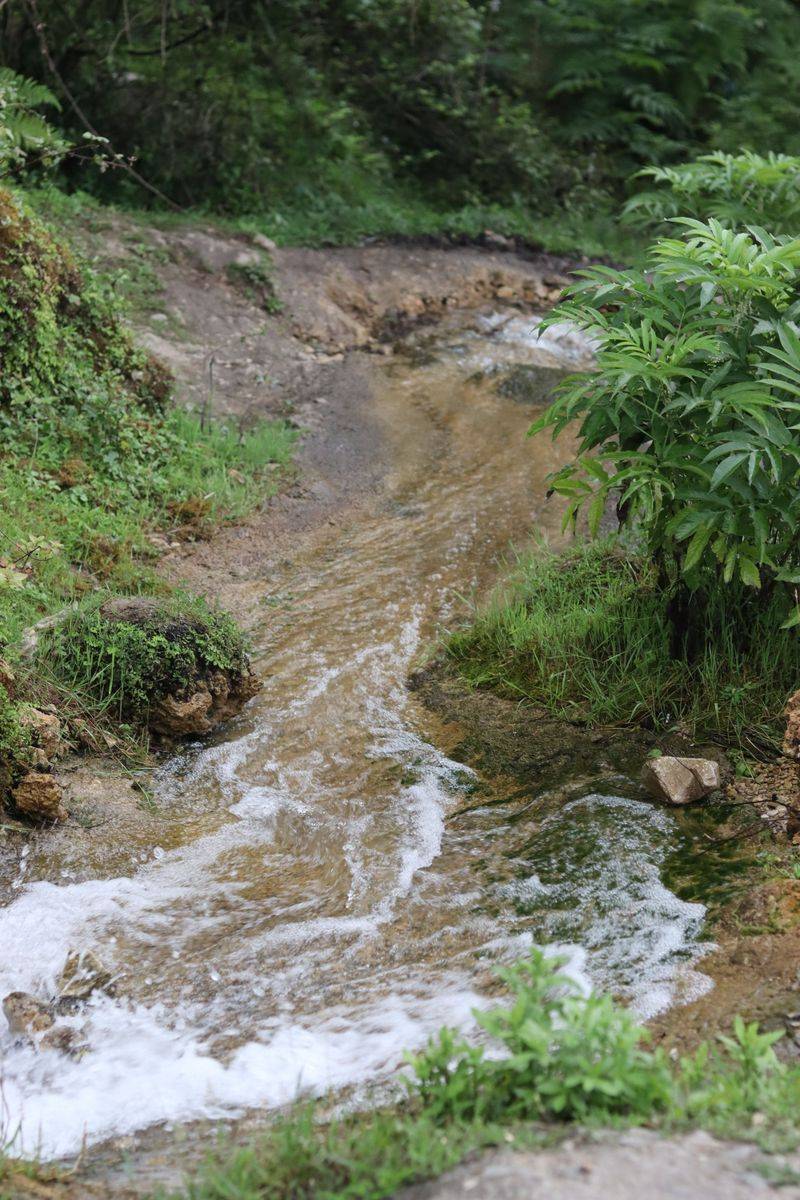
Dragonflies are visiting your Kentucky yard, and the first clue is simple. Water is close by. These winged wonders spend most of their early life in water.
Ponds, creeks, slow-moving streams, and even puddles attract them during their larval stage.
If dragonflies are circling your yard, there is almost certainly a water source within a few hundred feet. It could be your neighbor’s decorative pond or a forgotten birdbath you stopped filling last spring.
Dragonfly larvae need standing or slow-moving freshwater to grow. The adults return to water to breed, so spotting them regularly means they feel at home near your property.
You might not even notice the water source at first. A drainage ditch, a low-lying soggy patch in your lawn, or a natural depression that holds rainwater can all qualify.
Want to attract more dragonflies on purpose? Add a small backyard pond with native aquatic plants. Even a half-barrel water garden works well. Keep the water clean and chemical-free for best results.
Dragonflies are picky about pollution, so their presence near your yard is actually a quiet sign that local water quality is decent. That is genuinely good news for your neighborhood.
Your Yard Has A Healthy Insect Ecosystem
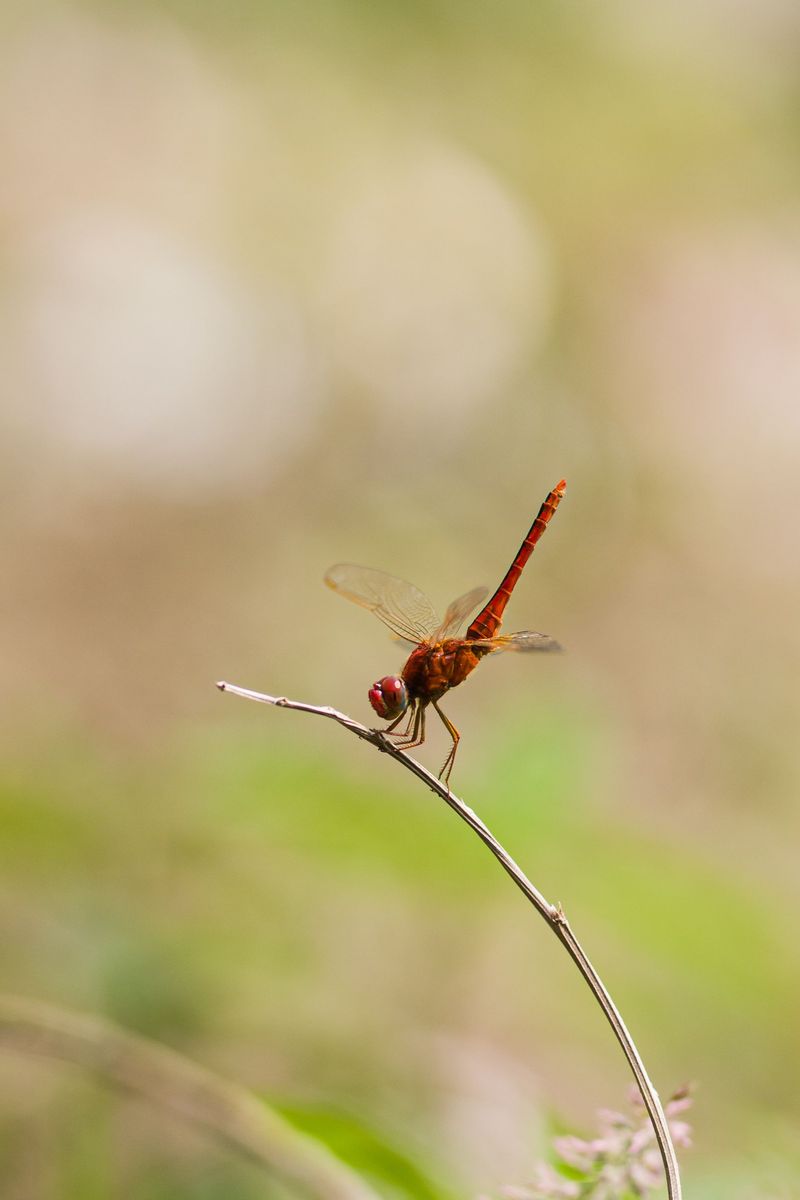
Dragonflies do not settle for just any yard. They are picky neighbors, and your place clearly passed their inspection.
A yard buzzing with dragonflies signals a rich, balanced insect food web. These predators eat gnats, midges, small moths, and flies with impressive precision.
For dragonflies to show up in numbers, there must be enough prey to make your yard worth hunting. That means your garden is thriving with biodiversity, not just pretty flowers.
Native plants play a huge role in building this kind of ecosystem. Plants like goldenrod, coneflower, and black-eyed Susan attract the smaller insects that dragonflies chase down.
A healthy yard also means you are probably not over-spraying pesticides. Broad-spectrum insecticides wipe out the food supply dragonflies depend on, sending them elsewhere fast.
Think of dragonfly visits as a report card on your yard’s ecological health. They show up when the balance is right and the buffet is open. If you want to keep them around, resist the urge to spray everything that moves.
Your Kentucky Garden Changes Every Week. Your Plan Should Too.
Gardening in Kentucky changes quickly throughout the season. Every Friday you’ll receive a simple weekly plan showing exactly what to plant, prune, fertilize, harvest, and protect so you never miss the right timing.
Tolerate a few gnats and midges because those tiny bugs are literally feeding the most spectacular fliers in your backyard. Your yard is doing something genuinely right.
Mosquito And Pest Populations May Decrease Around Your Yard
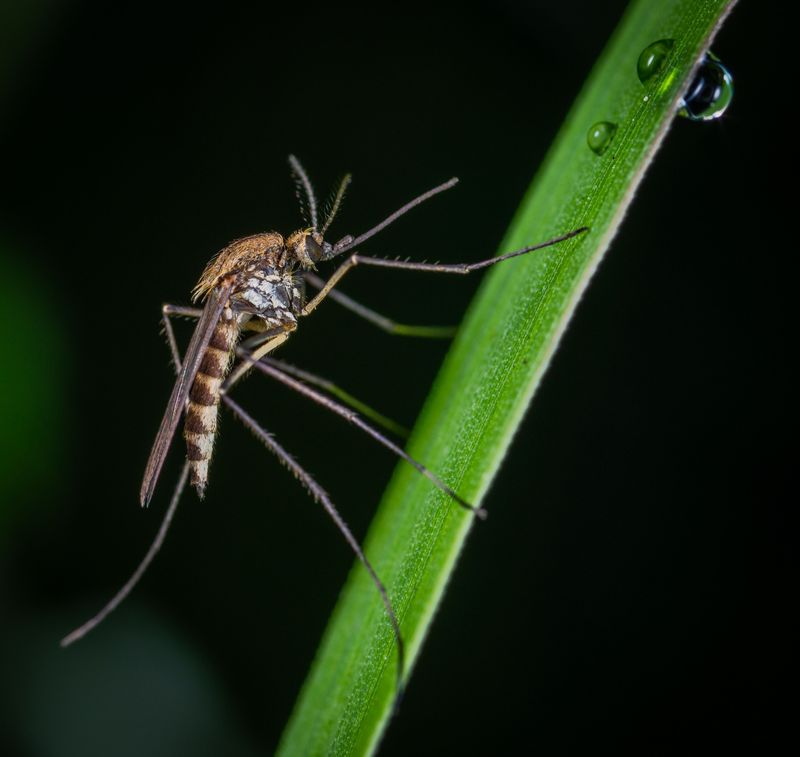
Forget the bug spray for a minute. Your yard just recruited a far more effective pest control team.
A single dragonfly can eat dozens of mosquitoes in a single day, and under the right conditions, far more.
When these fliers patrol your yard, they are actively scanning the air for mosquitoes, gnats, and midges. They snatch prey mid-flight using their legs like a basket.
Scientists have recorded success rates above 95 percent in controlled studies, making them one of the most accurate hunters in the natural world.
Mosquitoes breed in standing water, and dragonflies hunt near those same spots. The timing is not coincidental. This relationship evolved over millions of years of coexistence.
Homeowners who welcome dragonflies often notice fewer bites during evening cookouts. The connection is real and the results are satisfying without any chemical side effects.
You can support this natural pest control by reducing unnecessary pesticide use in your yard. Sprays that target mosquitoes also harm dragonflies and disrupt the balance you are trying to achieve.
Plant tall grasses and native shrubs near any water feature to give dragonflies perching spots between hunts. A few well-placed garden stakes or bamboo poles work just as well.
Fewer mosquitoes and more dragonflies is a trade any backyard lover should happily accept.
Change And Transformation May Be Coming
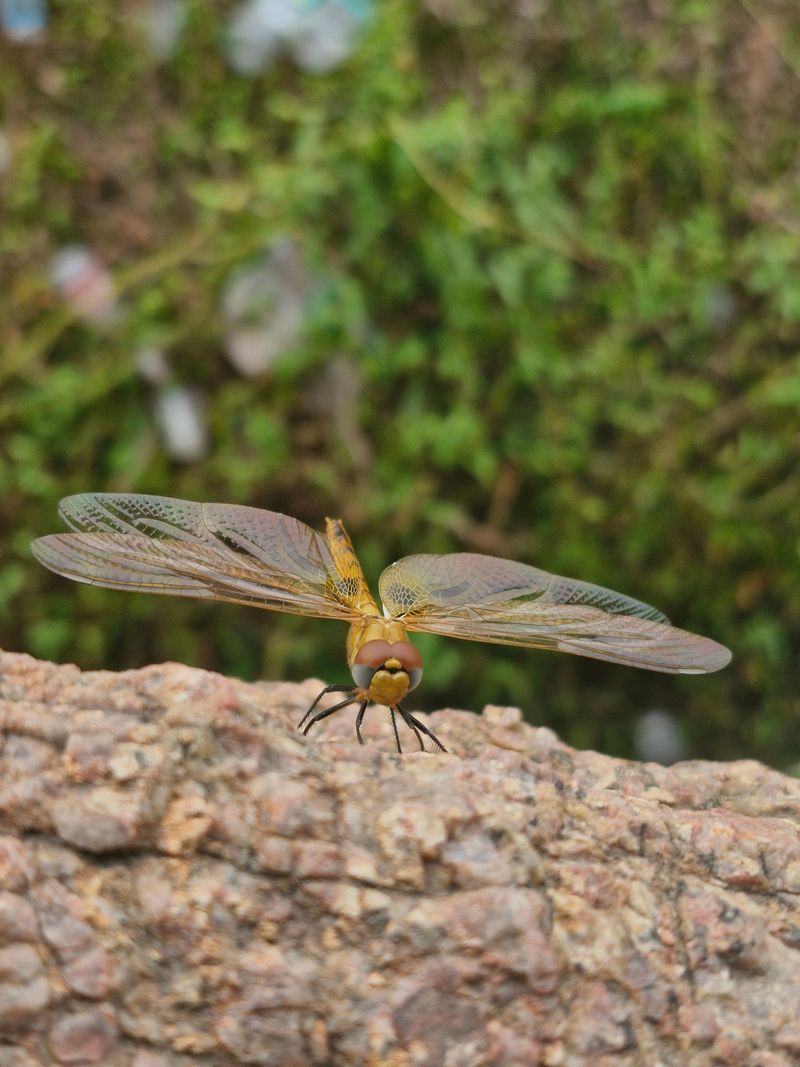
There is something almost magical about watching a dragonfly up close. It starts life as a water-crawling larva and becomes a winged acrobat. That is not just biology. That is a story about change.
Across many cultures, dragonflies symbolize transformation, growth, and personal evolution. When they appear frequently in your space, some people read it as a prompt for personal reflection.
You might be in a season of your own life where big changes are approaching. A new job, a relationship shift, or a move could all be on the horizon.
Even from a purely scientific angle, dragonfly sightings often coincide with seasonal transitions. They appear when summer is shifting gears or when weather patterns are changing nearby.
Paying attention to what is evolving around you is never a bad habit. Dragonflies remind us that transformation is not something to fear but something to fly toward.
Their own metamorphosis takes months or even years underwater before they emerge as adults. They model patience beautifully, even if they never know it.
If life feels like it is on the edge of something new right now, maybe that hovering dragonfly is the most honest mirror in your yard. Change is not a threat. Sometimes it is the whole point of the journey ahead.
Summer Heat Has Officially Arrived In Your Area
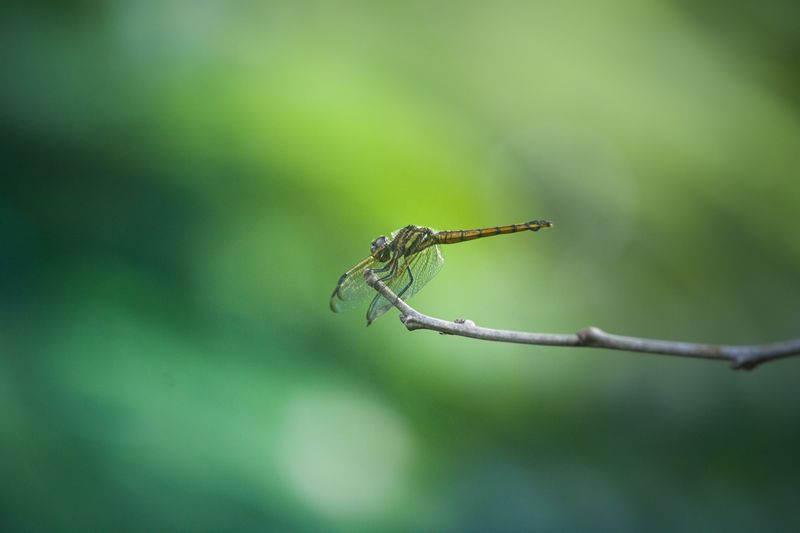
Dragonflies are cold-blooded, and they absolutely love warm weather. When they flood your yard, summer has officially clocked in for its shift.
Air temperatures above 65 degrees Fahrenheit activate dragonfly flight patterns. The hotter the day, the more active and visible these aerial acrobats become in your outdoor spaces.
Backyard barbecue season and dragonfly season overlap for a reason. Both thrive when the sun is blazing and the humidity is climbing through the roof.
In the Bluegrass State, dragonfly activity typically peaks between late May and early September. If you are seeing them now, your summer calendar is officially and enthusiastically open for business.
Dragonflies also use the sun strategically. They angle their bodies to absorb maximum warmth, a behavior called thermoregulation, which helps them stay fast and agile during hunts.
Planting sun-loving native flowers like coreopsis or lanceleaf tickseed near your yard creates warm, bright perching zones that dragonflies find irresistible on hot afternoons.
Watch for them between 10 a.m. and 4 p.m. when the sun is strongest and their energy is at its peak.
Grab a cold drink, pull up a lawn chair, and enjoy the free air show that summer just delivered straight to your backyard door.
A Natural Habitat Corridor Runs Through Your Property
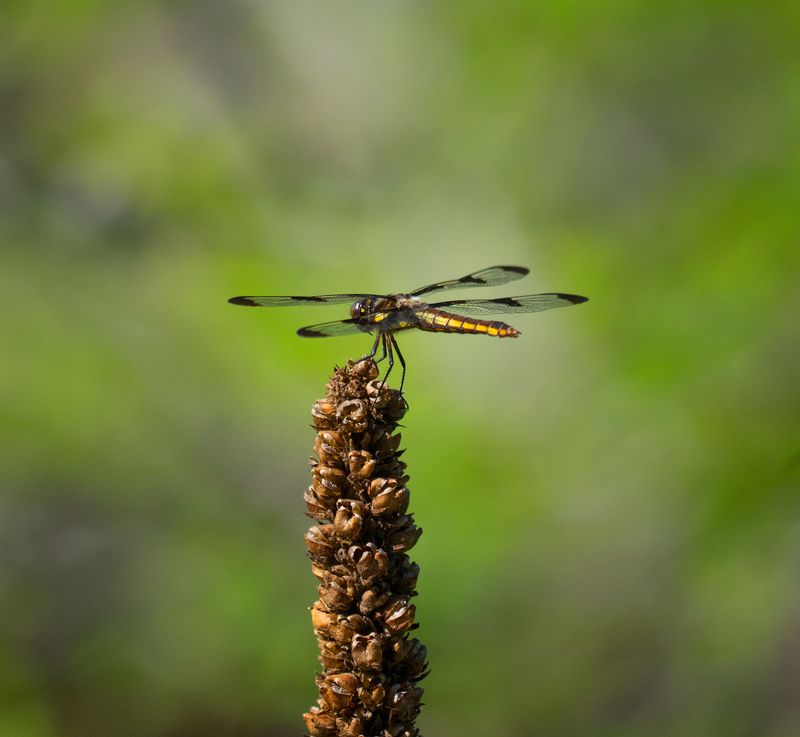
Most people think of their yard as a contained space. Dragonflies see it as a waypoint on a much longer route. These insects travel remarkable distances.
Some species, like the common green darner, migrate hundreds of miles between breeding and wintering grounds, following landscape features like river valleys, forest edges, and open meadows.
Your yard may sit directly along one of those invisible highways. Kentucky’s geography makes it a significant migratory corridor.
Positioned between the Great Lakes and the Gulf Coast, the state funnels dragonfly movement in both spring and fall.
If your property backs up to a tree line, borders a creek, or sits near open fields, it may be functioning as a critical rest and feeding stop without you ever knowing.
Habitat corridors matter because fragmented landscapes slow migration and reduce survival rates. A yard that offers water, native plants, and open hunting space acts as a bridge between larger natural areas that dragonflies cannot navigate without stopover points.
You can strengthen that corridor intentionally. Avoid removing hedgerows, brush piles, or mature trees at your property’s edge.
These transition zones, where open space meets structured vegetation, are exactly where dragonflies hunt, rest, and shelter during temperature drops.
Your yard is not just a yard. For a dragonfly mid-migration, it may be an essential stop on a journey measured in hundreds of miles.
Local Water Quality Is Healthier Than You Think
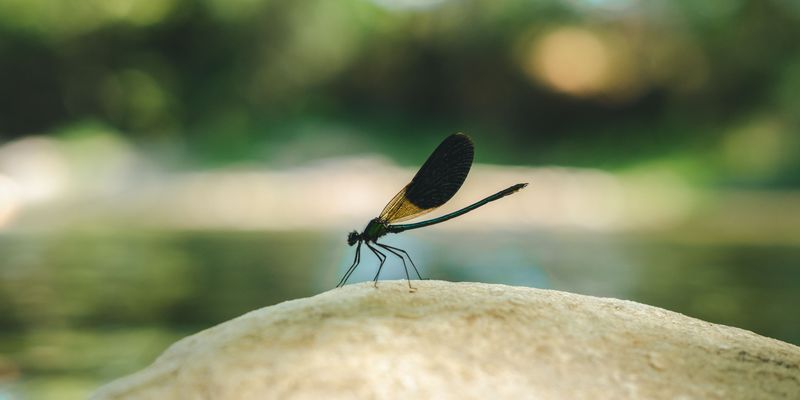
Dragonflies are not just visitors. They are living water quality reports, and yours just came back clean.
These insects are considered bioindicators, meaning their presence or absence directly reflects the health of nearby aquatic environments. They cannot complete their life cycle in polluted or chemically compromised water.
When larvae cannot survive, adults never appear. If dragonflies are regularly patrolling your Kentucky yard, the water within their range is holding up.
Streams, ponds, and wetlands nearby are supporting the kind of oxygen-rich, low-toxin conditions that aquatic life depends on.
This matters more than most people realize. Kentucky has tens of thousands of miles of streams and rivers, many of them under pressure from agricultural runoff, development, and erosion.
Clean enough water to sustain dragonfly populations is not something to take for granted. You can support that water quality directly.
Avoid using chemical fertilizers and herbicides near drainage areas or low-lying parts of your yard. What washes off your lawn eventually reaches the water table. Consider planting a rain garden along your property’s natural drainage path.
Native plants like swamp milkweed, blue flag iris, and cardinal flower filter runoff before it reaches open water and create habitat corridors that dragonflies actively use.
Your yard sits inside a larger ecosystem. Dragonflies are telling you it is still worth protecting.