Many Kentucky Homeowners Fear Copperheads But Overlook This Dangerous Shrub
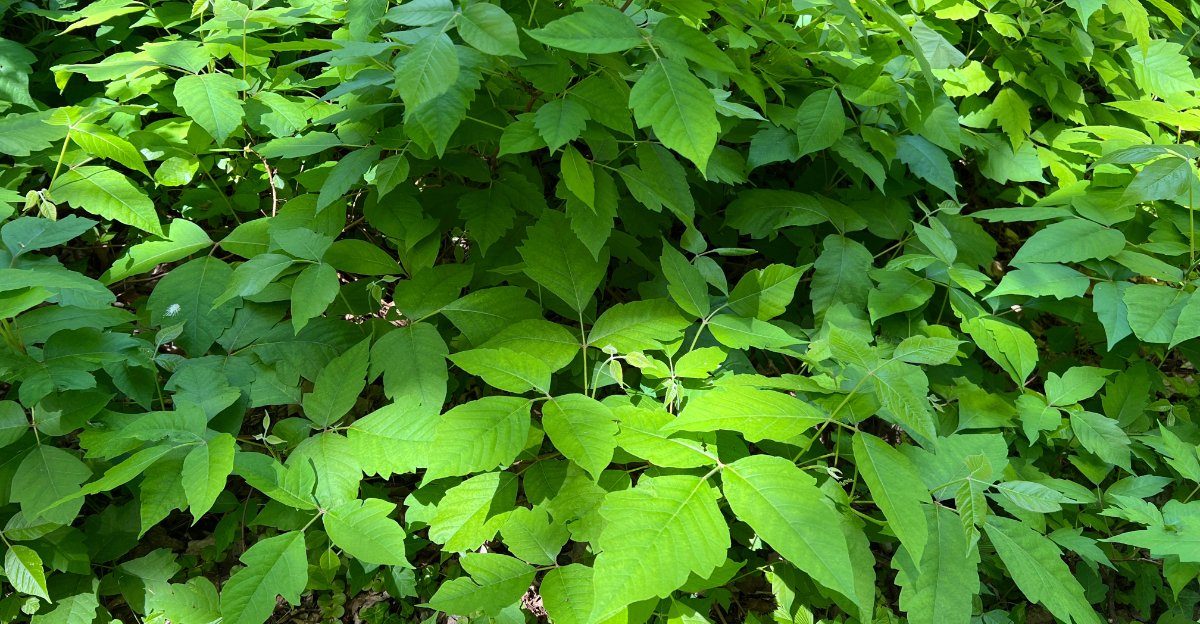
Kentucky backyards hide more danger than most people realize. Homeowners walk the fence line worrying about snakes, checking boots and tall grass before every chore.
Meanwhile, a plant sits quietly near the pond or along the property edge, waiting for bare skin to brush against it. One touch can trigger a reaction that lingers for weeks and spreads faster than most people expect.
It grows in wet, shady corners that many Kentucky yards already have. Fence lines, ditches, and low-lying pastures give it exactly the conditions it needs to thrive undisturbed.
Most people can walk past it a dozen times without noticing anything unusual. That is exactly what makes this backyard resident so easy to underestimate.
This Overlooked Shrub Poses A Bigger Risk
Forget the snake for a second. Poison sumac is far more likely to ruin your week than a copperhead you will probably never encounter.
Most people cannot identify it on sight. It blends in beautifully with ornamental landscaping, looking almost elegant with its smooth stems and arching leaves.
Toxicologists rank poison sumac as more potent than poison ivy. The active chemical, urushiol, is present in every single part of the plant, from roots to berries.
Just brushing against a leaf can trigger a reaction within hours. Some people develop swelling, blistering, and intense itching that lasts for weeks.
The tricky part is that many Kentucky homeowners have seen this shrub for years without realizing what it is. Because it does not have thorns or a menacing look, people assume it is harmless.
Copperheads at least rattle a warning with their presence. This dangerous shrub gives you nothing, no smell, no sting, no immediate sign that you have made contact.
Children are especially vulnerable because they tend to brush through bushes without thinking twice. A single afternoon of yard play near this plant can lead to a miserable week for the whole family.
Awareness is the first line of defense. Once you know what poison sumac looks like and where it tends to grow, you are already in a much safer position than most of your neighbors.
Skin Contact Causes Severe Reactions
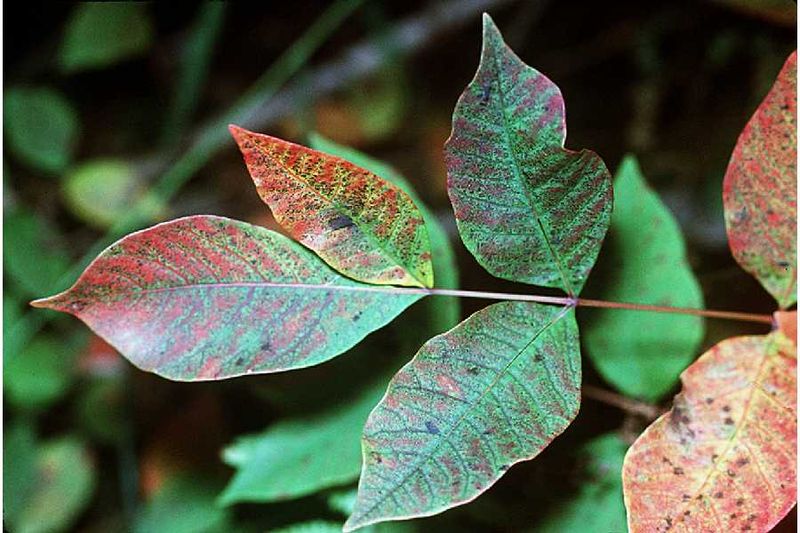
Your skin does not need long exposure to react badly. Even a brief graze against a leaf can deposit enough urushiol to cause a full-blown allergic response.
The reaction usually starts with intense itching in the area that touched the plant. Within a day or two, red streaks and fluid-filled blisters begin to appear on the skin.
Urushiol is remarkably sticky and does not wash off easily. It can stay active on gardening gloves, tools, and even pet fur for months if not properly cleaned.
Scratching the blisters does not spread the rash from person to person. However, touching an object that still carries urushiol absolutely can transfer the reaction to a new spot.
People who have reacted before tend to react faster and more severely the next time. The immune system essentially remembers the chemical and responds with greater force on repeat exposure.
Your Kentucky Garden Changes Every Week. Your Plan Should Too.
Gardening in Kentucky changes quickly throughout the season. Every Friday you’ll receive a simple weekly plan showing exactly what to plant, prune, fertilize, harvest, and protect so you never miss the right timing.
Reactions around the eyes or mouth require immediate medical attention. Swelling in those areas can become dangerous quickly, especially in young children or older adults.
Doctors often prescribe oral steroids for moderate to severe cases. Over-the-counter creams can ease mild symptoms but rarely stop a serious reaction on their own.
Washing exposed skin with dish soap and cold water within ten minutes of contact can reduce severity. Speed matters more than the product you use, so act fast and rinse thoroughly.
Poison Sumac Grows Throughout Kentucky Yards
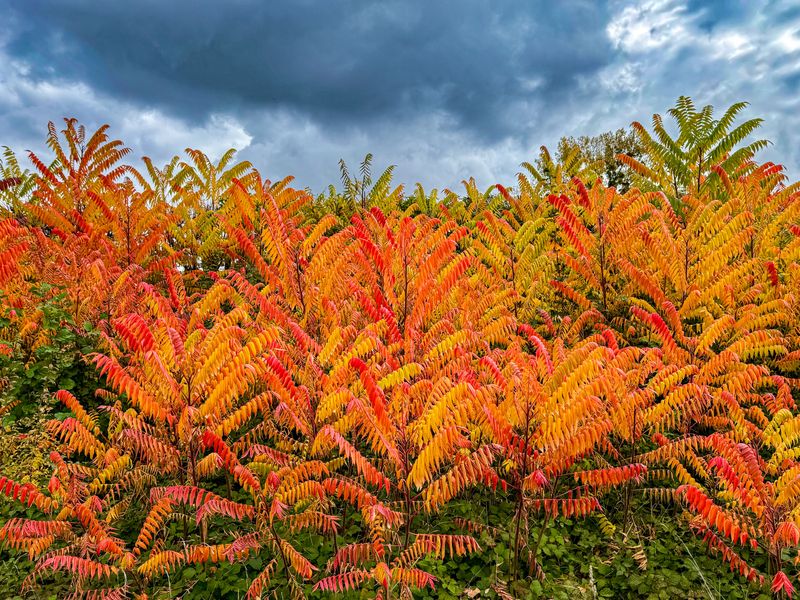
Across the state, this plant has claimed territory in both rural properties and suburban neighborhoods. It thrives in the humid climate and tends to pop up wherever moisture collects near the soil.
Poison sumac favors low-lying areas, but it is not limited to swamps or creek banks. Homeowners regularly find it growing along fence rows, near downspouts, and in shaded corners of the yard.
The plant can grow as a tall shrub or a small tree, reaching up to twenty feet in the right conditions. Its size alone makes it easy to mistake for an ornamental planting someone put there on purpose.
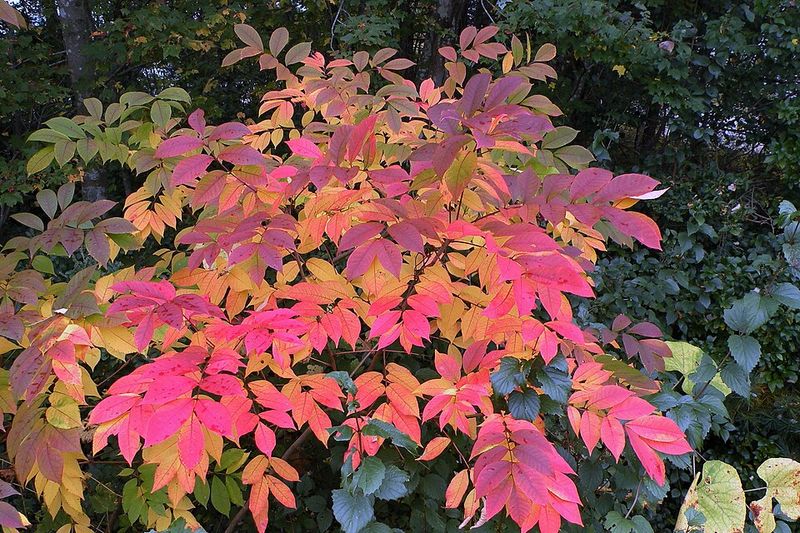
Leaves grow in pairs along a central stem, with one leaf at the very tip. Each leaflet is smooth-edged, oval-shaped, and a deep, glossy green during the growing season.
In fall, the foliage turns a striking red and orange. That seasonal color display actually makes it more tempting to touch or admire up close, which increases the risk during autumn yard work.
White or pale yellow berries appear in late summer, hanging in loose clusters from the branches. Unlike harmless sumac varieties, poison sumac produces only white or pale yellow berries, so color is one reliable clue.
Many homeowners mistake it for elderberry or native shrubs with similar leaf patterns. A quick check with a plant identification app before touching any unknown shrub is a smart habit to build.
Common Locations Increase Accidental Exposure
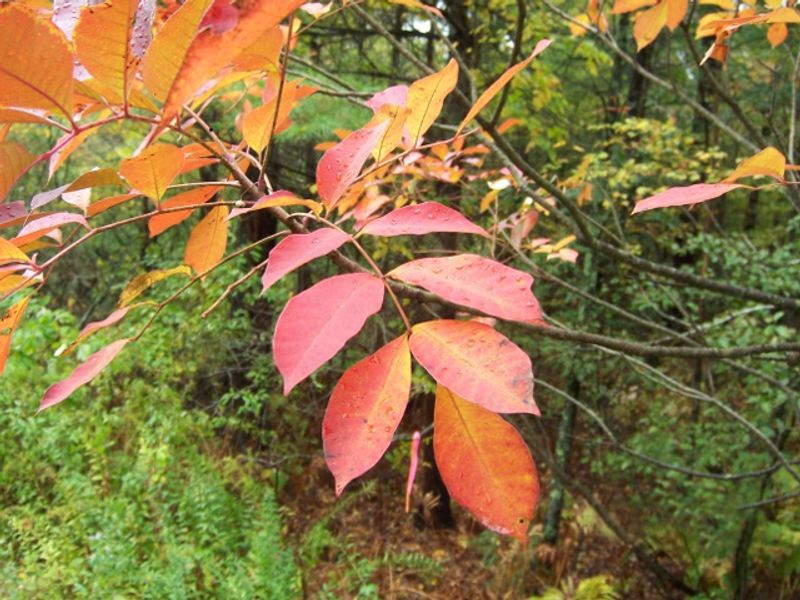
Wet spots in the yard are basically welcome mats for poison sumac. Areas near drainage ditches, low spots that hold rain, and shaded corners under trees are prime real estate for this plant.
Woodpiles are another surprisingly common location. Shrubs can grow right up against stacked wood, and reaching in to grab a log becomes a risky move without protective gear.
Garden borders near wooded edges are also high-risk zones. The plant spreads from bird droppings, since birds eat the berries without any ill effects and then deposit seeds across the yard.
Fence lines create a perfect corridor for this shrub to establish itself. Homeowners often neglect those narrow strips when mowing or trimming, giving the plant years to grow unchecked.
Compost areas and mulch beds attract moisture, which attracts poison sumac. Turning compost or digging in mulch near an established plant can expose your hands and arms quickly.
Children’s play areas near natural ground cover are a serious concern. Parents often clear obvious hazards but miss this shrub because it looks like any other leafy plant.
Pet owners face a unique risk because dogs and cats brush through shrubs constantly. The urushiol transfers to their coat and then onto your hands when you pet them later.
Knowing the high-risk spots on your property lets you inspect those areas carefully. A ten-minute walk around your Kentucky yard with fresh eyes could prevent weeks of misery for your whole household.
Safe Removal Requires Proper Precautions
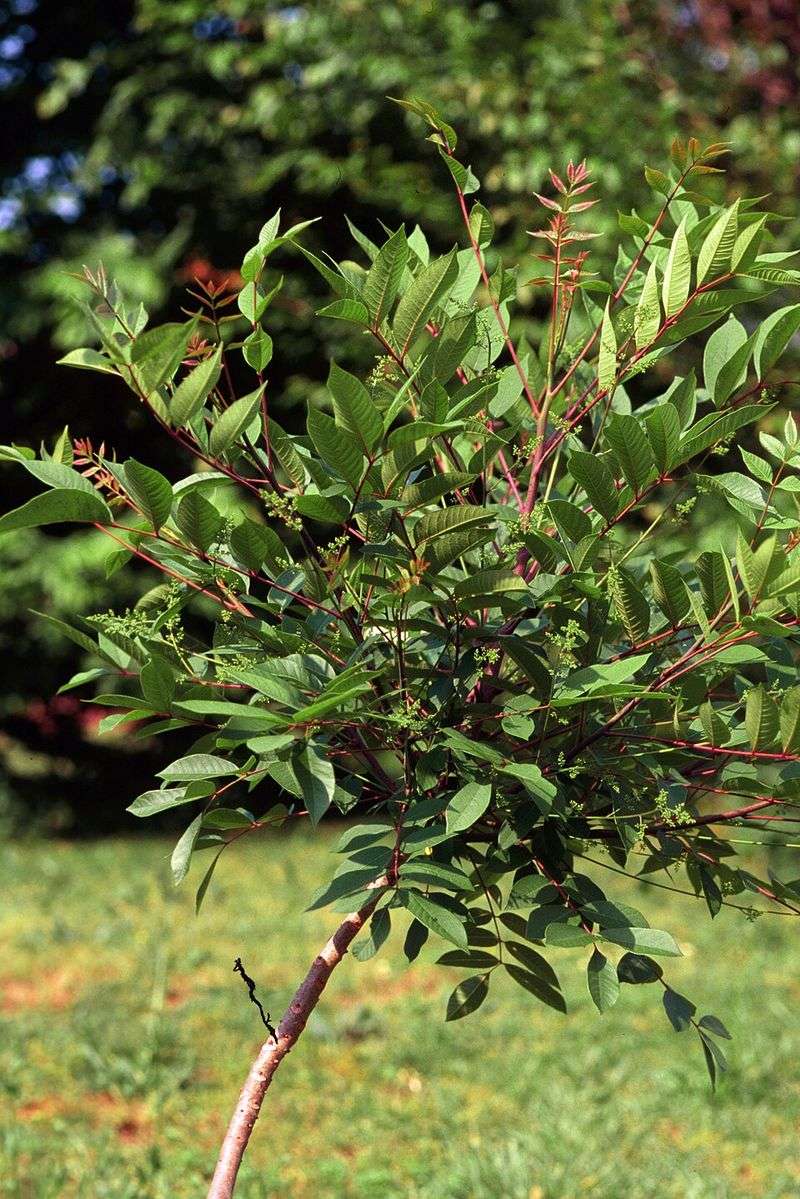
Avoid pulling poison sumac with bare hands, no matter how confident you feel. Even a tiny amount of urushiol on your skin can trigger a reaction that sidelines you for weeks.
Wear disposable nitrile gloves, long sleeves, and eye protection before getting anywhere near the plant. Long pants tucked into socks and closed shoes are non-negotiable during removal work.
Cut the plant at the base rather than pulling it from the roots. Disturbing the root system releases additional urushiol and increases your exposure risk significantly.
Place all cut material directly into heavy-duty plastic bags. Double-bag everything and seal tightly before placing it in the trash, never in a compost pile.
Burning poison sumac should be avoided under any circumstances. Smoke from burning this plant carries urushiol particles into the air, and inhaling them can cause severe lung inflammation requiring hospitalization.
After removal, clean every tool with a disinfecting wipe and then wash with soap and water. The same cleaning process applies to boots, gloves, and any clothing that touched the plant.
Herbicide treatments with glyphosate or triclopyr can be effective for larger infestations. Apply on a calm, dry day to prevent spray drift onto other plants or onto your skin.
When in doubt, hire a professional landscaper who has experience with toxic plants. The cost of professional removal is far less than a trip to urgent care, and your safety is worth it.
Alternative Shrubs Provide Similar Landscaping Benefits
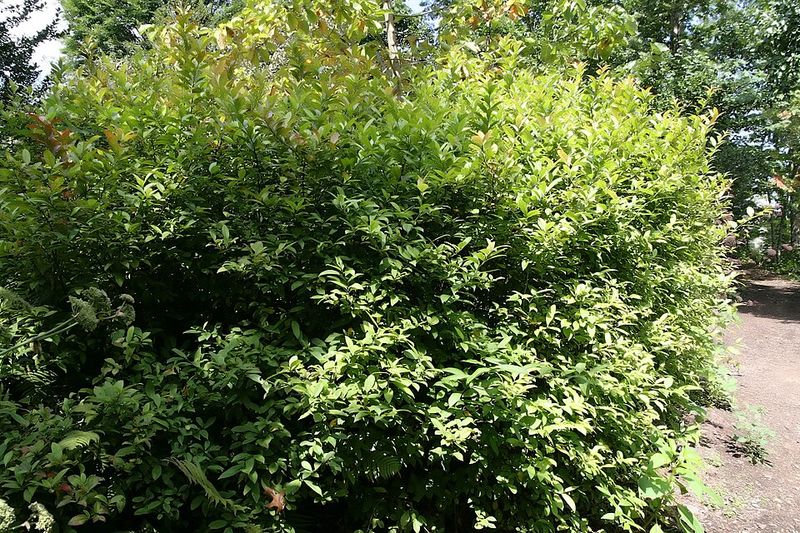
Pulling out a dangerous shrub does not mean sacrificing a beautiful yard. Plenty of native alternatives offer the same lush, layered look without the toxic threat lurking in every leaf.
Smooth sumac is a close relative with zero toxicity and stunning fall color. It grows in similar conditions, handles dry or moist soil well, and attracts pollinators throughout the growing season.
Virginia sweetspire is another excellent option for wet or shaded areas. Its fragrant white flowers bloom in early summer, and its fall foliage rivals any ornamental shrub on the market.
Serviceberry, sometimes called juneberry, thrives across the state and offers three-season interest. White spring blossoms, edible summer berries, and brilliant autumn color make it a true workhorse in the landscape.
Buttonbush is a native shrub that actually prefers wet, low-lying spots where poison sumac tends to thrive. Its unusual round white flowers attract butterflies and bees all summer long.
Inkberry holly is a tough, adaptable shrub that handles shade and moisture without complaint. Its dark berries feed birds through the winter, adding wildlife value to your Kentucky yard at the same time.
Choosing native alternatives also supports local ecosystems in ways that non-native ornamentals simply cannot match. Birds, bees, and beneficial insects all benefit when you plant species that evolved alongside them.
Swapping out a dangerous shrub for a safe and beautiful native is one of the smartest moves a homeowner can make. Protecting your family and your landscape from this overlooked danger starts with one informed plant choice.