Sudden Brown Patches In Your Missouri Lawn Signal A Bigger Problem
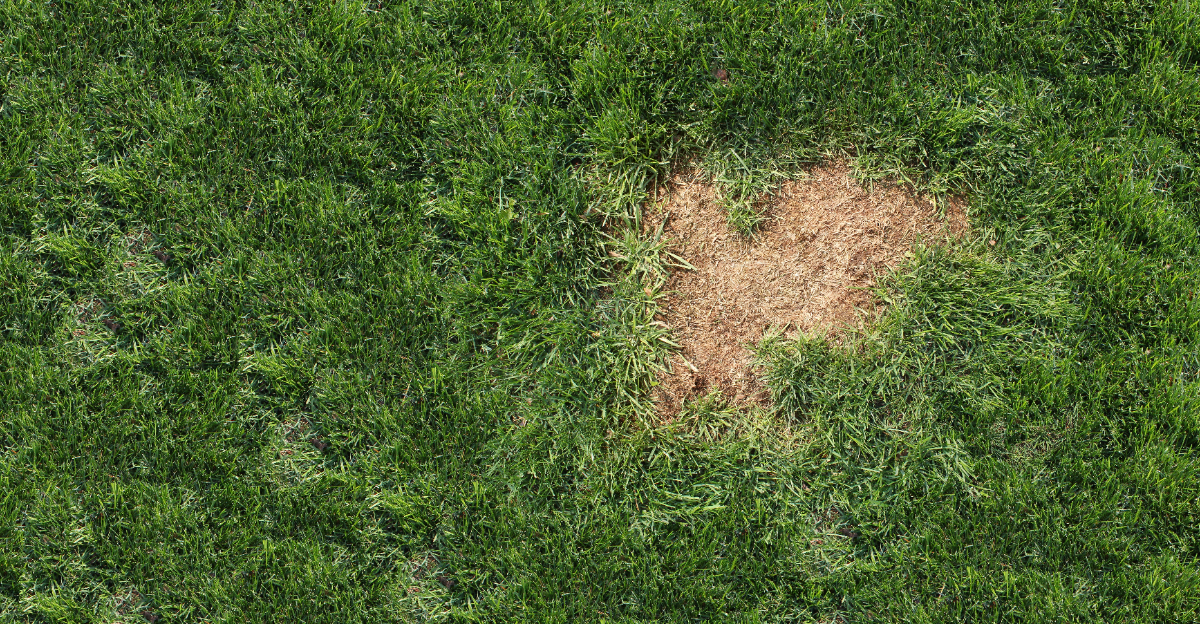
You spot it the moment you step outside. A ring of straw-colored grass stretches across your Missouri lawn, spreading wider by the day.
That patch isn’t random. Something is working against your grass from below, and ignoring it only gives the problem more room to grow.
Missouri’s mix of humid summers and shifting soil conditions creates the perfect setup for this exact issue. Homeowners who catch it early often save their whole lawn.
Wait too long, though, and that circle can turn into something much harder to reverse.
Your Lawn Is Fighting A Hidden Infection
Something is wrong underground. Your grass blades look scorched, but no heat wave caused it.
Lawn fungal infections are sneaky because they start where you cannot see them. Spores live in the soil, waiting for the right moment to spread.
Brown patch disease is one of the most common fungal infections in Missouri lawns. It thrives in warm, wet weather and can spread across a yard in just a few days.
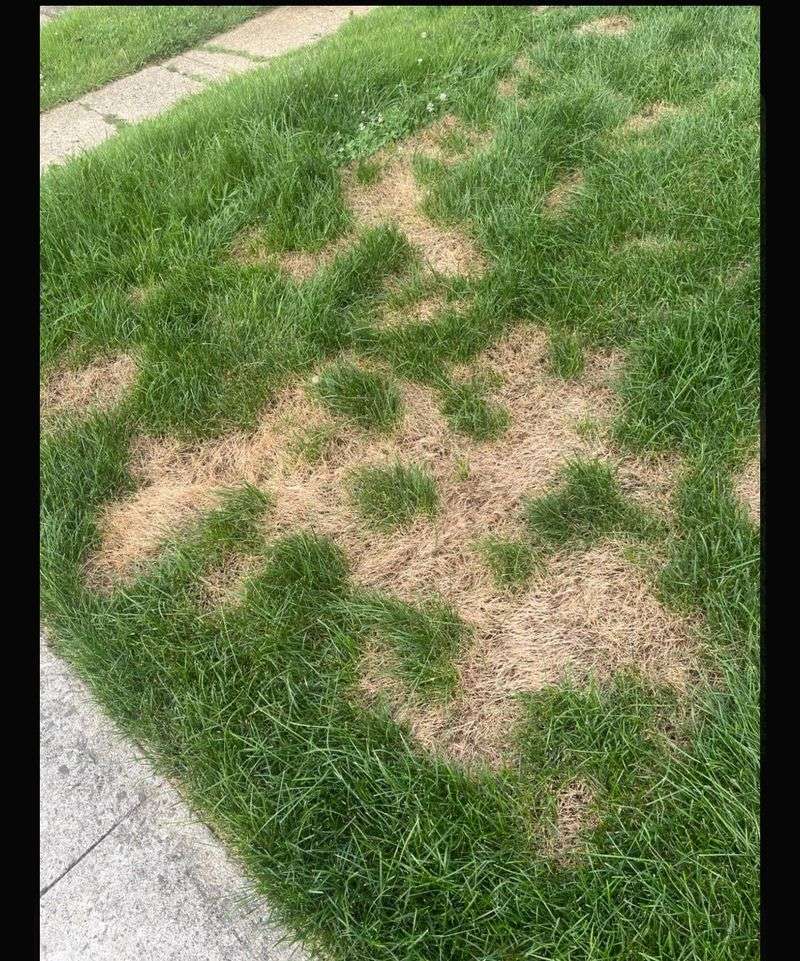
The patches often appear as circles or rings, ranging from a few inches to several feet wide. Grass inside the ring looks tan or straw-colored, while the outer edge may appear darker.
Many homeowners mistake this for drought stress or grub damage. That mix-up costs time, and time is what the fungus needs to grow.
A patch that starts small can double in size within a week under the right conditions. By the time most people notice, the fungus has often already spread past what the eye can see.
Fungal infections feed on your grass blades and root system at the same time. Once they take hold, they weaken the entire lawn structure from the inside out.
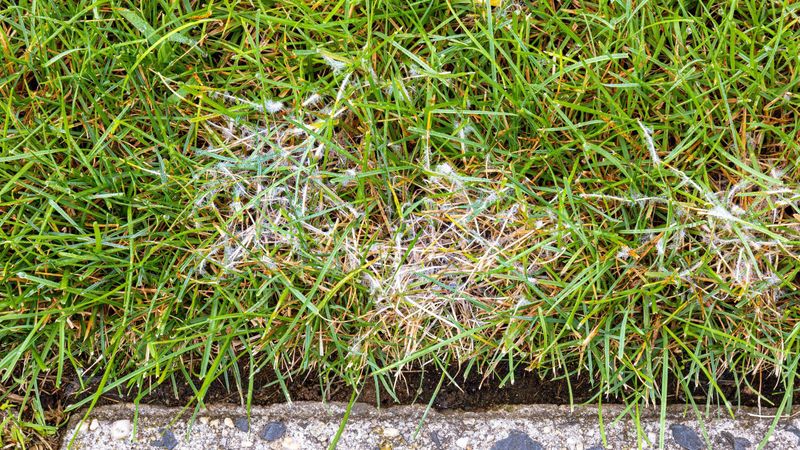
Look closely at the base of the affected grass blades. If you see a water-soaked or greasy-looking ring around the stem, that is a strong sign of active infection.
Catching a lawn infection early is the difference between a quick fix and a full reseed. Your lawn is already under pressure, so give it the support it needs now.
Fungal Spores Spread Fast In Humid Conditions
Humidity is the real culprit here. Missouri summers create the perfect storm for fungal spore activity.
Spores do not need much to get moving. A single wet night followed by a warm morning is enough to trigger rapid spreading.
Temperatures between 75 and 90 degrees Fahrenheit are ideal for brown patch fungus growth. Missouri hits that range almost every summer, which is why this problem shows up so predictably.
Spores travel through water, wind, and even foot traffic across your lawn. Walking through an infected area and then crossing healthy grass can carry the problem with you.
Lawn equipment like mowers and rakes can also move spores from one section to another. Always clean your tools after working in a patchy area.
Morning dew that stays on grass blades too long gives spores the moisture they need to germinate. That sitting moisture is like an open invitation for fungal growth.
Your Missouri Garden Changes Every Week. Your Plan Should Too.
Gardening in Missouri changes quickly throughout the season. Every Friday you’ll receive a simple weekly plan showing exactly what to plant, prune, fertilize, harvest, and protect so you never miss the right timing.
Shaded areas of your lawn stay wet longer after rain or watering. Those spots are often the first places you will notice new patches forming.
Improving air circulation around your lawn can slow spore activity significantly. Trimming nearby shrubs and trees lets sunlight dry the grass faster after wet weather.
Understanding how spores travel helps you stop the spread before it takes over. A little awareness goes a long way when the conditions are this favorable for fungal growth.
Weakened Grass Becomes A Prime Candidate
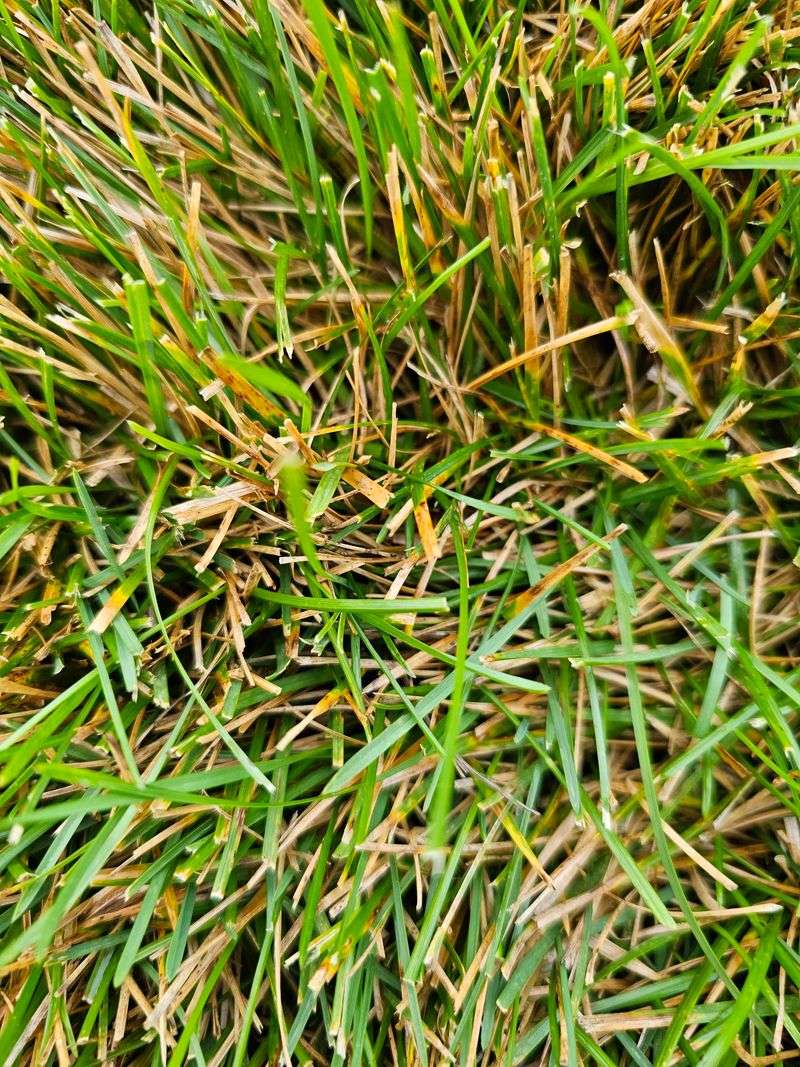
Healthy grass can handle a lot. Stressed grass basically rolls out the welcome mat for disease.
Grass that has been cut too short, over-fertilized, or neglected is much more vulnerable to fungal problems. Weakened root systems cannot resist incoming spores the way strong roots can.
Mowing too low strips the grass blade of its protective layer. That exposed surface becomes an easy entry point for pathogens looking for a host.
Excess nitrogen fertilizer pushes fast, lush growth that looks great but is structurally fragile. Soft, fast-growing grass tissue is actually more susceptible to fungal infection than slower, tougher growth.
Compacted soil also plays a big role in grass vulnerability. When soil is packed tight, roots cannot breathe, water pools on the surface, and the grass weakens over time.
Thatch buildup is another hidden stressor that many homeowners overlook. A thick layer of dry material between the grass and soil traps moisture and creates a cozy environment for pathogens.
Grass under physical stress from foot traffic or pet activity is also at higher risk. Those worn, thinned areas are the first spots where brown patches tend to appear.
Think of your lawn like an immune system. The stronger and healthier it is overall, the better it handles the pressure that humid Missouri summers constantly bring.
Watering Habits Often Make It Worse
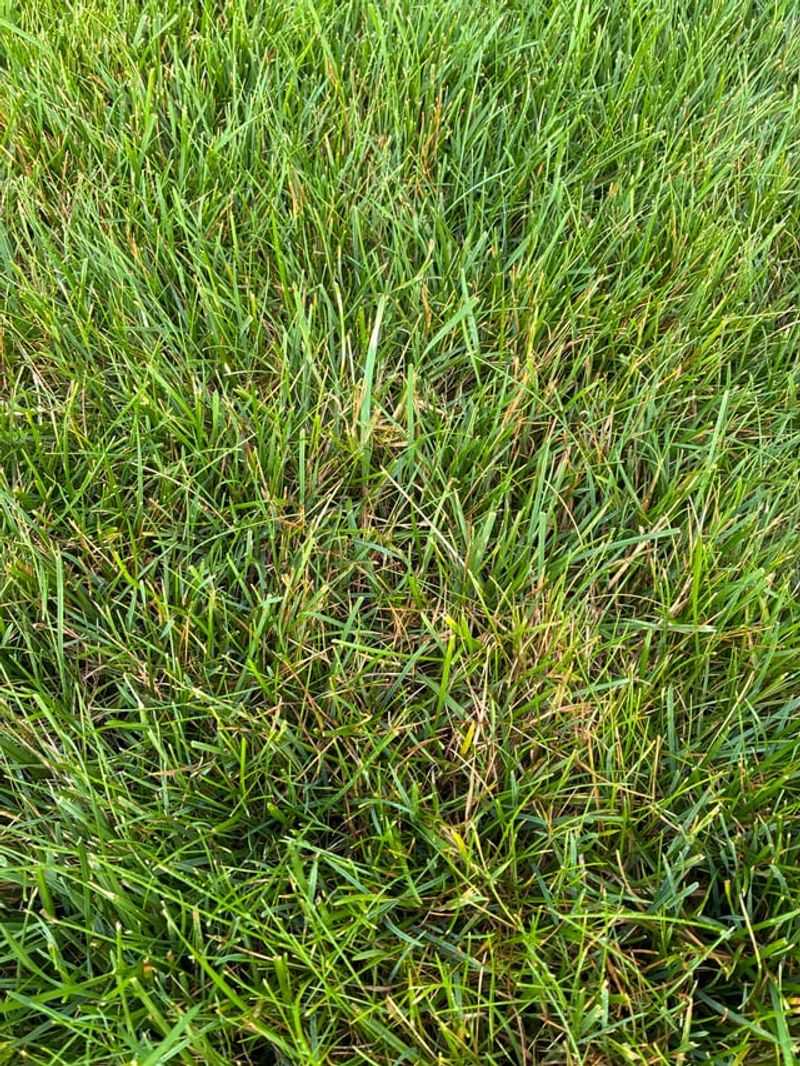
You thought you were helping. Turns out, your watering schedule might be feeding the problem.
Evening watering is one of the biggest contributors to fungal lawn disease. When you water at night, moisture sits on grass blades for hours without sunlight to dry it off.
Fungal spores need that extended wet period to germinate and spread. Giving them a soaked lawn overnight is exactly the condition they need to thrive.
Watering in the early morning is a much smarter approach. The sun rises and dries the blades quickly, cutting down on the time spores have to activate.
Overwatering is also a major issue in Missouri yards, especially in clay-heavy soils. Clay holds water longer than sandy soil, so the ground stays saturated well after a watering session ends.
Frequent shallow watering encourages roots to stay near the surface. Shallow roots make grass weaker and less able to handle stress, including fungal pressure.
Deep, infrequent watering trains roots to grow downward and build strength. Aim for about one inch of water per week, applied in one or two sessions rather than daily sprinkles.
Check your soil moisture before you water. If the top two inches of soil still feel damp, hold off for another day.
Adjusting when and how you water is one of the fastest ways to reduce fungal risk. Small changes in routine can make a dramatic difference in your lawn’s health.
Early Treatment Stops Further Spreading
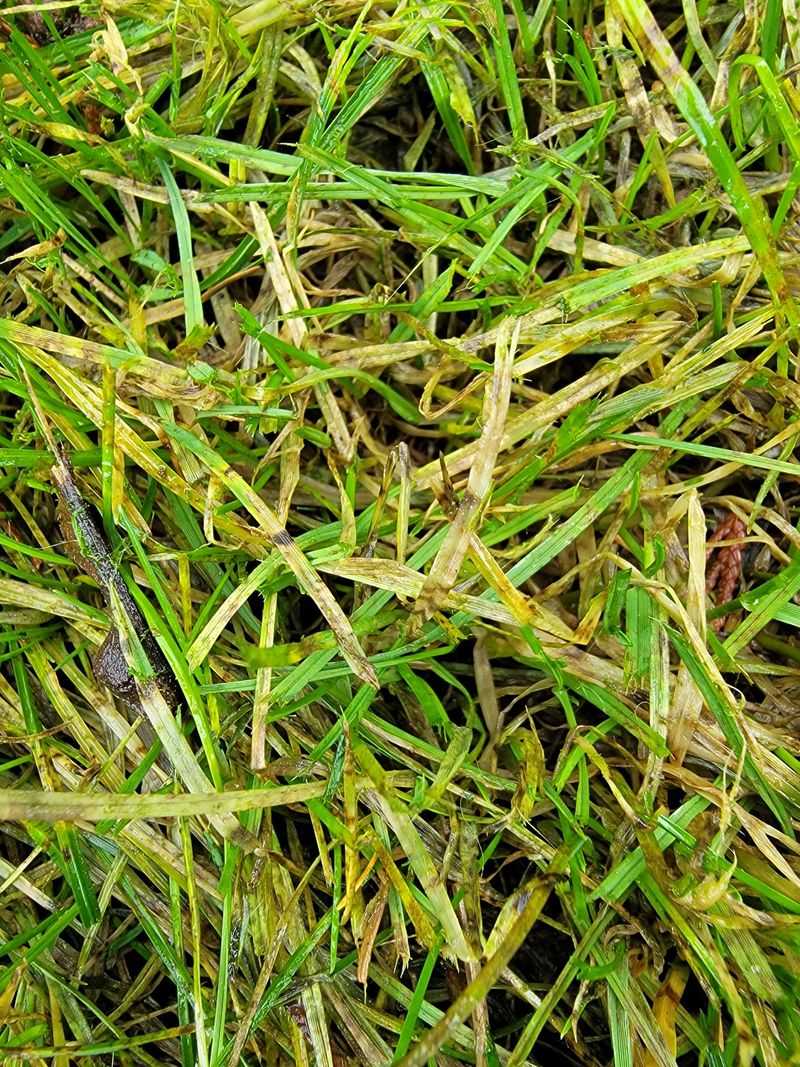
Act fast and you can turn this around. Wait too long and you are looking at a full lawn restoration project.
The moment you spot a suspicious brown patch, start by confirming it is fungal and not something else. Pull a few grass blades from the edge of the patch and check for discoloration at the base of the stem.
A grayish or purple-brown ring at the blade base is a strong indicator of brown patch fungus. That visual clue helps you choose the right treatment product right away.
Fungicide treatments are available at most garden centers and home improvement stores. Look for products containing azoxystrobin or propiconazole, both of which are effective against brown patch disease.
Apply the fungicide early in the morning when the lawn is dry. Follow label directions carefully and reapply as recommended, usually every two to four weeks during active growing season.
Do not fertilize with high-nitrogen products while treating an active infection. Extra nitrogen encourages the soft, fast growth that fungus loves to feed on.
Rake out and bag any dry grass from the infected area before treating. Removing that material reduces the spore load sitting on your lawn surface.
Mark the edges of the affected area with small flags or stakes. Monitoring whether the patch grows or shrinks tells you if your treatment plan is working.
Early action is the most powerful tool you have against sudden brown patches in your Missouri lawn.
Healthy Soil Prevents Future Problems
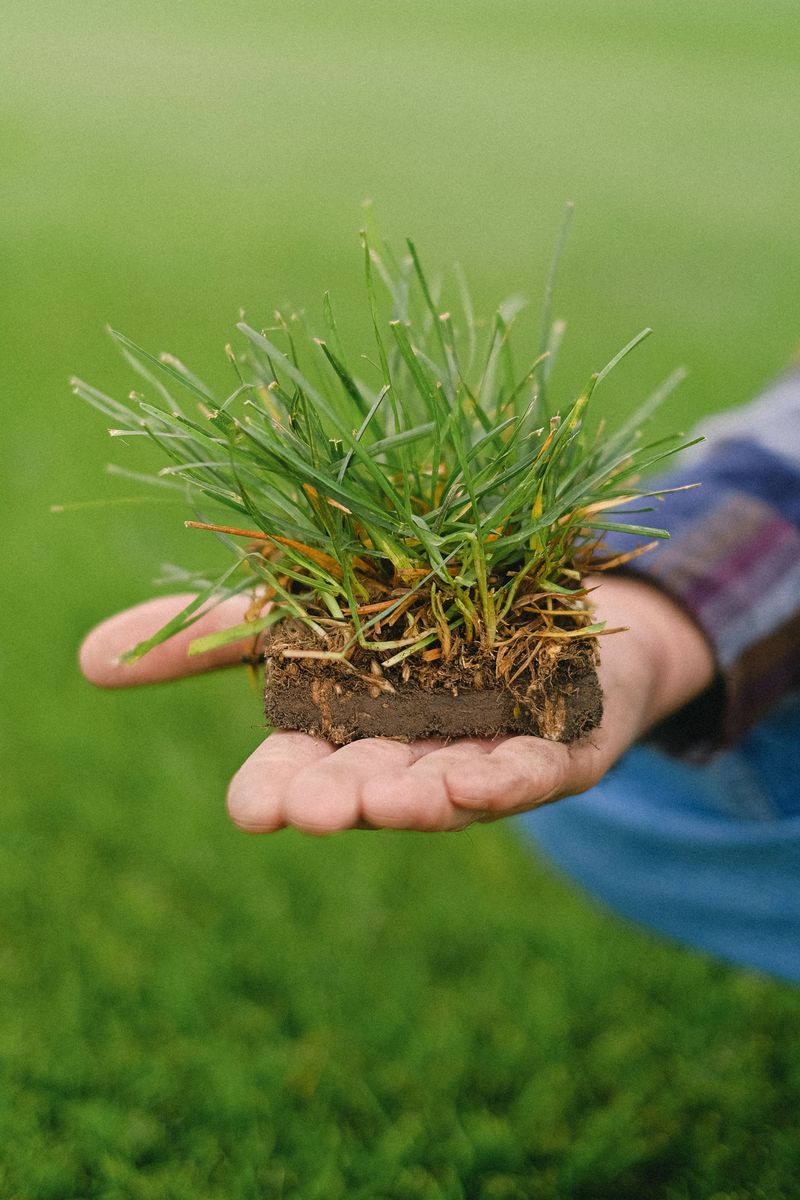
Great lawns start below the surface. If your soil is healthy, your grass has a real shot against almost anything.
Soil that is rich in organic matter supports beneficial microbes that naturally suppress fungal pathogens. These microscopic helpers are your lawn’s natural protection against future problems.
Core aeration is one of the best things you can do for compacted Missouri soil. Pulling small plugs of soil out of the ground improves drainage and allows oxygen to reach the root zone.
Top-dressing with compost after aeration adds nutrients and boosts microbial activity at the same time. That combination creates an environment where healthy grass thrives and fungal spores struggle to take hold.
Soil pH also plays a role in lawn health. Most grasses prefer a pH between 6.0 and 7.0, and a simple soil test will tell you exactly where yours stands.
Lime applications can raise pH in acidic soil, while sulfur can bring down an overly alkaline reading. Balanced pH helps grass absorb nutrients more efficiently, making it stronger overall.
Overseeding thin or bare areas in the fall fills in weak spots before spring disease season arrives. Dense, well-established turf is much harder for pathogens to penetrate.
Rotating fertilizer types and schedules prevents nutrient imbalances that stress the lawn. Consistent soil care, season after season, is the real secret to stopping sudden brown patches in your Missouri lawn for good.