The Amish August Garden Trick Missouri Homeowners Wish They Knew Sooner
There’s a stretch of Missouri where front-yard gardens look like it’s still June, even in the thick of August heat. Neighbors walk past, squint, and wonder what these growers know that they don’t.
The answer isn’t hiding in a fertilizer bag or a fancy tool shed. It’s something Amish families have quietly passed down for generations, tucked into routines most people scroll right past.
What’s strange is how ordinary it looks from the outside. No special equipment, just a handful of small moves repeated at exactly the right moment each summer.
These aren’t secrets locked away on some remote farm. They’re simple enough to try this weekend, and the ones who do rarely go back to their old routine.
Succession Planting Keeps Amish Gardens Productive Through Fall
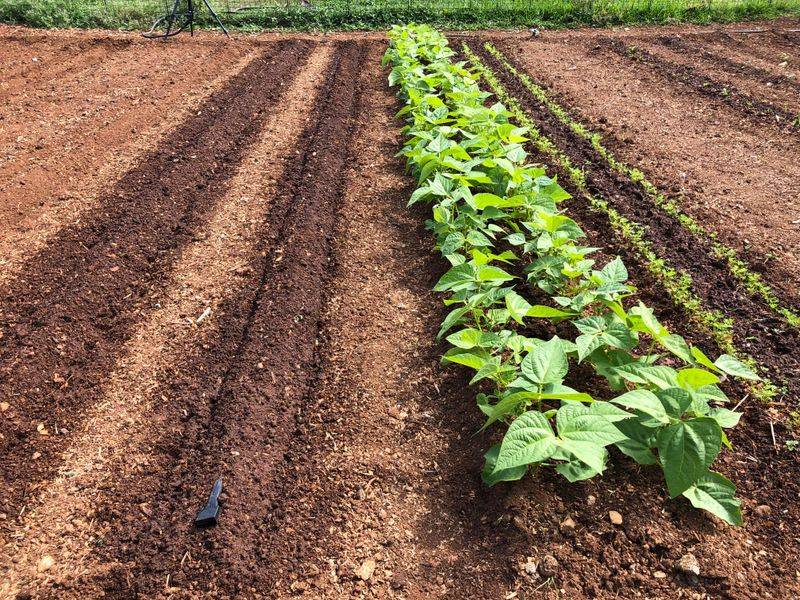
Picture a garden that keeps producing well past when others quit. Amish families have mastered this through succession planting, a method that staggers crops so something is always ready to harvest.
The idea is refreshingly simple. Instead of planting everything at once, you plant a new batch of seeds every two to three weeks.
In August, Amish gardeners focus on cool-season crops like lettuce, spinach, and radishes. These plants thrive once the brutal summer heat starts to ease up in late August and September.
Missouri summers are tough on gardens. Planting in waves means you sidestep the worst heat while setting up a strong fall harvest.
Fast-maturing varieties are the go-to choice here. Look for seed packets labeled “50 days or less” for the best results in a short growing window.
Amish gardeners keep a simple planting calendar tacked to the barn wall. Tracking your succession schedule takes the guesswork out of knowing what to plant and when.
Raised beds and container gardens work especially well for this method. Smaller spaces are easier to replant quickly and keep organized between rounds.
The Amish August garden trick of succession planting is not complicated. Start one small bed this week, and your future self will thank you before the first frost hits.
Cool Season Crops Take Over As Summer Fades
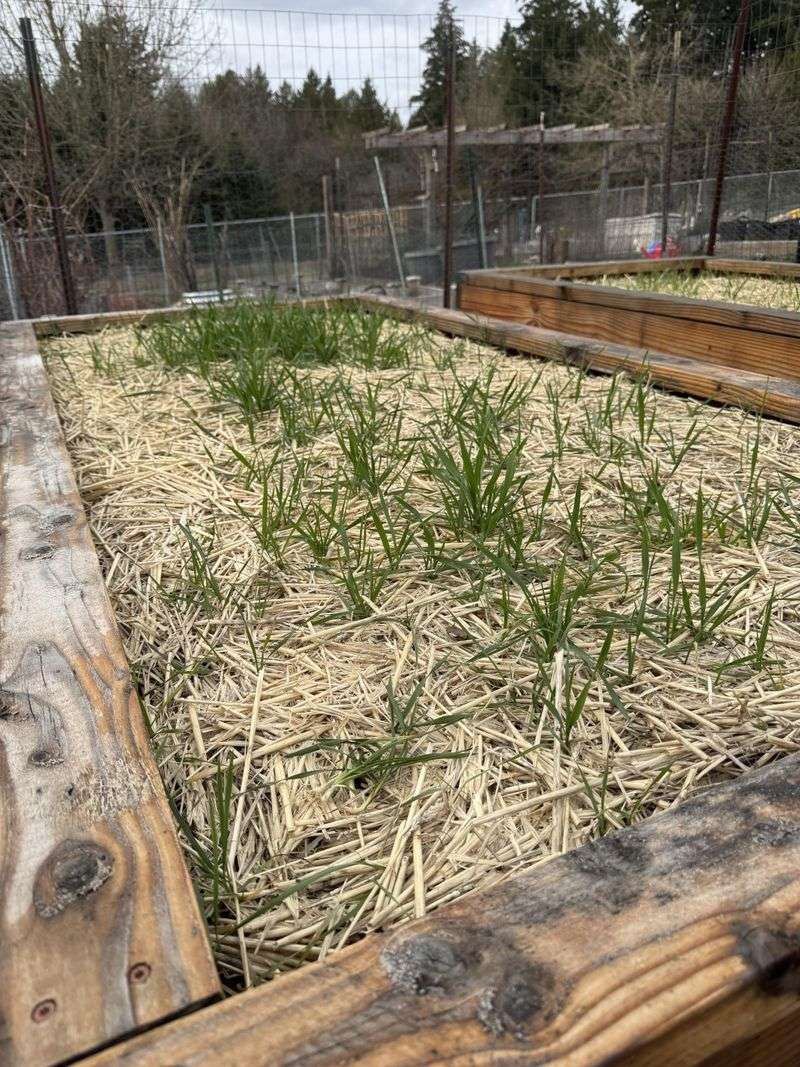
Once the harshest stretch of summer eases up, Amish gardeners shift what goes into the ground. Lettuce, spinach, and radishes move to the front of the line.
These crops actually prefer this timing. Cooler soil and shorter days suit them far better than the peak heat of July ever could.
Missouri summers are famously hard on tender greens. Anything planted too early tends to bolt or wilt before it gets a real chance to establish.
Timing this shift right means working with the season, not against it. Amish growers watch closely for that first noticeable dip in overnight temperatures.
Only then does a new round of seeds go into the soil. Rushing the timing rarely ends well for delicate greens.
Spinach and lettuce respond especially well to shorter days ahead. The light and temperature shift actually works in their favor.
Radishes move even faster than the other two. Many varieties are ready to pull within just a few weeks.
Your Missouri Garden Changes Every Week. Your Plan Should Too.
Gardening in Missouri changes quickly throughout the season. Every Friday you’ll receive a simple weekly plan showing exactly what to plant, prune, fertilize, harvest, and protect so you never miss the right timing.
That speed makes them a reliable filler crop for smaller gaps. They rarely leave a bed sitting empty for long.
The payoff for switching crop types at the right moment is a garden that keeps producing. Rows that would otherwise sit bare through September instead fill back in.
That kind of quiet extension is what separates a thriving fall garden from one that simply stops. It happens without much extra effort once the timing clicks.
Fast Maturing Varieties Fit Missouri’s Short Window
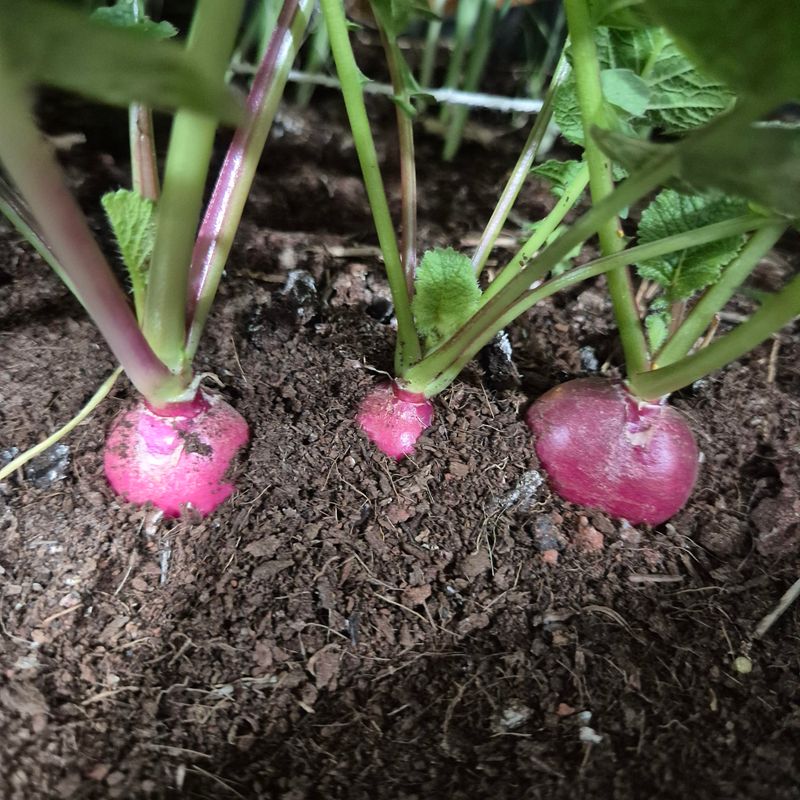
Not every seed packet is built for a late season push, and this is where a lot of home gardeners lose momentum. Amish families are particular about variety selection once summer starts winding down, since the growing window left in the year shrinks with every passing week.
Seed packets labeled around fifty days or less tend to be the sweet spot for this stretch. That timeframe gives plants enough room to reach a full harvest before the first real cold snap arrives, without leaving anything half grown in the ground.
Slower varieties, the ones that might work beautifully in spring, often struggle here. A sixty or seventy day tomato or squash planted too late simply runs out of daylight and warmth before it can finish, leaving gardeners with underdeveloped produce and wasted effort.
Radishes and baby greens are especially forgiving in this regard. Many varieties are ready in three to four weeks, which makes them a low-risk way to test a new planting round without committing an entire season to it.
Reading the fine print on seed packets becomes a habit worth building. Days to maturity, listed clearly on nearly every packet, is one of the most useful numbers for deciding what still has a realistic shot this late in the year.
Choosing correctly here is often the difference between a fall garden that thrives and one that fizzles out just as it starts to show promise.
A Simple Planting Calendar Removes The Guesswork
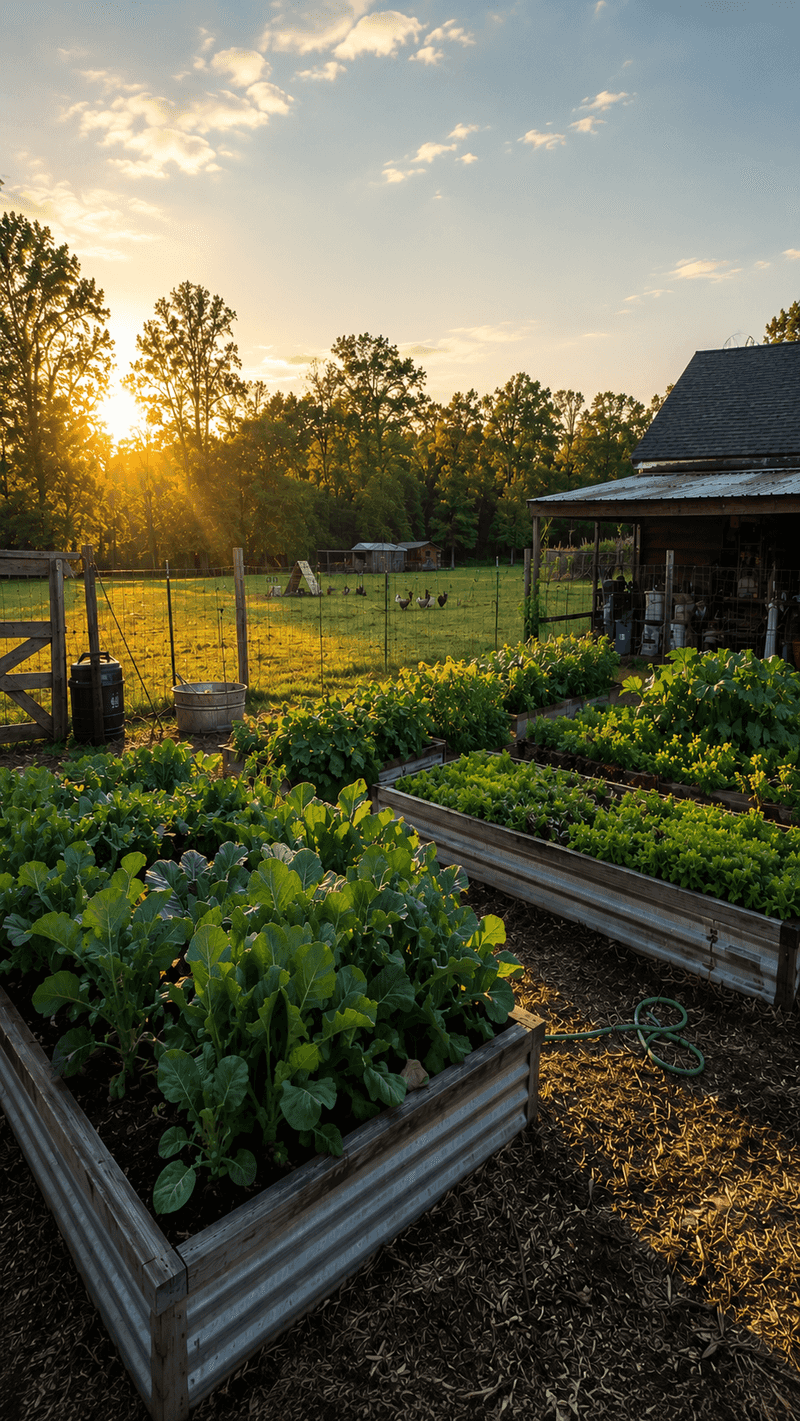
Missouri families rely on something surprisingly low-tech to keep this whole rhythm running smoothly. A basic planting calendar, often nothing more than a sheet tacked to a barn wall, tracks exactly what went into the ground and on which date.
Without something like this, staggered planting gets confusing fast. Dates blur together after a few rounds, and it becomes genuinely hard to remember which bed is two weeks along and which one just went in yesterday.
The calendar does not need to be elaborate. A simple grid with planting dates, expected harvest windows, and a note or two about how each batch performed is enough to keep everything organized from one round to the next.
Over a season, patterns start to emerge that would otherwise go unnoticed. Certain weeks might consistently produce stronger germination, or a particular bed might need an extra few days before seedlings catch up to the rest.
This kind of tracking also makes planning next year’s garden far easier. Instead of relying on memory or guesswork, there is an actual record showing what worked, what struggled, and when each crop hit its stride.
Writing things down turns a fairly complicated juggling act into something close to automatic after just a season or two of practice. For anyone new to staggered planting, this single habit alone tends to prevent most of the common early mistakes.
Raised Beds And Containers Make Replanting Easy
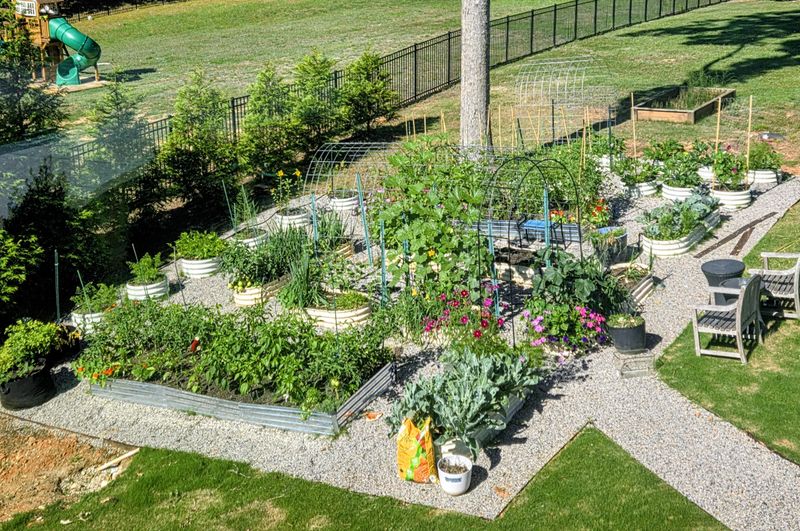
Smaller growing spaces carry a real advantage when it comes to this kind of gardening. Raised beds and containers are far quicker to clear, refresh, and replant than sprawling in-ground rows that stretch across a larger yard.
Amish gardens often favor compact, well-organized beds for exactly this reason. Pulling one finished crop and dropping the next round of seeds into freshly loosened soil takes minutes rather than an entire afternoon of digging and prepping.
Containers offer even more flexibility. They can be moved into shade during a late Missouri heat spike or shifted somewhere sunnier as the angle of the light changes through September, something a fixed garden bed struggles to match.
Soil quality is easier to manage at this scale too. A raised bed or container can be topped off with fresh compost between rounds without the labor of reworking a much larger plot, keeping nutrients available for each new wave of seedlings.
For anyone just starting this habit, a single raised bed is the easiest place to practice before expanding further. It offers enough space to see real results without becoming overwhelming to manage alongside everything else already growing in the yard.
By the time cooler weather settles in for good, a well managed raised bed can have cycled through two or three full rounds of crops, something a single large planting rarely comes close to in the same stretch of time.
Steps To Start Your Own Succession Garden This Week
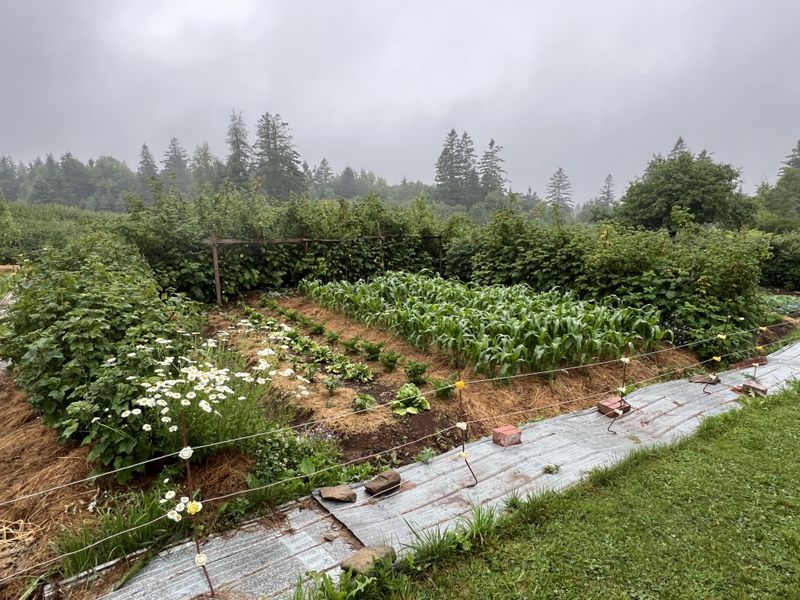
Getting started with this habit doesn’t require overhauling the entire yard. The first move is simply walking through and noting what’s slowing down.
Bolting or finishing crops are the easiest ones to spot. Those spots become the natural starting point for a new round.
Clearing them out and loosening the soil takes very little time. Especially in a smaller bed, this step goes quickly.
Choosing what to plant in that freed-up space matters most. A fast-maturing, cool-season crop gives the best shot at finishing on time.
Lettuce, spinach, and radishes are forgiving choices for a first attempt. They tolerate minor mistakes better than most other crops.
Grabbing a notebook or simple calendar is worth doing right away. Marking today’s planting date takes only a moment.
That single entry becomes the foundation for tracking every future round. Skipping it makes everything harder to follow later.
From there, the habit tends to build on itself naturally. Once one bed cycles through successfully, a second feels far less intimidating.
The whole garden starts to feel less like a one-time event. It becomes more of an ongoing, self-renewing project. By fall, that project keeps a Missouri garden producing steadily even as others wind down.