7 Tips On Where To Plant Ohio Hydrangeas Because The Right Side Of The House Matters
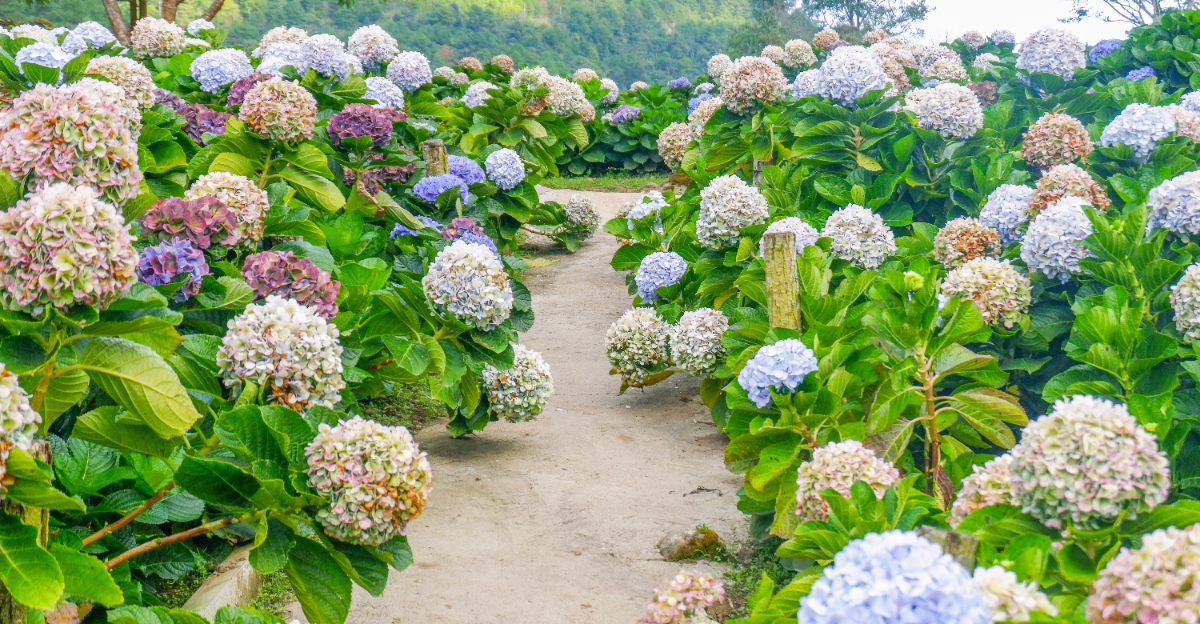
Ohio hydrangea placement feels like a design decision. It is actually a survival decision dressed up as one.
The side of the house determines everything. Afternoon sun exposure, reflected heat, soil moisture, how the plant handles August.
Get it wrong and no amount of watering or care compensates for what the location is doing to the root system every single day. Most Ohio hydrangeas end up in the wrong spot.
Not bad taste. Nobody explained that the wall, the exposure, the distance from pavement, all of it changes what the plant becomes over time.
A hydrangea in the right spot is a different plant than one in the wrong spot. Same variety.
Same care. Completely different outcome.
Placement is the one decision that everything else depends on. It also happens to be the one decision most Ohio gardeners make without enough information.
1. East Facing Beds Give Hydrangeas Gentler Morning Sun
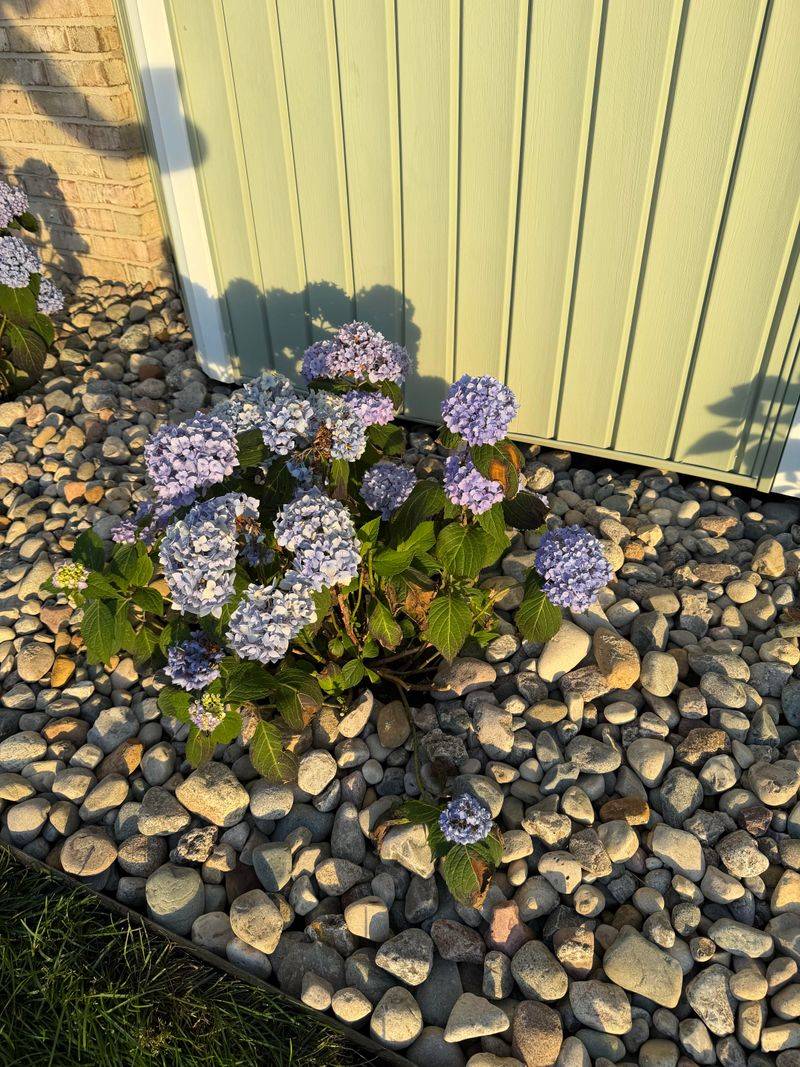
Morning light arrives at a lower angle and carries less heat than the sun blazing overhead in the afternoon. An east-facing bed typically receives direct sun from sunrise until roughly midday, then shifts into shade as the house blocks the stronger western rays.
That pattern suits many hydrangeas well, especially in Ohio summers that can push temperatures into the upper eighties and beyond.
Smooth, oakleaf, climbing, and panicle hydrangeas can all perform well with morning sun and afternoon shade. Ohio State University Extension guidance supports this exposure as a reliable starting point for many ornamental shrubs.
Bigleaf hydrangeas, however, may still struggle on a bright east wall if the morning sun is unfiltered and lasts several hours into the day.
Nearby trees can soften the light even further, which helps in very exposed eastern beds. A roof overhang or neighboring structure may cut morning sun short, which is worth checking before you plant.
Too much shade reduces flowering in panicle and smooth types, so the goal is balance rather than maximum shade.
Check how many hours of direct sun the bed actually receives during June and July. Soil moisture also plays a role here because shaded beds dry out more slowly than sunny ones.
Roots sitting in soggy soil after heavy rain can cause as many problems as too much sun. Watch the drainage after a storm and adjust your site if water pools for more than an hour.
2. West Facing Walls Can Turn Afternoon Heat Into Trouble
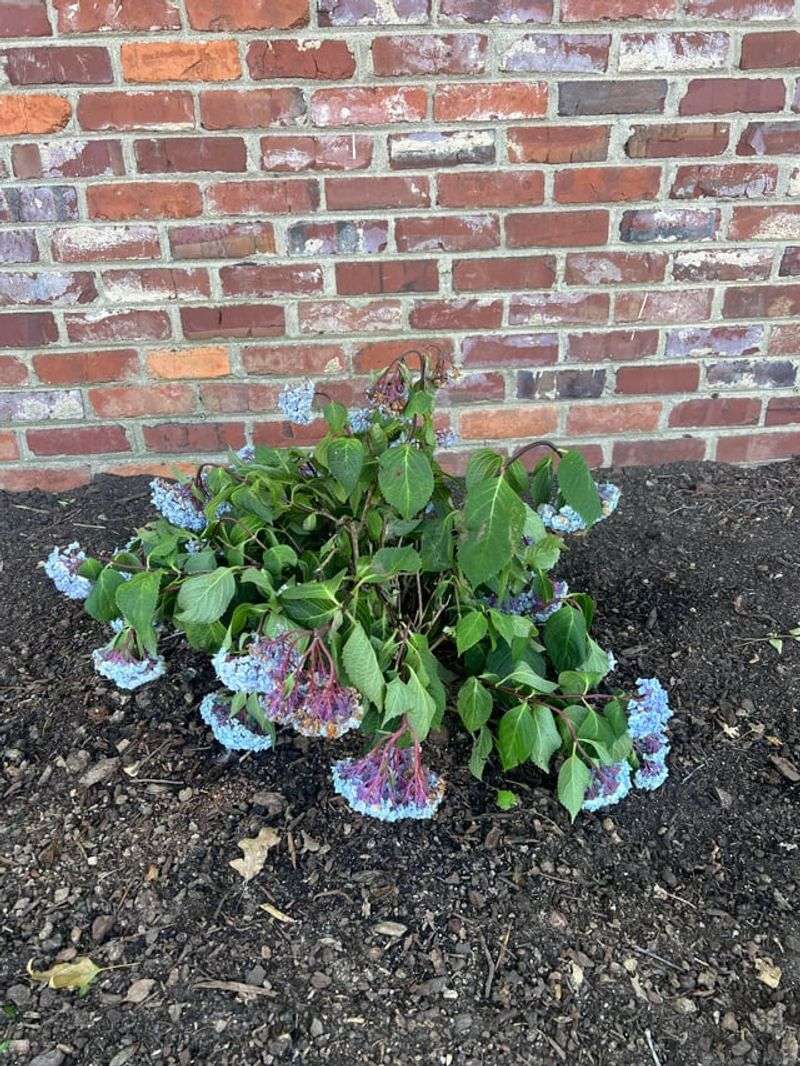
A west-facing bed gets the hottest part of the day delivered straight at the foliage. The sun reaches its peak intensity in the early afternoon, and a west-facing wall continues to collect that heat well into the evening hours.
Flowers fade faster, leaves may curl or droop, and the soil dries out more quickly than it would on any other side of the house.
Brick, stone, vinyl siding, and concrete all absorb solar energy and radiate it back toward nearby plants. A hydrangea growing close to a west-facing brick wall may experience temperatures several degrees higher than the surrounding air.
Your Ohio Garden Changes Every Week. Your Plan Should Too.
Gardening in Ohio changes quickly throughout the season. Every Friday you’ll receive a simple weekly plan showing exactly what to plant, prune, fertilize, harvest, and protect so you never miss the right timing.
That extra heat increases the plant’s need for water and can cause blooms to brown at the edges before the season ends.
Some panicle hydrangea cultivars tolerate sunnier conditions better than bigleaf types, but even they have limits. Planting a panicle hydrangea against a west-facing wall with a dark brick surface and a concrete driveway nearby stacks too many heat sources together.
Good soil with plenty of organic matter holds moisture longer and helps buffer some of that stress.
Afternoon droop in hydrangeas is common on warm days and does not always mean the plant is severely stressed. Leaves often recover by morning when temperatures drop.
Still, if afternoon wilting happens every day through the summer, the site is likely too hot and dry for most hydrangea types. Consistent moisture and rich soil help, but they cannot fully replace a cooler exposure.
3. South Facing Beds Favor The More Sun Tolerant Types
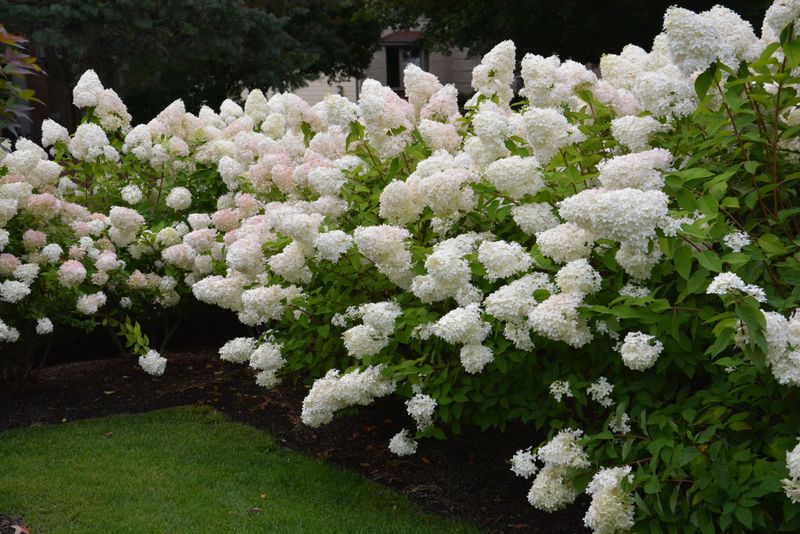
A south-facing bed in Ohio can receive six to eight hours of direct sunlight or more during the longest summer days. The sun tracks across the southern sky, meaning these beds rarely get a break from direct exposure during peak growing season.
That level of intensity rules out many hydrangea types but creates a workable home for the right cultivars.
Panicle hydrangeas, such as Limelight and Quick Fire, are among the most sun-tolerant options available to Ohio gardeners. They can handle more direct light than bigleaf types and still produce strong bloom sets.
Even so, a south-facing foundation bed can become too harsh for most shrubs. A concrete walkway and light-colored wall can bounce extra heat back toward the roots.
Oakleaf and smooth hydrangeas can manage some direct sun but generally prefer a site with afternoon shade. Placing either type in a fully exposed south-facing bed can create problems by August.
Without nearby trees or structures to filter afternoon heat, flowers may be smaller and foliage may look stressed. Soil moisture becomes critical in these locations.
Bigleaf hydrangeas belong in more protected spots and rarely thrive in south-facing foundation beds unless shade from nearby trees covers the hottest hours. Rich, well-drained soil with consistent moisture helps any hydrangea cope with more sun than it prefers.
Always check the plant tag for the specific cultivar’s light needs rather than selecting a location based on compass direction alone.
4. North Facing Spots Still Need Enough Light For Flowers
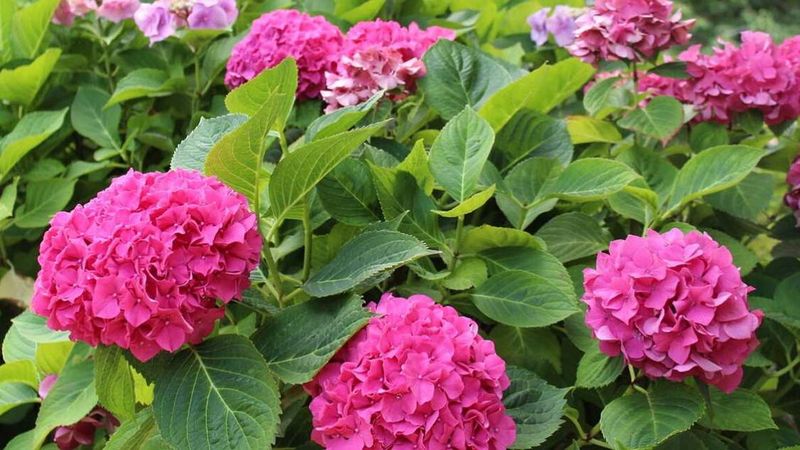
Shade is not all the same, and that distinction matters a great deal for north-facing beds. Bright, open shade with reflected light from the sky is very different from deep shade cast by dense evergreen trees or a tall fence directly overhead.
North-facing locations in Ohio often receive limited direct sun, but many still get enough ambient light to support certain hydrangeas.
Climbing hydrangea is one species that can adapt to a north-facing wall or fence, given enough sky exposure and reasonable soil conditions. It is a slow grower that eventually covers large surfaces with flat white flower clusters.
A north wall with good sky access and moist, fertile soil gives climbing hydrangea a reasonable chance. However, it may take several years to establish before blooming well.
Most other hydrangea types need more light than a deeply shaded north-facing bed provides. Reduced light leads to fewer flowers, thinner stems, and a generally weak growth habit in smooth and panicle types.
Observe the actual light levels at your north-facing site from late May through August before committing to a planting plan.
Open northern exposures in Ohio can also expose plants to cold, drying winter winds that sweep down from Canada. Wind desiccation in late winter damages flower buds on bigleaf hydrangeas before spring arrives.
A north-facing bed sheltered by a fence, hedge, or building corner handles wind better than a wide-open northern exposure. Light and wind together shape how well any hydrangea performs in that location.
5. Hot Brick And Pavement Can Intensify Summer Stress
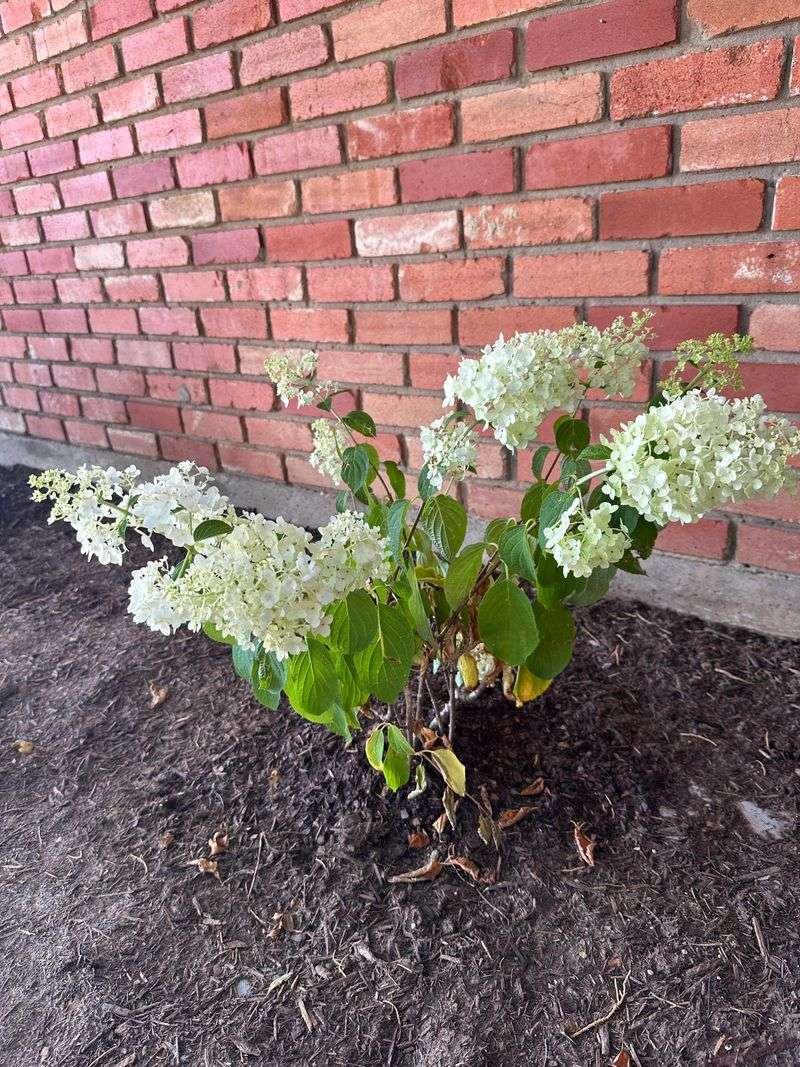
Microclimates beside houses can be surprisingly harsh, even when the compass direction looks promising on paper. Hard surfaces like driveways, sidewalks, patios, and masonry walls absorb solar energy during the day and release it slowly after the sun goes down.
A planting bed sandwiched between a south-facing brick wall and a concrete driveway can feel significantly hotter than a bed in the open garden just a few feet away.
That extra heat increases how quickly the soil dries out between watering cycles. Hydrangeas respond to drought stress by wilting, dropping flower petals early, and producing smaller blooms than they would in a cooler, moister spot.
Adding mulch around the root zone helps retain soil moisture and moderates temperature swings near the surface.
Roof runoff is worth considering if a downspout empties directly into or beside a planting bed. Hydrangeas prefer consistent moisture, but roots sitting in waterlogged soil for extended periods suffer from poor oxygen levels.
Make sure any bed near a downspout has adequate drainage before planting. Persistent saturation is a separate problem from the heat stress caused by nearby pavement.
A location may behave much hotter than its compass direction suggests once you factor in surrounding hard surfaces. Walk the potential planting site in the afternoon on a sunny July day and notice how the air feels near the wall versus several feet away.
That firsthand observation gives you better information than any general planting rule. Choose a spot where reflected heat is manageable, not one where it compounds daily.
6. Give Mature Shrubs Room Beyond The Foundation
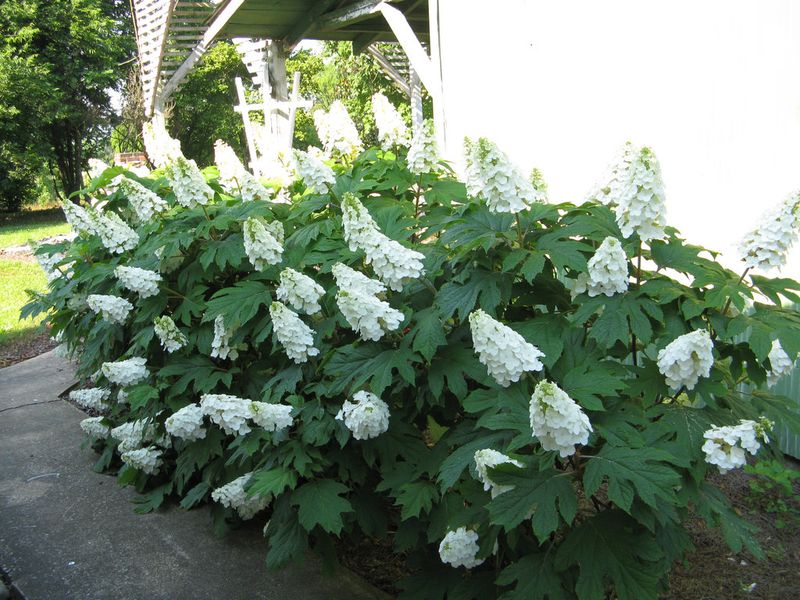
Crowding a hydrangea against a foundation creates problems that only get worse as the plant matures. Many popular cultivars grow larger than their nursery tags suggest, especially in Ohio’s fertile soils with regular rainfall.
A shrub planted eighteen inches from the siding may look fine in its first season but press against windows, block vents, and restrict airflow within a few years.
Panicle hydrangeas like Incrediball or Limelight can reach six to eight feet tall and equally wide at maturity. Smooth hydrangeas such as Annabelle spread aggressively through root suckering and can push well beyond their original planting spot.
Oakleaf hydrangeas grow into large, multi-stemmed shrubs that need generous clearance from walkways and structures.
Poor airflow around tightly planted shrubs encourages fungal issues like powdery mildew and leaf spot. Planting too close to an air-conditioning unit restricts airflow to the unit and surrounds the hydrangea with additional heat output during summer.
Walkways and rooflines also create hazards when branches grow into them and require repeated hard cutting to stay clear.
Selecting a naturally compact cultivar from the start is a smarter long-term strategy than choosing a large grower and pruning it repeatedly to fit a small space. Pruning can manage size temporarily, but it cannot permanently change a plant’s natural growth habit.
Measure the mature spread listed on the plant tag and allow that full distance between the shrub and the nearest structure. That clearance protects both the plant and your home over the long term.
7. Match The Hydrangea Type Before Choosing Its Side Of The House
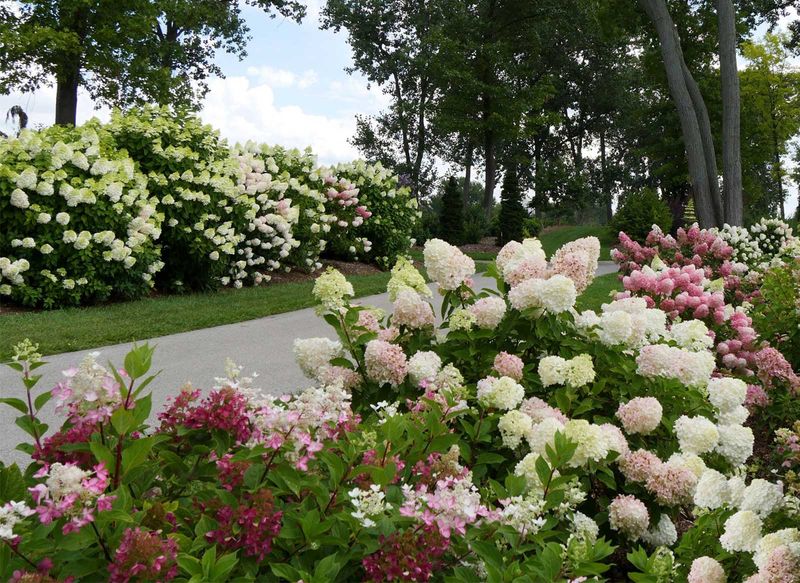
Knowing your hydrangea species before picking a planting location saves a great deal of guesswork. Bigleaf hydrangeas, known botanically as Hydrangea macrophylla, need the most shade and moisture attention of the common types.
They are also the most sensitive to late spring freezes and benefit from a sheltered east or northeast-facing site that limits afternoon heat and cold wind exposure.
Mountain hydrangeas, Hydrangea serrata, are close relatives of bigleaf types and share similar shade preferences. They tend to be slightly more cold-hardy and compact, but they still prefer a protected spot away from strong afternoon sun and drying winds.
Do not treat them as interchangeable with panicle hydrangeas when choosing a site.
Panicle hydrangeas, Hydrangea paniculata, tolerate more sun than any other common type. Many cultivars perform well in four to six hours of direct sun, including morning and early afternoon exposure.
Even so, a south-facing bed with intense reflected heat from pavement may stress them during the hottest Ohio summers.
Smooth hydrangeas, Hydrangea arborescens, and oakleaf hydrangeas, Hydrangea quercifolia, both handle partial shade and can tolerate some direct sun. Oakleaf types prefer well-drained soil and can manage drier conditions better than bigleaf types.
Climbing hydrangea, Hydrangea anomala subsp. petiolaris, suits shaded or partly shaded walls with sturdy support structures.
Always read the plant tag and verify the scientific name before selecting a site. Cultivar differences within each species can be substantial.
The best side of the house is simply the one that matches your plant’s light, moisture, drainage, wind, and space needs.