Simple Habits That Bring Bumper Tomato Harvests Back To Your Texas Garden Every Fall
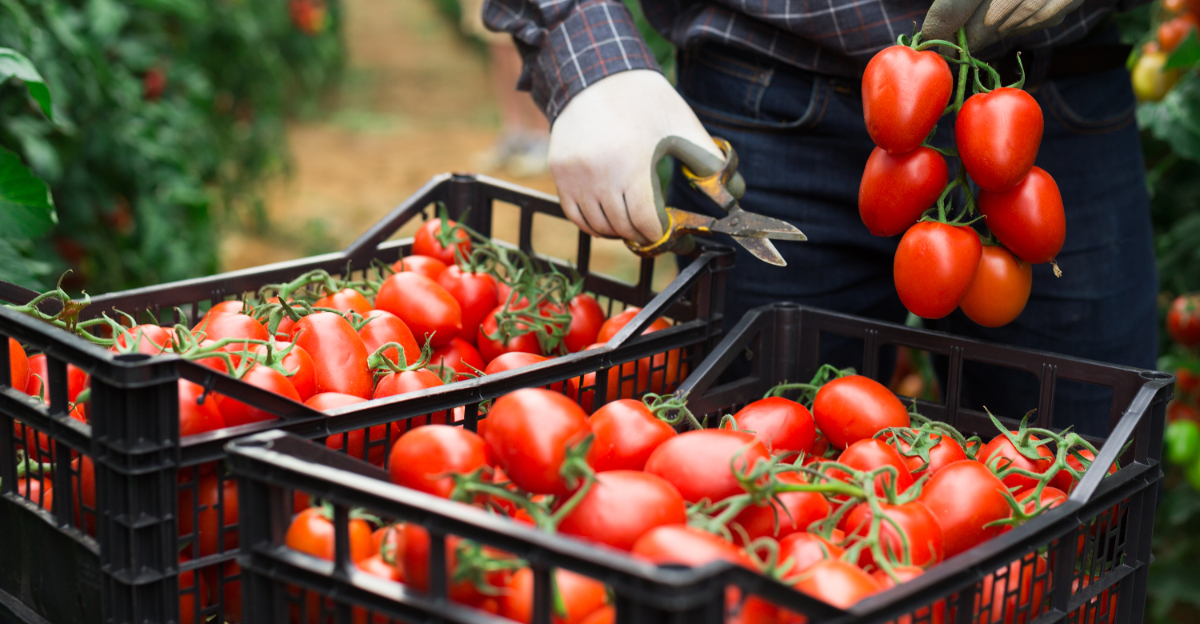
Texas fall tomatoes reward gardeners who treat the calendar like part of the crop.
August and September can still feel brutally hot, yet the first freeze is already waiting at the far end of the season. That narrow window means every early decision matters more than it does in spring.
A strong transplant planted at the right time can gain weeks of growth. Deep watering keeps roots working through lingering heat.
Mulch steadies moisture, sturdy cages protect developing fruit, and heat-tolerant varieties can keep setting when ordinary tomatoes hesitate.
So what brings the biggest harvest back each fall?
Not one miracle trick.
The best results come from stacking several small habits that keep plants moving from transplant day to the first cold snap.
Count backward from frost, protect young plants from heat, and keep moisture and nutrition steady once fruit starts forming.
Texas fall gardening is a race, but it is a race you can prepare for.
Give the plants a clean start, and every warm day has more value.
1. Count Back From Your First Expected Freeze
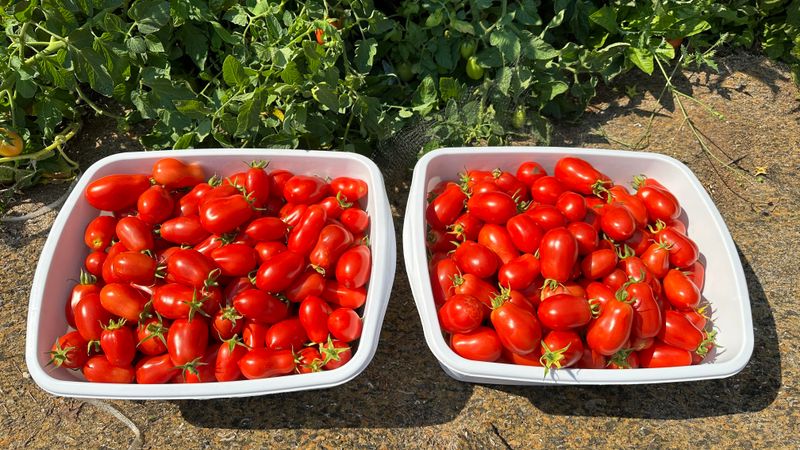
Fall tomato success in Texas starts at the end of the season.
The first expected freeze sets the deadline, so planting dates need to work backward from that point. A tomato that still needs another month to mature when cold weather arrives has already lost the race, no matter how healthy the vines look.
Start with your local first-freeze window.
North Texas gardeners have less time than growers farther south, while the Rio Grande Valley may keep warm weather much later. Central Texas often lands somewhere in between.
Then check the days to maturity on your tomato variety.
Add extra time for the transplant to settle after planting. A plant may spend its first week or two recovering from heat, root disturbance, and the move from a nursery pot into open soil.
That buffer matters.
A variety listed at 75 days does not always hand you ripe fruit exactly 75 days after transplanting. Weather and transplant stress can slow things down.
Choose your planting date with enough cushion to let fruit ripen before frost becomes a serious threat.
This backward calendar method feels strange at first.
Most gardeners are used to asking when they can plant. Fall tomatoes ask a different question: how much warm season is still left?
Answer that first, and the rest of the crop suddenly makes much more sense.
2. Start With Strong Healthy Transplants
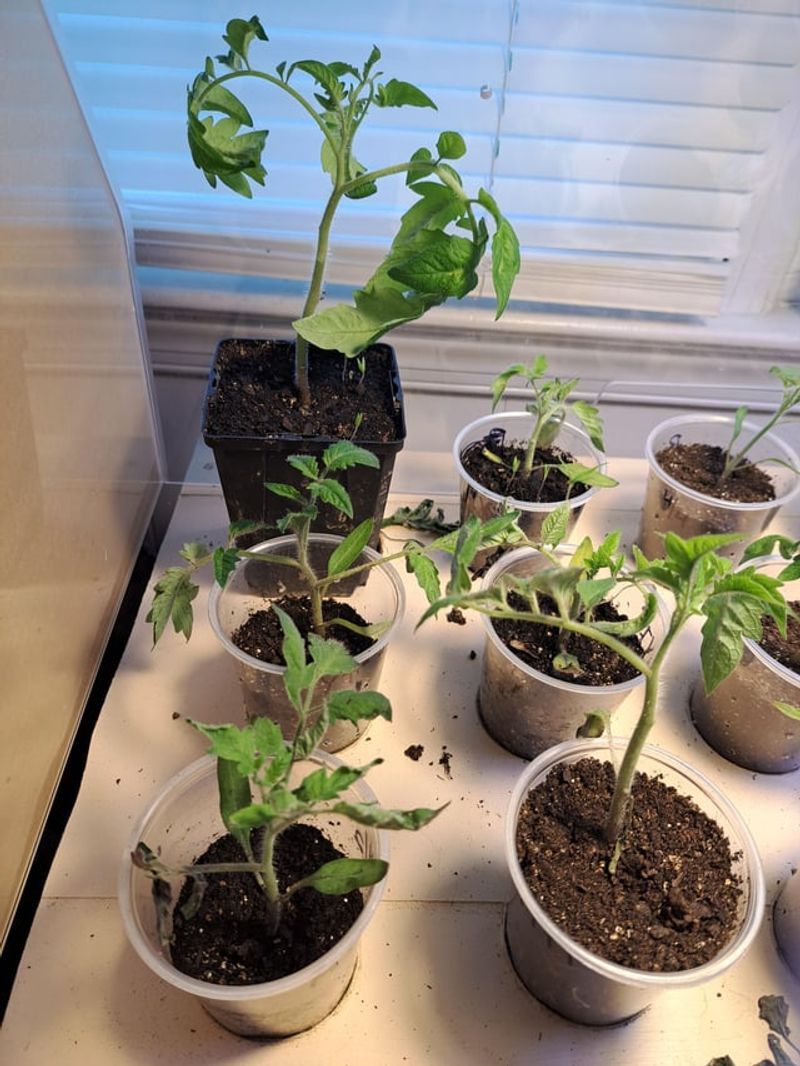
A tall tomato transplant can look impressive at the nursery and still be the weaker choice.
For fall planting, sturdy matters more than height.
Look for compact plants with thick stems, healthy green leaves, and no obvious spotting, yellowing, or insect damage.
A shorter transplant with a strong stem often establishes faster than a lanky plant that has spent too long stretching in a small container.
Check the roots when possible.
Healthy roots should look pale and firm rather than dark, mushy, or tightly wound into a hard spiral around the pot. Heavy circling can slow establishment just when the Texas fall calendar leaves little room for delays.
Your Texas Garden Changes Every Week. Your Plan Should Too.
Gardening in Texas changes quickly throughout the season. Every Friday you’ll receive a simple weekly plan showing exactly what to plant, prune, fertilize, harvest, and protect so you never miss the right timing.
Avoid plants already carrying a load of fruit.
A transplant covered with small tomatoes may look productive, but that fruit can compete with root establishment after planting.
A younger plant with healthy foliage often has more energy available for building a strong root system first.
Inspect the lower leaves closely.
Small disease spots can become much more serious once humid fall weather settles in. Starting with clean plants gives the whole bed a better chance.
Fall tomatoes do not have months to recover from a poor beginning.
Every week matters.
Choose the plant that looks ready to build roots and new growth, not the one that simply won the height contest at the garden center.
A sturdy start is one of the easiest ways to buy yourself extra momentum before the season gets short.
3. Plant Late In The Day During Hot Weather
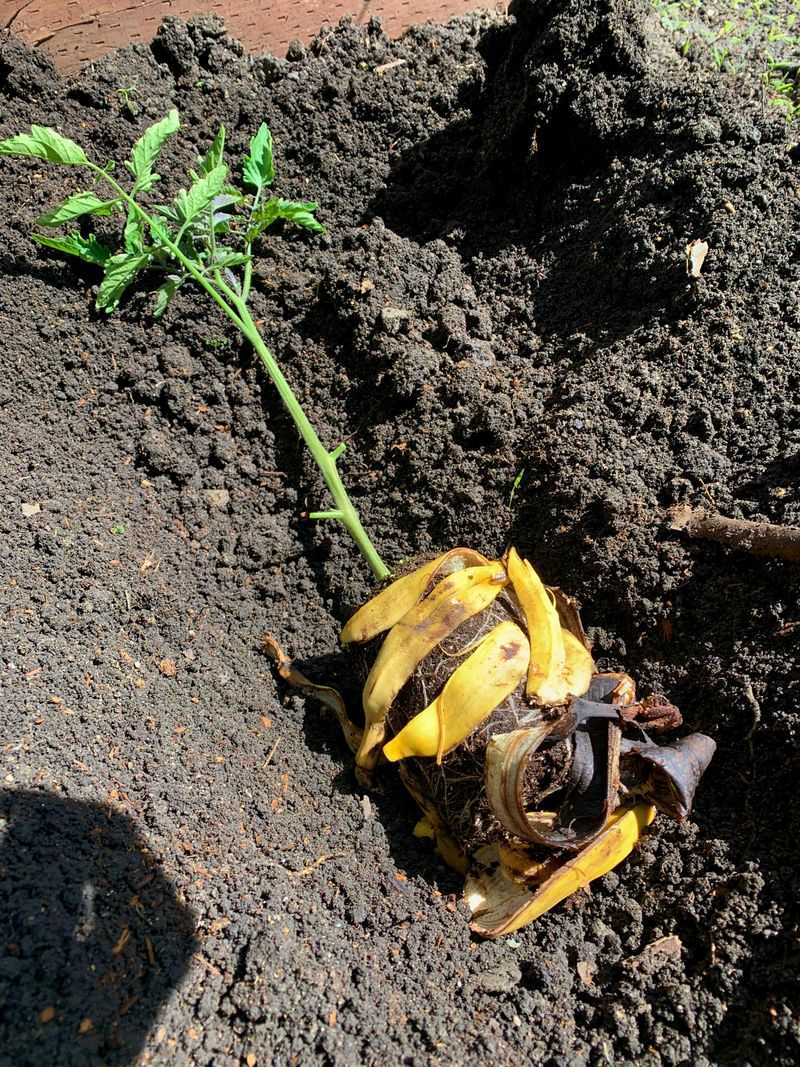
August soil may be ready for tomatoes long before the afternoon air feels friendly.
That is why transplanting time matters.
Move young plants into the garden late in the afternoon or early evening, once the hardest sunlight has passed.
The cooler hours after planting give roots time to settle into surrounding soil before the next full day of Texas heat arrives.
Water immediately after planting.
A deep drink helps settle soil around the root ball and reduces dry pockets that can leave new roots exposed. Check moisture again the next morning because a hot bed can lose water quickly.
Temporary afternoon shade can help during the first few days.
A light row cover, shade cloth, or even a simple barrier on the west side can protect tender leaves while the root system begins expanding.
Keep the cover open enough for airflow.
The goal is relief from harsh sun, not a sealed hot box around the plant.
Watch for new growth.
Fresh leaves and steady upright stems are good signs that the transplant has started adjusting to the bed. At that point, reduce temporary shade and let the plant handle more normal exposure.
Planting late in the day sounds like a tiny detail.
In a Texas fall garden, tiny details can save an entire week of recovery.
Give the transplant one cooler night before asking it to face the furnace.
4. Water Slowly And Deeply
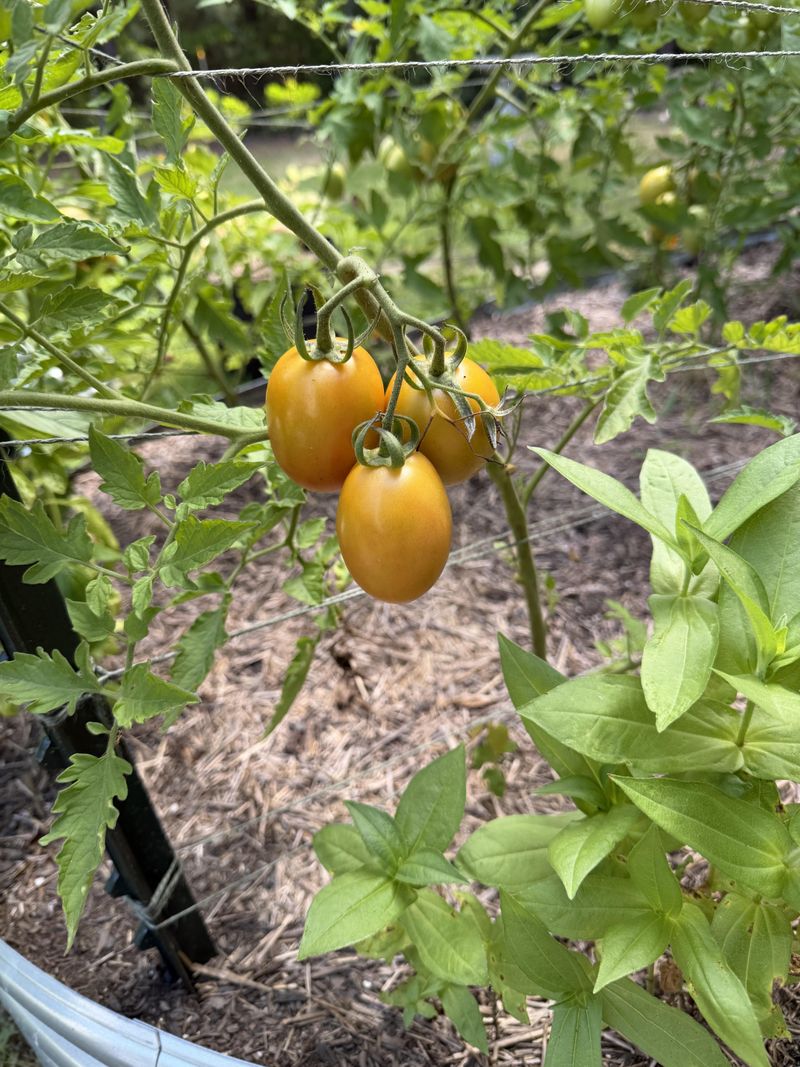
A quick splash can make the soil look wet while leaving most tomato roots thirsty.
Fall tomatoes need deeper moisture.
Slow watering encourages roots to move downward into cooler, steadier soil instead of staying close to the hot surface. That deeper root system helps the plant handle lingering late-summer heat and short dry stretches with less stress.
Use drip irrigation or a soaker hose when possible.
Both deliver water close to the root zone without soaking the foliage. That matters once humid fall weather begins raising disease pressure.
Check how deep the water actually moved.
Push a long screwdriver, wooden skewer, or soil probe into the bed after irrigation. Easy movement through the upper several inches usually shows that moisture reached farther than the surface.
Adjust duration before adding frequency.
Running water longer and slower is often more useful than turning the system on for a few minutes every day.
Keep the schedule flexible.
Hot, windy weather can dry the bed faster. A cloudy stretch may leave the soil moist much longer.
Test the ground rather than watering by habit.
Tomatoes dislike sharp swings between dry soil and sudden soaking. Those swings can contribute to cracked fruit and calcium-uptake problems later.
Deep, steady watering gives the crop a more predictable foundation.
The hose does not need to visit every day.
It just needs to stay long enough when it does.
5. Mulch Before Moisture Starts Swinging
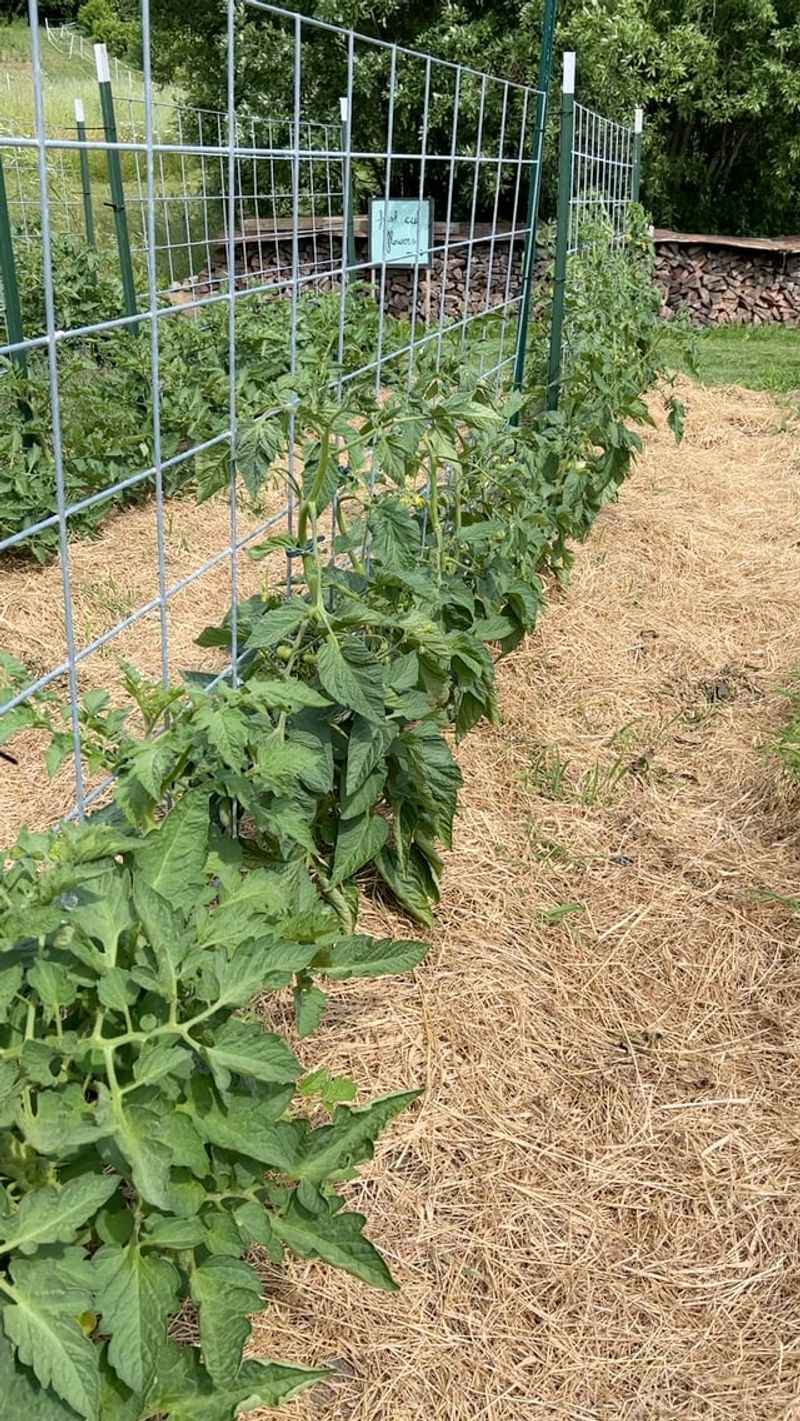
Bare Texas soil can heat and dry surprisingly fast between waterings.
Mulch smooths out both problems.
Spread three to four inches of straw, shredded leaves, or another clean organic mulch around tomato plants soon after they settle into the bed. Cover the wider root zone rather than building a small ring close to the stem.
Leave the stem exposed.
A few inches of open space around the base keeps damp mulch from resting against plant tissue and improves airflow near the crown.
The biggest benefit is consistency.
Mulch slows evaporation during hot afternoons, which helps roots stay supplied between deep waterings. It also buffers the surface against sudden temperature swings.
That steadier moisture supports more even fruit development.
Tomatoes that repeatedly dry hard and then receive a heavy soak are more likely to crack or show other stress-related problems.
Mulch also reduces soil splash.
Rain or irrigation hitting bare ground can bounce particles onto lower leaves, carrying disease organisms with them. A covered surface acts like a soft landing pad instead.
Check the mulch layer as the season moves along.
Organic material settles and thins, especially after repeated watering. Add a little more when bare soil starts showing through.
Texas fall tomatoes already have enough seasonal pressure.
A simple mulch layer keeps the root zone from joining the drama every time the weather changes.
6. Choose Heat-Tolerant Tomato Varieties
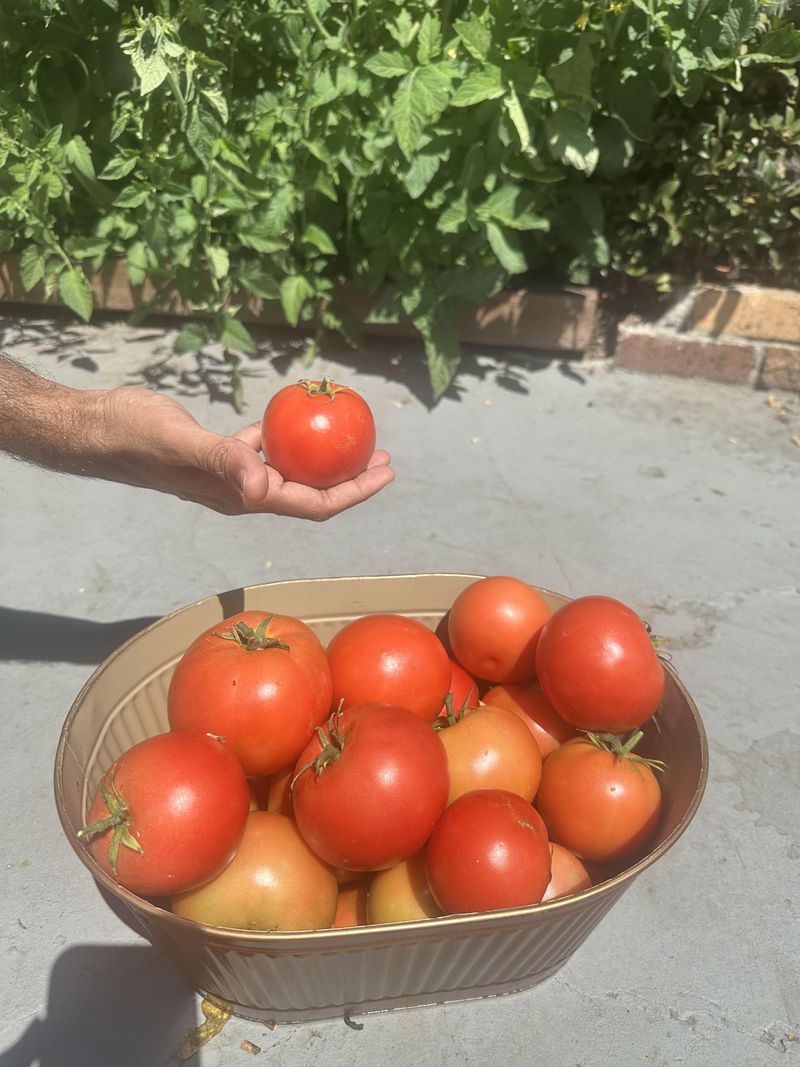
Variety choice can decide how much of the fall season gets wasted waiting for flowers to cooperate.
Texas heat often hangs on well after planting time.
Some tomatoes struggle to set fruit when daytime temperatures stay very high and nights remain warm. Heat-tolerant varieties are better suited to producing under those conditions, which gives them a real advantage in a short fall window.
Look for cultivars known for Texas performance.
Solar Fire, Tycoon, Amelia, and Celebrity are examples often chosen for warm-region gardens. Local nurseries can also help identify varieties that perform consistently in your part of the state.
Days to maturity still matter.
A tomato bred for heat but requiring a very long season may not fit a northern Texas fall garden. Balance heat tolerance with enough speed to finish before cold weather arrives.
Smaller-fruited varieties can be useful too.
Cherry and medium-sized tomatoes often ripen faster than giant slicers, giving the garden more chances to produce ripe fruit before frost.
Read labels carefully.
Disease resistance, heat tolerance, and maturity time all deserve attention.
No variety can ignore extreme weather.
The advantage comes from choosing one that keeps moving while a less adapted plant spends August dropping flowers and waiting for cooler nights.
Fall tomatoes cannot afford a long negotiation with the climate.
Start with a variety that already understands the assignment.
7. Cage Plants Before Roots Spread
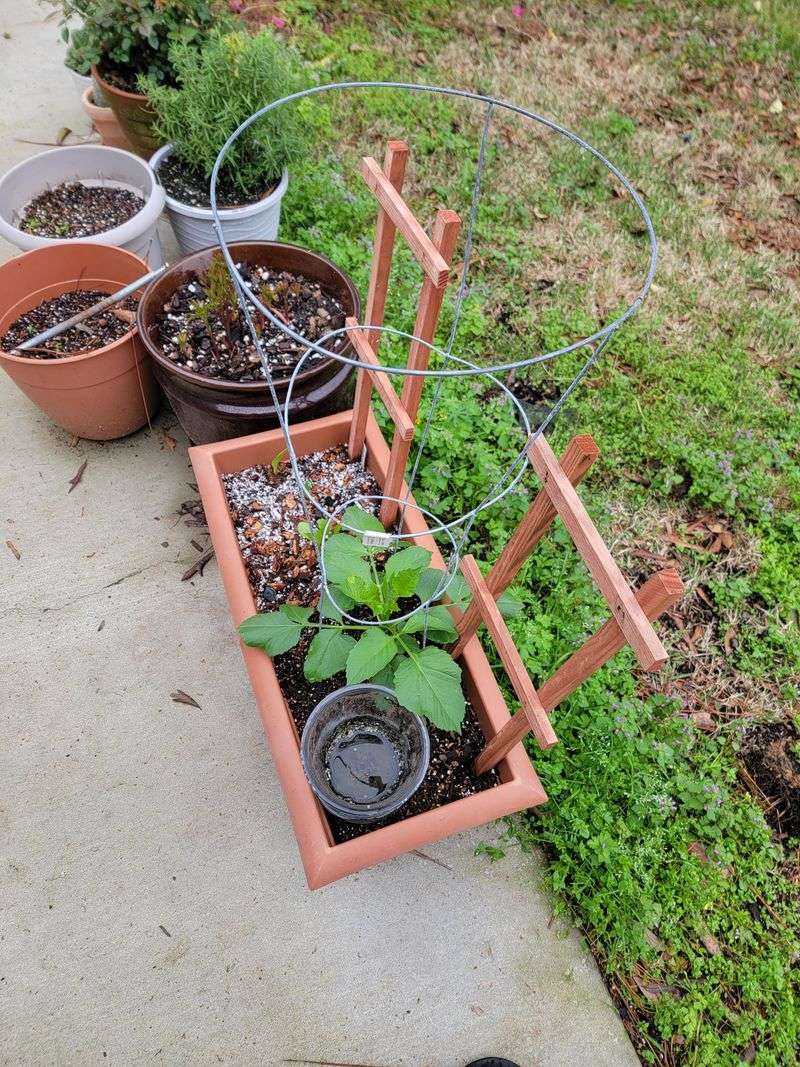
A tomato cage is easiest to install when it looks almost unnecessary.
That is exactly when it should go in.
Set sturdy support around each transplant right after planting, before roots spread through the bed and branches begin leaning in every direction.
Waiting several weeks makes the job harder and increases the chance of damaging roots while forcing cage legs into the soil.
Choose stronger supports for vigorous plants.
Indeterminate tomatoes can quickly outgrow small wire cages. Heavy-gauge cages, reinforcement-wire cylinders, or a sturdy stake system hold up better once branches carry clusters of fruit.
Support improves more than appearance.
Keeping foliage and tomatoes off the soil reduces mud splash, improves airflow, and makes fruit less vulnerable to rot and insect feeding.
It also makes routine care easier.
You can see lower leaves, check for pests, water near the root zone, and harvest without digging through a tangled plant sprawled across the bed.
Guide stems gently as they grow.
Do not wait until heavy branches bend sharply before trying to force them back into the cage. Small adjustments every few days prevent bigger problems later.
Texas fall storms can bring wind along with rain.
A strong support system gives the plant somewhere to lean.
Put the cage in while the transplant still looks tiny.
By the time it seems necessary, you are already late.
8. Feed Lightly Once Fruit Starts Setting
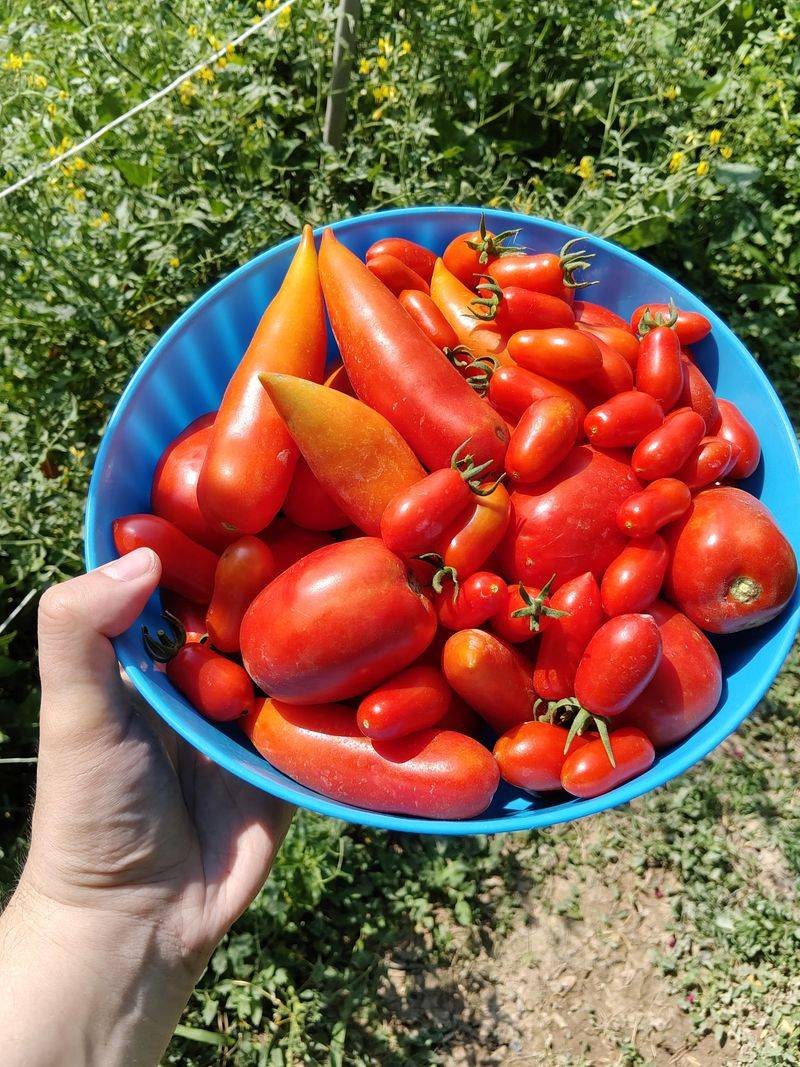
A tomato plant can grow enough leaves to impress the whole neighborhood and still disappoint at harvest.
Too much nitrogen often pushes that imbalance.
Once fruit begins setting, heavy feeding can keep vines racing while the crop itself receives less attention. Fall plants have limited time, so the goal is steady fruit development rather than endless leafy expansion.
Start with the soil.
A soil test gives you a clearer picture of what nutrients are already available and reduces the temptation to fertilize by guesswork.
Watch the plant too.
Healthy green foliage with active flowering and fruit set usually does not need aggressive feeding. Very dark leaves paired with weak flowering can point toward too much nitrogen.
Use modest fertilizer applications when the crop actually needs support.
Balanced products can work well, but the rate matters more than the marketing on the bag. A lighter feeding is easier for the plant to use than a large dose during hot weather.
Water fertilizer into the root zone.
Dry granules sitting near roots can become concentrated, especially in warm soil.
Do not treat every yellow leaf as hunger.
Water stress, root issues, disease, and normal aging can all change leaf color.
Fall tomatoes need nutrition, but they need restraint too.
Feed enough to support the fruit already forming.
The plant does not need to spend October building a jungle when what you really want is a basket.