Your Florida Ground Covers Might Be A Snake Shelter Without You Knowing
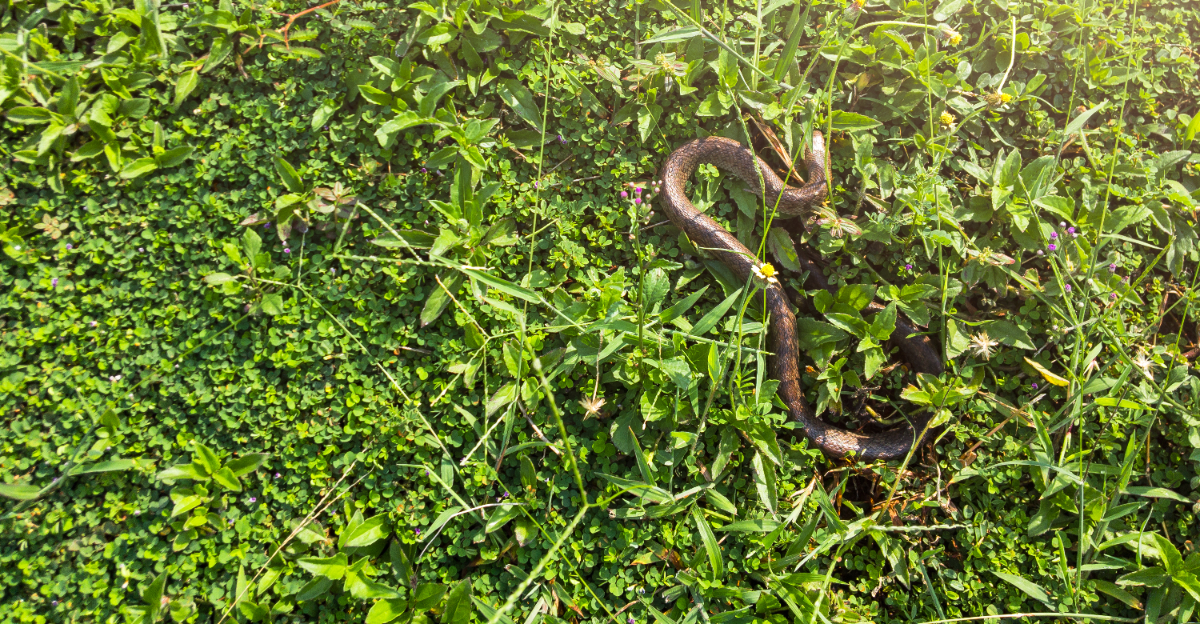
Ground covers in a Florida yard look harmless. Low, spreading, filling space between beds and borders with a tidiness that makes the landscape feel finished.
What they create at ground level, below the canopy of leaves where nobody looks, is a different story. Snakes need three things.
Warmth, cover, and prey. Certain ground covers deliver all three in a single planting.
Dense enough to shelter. Low enough to trap heat.
Attractive enough to the insects and small animals that snakes follow. A ground cover that checks those boxes is not a bad plant.
Florida snakes are largely harmless and ecologically valuable. But a ground cover positioned close to the house, the porch, or the entryway that functions as snake habitat is worth reconsidering.
Not every ground cover creates this. Knowing which ones do, and where they should not go, is the conversation most Florida yards never have until a snake makes the point directly.
1. Asiatic Jasmine Can Hide More Than Bare Ground
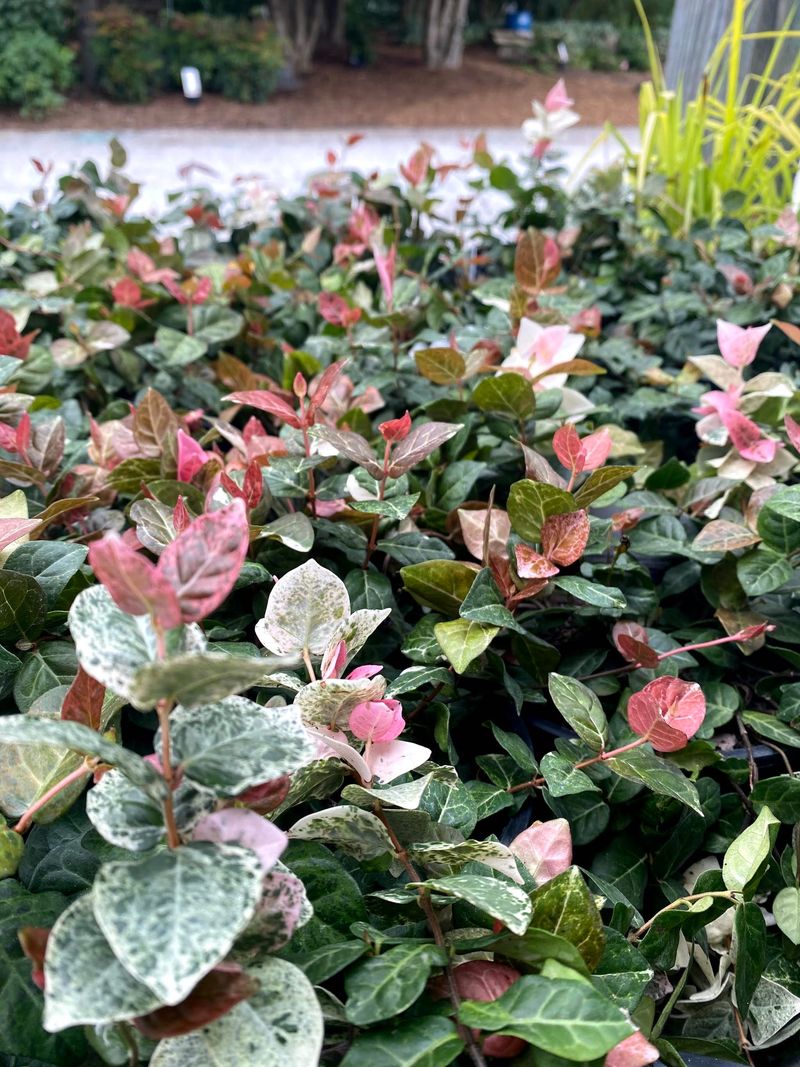
Mature Asiatic jasmine is one of the most popular ground covers in warm-climate Florida yards, and it earns that reputation by spreading fast and choking out weeds. A single planting can grow into a thick, layered mat several inches deep over just a few seasons.
That depth is exactly what makes it worth a closer look from a visibility standpoint.
The stems weave together tightly, creating a dense canopy that sits just above the soil. Leaf litter collects beneath that canopy and stays damp longer than exposed ground would.
Small frogs, lizards, and insects move through that sheltered layer regularly, which can draw curious predators looking for an easy meal.
Asiatic jasmine does not produce any scent or chemical that attracts snakes. The structure of the plant is what matters here, not its species.
A thick, low mat near a door or foundation simply reduces how much you can see at ground level.
Edging the planting every few months and thinning sections that have grown especially deep can make a real difference. Keep a clear gap of at least a foot between the mat’s edge and your foundation wall.
That open strip gives you a visible inspection zone and reduces the amount of covered ground immediately next to your home.
2. Liriope Creates A Blind Spot Along The Foundation
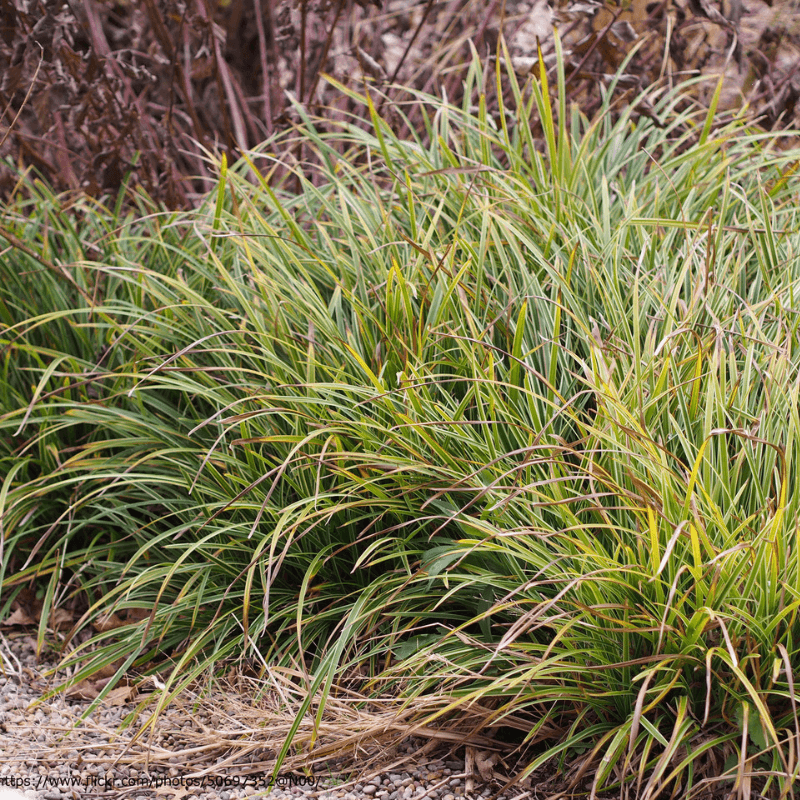
Few plants edge a Florida foundation as neatly as liriope, and that tidy appearance can be a little misleading. From a few feet away, a mature liriope border looks like a clean, low stripe of green.
Up close, the clumps are much denser, with arching blades that overlap and create shaded gaps right at soil level.
Those gaps matter more when the liriope runs along a foundation than when it grows in a distant bed. Foundation plantings sit directly beside entry points, utility penetrations, and the base of walls where gaps sometimes exist.
Anything moving through the liriope at ground level is very hard to see until you are nearly on top of it.
Overcrowded clumps also trap moisture and collect debris, which can attract the small invertebrates and amphibians that make up a large part of many snake diets.
Your Florida Garden Changes Every Week. Your Plan Should Too.
Gardening in Florida changes quickly throughout the season. Every Friday you’ll receive a simple weekly plan showing exactly what to plant, prune, fertilize, harvest, and protect so you never miss the right timing.
Thinning or dividing clumps every two to three years keeps the planting healthier and opens up the base of the border so you can see the soil beneath.
A liriope border does not automatically shelter snakes, and most borders never will. Density and placement are the real factors.
Trim the clumps back so they stay below eight inches, and divide any sections that have grown unusually thick. This gives you much better visibility where your walls meet the ground.
3. Mondo Grass Turns Shady Edges Into A Dense Carpet
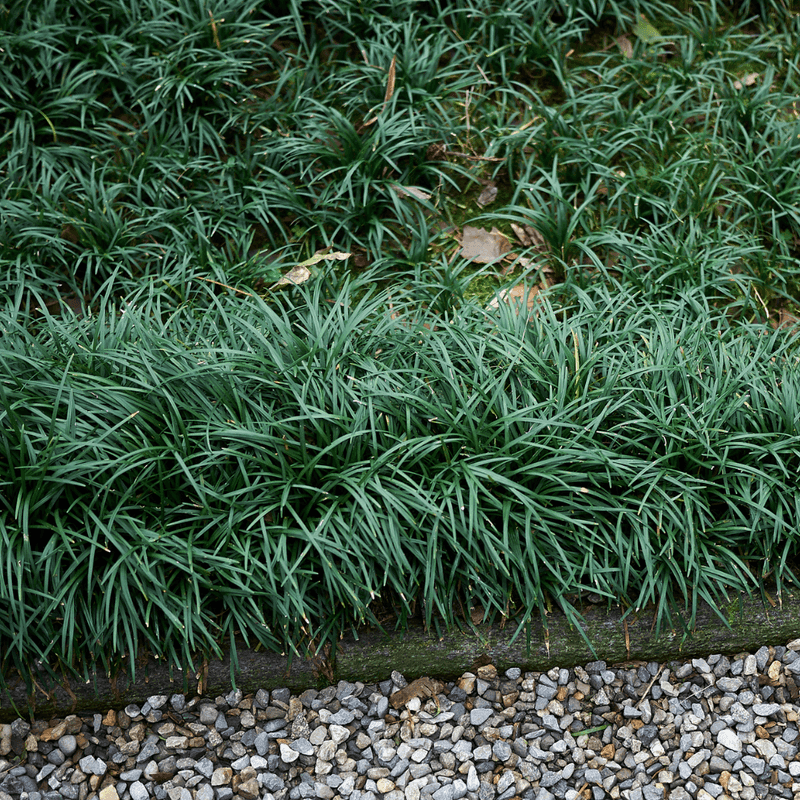
There is something almost velvety about a healthy patch of mondo grass. Its fine, dark blades grow slowly but eventually knit together into a tight carpet that looks polished and requires very little fuss.
That low-maintenance quality makes it a go-to choice for shaded edges and narrow strips where other Florida plants struggle.
Shaded beds tend to stay cooler and hold moisture longer than sunny areas. That combination can make them comfortable resting spots for a range of small animals, including the frogs and lizards that often share space with dense ground covers.
A thick mondo grass patch in a deeply shaded corner is genuinely hard to inspect without crouching down and parting the blades.
Regular maintenance does not mean pulling it all out. Keeping a clear, visible strip of mulch or bare soil between the mondo grass edge and any frequently used path gives you a simple inspection zone.
You can spot movement in that open strip far more easily than you can inside the planting itself.
Mondo grass in a well-tended patch remains useful, attractive landscaping. The practical adjustment is about placement rather than removal.
Beds beside steps, outdoor seating, or utility boxes deserve a little more attention. Give them a slightly more open edge than beds farther from daily foot traffic.
4. Cast Iron Plant Leaves Cool Gaps Beneath Broad Foliage
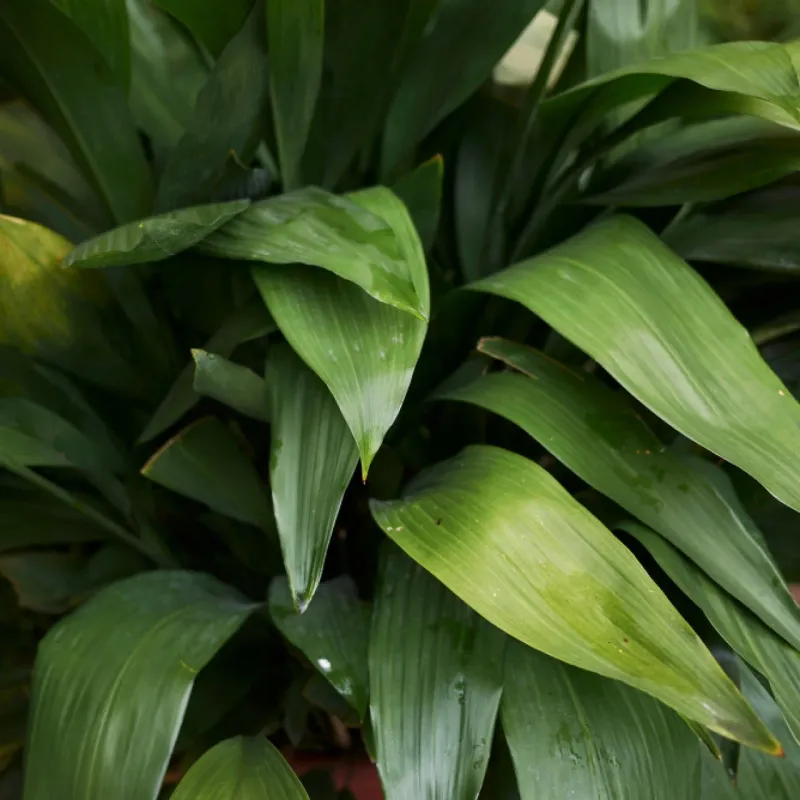
Cast iron plant earned its nickname honestly. It survives low light, irregular watering, and poor soil without much complaint.
Those qualities make it a reliable filler for darker corners where almost nothing else will grow. It is genuinely hard to beat for deep-shade situations.
The broad, arching leaves of a mature clump create a canopy effect that hides the ground below almost completely. Leaf litter settles under that canopy and stays moist because sunlight rarely reaches the soil directly.
That layer of damp debris is comfortable territory for earthworms, beetles, and small amphibians, all of which can draw other animals in to feed.
Visibility beneath a large cast iron plant clump is very limited from a standing position. You would need to lift the outer leaves to see the soil clearly, which most homeowners do not do on a regular basis.
That reduced visibility is worth thinking about when the plant grows near a door threshold, a utility meter, or an outdoor air conditioning unit.
Keeping dense clumps at least two feet away from those access points is a straightforward adjustment. Clear accumulated leaf litter from beneath the plant once or twice a year.
This reduces debris at soil level and makes the space less sheltered without harming the plant.
5. Native Sword Fern Builds A Thick Refuge In Deep Shade
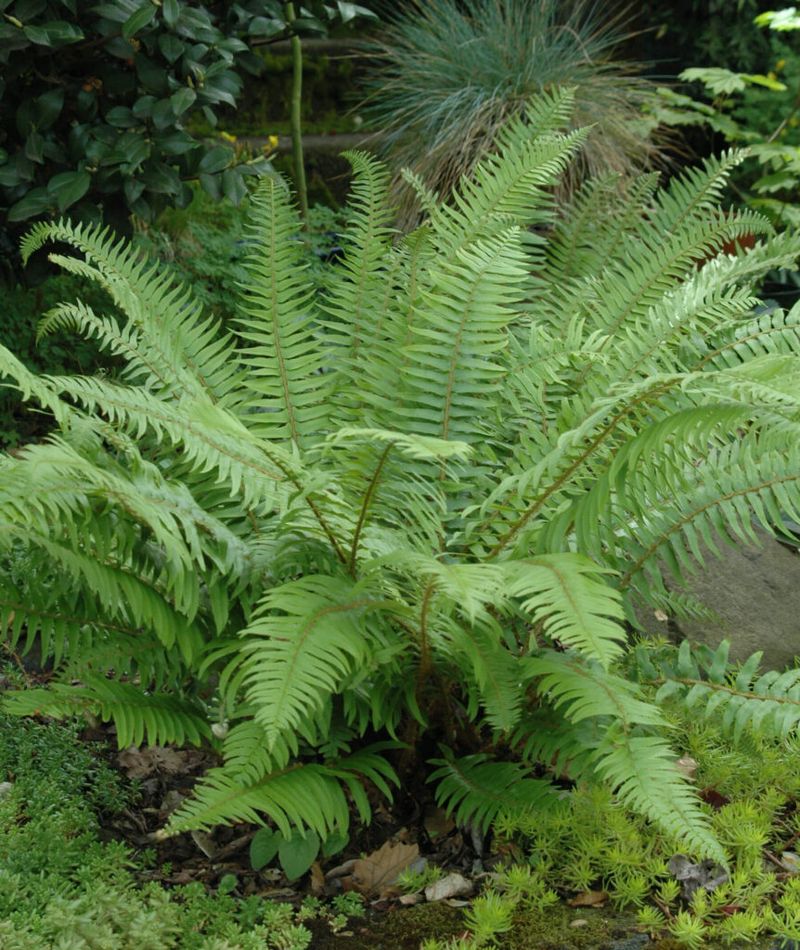
The Florida native sword fern, Nephrolepis exaltata, grows in a wide arc of fronds that can reach three feet tall under good conditions.
It is genuinely impressive in a shaded bed and provides real ecological value, offering cover and foraging habitat for a variety of native wildlife.
That value is worth keeping in mind before any decisions about removal.
A mature stand of sword fern is dense enough that the soil beneath it stays almost completely hidden. The fronds overlap and droop toward the ground, and the interior of a large clump is dark even on a bright afternoon.
Small lizards, frogs, and insects use that sheltered space regularly, which is a sign of a functioning native plant community rather than a problem.
The practical consideration is placement rather than the plant itself. A thick fern bed that sits right beside a heavily traveled path or a back door is harder to monitor than one growing along a fence line or in a back corner.
Moving new plantings a bit farther from high-traffic areas gives wildlife space to do its thing without reducing your visibility near the spots you use most.
If an existing stand has grown very close to a doorway, selective thinning of the outermost fronds can open a visible strip without stripping the bed. The fern recovers quickly and continues doing its job for native pollinators and small wildlife.
6. Frogfruit Mats Can Conceal Movement Close To The Ground
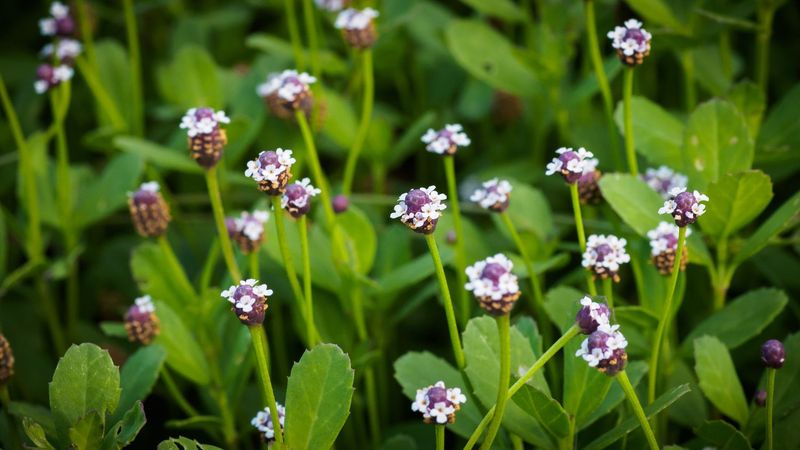
Frogfruit is one of those plants that punches well above its modest size. The creeping stems stay close to the ground and produce small clusters of white flowers that pollinators genuinely love.
Butterflies, native bees, and skippers visit the blooms regularly, making frogfruit a smart choice for wildlife-friendly yards.
Its low profile is worth thinking about in terms of what it conceals. Even a short, dense mat can hide very small animals moving at soil level.
Juvenile snakes in particular are small enough that a frogfruit mat provides real concealment, even though the plant itself is only a few inches tall. Prey species like small frogs and insects also use the mat as cover.
Near a walkway or a patio edge, a defined border between the frogfruit and the hardscape makes a practical difference. Keeping that edge trimmed and clearly visible means you can see the transition zone between the planting and the open surface.
Movement in that strip is much easier to notice than movement inside the mat itself.
Frogfruit remains a valuable plant, especially in rain gardens and naturalized areas where pollinators need support. The suggestion here is not to remove it but to maintain a clean, visible edge wherever the mat meets a path or a frequently used outdoor space.
That single habit makes the planting safer to walk beside without reducing its ecological role.
7. Perennial Peanut Spreads Into Cover Across Sunny Beds
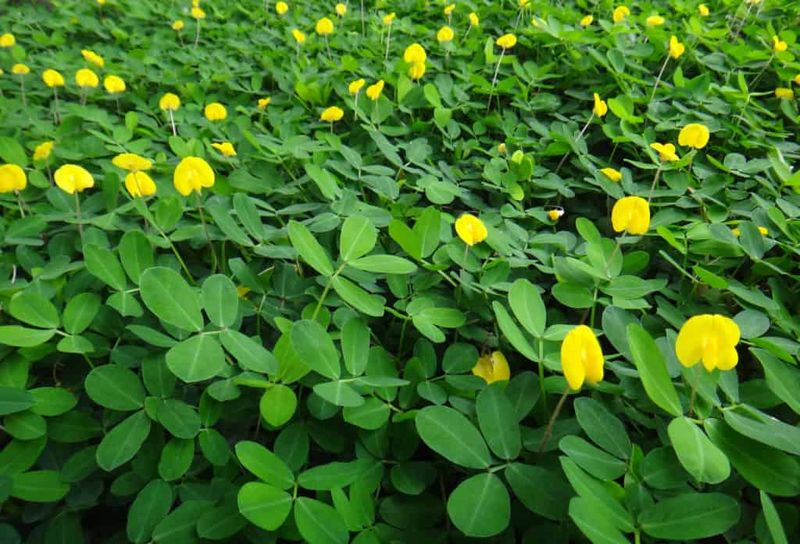
Bright yellow flowers and a spreading green mat make ornamental perennial peanut one of the cheerier ground covers available for sunny Florida beds. It fixes nitrogen, tolerates drought once established, and stays low enough that it rarely needs much attention.
Gardeners who discover it often wonder why they waited so long to try it.
Because it grows in full sun, an established perennial peanut bed offers less concealment than a shaded ground cover of similar density. Open, sunny conditions make it easier to spot movement across the surface of the mat.
That is a genuine advantage compared to ground covers growing in deep shade near the home.
That said, a thick, established mat does reduce visibility at soil level. The stems weave together close to the ground, and small animals can move through the mat without being obvious from a standing position.
Mowing or edging the planting periodically keeps it from building up excessive depth and maintains that sunny, open character.
Where perennial peanut runs along a bed edge near a walkway, edging it cleanly every month or so keeps the transition visible and tidy. A well-maintained perennial peanut bed is genuinely one of the more open and manageable sunny ground covers available.
The comparison to taller or shadier options is realistic rather than alarming, and the plant earns its place in a thoughtful landscape plan.
8. Southern Shield Fern Makes Dark Corners Harder To See Through
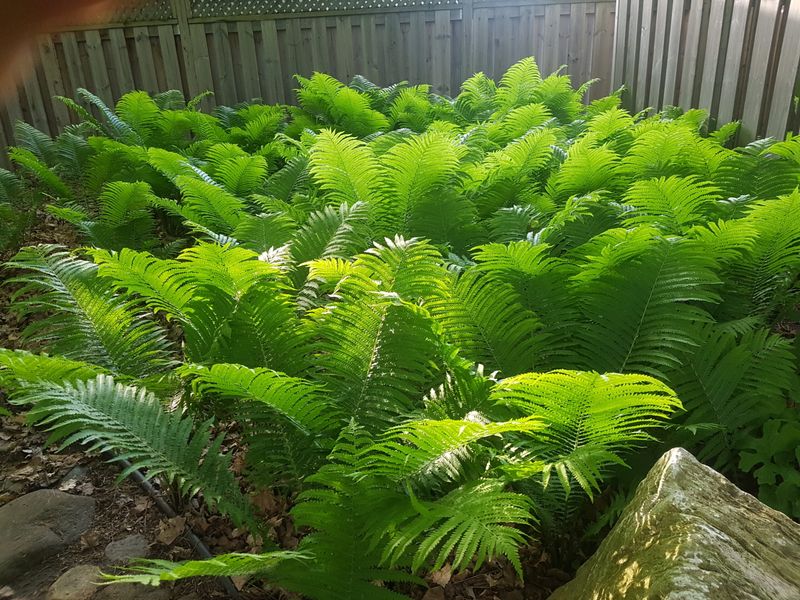
Southern shield fern, Thelypteris kunthii, is a native species that thrives in moist, shaded spots across much of the Southeast. It grows taller than many ground covers, with arching fronds that can reach two feet or more.
In the right spot, it fills a difficult corner beautifully and supports native wildlife at the same time.
Large masses of southern shield fern in corners near buildings can make those spaces genuinely hard to inspect. The fronds arch outward and downward, creating a layered canopy that blocks the view of the soil below.
Moisture accumulates in those shaded, enclosed spots, which suits a variety of small animals looking for a cool and sheltered space.
Selective thinning is a practical middle ground for established plantings near utility access points or building corners. Removing a few of the outermost fronds opens a visible strip along the edge without stripping the bed bare.
The fern regrows steadily, so thinning once or twice a year keeps the planting manageable without eliminating it.
Reducing concealed travel routes and prey near the home is the core idea behind snake-resistant landscaping. No single plant creates a serious problem on its own, and no single removal solves everything.
Regular maintenance, thoughtful placement, and a habit of checking dense plantings near doors and corners are the most reliable tools a homeowner has. A yard full of well-tended native plants is still a healthy, worthwhile goal.