Your Florida Mango Tree Needs This One Watering Change Before Peak Heat
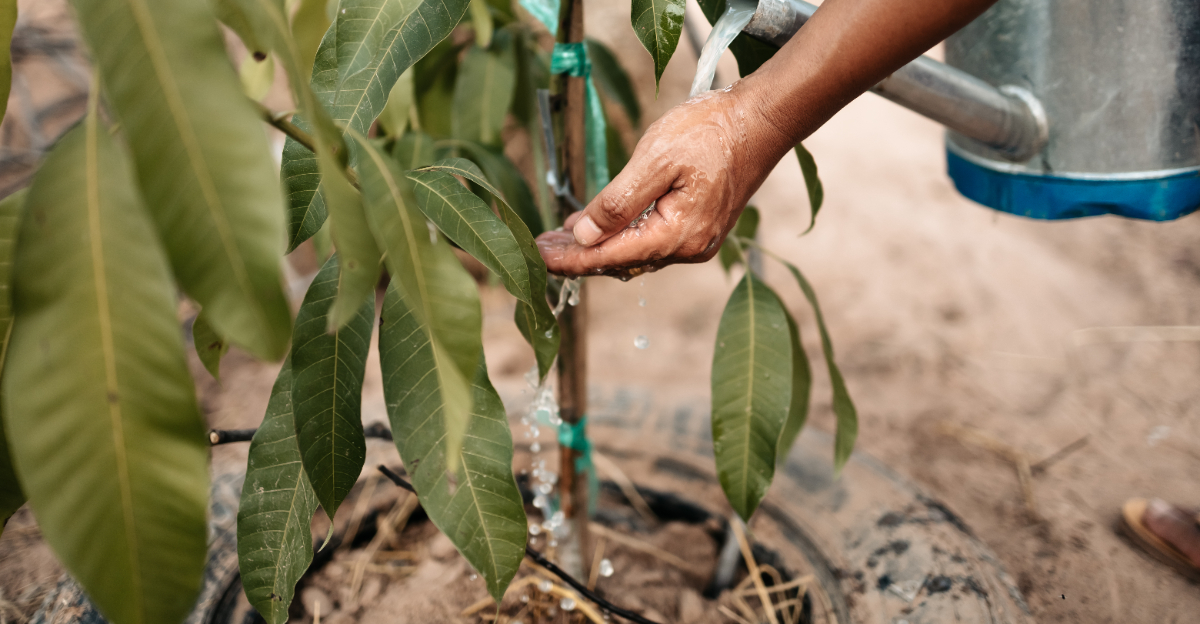
Florida mango trees look self-sufficient in summer. Deep roots, heat tolerance, a tree that has been handling tropical conditions for long enough that intervention feels unnecessary.
That confidence is reasonable for most of the year and worth questioning right before peak heat arrives. One watering change made now, before temperatures push into their most sustained stretch, shifts how the root zone handles the pressure that follows.
It is not about watering more. It is about watering differently in a way that builds moisture reserves at the depth the root system actually reaches.
A mango tree that goes into peak heat with the right soil moisture at the right depth performs differently than one that goes in dry or unevenly saturated at the surface. The change takes one adjustment to the current routine.
The difference it makes shows up in fruit retention, canopy health, and how quickly the tree recovers once peak heat finally backs off.
1. Stop Letting The Irrigation Timer Make The Decision
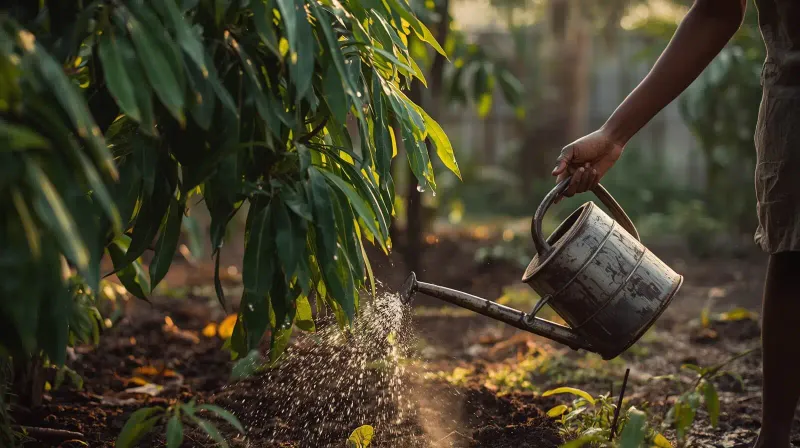
Your irrigation timer does not know it rained three inches yesterday. It does not know the soil is still saturated.
It only knows the schedule you programmed in March, and it will follow that schedule without question every single time.
Automatic systems are genuinely convenient for busy Florida homeowners. The problem is that convenience can quietly become overwatering once summer thunderstorms roll in.
An established mango tree sitting in persistently wet soil faces real risks, including root problems and poor overall health.
Check your controller settings before peak heat season arrives. Many systems allow you to reduce run times or pause irrigation without deleting your entire program.
That flexibility is worth using.
Rain sensors are a practical upgrade worth considering. They interrupt the irrigation cycle after meaningful rainfall, so your system does not run on a soggy lawn.
Some local water utilities even offer rebates for installing them.
Your practical action here is simple: walk to your controller this week and learn how to pause or reduce your schedule manually. You do not need to turn the system off permanently.
You just need to be the one making the call, not the timer. An established mango tree should receive supplemental water because it actually needs a drink, not because a clock said so.
2. Summer Rain May Already Be Giving Your Mango Enough
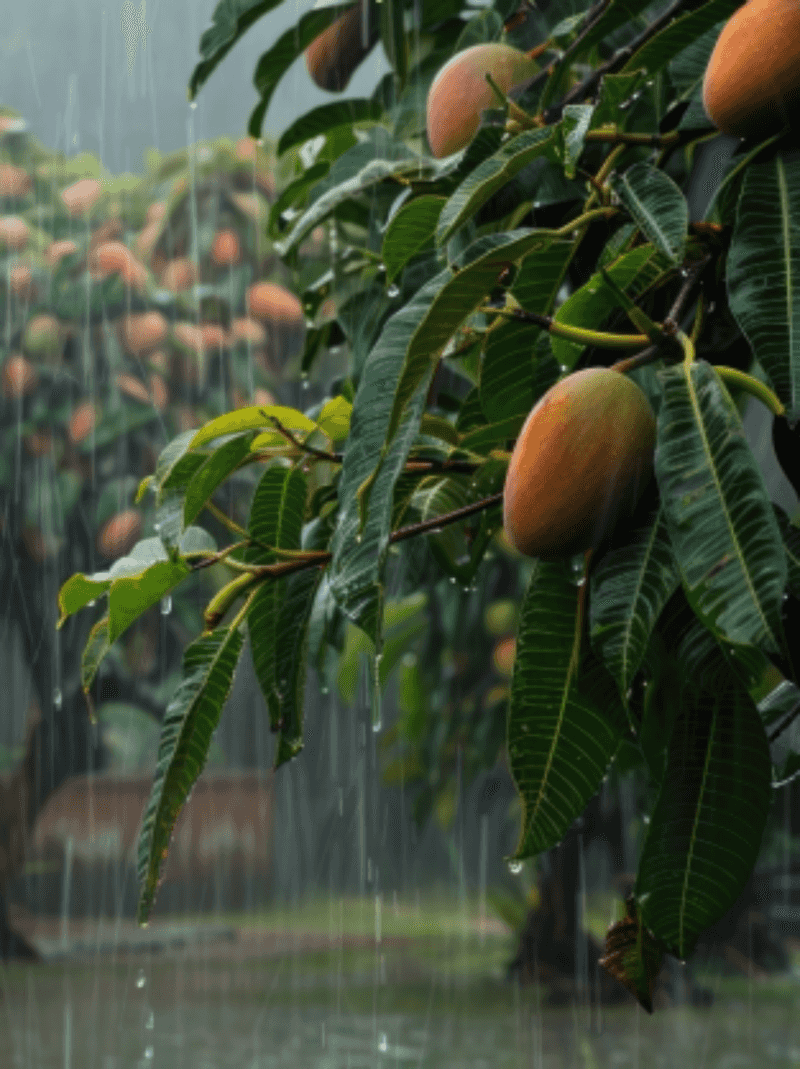
South Florida’s rainy season typically delivers several inches of rain each week from June through September. UF/IFAS guidance for established mango trees suggests reducing or stopping supplemental irrigation once that rainy season is reliably underway.
That recommendation exists for good reason.
Rainfall varies more than most people realize, though. A thunderstorm can drench one neighborhood and completely skip the yard two streets over.
Radar showing rain nearby does not confirm your tree actually received meaningful moisture. Your yard is the only data point that matters.
Prolonged dry stretches do happen even inside the rainy season. A two-week gap between storms during a hot July is a genuine reason to check on your tree and consider supplemental watering if the root zone has dried out.
Your Florida Garden Changes Every Week. Your Plan Should Too.
Gardening in Florida changes quickly throughout the season. Every Friday you’ll receive a simple weekly plan showing exactly what to plant, prune, fertilize, harvest, and protect so you never miss the right timing.
No one should assume every summer week automatically supplies enough moisture. Regional averages are useful starting points, but they are not a substitute for checking actual conditions on your property.
Your action step: grab a rain gauge and place it near your mango tree this season. Knowing how much rain actually fell in your yard gives you real information to work with.
When you have two or more inches from recent storms and the soil still feels moist, your tree is almost certainly covered without any help from the hose.
3. Check The Root Zone Before Adding Another Drop
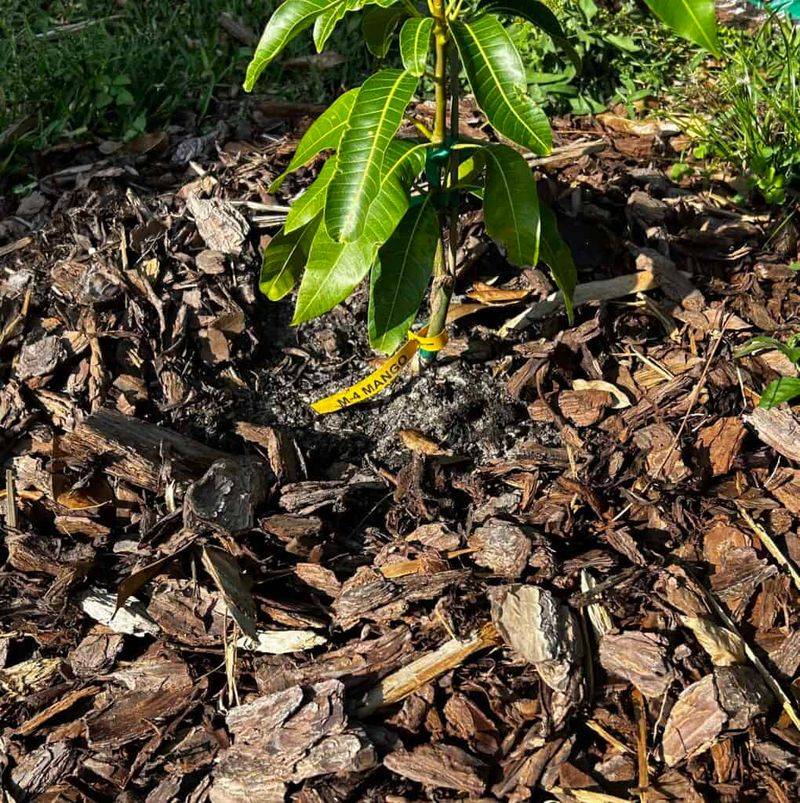
Dry-looking topsoil can be misleading. The ground surface dries out quickly in warm weather.
However, that crusty top layer tells you very little about conditions a few inches deeper where the active roots actually live.
For a mature mango tree, the most active roots tend to spread outward beneath the canopy rather than straight down near the trunk. Checking soil moisture in that outer zone gives you far more useful information than poking the ground right next to the base of the tree.
Slide your finger or a wooden dowel a few inches into the soil beneath the mulch layer. If it comes out with cool, damp material clinging to it, the root zone likely has enough moisture.
If it comes out dry and dusty, that is a clearer signal that irrigation may be appropriate.
Persistent sogginess is a warning sign too. Soil that stays wet for extended periods after rain or irrigation points to a drainage issue worth addressing.
Yellowing leaves and weak new growth are sometimes blamed on thirst, but those symptoms can also come from roots sitting in waterlogged ground.
Your practical step: check the root zone before every irrigation decision rather than guessing by appearance alone. That one habit removes most of the guesswork from mango tree watering.
4. Trade Frequent Sprinkles For A Proper Soak When It Is Dry
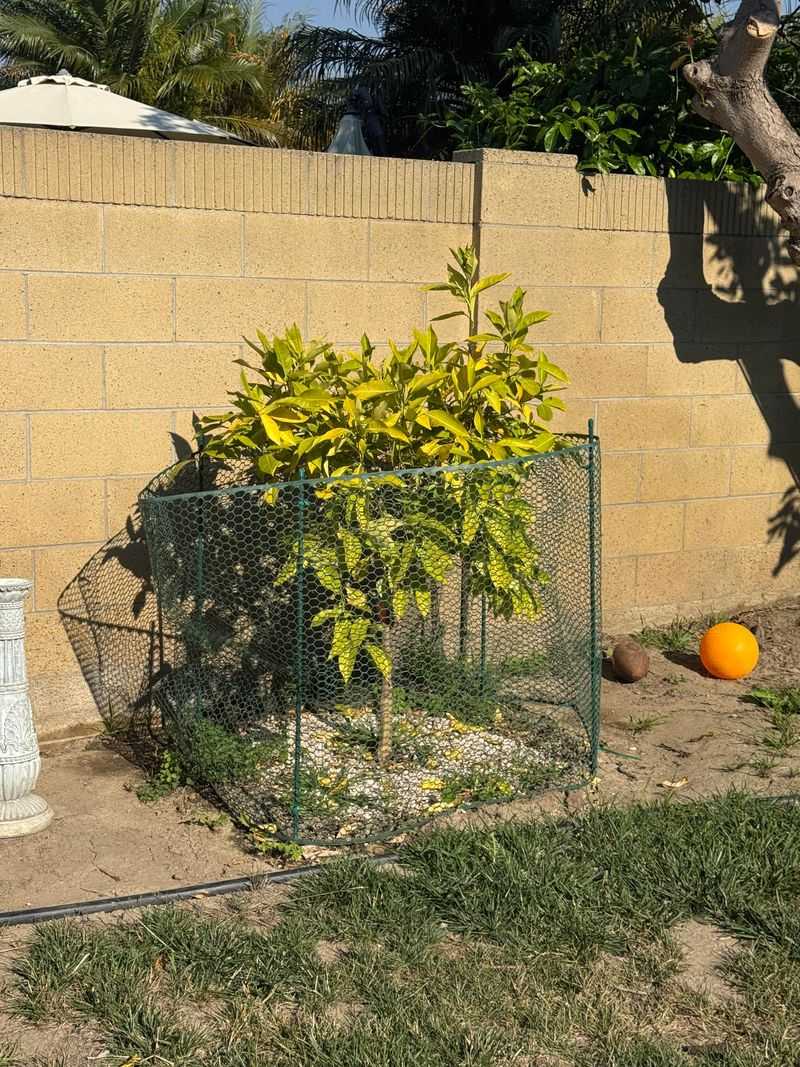
Shallow, frequent watering is one of the most common irrigation mistakes made with fruit trees. Running a sprinkler for ten minutes every other day barely penetrates the surface.
The roots that matter most are deeper and further out, and they rarely benefit from a light sprinkle.
When the root zone genuinely needs moisture, a deeper and less frequent soak does far more good. Wetting a meaningful portion of the area beneath the canopy encourages roots to develop broadly, which makes the tree more resilient during dry stretches.
Avoid directing water flow directly against the trunk. Keeping the application zone out toward the drip line and beyond is a better approach.
That is where the feeder roots are most active and most able to absorb what you apply.
Soil type matters here. Sandy soil drains and dries quickly, so a deep soak may move through faster than it would in a heavier mix.
Clay-influenced soils hold moisture longer and can become waterlogged with the same amount of irrigation that sandy ground handles easily. There is no single gallon amount or fixed time that works for every yard.
Your action: the next time you do irrigate, slow it down and let water penetrate deeply rather than running it briefly and often. One good soak beats five shallow ones every time.
5. Young Mango Trees Still Need A Different Watering Rule
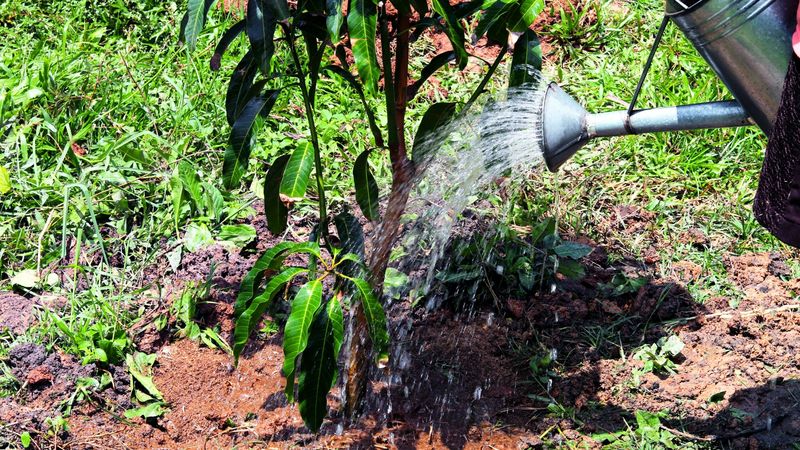
Everything changes when you are working with a tree that went into the ground within the last year or two. A young mango has not yet built the wide-spreading root system that gives older trees their ability to handle dry spells.
Small roots in a limited zone dry out much faster than those of an established tree.
UF/IFAS guidance recognizes that newly planted trees need more consistent attention during their establishment period. That means checking soil moisture more frequently and not waiting too long between waterings when rain has not filled the gap.
The goal is keeping the root zone reliably moist without keeping it saturated.
Mulch is genuinely helpful here. A few inches of organic mulch spread over the root zone slows moisture loss from the soil surface, moderates soil temperature, and reduces how often you need to water.
Keep it pulled back from the trunk itself to avoid creating conditions that stress the bark.
Do not flood the planting hole repeatedly in an effort to help a young tree along. Constantly waterlogged soil is not beneficial, even for a tree that needs regular moisture.
Steady, moderate, and responsive watering is the right approach.
Your action: check soil moisture around your young tree every few days during dry stretches rather than following a rigid schedule.
6. Mature Trees Handle Dry Spells Better Than Soggy Ground
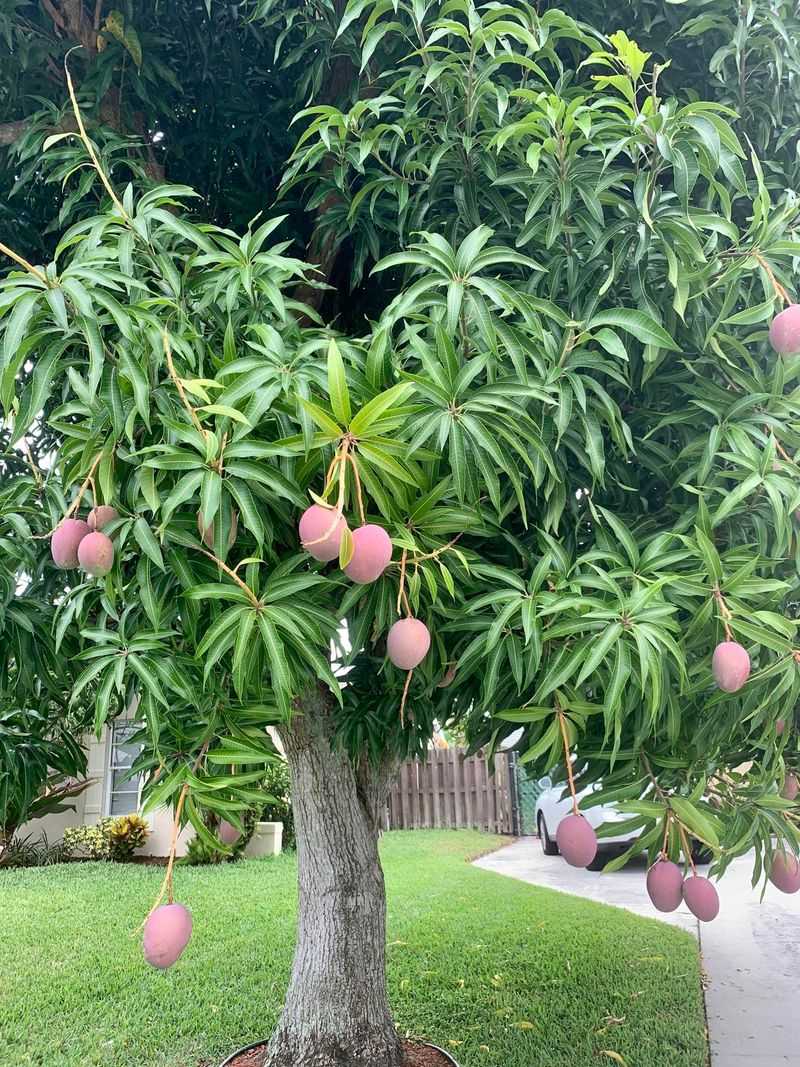
Years of root development give a mature mango tree something valuable: genuine drought tolerance. Once a tree has been in the ground long enough to establish a wide, deep root system, it can pull moisture from a much larger volume of soil than a young tree ever could.
That does not mean a prolonged dry stretch is harmless. Extended periods without rain or supplemental irrigation during intense Florida heat can still put stress on an established tree, particularly during fruit development.
Watching the tree and checking the root zone remains worthwhile even for older specimens.
What mature trees truly struggle with is consistently wet soil. Roots need oxygen as much as they need water.
When the root zone stays saturated for extended periods, root health suffers in ways that are not always visible above ground until the damage is already done.
Good drainage matters more than many homeowners realize. If water pools beneath your mature tree for more than a day after a heavy rain, that drainage situation is worth addressing.
Raised planting areas or amended soil can sometimes help.
Your action step: resist the urge to increase irrigation simply because the temperature has climbed. Check the root zone first.
A mature mango that has been in the ground for several years generally needs far less routine irrigation than the young tree you planted last spring.
7. Fast-Draining Sand Changes How Quickly Moisture Disappears
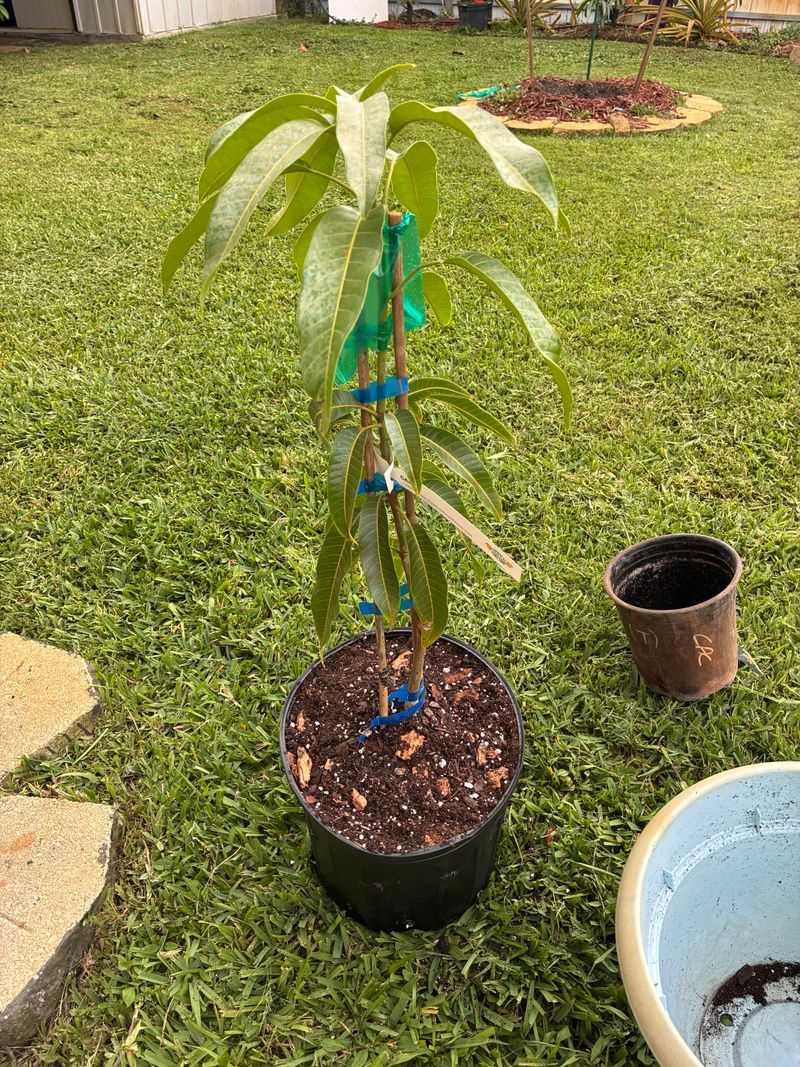
Sandy soil is common across much of Florida, and it behaves very differently from the heavier soils found in other parts of the country. Water moves through it quickly, which means moisture that seemed adequate in the morning may be largely gone by afternoon on a hot day.
Two neighbors can experience the same summer storm and end up with very different soil moisture levels. One yard may have deep sand, while the other has a heavier mix with more organic content.
Irrigation decisions need to reflect your specific soil, not a regional average.
Mulch is one of the most practical tools available for managing sandy soil. A three-to-four-inch layer of organic material over the root zone slows evaporation and moderates soil temperature.
It also helps the soil hold moisture longer between waterings or rain events. Pull it back from the trunk to keep direct contact away from the bark.
Rigid irrigation formulas fall apart in sandy conditions. A schedule built for heavier soil will underwater a tree growing in fast-draining sand.
Checking actual soil moisture rather than relying on a fixed schedule becomes even more important when your ground drains quickly.
Your action: identify your soil type and adjust your expectations accordingly. Sandy ground needs more frequent checks, not necessarily more water applied at once.
8. Let The Next Dry Stretch Tell You When To Water Again
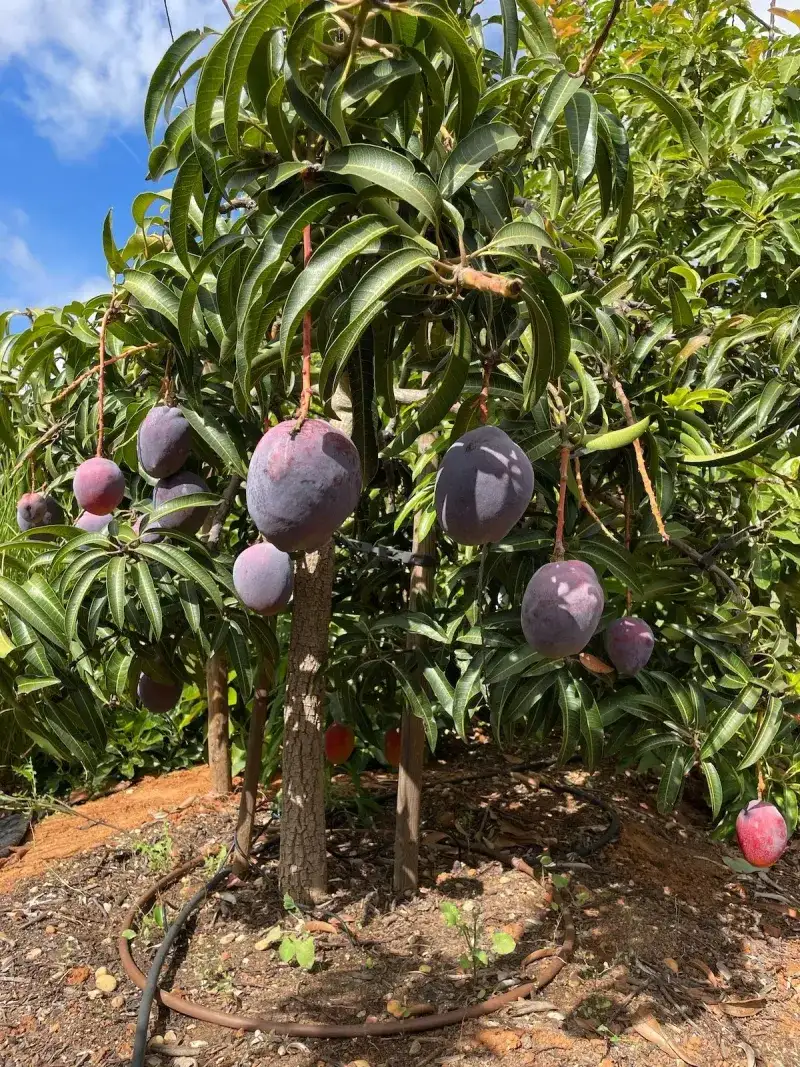
Building a smarter watering habit does not require expensive equipment or complicated systems. It requires paying attention to a few reliable signals.
Check how much rain has fallen in Florida, how the soil feels, how the leaves look, and how established the tree is.
Restarting supplemental irrigation during a genuinely dry stretch is completely appropriate. Two or three weeks without meaningful rainfall during peak heat is a real situation that warrants a response.
The point is not to ignore your tree’s needs. The point is to respond to actual conditions rather than a preset schedule.
Waiting until a tree shows severe stress before acting is not the goal either. Catch a dry period early and check the root zone before acting.
If the soil confirms the need, apply a good soak to keep the tree healthy without wasting water.
Weather-based watering naturally reduces unnecessary irrigation during wet spells. When summer rains are generous and consistent, your established mango tree may go weeks without needing anything from you.
That is not neglect. That is reading the situation correctly.
Your final action: put the calendar away when it comes to your established mango tree’s irrigation schedule. Let rainfall totals, soil moisture checks, and the tree’s own condition be your guide.
Those three inputs together will always give you a more accurate answer than any fixed date on a calendar ever could.