The Low-Maintenance Shrubs Wisconsin Homeowners Are Choosing Over Boxwoods
Something is changing in Wisconsin yards, and nobody wants to admit it. Boxwoods are browning, thinning, and struggling to hold their shape. Winters here challenge shrubs never built for this climate.
Humidity finishes what the cold begins, inviting fungus into every weakened branch and stem. You have watched your hedges fade for years, wondering what went wrong.
Nothing failed on your part; the plant simply could not compete. Wisconsin soil, wind, and temperature swings demand something tougher, smarter, sharper.
Gardeners across the state are quietly replacing boxwoods without regret. They found shrubs that hold their shape without constant shearing each year.
Others found greenery that handles disease instead of struggling against it. Every yard deserves a plant that works with you, not against you.
Change is already spreading across yards from Milwaukee to Eau Claire. Once you see what is replacing boxwood, you will not want to go back.
1. Inkberry Holly Replaces Boxwood Reliably
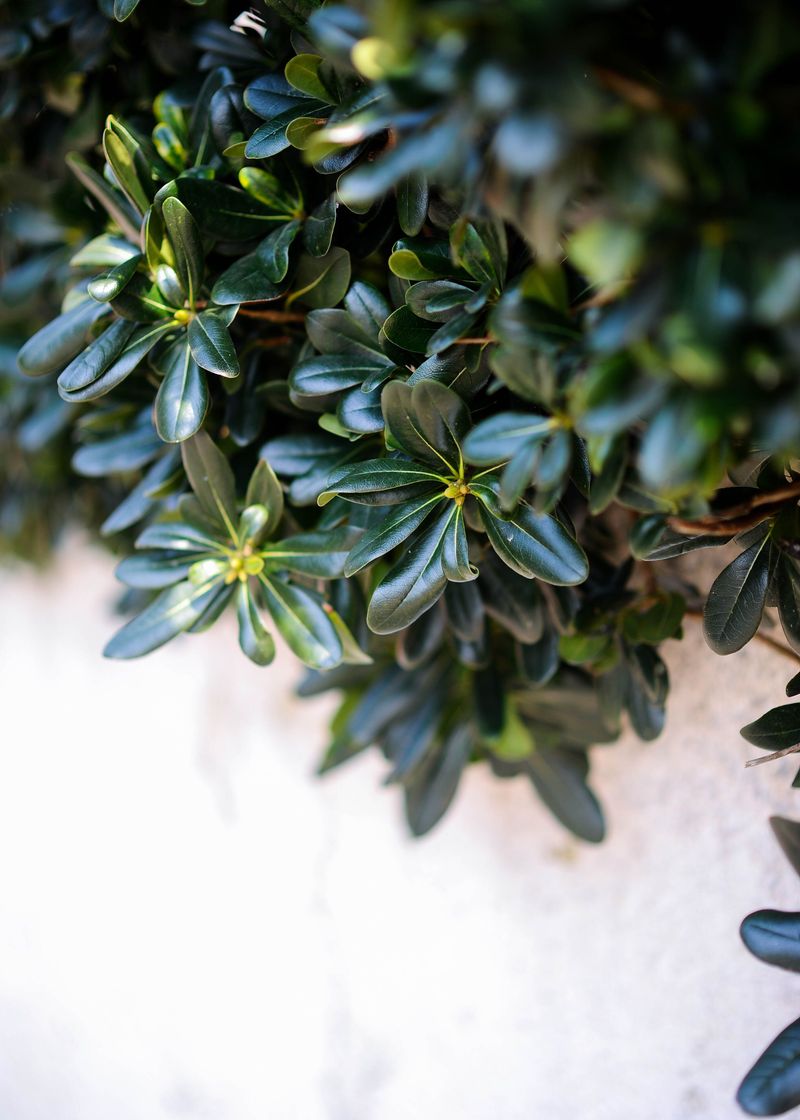
Holly has a reputation for being high-maintenance, but inkberry breaks that pattern. Inkberry holly is a native shrub that tolerates cold Wisconsin winters remarkably well.
It keeps its deep green leaves all year long. That evergreen quality is exactly what most homeowners want when they swap out a struggling boxwood.
Inkberry grows naturally in wet areas, which means it handles heavy spring rains without drama. Most shrubs sulk when soil gets waterlogged, but inkberry just keeps growing.
The small black berries that appear each fall are a bonus. Birds flock to them, turning your yard into a little wildlife scene you never planned for.
Compact varieties like “Shamrock” or “Strongbox” stay tidy without much pruning. You get that structured, formal look that boxwood fans crave, minus the weekly trimming sessions.
Inkberry prefers slightly acidic soil, which is common across much of the state. If your existing plants already thrive, chances are inkberry will too.
One thing to know: inkberry spreads slowly through root suckers. It is not invasive, but you may want to give it a little extra space to expand naturally over time.
Full sun to part shade works well for this shrub. It is genuinely one of the most flexible native replacements available to Wisconsin gardeners today.
Among low-maintenance shrubs Wisconsin homeowners trust, inkberry holly earns its spot at the top of the list every single season.
2. Dwarf Arborvitae Offers Similar Structure
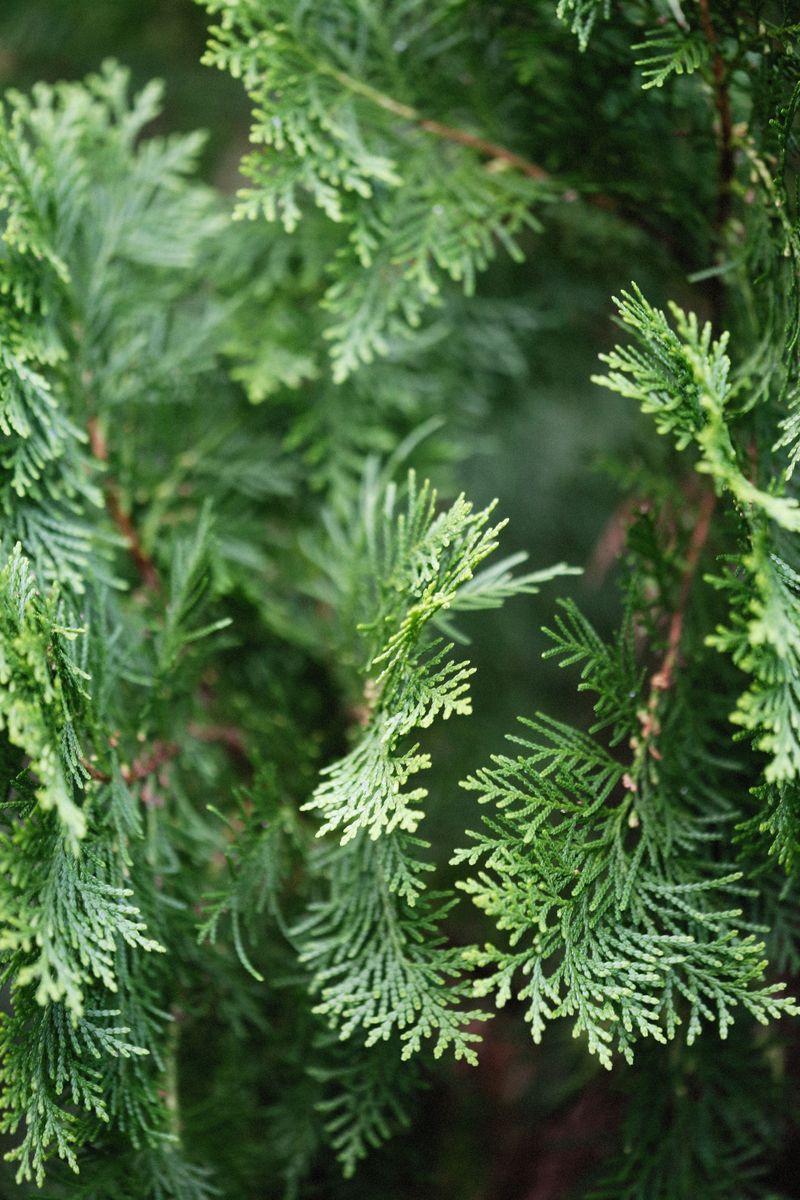
Some shrubs just look like they belong in a front yard. Dwarf arborvitae has that same polished, put-together energy that made boxwoods so popular in the first place.
The difference is that arborvitae actually handles Zone 4 and Zone 5 winters with confidence. Many boxwoods brown out after a rough February, but dwarf arborvitae bounces back strong each spring.
Varieties like “Hetz Midget” or “Mr. Bowling Ball” stay naturally round. You barely need to touch them with pruning shears, which is a notable time-saver for busy homeowners.
These compact conifers top out at two to four feet tall depending on the variety. That makes them ideal for lining walkways, framing entryways, or anchoring garden beds with a clean edge.
Your Wisconsin Garden Changes Every Week. Your Plan Should Too.
Gardening in Wisconsin changes quickly throughout the season. Every Friday you’ll receive a simple weekly plan showing exactly what to plant, prune, fertilize, harvest, and protect so you never miss the right timing.
Arborvitae prefers full sun but tolerates light shade reasonably well. Plant it in well-drained soil and water it consistently during the first growing season to get it established.
One heads-up: deer find arborvitae tasty. If deer are a regular visitor in your neighborhood, consider wrapping young plants in burlap over winter or choosing a deer-resistant companion nearby.
The golden-green foliage adds a warm tone to the landscape even in late fall. When everything else has gone brown, arborvitae still looks sharp and intentional.
For homeowners who want that structured, formal garden look without babysitting their shrubs, dwarf arborvitae is a dependable and satisfying long-term choice worth planting this season.
3. Compact Yew Handles Winters Well
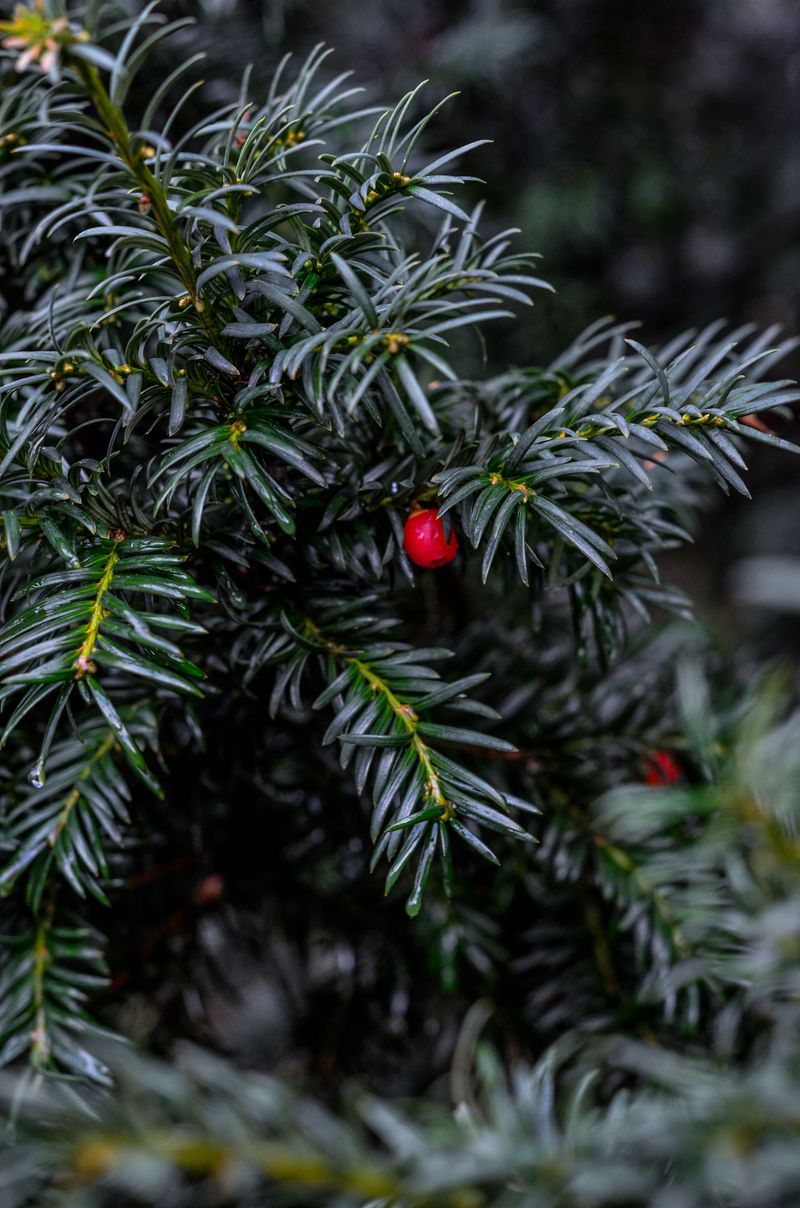
Yews have been a staple in American yards for generations. There is a reason they stick around, and it comes down to one word: toughness.
Compact yew varieties like “Tauntonii” or “Densiformis” stay low and spreading. They never shoot up awkwardly or demand aggressive pruning to stay in shape.
Cold temperatures do not rattle a yew. These shrubs handle Wisconsin winters without protection, browning, or the kind of winter burn that can leave boxwood hedges looking sparse by March.
Yews tolerate shade better than almost any other evergreen shrub. Got a north-facing bed that gets almost no sun? Compact yew will grow there when most other options give up.
The dark, needle-like foliage creates a rich, dense texture. It pairs beautifully with lighter-colored perennials or ornamental grasses planted nearby for contrast and visual interest.
Yews are also incredibly long-lived. Once established, they can thrive for decades with minimal input from you, making them one of the best investments a homeowner can make.
One important note: yew berries and foliage are toxic to people and animals. Plant them away from areas where children or pets spend a lot of unsupervised time outdoors.
Pruning is optional but easy when needed. A light trim in early spring keeps compact yew looking crisp without requiring any special tools or professional help to get it right.
Among low-maintenance shrubs for Wisconsin landscapes, compact yew remains a top performer season after reliable season.
4. Dense Hydrangea Adds Seasonal Color
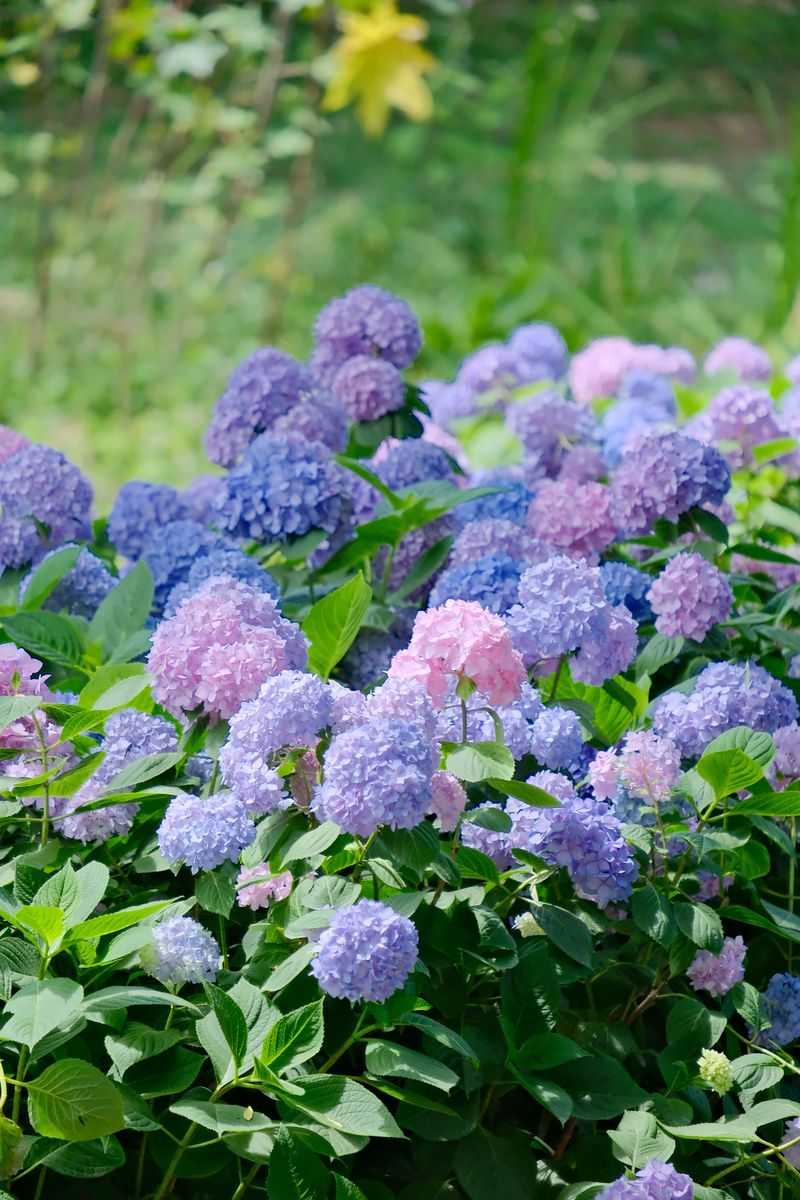
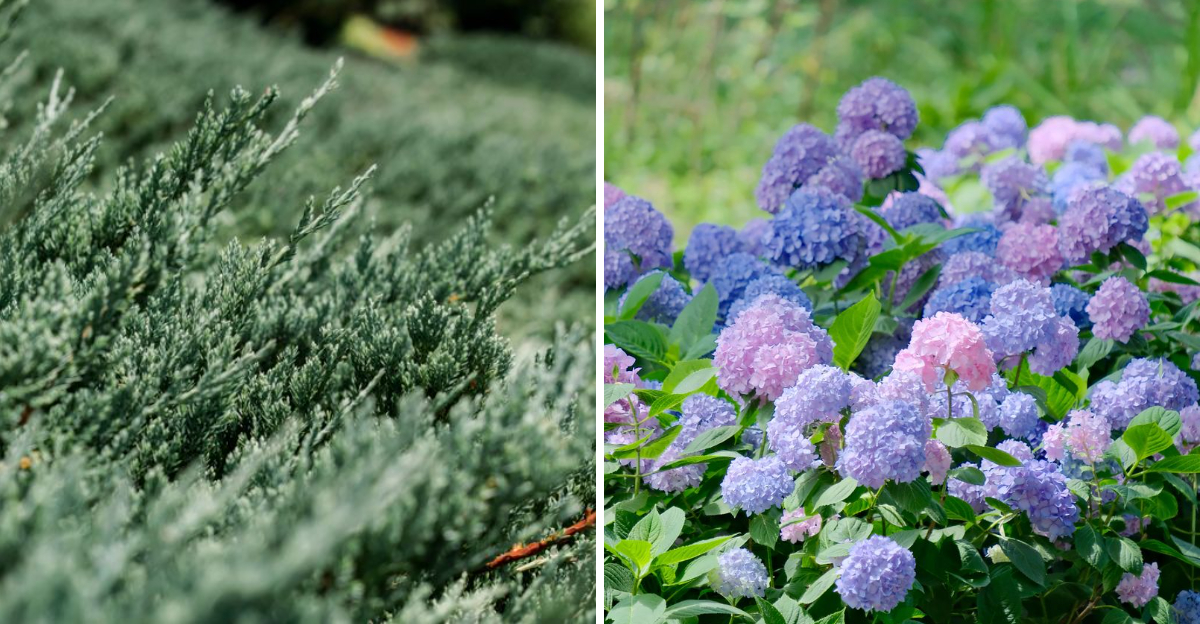
Hydrangeas bring something boxwoods never could: actual flowers. Big, fluffy, show-stopping blooms that make neighbors stop their cars to ask what you planted.
“Incrediball” and “Annabelle” are two popular varieties that thrive across most of the state. Both produce enormous white blooms from midsummer into early fall without much effort on your part.
These shrubs recede partially in winter but return strong every spring. That cycle is completely normal, so do not panic when stems look bare in March.
Dense hydrangeas grow three to five feet tall and wide. They fill garden beds quickly, which means fewer weeds sneaking through the mulch around your foundation planting.
Pruning is simple: cut stems back in late winter or very early spring. You do not need to overthink it, and a rough cut still produces beautiful blooms by July.
Hydrangeas prefer morning sun with afternoon shade in hotter spots. In cooler northern areas of the state, full sun works perfectly and actually encourages even more blooms per plant.
Soil moisture matters more than soil type for these shrubs. Keep the ground consistently moist during summer heat waves, and your hydrangea will produce a strong floral display.
The dried flower heads look stunning in winter too. Leave them on the plant after frost hits, and you have free seasonal decor standing right in your yard all season.
For pure visual payoff with low effort, dense hydrangea is a smart and satisfying boxwood replacement.
5. Low-Growing Juniper Needs Little Upkeep
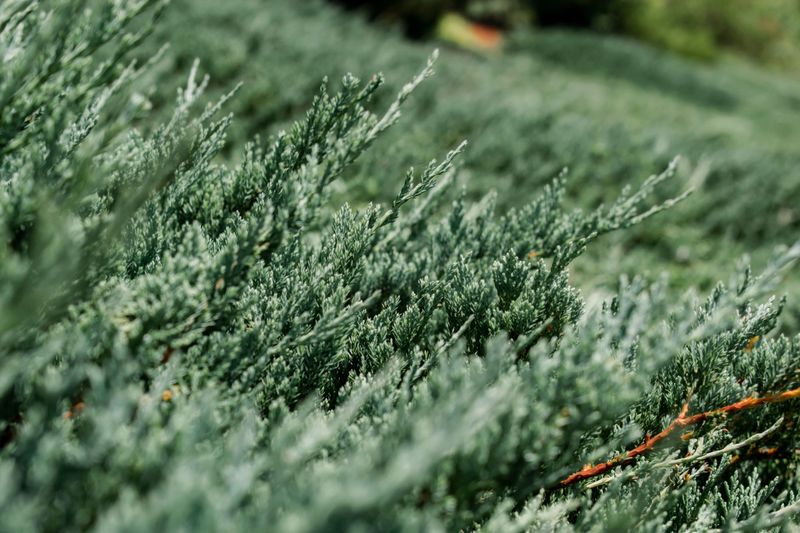
Picture a shrub that spreads across a slope, outcompetes weeds, and requires little to no fertilizer. That is low-growing juniper in a nutshell, and it earns every bit of its reputation.
Varieties like “Blue Chip” or “Wiltonii” hug the ground and spread outward over time. They work beautifully on slopes, hillsides, or any spot where mowing is a nightmare.
Junipers are drought-tolerant once established. After the first full growing season, you can largely ignore them and they will continue spreading and thriving without any irrigation help.
The silvery-blue or gray-green foliage adds cool color contrast to warm-toned brick or stone. That color holds through all four seasons, giving your yard consistent visual interest year-round.
These shrubs rarely need pruning. If a branch wanders too far, a quick snip handles it, but most homeowners go years without touching them at all.
Juniper handles compacted soil and poor drainage better than most other shrubs. If you have a tough spot in your yard that has defeated other plants, low-growing juniper is worth trying there.
Birds and small wildlife use juniper for shelter during cold months. The dense branching creates a natural windbreak that benefits both your yard and the creatures living in it.
Pests and diseases rarely bother established junipers. You skip the spray schedules and treatment routines that other shrubs sometimes demand through the growing season.
As low-maintenance shrubs for Wisconsin go, low-growing juniper is practically a set-it-and-forget-it solution for challenging yard spaces.
6. Spirea Brings Color, Minimal Shaping
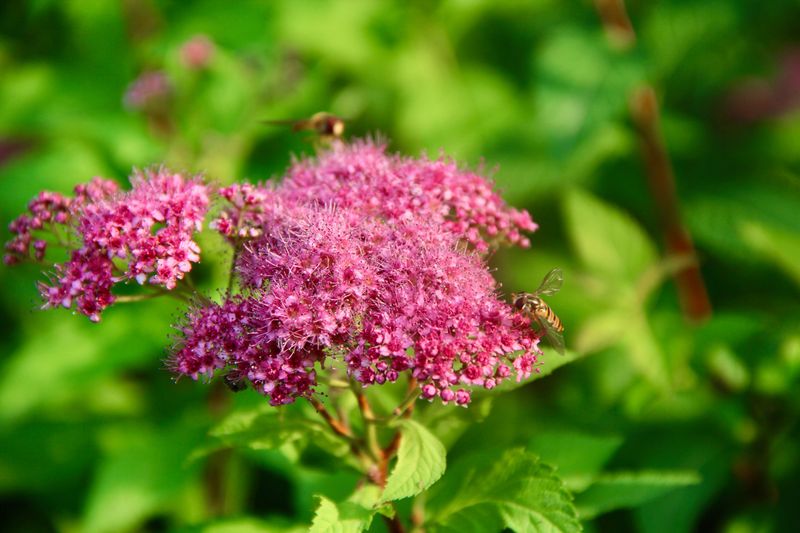
Spirea is the shrub that looks like it requires a professional gardener but actually asks for almost nothing. It blooms reliably, colors up beautifully, and forgives neglect without holding a grudge.
“Magic Carpet” and “Double Play Gold” are two popular compact varieties. Both stay under three feet tall and produce cheerful pink or red flowers that pop against green surroundings.
Spring blooms arrive early, often before other shrubs even wake up from winter. Then, many varieties rebloom in late summer, giving you two rounds of color from one plant.
The foliage changes color through the seasons, cycling from gold to green to orange-red in fall. That multi-season interest is something boxwood simply cannot offer at any point in the year.
Pruning is optional but easy if you want to keep things tidy. Cut spirea back by one-third in early spring, and it will flush out with fresh growth and more blooms than before.
Spirea handles heat, cold, and occasional drought without much complaint. It adapts to a wide range of soil conditions, which makes it forgiving for gardeners still learning their yard’s quirks.
Full sun brings out the best foliage color and the most flowers. Plant it where it gets at least six hours of direct light, and it will perform beautifully for years.
Pollinators absolutely love spirea blooms. Bees and butterflies crowd the flowers from spring through late summer, adding movement and life to your front yard beds.
Spirea is one of those low-maintenance shrubs Wisconsin homeowners fall for fast and never regret planting.
7. Dwarf Ninebark Tolerates Tough Conditions
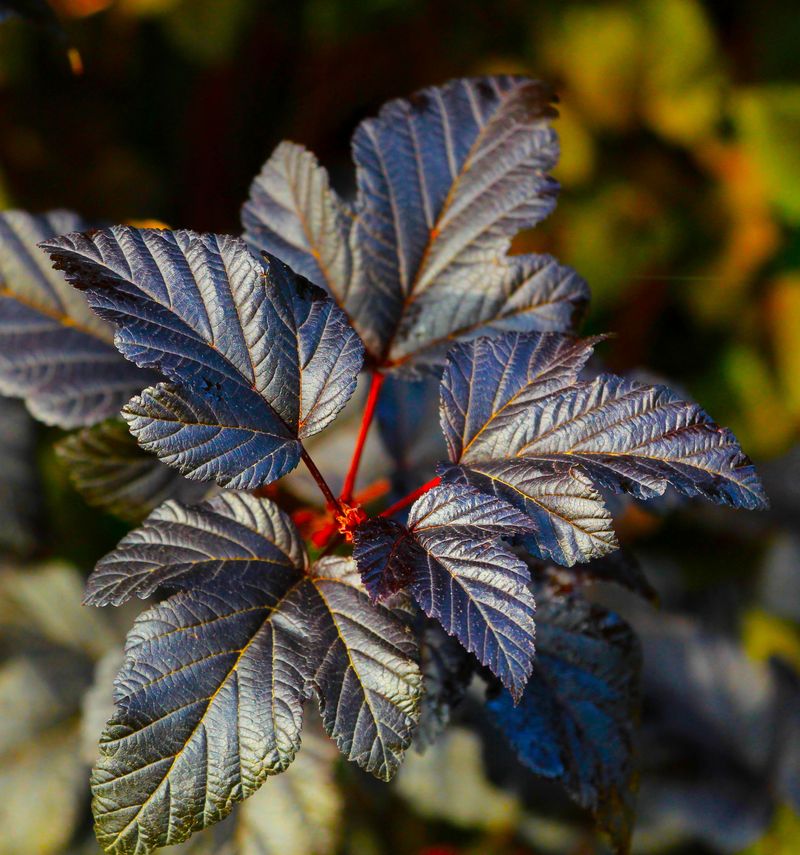
Ninebark has a reputation for resilience that goes beyond typical ornamental shrubs. This native shrub survives conditions that would challenge most ornamental plants significantly.
Compact varieties like “Tiny Wine” or “Little Devil” top out around three to four feet. They fit neatly into smaller beds without crowding neighbors or requiring constant cutbacks to stay in bounds.
The deep burgundy foliage is genuinely striking. Paired against a light-colored fence or pale stone, dwarf ninebark creates a bold contrast that looks intentional and well-designed all season long.
Spring brings clusters of small white or pale pink flowers. They are not as flashy as hydrangea blooms, but they attract pollinators and add a delicate texture to the bold foliage below.
Ninebark handles clay soil, rocky ground, and occasional wet feet without protest. If your yard has spots that drain poorly or bake dry in summer, this shrub adjusts without skipping a beat.
Cold hardiness is one of ninebark’s strongest traits. It grows reliably in Zone 3 and Zone 4, which covers the coldest corners of the state where many shrubs simply cannot survive.
Minimal pruning keeps it looking sharp. A light trim after flowering removes spent blooms and encourages fresh, colorful growth that stays vibrant from late spring through the first hard frost.
Deer tend to leave ninebark alone, which is a significant bonus in suburban and rural yards. That natural resistance saves you the hassle and cost of protective barriers each season.
For tough spots and low-effort beauty, dwarf ninebark is a standout among low-maintenance shrubs in any Wisconsin yard.
8. Weigela Rounds Out Front Yards
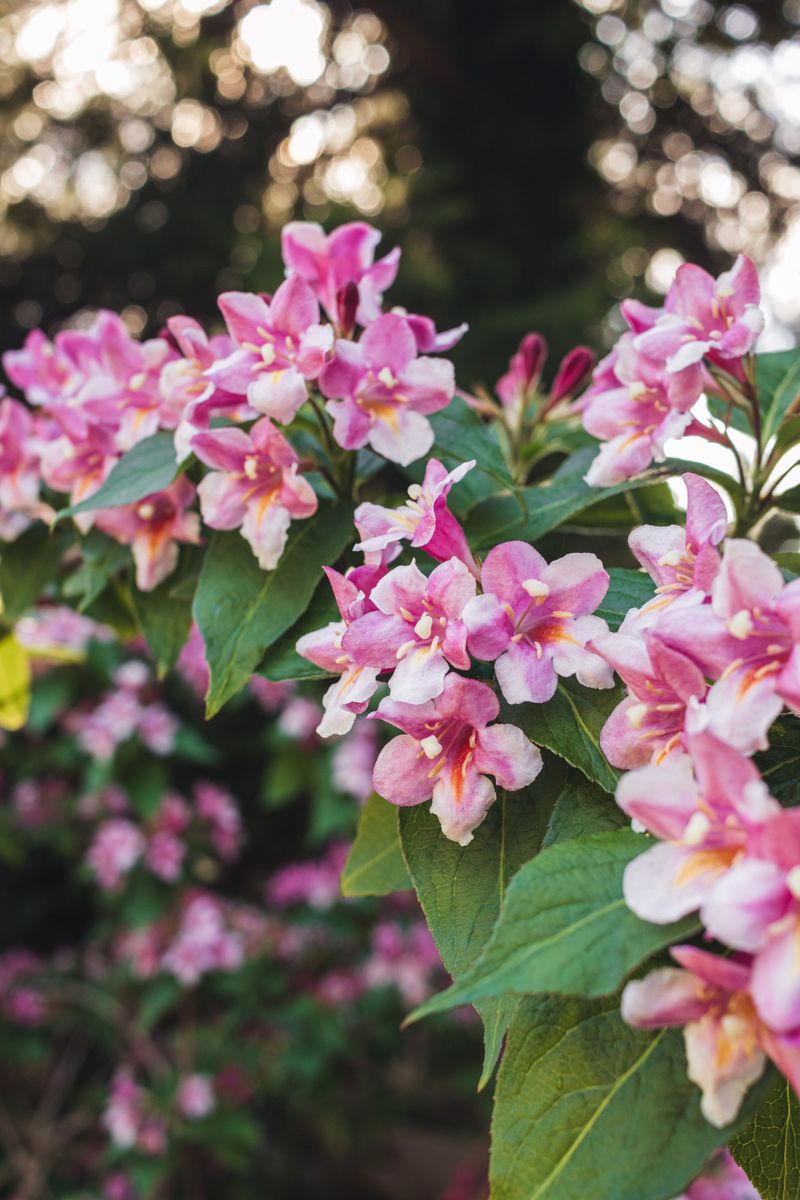
Weigela has a vintage charm that feels both nostalgic and fresh at the same time. It was popular in mid-century American yards, and modern compact varieties have renewed interest in this shrub.
“My Monet” and “Spilled Wine” are two dwarf selections that stay compact and colorful. Both bloom heavily in late spring and often push out a second flush of flowers by midsummer.
The trumpet-shaped blooms are hummingbird magnets. Once your weigela hits peak bloom, expect daily visits from those tiny, hovering guests who add as much life as the flowers themselves.
Foliage color varies by variety, ranging from bright green to deep purple-red. That range lets you match weigela to your existing landscape palette without much effort or redesign.
Full sun produces the best bloom count and the richest foliage color. Morning light with some afternoon shade works fine too, especially in spots that heat up intensely during July and August.
Weigela is remarkably cold-hardy for a flowering shrub. Most compact varieties handle Zone 4 winters, though hardiness can vary slightly by cultivar.
Pruning right after the spring bloom keeps weigela tidy and promotes reblooming. Skip the pruning in fall since cutting too late removes the buds that will carry next year’s flowers.
Few shrubs deliver this much color, wildlife appeal, and seasonal interest with so little upkeep required. Weigela rounds out front yard plantings well, reflecting the broader shift toward low-maintenance shrubs that Wisconsin homeowners are increasingly choosing.