This Maryland Native Tree Stays Small But Makes A Big Statement
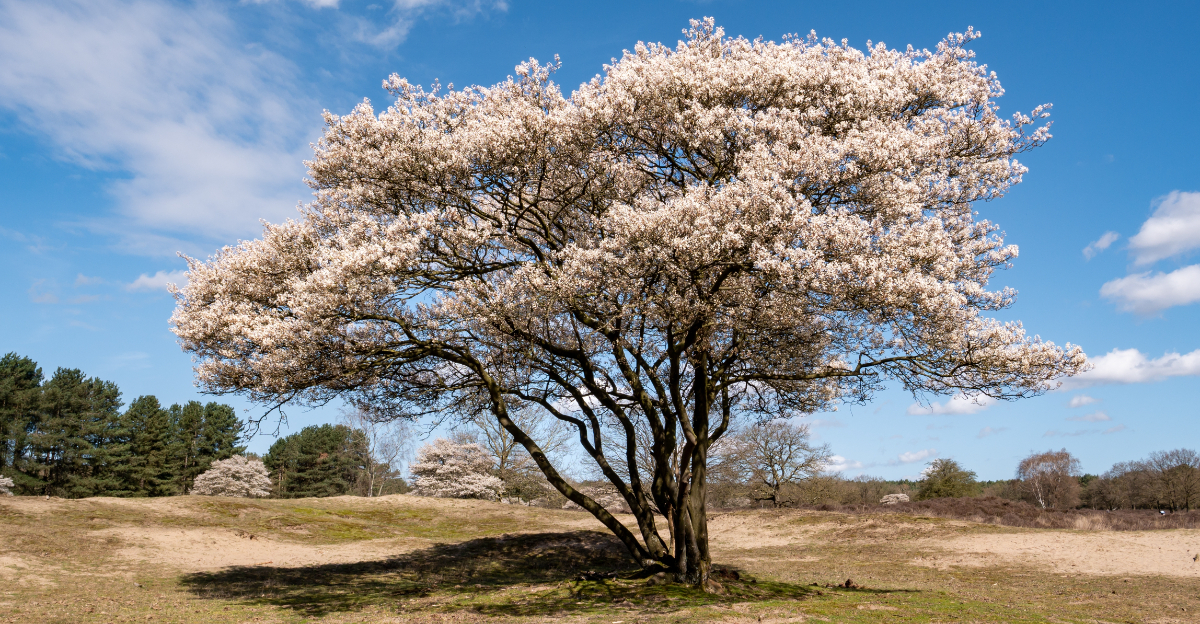
Most tall trees beg for attention you can’t offer. Yours won’t need endless work to earn its place. Something grows quietly, then rewards you with sudden bloom. Suddenly your fence line looks like a magazine spread.
Maryland gives you this kind of beauty without real effort. Birds notice before you do, swarming for ripe berries.
Compact size means you skip the heavy trimming entirely. Patios stay shaded without losing sunlight you actually want.
Driveways gain real character you’ll notice instead of clutter. Native roots mean your tree already understands Maryland soil and weather. Nothing about it demands your constant attention or worry.
Spring delivers flowers so dense you’ll think they’re fake. Summer hands you fruit that hungry pollinators fight over. Fall turns your ordinary view into deep, unexpected color.
Winter reveals bark structure most trees keep hidden from you. You won’t walk past this tree without stopping to look twice.
Introducing Maryland’s Compact Native Tree
Picture a tree that fits perfectly between your garage and your neighbor’s fence. That tree exists, and it is the serviceberry.
Native to Maryland and much of the eastern U.S., the serviceberry has been growing in forests and meadows for thousands of years.
One popular theory suggests it earned its name from early settlers, who noticed it bloomed around the time ground thawed enough for burial services. That detail alone makes it one of the most historically layered trees in North American gardens.
Most specimens top out at 15 to 25 feet tall. That modest height means you can enjoy it without worrying about power lines, roof damage, or overwhelming shade.
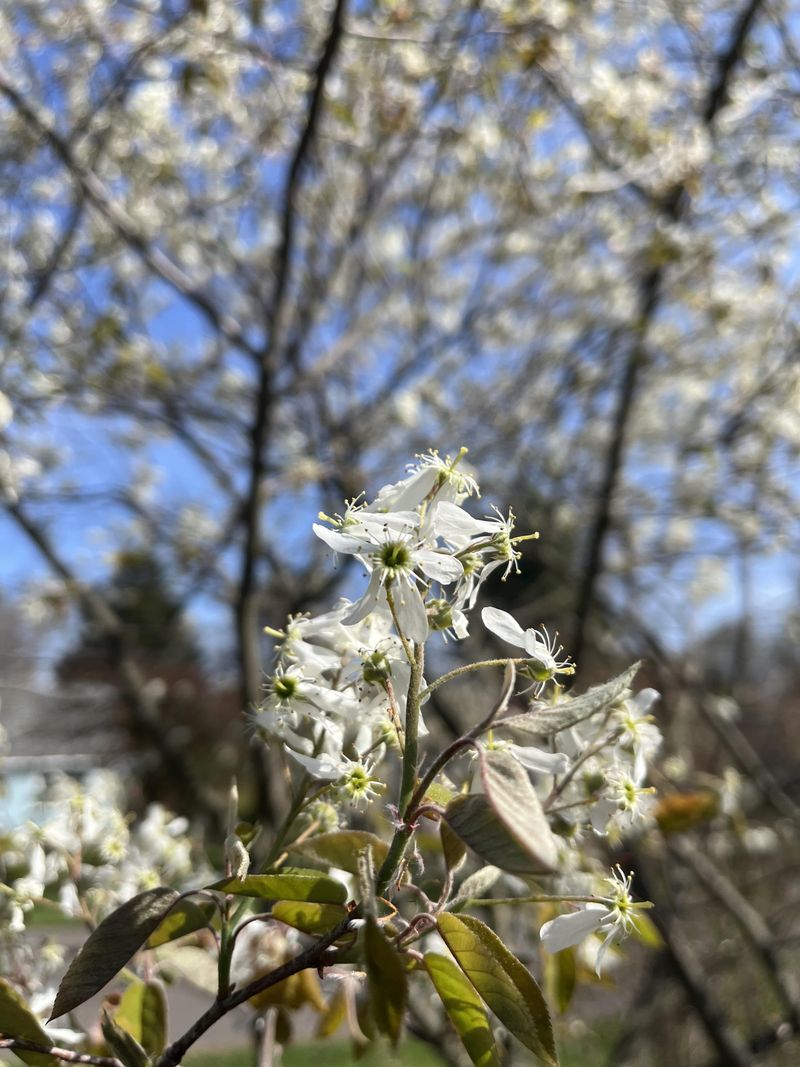
The serviceberry belongs to the rose family, which explains its delicate white flowers and small edible fruits.
It grows as either a single-trunk tree or a multi-stemmed shrub, giving homeowners flexibility in how they shape their landscape. Both forms look beautiful and function equally well.
For Maryland gardeners, choosing a native tree is a smart environmental move. Native plants support local insects, birds, and soil ecosystems in ways that imported species simply cannot match. The serviceberry meets most criteria for a native landscape choice.
Planting one is an act of both beauty and ecological responsibility. Your yard gets a stunning focal point, and your local wildlife gets a reliable food source. That combination of beauty and ecological value is a strong benefit.
What Makes The Serviceberry Stand Out
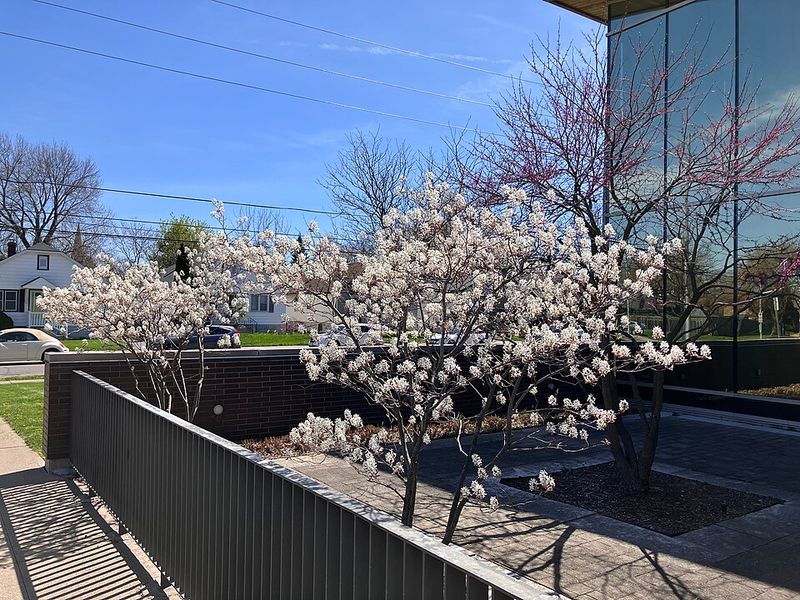
The serviceberry stands out among landscape trees. It blooms before almost anything else in spring, often while snow is still possible in Maryland.
Those early white flowers are not just pretty. They are a critical food source for native bees and early pollinators waking up from winter. No other common landscape tree fills that ecological gap quite as reliably as this one does.
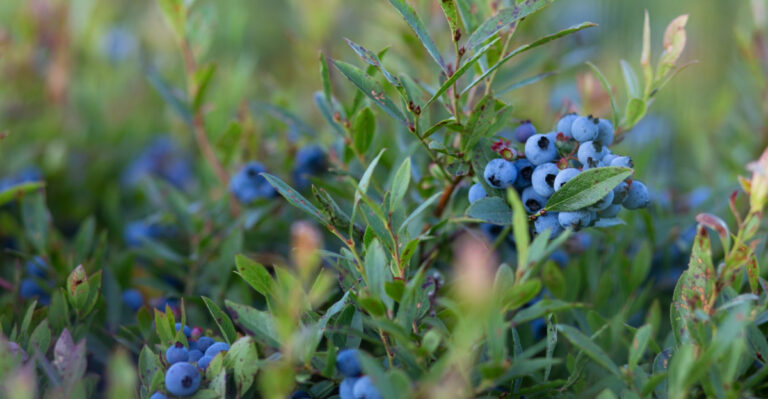
The berries that follow in late spring and early summer look like small blueberries. They taste sweet and mild, somewhere between a blueberry and a mild cherry. Humans can eat them, and birds absolutely love them.
Your Maryland Garden Changes Every Week. Your Plan Should Too.
Gardening in Maryland changes quickly throughout the season. Every Friday you’ll receive a simple weekly plan showing exactly what to plant, prune, fertilize, harvest, and protect so you never miss the right timing.
Serviceberry fruit attracts cedar waxwings, robins, bluebirds, and catbirds. Having this tree is like installing a bird feeder that never runs out of seed. Birdwatchers in Maryland often plant one specifically to attract that kind of wildlife activity.
The bark is another standout feature. Smooth and gray with subtle vertical streaks, it looks striking even in winter when no leaves or flowers are present. Few ornamental trees offer that kind of year-round visual interest.
Fall foliage adds one more layer of appeal. Leaves shift to orange, red, and gold before dropping, giving the yard a warm seasonal glow. The serviceberry offers appeal in every season, which is uncommon among small trees.
Why Smaller Size Suits Home Landscapes
Larger trees can come with added maintenance considerations. Root damage, blocked gutters, and shading out garden beds are common complaints from homeowners with oversized trees.
The serviceberry sidesteps all of those headaches. Its modest size makes it one of the most practical choices for modern residential lots, which tend to be smaller than older suburban properties.
You get the beauty of a mature tree without the long-term maintenance burden. Planting near a patio or entry path is completely safe with this species.
The root system is well-behaved and unlikely to crack pavement or invade plumbing. That kind of reliability matters when you are making a long-term landscaping investment.
Small trees also make better neighbors. They do not cast deep shade over vegetable gardens or block sunlight from adjacent properties.
The serviceberry provides dappled, gentle shade that most shade-tolerant perennials actually appreciate growing beneath.
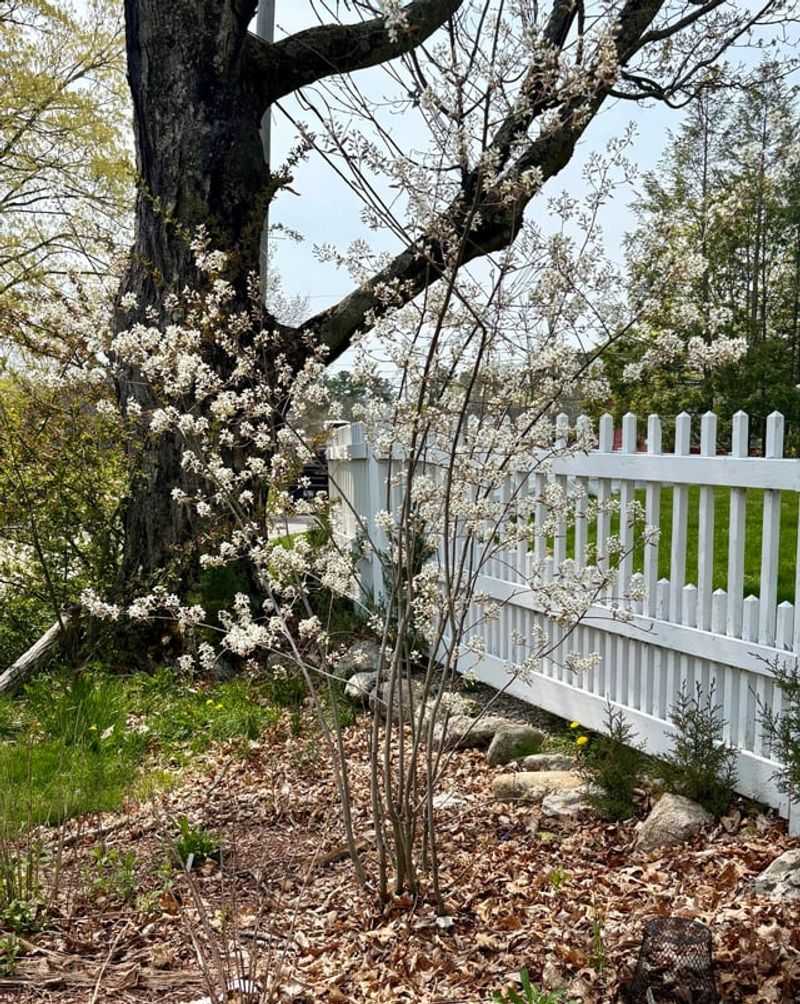
Multi-stem forms of the serviceberry work especially well as privacy screens. Plant three or four in a loose row and they create a soft, natural barrier. That living screen looks far more welcoming than a wooden fence or a row of evergreens.
Homeowners with children also benefit from the accessible scale. Kids can actually see the flowers, reach the berries, and engage with the tree. That kind of hands-on connection with nature is easier to find with a tree of this scale.
Seasonal Beauty From Bloom To Winter
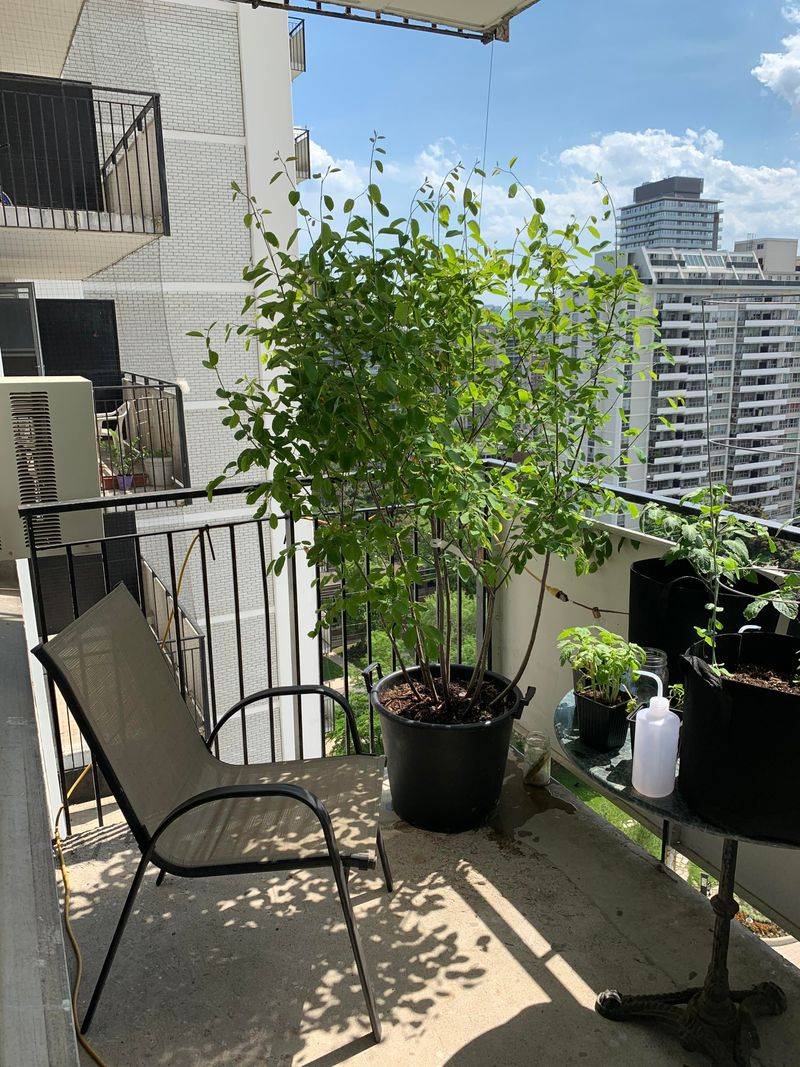
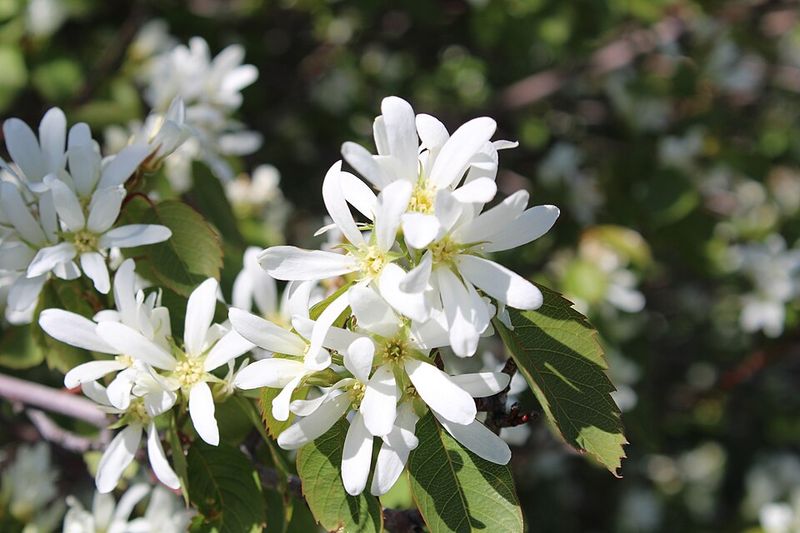
Few trees offer visual interest across all four seasons the way the serviceberry does. Spring starts it off with clusters of white blossoms that appear before the leaves even open fully.
That early bloom stands out in the garden. Neighbors stop and ask what is blooming when the serviceberry is at peak flower.
The display usually lasts one to two weeks, which feels short but leaves a lasting impression every single year.
Summer brings the berries, which ripen from red to deep purple-blue by June in most of Maryland. The fruit is sweet enough to eat fresh off the branch. Many gardeners race the birds to harvest enough for a pie or a batch of jam.
By July, the tree settles into a quiet, leafy green presence. It does not demand attention during summer, which is actually a virtue in a busy garden season. Other plants take visual precedence while the serviceberry remains understated.
Autumn is where things get exciting again. The leaves shift to shades of amber, burnt orange, and deep red depending on the variety and growing conditions. Fall color can be comparable to that of many maples.
Winter reveals the tree’s elegant bone structure. Smooth gray bark and a graceful branching pattern make it worth a second look even on the coldest January morning. The tree offers visual interest across all four seasons.
Growing Conditions This Tree Prefers
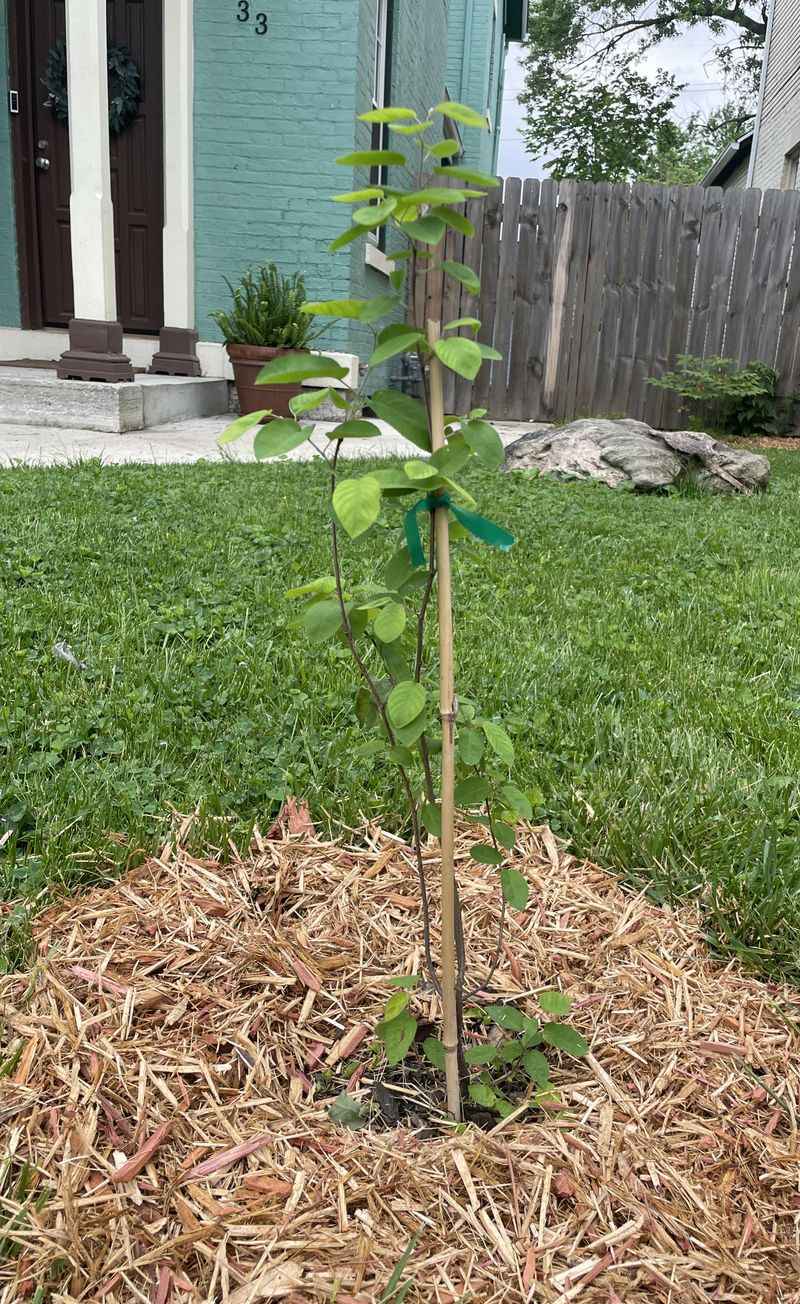
Good news for gardeners who do not have perfect conditions: the serviceberry is remarkably flexible. It grows in full sun, part shade, and even fairly dense shade without losing its charm.
In Maryland’s climate, a spot with morning sun and afternoon shade tends to produce the best results. The tree gets enough light to bloom and fruit well without being affected by summer heat stress. That combination is easy to find in most backyards.
Soil adaptability is another strong suit. Serviceberry handles clay, loam, and sandy soils with equal composure. It prefers slightly acidic conditions, which many parts of Maryland’s native soil naturally provide.
Moisture tolerance is impressive too. This tree grows naturally along stream banks and woodland edges, so it handles wet feet better than most ornamentals.
Brief flooding or consistently moist soil is not a problem for an established specimen.
Drought tolerance develops as the tree matures. Young trees need regular watering during their first two summers. After that, established plants handle dry spells with minimal intervention from the gardener.
The serviceberry also tolerates urban conditions better than many native trees. Air pollution, compacted soil, and heat reflected off pavement are all stressors it manages reasonably well.
For city gardens and tight suburban lots across the region, that resilience can be an important consideration.
Tips For Planting And Care
Planting a serviceberry is one of the more satisfying projects a home gardener can tackle in spring or fall. Both seasons work well, but fall planting gives roots time to settle before summer heat arrives.
Choose a spot with good drainage and at least four hours of direct sunlight. Dig a hole two to three times wider than the root ball but no deeper than its original container depth. Setting the tree too low is a common mistake that can affect long-term root health.
Backfill with the native soil you removed rather than amended mix. Serviceberries establish faster when they adapt to local conditions from day one.
Adding a two to three inch layer of wood chip mulch around the base helps retain moisture without smothering the roots.
Watering deeply once or twice a week during the first growing season gives roots the encouragement they need.
A slow trickle from a garden hose for 20 to 30 minutes works better than a quick splash. Deep watering trains roots to grow downward rather than staying shallow.
Pruning is minimal with this species. Remove any crossing or damaged branches in late winter before new growth begins.
Avoid heavy pruning during the growing season, as it can reduce next year’s flower and fruit production.
Fertilizing is rarely necessary for the serviceberry when planted in decent native soil. Let the tree find its rhythm naturally.
With just a little attention in those first two years, this Maryland native will reward you with decades of seasonal beauty.