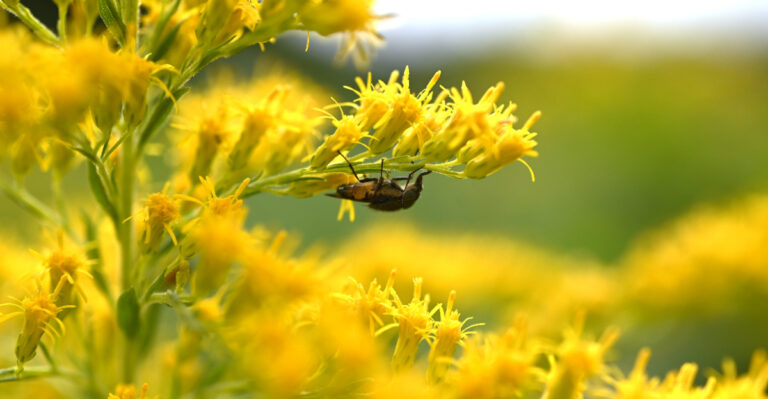
Never Ignore This Spotted Lanternfly Showing Up On Georgia Grapes
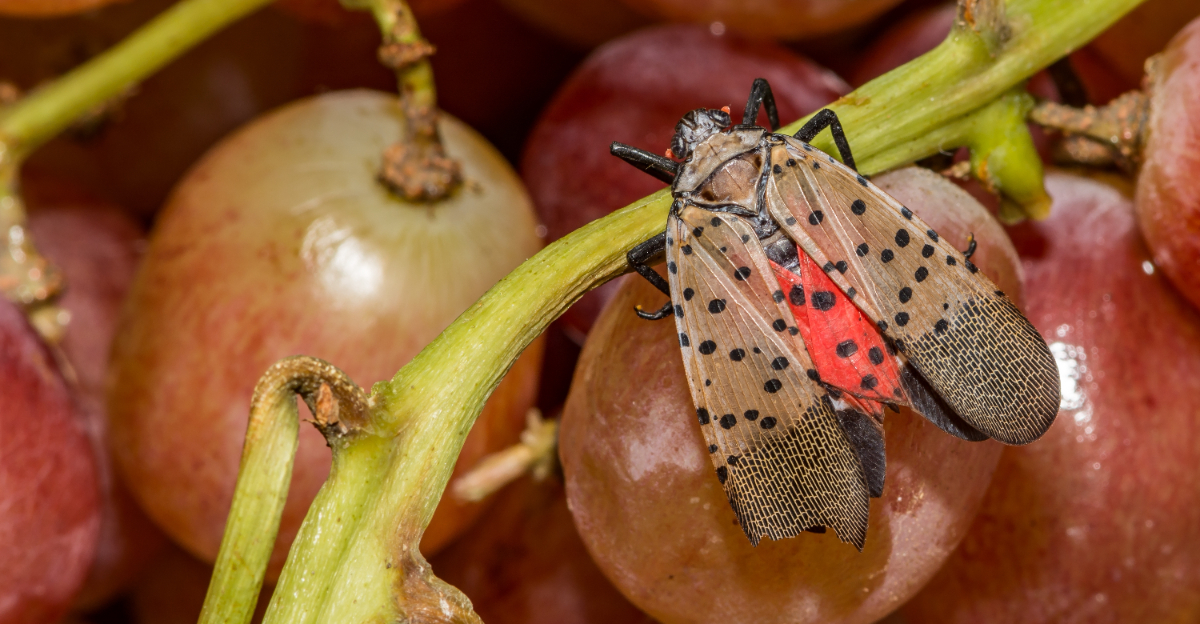
Georgia’s grapevines have a new, uninvited guest, and it’s easy to miss at first. This insect looks almost ornamental, with patterned wings that seem out of place among the damage it leaves behind.
Growers who’ve encountered it tell a different story. It feeds in swarms, drains vines of the sugars they need to thrive, and leaves behind a sticky residue that invites mold and disease.
For anyone tending grapevines in Georgia, from small hobby plots to full vineyards, this pest deserves early attention. Catching it in its first stages often separates a manageable problem from a full-blown infestation.
Sooty Mold Often Signals Its Presence First
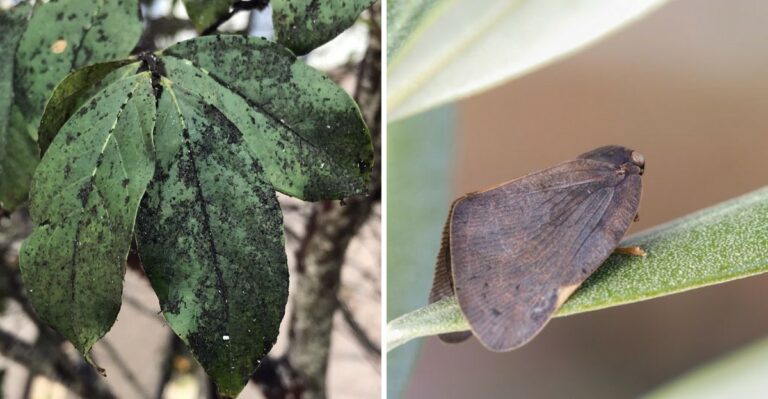
Before you ever spot the bug itself, the mold shows up first. Sooty mold is a dark, powdery fungus that coats leaves and stems like soot from a chimney.
It grows on a sticky liquid called honeydew, which the spotted lanternfly leaves behind as it feeds. The bug sucks sap from grapevines and excretes this sugary waste in large amounts.
Honeydew drips onto leaves below, and mold follows quickly. Gardeners often mistake this for a disease or a watering problem.
The mold itself does not eat the plant, but it blocks sunlight from reaching the leaf surface. When leaves cannot photosynthesize, the vine weakens and struggles to produce healthy fruit.
Grapes that grow under a heavy mold coating often struggle to ripen fully and lose overall fruit quality. That is a serious loss for home growers and commercial vineyards alike.
If you see black, crusty buildup on your vines, do not just wash it off and move on. Treat it as a warning sign and search the stems and trunk for the insect responsible.
Look underneath leaves, near bark crevices, and along the base of the vine. Early detection is the single most powerful tool you have against this pest spreading further.
Grapevines Are Its Most Vulnerable Target Here

Grapevines are like a five-star buffet for the spotted lanternfly. Out of all the plants this pest attacks, grapes suffer some of the most severe and visible damage.
The insect feeds by piercing the vine’s bark and sucking out the sap inside. That sap carries the sugars and nutrients the plant needs to survive and produce fruit.
Heavy feeding weakens the canes and causes them to wilt, crack, and eventually fail to overwinter properly. A vine that cannot store energy through fall will struggle badly come spring.
Georgia has a growing number of vineyards, from small backyard plots to commercial grape operations, and experts warn the risk could grow as this pest continues expanding its range southward.
Muscadine grapes, which are native to the Southeast and beloved in Georgia, appear to be particularly attractive to this insect. That makes the threat feel even more personal to local growers.
When a large population feeds on one vine over several weeks, the plant can show signs of serious stress. Leaves curl, clusters shrink, and canes may become brittle or discolored.
Your Georgia Garden Changes Every Week. Your Plan Should Too.
Gardening in Georgia changes quickly throughout the season. Every Friday you’ll receive a simple weekly plan showing exactly what to plant, prune, fertilize, harvest, and protect so you never miss the right timing.
Protecting your grapevines starts with regular inspection during late summer and early fall. Walk your rows slowly, check both sides of the leaves, and watch for clusters of insects resting on the trunk.
Catching an infestation early gives you a real chance to manage it before permanent harm sets in.
Adults Are Most Active In Late Summer Months
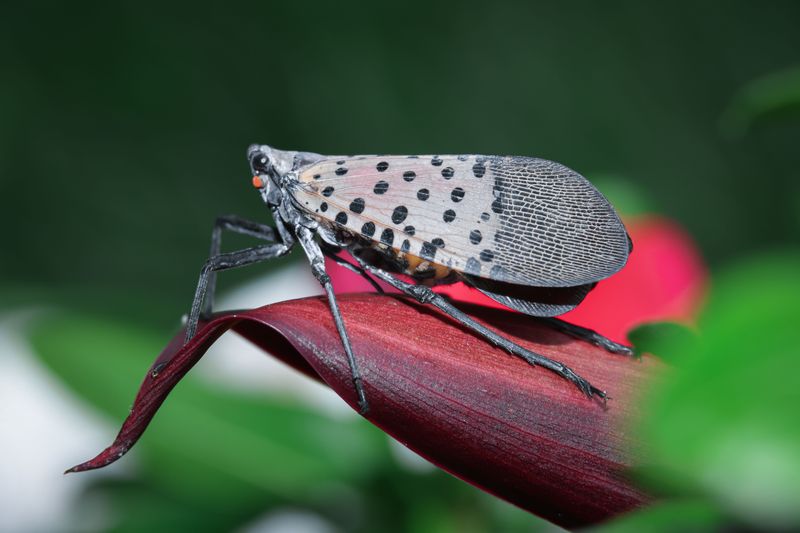
Late summer is when the spotted lanternfly becomes impossible to ignore. Adults emerge in July and reach peak activity through September and into October.
During this window, they feed aggressively on host plants to build up energy before laying eggs. Grapevines are a top target during this feeding frenzy.
You might walk into your garden one afternoon and suddenly notice dozens of them clinging to a single stem. They tend to cluster together, which makes them look almost like a living mosaic of red, black, and gray.
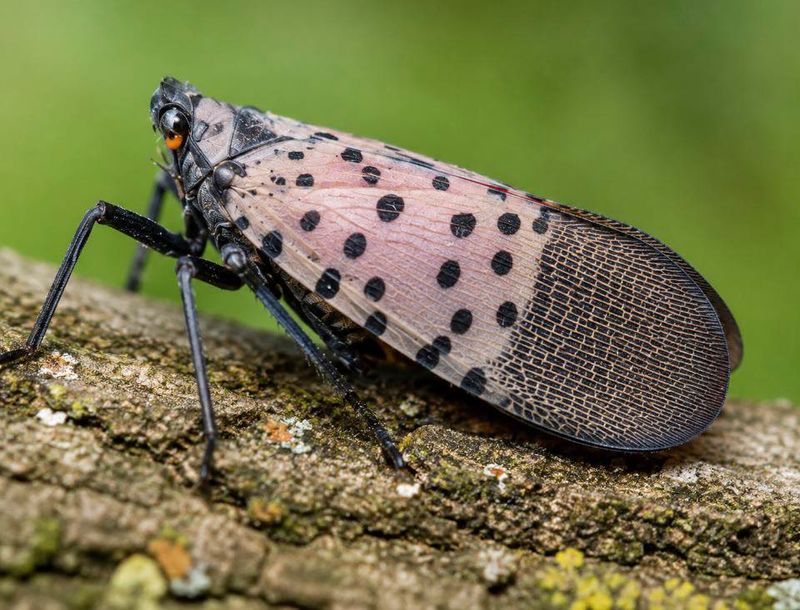
The adult has a gray forewing with black spots and a bright red hindwing. That flash of color is startling when the wings open, and it is one of the easiest ways to identify this insect in the field.
Adults are strong jumpers and decent fliers, which means they can move between plants quickly when disturbed. Chasing them off one vine often just sends them to the next one.
Timing your management efforts to match this active period is smart strategy. Sticky bands placed on trunks during late summer can trap large numbers before they reproduce.
Physical removal by hand is also effective when populations are small. Knocking them into a container of soapy water is a simple and satisfying way to reduce their numbers.
Stay consistent through September, because missing even two weeks of monitoring can allow populations to grow quickly before you realize what happened.
Egg Masses Overwinter And Hatch Come Spring
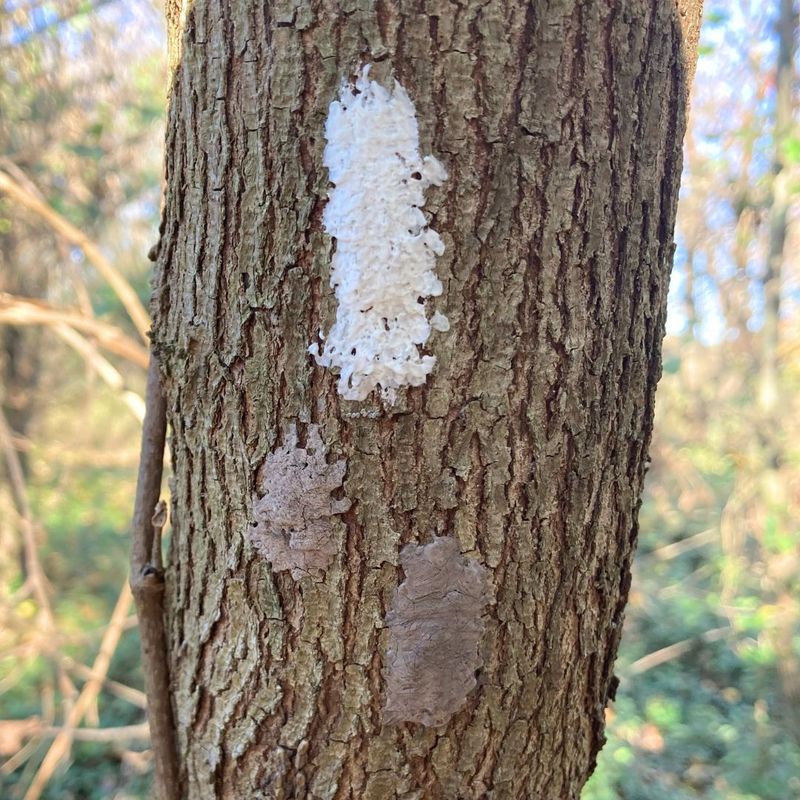
The cold months feel quiet, but the spotted lanternfly is not truly gone. Females lay egg masses in fall, and those masses survive winter on almost any flat surface.
Tree bark, fence posts, stone walls, outdoor furniture, and even car bumpers can host these egg masses. They look like a smear of dried gray mud, about an inch long.
Each mass contains 30 to 50 eggs arranged in neat rows beneath a waxy coating. That coating protects the eggs from freezing temperatures and keeps them viable through harsh winters.
When spring arrives and temperatures climb, the eggs hatch into tiny black nymphs with white spots. These early-stage insects are small but hungry, and they begin feeding on soft plant tissue right away.
Grapevines are a target from the very first warm weeks of the season. Nymphs move fast and can spread across a vineyard before growers even realize the new generation has arrived.
Scraping and destroying egg masses in late fall and winter is one of the most effective control steps available. A plastic card, a stiff brush, and a bag of soapy water are all you need.
Check every surface in and around your vineyard carefully. Pay close attention to rough bark, wooden posts, and any equipment stored near the vines.
Eliminating even one egg mass prevents up to 50 new insects from hatching, which is a meaningful win for your spring season.
Reporting Sightings Helps Track Its Spread
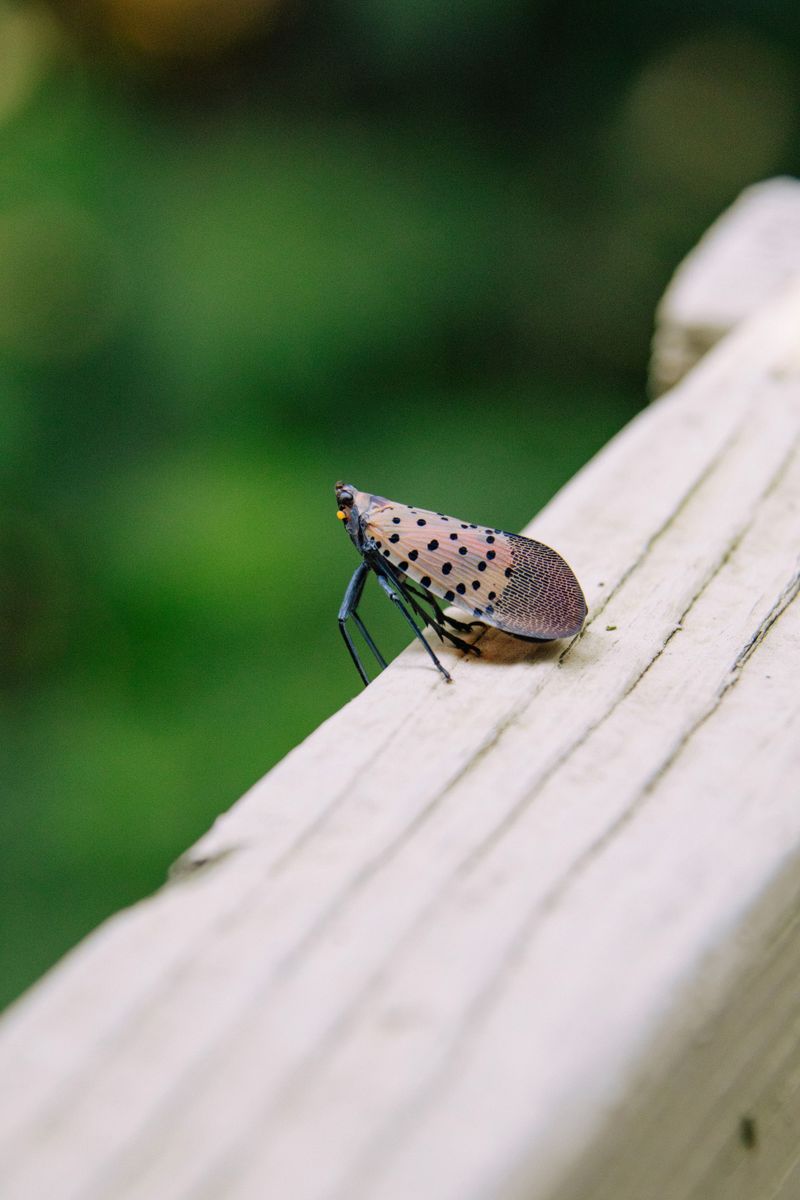
Spotting one of these insects is not just a personal problem. Every confirmed sighting helps scientists and agriculture officials map where this pest is spreading.
Georgia is considered a high-risk zone for establishment, and early reports from residents have already helped officials respond faster. Your eyes in the garden are genuinely valuable data.
The Georgia Department of Agriculture has an online reporting tool where you can submit photos and location information. Taking a clear photo with your phone and uploading it takes less than five minutes.
You do not need to be an expert to report a sighting. A photo showing the insect on your grapevine or nearby plant is enough for officials to confirm the species.
Reporting also helps trigger faster response in your area, which can include outreach to neighboring farms and vineyards. One report can protect an entire community of growers nearby.
If you are unsure whether what you found is actually the spotted lanternfly, submit the photo anyway. Experts review submissions and will confirm or correct the identification for you.
The pest has already established populations in 17 other states, and its movement southward is being closely watched. Georgia growers who stay alert and report quickly play a key role in tracking its spread.
Sharing what you find with neighbors, local gardening groups, and social media can also raise awareness. The more people who know what to look for, the harder it is for this insect to go unnoticed.
Removing Nearby Host Trees Limits Its Numbers
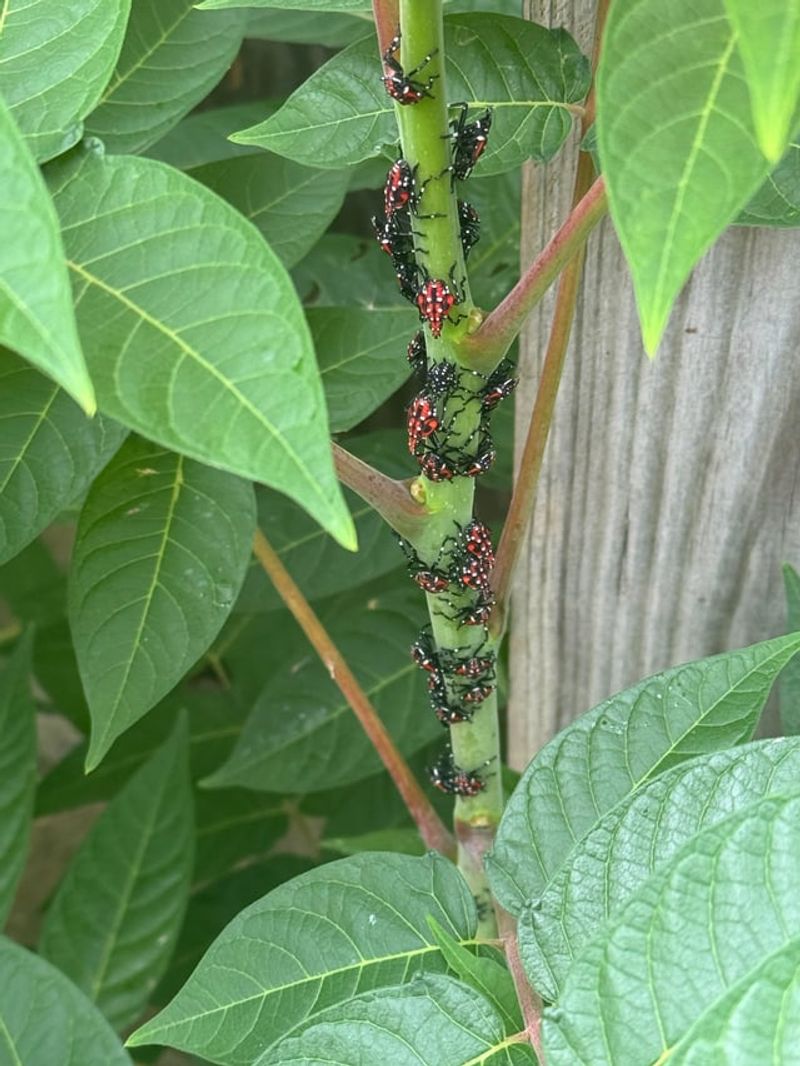
One of the most overlooked control strategies is also one of the most powerful. Removing tree-of-heaven, a common invasive tree, can significantly reduce spotted lanternfly populations near your vines.
Tree-of-heaven, known scientifically as Ailanthus altissima, is the preferred host plant for this pest. It grows aggressively along roadsides, fence lines, and forest edges across much of the Southeast.
The spotted lanternfly breeds heavily on this tree and uses it as a base before spreading to nearby crops. A single large tree-of-heaven near your vineyard can act like a population hub for the insect.
Cutting the tree down is a start, but the roots must also be treated to prevent regrowth. Tree-of-heaven sprouts back quickly from the stump if the root system is left intact.
Herbicide treatment applied directly to a freshly cut stump is the most reliable method for permanent removal. Local extension offices can advise on approved products and timing for your area.
Beyond tree-of-heaven, this pest also feeds on wild grapes, hops, apples, and black walnut. Clearing any of these volunteer plants near your vineyard reduces the number of nearby feeding sites.
A cleaner landscape buffer around your grapevines makes it harder for large populations to build up. Fewer host plants nearby means fewer insects making their way onto your crop.
Managing the spotted lanternfly on Georgia grapes is a long game, but habitat reduction gives you a lasting edge that traps and sprays alone cannot match.