Where Texas Gardeners Find Rare Shade Trees Big Stores Rarely Carry
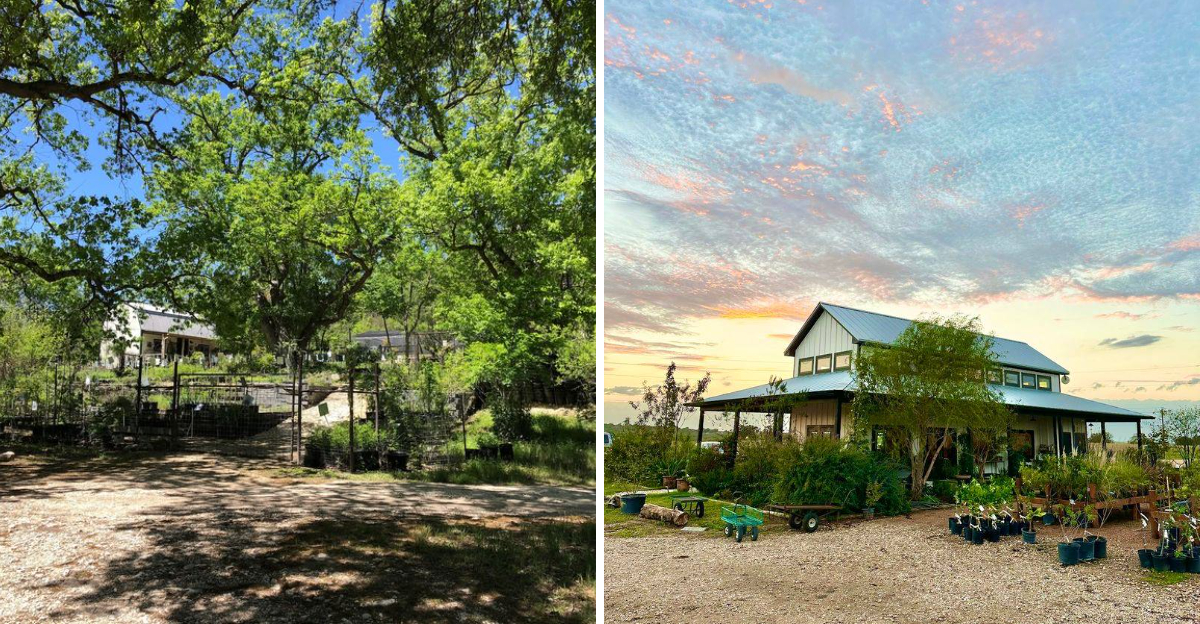
Texas tree shopping gets more interesting once the usual rows of live oaks, red oaks, and crape myrtles stop solving the problem.
A shady backyard, alkaline soil, limited irrigation, or a desire for something less common can send gardeners beyond the big-box garden aisle.
Specialty tree farms and native nurseries often carry broader regional selections, larger specimens, or Texas-adapted choices that deserve a closer look.
The trick is knowing where to drive before loading the truck.
So where can Texas gardeners hunt for shade trees that are harder to spot at chain stores?
From Fort Worth and Frisco to Kerrville, Leander, Waxahachie, and Brenham, several tree-focused businesses give shoppers more room to explore. Their inventories change, so a phone call before a long drive still matters.
Use the Texas Tree Selector first to match county, mature size, drainage, alkalinity, drought, and shade conditions. Then shop with a short list.
The best rare find is still the tree that actually likes your yard once the nursery tag comes off back home.
1. Browse Uncommon Trees At The Tree Place
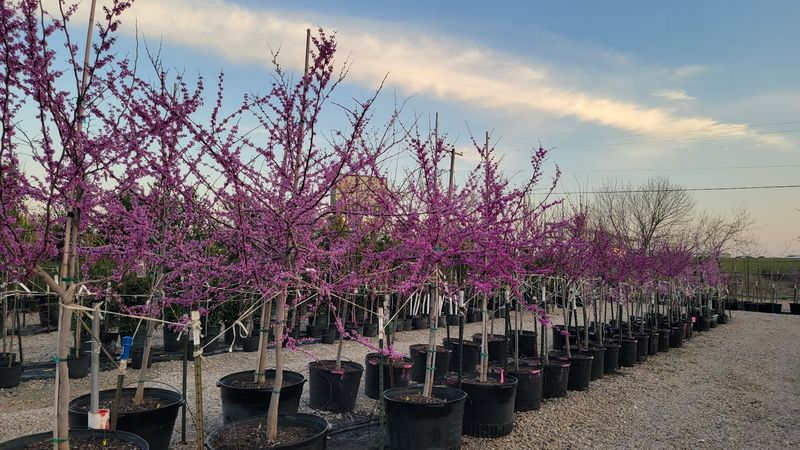
The Tree Place gives North Texas gardeners a tree-focused stop at 5625 I-20, Fort Worth, TX 76119, near the I-20 and US-287 interchange.
Its nine-acre nursery gives shoppers room to compare trees in person rather than choose from a short seasonal rack.
The business also publishes current tree inventory online, which gives gardeners a useful head start before leaving home.
Build your wish list around the site, not around novelty alone.
A shady planting area may call for a completely different tree from an open front lawn. The Texas Tree Selector lets gardeners filter choices by county, mature size, drought conditions, alkaline soil, poor drainage, and heavy shade.
That keeps an unusual tree from becoming an unusually expensive mistake.
Check current stock before driving across DFW.
Specialty inventory moves, and the exact cultivar or size shown online can change. Calling or texting the nursery first also gives you a chance to ask about container size, delivery, and installation.
The fun part comes after the homework. Seeing several trees side by side also makes canopy shape, branching, and overall quality much easier to compare.
Walk the rows with two or three suitable species in mind, then compare structure and form. Rare is exciting, but a healthy tree matched to the yard is the real branch manager of this shopping trip.
2. Walk The Tree Rows At Fannin Tree Farm
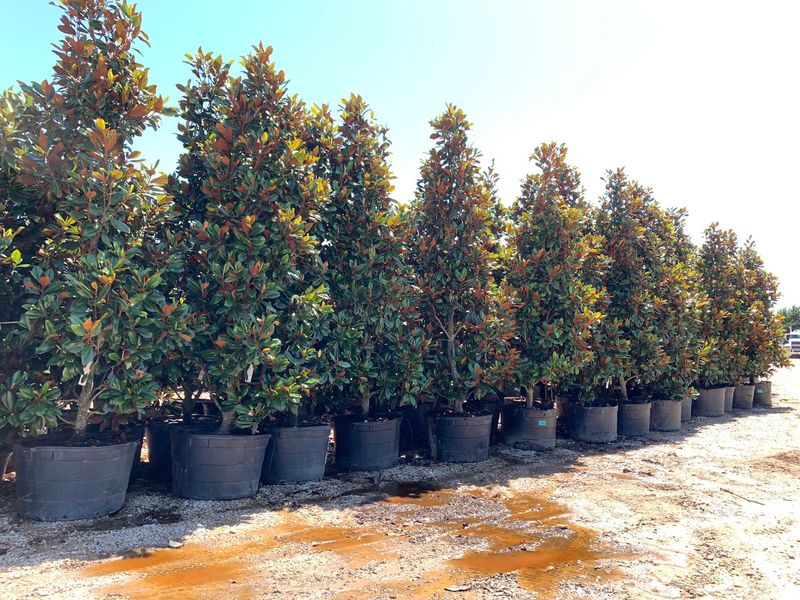
Fannin Tree Farm gives Dallas-Fort Worth shoppers a large tree destination at 15700 State Highway 121, Frisco, TX 75035.
The business has served the area since 1977 and focuses heavily on trees, with selection, delivery, installation, and ongoing care available.
That makes it especially practical for a homeowner shopping for a larger shade tree that will not fit neatly into the back of an SUV.
Large specimens still need careful site matching. A head start on shade is useful only when the mature tree still fits the property years later.
Measure overhead wires, fence gates, driveway access, and the future canopy space before choosing a tree. A beautiful specimen can become a very expensive puzzle when the planting crew reaches a narrow side yard with no equipment access.
Your Texas Garden Changes Every Week. Your Plan Should Too.
Gardening in Texas changes quickly throughout the season. Every Friday you’ll receive a simple weekly plan showing exactly what to plant, prune, fertilize, harvest, and protect so you never miss the right timing.
Use Texas A&M’s selector before the visit.
Filtering by mature size, county, soil condition, drought tolerance, and shade can narrow the list before price tags start making decisions for you. Then ask Fannin about what is actually available in the sizes that fit your project.
Current inventory can change with sales and seasonal supply.
A call before the drive is especially smart for less common species or a particular trunk size. The nursery trip should end with a tree, not a scenic tour of Highway 121 and a consolation coffee.
3. Search Specialty Stock At Texas Tree Farms
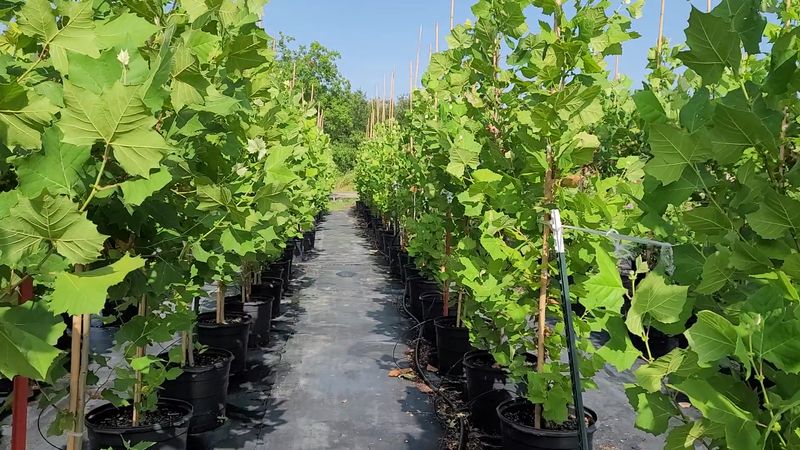
Texas Tree Farms gives Waxahachie-area gardeners a tree-focused stop at 3150 US-287, Waxahachie, TX 75165.
The company says it grows and manages more than 100,000 trees and lists a broad mix that includes native and Texas-adapted selections, oaks, pecans, magnolias, hollies, fruit trees, and crape myrtles.
Its online inventory is another advantage for gardeners who prefer to browse before burning fuel.
That broader stock can be useful when the standard retail lineup feels repetitive. It also gives shoppers room to compare multiple Texas-ready options in one stop.
Still, uncommon does not automatically mean suitable.
A tree that performs beautifully in East Texas may struggle in a hotter, drier, more alkaline yard farther west. Mature height, root space, drainage, and irrigation should narrow the choices before appearance does.
Use the Texas Tree Selector as the first filter.
The tool can screen for county, available space, native status, drought, high-pH soil, wet sites, and shade. Bring those site facts to the nursery and the conversation gets much more useful.
Check the farm’s current inventory before visiting.
Trees move through production in different sizes, and one variety may be plentiful while another is temporarily absent. A quick call or online check keeps the trip focused.
Shopping at a tree farm should feel like having more options, not more confusion. Arrive with a site profile, then let the rows provide the fun part.
4. Hunt Native Options At Natives Of Texas Nursery
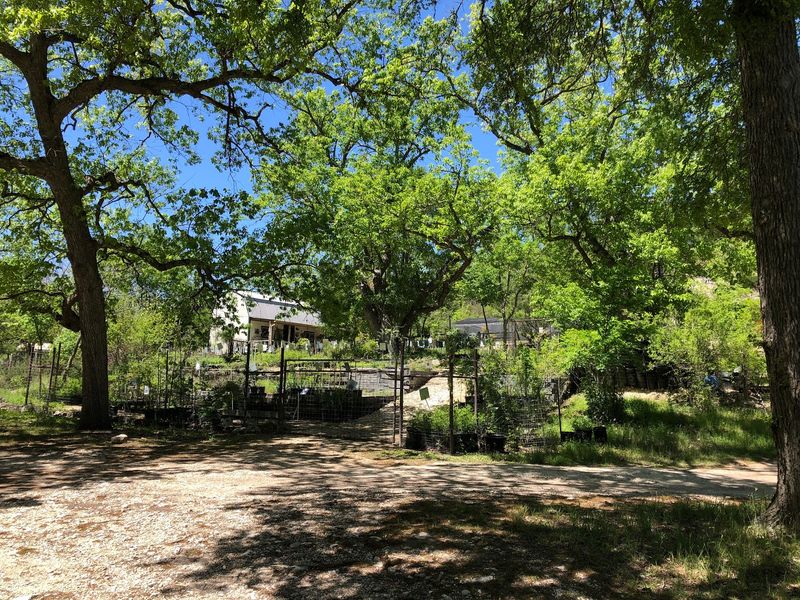
Natives of Texas Nursery is the stop on this list with one of the clearest specialty identities. The nursery sits at 4256 Medina Hwy, Kerrville, TX 78028, about 11 miles south of downtown Kerrville.
Its focus is Texas native plants, with particular emphasis on Texas madrones.
That alone makes the nursery worth knowing for Hill Country gardeners who want choices that feel more regional than the standard parking-lot assortment.
Native status can improve the odds of regional adaptation, but it is not permission to plant any Texas species in any Texas yard.
Site matching still rules.
The Texas Tree Selector includes filters for alkaline soil, drought, shade, poor drainage, mature size, and county. That matters around Kerrville, where rocky limestone conditions can make the wrong tree spend years looking offended by its address.
Check the nursery’s current catalog or call before making the drive.
Specialty native stock can change, and a particular tree may be available only in certain sizes or seasons. Having two or three suitable alternatives keeps the trip productive when the first choice is unavailable.
This is also a good place to ask deeper questions about regional natives.
A tree with a smaller national nursery presence may still be an excellent local fit. The goal is not collecting botanical bragging rights. It is finding a tree whose roots approve of the neighborhood as much as you do.
5. Explore Bigger Specimens At PermaVista Trees
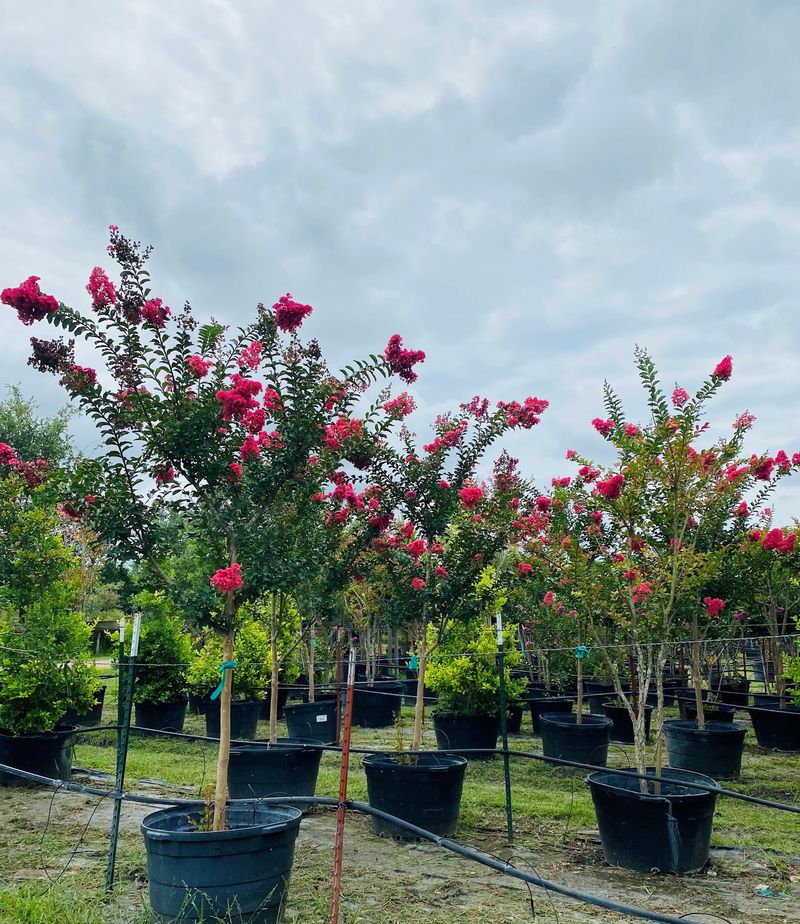
PermaVista Trees operates from 901 Wauls Legion Road, Brenham, TX 77833, in Washington County.
The company focuses on container-grown specimen trees and says its production spans more than 16 acres with over 20 varieties of shade and ornamental trees. It also offers delivery and planting within a stated service radius around Brenham.
That makes PermaVista especially interesting for gardeners who want immediate presence.
A larger tree can change a bare yard quickly, but size brings practical questions. Measure gate widths, overhead clearance, planting access, and the final canopy space before choosing a specimen that requires equipment to move.
Bigger also does not cancel basic tree biology.
A large transplanted tree still needs careful establishment, correct watering, and a site that suits the species.
The Texas Tree Selector can help screen candidates by county, mature size, drought, alkalinity, shade, and drainage before the price of a specimen starts steering the decision.
Call ahead before visiting the farm.
PermaVista publishes inventory, but large trees move through stock and may require planning for pickup, delivery, or installation. Confirming availability first is especially useful for a less common shade choice.
A specimen tree should feel impressive after planting, not merely impressive on the trailer. Matching the tree to the site keeps that first-day wow factor from becoming a long-term watering project.
6. Call Ahead To LAWNS Tree Farm
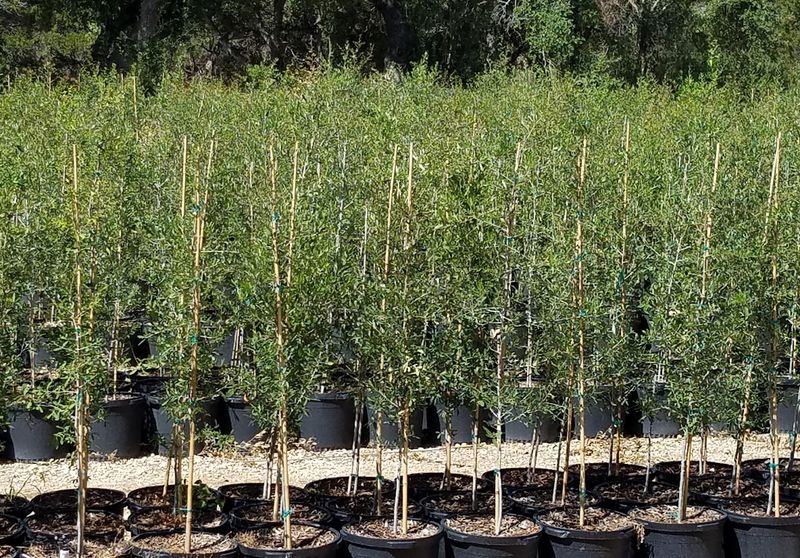
LAWNS Tree Farm gives Austin-area shoppers another tree-focused option at 400 Honeycomb Mesa, Leander, TX 78641.
The family-rooted business says it has served Central Texas since 1985 and sells trees directly to homeowners.
Its stock spans multiple container sizes, which can be useful for gardeners balancing budget, installation access, and the desire for faster shade.
Central Texas site conditions deserve respect.
Shallow soil, limestone, high pH, intense sun, and long dry stretches can make a gorgeous nursery tree a poor yard choice.
Start with the planting site and use the Texas Tree Selector to filter for alkaline soil, drought, mature size, county, and shade tolerance.
Then call LAWNS with a short list.
Ask about current availability, container sizes, and delivery or installation options before heading to Leander.
Specialty tree stock shifts, so flexibility usually works better than falling in love with one exact variety before confirming it is there.
Pay attention to mature width as much as height.
A shade tree planted too close to a roof, driveway, or fence can create years of corrective pruning. Good placement gives the canopy room to become the feature you bought it for.
Tree shopping gets much easier once the yard has already narrowed the choices. Let the nursery provide options, but let the planting site hold the final vote.
7. Browse Central Texas Choices At Trees Of Central Texas
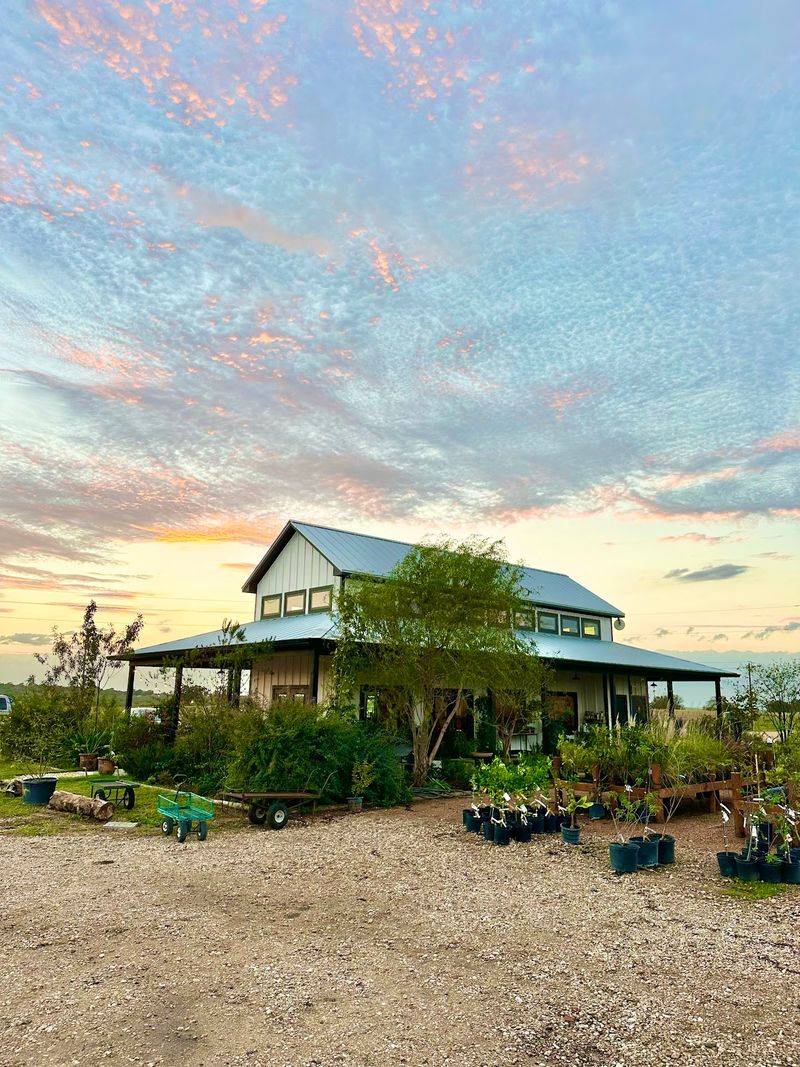
Trees of Central Texas gives Brenham shoppers a second strong stop at 10050 TX-36 N, Brenham, TX 77833, about ten miles north of downtown.
The nursery says it operates on a 12-acre site with thousands of items on hand and now carries a wide range of native trees and plants.
It also participates as a Native Plant Society of Texas NICE partner, which adds another reason for native-focused shoppers to look closely.
This is a useful place to compare choices for difficult Central Texas conditions.
High-pH soil, limestone, summer heat, and uneven rainfall can narrow the field quickly. The Texas Tree Selector lets gardeners screen for those conditions before arriving, including alkaline soil, drought, shade, and available growing space.
Bring measurements with you.
A tree that fits the climate still needs enough room for its mature canopy and roots. Overhead lines, pavement, foundations, and neighboring structures should all shape the short list.
Current inventory deserves a check too.
The nursery invites special requests and orders, so calling ahead can help confirm a particular species or size before a longer drive to Brenham.
The best specialty nursery visit is not a treasure hunt with no map. Know the site, confirm the stock, then enjoy the discovery part.
A less common tree becomes a great find only when it can settle into the yard without spending the next decade arguing with Texas.