9 Things To Do The Moment Your Illinois Cucumbers Start Flowering
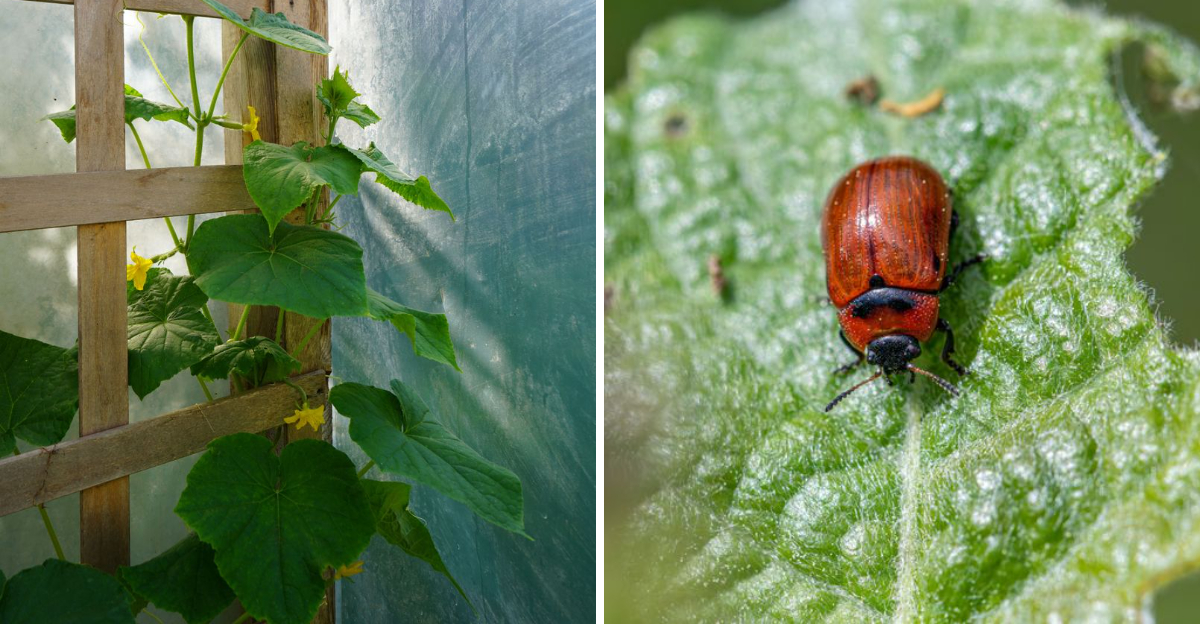
Yellow blossoms appeared on your vines, and everything changes now. Cucumbers require quick decisions from you the instant flowering begins. Illinois weather can shift fast, testing your patience daily.
Heat spikes challenge pollinators when your plants need help. Bees disappear fast, and your blossoms drop before fruit forms. Timing alone decides whether your harvest thrives or falters.
Watering, feeding, and pruning choices all shift for you now. Neglect a single detail, and your yields drop fast.
Neighbors across Illinois lose crops to mistakes you avoid. Nothing about this stage excuses your guesswork or delay.
Every choice you make pushes your plants forward or backward. Pollination windows close fast, giving you a few hours. Small missteps compound quickly, leaving you with sour cucumbers.
You control more than you probably realize right now. Confidence wins over caution when your blossoms hang precariously. Master this moment, and nothing stops your cucumbers from thriving.
1. Watering Deeply Supports Fruiting
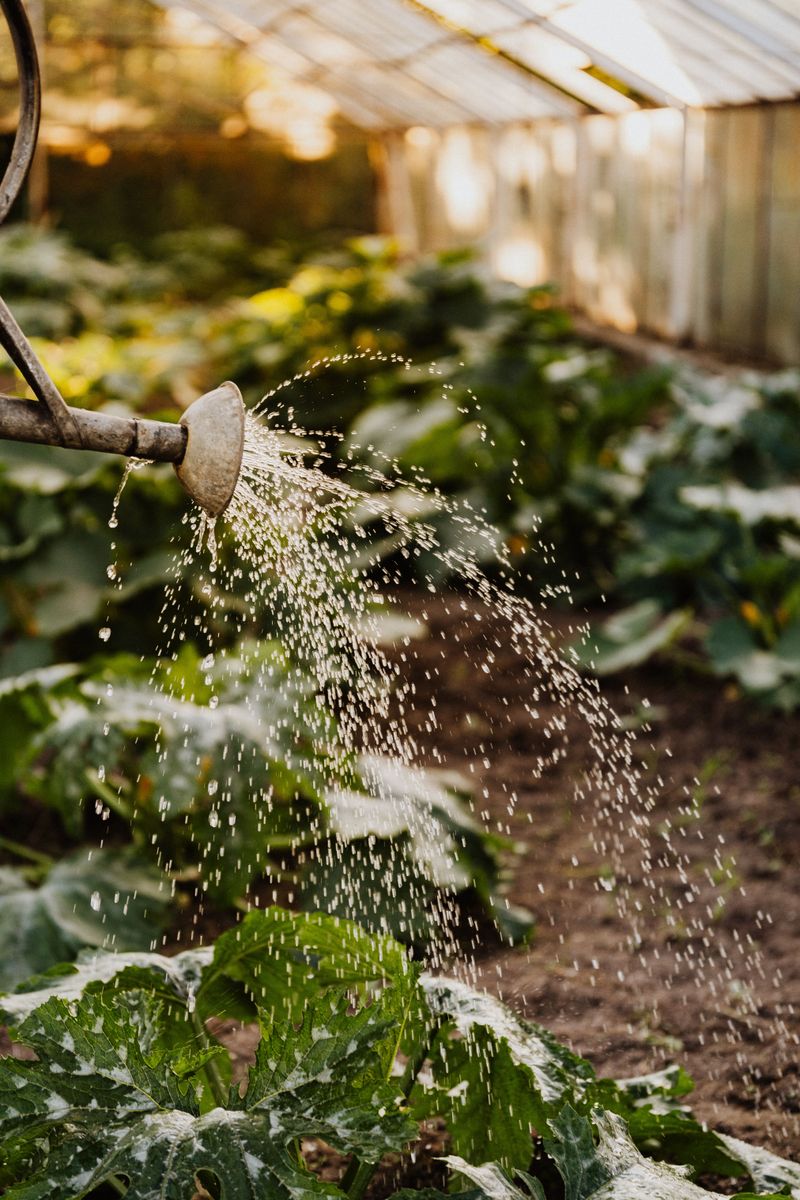
Shallow watering is a trap that fools a lot of new gardeners. Your cucumber plants look fine on the surface, but their roots are desperate for a deep drink below.
When flowering begins, cucumbers need consistent moisture reaching at least six inches down. Uneven watering causes stress that leads to misshapen or bitter fruit later on.
Water your plants slowly and at the base, never overhead. Wet leaves invite fungal problems that can damage a whole row of vines quickly.
Aim for about one inch of water per week, adjusting for rain and heat. A simple rain gauge near your garden bed makes tracking this surprisingly easy.
Morning is the best time to water cucumbers in flower. Any moisture that splashes on leaves has time to dry before evening, which lowers disease risk.
Deep watering also encourages roots to push further into the soil. Stronger root systems mean sturdier plants that hold up through Illinois heat waves without dropping blossoms.
A soaker hose or drip irrigation system is worth every penny at this stage. Consistent, targeted moisture keeps your flowering cucumbers on track for a productive harvest.
2. Feeding Boosts Blossom Production
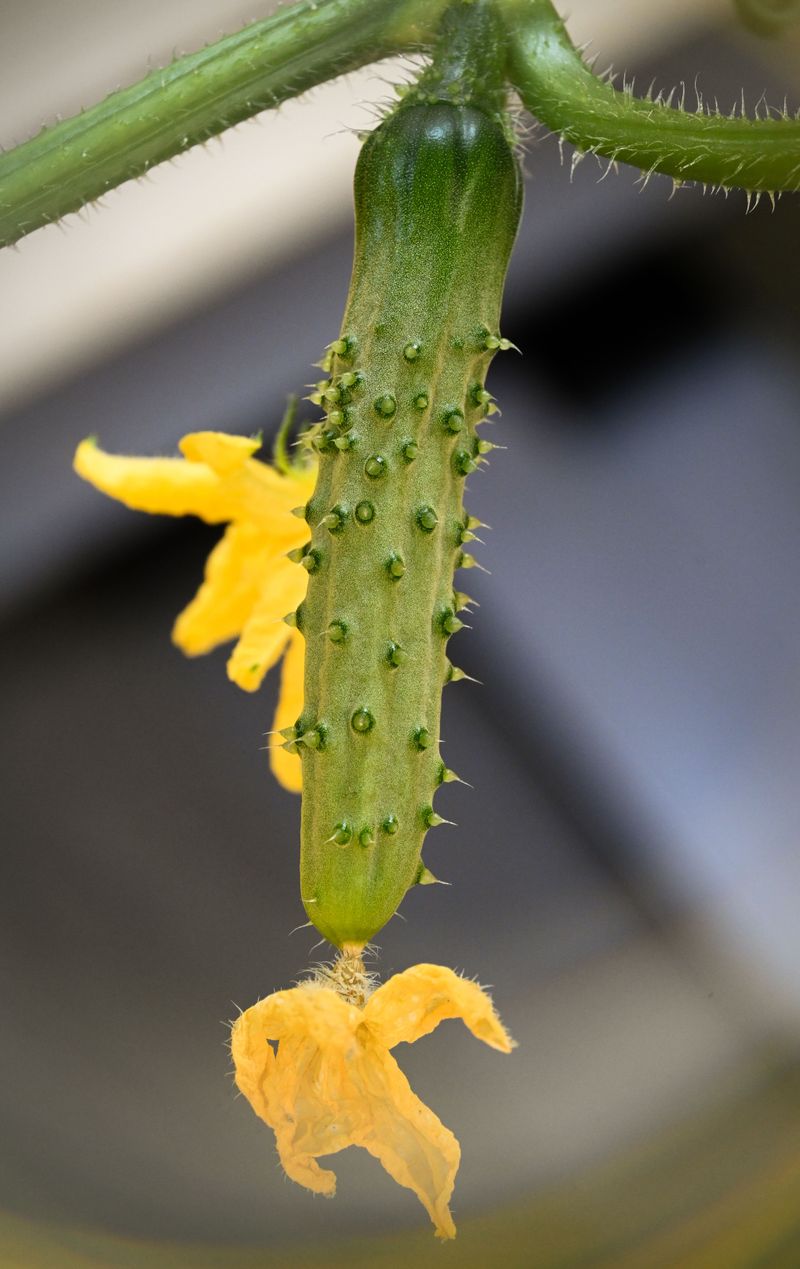
Cucumbers are hungry plants, and flowering is when their appetite peaks. Giving them the right nutrients now is like handing a runner fuel right before the big race.
Consider switching to a fertilizer with more phosphorus and potassium if a soil test shows you need it. Excess nitrogen can push leafy growth at the expense of flowers, while adequate phosphorus supports flower and fruit development.
A balanced fertilizer such as 5-10-10 works well for many home gardens, though a soil test will tell you what your plants actually need. If using one, apply it every two weeks to keep production steady.
Liquid fertilizers absorb quickly and give plants a near-immediate boost. Mix according to package directions and pour gently around the root zone, avoiding the stem base.
Compost tea is another option some organic gardeners use as a natural approach, though results vary and its effectiveness isn’t strongly backed by research. If you try it, brew a batch and apply it weekly to see how your plants respond.
Your Illinois Garden Changes Every Week. Your Plan Should Too.
Gardening in Illinois changes quickly throughout the season. Every Friday you’ll receive a simple weekly plan showing exactly what to plant, prune, fertilize, harvest, and protect so you never miss the right timing.
Avoid over-feeding, which can cause lush green growth but fewer flowers. Too much of a good thing pushes energy into leaves instead of the blossoms you need.
Stick to a feeding schedule and note how your plants respond over time. Well-fed cucumbers during flowering set the foundation for a harvest that will fill your kitchen counter.
3. Checking Soil Moisture Prevents Drop
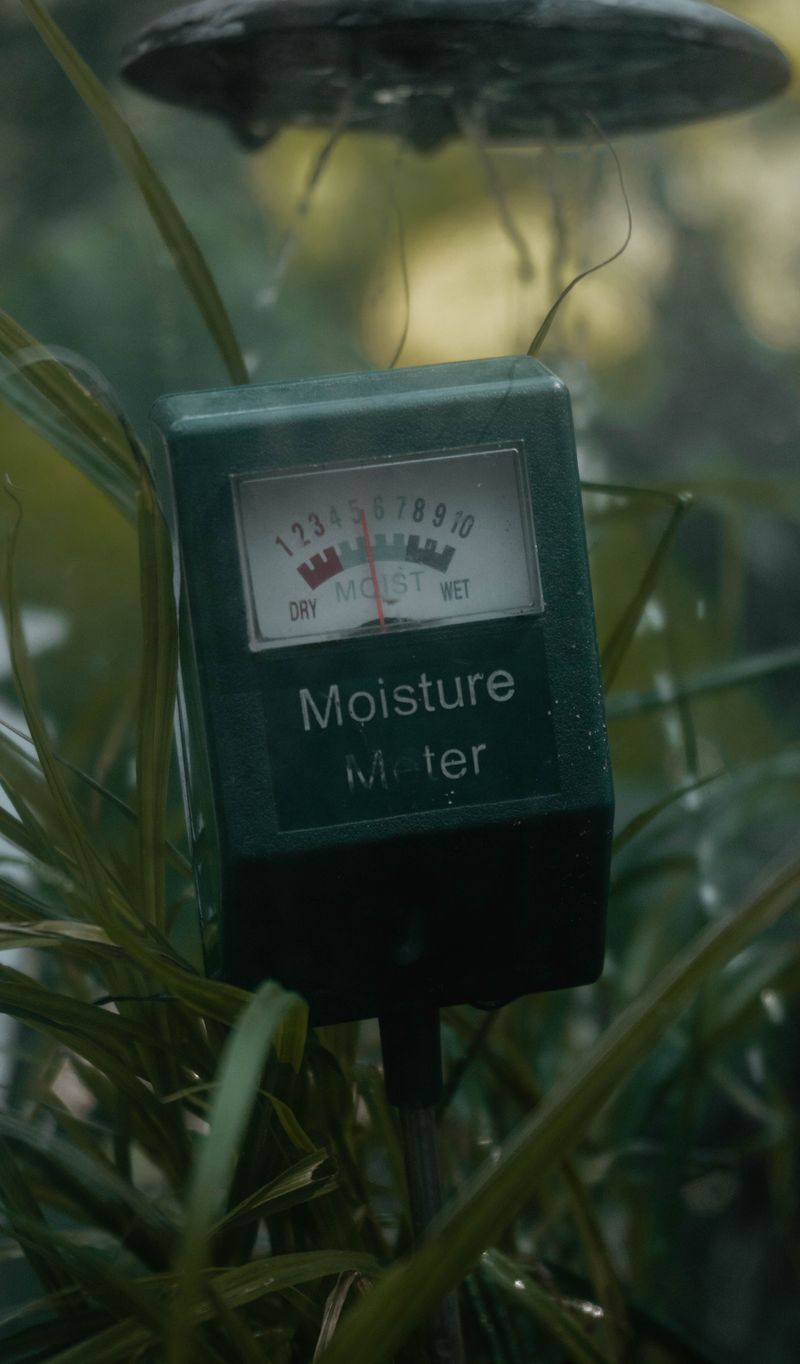
Blossom drop sounds mysterious, but it usually has a simple cause: inconsistent soil moisture. Cucumbers in flower are surprisingly sensitive to dry spells that last even a day or two.
Stick your finger about two inches into the soil near your plants. If it feels dry at that depth, your cucumbers are already under stress and need water right away.
A soil moisture meter takes the guesswork out of this completely. These inexpensive tools give you an instant reading so you never have to wonder if your plants are thirsty.
Flowering cucumbers need steady moisture, not a cycle of drought and flood. Irregular watering confuses the plant and causes it to abort blossoms as a survival response.
Sandy soils common in parts of Illinois drain faster and need more frequent checks. Clay-heavy soils hold moisture longer but can become waterlogged, which is equally harmful to roots.
Amending your soil with compost improves both drainage and moisture retention at the same time. It is one of the simplest upgrades you can make for long-term garden health.
Check moisture every morning during hot stretches and after any windy days. Catching a dry spell early keeps your Illinois cucumbers flowering without interruption all season long.
4. Removing Suckers Redirects Energy
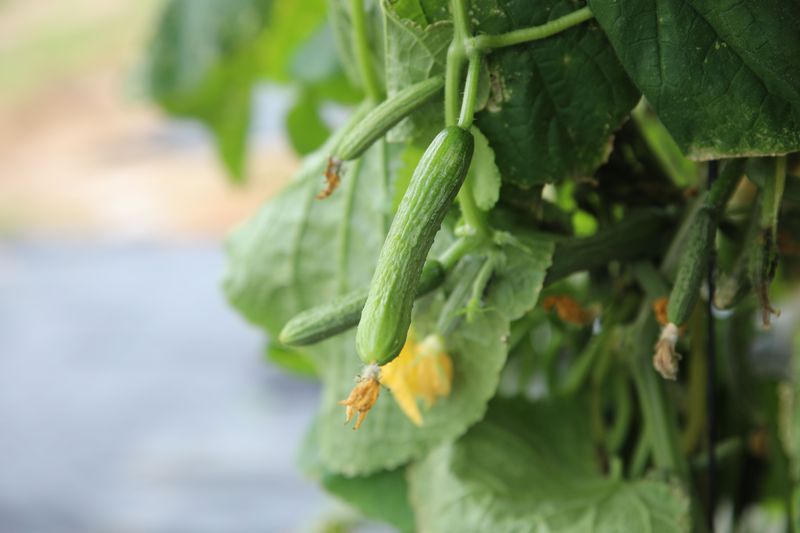
Side shoots sometimes appear between the main stem and a leaf branch. Some growers remove them when trellising, believing it redirects energy toward fruit development, though this practice is less established for cucumbers than for tomatoes.
If you choose to try it, treat sucker removal as optional maintenance rather than a strict rule. The idea is that keeping the plant more focused may mean more resources flowing to blossoms and developing fruit, though results can vary.
If you do prune, pinch shoots off with clean fingers or small pruning snips while they are still tiny. Smaller shoots come off easier and cause less stress to the plant.
Avoid removing every side shoot, since some lateral growth is healthy and productive. If you’re pruning at all, focus on shoots that appear below the first few flower clusters on the main vine.
This approach is most often used on trellised cucumbers. Growers say a tidier vine is easier to manage, gets better airflow, and makes fruit easier to spot and harvest.
If you decide to prune, checking your vines every five to seven days during peak flowering keeps the habit manageable without becoming a rigid routine.
5. Inspecting Leaves For Pests
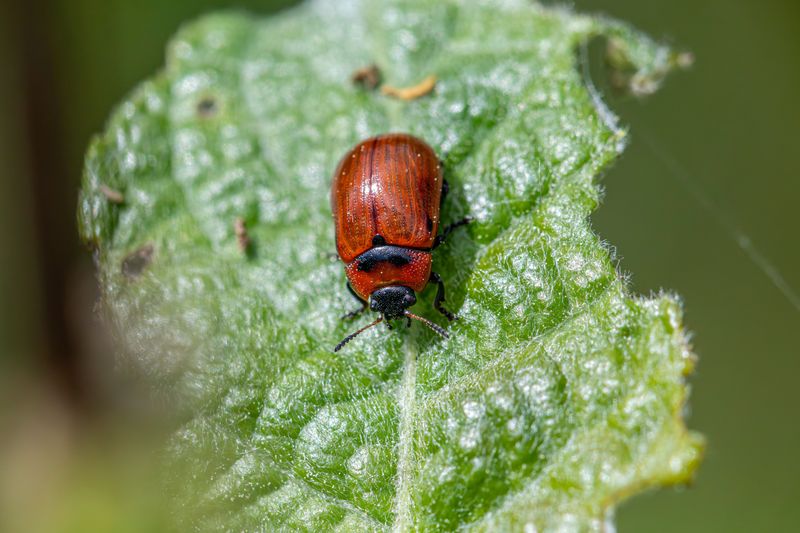
Pests love cucumber plants almost as much as gardeners do, and flowering is prime time for an infestation to take hold. Catching a problem early is the difference between a small fix and a much bigger problem.
Flip leaves over and look at the undersides carefully during each garden visit. Aphids, cucumber beetles, and spider mites tend to hide on the shaded side where you least expect them.
Cucumber beetles are especially problematic in the Midwest. They spread bacterial wilt, which can cause an entire plant to wilt and die within days of first symptoms appearing.
Yellow sticky traps placed near your plants help monitor flying pest populations. They do not solve the problem, but they give you early warning before numbers get out of hand.
Neem oil spray is a safe, effective option for many common cucumber pests. Apply it in the early morning or evening to avoid harming pollinators that visit your flowers during the day.
Inspect new growth and flower buds closely since pests gravitate toward tender, fresh tissue. A small magnifying glass makes spotting tiny mites and eggs much easier on aging eyes.
Healthy plants resist pest damage better than stressed ones do. Keeping your cucumbers well-watered and fed gives them the natural resilience to bounce back even when bugs show up uninvited.
6. Providing Support For Vines
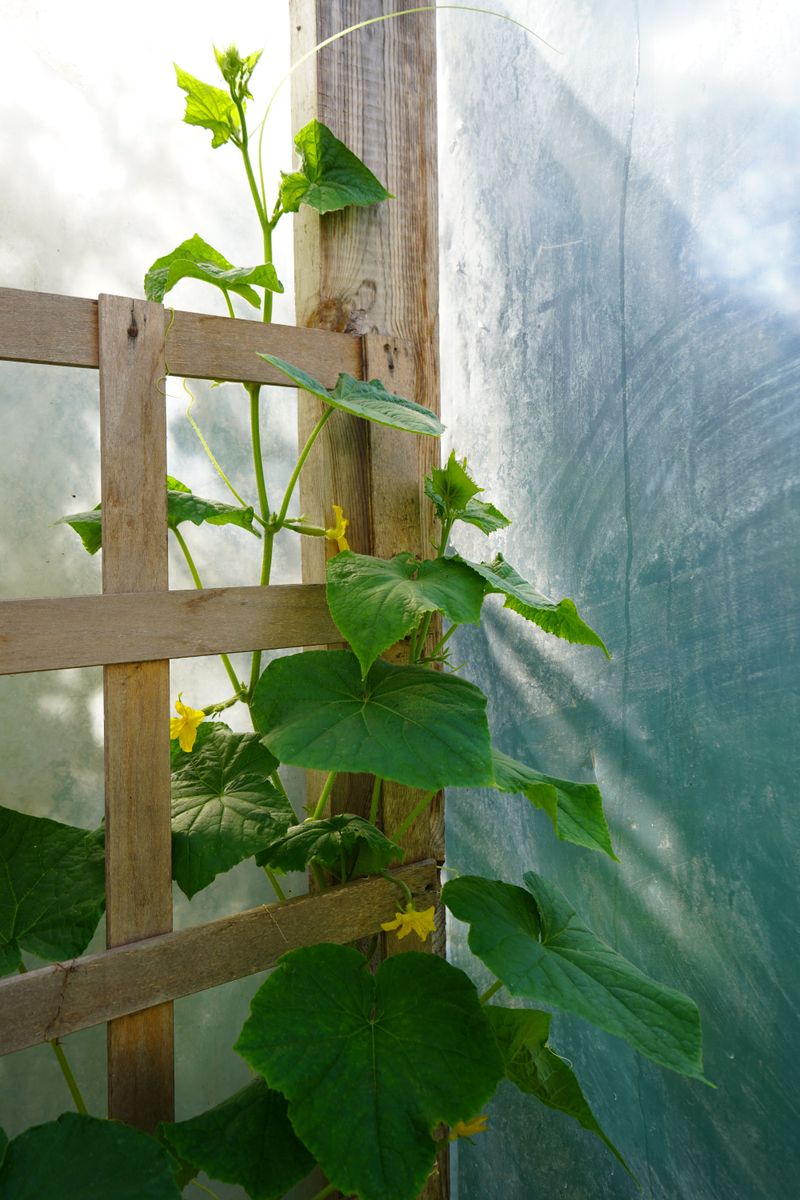
A cucumber vine left to sprawl on the ground is more vulnerable to problems. Fruit rots more easily, pests access it more readily, and harvesting takes longer through sprawling foliage.
Once flowering begins, getting your vines onto a support structure becomes urgent. The plant is about to put serious weight on those stems as fruits develop, and it needs something solid to hold onto.
A simple wooden trellis, wire fence, or cattle panel all work beautifully for cucumber vines. Choose something at least five feet tall so the plant has plenty of room to climb and spread.
Use soft garden ties, strips of old t-shirt fabric, or twist ties to secure the main stem. Avoid anything that cuts into the vine, since damage at the stem invites disease and slows growth.
Guide new growth upward every few days as the plant reaches toward sunlight. Cucumbers trained vertically get better air circulation, which lowers the risk of powdery mildew showing up later in the season.
Fruit grown on a trellis also tends to be straighter and more uniform in shape. Straight cucumbers are easier to slice, pickle, and honestly just more satisfying to pull off the vine.
A well-supported vine is a productive vine. Give your Illinois cucumbers the structure they need, and they will reward you with a harvest that keeps coming week after week.
7. Mulching Retains Soil Moisture
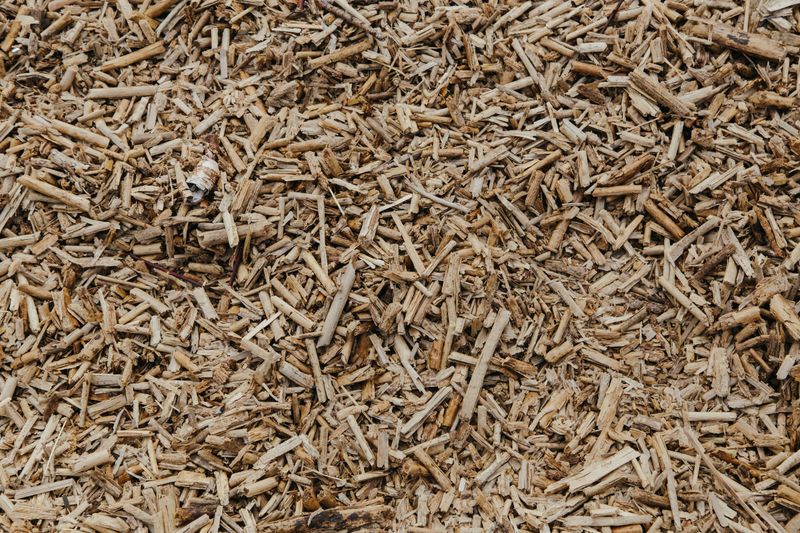
Mulch is an often-overlooked step in the garden. A thick layer around your cucumber plants during flowering provides steady, long-term benefits.
Spread two to three inches of straw, shredded leaves, or wood chips around the base of each plant. Keep mulch a few inches away from the stem itself to prevent rot at the crown.
Mulch slows evaporation dramatically, which means your soil stays moist longer between waterings. During hot Illinois summers, that moisture retention can be the factor that keeps blossoms from dropping in a heat wave.
Soil temperature also stays more stable under a layer of mulch. Cucumbers grow best when soil stays between 70 and 85 degrees Fahrenheit, and mulch helps buffer against extreme swings.
Weed suppression is another major benefit that saves you real time in the garden. Fewer weeds mean less competition for the nutrients and water your flowering cucumbers need right now.
Organic mulches break down over time and add organic matter back into the soil. By end of season, that decomposed mulch becomes a gentle soil amendment that sets up next year’s garden nicely.
Laying mulch takes about fifteen minutes and pays off all season long. It’s one of the more efficient tasks you can do in the garden for the time it takes.
8. Pollinating By Hand When Needed
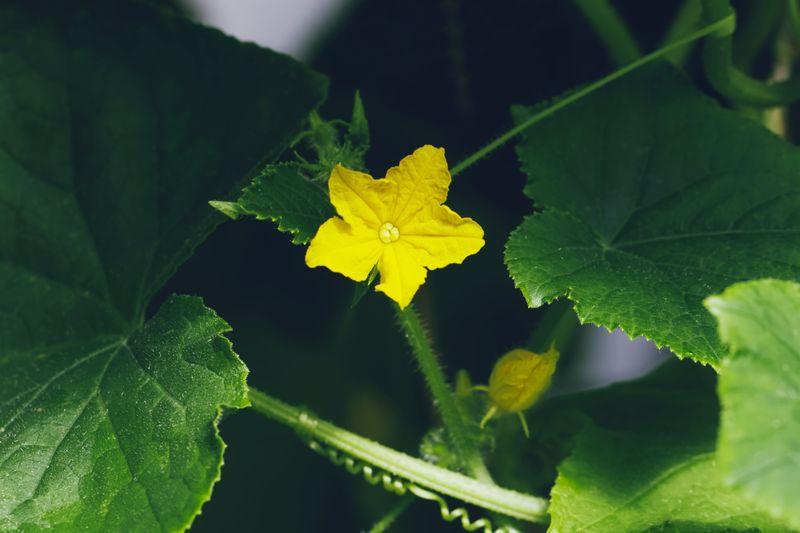
Have you noticed heavy blooming but little fruit? The culprit is often poor pollination, which happens more often than most gardeners expect.
Cucumbers have separate male and female flowers on the same plant. Male flowers appear first and open a week or two before the females show up with their tiny fruit nub at the base.
If bees and other pollinators are not visiting your garden in good numbers, you may need to step in. Hand pollination is simple and effective when done correctly.
Use a small, clean paintbrush or a cotton swab to transfer pollen. Gently swirl it inside a male flower to collect the yellow dust, then dab it carefully into the center of a female bloom.
Do this in the morning when flowers are fully open and pollen is most available. Female flowers stay open for only one day, so timing your hand pollination correctly really matters.
Planting pollinator-friendly flowers nearby also helps attract more bees naturally. Marigolds, basil, and borage are all excellent companions that draw in the insects your cucumbers rely on.
Hand pollination takes only a few minutes each morning, and the results show up fast. Within days of successful pollination, that little nub behind the female flower starts swelling into a real cucumber.
9. Monitoring Temperature Swings
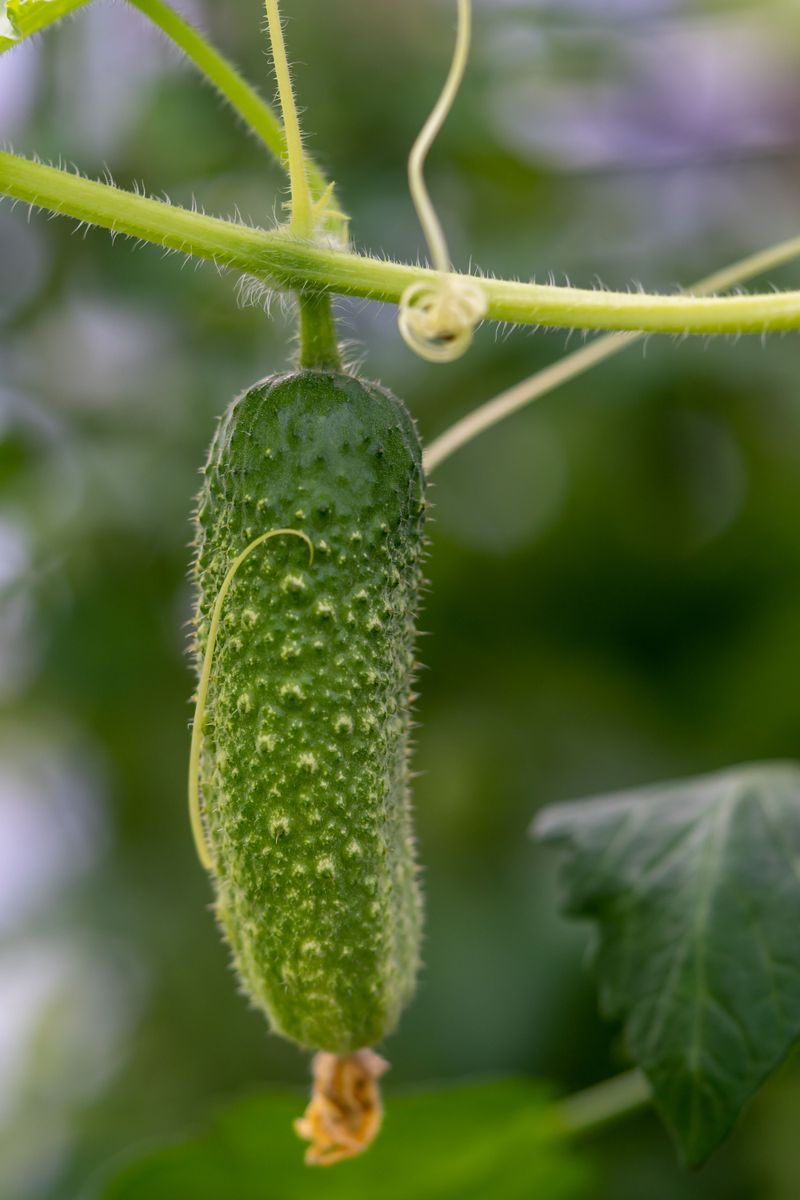
Temperature is one of the biggest factors controlling how well your Illinois cucumbers flower and fruit. Most gardeners focus on watering and feeding, but the thermometer tells a story you cannot afford to ignore.
Cucumbers thrive between 65 and 85 degrees Fahrenheit during flowering. Once temperatures push above 90 degrees consistently, blossom drop increases and fruit set becomes unreliable.
Cool nights below 55 degrees also stress the plant and slow pollinator activity. A cold snap during peak flowering can delay your harvest by several weeks.
Keep a min-max thermometer near your garden to track daily highs and lows. This small tool gives you real data to work with instead of guessing based on how the day felt.
Shade cloth rated for 30 to 40 percent shade can protect plants during extreme heat. Draping it over a simple frame during the hottest part of the afternoon reduces heat stress without blocking too much sun.
Row covers help on the opposite end, trapping warmth on unexpectedly chilly nights in early summer. A light frost cloth can mean the difference between a thriving vine and a stunned, struggling plant.
Your Illinois cucumbers are tougher than they look, but they need you watching the forecast. Stay ahead of the weather, and your flowering plants will keep producing long after neighbors have given up for the season.