The Porch Plants That Barely Wilt Through Arizona’s 107° Heat
Arizona porch heat plays by harsher rules than the temperature reading alone suggests.
At 107 degrees, tile, concrete, stucco, and dark containers can push root-zone temperatures even higher while hot wind strips moisture from leaves.
Many familiar annuals collapse quickly under that combination. Phoenix sits in Arizona’s hottest low-desert climate zone, where average summer temperatures reach about 107°F.
A few plants handle it far better.
Vinca, portulaca, lantana, pentas, gaillardia, zinnias, selected salvias, and bougainvillea can all earn a place on a hot Arizona porch when the container setup matches their needs.
Some tolerate blazing sun. Others perform better with afternoon protection despite loving warm weather.
So which plants stay presentable when July turns the porch into a skillet?
Start with large containers, clear drainage, and realistic expectations. University of Arizona guidance notes that pots under about 14 inches can be difficult to keep moist in direct summer sun, while larger containers buffer roots from extreme temperatures.
No porch plant is heatproof.
The goal is choosing plants that recover quickly, keep growing, and need less rescuing when low-desert summer reaches full force for days straight.
1. Let Vinca Take The Summer Heat
A porch that gets hammered by bright Arizona sun needs flowers that do not collapse at the first serious temperature spike.
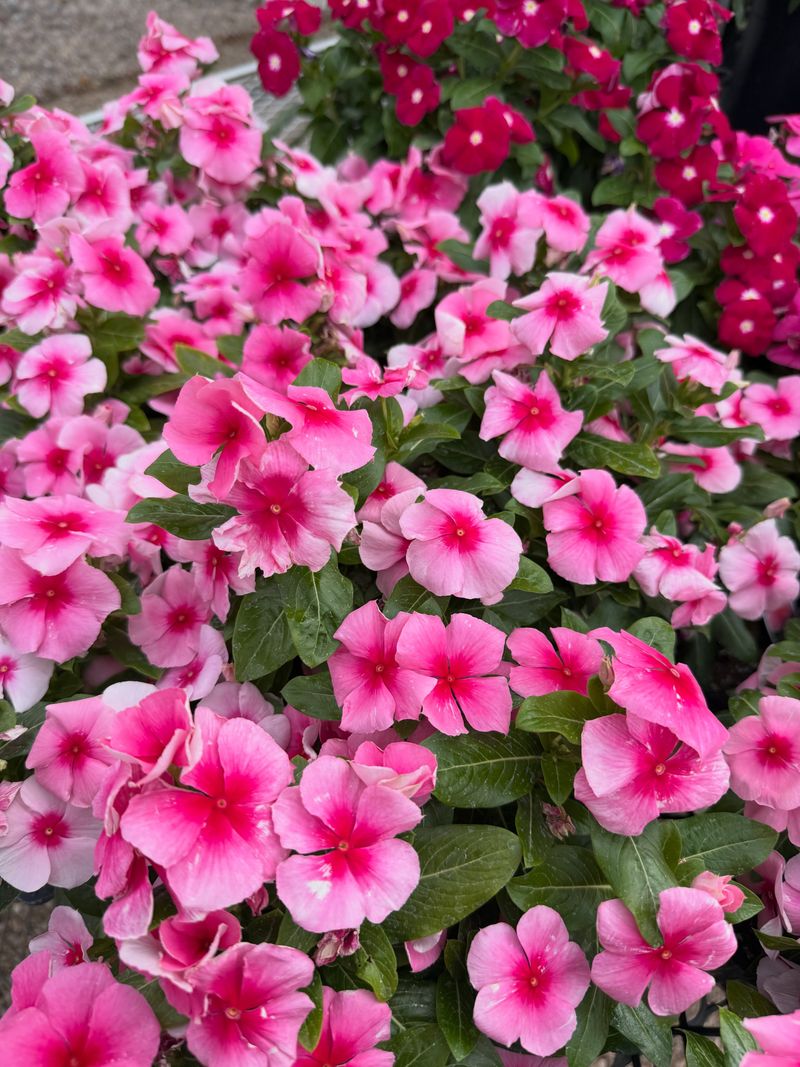
Annual vinca, Catharanthus roseus, is one of the stronger warm-season choices for the low desert.
University of Arizona Cooperative Extension includes Madagascar periwinkle among flowers recommended for summer planting in Pima County, alongside other heat-loving annuals.
Its waxy leaves and steady bloom make it useful in containers where softer annuals quickly look exhausted.
Give vinca abundant light, but pay attention to reflected heat.
A porch with morning sun and some late-afternoon protection can keep foliage looking fresher than a spot beside a west-facing wall that throws heat back at the pot for hours. The plant likes warmth. The root ball does not need to be roasted from every direction.
Use a roomy container with open drainage.
University of Arizona container guidance notes that pots under about 14 inches are difficult to keep moist in direct summer sun. Larger containers buffer roots from temperature swings and hold moisture longer.
Let the potting mix drain between thorough waterings rather than keeping it constantly saturated. Vinca dislikes a soggy root zone much more than a brief surface dry-down.
Modern plants usually need little deadheading.
That makes vinca a good porch employee during July. Give it decent working conditions, and it keeps showing up without requesting a daily performance review.
2. Use Portulaca For The Driest Basket Edges
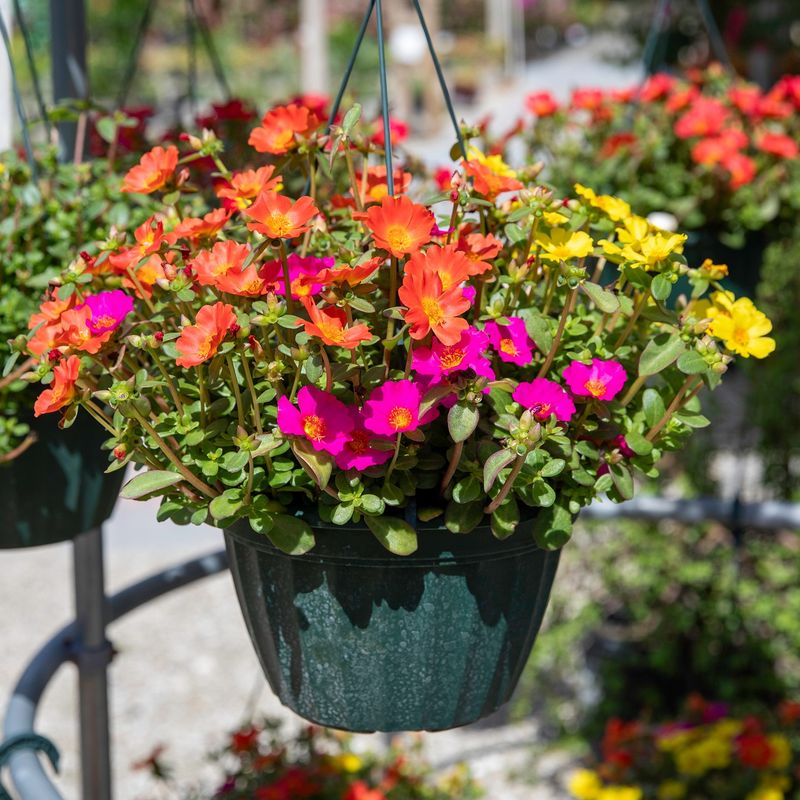
The rim of a hanging basket can become one of the driest places on an Arizona porch.
Portulaca, commonly called moss rose, is unusually comfortable there. University of Arizona guidance includes it among heat-loving flowers for the low desert and recommends it for warm-season planting.
Thick succulent leaves store moisture, while low stems spill over container edges without demanding a deep, constantly damp root zone.
Bright sun brings the best flower display.
This is one plant that can take a more exposed porch position than pentas or many tender annuals. Good drainage still matters more than heroic watering.
Your Arizona Garden Changes Every Week. Your Plan Should Too.
Gardening in Arizona changes quickly throughout the season. Every Friday you’ll receive a simple weekly plan showing exactly what to plant, prune, fertilize, harvest, and protect so you never miss the right timing.
Use a fast-draining potting mix and a container with unobstructed holes.
Portulaca handles short dry periods better than prolonged saturation. Water thoroughly, let excess drain, then check the mix before watering again. A rigid daily schedule can keep roots wetter than the plant wants during humid monsoon stretches.
Hanging baskets need closer checks than large floor pots.
Air moves around the entire container, so the mix can dry quickly despite the plant’s drought tolerance. Morning inspection is smarter than waiting for limp stems in late afternoon.
Prescott gardeners get a milder summer version of this show, while Phoenix and Tucson provide the heat portulaca handles so well.
Arizona climate changes sharply with elevation, so porch conditions in Prescott should not be treated as a copy of Phoenix.
The plant does not need pampering.
Give it sun, drainage, and enough water to refill its reserves, then let those succulent leaves do some of the work.
3. Give Lantana The Brightest Porch Spot
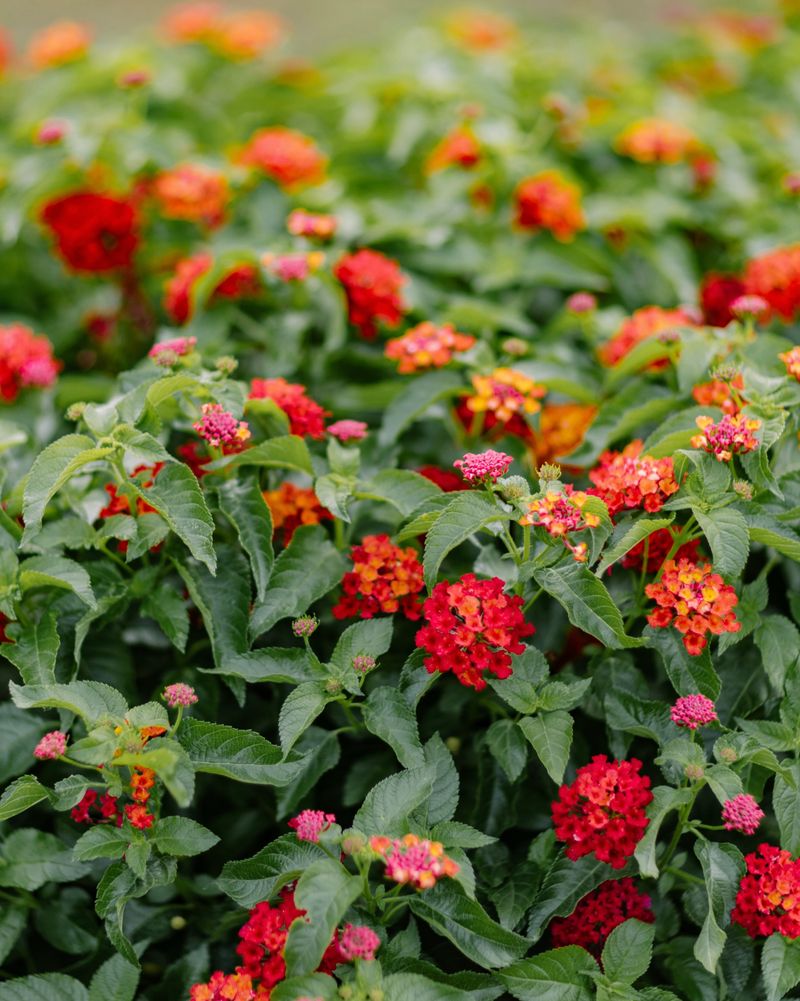
Few flowering shrubs look as comfortable in low-desert heat as lantana once the roots have space.
University of Arizona guidance includes lantana among perennial plants that provide summer color and attract pollinators in Pima County.
It is also treated as a standard flowering shrub for Arizona’s low and mid-elevation deserts, where pruning recommendations focus on managing vigorous growth rather than nursing a heat-sensitive plant through summer.
A large container makes a noticeable difference.
Lantana develops into a woody, spreading plant, so a tiny decorative pot creates a hot, cramped root zone long before the top reaches its potential. Choose a broad container with excellent drainage and enough weight to stay stable.
Full sun encourages heavy flowering.
On a severely reflected west exposure, some afternoon leaf droop can still appear during the hottest hours. That temporary response does not automatically mean the roots need another soaking. Check the potting mix first.
Container lantana needs more frequent irrigation than the same shrub growing in the ground.
Water deeply enough to moisten the root ball, let drainage finish, then return when the mix has begun drying. Constantly wet media can create root trouble despite the plant’s toughness.
Light selective pruning can control wandering stems, and University of Arizona guidance allows lantana to be pruned during the growing season as needed.
Lantana brings one extra porch benefit: butterflies tend to notice it quickly.
Apparently the heat does not discourage every visitor from dropping by.
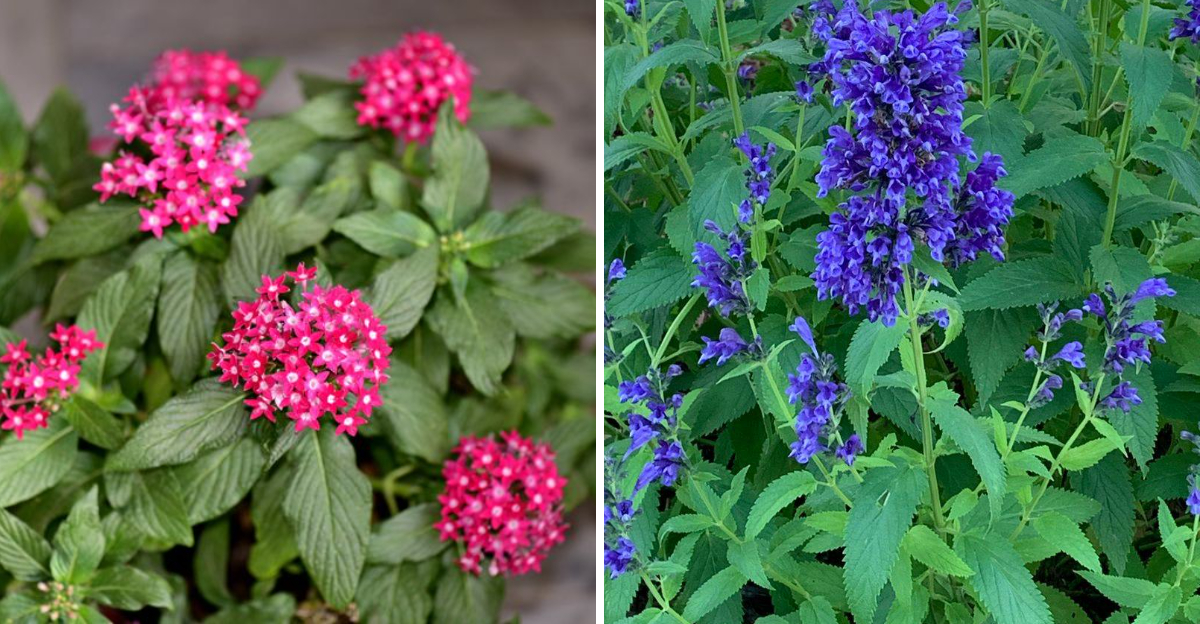
4. Keep Pentas Going With Steady Moisture
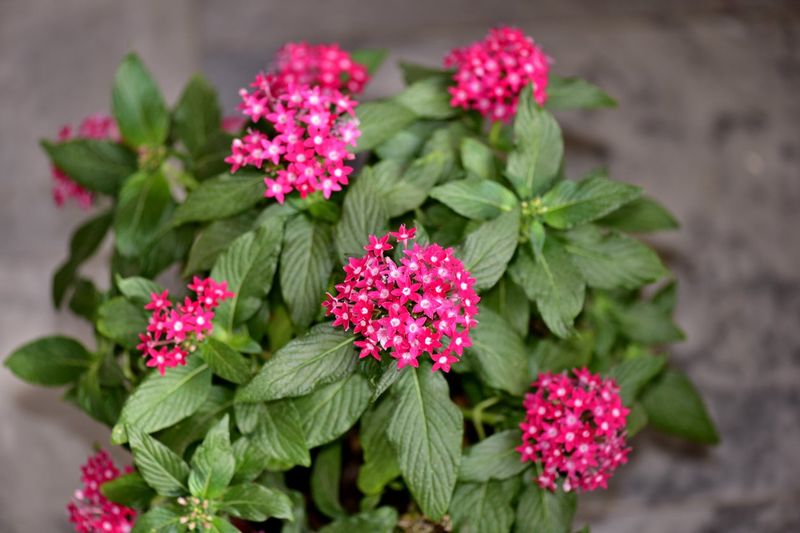
Pentas belongs on the heat-tolerant list, but it should not be treated like a succulent with flowers.
University of Arizona Cooperative Extension includes pentas among warm-season annuals for summer flowering in the low desert.
That supports its place on an Arizona porch, while its moisture needs make placement more important than with portulaca or lantana.
Morning sun followed by afternoon protection is the safer setup during extreme low-desert heat.
A porch overhang, bright filtered light after lunch, or an east-facing exposure reduces scorching and rapid root-ball drying.
Pentas can handle hot weather, but a black nursery pot beside reflective masonry turns an ordinary heat test into extra credit nobody requested.
Use a generous container.
University of Arizona container guidance recommends pots at least about 14 inches across for hot desert conditions because small pots heat rapidly and become difficult to keep moist.
Check moisture daily during the harshest weeks.
Water thoroughly once the upper mix begins drying, then let excess escape freely. Repeated complete dry-downs can lead to wilt and fewer flowers, while constant saturation creates the opposite problem.
Clusters of small starry flowers bring steady color and can attract pollinators.
Remove spent heads selectively to keep the plant tidy and support continued bloom without stripping away healthy foliage.
Pentas is not the porch cactus wearing a flower costume.
Treat it as a heat-loving annual that still appreciates a dependable drink and a little relief after lunch.
5. Plant Gaillardia For Heat Ready Color
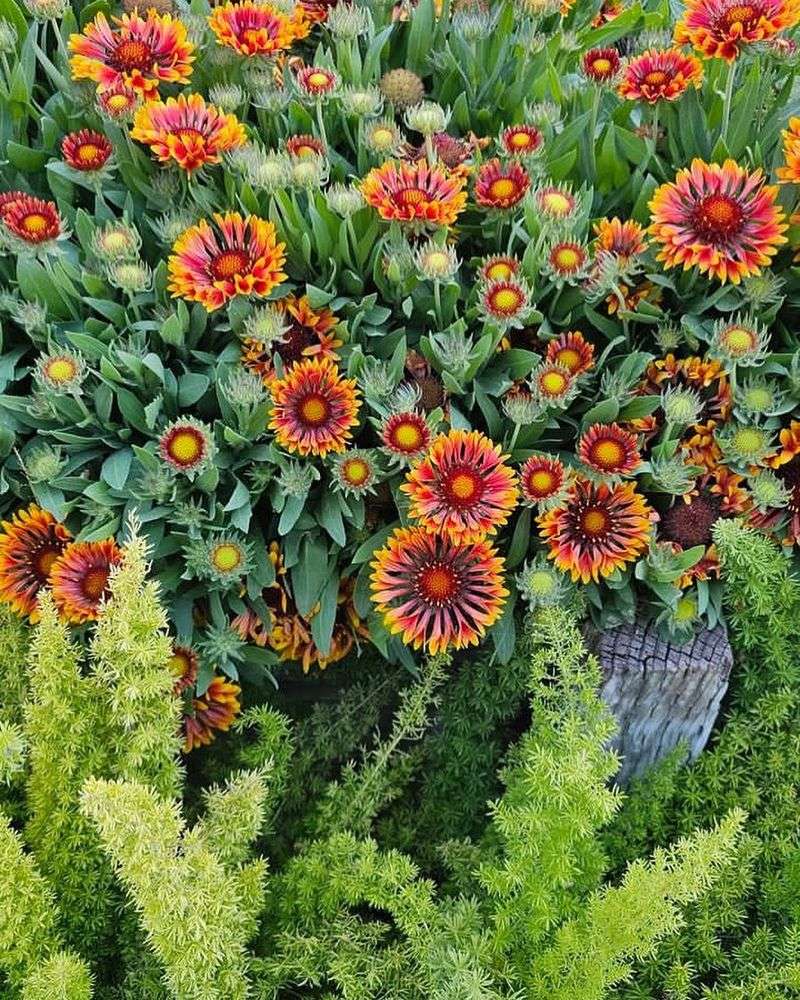
A porch container does not need tropical foliage to look lively in extreme heat.
Gaillardia brings red, orange, and yellow daisy-like flowers to sunny spaces and appears on University of Arizona lists for warm-season summer planting in Pima County.
That makes it a strong candidate for a bright Arizona porch, especially where the container can drain quickly after irrigation or monsoon rain.
Give it plenty of direct light.
Weak light can produce looser growth and fewer flowers, while a sunny position keeps the plant compact.
Some afternoon protection may still help a container sitting directly against intensely reflective hardscape, since root temperature can climb beyond the surrounding air temperature.
Drainage should stay sharp.
Use a loose potting mix and keep the holes beneath the container open. Raise the pot slightly where a flat porch surface traps water underneath.
University of Arizona container guidance stresses free drainage and notes that larger pots protect roots from extreme temperatures better than undersized containers.
Water according to the mix rather than a fixed number of days.
A thorough soak followed by partial drying suits gaillardia better than constantly wet media. Monsoon humidity can slow drying even while the air remains hot.
Remove spent flowers to keep the display neat and encourage more buds where growth remains active.
Prescott offers gaillardia an easier summer than Phoenix or Tucson.
The basic formula stays familiar: sun above, drainage below, and no fertilizer arms race in the middle.
6. Try Zinnias In Roomy Containers
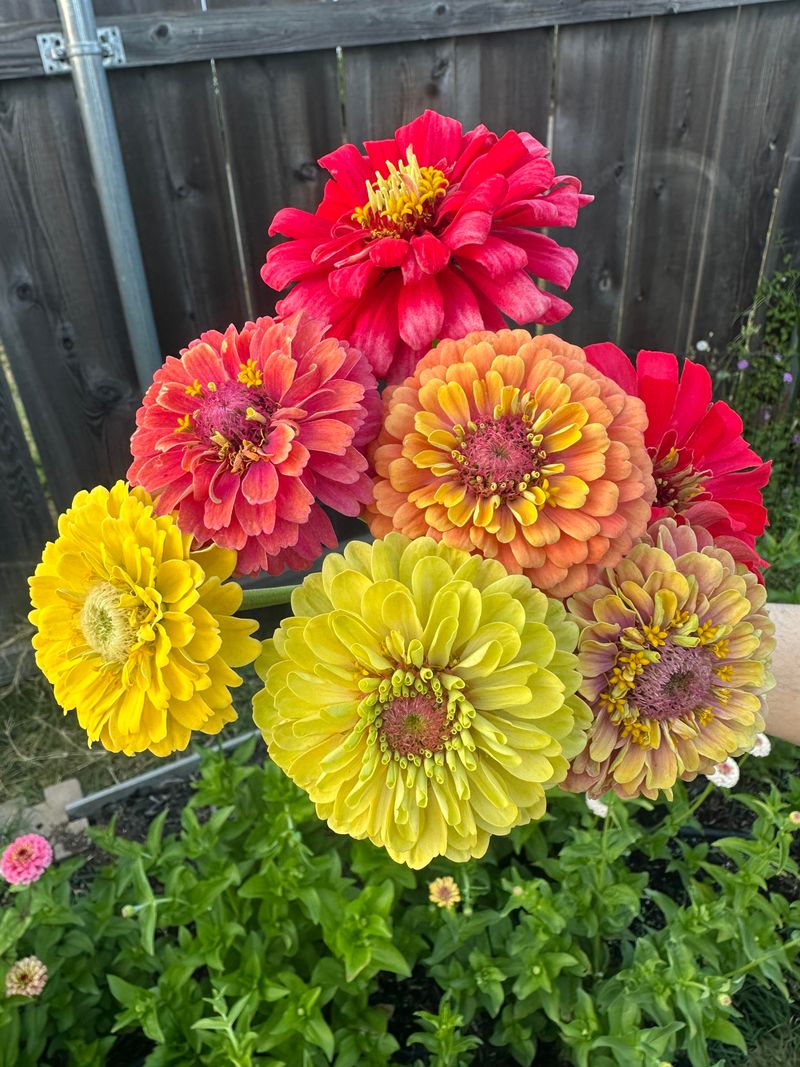
Zinnias can handle Arizona summer warmth, but the toughest porch display starts with room rather than crowding.
University of Arizona Cooperative Extension lists zinnia among heat-loving flowers for Pima County and includes it in warm-season guidance for the low desert.
That support makes zinnias summer color, though a 107-degree porch still calls for careful placement.
Choose a large pot and avoid packing seedlings together.
More root volume slows drying, while wider spacing lets air move through the foliage. Tight plants in a constantly wet canopy can develop foliar problems and become harder to manage during humid monsoon weather.
Full sun supports flowering, yet severe western exposure can shorten flower life and drive water demand upward.
A site with strong morning and midday sun plus some late-afternoon relief often keeps the container more presentable through the worst summer stretch.
Water at the soil surface.
Thorough irrigation that reaches the whole root ball is more useful than frequent little splashes that wet only the top. Let the pot drain completely, and check moisture again before repeating the cycle.
Deadheading keeps fresh buds moving.
Cut an old flower back to a healthy leaf pair rather than shaving the whole plant into a green mound.
Zinnias can be tougher than their cheerful petals suggest, but they still live in a container where roots cannot escape the heat.
Give those roots more room, and the flowers get a much fairer chance to look unfazed.
7. Use Salvia For Heat And Pollinators
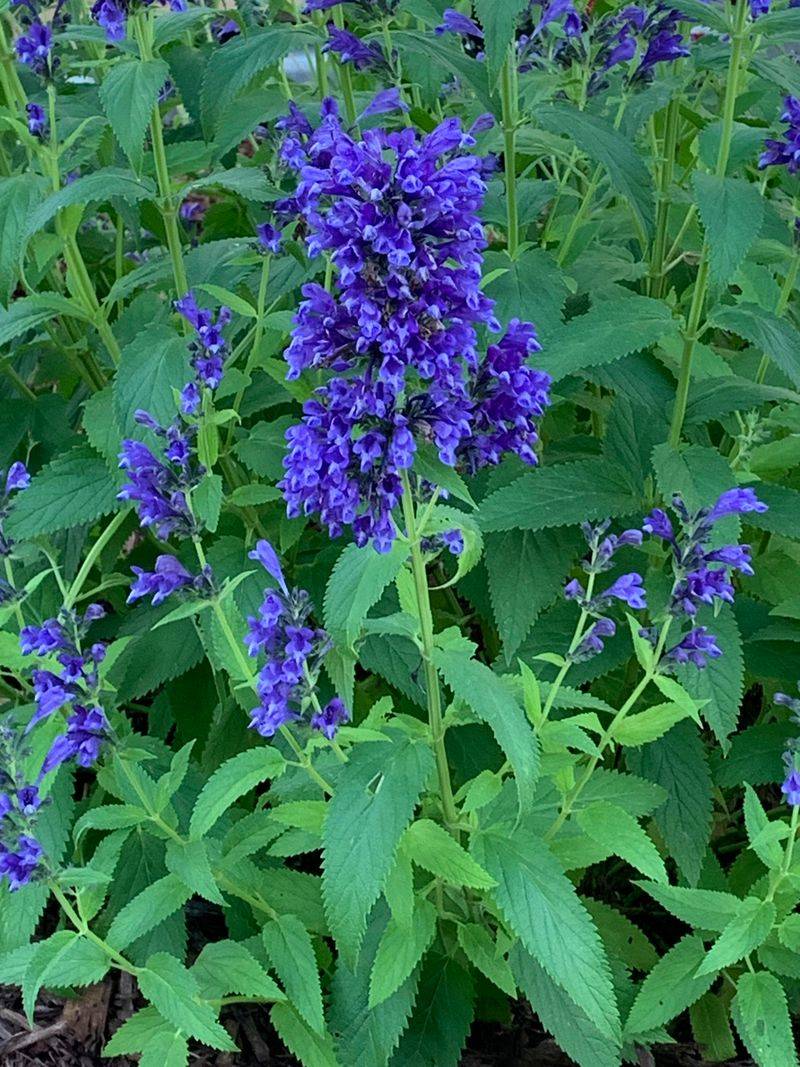
Salvia is a huge genus, so the plant tag matters more than the common name alone.
University of Arizona guidance lists salvias among heat-loving flowers and specifically recognizes autumn sage, Salvia greggii, as a desert-adapted perennial.
Other sages used in Arizona vary in mature size, water needs, and tolerance of full low-desert exposure.
That variety is useful on a porch.
A compact autumn sage can handle strong sun and relatively dry conditions once established, while softer annual salvias may appreciate more afternoon protection and steadier moisture in a container.
Start with drainage.
Salvia roots generally perform better in an airy mix than in a pot that holds water for days. Use a roomy container with clear drainage and check moisture below the surface before adding another round.
Do not assume drought tolerance in the landscape translates directly to a tiny pot.
Containers heat from the sides and have limited soil volume, so even a desert-adapted salvia needs regular checks during triple-digit weeks.
Deadhead spent flower stems rather than repeatedly shearing the whole plant.
University of Arizona pruning guidance recommends removing old flower stems and cutting vigorous salvia species back after flowering when needed.
Hummingbirds and insects can turn a blooming salvia pot into one of the busiest corners near the door.
The real trick is choosing the right sage first.
“Salvia” on a label is the beginning of the conversation, not the whole résumé.
8. Let Bougainvillea Own The Sunny Corner
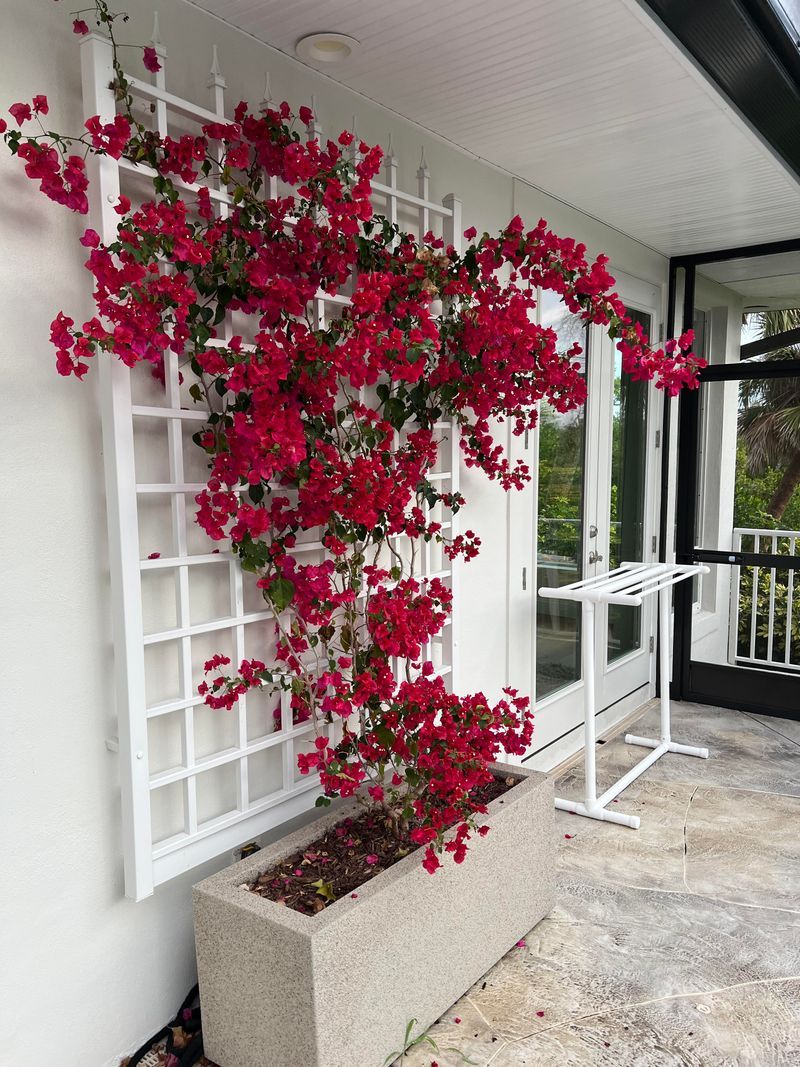
Bougainvillea brings the kind of color that looks almost unreasonable against a blazing Arizona wall.
University of Arizona guidance treats bougainvillea as a vigorous flowering shrub for the low and mid-elevation deserts and notes that it may need light pruning during the growing season.
That landscape use reflects its comfort with heat, though container culture still makes root care important.
Give it serious sun.
Bright exposure supports the colored bracts that make the plant spectacular. Reduced light tends to produce more leafy growth and less of the display gardeners bought it for.
A large container is worth the floor space.
More potting mix buffers the roots from rapid heating and drying, while a heavy pot helps stabilize a plant that can become woody and top-heavy. Drainage holes must remain open.
Water deeply, then let the mix lose some moisture before watering again.
Bougainvillea does not benefit from constantly saturated media. At the same time, a container in Phoenix or Tucson can dry much faster than the same plant growing in open ground, so check instead of guessing.
Thorns deserve thoughtful placement.
Keep the pot away from narrow walkways, chair backs, and the spot where everyone reaches for the front-door handle.
Cold is the bigger statewide limitation. University of Arizona guidance recognizes bougainvillea as frost-sensitive.
Phoenix and Tucson are natural territory. Prescott needs more winter planning.
Summer is when this plant gets to show off.