This Low-Maintenance Grass Is Becoming A Virginia Garden Staple
Whispers about a mysterious grower are spreading across Virginia. Neighbors keep glancing past your fence toward it.
Landscapers up north refuse to reveal its name. Nurseries sell out before anyone can explain why.
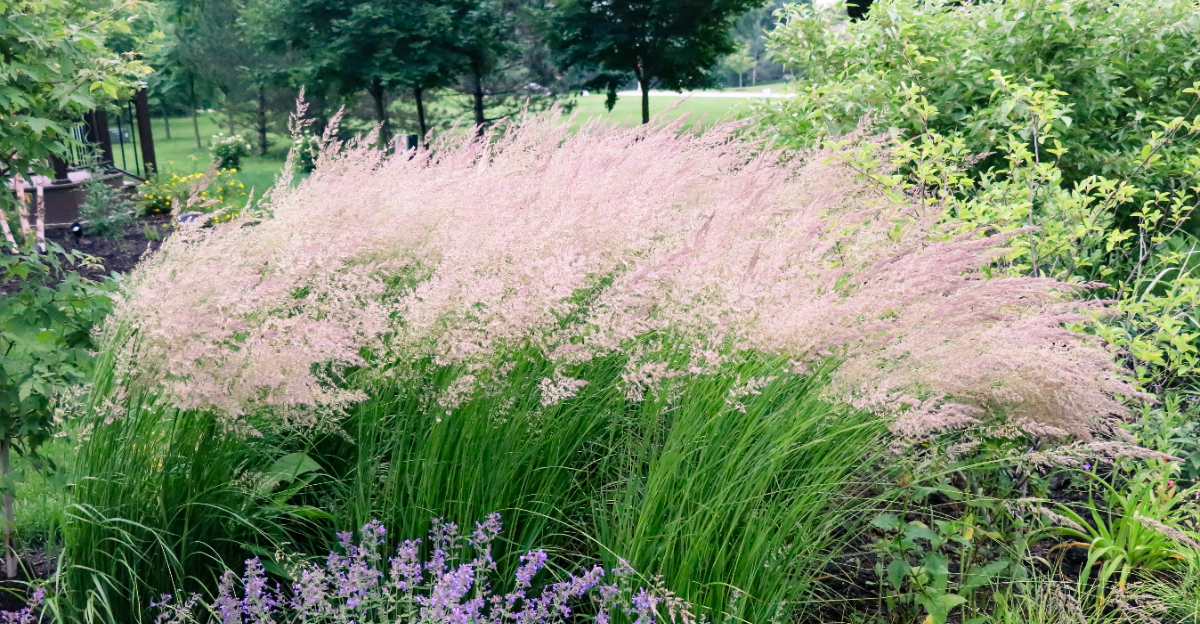
Vertical and architectural, it gives your garden instant structure. Wind moves through it and your whole view shifts.
Your eyes catch it before anything else in view. Drought barely touches it, and neglect actually helps you thrive.
Clay soil, poor soil, none of it stops you. Professional designers guard its identity like a trade secret.
Homeowners keep tearing out beds to make room for you. Virginia nurseries can barely keep it in stock.
Something about this plant refuses to whisper anymore. Nothing else commands your attention quite this fast. Momentum keeps building across your neighborhood, month after month.
Everyone around you already knows something you don’t. You will not walk away once you learn what it is.
Why Feather Reed Grass Belongs In Every Virginia Yard
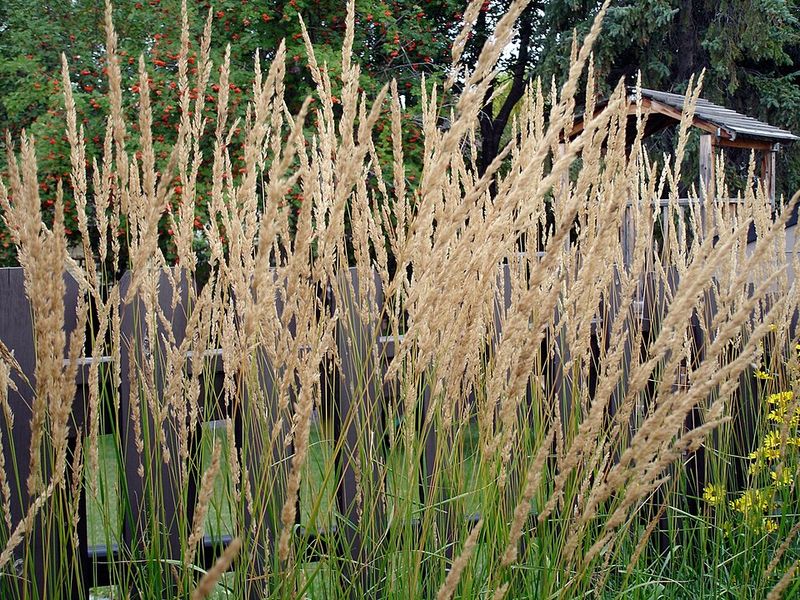
Picture a plant that looks stunning in January and June alike. Karl Foerster Feather Reed Grass does exactly that, earning fans from Richmond to Roanoke.
Most ornamental grasses struggle with the mid-Atlantic climate. Feather Reed Grass thrives in it, making it a standout choice for local yards.
Virginia summers can be intense, and winters bring their own surprises. This grass shrugs off both seasons without skipping a beat.
Its feathery plumes emerge in early summer and hold their shape well into winter. Few plants offer that kind of year-round visual payoff.
Neighbors will stop and ask what that gorgeous plant is. Gardeners who grow it love answering that question.
It fits naturally into formal gardens, cottage-style beds, and even modern landscapes. The grass adapts its personality to match whatever surrounds it.
Low-maintenance grass options are plentiful, but few combine elegance with toughness so effortlessly. Karl Foerster manages both with little difficulty.
Planting it along a fence line or driveway creates an instant sense of privacy. Tall, swaying clumps block sightlines while softening hard edges beautifully.
Birds also appreciate the dense clumps during colder months. The plant becomes a small habitat, offering shelter when other plants go bare.
For Virginia gardeners tired of replacing plants every season, this grass is a breath of fresh air. Once it settles in, it becomes one of the most reliable things in the yard.
Tall Plumes Give Gardens A Graceful Focal Point
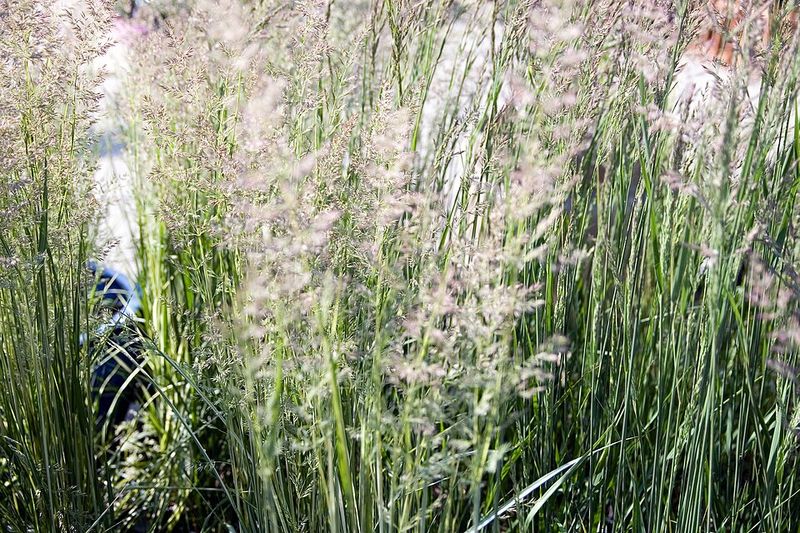
Some plants blend into the background. Karl Foerster Feather Reed Grass stands out visually.
The plumes typically reach three to five feet tall by midsummer, depending on conditions. That kind of height creates a natural focal point without any extra effort from the gardener.
Early summer brings pinkish-purple flower spikes that gradually shift to a warm golden tone. By fall, the plumes take on a rich wheat color that glows in the late afternoon light.
Your Virginia Garden Changes Every Week. Your Plan Should Too.
Gardening in Virginia changes quickly throughout the season. Every Friday you’ll receive a simple weekly plan showing exactly what to plant, prune, fertilize, harvest, and protect so you never miss the right timing.
Pairing this grass with lower perennials creates a layered, dynamic look. Coneflowers, black-eyed Susans, and salvias all look stunning at its base.
The movement of the plumes adds a sensory element that static plants simply cannot match. A light wind turns the garden into something almost cinematic.
Designers often use Karl Foerster as a vertical accent in flat landscapes. It draws the eye upward and gives the garden a sense of scale and drama.
Unlike shrubs that stay rigid, this grass dances. That lively quality makes it feel alive in a way that even the most colorful flowers sometimes cannot achieve.
Planting it in small groups amplifies the visual effect significantly. Many designers favor odd-numbered clusters for a more natural, balanced look.
Even in winter, the dried plumes hold their elegant shape. Snow-dusted stems create a painterly scene that most gardeners genuinely look forward to seeing.
A garden with strong vertical elements always feels more intentional and polished. This grass delivers that polish season after season.
Clay Soil And Poor Drainage Are Rarely A Problem

Clay soil is a common obstacle for most garden plants. Karl Foerster Feather Reed Grass tolerates it well.
Virginia is famous for its dense, sticky clay, especially in the Piedmont region. Many gardeners spend years amending soil before they can grow anything reliably.
This grass sidesteps that struggle almost entirely. It adapts to clay conditions that would cause root rot in many other plants.
Poor drainage is another common complaint among local gardeners. Low-lying areas that collect rainwater often become difficult planting spots.
Karl Foerster handles occasional wet feet surprisingly well. It does not demand the perfectly drained beds that so many ornamental plants require.
That said, it also tolerates dry spells once established. The grass occupies a sweet spot that few other plants can claim in the mid-Atlantic climate.
Amending soil before planting is always a good habit. Adding compost to clay beds improves drainage and gives roots a better start.
But even without heavy soil prep, this grass often thrives. Gardeners who have tried it in tough spots frequently report pleasant surprises.
One key tip is to plant in spring rather than late summer. Earlier planting gives roots time to anchor before heat and drought arrive.
Soil that once felt like a limitation becomes far less intimidating with the right plant selection. Karl Foerster makes one of Virginia’s biggest gardening challenges far less of a concern.
Summer Humidity Barely Slows This Grass Down
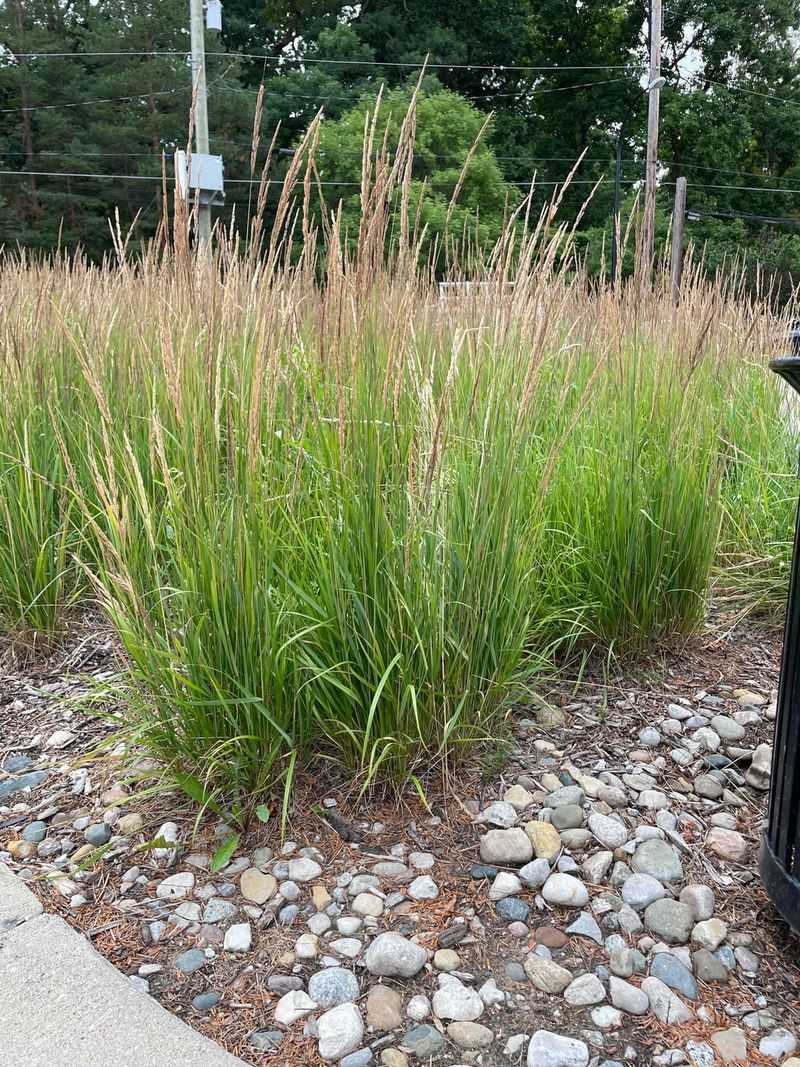
August in Virginia brings intense heat and humidity. Most plants struggle or decline by mid-month.
Karl Foerster Feather Reed Grass keeps its composure when temperatures and humidity both climb into uncomfortable territory. Gardeners who have struggled with summer plant loss find this reliability genuinely refreshing.
Fungal issues plague many grasses during hot, sticky summers. Feather Reed Grass is less prone to common fungal problems, thanks largely to its airflow-friendly growth habit.
Its upright growth habit actually helps with air circulation around the clump. Good airflow reduces the moisture buildup that fuels fungal growth in the first place.
Unlike some ornamental grasses that flop open in the heat, Karl Foerster stays tidy. The clump remains narrow and upright even on the most oppressive August days.
Watering during the first summer helps the plant establish a strong root system. After that first year, rainfall alone usually handles its needs in most Virginia locations.
The plumes reach their peak showiness right in the heart of summer. While other plants are struggling, this grass is putting on its best performance.
Pairing it with heat-tolerant companions like rudbeckia or agastache creates a summer bed that practically runs itself. Both plants thrive under similar conditions.
Gardeners who plant Karl Foerster often say it changed how they think about summer gardens. Watching it stand tall while everything else fades is quietly satisfying.
Humidity is no match for the right plant selection. This grass proves that point every single July and August.
Established Clumps Practically Take Care Of Themselves
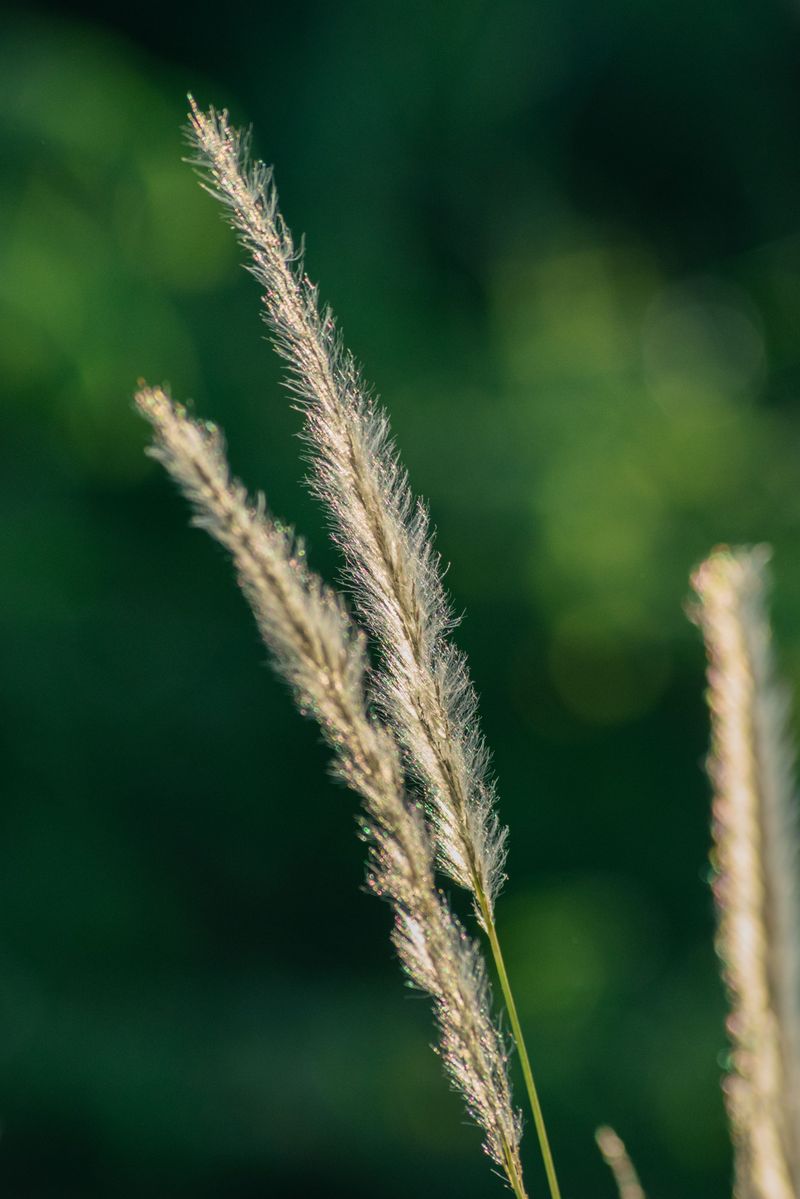
Year two is when Karl Foerster Feather Reed Grass starts to feel like a gift. The work is minimal, but the reward keeps growing.
Once established, the clump rarely needs fertilizer. The grass draws enough nutrients from average garden soil to stay healthy and produce impressive plumes each season.
Weeding around the base is simple because the dense growth shades out most competitors. Fewer weeds mean less time on your knees pulling things out.
Watering becomes almost optional after the first full growing season. Established plants handle dry stretches that would stress many popular garden perennials.
The one annual task that matters is cutting the grass back in late winter. A sharp pair of hedge shears and about ten minutes is all the job requires.
Cut the clump down to about four to six inches before new growth emerges. Timing it right keeps the plant looking tidy as spring growth begins.
Division is rarely needed in the early years. Unlike some perennials that require splitting every couple of seasons, Karl Foerster is content to grow undisturbed for years.
When clumps do get too large after several years, dividing them in spring is straightforward. Each division becomes a new plant, which means free plants for other parts of the yard.
No pesticides, no special soil treatments, no seasonal fussing required. This grass genuinely lives up to its low-maintenance reputation.
For busy gardeners, that kind of independence is not just convenient. It makes a real difference in how enjoyable the hobby becomes.
A Simple Guide To Growing Feather Reed Grass
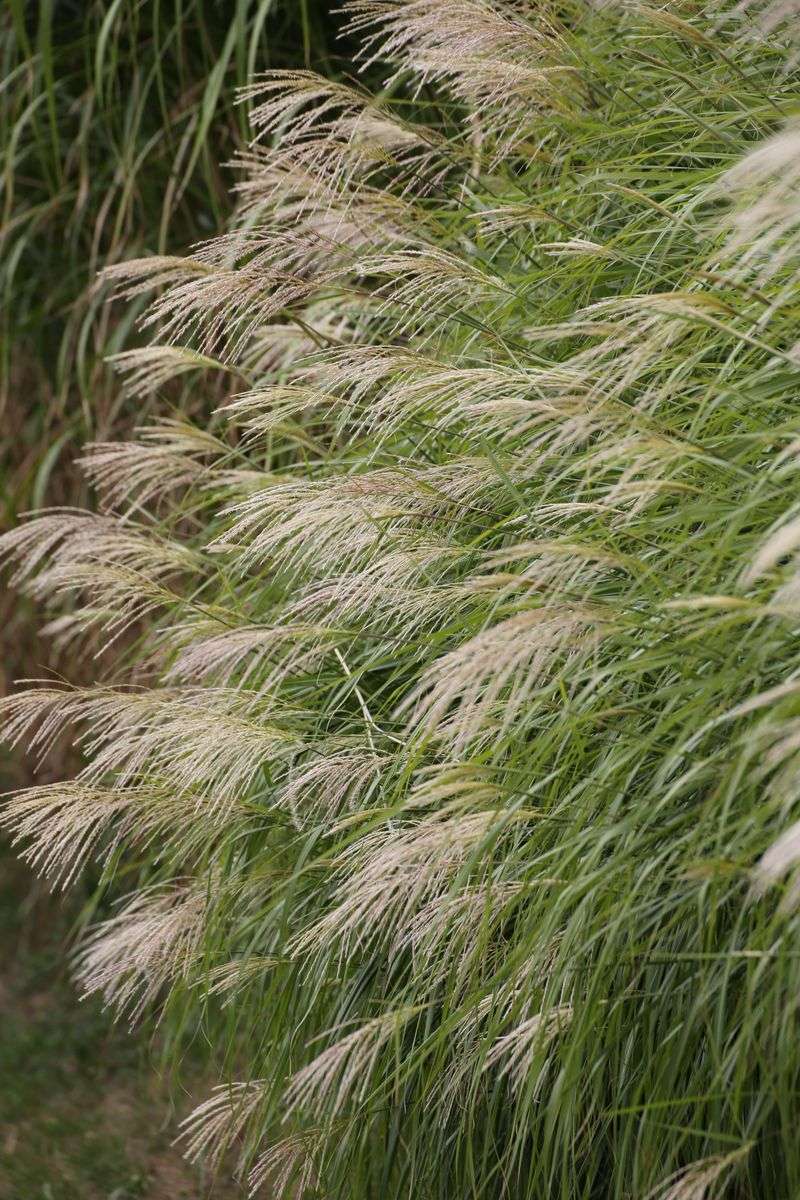
Getting started with Karl Foerster Feather Reed Grass is easier than most people expect. A few basic steps set the plant up for long-term success.
Choose a location that receives full sun for best results. The grass tolerates partial shade but produces fewer plumes and may lean toward light sources over time.
Dig a hole roughly twice the width of the root ball. Loosening the surrounding soil encourages roots to spread outward quickly after planting.
Place the crown of the plant at soil level, not buried too deep. Planting too deep is one of the most common mistakes with ornamental grasses.
Water thoroughly after planting, then keep the soil consistently moist for the first four to six weeks. This early attention helps roots anchor before summer heat arrives.
Spread two to three inches of mulch around the base to retain moisture. Mulch also suppresses weeds and keeps soil temperatures more stable during summer heat spikes.
Avoid planting in deep shade or in spots where standing water collects for days at a time. Those two conditions are the main situations where this grass underperforms.
Fertilizing lightly in early spring with a balanced slow-release formula can boost early growth. Avoid heavy nitrogen applications, which encourage floppy stems instead of strong upright growth.
Mark the planting spot clearly so you do not accidentally cut it back too hard in fall cleanup. New gardeners sometimes mistake dormant clumps for dead plants.
Low-maintenance grass starts with smart planting choices from day one. Nail the basics, and Karl Foerster Feather Reed Grass will reward you for years to come.