Removing This One Plant Type Cuts Snake Sightings In Florida Yards
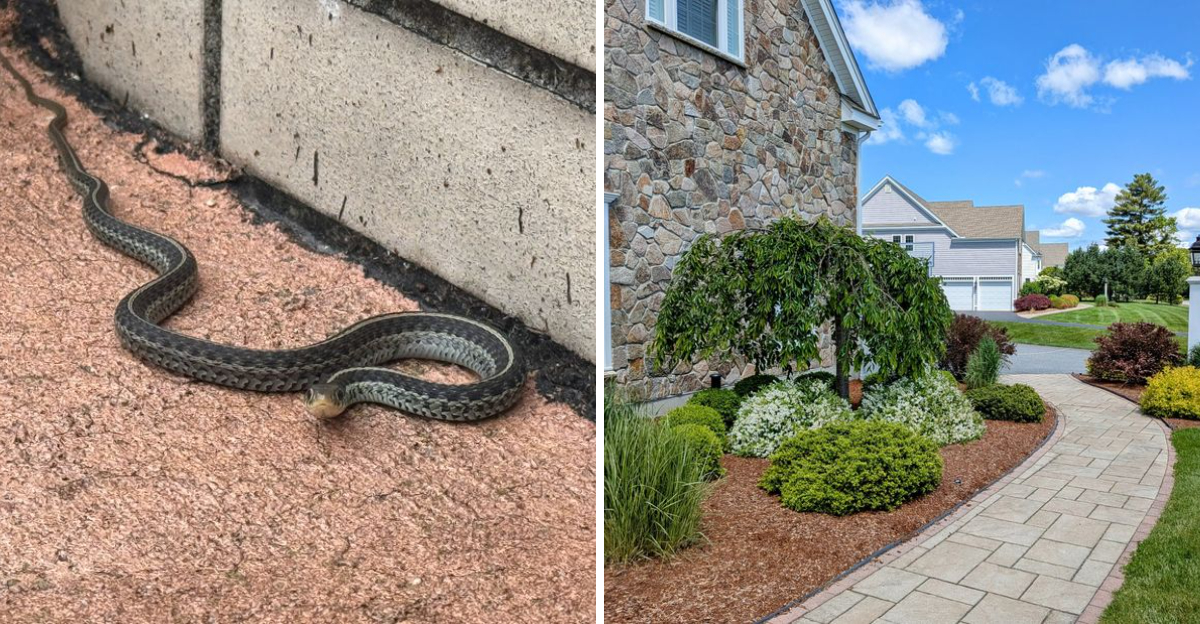
Florida snake sightings follow a pattern that most homeowners never examine closely enough to act on. The snake appears, the reaction happens, and nothing changes about the yard that made the appearance possible in the first place.
The next sighting arrives on a similar schedule. One plant type is doing more work to attract snakes to Florida yards than almost anything else in the landscape.
Not because snakes eat the plant. Because of what the plant creates at ground level.
The cover, the warmth, the prey habitat that makes a yard worth patrolling after dark. Remove it, or relocate it away from the house, and the snake activity around the property changes in ways that become noticeable within a season.
The plant type is common. It shows up in most Florida yards without anyone questioning what it is quietly providing to the wildlife moving through after sunset.
1. Thick Groundcover Gives Snakes Somewhere To Disappear
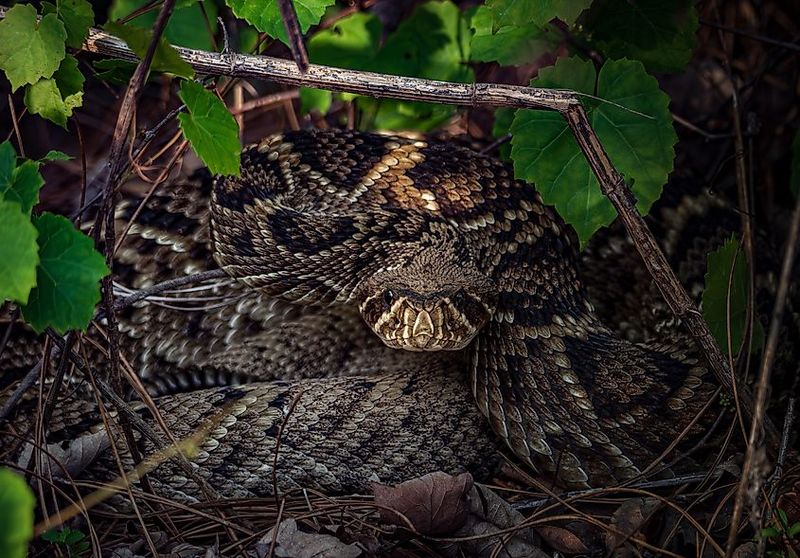
Most people never see the snake itself. They see the leaves move, and then nothing.
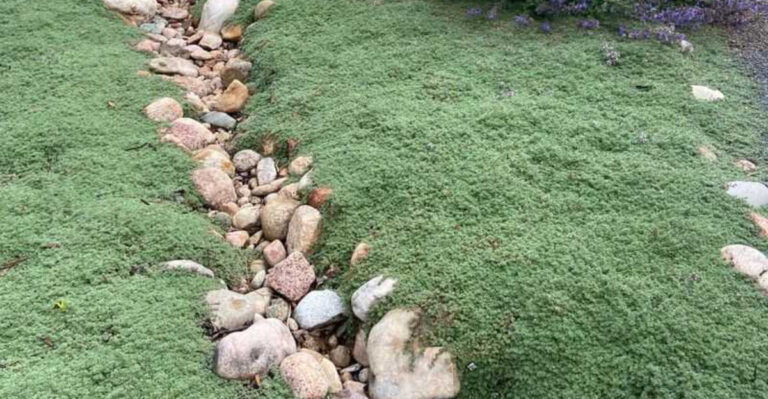
Dense groundcover creates a layered tangle of stems and foliage so close to the ground that a snake can slip beneath it and vanish almost instantly.
The plant does not summon wildlife from somewhere else. Animals already present in the yard simply find the shelter convenient.
A thick, unbroken mat of low vegetation near a door, patio, or play area is much more concerning than a habitat bed far from the house.
Concealment is the core issue here. When a planting becomes so dense that you cannot see the soil beneath it, you also lose the ability to inspect what might be resting inside.
That loss of visibility near high-use zones is what creates the uneasy feeling many Florida homeowners describe.
One practical way to assess whether a bed has become too dense is to stand at its edge and try to see the ground. If the soil surface is completely hidden, the planting has likely grown too dense to inspect easily.
You should be able to follow at least some clear line of sight through the stems. That is a reasonable signal that thinning deserves attention, especially in spots within a few feet of your most-used entry points.
2. A Solid Green Carpet Makes Movement Harder To Spot
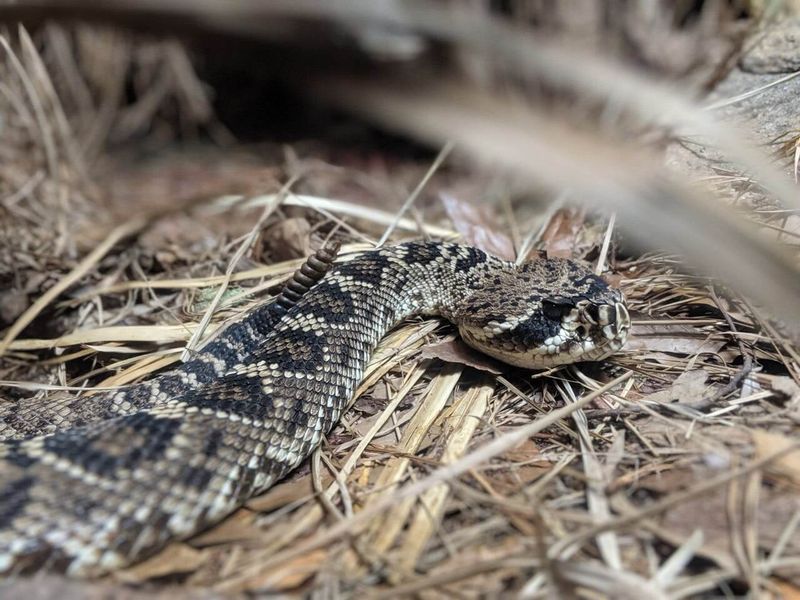
Visibility is the real subject of this section, and it is worth separating from the general idea of concealment. A tightly woven carpet of vines or spreading plants can completely hide the ground surface.
Movement underneath may register only as a slight ripple in the leaves.
Many Florida homeowners report noticing a snake only after it has already left the bed and is crossing an open surface. By that point, the animal has already passed through the area undetected.
Contrasting that with a planting where soil and lower stems remain partly visible makes the difference clear.
Bare soil everywhere is not the goal. Groundcover serves real purposes in a landscape, including erosion control and moisture retention.
The practical aim is breaking up one continuous impenetrable mass into smaller defined sections with visible gaps between them.
Your Florida Garden Changes Every Week. Your Plan Should Too.
Gardening in Florida changes quickly throughout the season. Every Friday you’ll receive a simple weekly plan showing exactly what to plant, prune, fertilize, harvest, and protect so you never miss the right timing.
Thinning, edging along defined borders, and separating spreading plants into distinct clumps can all improve sightlines without requiring you to remove everything. When a gardener can look across a bed and see patches of soil or mulch between plant clusters, movement becomes much easier to notice.
That shift in visibility near patios and walkways is what makes the difference in day-to-day awareness around the yard.
3. Foundation Beds Put That Cover Right Beside The House
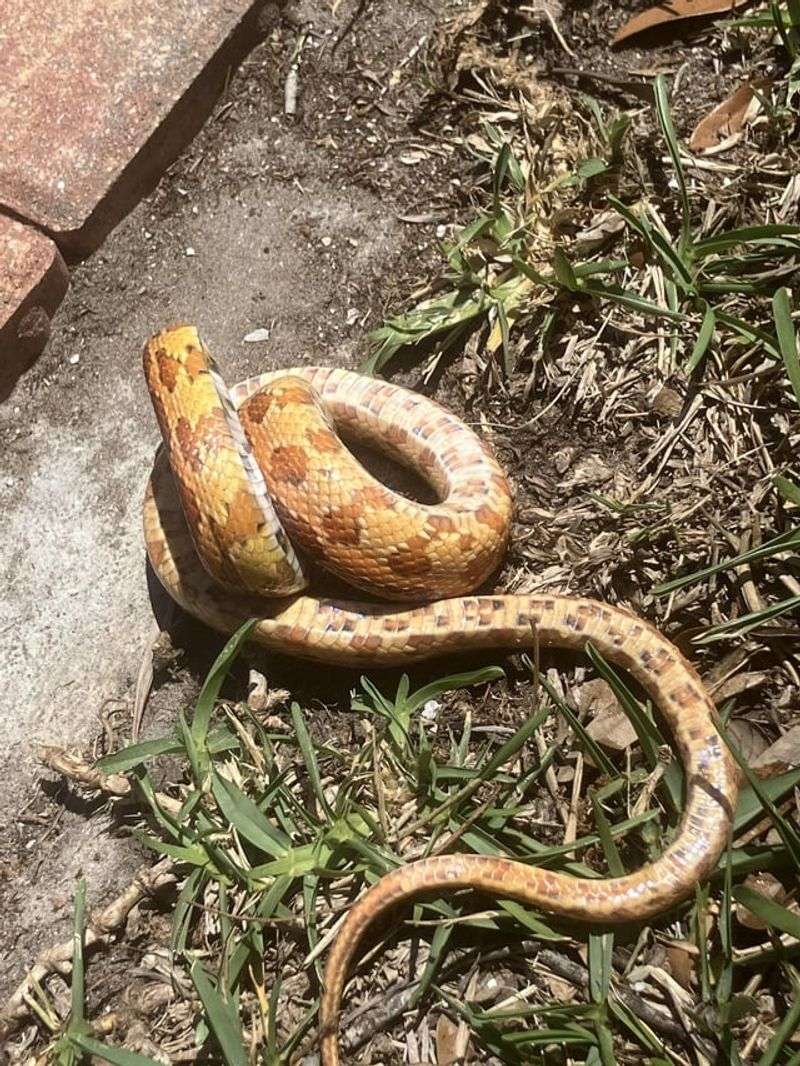
Location changes everything when it comes to dense vegetation and wildlife encounters. A thick planting bed far from the house presents one situation.
The same planting pressed against a foundation wall beside your garage door creates a very different one.
Buildings introduce additional factors that can make these spots more active. Gaps in siding, weep holes, spaces under utility boxes, and areas around pipes can provide entry points for small animals.
Stored items like garden equipment, pots, or boards near the wall can also create additional sheltered spaces. When dense groundcover sits directly beside all of that, inspection becomes much harder.
UF/IFAS and the Florida Fish and Wildlife Conservation Commission both recommend keeping areas around structures less cluttered and easier to inspect. This can help reduce unwanted wildlife encounters.
Reducing the density of cover beside a wall makes it easier to see what is near the foundation without getting uncomfortably close.
Sealing structural entry points is a separate but complementary step worth taking on its own schedule. The focus here stays on the groundcover itself and where it sits.
Moving or thinning dense plantings closest to doors, porches, and utility areas is a practical starting point that does not require redesigning the entire yard at once.
4. Rodents And Frogs Can Make Dense Plantings Even More Useful
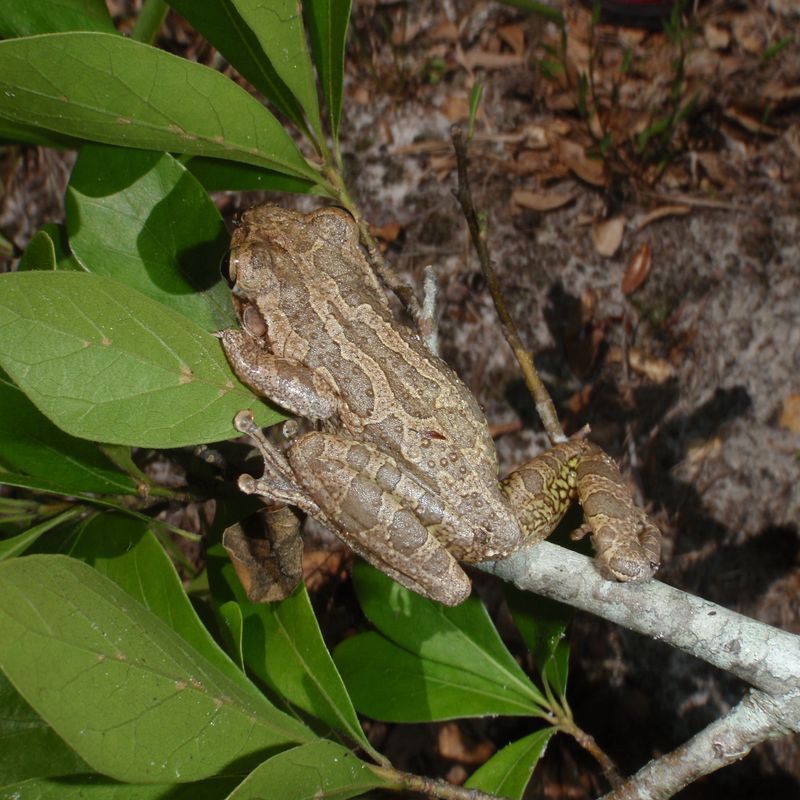
Plants alone are not what makes a dense bed appealing to wildlife. The animals that live or feed there play a much bigger role.
Many snake species eat rodents, frogs, lizards, and insects, and the specific prey depends on the species.
Dense, moist vegetation can shelter some of those same animals. A thick groundcover bed that stays cool and damp provides reasonable cover for small frogs and lizards.
If the yard also has spilled birdseed near a feeder, accessible pet food, or a shallow water source nearby, rodent activity around those spots may increase as well.
Reducing prey attractants can matter just as much as altering the vegetation itself. Store birdseed in sealed containers and bring pet food inside at night.
Addressing standing water can also reduce small-animal activity near the house. Fewer small animals in a given area can make that area less useful as a foraging spot for a range of wildlife.
None of this means groundcover always creates a rodent problem. The connection is indirect and depends heavily on what else is happening in and around the yard.
The practical takeaway is that vegetation changes and prey management work better together than either one does alone. Addressing both gives you a more complete picture of what is drawing activity to a specific area.
5. Asiatic Jasmine Shows How Quickly Cover Can Become Impenetrable
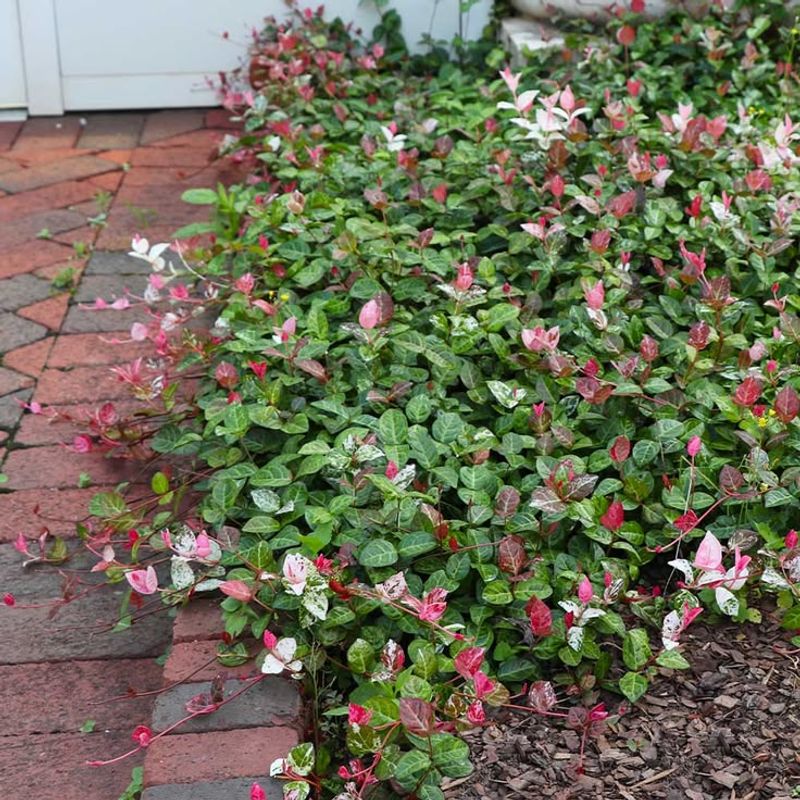
Asiatic jasmine is one of the most widely used groundcovers in Florida warm-climate landscapes. UF/IFAS recognizes it as a vigorous, low-maintenance option that spreads readily once established.
Those same qualities that make it popular in the nursery trade are exactly what can make it challenging to manage over time.
Left unchecked near high-use areas, a healthy mat of Asiatic jasmine can become extremely dense. The intertwining stems build up into a thick layer that eventually hides the soil surface entirely.
At that stage, inspecting what is beneath the planting from a standing position becomes very difficult.
Calling Asiatic jasmine a snake attractant would be inaccurate. The plant itself does not draw wildlife.
The density it achieves when left unmanaged near a door or walkway is the relevant factor, and that is a characteristic it shares with many other vigorous groundcovers.
In a location farther from the house, the same plant may be perfectly appropriate and useful. The question is always about placement and management, not the species itself.
Several options can improve visibility. Edge the border regularly, thin sections that are too dense to see through, or replace thick growth near frequently used paths with a lower-density alternative.
The same logic applies to any groundcover that has grown beyond what you can comfortably inspect from the outside edge.
6. Opening The Bed Breaks Up The Continuous Hiding Space
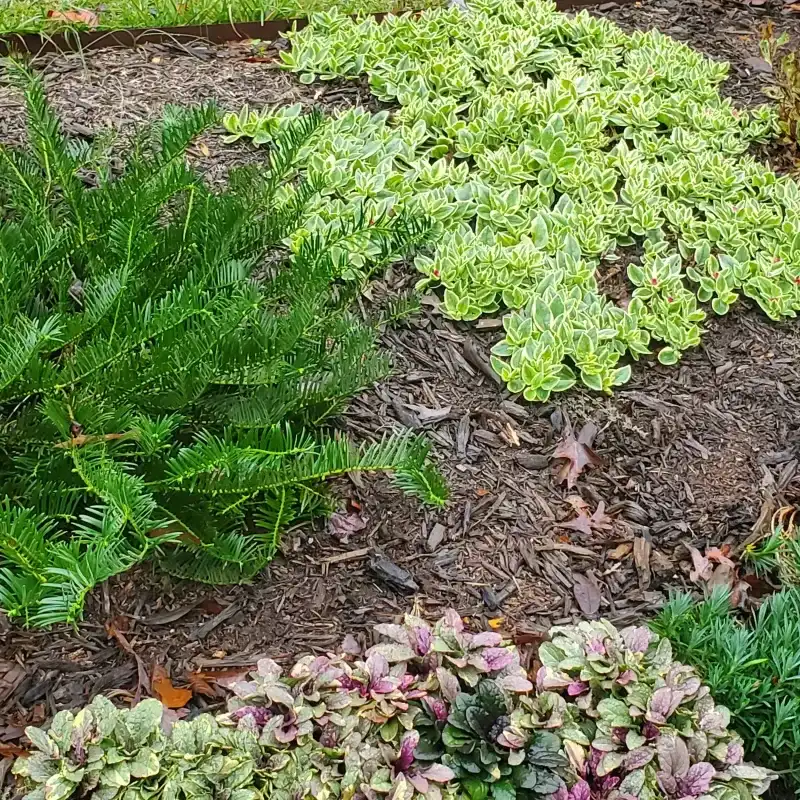
Removing every plant in a bed is rarely the most practical or necessary approach. Thinning is often a better starting point, and it can make a meaningful difference in how inspectable a planting becomes without requiring a full landscape overhaul.
Selective removal means pulling or cutting sections of groundcover to create visible gaps between plant clusters. When stems and soil become partially visible again, movement through the bed becomes easier to notice from the outside.
Edging along defined borders and separating one continuous spreading mass into smaller clumps achieves a similar result with less effort than starting over.
Preserve landscaping where it serves a purpose and does not create a visibility problem. A bed that sits well away from doors and paths and remains manageable in size can stay largely as it is.
The priority is the dense cover closest to your most-used spaces.
Always use gloves for routine gardening work in and around dense plantings. Do not reach blindly into thick vegetation, and avoid trying to flush animals out of a bed by disturbing it aggressively.
If you notice an unidentified animal inside the planting, give it space and allow it to move on its own. Gradual redesign over a season or two is more manageable than clearing an entire landscape at once.
It also gives you time to evaluate which areas need the most attention.
7. A Clearer Strip Along Walls Makes Surprise Encounters Less Likely
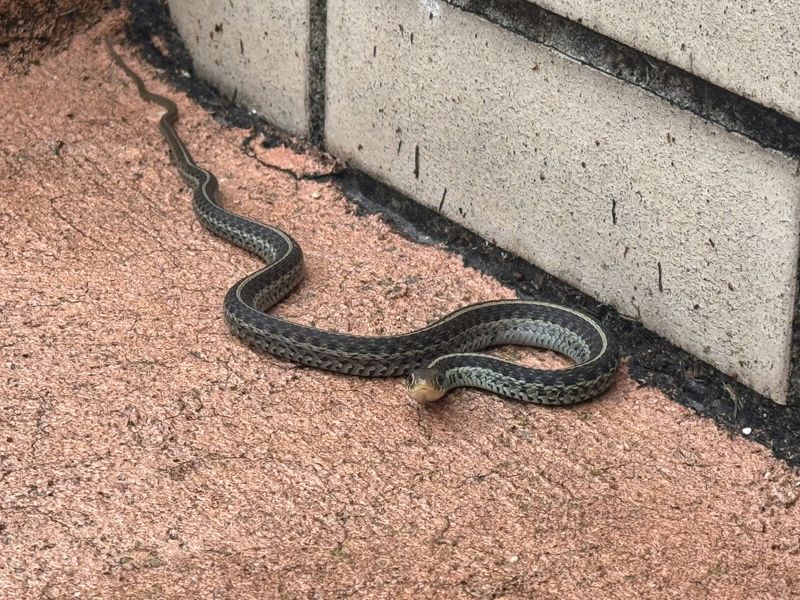
The zone where landscaping meets a structure deserves special attention. An open, easily inspected strip along a wall means that anything moving through that space is visible from a normal standing position.
That shift in sightlines reduces the chance of a surprise encounter when you step outside or approach a utility area.
Mulch depth, stored pots, stacked boards, and accumulated leaf piles can all recreate the kind of sheltered space that dense groundcover provides. Keeping that strip clear of clutter matters as much as managing the plants themselves.
The FWC recommends removing accumulated debris and keeping grass trimmed near structures as part of general wildlife awareness around the home.
A clear strip is not a barrier of any kind. Wildlife can cross open ground without difficulty.
The objective is visibility and reduced shelter, not an impassable boundary. An open area beside the wall is easier and more comfortable to scan.
That is preferable to wondering what might be resting beneath a thick planting you cannot see through.
Entrances, utility boxes, air conditioning pads, and frequently used walkways are the spots that benefit most from this kind of attention. Keep those specific zones open and well-maintained to preserve clear sightlines.
These are the places where you are most likely to move around without closely checking what might be nearby.
8. Less Cover Near The House Can Change Where Snakes Spend Their Time
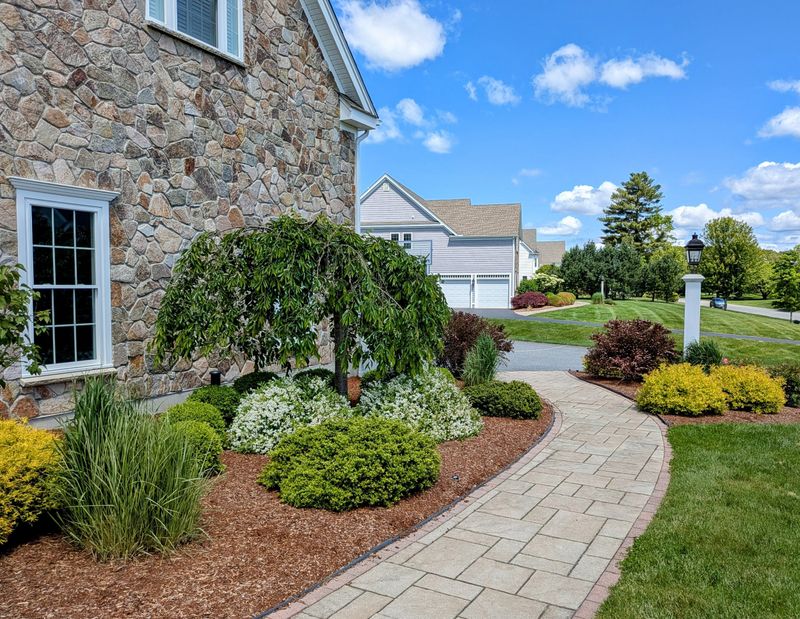
Habitat changes do not eliminate wildlife from a property. What they can do is make certain spots less useful for shelter, which may shift where animals spend their time.
A foundation bed that has been thinned and cleared of debris offers less cover than before. That difference can affect daily patterns of wildlife activity near the house.
Yards near wetlands, ponds, canals, or wooded areas will still receive occasional visitors regardless of what you do with the landscaping. That is a realistic expectation for most residential properties in warm, humid regions.
Wildlife-friendly habitat farther from the house, where space allows, can remain largely undisturbed.
The full strategy pulls several steps together. Several steps contribute to the same goal.
Thin dense vegetation near high-use zones, reduce prey attractants, clean up debris, and address structural gaps around the foundation. No single step is a complete solution on its own.
If you encounter an unidentified snake anywhere on the property, give it space. Do not attempt to handle, corner, or chase it.
Most species will move on without any intervention if they are not threatened. The realistic goal of everything described in this article is fewer surprise encounters near the home, not the removal of snakes from the broader landscape.
That balance respects both the homeowner’s comfort and the role these animals play in a healthy yard ecosystem.