Why Are Your Oregon Hydrangea Leaves Scorching In This Heat?
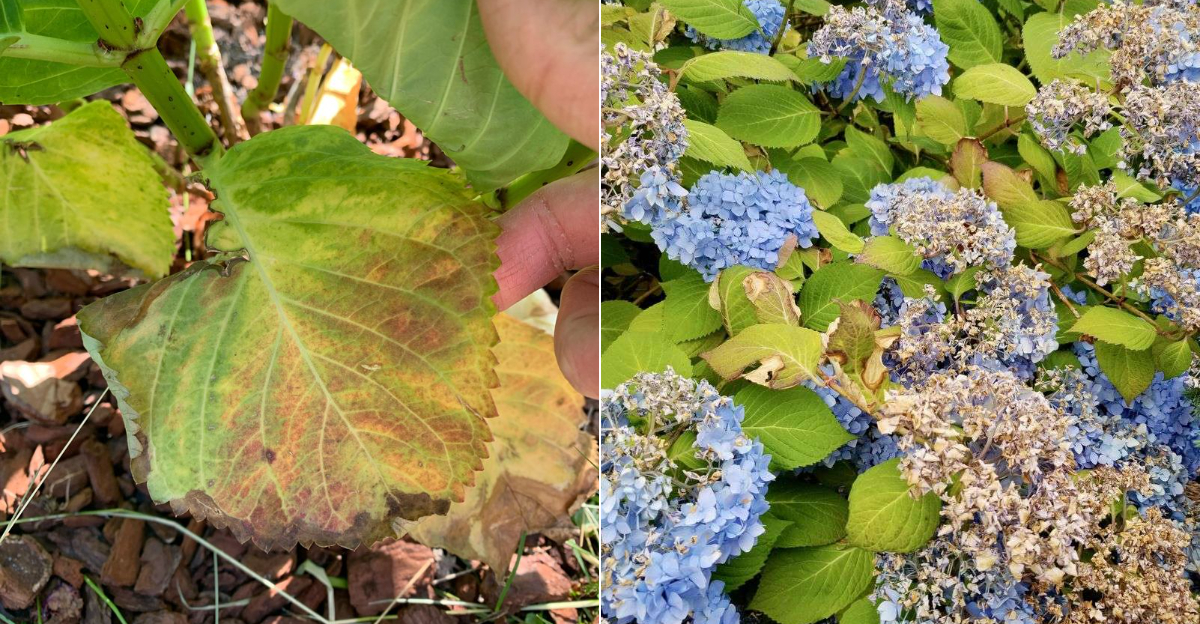
Hydrangea leaves can go from lush to crispy surprisingly fast when an Oregon heat spell settles in.
The first signs may show up along the edges, then spread inward as the plant struggles to keep pace with intense afternoon sun and rising moisture loss.
What makes the damage confusing is that scorched leaves do not always point to the same problem.
A plant may be getting enough water overall but still lose more moisture than its roots can replace during the hottest part of the day.
Exposure also matters, especially in spots that receive reflected heat or strong western sun.
Once those brown patches appear, they will not turn green again, so the real goal is protecting the healthy foliage that remains.
A few changes in timing and placement can make a noticeable difference while the heat lasts.
1. Afternoon Sun Burning Tender Leaves Fast
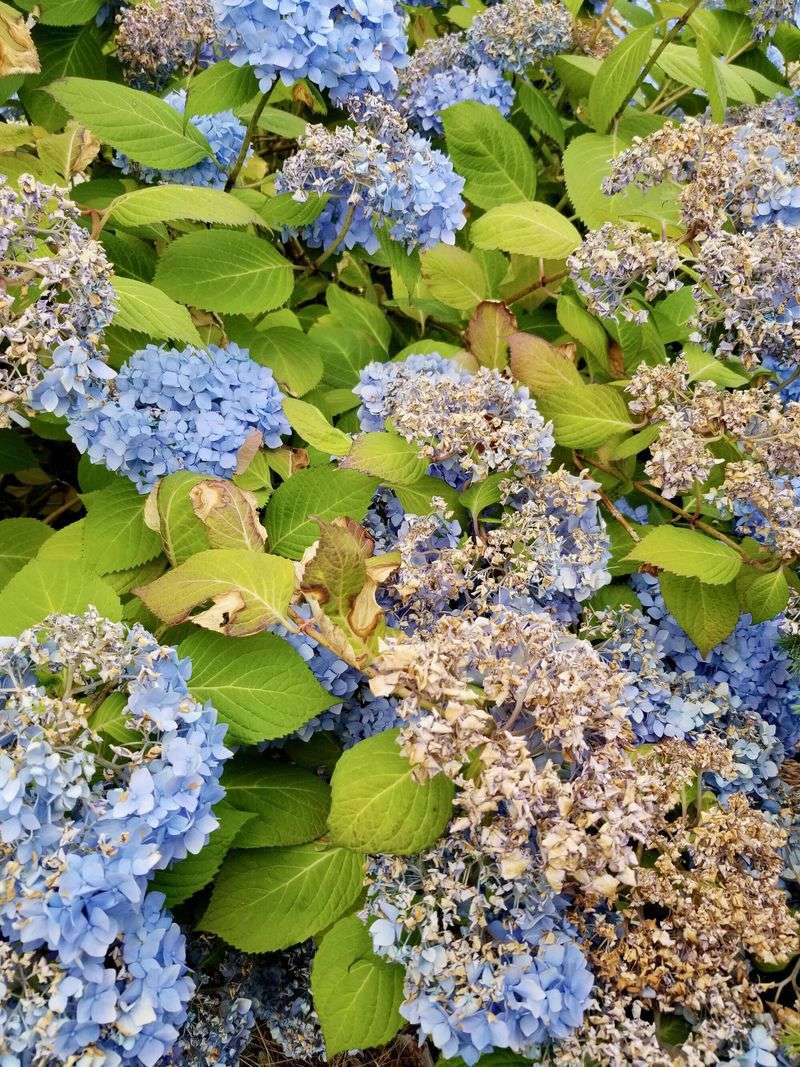
Most people do not realize that the sun between noon and 4 p.m. is the harshest part of the day. During those hours, the light is most direct, and the heat it carries is intense enough to damage tender plant tissue quickly.
Hydrangea leaves are wide and thin, which makes them especially vulnerable.
When afternoon sun hits those leaves for several hours straight, the cells inside start to break down. The leaf cannot move water to its surface fast enough to cool itself down.
The result is a brown, papery patch that starts at the tip or edge and spreads inward over time.
Many gardeners plant hydrangeas in spots that seem shady in spring but become full-sun zones by midsummer. Trees leaf out differently, shadows shift, and suddenly your plant is getting way more sun than you planned.
Walk through your yard around 2 p.m. and check exactly how much direct light your hydrangeas are receiving.
If they are sitting in full afternoon sun, consider adding a shade cloth or moving nearby containers to block some light. Even a light canopy of taller plants nearby can make a big difference.
Morning sun is fine and actually encourages blooming. Afternoon sun, especially in a hot Oregon summer, is where the real damage happens.
Blocking just a few hours of that intense midday exposure can stop new scorch from forming and give your plant a real chance to recover.
2. Dry Roots Making Scorch Show Up Even Quicker
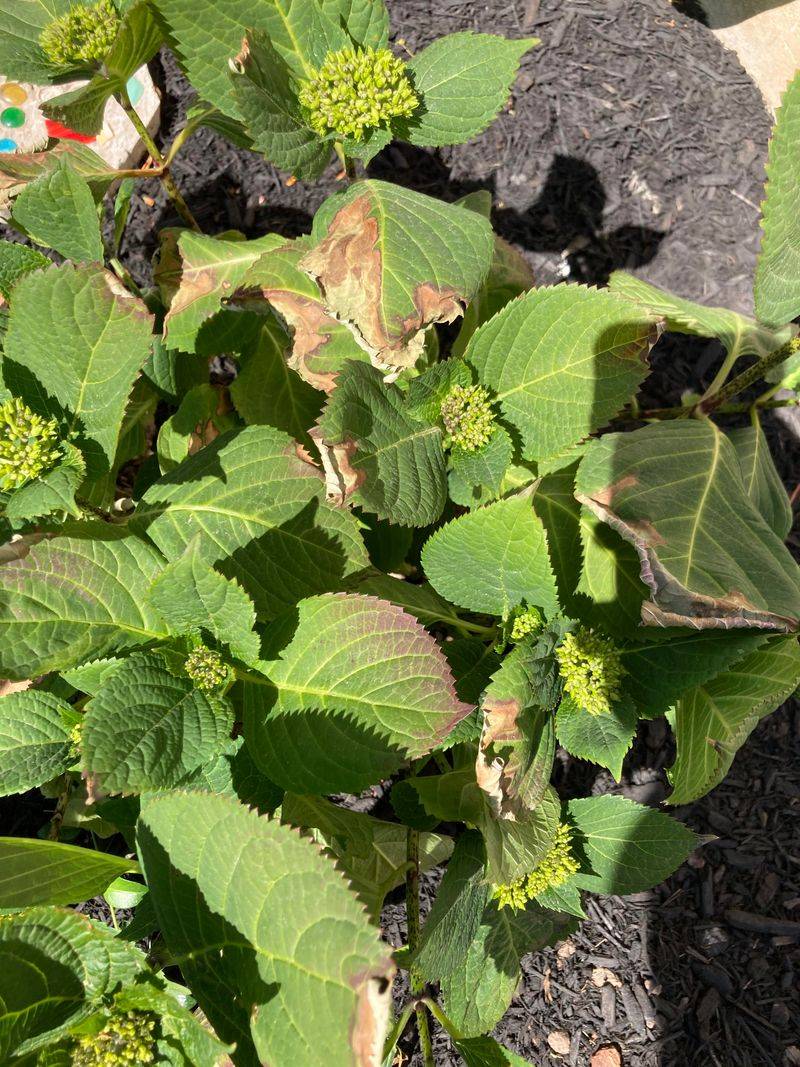
Roots are the lifeline of any plant. When they are dry, the whole plant suffers fast.
Hydrangeas need consistent moisture at their roots to keep their leaves hydrated, especially during hot weather. Without enough water underground, those big leaves have nothing to pull from.
When the soil dries out completely between waterings, the plant starts pulling moisture from its own leaves to survive. That internal stress shows up quickly as brown edges and curling foliage.
The scorch can look just like sun damage, but the real problem is happening underground where no one can see it.
Checking soil moisture before watering is a smart habit to build. Push your finger about two inches into the soil near the base of the plant.
Your Oregon Garden Changes Every Week. Your Plan Should Too.
Gardening in Oregon changes quickly throughout the season. Every Friday you’ll receive a simple weekly plan showing exactly what to plant, prune, fertilize, harvest, and protect so you never miss the right timing.
If it feels dry at that depth, the plant needs water right away. If it still feels slightly damp, you can wait another day.
During hot spells, hydrangeas in the ground may need watering every day or every other day. Sandy soils drain fast and dry out even faster, so those gardens need more frequent attention.
Clay soils hold moisture longer but can also crack on the surface, which is misleading. A cracked surface does not always mean the deeper soil is dry, but with hydrangeas, it is better to check and be sure.
Keeping roots consistently moist is one of the most effective ways to reduce scorch and keep foliage looking healthy all summer long.
3. Hot Wind Pulling Moisture Straight From The Foliage
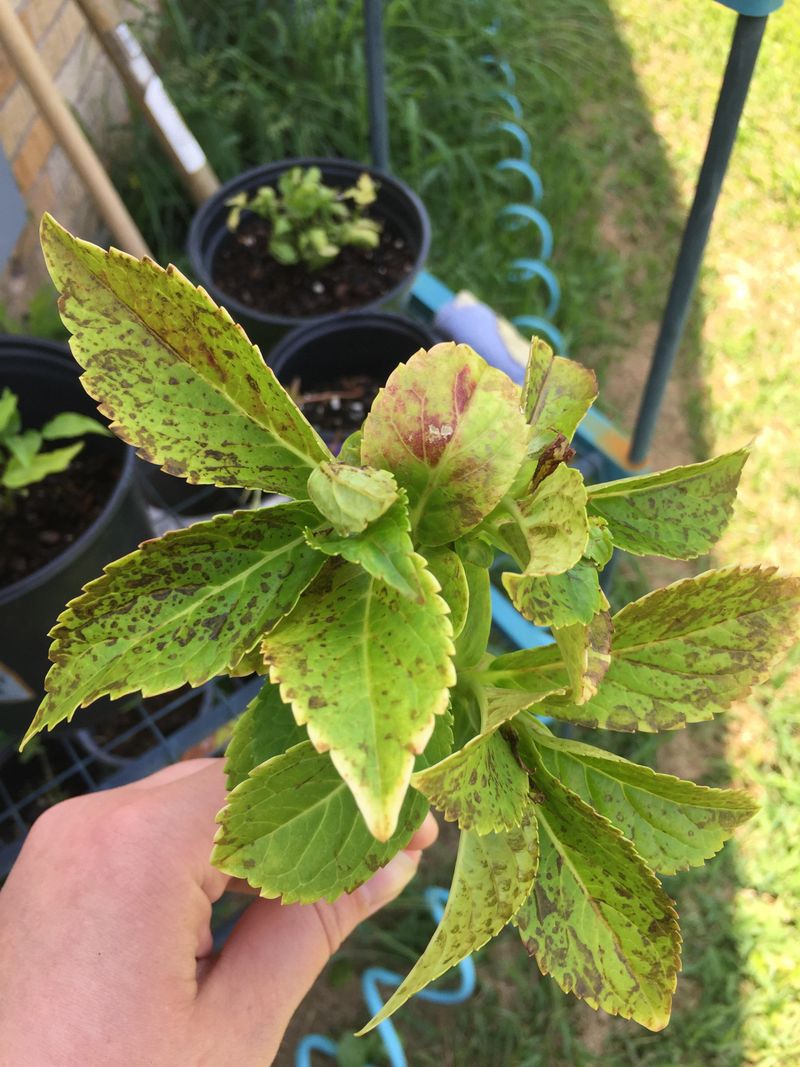
Wind is often overlooked as a cause of plant stress, but it plays a big role in how fast leaves dry out. Hot, dry wind pulls moisture directly from leaf surfaces through a process called transpiration.
On a windy summer day, a hydrangea can lose water faster than almost any other condition.
The damage from wind looks a lot like sun scorch. Leaf edges turn brown, tips curl under, and the whole plant can look stressed even if the soil is moist.
That is because the roots simply cannot keep up with how fast the wind is pulling water out through the leaves.
Fences, hedges, and garden walls can all serve as windbreaks and make a surprising difference.
Even placing large containers or a row of taller plants on the windward side of your hydrangeas can slow the airflow enough to reduce moisture loss.It does not take a full barrier to help.
If your hydrangeas are in a particularly exposed spot in the yard, this might be contributing more to the scorch than anything else. Watch how the wind moves through your garden on a hot afternoon.
If you can feel it hitting the plants consistently, that is a sign to act. Adding a simple windbreak or relocating container plants to a more sheltered area can reduce leaf stress significantly.
Protecting foliage from wind is just as valuable as managing sun and water during a heat wave.
4. Shallow Watering Leaving Hydrangeas Thirsty Below
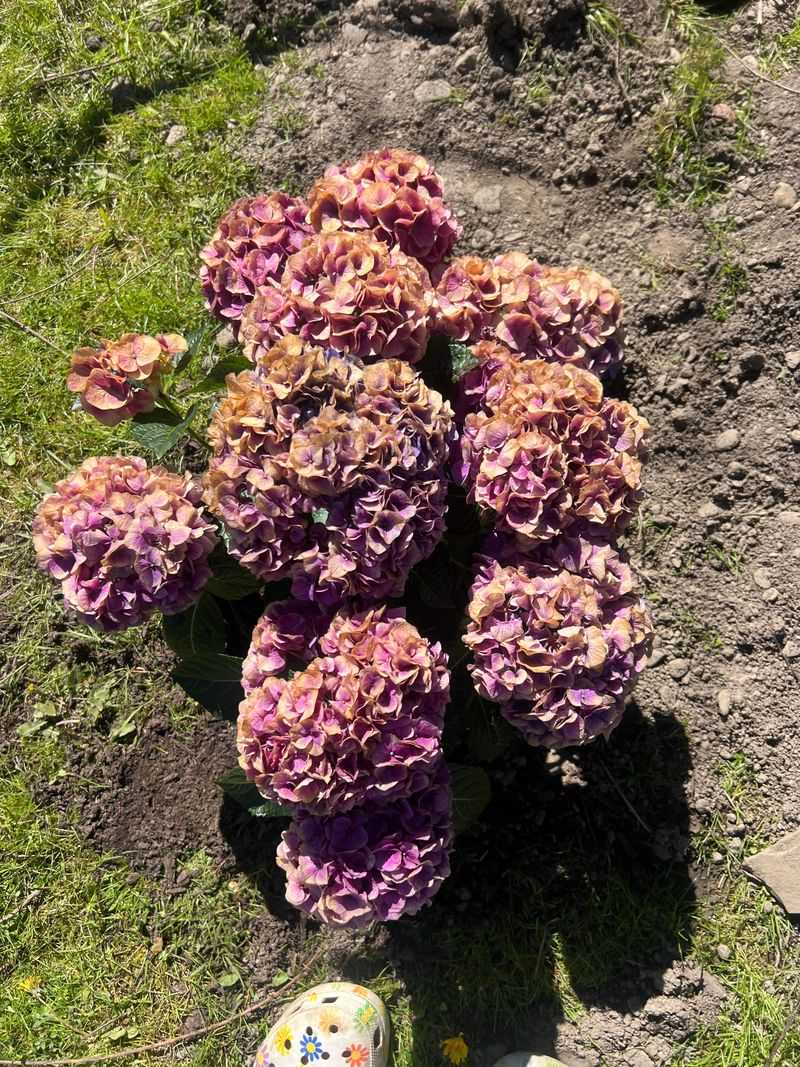
Watering every day does not always mean your plant is getting enough. If you are only wetting the top inch or two of soil, the deeper roots are still completely dry.
Hydrangeas have roots that reach several inches down, and those lower roots need moisture too.
Shallow watering actually trains roots to stay near the surface, which makes the plant even more vulnerable to heat. Surface soil dries out the fastest, so roots living near the top are constantly at risk during hot weather.
Deep, thorough watering encourages roots to grow downward where the soil stays cooler and holds moisture longer.
A good rule of thumb is to water slowly and deeply, letting the water soak in rather than running off. Use a soaker hose or hold your garden hose at the base of the plant for a full minute or two.
You want the water to reach at least six inches down into the soil.
After watering, check the depth by using a wooden skewer or your finger. If the moisture only goes two inches down, you need to water longer.
Doing this a few times will help you figure out exactly how long it takes to deeply hydrate your specific soil type. Heavy clay soil absorbs water slowly and needs longer, gentler watering sessions.
Loamy or sandy soil absorbs quickly but drains fast too. Adjusting your technique to your soil type is key to making sure your hydrangeas are truly getting the water they need below the surface.
5. Mulch Missing When The Soil Needs It Most
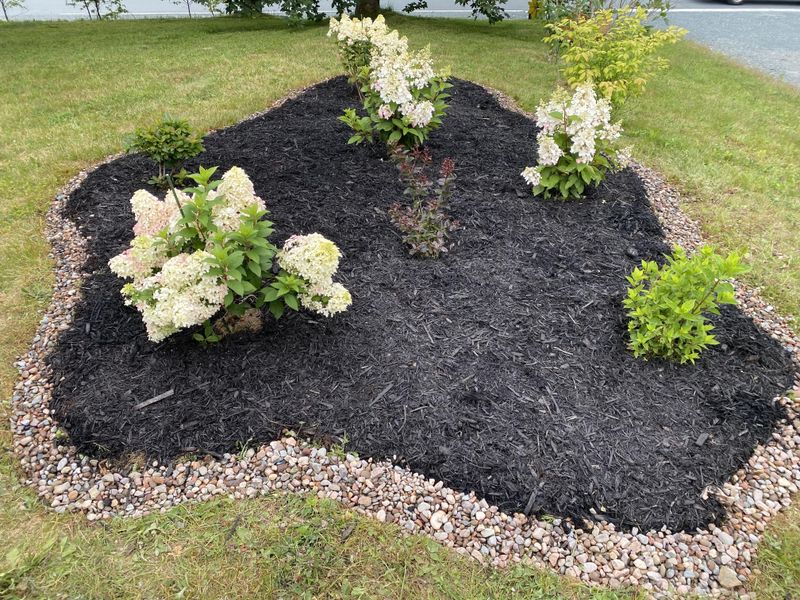
Bare soil bakes in the sun. On a hot summer day, uncovered ground can reach temperatures that are damaging to plant roots and harmful to the beneficial organisms living in the soil.
Mulch acts like a blanket, keeping the soil underneath cool and moist even when the air above is scorching.
A layer of mulch around your hydrangeas can reduce soil temperature by 10 degrees or more. It also slows evaporation dramatically, which means the soil stays moist much longer between waterings.
Without it, water you apply in the morning may be mostly gone by afternoon.
Wood chips, shredded bark, straw, and even grass clippings all work well as mulch. Spread a layer two to three inches thick around the base of the plant, keeping it a few inches away from the main stem to avoid rot.
The mulch should extend out to roughly the edge of the plant’s canopy.
Many gardeners skip mulching because they do not think it makes much of a difference, but during a hot Oregon summer, it can be one of the most effective things you do for your plants.
Mulch also breaks down over time and improves soil quality, which helps roots grow stronger and deeper.
If your hydrangeas are showing signs of heat stress and the soil around them is bare, adding mulch right now is a quick, low-cost fix that can slow down scorch and protect your plants through the rest of the hot season.
6. Potted Hydrangeas Heating Up Much Faster
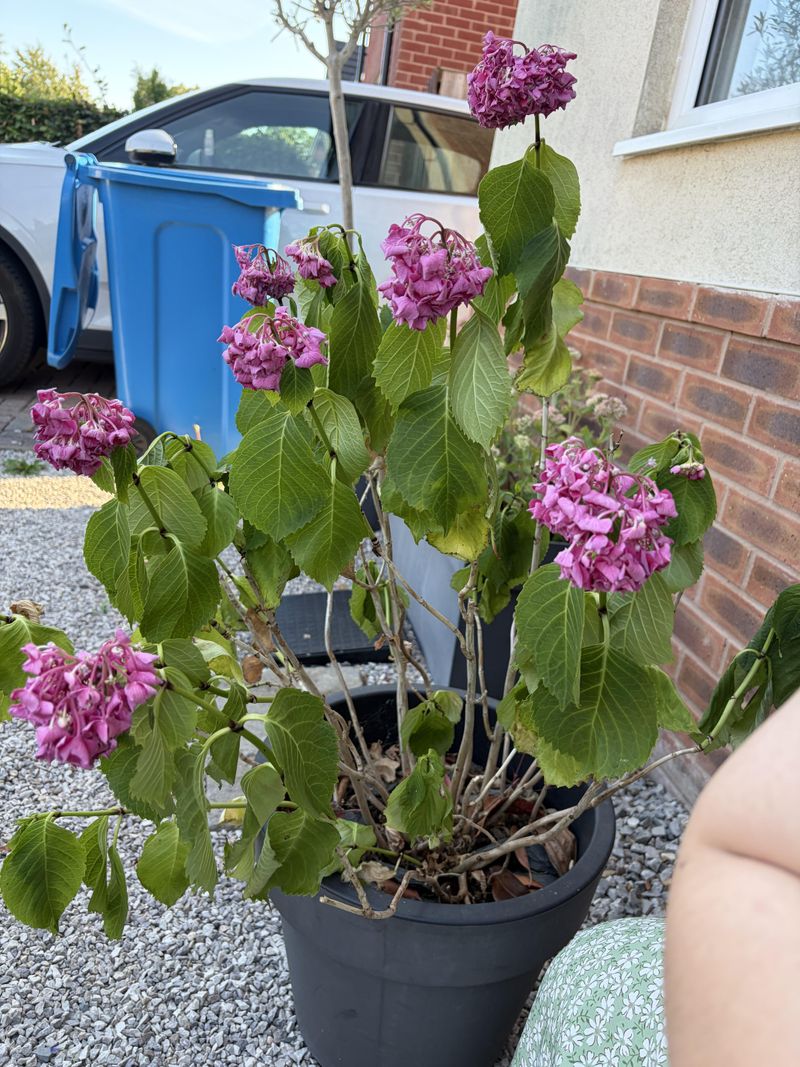
Container plants have a much harder time in hot weather than plants growing in the ground. The soil volume in a pot is limited, and it heats up fast when the container sits in direct sun.
Dark-colored pots absorb even more heat and can get extremely hot to the touch on a summer afternoon.
When the soil inside a pot gets hot, it dries out much faster than garden soil. A potted hydrangea might need watering twice a day during a heat wave.
Even if you watered in the morning, the pot could be bone dry by early afternoon. Roots sitting in hot, dry soil show their stress almost immediately through wilting and leaf scorch.
Moving containers to a shadier spot during the hottest weeks is one of the simplest fixes. A north-facing porch, a spot under a tree, or even the east side of your house can give potted plants the break they need.
Morning sun is gentler and will not cause the same level of stress as afternoon exposure.
Switching to a lighter-colored pot or wrapping a dark pot in burlap can also help reduce heat absorption.
Grouping multiple containers together helps too, since plants shade each other and the soil around them stays a bit cooler.
Placing a saucer of water under the pot can provide a small reservoir of moisture. Potted hydrangeas need more attention than in-ground plants during hot weather, but with a few adjustments, they can get through the summer looking great.
7. Wilted Leaves Not Always Meaning More Water
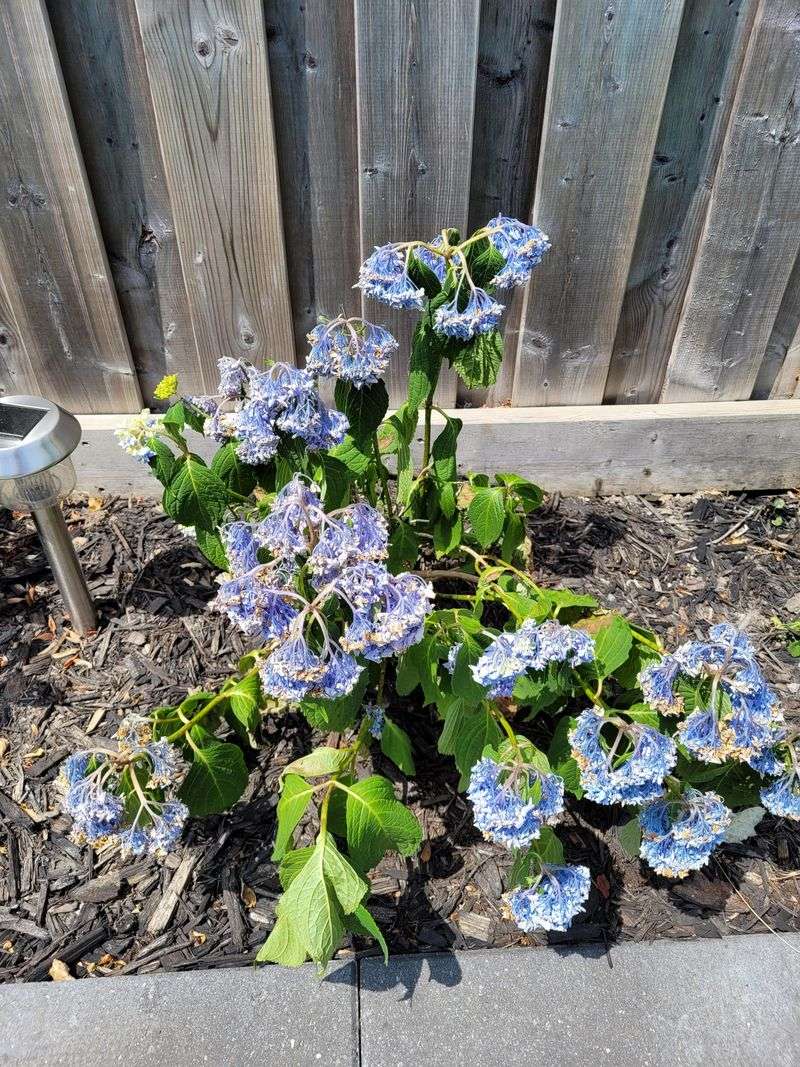
Seeing a hydrangea droop in the middle of a hot afternoon can be alarming. The automatic reaction for most gardeners is to grab the hose.
But wilting during peak heat hours does not always mean the plant is thirsty. Sometimes it is just a temporary response to intense heat.
Hydrangeas naturally wilt a bit during the hottest part of the day as a way to reduce moisture loss. When the leaves hang down, they expose less surface area to direct sun.
It is actually a survival strategy. If the plant perks back up in the evening once temperatures drop, it was heat wilt, not drought stress.
Overwatering is a real problem that can damage roots and make the plant even less able to handle heat. Waterlogged soil pushes out oxygen, and roots in soggy conditions become weak and prone to disease.
A plant with damaged roots cannot move water effectively, which leads to more wilting, not less.
Before watering a wilted hydrangea, check the soil moisture first. If the soil is still moist a couple of inches down, wait until evening and see if the plant recovers on its own.
If it does, you know the issue is heat, not drought. If it stays wilted after the sun goes down and the soil is dry, then it definitely needs water.
Learning to tell the difference between heat wilt and true drought stress can protect your plant from both underwatering and overwatering at the same time.
8. Brown Edges Showing Up Before Bigger Damage
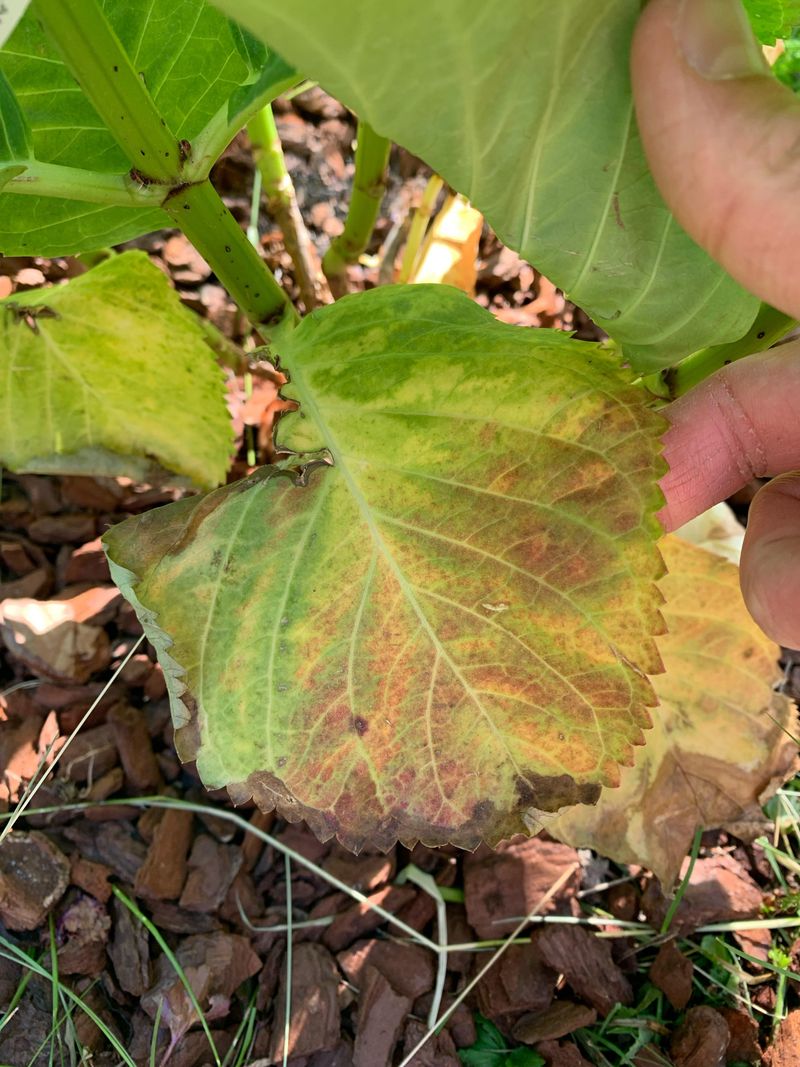
Brown edges on hydrangea leaves are one of the earliest warning signs that something is off.
They might look minor at first, just a little crispiness at the tips, but they are worth paying attention to right away.
Catching the problem early gives you the best chance to stop it from spreading further.
Leaf edges are the last part of a leaf to receive water from the plant’s internal system. When moisture is limited, the edges are the first to suffer.
Brown tips mean the plant is already under enough stress that it cannot fully supply all of its leaf tissue with water.
Once brown edges appear, take a close look at your watering habits, sun exposure, and soil conditions. Are you watering deeply enough?
Is the plant getting too much afternoon sun? Is there any mulch protecting the soil?
Most of the time, one or more of these factors is the root cause.
Trimming off the browned edges with clean scissors can improve the plant’s appearance while it recovers, but it does not fix the underlying problem. Focus on correcting the conditions first.
Increase watering depth, add mulch, and consider temporary shading to stop new scorch from forming. Brown edges that are caught early and treated quickly rarely turn into a more serious problem.
But ignored, the damage can spread across the whole leaf and then move to neighboring leaves, leaving your plant looking thin and stressed by the end of summer.
9. Temporary Shade Helping Plants Through The Worst Heat
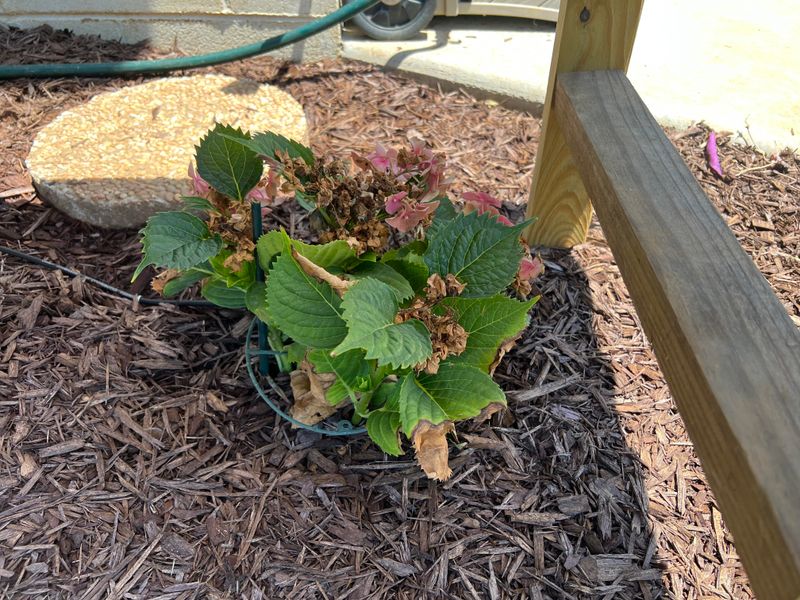
Sometimes the fastest solution to hydrangea heat stress is also the most straightforward one.
Adding temporary shade during the hottest days can stop new scorch from forming almost immediately.
You do not need a permanent structure to make it work.
Shade cloth is one of the easiest tools for this. It comes in different densities, measured by the percentage of light it blocks.
A 30 to 40 percent shade cloth is usually ideal for hydrangeas. It lets in enough light for the plant to photosynthesize while blocking the most damaging rays during peak afternoon hours.
You can drape shade cloth over a simple frame made from garden stakes, or hang it from a fence nearby. Even propping up a beach umbrella or a piece of burlap can help in a pinch.
The goal is to reduce direct sun exposure between noon and 4 p.m., which is when temperatures and sun intensity peak.
In Oregon, heat waves can come on quickly and last several days. Having a shade cloth on hand before extreme heat arrives means you can act fast without scrambling for solutions.
Once temperatures cool back down to normal, you can remove the shade and let your plant get full morning sun again. Temporary shading works especially well when combined with deep watering and a fresh layer of mulch.
Together, these three steps create the best possible environment for your hydrangeas to get through a tough heat wave with minimal leaf damage and a strong recovery ahead.