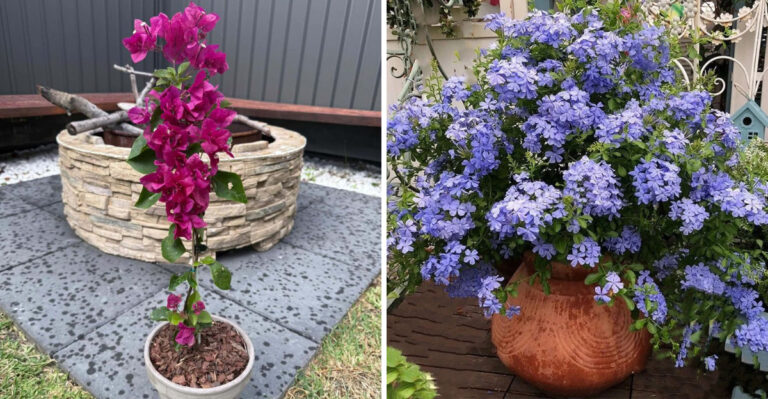
Why August Is A Good Time To Plan New Trees For Arizona Fall Planting
August heat may not make you think about planting trees, and that is exactly why planning ahead matters. The best fall planting decisions often begin before a shovel ever touches the soil.
Use these weeks to figure out which tree actually fits your yard. Mature size, sun exposure, available space, and water needs deserve attention before you bring anything home.
Arizona conditions can make a rushed tree choice especially frustrating later. A species that looks perfect at the nursery may be poorly suited to the spot you have waiting.
Planning now also gives you time to prepare the planting area without rushing through important decisions. You can focus on choosing wisely while summer temperatures are still intense.
When cooler fall weather arrives, you will already know exactly what belongs in your landscape.
1. Compare Tree Options Before Fall Planting Begins
Picking the wrong tree is a costly mistake that takes years to notice. August gives you a full month to research before fall planting season opens up.
Use that time wisely.
Start by listing what you actually need. Do you want shade, privacy, color, or wildlife habitat?
Each goal points to a different group of trees. Knowing your priority narrows the list fast.
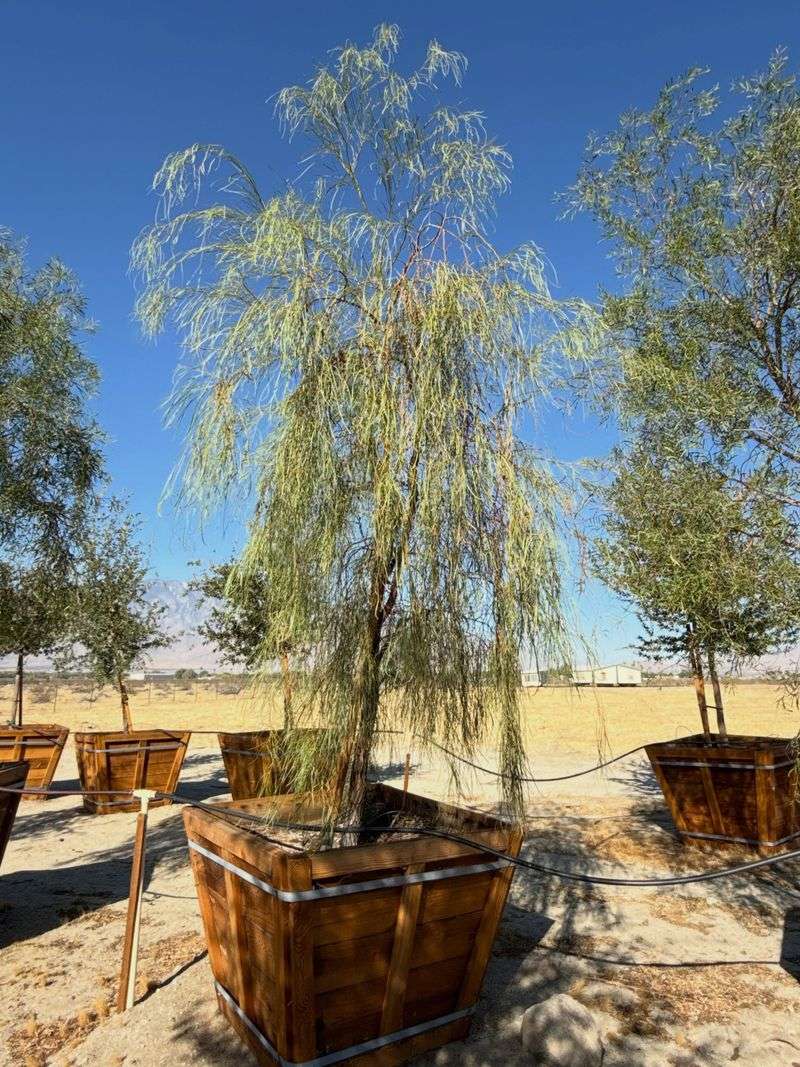
Desert-adapted trees like velvet mesquite, blue palo verde, and desert willow tend to perform well in low-desert conditions. They are built for heat, dry spells, and rocky soil.
That said, performance still depends on your specific site and care routine.
Avoid choosing a tree based on looks alone. Some attractive trees sold at local nurseries are not suited for intense summer heat or alkaline soil.
Read the tag carefully and ask staff about mature size and water needs.
August is also a good time to visit multiple nurseries. Stock and availability shift heading into fall.
Seeing what is available now helps you plan realistically instead of settling for whatever is left. Compare root ball quality, trunk caliper, and overall health before committing to any purchase.
A healthy tree at planting time gives roots a much stronger start once cooler weather arrives in October and November.
2. Pick A Spot With Enough Room For Growth
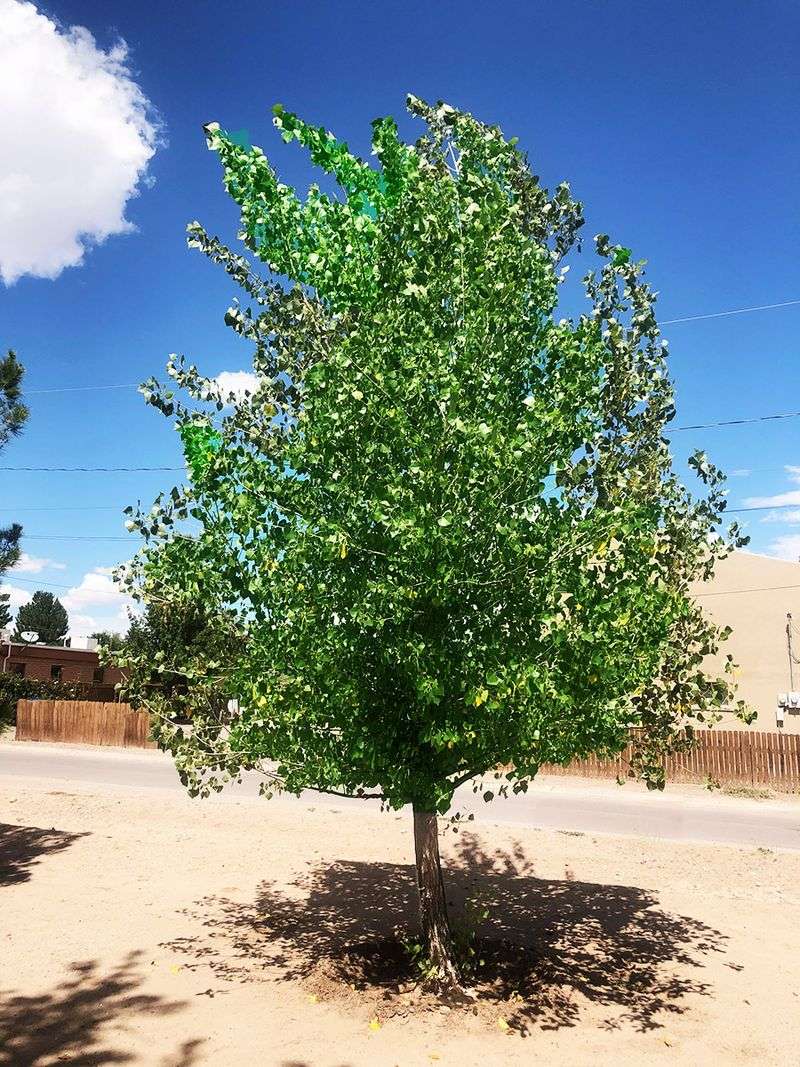
Planting a tree too close to a fence, wall, or another plant is one of the most common yard mistakes homeowners make. August is the perfect time to walk your yard and measure before anything goes in the ground.
Mature size matters more than current size. A tree that looks small in a five-gallon pot might spread 30 feet wide in 15 years.
Check the expected canopy spread on the tag and plan for that number, not what you see today.
Give roots room underground too. Roots tend to spread at least as wide as the canopy, sometimes wider in loose desert soil.
Planting near hardscape can cause root pressure against patios, driveways, and foundations over time.
Think about neighboring properties as well. A tree that hangs over a fence or drops fruit into a neighbor’s yard can create friction.
Planting with spacing in mind avoids that problem before it starts.
Your Arizona Garden Changes Every Week. Your Plan Should Too.
Gardening in Arizona changes quickly throughout the season. Every Friday you’ll receive a simple weekly plan showing exactly what to plant, prune, fertilize, harvest, and protect so you never miss the right timing.
Walk the space at different times of day. Morning and afternoon sun angles shift the way a spot feels.
Noting where shade already falls helps you place a new tree where it adds the most value without crowding existing plants or structures. Sketch a simple layout on paper.
It does not need to be fancy, just accurate enough to guide your final placement decision before fall arrives.
3. Plan Shade Where Your Yard Needs It Most
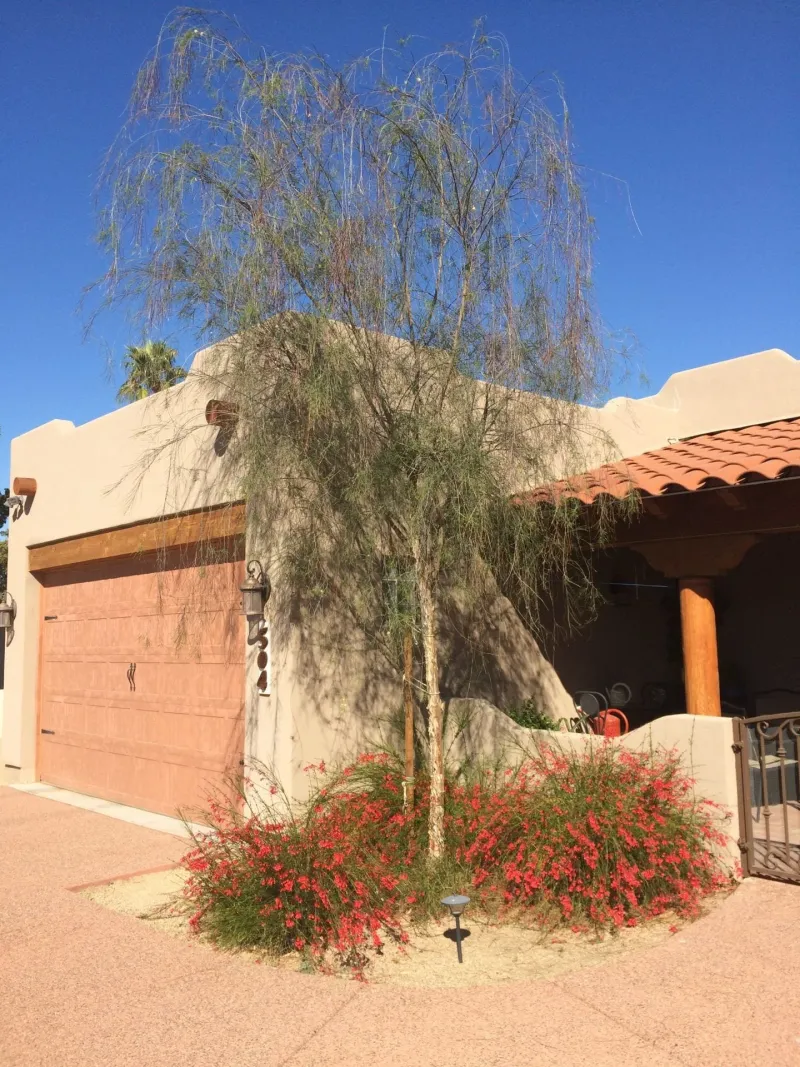
Shade placement is not just about comfort. Strategic tree placement can help lower surface temperatures around your home during peak heat months.
Where you put that shade matters a lot.
West-facing walls take the hardest afternoon sun hit. Placing a tree on the southwest or west side of a home can reduce radiant heat on that wall during the hottest hours.
Over several years, that kind of placement can make a noticeable difference in how hot a patio or room feels.
South-facing areas get strong sun most of the year in the Southwest. A tree placed to the south can block midday sun in summer while still allowing lower winter sun to reach the home.
Deciduous trees work especially well for this because they drop leaves in winter when warmth is welcome.
Patios and outdoor seating areas are natural targets for shade planning. Identify where you actually spend time outside and work backward from there.
A tree planted near a seating area delivers more practical value than one tucked in a corner.
August walks around your yard at noon and 3 p.m. reveal exactly where sun hammers hardest. Mark those spots.
Use that information to guide tree placement before fall planting begins.
Planning shade intentionally turns a new tree into a long-term comfort investment for your outdoor space.
4. Locate Utility Lines Before Choosing A Site
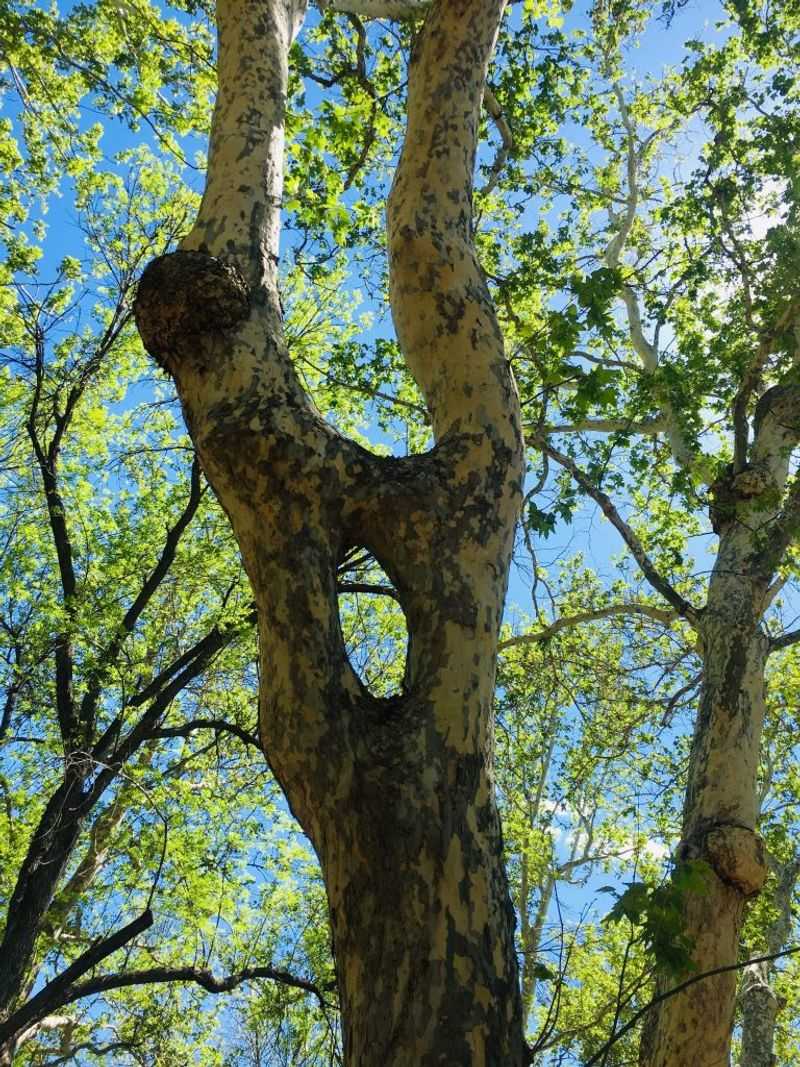
Underground utility lines are easy to forget about until a shovel hits one. Before you finalize any planting spot, knowing what runs beneath your yard is a non-negotiable first step.
Call 811 before you dig. That free service sends a locator to your property to mark buried gas, electric, water, and communication lines.
It typically takes a few business days, so requesting it in August gives you plenty of lead time before fall planting starts.
Overhead lines matter just as much. Planting a tall-growing tree under a power line creates a long-term problem.
Utility crews may prune it aggressively later, which can stress the tree and leave it looking uneven or structurally compromised.
Match tree height to the space above. Low-growing trees under overhead lines are a much safer fit.
Options like desert museum palo verde or Texas ebony stay at manageable heights under most residential power line clearances, though mature size still varies by growing conditions.
Keeping roots away from water and sewer lines is equally important. Some tree species send roots toward moisture aggressively.
Ask your nursery which trees have less invasive root habits if you are planting near irrigation pipes or sewer laterals.
Doing this homework in August protects your yard and your utility infrastructure for years ahead.
5. Test Drainage Before The Tree Goes In
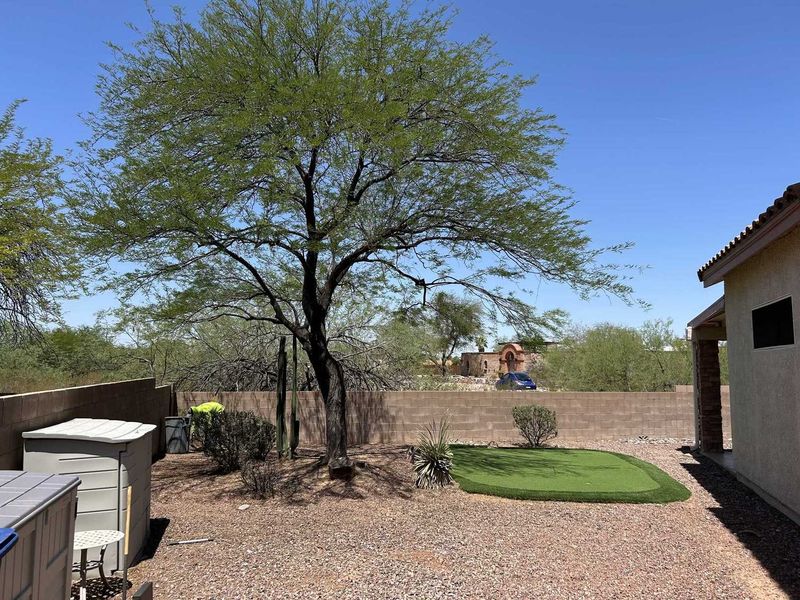
Poor drainage is one of the top reasons newly planted trees struggle in desert yards. Checking your soil in August costs nothing and saves real headaches later.
Dig a hole about 12 inches deep and 12 inches wide where you plan to plant. Fill it with water and watch how fast it drains.
If water is still sitting after an hour, drainage is slow and will likely cause root problems over time.
Caliche is common across much of Arizona. That dense, cement-like layer sits just below the surface in many yards and blocks water from moving down through the soil.
Roots hit it and spread sideways instead of anchoring deep, which can affect tree stability in wind.
Breaking through caliche with a breaker bar or renting a jackhammer is sometimes necessary before planting. Creating a drainage channel through the layer helps water move past the root zone instead of pooling.
Not every yard has severe caliche, but it is worth checking before fall arrives.
Sandy soil drains fast but holds little moisture. Clay soil holds moisture but can waterlog roots.
Amending either extreme with organic material can help, though desert-adapted trees often perform reasonably well in native soil once they establish.
Testing first gives you facts to work with instead of guesses when fall planting day comes around.
6. Prepare Irrigation For The New Root Zone
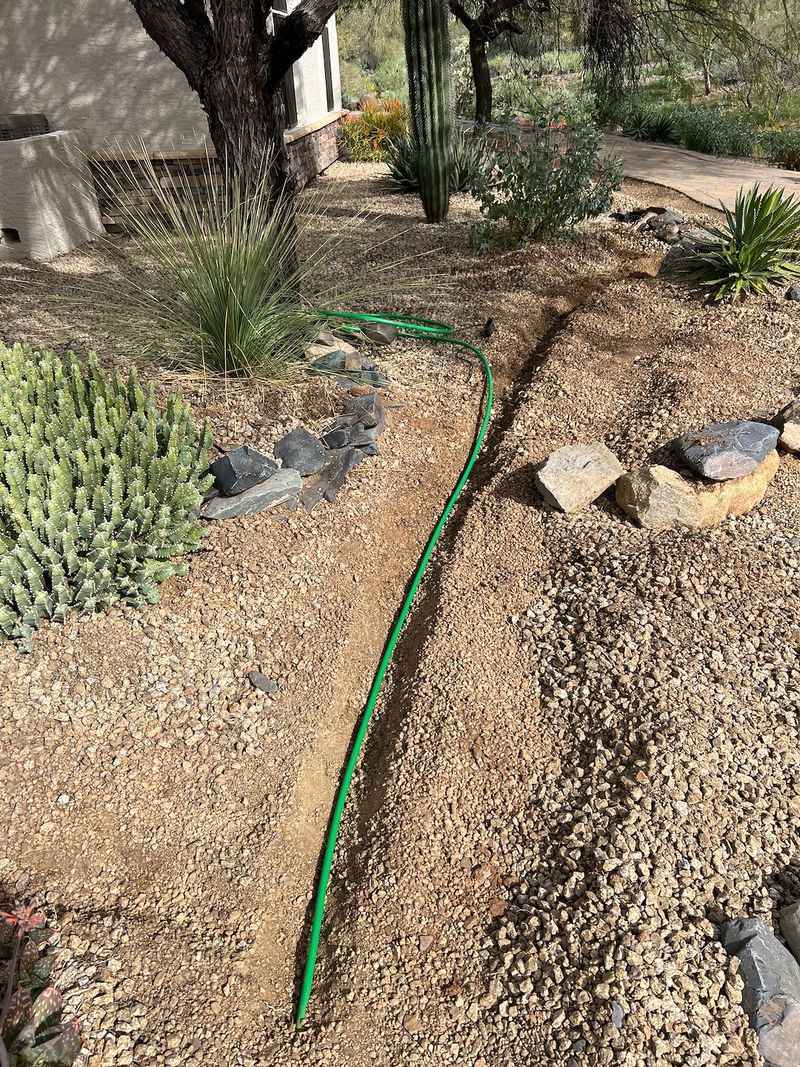
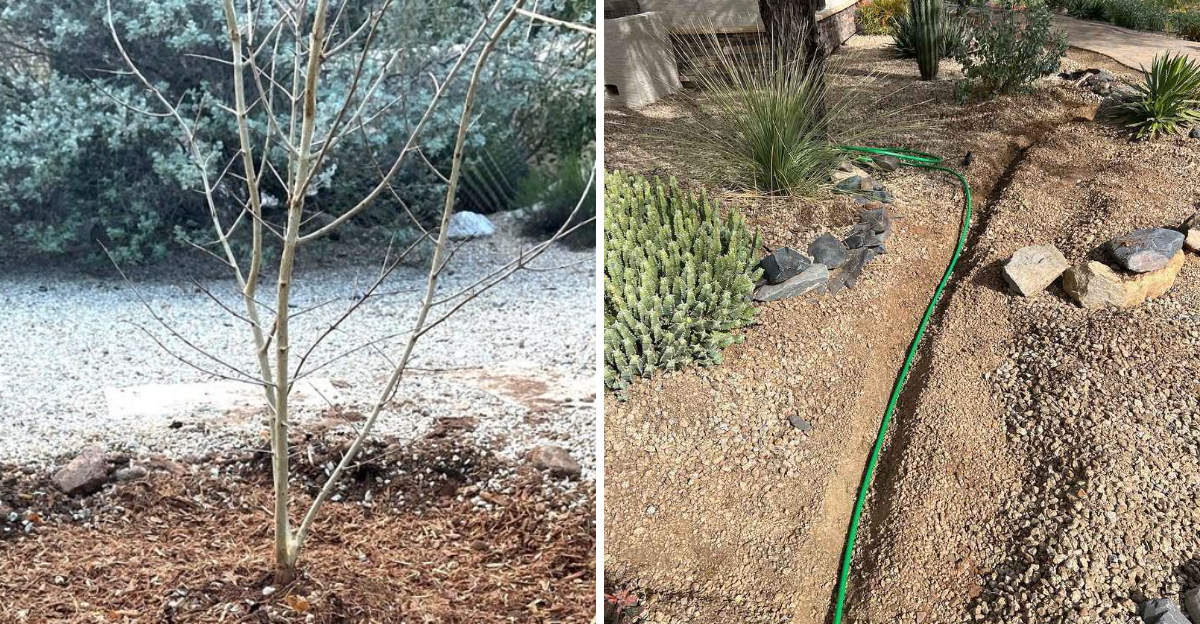
A new tree needs consistent moisture to get roots established, especially during its first year. Getting your irrigation plan ready in August means everything is in place when fall planting begins.
Drip irrigation is the most efficient method for desert trees. Emitters placed at the edge of the root ball deliver water where it is needed most.
Watering too close to the trunk keeps the base wet, which can lead to bark problems and fungal issues over time.
Young trees need more frequent watering in the first few months than established ones. A general starting point is watering every few days for the first few weeks after planting, then stretching intervals gradually as roots spread.
Actual frequency depends on soil type, tree species, and weather conditions.
Check your existing irrigation system before fall arrives. Old emitters clog, lines crack, and timers malfunction.
Replacing worn parts now means the system works reliably when the new tree actually needs it.
Consider adding a second emitter ring further out as the tree grows. Roots follow water, so placing emitters slightly beyond the root ball encourages outward root expansion.
That wider root spread builds a more stable and drought-tolerant tree over time.
Planning the irrigation layout in August rather than scrambling on planting day leads to a much smoother setup and a better start for your new tree.
7. Get The Planting Area Ready Before Fall Arrives
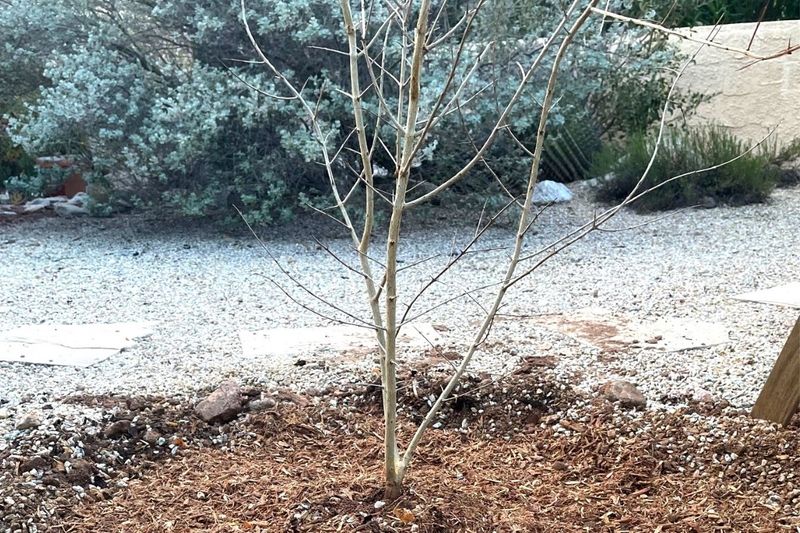
Showing up on planting day with an unprepared site wastes time and can stress a tree that should go in the ground quickly. Getting the area ready in August makes the actual planting smooth and efficient.
Clear weeds, rocks, and debris from the planting zone first. Weeds compete with new roots for moisture and nutrients.
Removing them before planting gives the tree a cleaner start without that early competition.
Loosen the surrounding soil if it is heavily compacted. Compacted ground slows root expansion.
Loosening a wider area around the planting hole encourages roots to spread outward rather than circling inside a tight zone.
Check the grade of the area too. Water should drain away from the trunk after planting, not pool around the base.
If the ground slopes toward where the tree will sit, adjusting the grade now prevents future waterlogging issues.
Lay out your tools and supplies ahead of time. Having mulch, a hose, stakes if needed, and a level spot for the root ball ready before the tree arrives reduces fumbling on planting day.
Mulch applied after planting helps retain moisture and moderate soil temperature through the first critical weeks.
Prepping in August, even just an hour or two of work, means your tree gets settled into a site that was actually ready for it. That preparation quietly sets the stage for a strong fall establishment.