What To Plant In Arizona Before September For A Stronger Fall Start
September may still feel far from cool in Arizona, but your fall garden does not need to wait for comfortable weather. What you plant now can give certain crops and flowers valuable time to get started.
The important part is choosing plants that match this tricky transition between intense summer heat and the coming fall season. Starting the wrong thing too early can create extra work instead of stronger growth.
You should also think beyond what looks ready for the garden center today. Some fall favorites benefit from an earlier start, while others perform better when you wait for temperatures to ease.
That timing can shape how well your garden settles into the next growing season.
A little planning now can put you several weeks ahead when fall conditions finally arrive.
1. Broccoli Has Time To Develop Before Fall Arrives
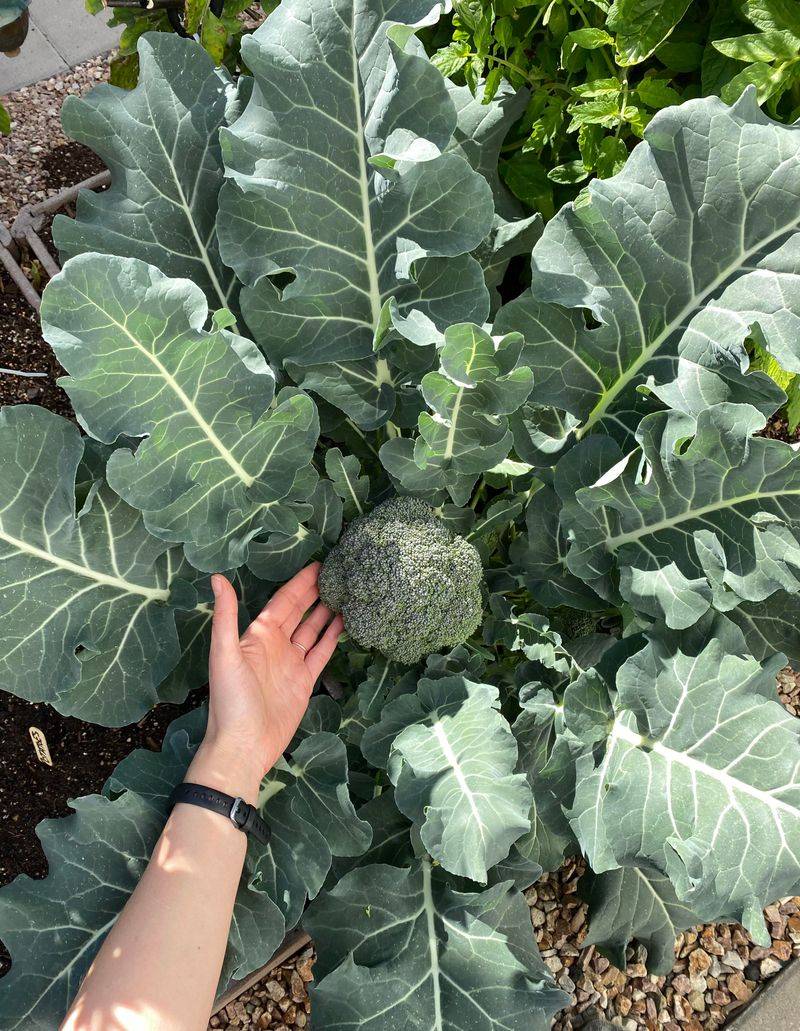
Broccoli planted in late July or early August can be ready to harvest well before the first real cold snap arrives. Most broccoli varieties need around 60 to 80 days from transplant to harvest, so timing matters a lot here.
Getting it in the ground before September gives it enough runway to mature properly.
Start seeds indoors about six weeks before you plan to transplant. Once seedlings have a few sets of true leaves, move them to a spot with morning sun and some afternoon shade.
Broccoli prefers cooler soil, so mulching around the base helps keep roots from overheating.
Water consistently but avoid soaking the crown, since moisture sitting there can cause rot. A balanced fertilizer applied every few weeks supports steady growth without pushing too much leafy green at the expense of the head.
Side shoots often continue producing after the main head is cut, which stretches your harvest window.
Soil quality plays a big role in how well broccoli performs. Mixing compost into your bed before planting improves drainage and adds nutrients that store-bought fertilizers alone might not provide.
Broccoli is a heavy feeder, so a well-prepared bed gives it a strong foundation. With the right setup and timing, a fall broccoli harvest is very achievable in warmer desert climates.
2. Cabbage Fits The Late August Planting Window
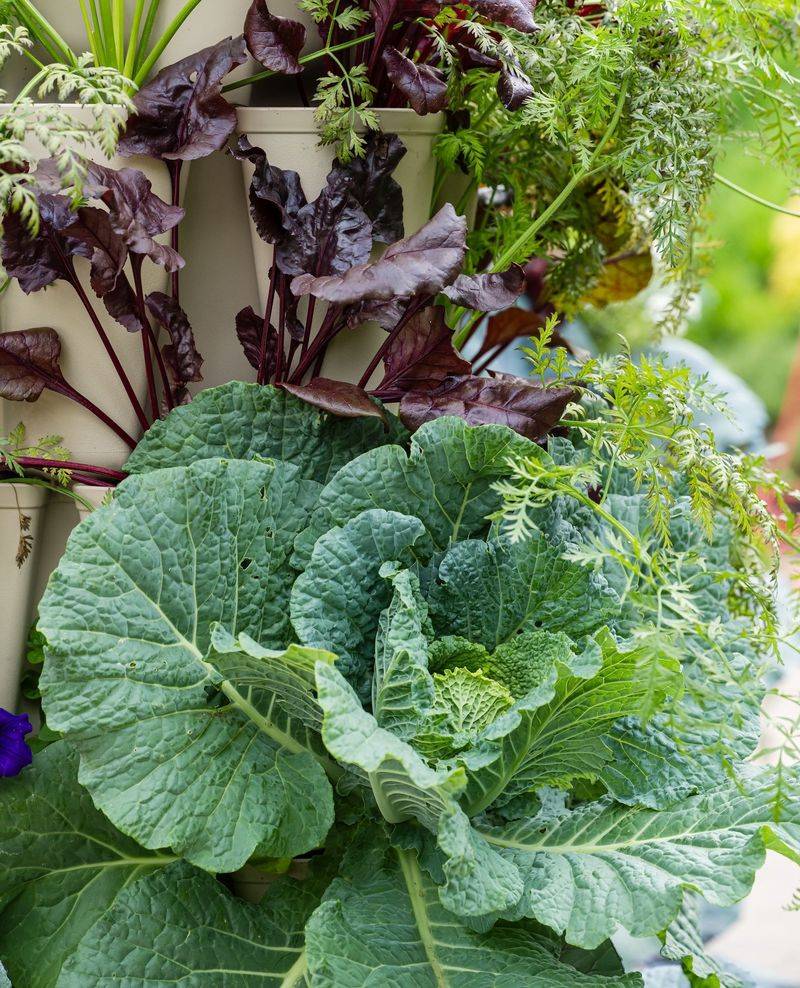
Cabbage is one of those vegetables that actually rewards you for planting it at an uncomfortable time of year. Late August feels hot, but cabbage started now will hit its best growing period right as temperatures drop in October and November.
Waiting too long pushes harvest into winter cold that can stall development.
Transplants tend to do better than direct seeding at this stage. Look for compact seedlings with healthy green color and no yellowing.
Space them about 18 inches apart so heads have room to fill out without competing for nutrients or airflow.
Shade cloth during the hottest part of the day can protect young transplants from heat stress while they establish roots. Once they settle in and temperatures ease, cabbage grows quickly and with minimal fuss.
Consistent moisture is key, especially in the first two weeks after transplanting.
Cabbage is a good crop for gardeners who want a reliable fall producer without a lot of complexity. It handles light frost reasonably well, which makes it forgiving if the season runs a little cool.
Your Arizona Garden Changes Every Week. Your Plan Should Too.
Gardening in Arizona changes quickly throughout the season. Every Friday you’ll receive a simple weekly plan showing exactly what to plant, prune, fertilize, harvest, and protect so you never miss the right timing.
Pest pressure from caterpillars can be an issue, so checking the undersides of leaves regularly helps catch problems early. Row cover is a simple and effective way to reduce pest damage without using sprays.
With decent soil and steady watering, a solid head of cabbage is a realistic goal.
3. Kale Performs Well As Temperatures Begin To Ease
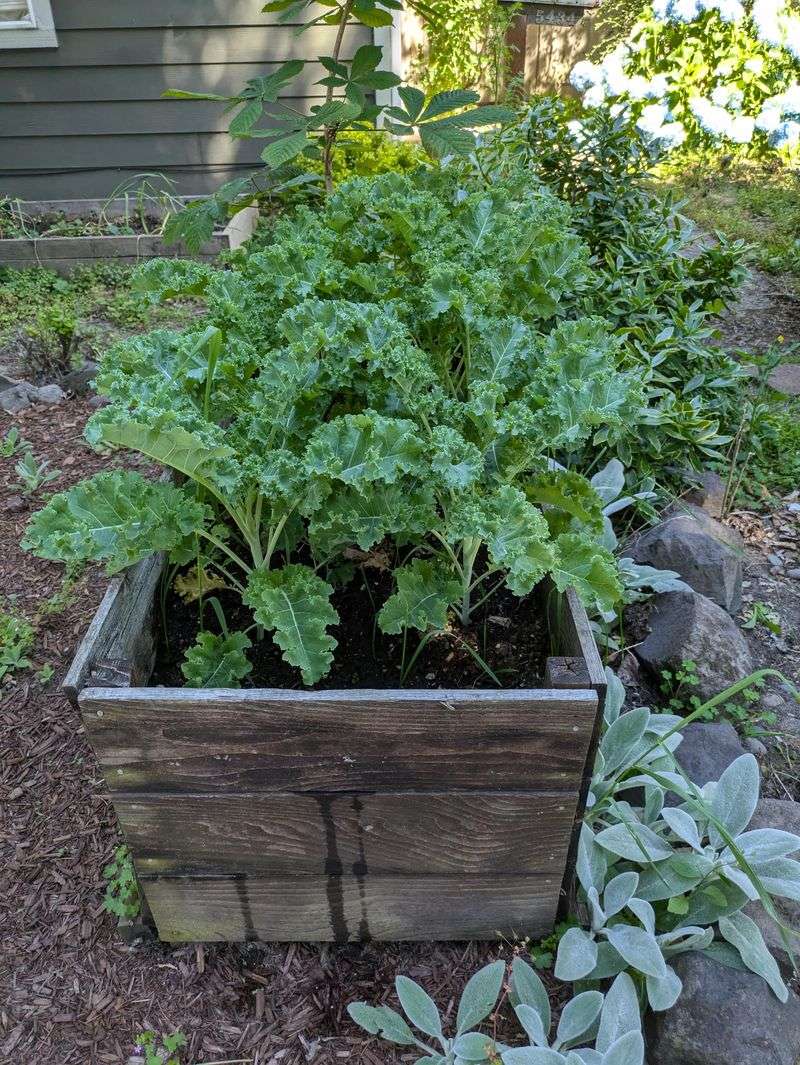
Kale might be one of the most low-maintenance crops you can put in the ground before September. Plant it in August and it will spend the next few months getting stronger as the weather cools.
Unlike many vegetables, kale actually improves in flavor after a light frost, developing a slightly sweeter taste that raw summer-grown kale rarely has.
Direct seeding works fine for kale. Sow seeds about a quarter inch deep and thin seedlings to around 12 inches apart once they sprout.
Crowded plants tend to stretch and produce smaller leaves, so giving each plant space pays off over time.
Kale is not fussy about soil, but it does prefer something with decent drainage and a bit of organic matter mixed in. A light layer of compost at planting time is usually enough to get things moving.
Water regularly but let the top inch of soil dry slightly between waterings to avoid root issues.
Harvesting outer leaves while leaving the center intact keeps the plant producing for months. Kale planted in late summer can still be producing usable leaves well into winter in many parts of the desert Southwest.
Aphids can be a nuisance, especially in warm stretches, but a strong spray of water usually knocks them off without chemicals. Kale is a solid, practical choice for gardeners who want a long and productive fall season without a lot of drama.
4. Carrots Benefit From An Earlier Sowing Date
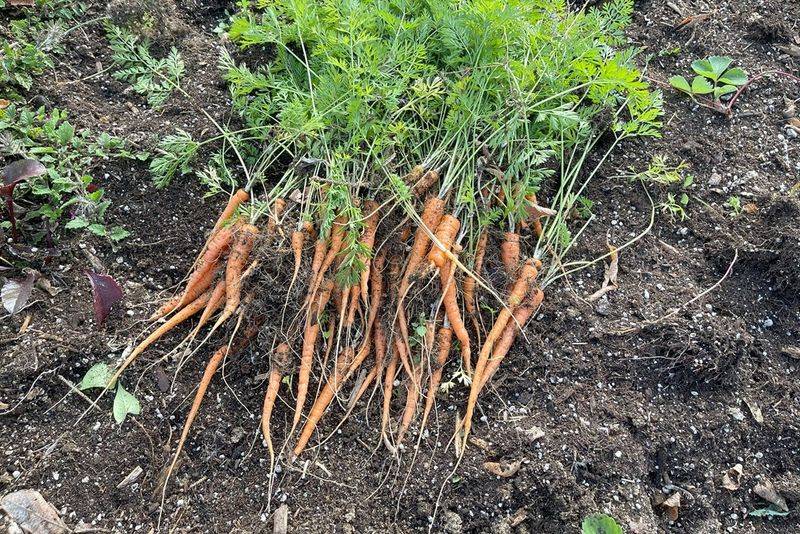
Carrots need more time than most people expect. From seed to harvest, most varieties take between 70 and 80 days, which means planting in late July or very early August is the move if you want a fall harvest.
Waiting until September often means carrots are still developing when the best growing window has already started to close.
Loose, deep soil is non-negotiable for good carrot growth. Rocky or compacted ground causes forked, stunted roots that are frustrating to harvest and not great to eat.
Work the soil down at least 12 inches and remove any stones or clumps before sowing.
Sow seeds directly into the bed since carrots do not transplant well. Keep the surface consistently moist until germination, which can take one to three weeks depending on soil temperature.
Covering the seeded row with a thin board or burlap for the first week can help hold moisture and speed sprouting.
Thin seedlings to about two inches apart once they reach a couple of inches tall. Crowded carrots compete for space underground and rarely size up properly.
Fertilize lightly with something low in nitrogen since too much nitrogen pushes leafy tops at the expense of root development. Carrots grown in well-prepared soil with steady moisture tend to be sweeter and more uniform.
Patient gardeners who start early are usually the ones pulling the best roots come fall.
5. Leaf Lettuce Is Worth Adding Before September
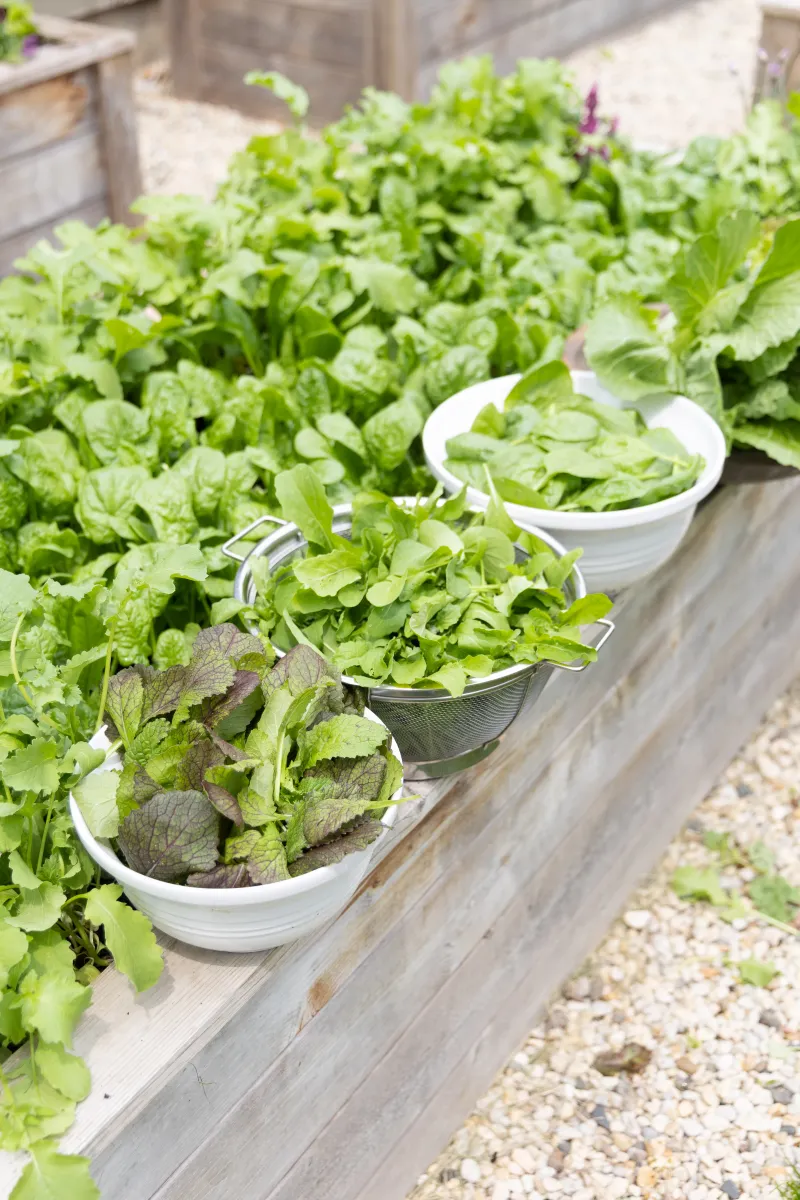
Few crops give you results as fast as leaf lettuce. Under good conditions, you can be harvesting baby leaves in as little as 30 days from seeding.
Planting before September means you could have fresh salad greens on the table before most people even start thinking about fall gardening.
Lettuce prefers cooler soil, so timing your planting for early morning or evening helps seeds settle into a more favorable environment. Mulching around young seedlings keeps soil temperature from spiking during the last weeks of summer heat.
A light shade cloth during peak afternoon hours can make a noticeable difference in how well seedlings establish.
Scatter seeds thinly across a prepared bed and press them lightly into the surface. Lettuce seeds need light to germinate, so avoid burying them too deep.
Water gently and keep the surface moist but not waterlogged until seedlings appear.
Harvest outer leaves regularly and let the center keep growing for a cut-and-come-again approach that extends the productive life of each plant.
Leaf varieties like oak leaf, red sails, and butterhead tend to handle warm spells better than head lettuce types.
Mixing several varieties in one bed adds visual interest and gives you a range of textures and flavors. Lettuce is also compact enough to work in containers, window boxes, or small raised beds where space is limited.
It is a genuinely rewarding crop for gardeners at any experience level.
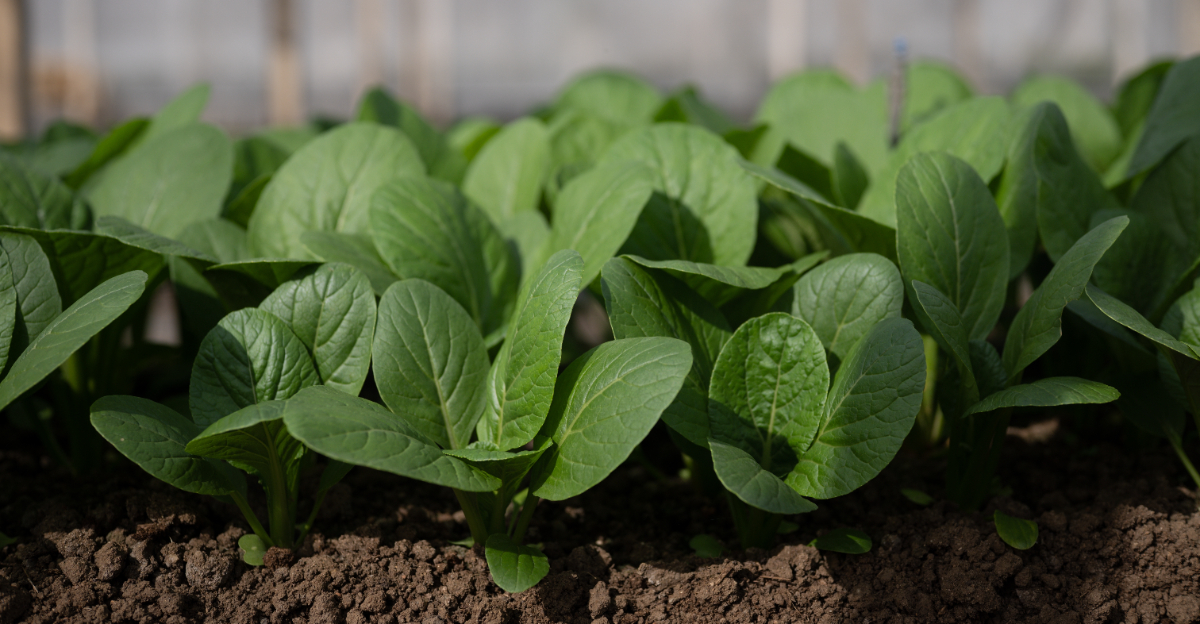
6. Mustard Greens Bring A Quick Harvest To Beds
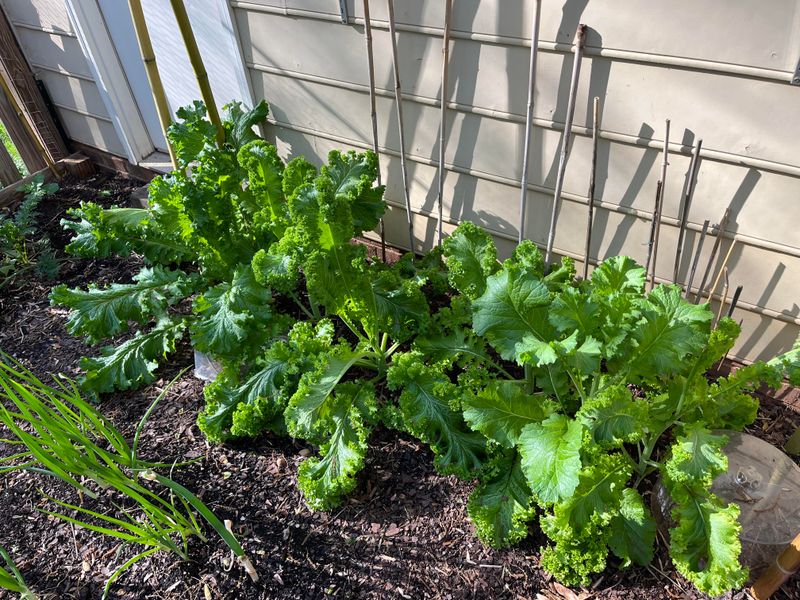
Speed is one of mustard green’s best qualities. Many varieties are ready to harvest in just 30 to 40 days from seeding, which makes them one of the fastest-producing greens you can plant before September.
If you want something in the garden that delivers results quickly, mustard greens are hard to beat.
Direct seeding works well and is straightforward. Scatter seeds about half an inch deep and cover lightly with soil.
Thin plants to around six inches apart once they are a few inches tall so each one has enough room to spread its leaves without crowding neighbors.
Mustard greens are not particularly demanding about soil quality, though they respond well to a bit of compost worked in before planting. Water consistently and they tend to grow fast with minimal intervention.
Heat can cause them to bolt and turn bitter, but planting in late summer means they will mature during cooler weather when flavor is at its best.
Harvest young leaves for a milder taste or let them grow larger for a more peppery, assertive flavor. Both work depending on what you plan to cook.
Mustard greens are popular in Southern-style cooking, stir-fries, and mixed green salads. Nutritionally, they are considered a solid source of vitamins A, C, and K, though individual nutrient content can vary based on growing conditions and variety.
A fast, productive, and flavorful green worth adding to any fall bed.
7. Green Onions Work Well In Smaller Garden Spaces
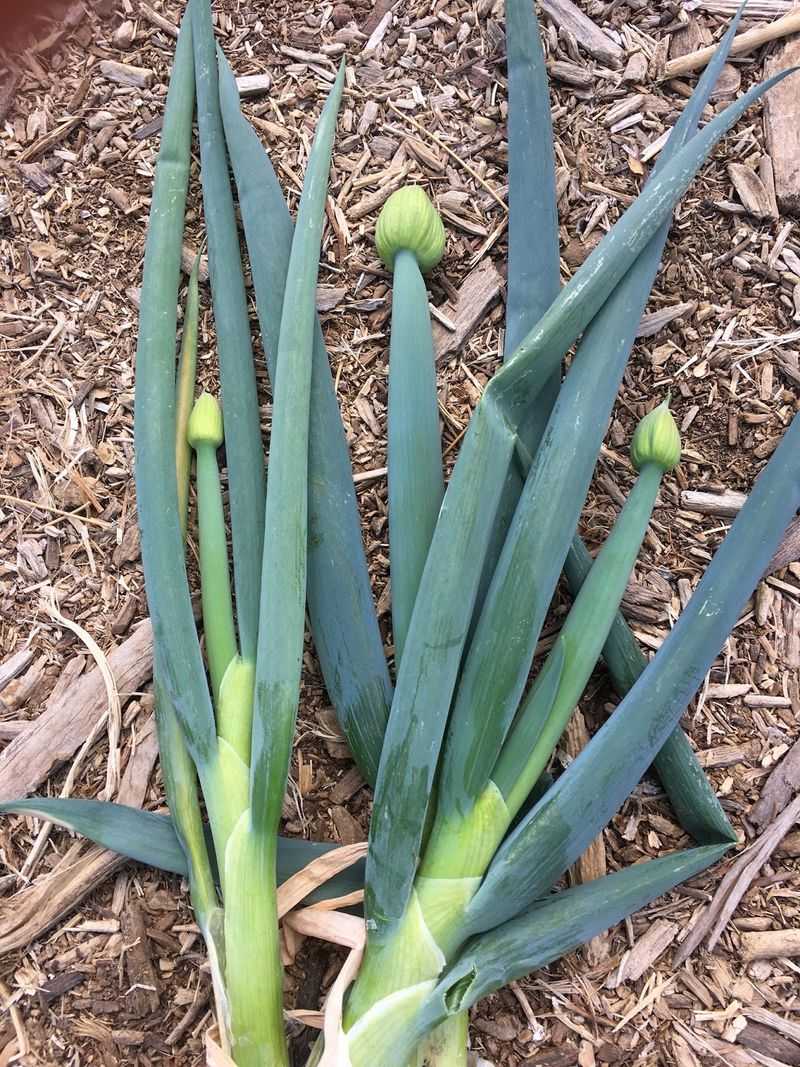
Not every gardener has a lot of space to work with, and green onions are built for exactly that situation. A single row or a small container can produce a steady supply of fresh onion greens for weeks.
Plant them before September and they will be ready to pull well into the cooler fall months.
Green onions can be grown from seed or from sets, which are small bulbs that establish faster and are easier to manage for beginners. Plant sets about an inch deep and two to three inches apart.
They do not need much room, which makes them a natural fit alongside other crops in a shared bed.
Watering needs are modest compared to many vegetables. Keep the soil consistently moist but avoid overwatering since soggy conditions can cause the bulb base to soften or rot.
A well-draining mix is important, especially in containers where water can pool if drainage holes are blocked.
Green onions are ready to harvest when the green tops are six to eight inches tall. Pull the whole plant or snip the tops and let the base regrow for a second cutting.
They add flavor to salads, eggs, soups, and rice dishes with no preparation beyond a quick rinse and chop.
Compact, productive, and genuinely useful in the kitchen, green onions earn their spot in almost any fall garden setup regardless of how much space you have available.
8. Brussels Sprouts Need Plenty Of Time To Mature
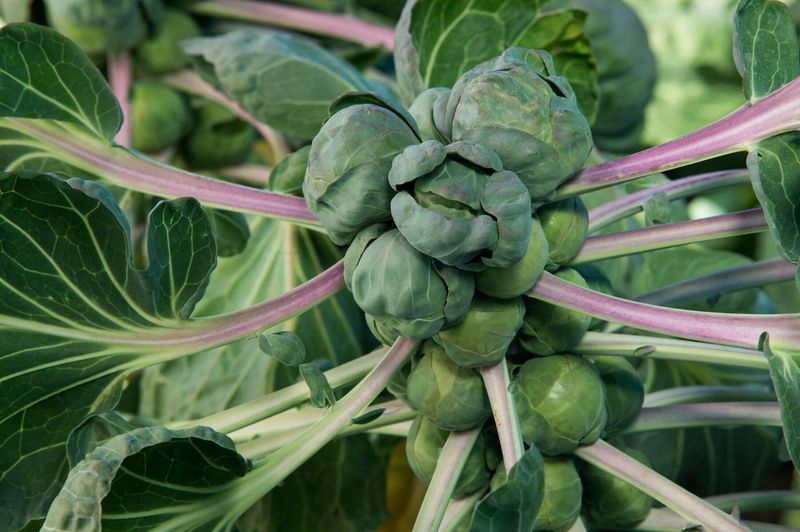
Brussels sprouts are the long game of fall gardening. Most varieties take 80 to 100 days from transplant to harvest, which means planting in late July or early August is not optional if you want a fall crop.
Miss that window and the plants will still be developing when the season has already moved on.
Start seeds indoors about six to eight weeks before you plan to put transplants in the ground. Seedlings need to be sturdy with a strong central stem before they go outside.
Weak transplants struggle to recover from the heat and rarely produce well, so giving them time indoors is worth the effort.
Space plants about 24 inches apart since they get tall and wide as they mature. Brussels sprouts are heavy feeders and respond well to a nitrogen-rich fertilizer applied every few weeks during the growing period.
Consistent watering keeps the stalk and sprouts developing at a steady pace without stress-related gaps in growth.
Sprouts form from the bottom of the stalk upward. Some gardeners remove the lower leaves as sprouts develop to improve airflow and redirect energy.
Pest management is important since caterpillars are attracted to this crop. Checking plants regularly and using row cover if needed can help protect them without heavy intervention.
In Arizona, starting early is the single biggest factor in getting a successful Brussels sprouts harvest before winter temperatures shift the growing conditions.