What It Means When Your Ohio Oak Leaves Develop Strange White Trails
White trails winding through Ohio oak leaves are easy to dismiss. A cosmetic issue, something environmental, probably nothing worth worrying about.
That dismissal is frequently incorrect. Those trails are not random markings.
They are feeding paths of larvae working through leaf tissue from the inside. The pattern is specific enough to identify exactly what is happening and how serious it actually is.
Ohio oaks host a range of leaf mining insects. Not all of them warrant the same response.
Some are minor and self-limiting. Others signal something worth addressing before the population builds through the rest of the season.
Reading the trail correctly is the whole game. Width, pattern, distribution across the canopy.
All of it points toward a specific cause with specific options. Know what you are looking at before doing anything or nothing at all.
1. White Trails Usually Point To Feeding Inside The Leaf
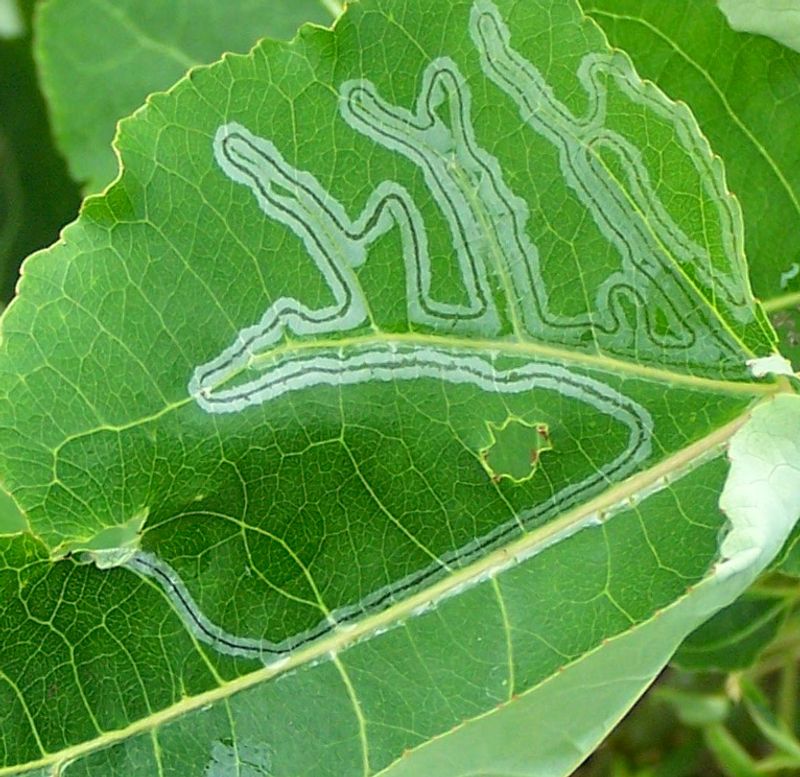
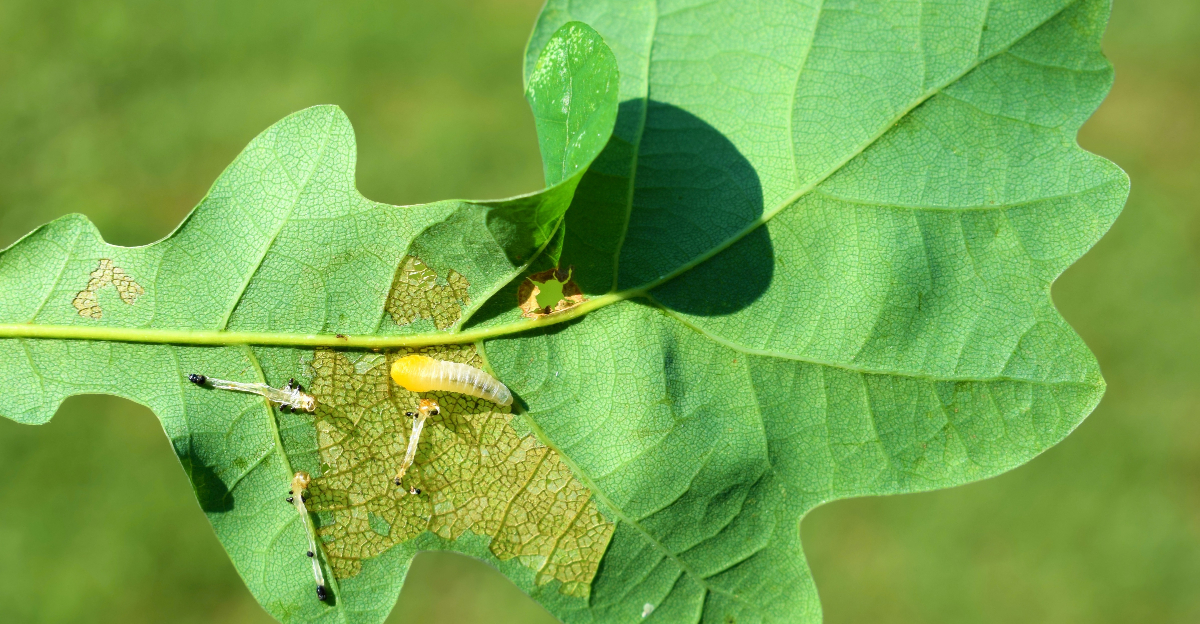
Pale, winding lines on an oak leaf are rarely a surface scratch. A leaf mine is a tunnel or hollow area created when a larva feeds between the upper and lower layers of a leaf.
The larva chews through the soft inner tissue while staying protected on both sides by the leaf’s outer skin.
Damaged tissue loses its green color as the larva consumes it. Fresh mines often appear pale green, whitish, or translucent.
As the tissue dries out, the same area can shift to tan, brown, or papery, which sometimes causes confusion with fungal spots.
Two broad mine shapes exist. Serpentine mines form narrow, winding tunnels that grow wider as the larva grows.
Blotch mines appear as larger, irregular patches rather than a defined line. Not every oak leafminer creates the same pattern, so the shape alone does not identify the species.
Holding a mined leaf up to light is a simple way to see what is happening inside. You may spot the hollowed channel, a dark line of frass, or even the tiny larva itself.
Frass is the waste material the larva leaves behind as it feeds. Avoid cutting away large sections of foliage just to investigate, since most leaves with mines stay attached and continue functioning to some degree.
2. Tiny Larvae Stay Hidden Between The Leaf Surfaces
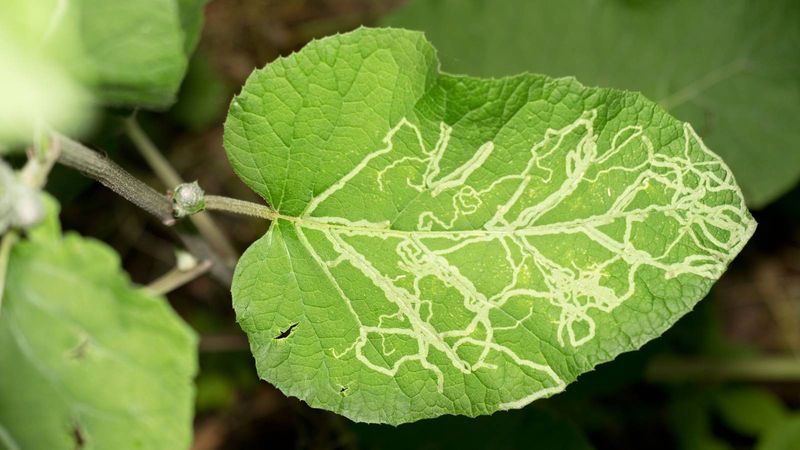
Most gardeners never spot the creature responsible for the strange markings on their oak leaves. Leafminer larvae spend their entire feeding stage tucked inside the leaf, sheltered from wind, rain, and the eyes of curious observers.
That hidden lifestyle is exactly what makes them so easy to overlook until the damage is already visible.
Leafminers are not limited to one type of insect. The larvae causing these mines can belong to moths, flies, beetles, or sawflies.
Each group has its own biology, but all share the same feeding strategy of living and eating between the leaf layers. For oak trees in Ohio, the relevant species tend to be small moths whose caterpillars create the characteristic mines.
Inside each mine, frass accumulates as the larva feeds and grows. That frass often appears as a dark line or series of dots within the hollowed channel.
Your Ohio Garden Changes Every Week. Your Plan Should Too.
Gardening in Ohio changes quickly throughout the season. Every Friday you’ll receive a simple weekly plan showing exactly what to plant, prune, fertilize, harvest, and protect so you never miss the right timing.
Frass is waste tissue, not a sign of disease, and recognizing it can help confirm that a mine is insect-related rather than fungal.
Because the larva is sealed inside the leaf, a simple surface spray applied after mining begins rarely reaches it. The leaf layers act as a physical barrier.
Attempting to treat an existing mine by spraying the outside of the leaf is generally not effective, which is worth knowing before reaching for any product.
3. Solitary Oak Leafminers Are Showing Up In Ohio
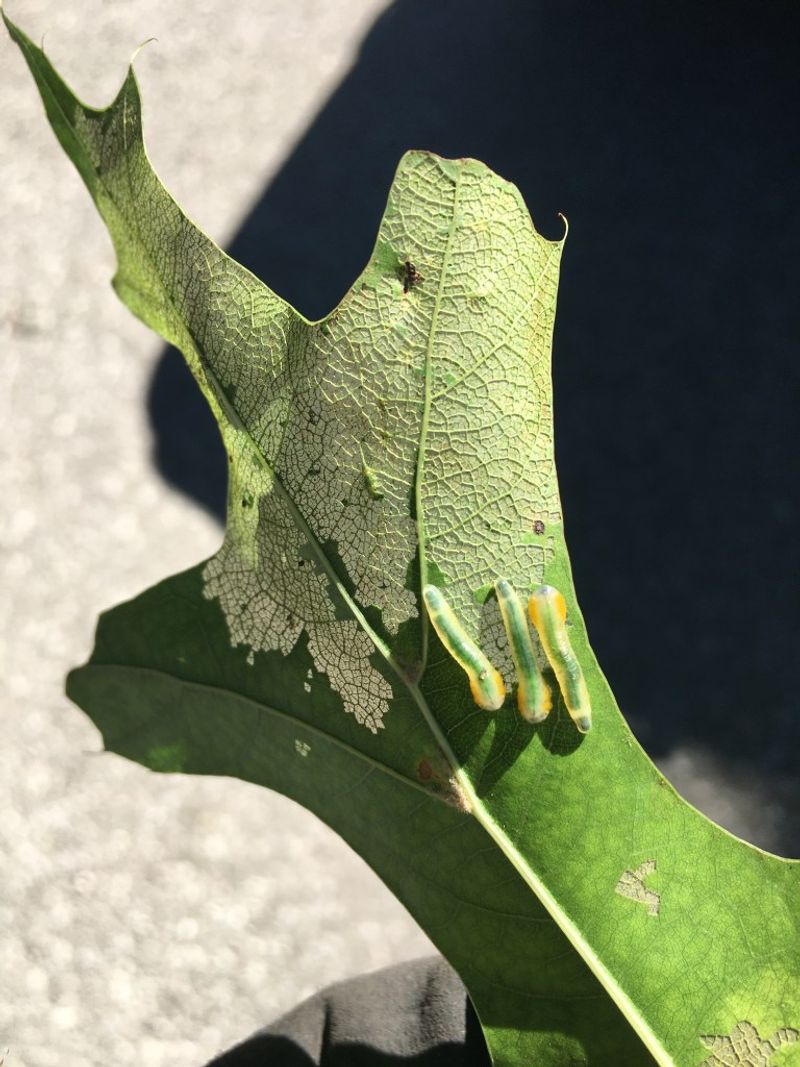
A small moth called Cameraria hamadryadella carries the common name solitary oak leafminer. Ohio State Extension specialists documented its mines on swamp white oak in southwest Ohio in 2026.
The observation drew attention to a species that had received little local coverage before then. That single report does not signal a statewide outbreak, but it does confirm the insect is present and active.
The name solitary refers to the way this moth uses its mines. Typically, one caterpillar occupies each mine rather than sharing space with siblings.
That solo lifestyle sets it apart from some other leafminers that crowd several larvae into one feeding area. Each mine is the personal workshop of a single, tiny caterpillar.
Cameraria hamadryadella is native to North America, not an invasive species arriving from overseas. Its mines on swamp white oak in Ohio appeared noticeable but were not accompanied by serious damage to the affected trees.
State specialists described the injury as something to watch rather than an emergency requiring immediate action.
Blotch-type mines are associated with this species, though the exact appearance can vary. Seeing blotch mines on white oak group trees in Ohio is a reasonable clue pointing toward this moth, but a proper identification still requires close examination.
Knowing the insect exists locally helps residents put unusual leaf markings in better context.
4. White Oak Relatives Tend To Show The Most Mines
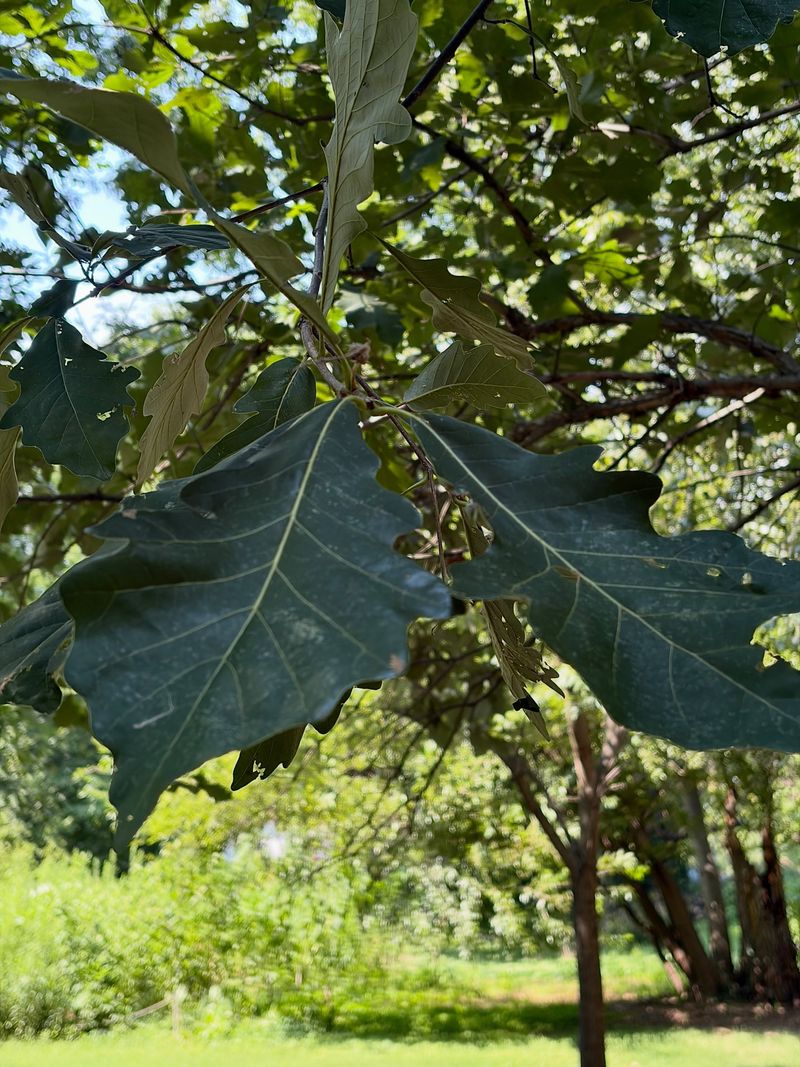
Oaks belong to two broad groups, and leafminer activity does not affect both equally. The white oak group, which includes white oak, swamp white oak, and bur oak, appears to be the preferred host range for the solitary oak leafminer.
Homeowners with these species in their yards are more likely to notice characteristic mines than those with trees from the red oak group.
Swamp white oak, in particular, was the tree documented in the 2026 Ohio State observation. That species grows widely across the state in low-lying areas, along streams, and in suburban plantings, making it a tree many Ohioans already have nearby.
Bur oak and white oak share similar leaf characteristics and occupy related ecological space within the white oak group.
Red oak group species, such as pin oak and red oak, are not the primary focus of this leafminer, though no oak group is completely immune to every leafminer species. Claiming that one group can never be affected overstates the current evidence.
The pattern of mines on white oak group trees simply appears more consistent and better documented.
Identifying your oak broadly can help you gauge your level of concern. A homeowner with a swamp white oak showing blotch mines has more reason to suspect the solitary oak leafminer than someone with a pin oak showing different markings.
A local extension office can assist with tree identification if you are unsure which species you have.
5. The Pale Marks Can Darken As The Larvae Develop
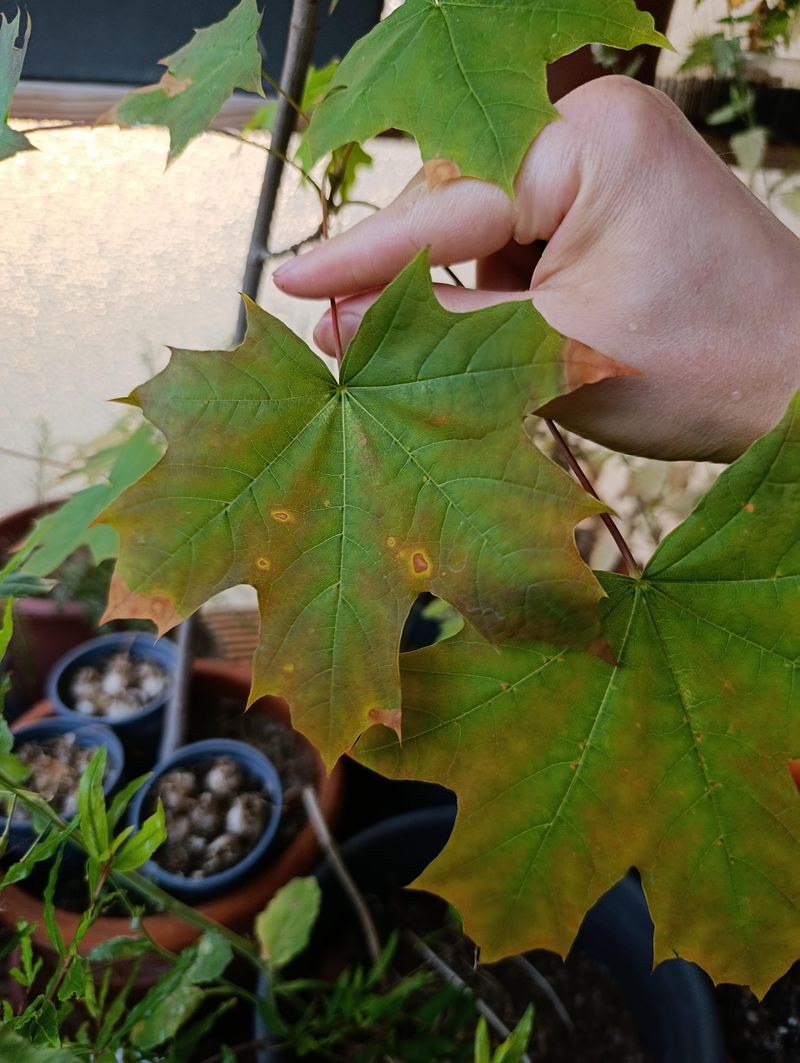
A mine that starts out pale and translucent does not stay that way forever. As the larva grows and consumes more tissue, the hollowed area expands.
The surrounding tissue dries out and the color shifts from whitish or pale green toward tan, mottled brown, or a papery texture. This color change is a normal part of the mine’s development, not a separate problem arriving on top of the first one.
Older mines can look surprisingly similar to fungal leaf spots, which sometimes sends homeowners searching for a disease that is not there. A useful visual check involves gently flexing the leaf near the discolored area.
A mine leaves a hollow pocket or a thin papery layer, while collapsed fungal tissue tends to be more uniform and flat without that hollow feel.
Color alone is never enough to confirm a diagnosis. Two very different problems can produce similar shades of brown or tan on a leaf surface.
Powdery mildew, for example, shows up as a white or grayish coating on the outer surface of leaves rather than as a tunnel inside the leaf.
Lace bug injury produces tiny pale or white stippled dots scattered across the leaf surface, a pattern quite different from a winding or blotchy internal mine.
Keeping these distinctions in mind saves time and prevents misdiagnosis. Checking whether the mark is on the surface or inside the leaf is the most reliable first step anyone can take before drawing conclusions.
6. Dramatic Leaf Damage Often Looks Worse Than It Is
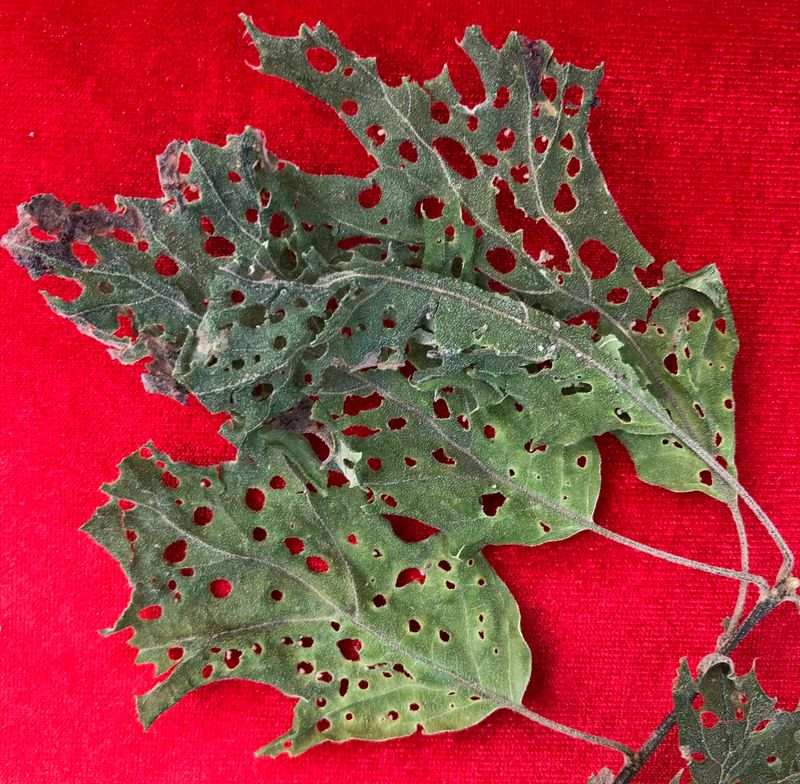
Spotting a cluster of mined leaves can feel alarming, especially when the pale trails cover a visible portion of the foliage. Established oak trees are large organisms with substantial energy reserves.
Scattered leafminer injury on a portion of the leaves rarely causes meaningful harm to the whole tree. Ohio State specialists described the solitary oak leafminer’s impact on oaks as noticeable rather than damaging in the cases they observed.
Context matters a great deal here. A handful of mined leaves on a mature tree with a full, green canopy is a very different situation from widespread browning across the entire crown.
Stepping back and looking at the whole tree gives a more accurate picture than focusing on a single damaged branch or leaf cluster. A healthy canopy that happens to carry some mines is generally not a tree in distress.
Severe or repeated defoliation across multiple seasons deserves more attention. If large portions of the canopy brown out year after year, that pattern warrants a closer look from a professional.
However, a leafminer alone is rarely the cause of serious, sustained decline in an otherwise healthy oak.
Broader stress factors can weaken a tree and make recovery more difficult. These include drought, soil compaction, construction-related root damage, and other pest pressure.
If canopy decline appears widespread or accelerates quickly, those underlying factors deserve investigation rather than assuming the leafminer is to blame.
7. Fallen Leaves Can Carry Leafminers Through Winter
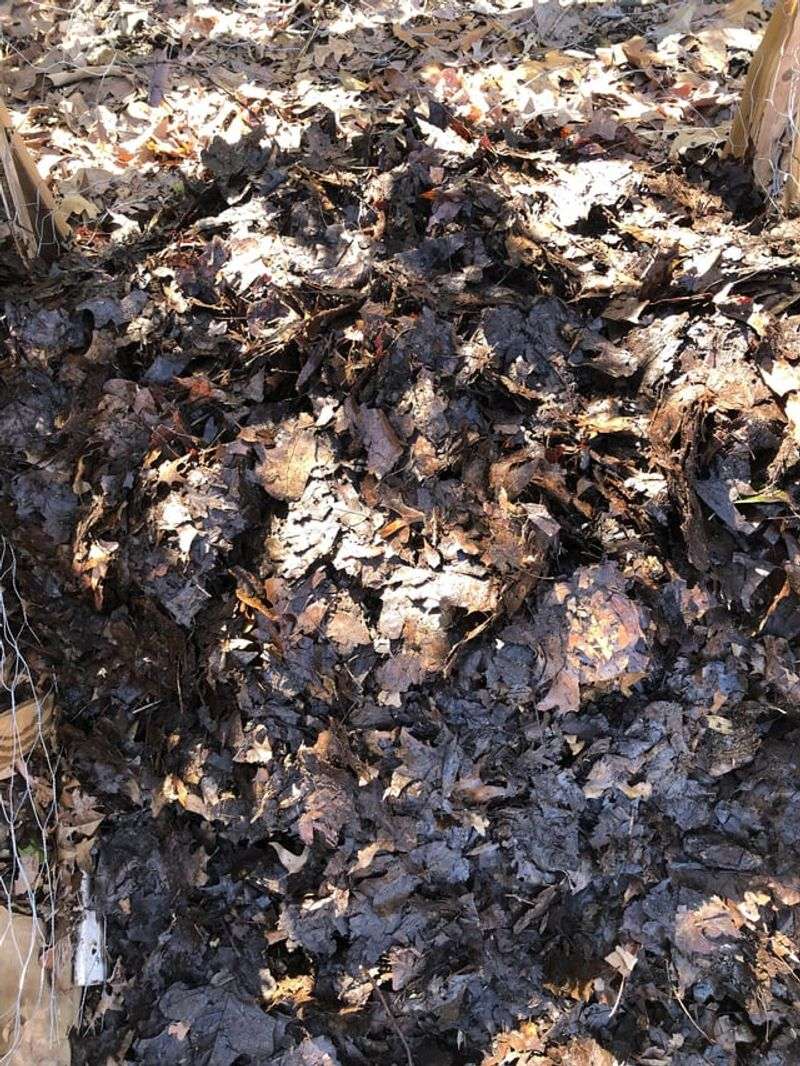
When oak leaves drop in autumn, some of them carry hitchhikers. The solitary oak leafminer is reported to overwinter as a larva inside mines within fallen leaves on the ground.
The leaf litter essentially becomes a shelter where the larva waits out the cold months before eventually pupating and emerging as an adult moth in warmer weather.
How many generations this moth completes in Ohio each year is not yet fully settled. Current State guidance leaves that question open rather than stating a fixed number.
There may be more than one round of mines during a single growing season. However, treating that as confirmed would overstate what is currently known about Ohio populations.
Leaf cleanup in autumn can reduce the number of leafminers that successfully complete their cycle close to your trees. Removing and disposing of infested fallen leaves takes away some of the overwintering habitat near the base of the tree.
This step is a reasonable, low-effort management action for homeowners who want to do something practical.
Removing healthy, green leaves from the tree itself is not recommended and would cause more harm than the leafminer. The focus should be on fallen leaf litter after the leaves drop naturally.
Bagging or composting infested leaves away from the tree is a sensible seasonal habit. It is especially useful for homeowners whose white oak group trees showed mines during the growing season.
8. Skip The Spray Unless The Tree Shows A Bigger Problem
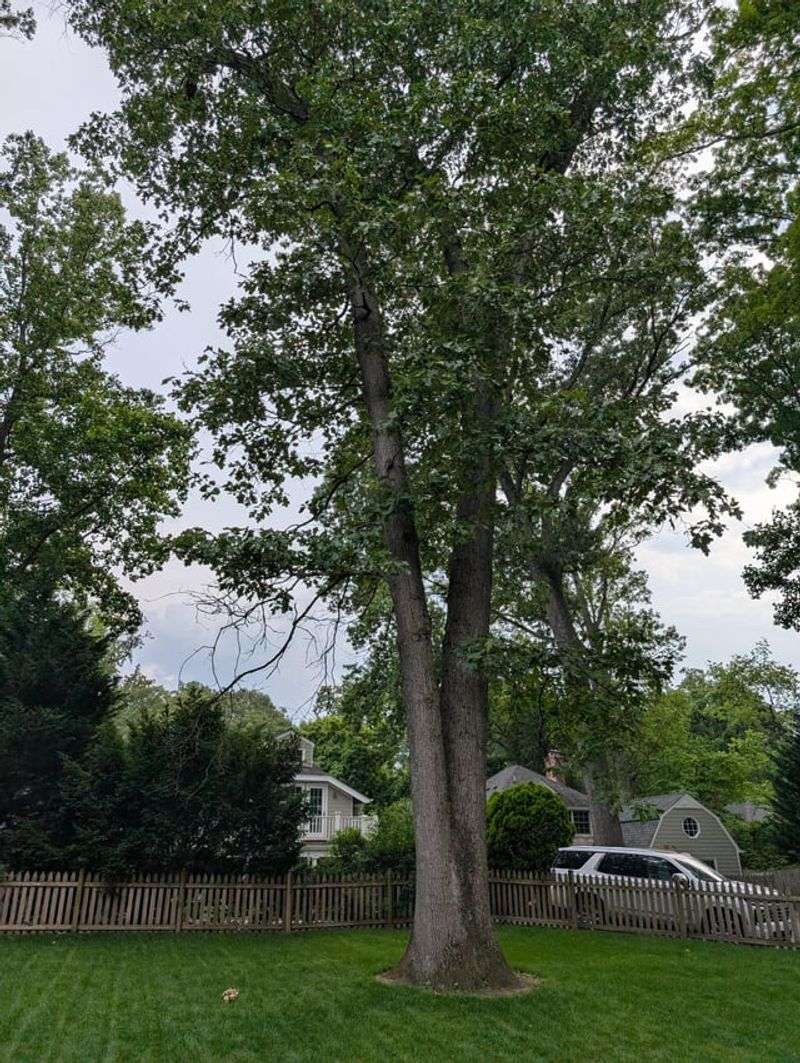
Reaching for an insecticide is a natural impulse when you spot damage on a tree you care about. For most established oaks with scattered leafminer mines, routine spraying is not the right response.
The injury is largely cosmetic, and the larvae already inside their mines are physically shielded from surface treatments by the leaf layers surrounding them.
Natural enemies play a meaningful role in keeping leafminer populations in check over time. Parasitic wasps and other beneficial insects attack leafminers at various life stages.
Applying broad-spectrum insecticides can reduce these natural controls, which may actually allow leafminer numbers to rebound more strongly in following seasons.
Ordinary tree care goes a long way toward keeping an oak resilient. Good routine care helps the tree handle minor pest pressure without outside intervention.
Water during dry spells, avoid root-zone compaction, and mulch properly. Fall leaf cleanup, as mentioned earlier, can reduce overwintering populations near the tree without any chemical input.
Contact a certified arborist or your local State Extension office when damage is widespread or repeats heavily across multiple seasons. Professional help also makes sense when broader canopy decline appears.
A professional can assess whether something beyond a leafminer is contributing to the problem. Strange white trails on your oak leaves most often reveal a tiny, hidden feeder at work rather than a crisis unfolding in your yard.