What Happens If Your California Tree Falls On A Public Sidewalk
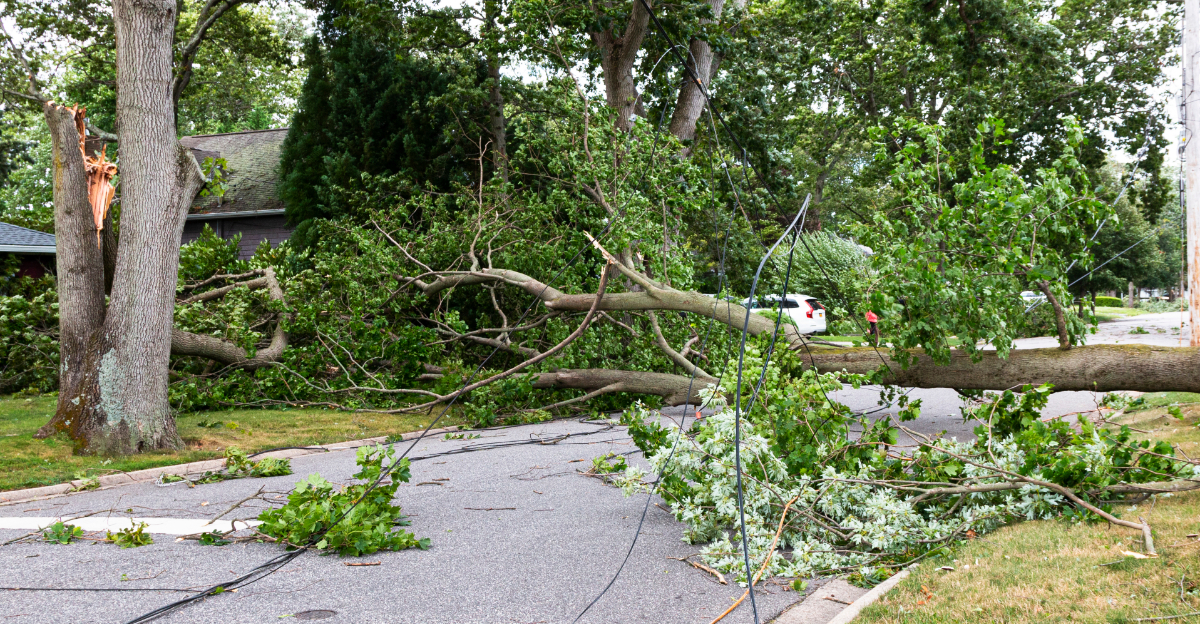
Picture this: a massive oak from your front yard crashes onto the sidewalk outside your home after a storm. Now you’re staring at splintered wood, cracked concrete, and a pile of unanswered questions.
Who’s on the hook for the damage? The answer isn’t as simple as most homeowners assume.
Property lines, city codes, insurance policies, and sometimes your neighbor’s strong opinions all factor into the equation. Each one can shift where the responsibility lands.
Getting clear on these details now could spare you a serious financial headache down the road, once the bills start showing up.
Determining Responsibility Starts With Ownership
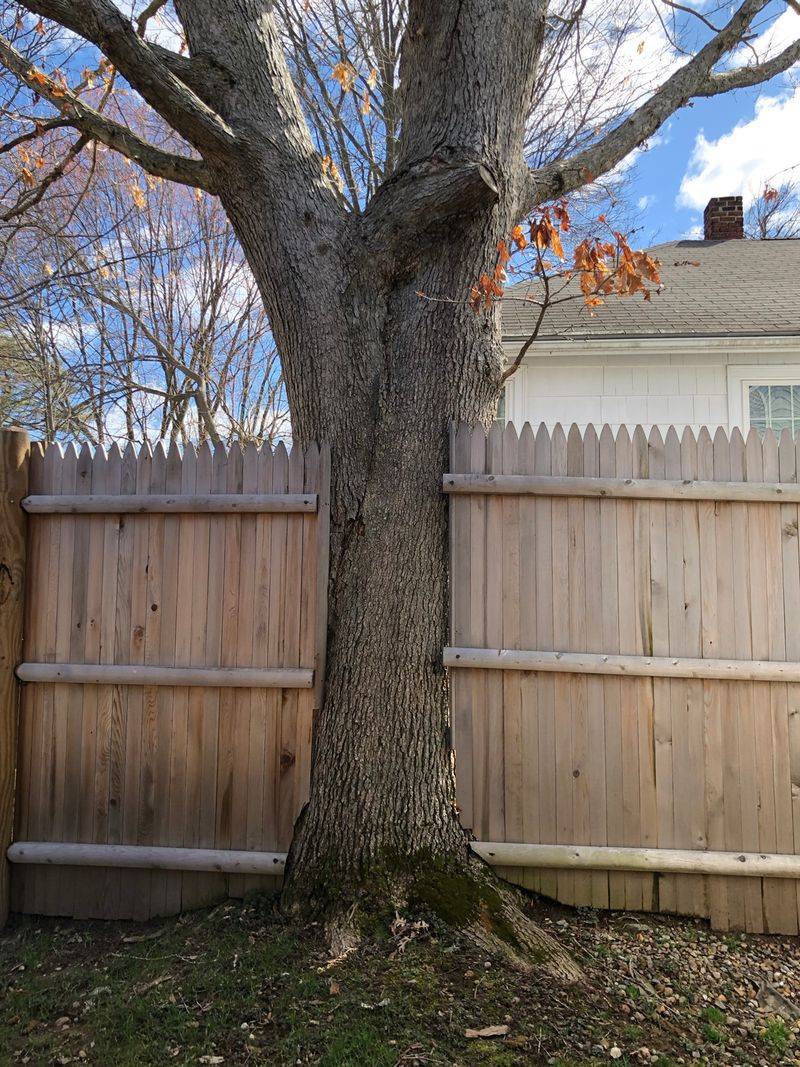
The first question anyone asks after a tree falls is simple: whose tree was it? In California, ownership is determined by where the trunk is rooted, not where the branches hang.
If the base of the tree sits on your property, that tree belongs to you. This is true even if branches stretched far over the sidewalk or into the street.
Property lines matter enormously in these situations. A survey map or your home’s deed can confirm exactly where your land ends and public space begins.
Sometimes a tree sits right on the boundary line between private and public land. In those cases, responsibility may be shared between you and the local municipality.
Your local city or county may have records showing which trees are officially registered as private versus public. Checking with your city’s public works department is a smart first move after any incident.
Knowing who owns the tree shapes every decision that follows. It affects who files the insurance claim, who pays for cleanup, and who could face a lawsuit.
Many California homeowners are surprised to learn their sidewalk-adjacent tree is their responsibility. The tree’s location on your lot makes you the tree’s legal owner under state law.
Start by pulling out your property survey documents before making any calls. Solid documentation protects you when disputes arise over what belongs to whom on your street.
Homeowner Liability When Negligence Is Involved
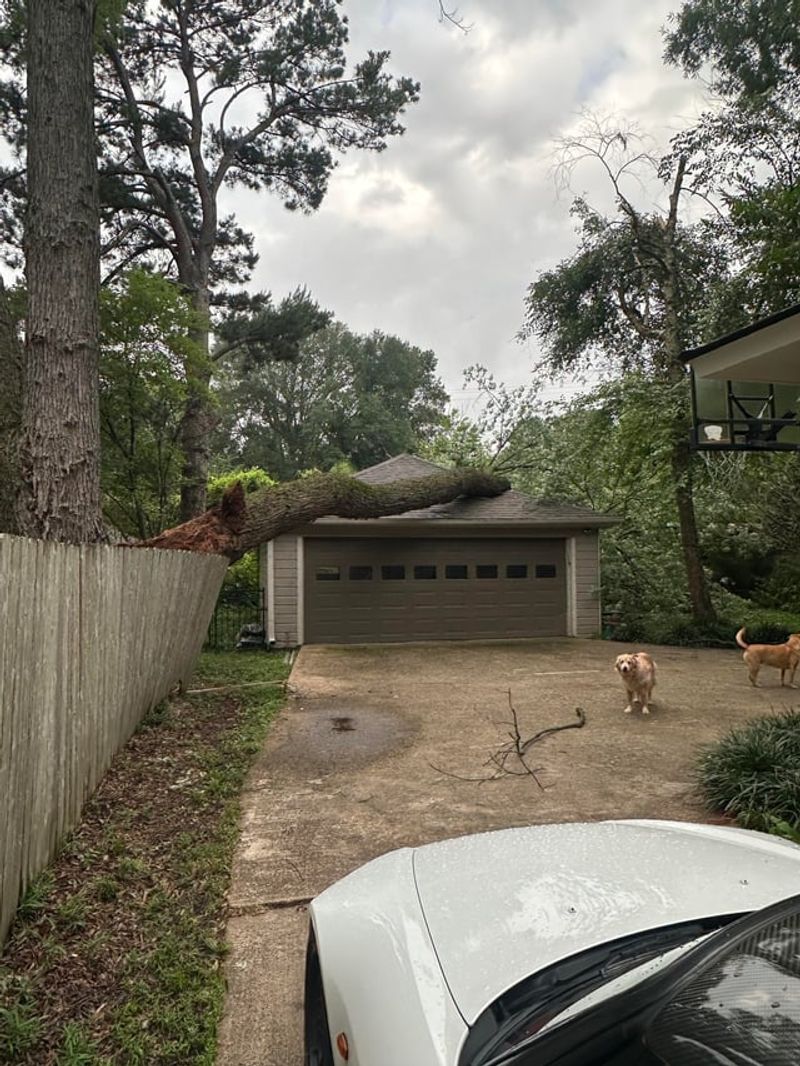
Negligence is the word that changes everything in a California tree liability case. If you knew your tree was diseased or structurally unsound, you had a legal duty to act.
California law generally holds homeowners responsible for maintaining trees on their property. Ignoring visible warning signs is not a defense.
Common red flags include large decayed branches, fungal growth at the base, and significant leaning after storms. Neighbors or city inspectors may have even warned you in writing before the fall.
When a tree falls on a public sidewalk due to neglect, injured parties can sue the homeowner directly. Medical bills, legal fees, and property damage claims can add up quickly.
Courts look at what a reasonable person would have done given the same warning signs. If you saw the problem and did nothing, that is textbook negligence under California law.
Documentation is your best friend and your worst enemy depending on how proactive you were. Emails from neighbors, city notices, and inspection reports all become evidence in a liability dispute.
Your California Garden Changes Every Week. Your Plan Should Too.
Gardening in California changes quickly throughout the season. Every Friday you’ll receive a simple weekly plan showing exactly what to plant, prune, fertilize, harvest, and protect so you never miss the right timing.
Hiring a certified arborist to inspect your trees regularly shows good faith. It also creates a paper trail proving you took your responsibilities seriously as a property owner.
Preventing a lawsuit is far easier than fighting one. Taking action on a troubled tree protects your finances and keeps your sidewalk safe for everyone walking by your home.
City-Owned Trees Change The Equation
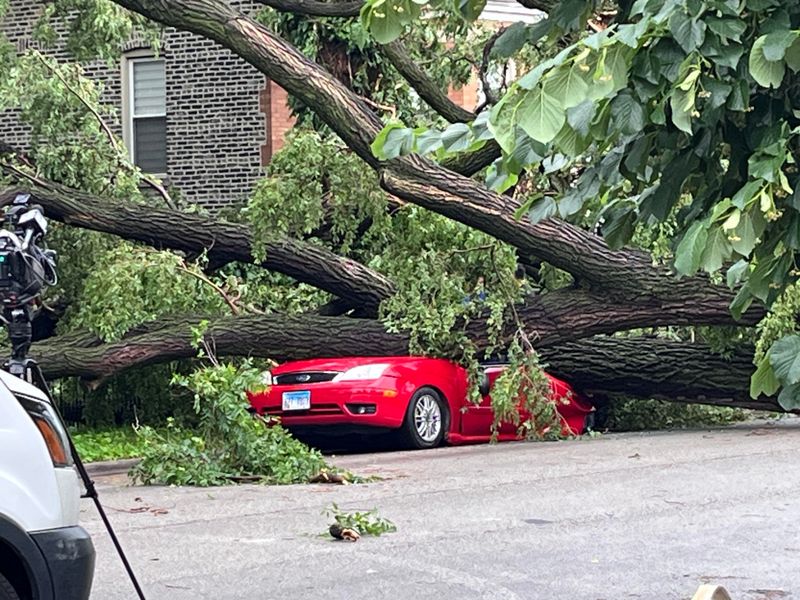
Not every tree near the sidewalk belongs to you. Many street trees in California are planted and maintained by the city, and that changes who holds the legal bag.
City-owned trees are typically located in the parkway strip, the narrow stretch of land between the sidewalk and the curb. That zone is often owned by the municipality, though many California cities still require homeowners to maintain any trees growing there.
When a city tree falls and causes damage or injury, the local government may bear responsibility. However, filing a claim against a California city is not as simple as calling your insurance agent.
California’s Government Claims Act requires you to file a formal claim with the city before pursuing any lawsuit. Miss that filing window, and your case could be dismissed before it’s heard.
The city can also argue it had no prior notice of the hazard. Without proof that officials knew the tree was dangerous, winning your claim becomes significantly harder.
Cities keep records of tree maintenance requests, work orders, and inspection logs. Requesting these documents through a public records request can reveal whether the city dropped the ball.
Some California municipalities have faced liability for failing to maintain street trees, particularly when officials knew about a hazard and failed to act.
Knowing whether the fallen tree was city property flips the entire situation on its head. Verify ownership before assuming you owe anyone a dime for the damage left behind.
Steps To Take Right After The Incident
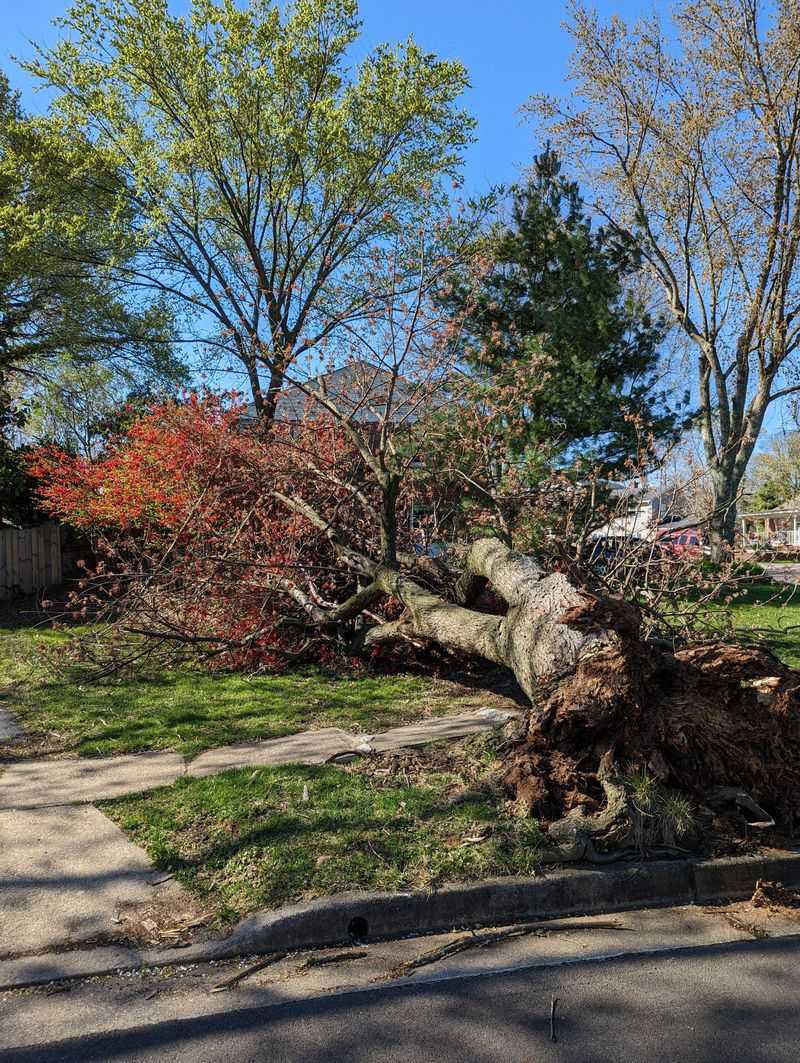
A tree just crashed onto the sidewalk, and your heart is pounding. Take a breath, because the next few moves you make matter more than you realize.
Your first priority is safety. Rope off the area or use cones if you have them, and call 911 if anyone is hurt or power lines are involved.
Once the immediate danger is handled, start documenting everything. Photograph the fallen tree, the root system, the sidewalk damage, and any surrounding structures from multiple angles.
Write down the time, date, weather conditions, and any witnesses present. These details seem minor now but become critical evidence if a claim or lawsuit follows later.
Contact your homeowner’s insurance company as soon as possible. Most policies require prompt notification after an incident, and delays can give insurers a reason to reduce or deny your claim.
Do not move or remove the tree before an insurance adjuster has a chance to inspect it. Cleaning up too quickly can erase key evidence about how and why the tree fell.
Reach out to your city’s public works or urban forestry department if you suspect the tree may have been city property. Get that inquiry in writing to create a record.
Acting fast and staying organized right after the fall puts you in the strongest possible position. The chaos of the moment fades, but your documentation lasts as long as the case does.
Insurance Coverage Depends On The Circumstances
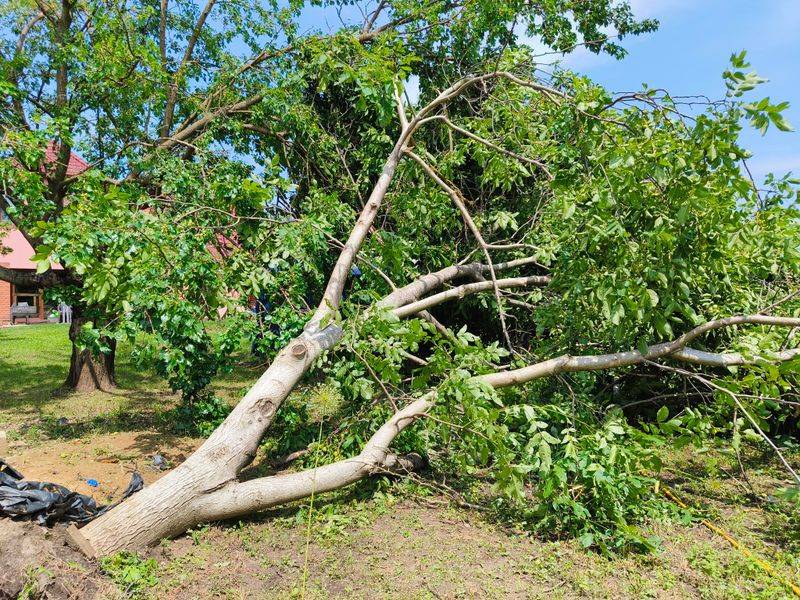
Insurance can feel like a lifeline after a fallen tree, but coverage is rarely automatic. What gets paid, and by whom, depends heavily on the specific facts of your situation.
Standard California homeowner’s insurance typically includes liability coverage for injuries caused by your negligence. If the tree was rotting and you ignored it, your policy may kick in to cover legal costs.
Damage to the public sidewalk itself is usually the city’s responsibility to repair. However, if your tree caused the damage, the city may seek reimbursement from you or your insurer.
Tree removal costs after a fall are often covered only if the tree damaged a covered structure, like your fence, car, or home. A tree lying harmlessly on the sidewalk may not trigger that coverage.
Liability claims filed by injured pedestrians are a different story. Your personal liability coverage, usually between $100,000 and $300,000, may cover medical costs and legal fees up to your policy limit.
An umbrella insurance policy provides an extra layer of protection beyond your standard liability limits. Homeowners with large trees near public areas should seriously consider adding one.
Read your policy’s exclusions carefully before assuming you are covered. Some policies exclude damage from trees that were visibly damaged or diseased before the incident occurred.
Talking to your agent before something happens is the smartest move you can make. Knowing your coverage limits now keeps you from learning the hard way after a California tree falls.
Reducing Your Risk Going Forward
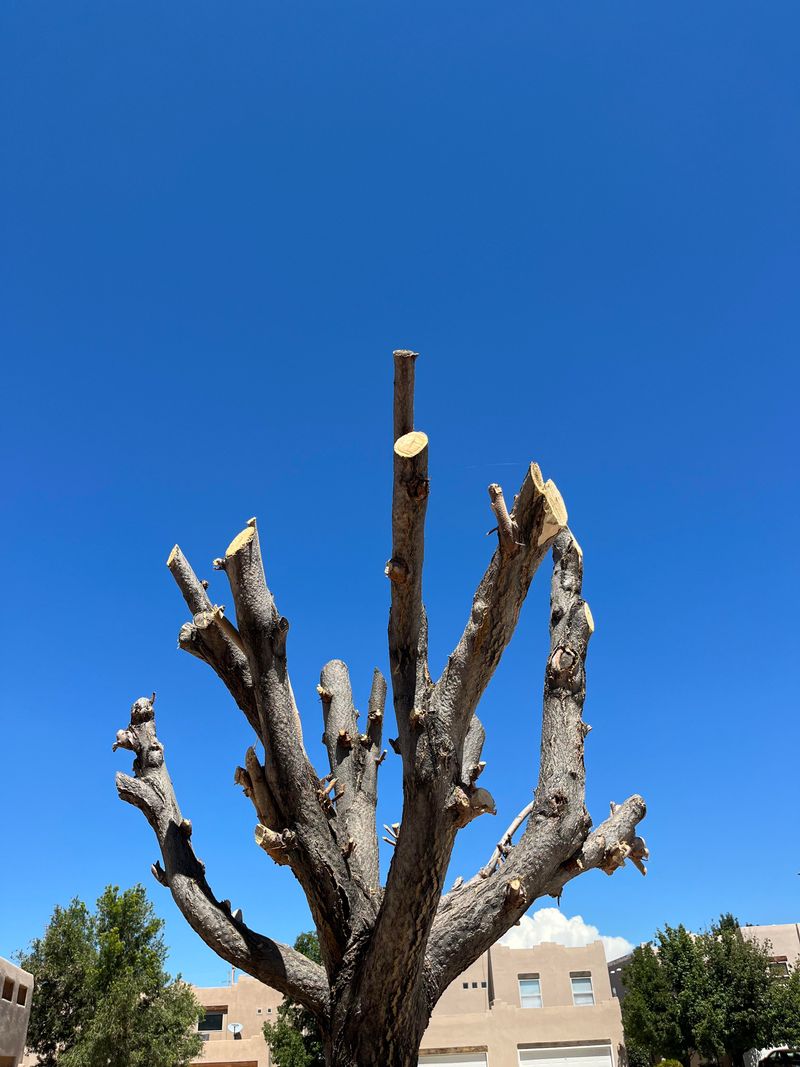
Knowing the risks is one thing, but doing something about them is where smart homeowners separate themselves from the rest. Prevention is far cheaper than litigation.
Schedule an inspection with a certified arborist at least once every two years, especially if you have mature trees near public walkways. Arborists can spot structural problems long before a storm reveals them.
Ask your arborist for a written report after each visit. That document becomes powerful proof of your diligence if a tree ever does fall and someone tries to hold you accountable.
Trim overhanging branches regularly to reduce the load on your tree during high winds or heavy rain. Lighter canopies mean less stress on the root system and the trunk structure.
If a tree is flagged as high-risk, get it removed before the next storm season. The cost of professional removal is a fraction of what a personal injury lawsuit could cost you.
Check with your city about its street tree maintenance schedule. If a city tree near your home looks unstable, submit a written maintenance request and keep a copy for your records.
California’s wildfire and wind seasons make tree management a year-round job, not a one-time task. Staying proactive protects your wallet, your neighbors, and everyone who walks past your home.
When a California tree falls on a public sidewalk, preparation is what separates a manageable situation from a financial nightmare. Build good habits now, and let that work speak for itself later.