Native Ohio Plants To Grow Instead Of Burning Bush This August
Burning bush can look irresistible once Ohio fall color begins, but that bright red show comes with a serious tradeoff.
The shrub spreads beyond yards into woods, field edges, and roadsides, where seedlings can crowd native plants and simplify habitat.
Fortunately, Ohio gardeners do not have to give up strong autumn color, berries, texture, or screening to make a better choice.
Several native shrubs and small trees can fill those roles with far more ecological value.
So what belongs in the ground this August instead?
Eastern wahoo brings scarlet foliage and showy fruit. Running strawberry bush covers shady ground. American hazelnut creates a broad screen.
Spicebush, witch hazel, winterberry, buttonbush, and southern Ohio strawberry bush each solve a different site problem.
The key is matching plant to place.
Some want dry woodland shade. Others prefer wet soil, open sun, or room to spread.
Choose by mature size, moisture, and light first, then let fall color and wildlife value become the bonus that makes the replacement feel like an upgrade naturally.
1. Plant Eastern Wahoo For Brilliant Fall Color
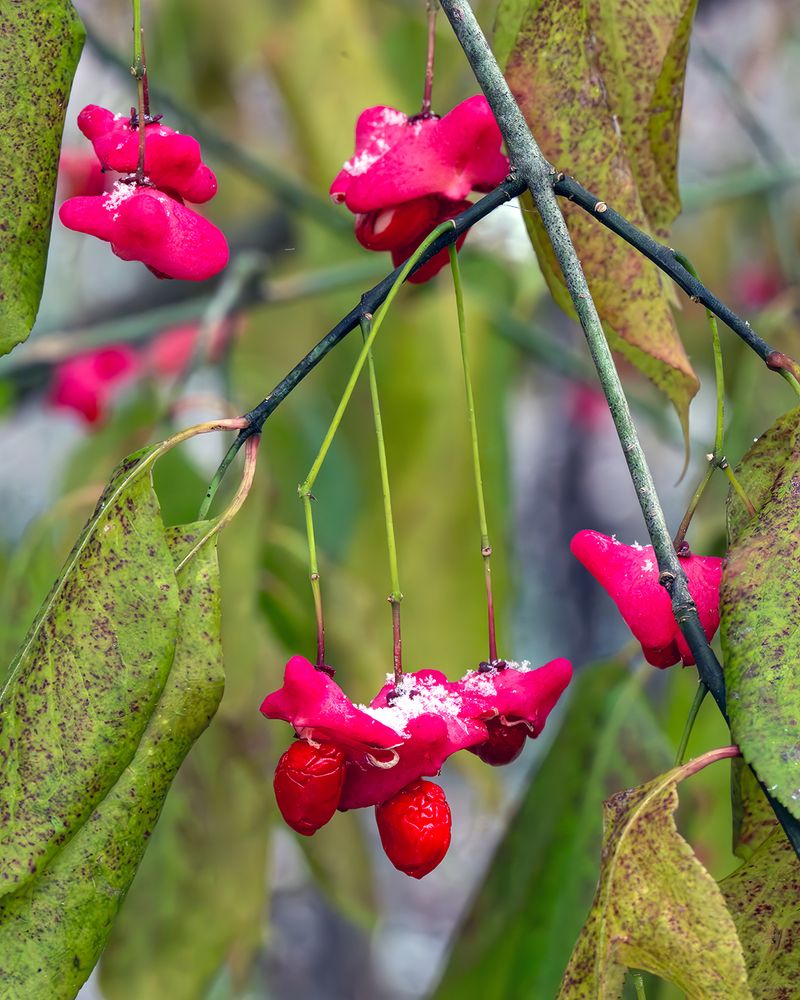
Scarlet leaves are the obvious reason to notice eastern wahoo, but the fruit display gives this Ohio native another season of interest.
Euonymus atropurpureus grows as a large shrub or small tree, often reaching roughly 12 to 24 feet tall. That mature size makes placement important.
It belongs where the canopy can develop naturally rather than in a narrow foundation strip meant for a compact hedge.
Part shade suits it especially well.
Woodland edges, open shade beneath taller trees, and moist slopes give eastern wahoo the kind of setting where its loose branching habit looks intentional.
Moist, well-drained soil is a strong match, though established plants can handle shorter dry periods once roots spread.
Autumn brings the best show.
Leaves can shift through red and scarlet tones, while pinkish to red capsules split to reveal bright orange seeds. Birds may feed on the fruit, adding movement to a part of the yard that burning bush often occupied mainly for color.
Do not expect a clipped green box.
Eastern wahoo has a more open, natural shape, so it works better as a specimen, woodland-edge shrub, or informal screen. Give it room from walkways and structures before planting.
August planting can work well with attentive watering.
Keep the root zone evenly moist through dry stretches as the shrub settles in, then let its native woodland personality take over.
2. Try Running Strawberry Bush Under Trees
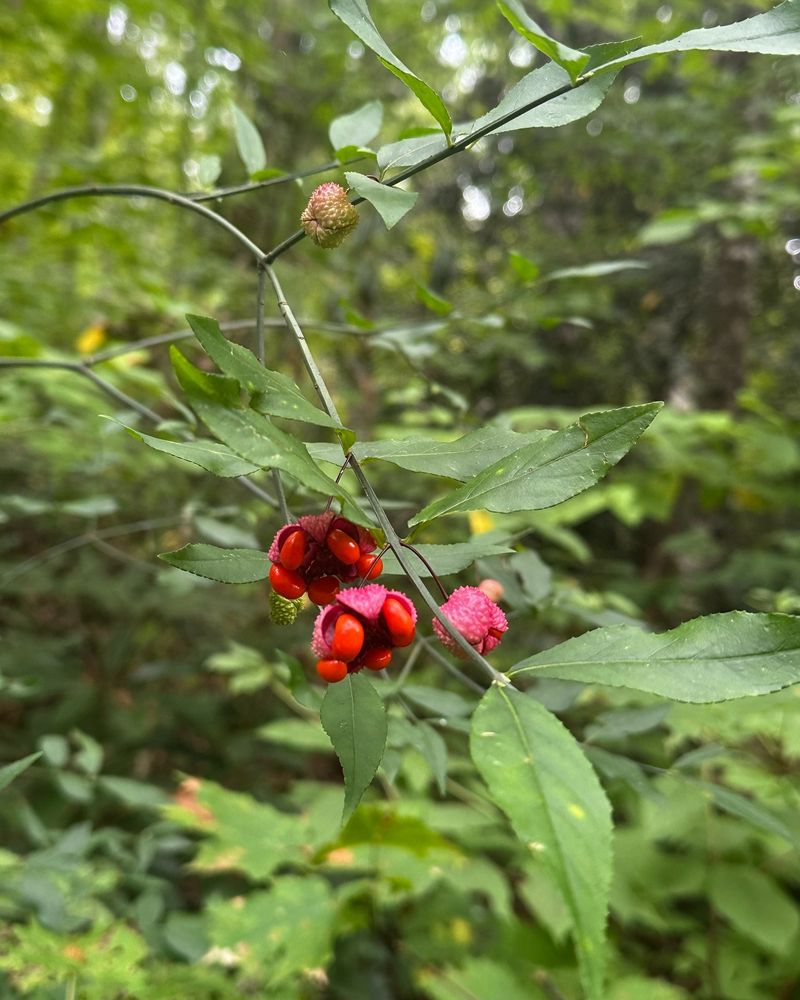
Deep shade under mature Ohio trees can make ordinary groundcovers disappear one season at a time.
Running strawberry bush, Euonymus obovatus, takes a different approach. This low native shrub spreads along the ground, with stems capable of rooting where they touch suitable soil.
Mature height usually stays around two feet or less, so the plant fills space horizontally rather than trying to become a privacy screen.
That makes it useful beneath trees.
Moist, rich woodland soil and shade suit it far better than a hot foundation bed or exposed gravel edge. The plant can weave between roots, soften bare soil, and create a low native layer where turf struggles.
Your Ohio Garden Changes Every Week. Your Plan Should Too.
Gardening in Ohio changes quickly throughout the season. Every Friday you’ll receive a simple weekly plan showing exactly what to plant, prune, fertilize, harvest, and protect so you never miss the right timing.
Fall color is subtle but attractive.
Leaves may take on reddish or purplish tones, while textured capsules open to show orange-coated seeds. The display is smaller than burning bush, but the scale fits a woodland floor much better.
Give new plants steady moisture.
Tree roots create serious competition during August, so a fresh transplant can dry faster than the shaded surface suggests. A light layer of leaf mulch helps hold moisture without smothering the stems.
Leave room for gradual spread.
This is not a plant for gardeners who want every stem confined to one neat circle. Its creeping habit is part of the point.
Instead of building a tall red wall, running strawberry bush turns difficult shade into a layered native planting that looks like it belongs there.
3. Use American Hazelnut For A Broader Screen
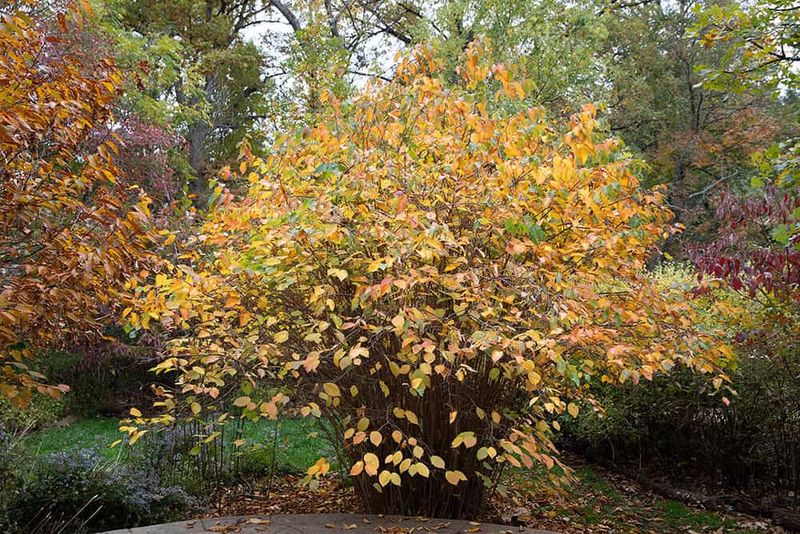
A property line that needs real coverage calls for something larger than a decorative accent.
American hazelnut, Corylus americana, can fill that role with a broad, multi-stemmed habit that often reaches six to ten feet tall and spreads outward through suckers.
Over time, several plants can form an informal screen with enough density to soften views and create useful wildlife cover.
Give it room from the beginning.
This shrub naturally expands, so a narrow bed beside a sidewalk is a poor match. A wide property edge, naturalized border, or transition between lawn and woodland gives the stems space to build a fuller thicket.
Sun to part shade works well.
Average, well-drained soil supports good growth, and established shrubs handle a range of ordinary Ohio conditions. New August plantings still need regular moisture while roots move beyond the nursery ball.
Fall color usually lands in warm yellow, orange, and reddish tones rather than one electric scarlet.
The bigger bonus arrives in the nuts.
Hazelnuts ripen in late summer and early fall, attracting squirrels, birds, and other wildlife. Gardeners may harvest some too, though competition can be enthusiastic.
Avoid trying to shear the shrub into a rigid rectangle.
Its natural form is broad and slightly unruly, which suits informal native landscapes.
Burning bush often gets planted for screening first and color second. American hazelnut can handle the screening job while adding food, cover, and a stronger connection to Ohio wildlife.
4. Plant Spicebush Along Woodland Edges
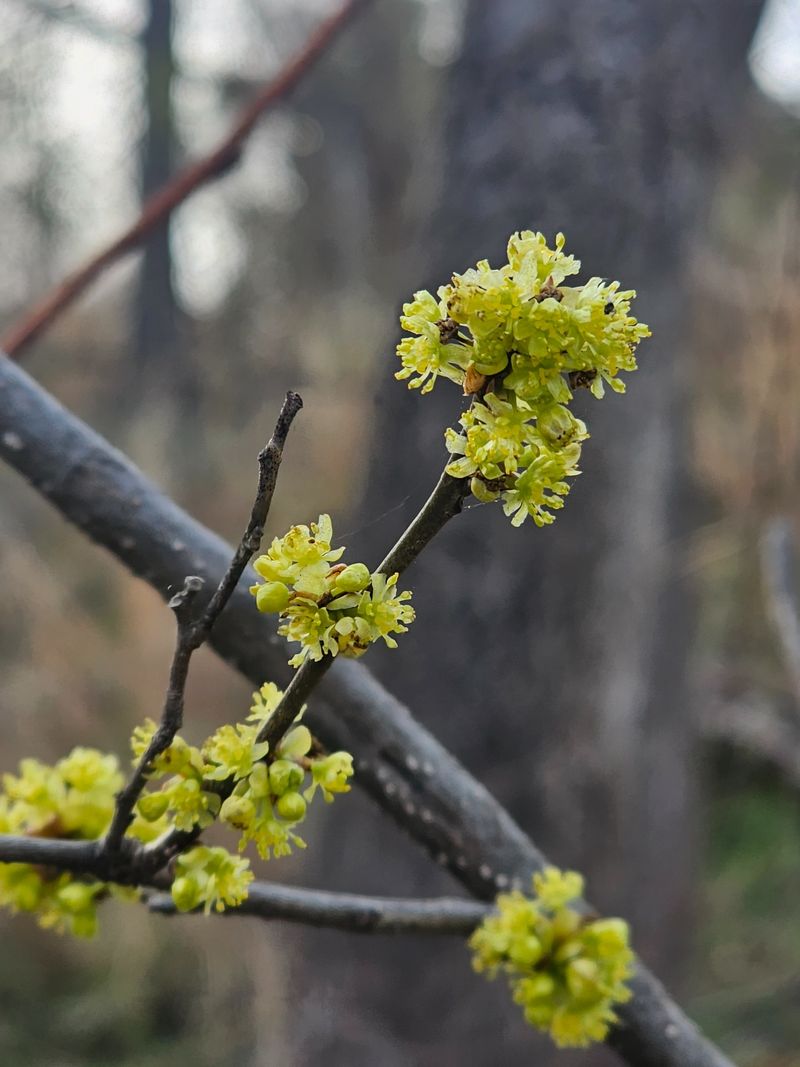
One crushed leaf is enough to explain why spicebush earned its common name.
Lindera benzoin carries a spicy fragrance in its leaves and twigs, giving this Ohio native interest long before autumn arrives.
It generally grows six to twelve feet tall with a rounded, multi-stemmed form that fits naturally along woodland edges and beneath taller trees.
Shade is not a drawback here.
Part shade to fairly deep shade can suit spicebush, especially where soil stays moist and drains well. Streamside-style beds, shaded rain-garden margins, and low woodland edges are stronger locations than a dry strip beside hot pavement.
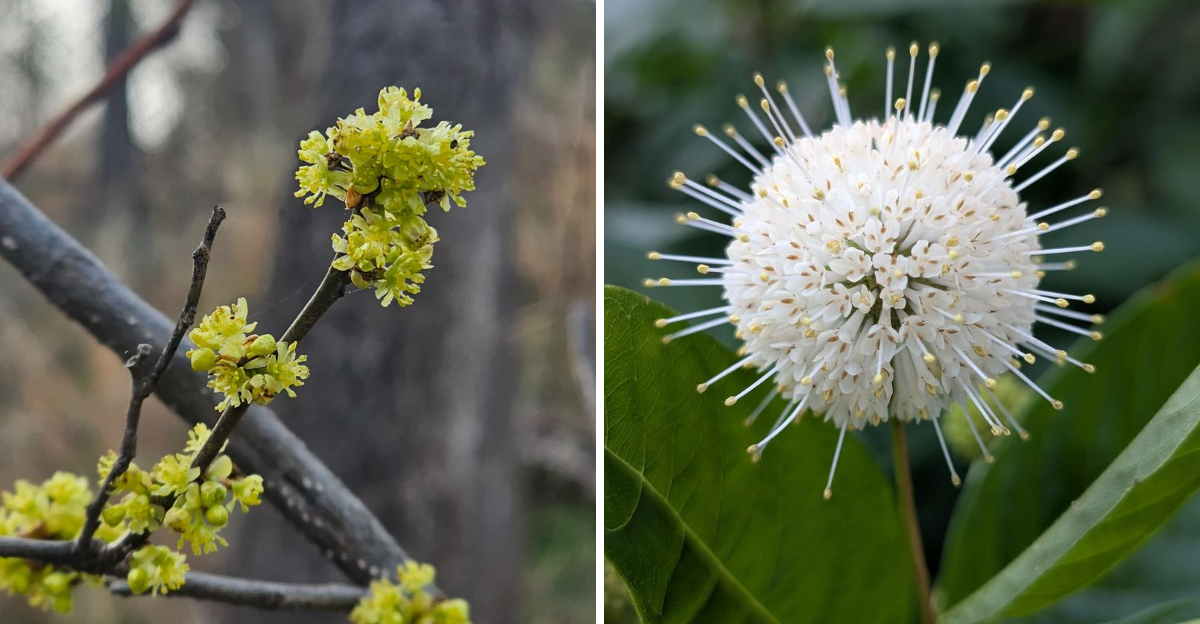
Spring starts with small yellow flowers before the canopy fills overhead.
Female plants can later carry glossy red fruit when a compatible male plant grows nearby. Birds may feed heavily on those berries during fall migration, while the leaves turn a clear yellow that can brighten a shaded corner.
The plant also supports spicebush swallowtail caterpillars.
That makes it valuable even during seasons when the shrub is not flowering or fruiting.
August planting calls for careful watering.
Shade can hide dry soil, especially beneath mature trees whose roots pull moisture quickly. Check the root zone and keep new plants evenly moist through establishment.
Spicebush will not imitate burning bush’s red foliage.
It offers something broader: spring flowers, fragrant foliage, fall fruit, yellow color, and a role in a native butterfly life cycle. For a woodland edge, that is a richer trade.
5. Try Common Witch Hazel For Fall Interest
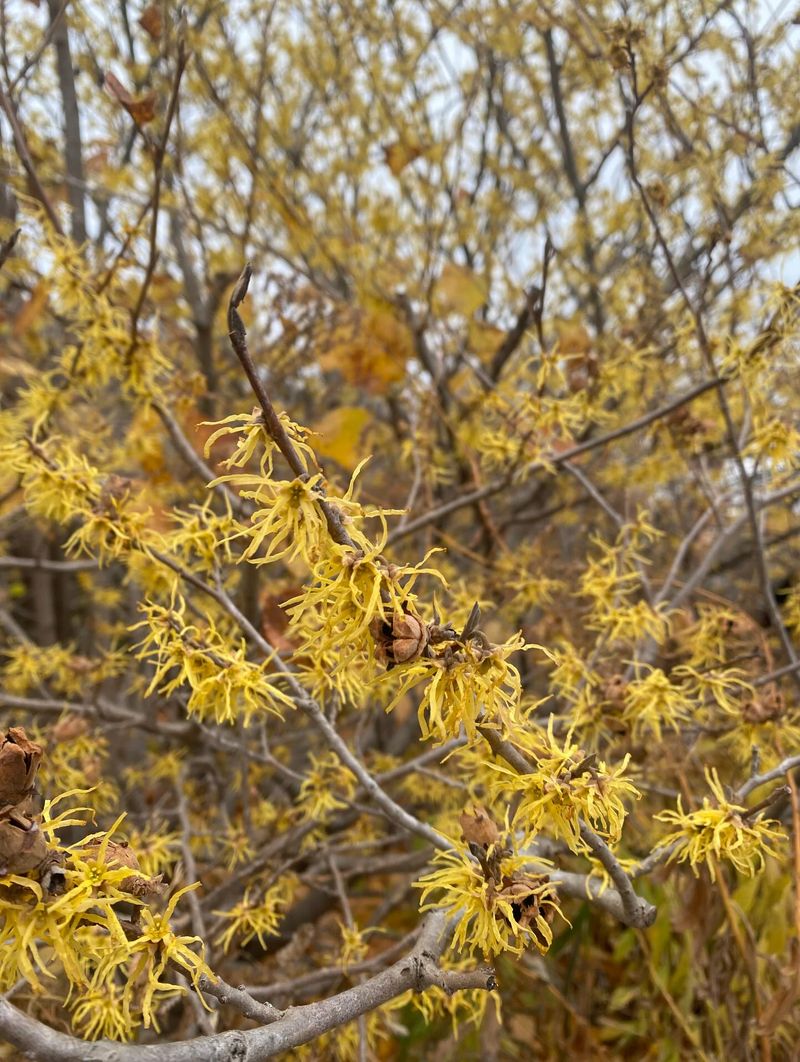
Most shrubs finish flowering months before common witch hazel decides to begin.
Hamamelis virginiana can open thin, ribbonlike yellow flowers in October and November, sometimes after much of the surrounding foliage has dropped. That schedule turns a large native shrub into a fascinating late-season plant in an Ohio yard.
Expect real size.
Common witch hazel often reaches 15 to 20 feet and spreads broadly with age. Give it the kind of space normally reserved for a small ornamental tree rather than squeezing it into a narrow hedge line.
Part shade works beautifully.
Moist, well-drained woodland soil is a natural fit, though established plants can adapt to ordinary garden conditions when drainage remains reasonable. A woodland margin or broad shaded corner allows the branching structure to develop without constant pruning.
Fall foliage usually turns yellow.
The color is gentler than burning bush red, but the late flowers arrive just as many landscapes are becoming bare. Seed capsules add another curiosity and can eject ripe seeds away from the parent plant.
Pruning should stay light.
The loose, architectural form is part of the appeal, so repeated shearing only creates more work and hides the shape gardeners planted it for.
Keep August transplants watered during dry weather and protect the root zone with a modest mulch layer.
Witch hazel changes the calendar entirely, saving one of Ohio’s strangest flower displays for the moment the rest of the yard starts clocking out.
6. Use Winterberry For Bright Winter Fruit
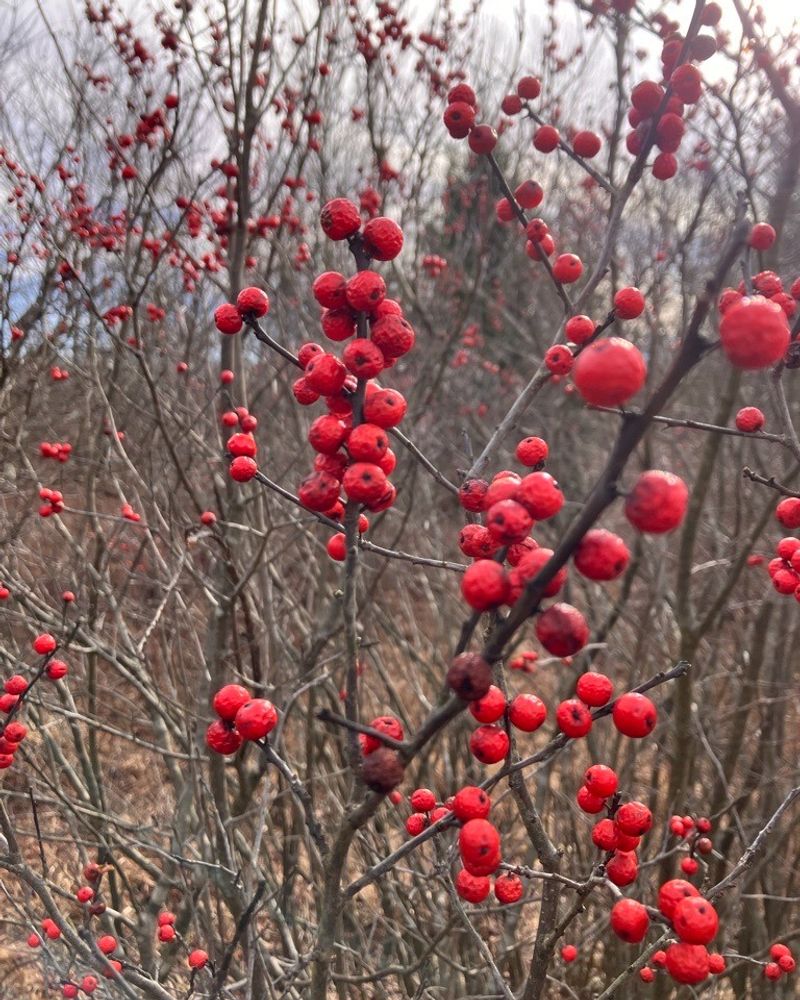
Once winterberry drops its leaves, the real show finally becomes visible.
Ilex verticillata is a deciduous native holly that can carry clusters of bright red fruit along bare stems into late fall and winter. Those berries bring strong cold-season drama after ordinary foliage color is gone.
Moisture is the first requirement to check.
Winterberry favors moist to wet soil and works especially well near rain gardens, pond edges, low areas, or consistently damp sites.
Full sun to part shade suits it, with stronger light often supporting heavier flowering and fruiting when moisture remains adequate.
Plan for pollination before planting.
Winterberry plants are male or female, and fruit appears on female plants only after compatible male flowers provide pollen. One appropriately matched male can usually serve several females planted nearby.
Do not grab random labels from the nursery rack.
Flowering times need to overlap, so cultivar compatibility matters more than simply owning one male and one female.
Mature shrubs commonly reach around six to ten feet, depending on selection and conditions.
Give them space to develop rather than forcing them into a tight clipped hedge.
Birds may feed on the fruit later in the season, sometimes clearing a heavily berried shrub quickly.
August planting works with steady moisture, which should come naturally in a well-chosen winterberry site.
Burning bush gives Ohio a few weeks of red leaves. Winterberry can carry red into the gray months after those leaves would already be gone.
7. Plant Buttonbush In Wetter Ground
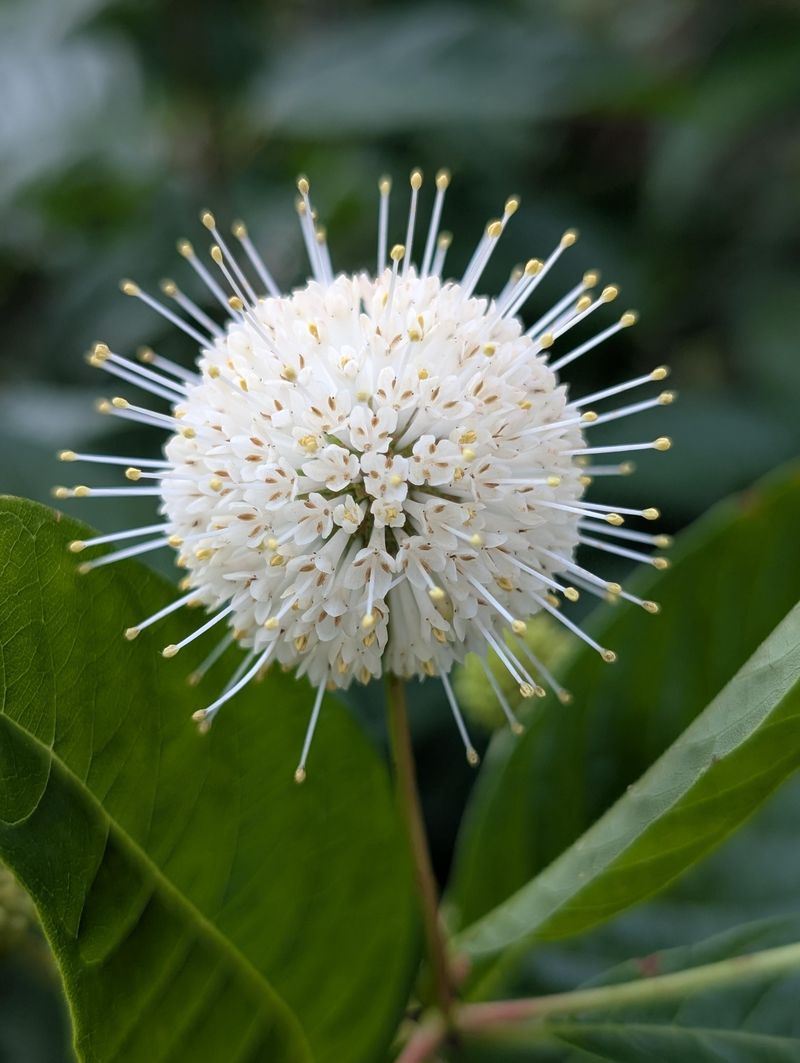
A soggy corner does not need better drainage when the plant chosen for it actually enjoys wet ground.
Buttonbush, Cephalanthus occidentalis, is an Ohio native shrub suited to pond edges, low swales, marshy ground, and places where moisture stays high.
It commonly reaches six to twelve feet with an open, rounded form that looks natural beside water or in a rain garden.
Summer flowers make it memorable.
Round white flower heads resemble small pincushions, creating an unusual shape in the shrub border. Bees, butterflies, and other pollinators visit the blooms heavily during summer.
Later seed heads can remain into the cooler season.
That extends structure beyond flowering and adds food value for wetland wildlife.
Sun to part shade works well.
The critical factor is moisture. Buttonbush can tolerate periodic flooding and heavy wet soil far better than a typical landscape shrub, but a dry foundation bed removes the advantage that makes it such a useful replacement.
Give it room.
A mature buttonbush is too large for a narrow walkway edge and too informal for constant shearing. Place it where the broad canopy can become part of the landscape.
August is a reasonable planting time when the root zone stays reliably moist and supplemental water is available during dry stretches.
Buttonbush does not belong everywhere burning bush once grew. In wet places where ordinary shrubs struggle, though, it turns a problem area into one of the busiest wildlife corners in the yard.