What It Really Means When New Texas Trees Wilt Despite A Drip Line
You installed the drip line, dialed in the timer to the minute, and felt like a certified pro. Everything checked the boxes for textbook tree care.
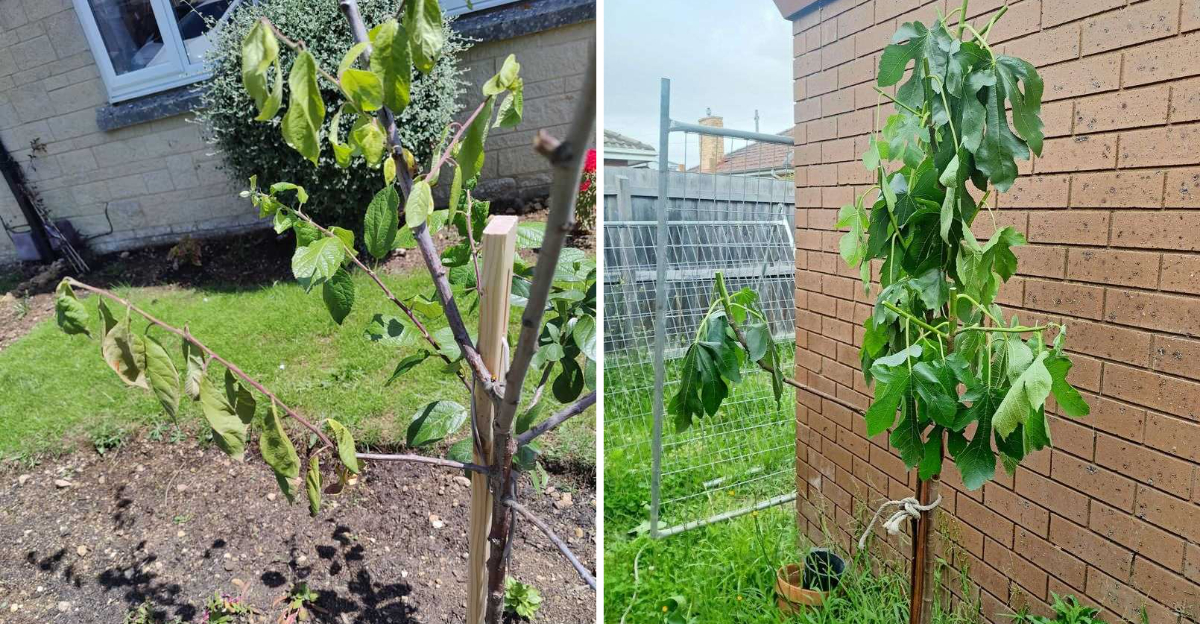
Then your new tree started sagging anyway, like it never got the memo. Leaves droop, branches lose their lift, and you keep circling back to check that timer.
Wilting despite proper watering is one of the most puzzling problems new tree owners run into here in Texas. The water’s showing up, but the tree acts like it never got the message.
Figuring out the real reason behind it can save your tree, and spare you a slow spiral into self-doubt.
Transplant Shock Explains Wilting Despite Proper Watering
Your new tree is basically having a rough first week at a new school. Transplant shock hits almost every tree moved from a nursery pot into the ground.
When a tree is dug up and relocated, it loses a significant portion of its root system. Those missing roots were responsible for pulling water up into the branches and leaves.
Even with a drip line running perfectly, the remaining roots cannot absorb moisture fast enough. The leaves wilt because supply cannot meet demand, plain and simple.
New trees in the Texas heat face extra pressure from high temperatures and intense sun. The stress on the tree’s system is real, even when the soil feels moist.
Transplant shock can last anywhere from a few weeks to a full growing season. Patience is genuinely the most underrated tool in a gardener’s kit.
Wilting despite a drip line does not automatically mean something went wrong with your setup. It often means the tree is adjusting to an entirely new environment.
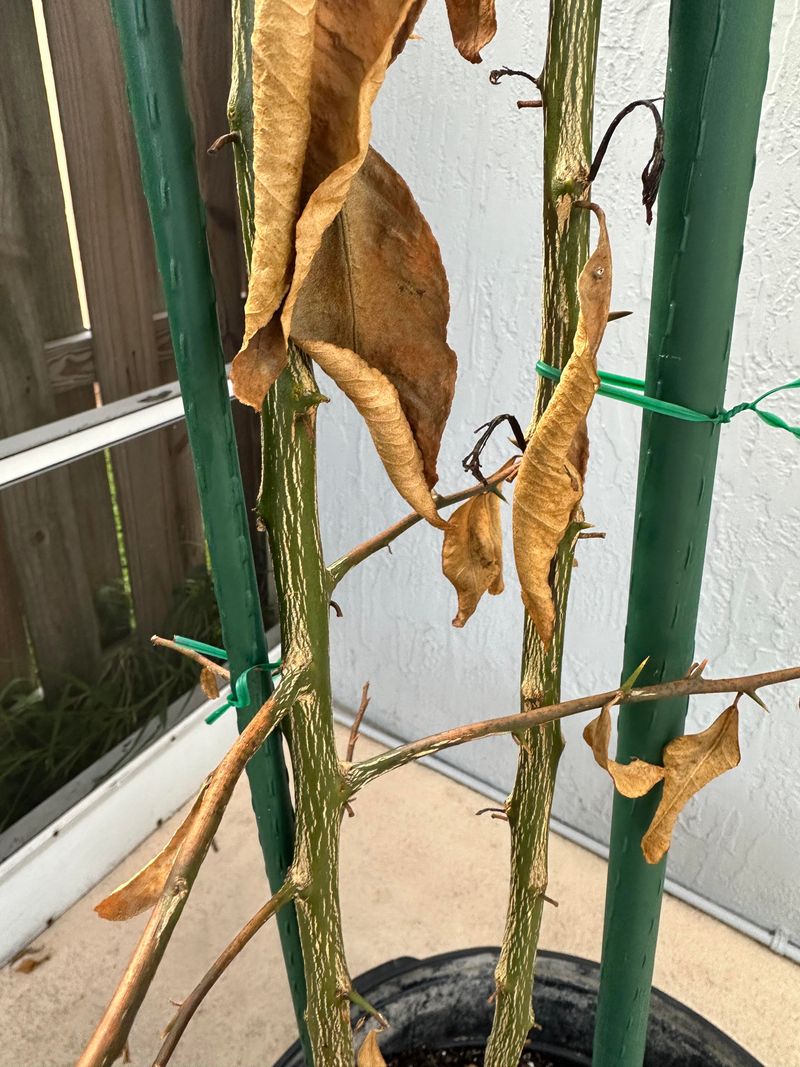
Symptoms of transplant shock include drooping leaves, yellowing, and leaf drop. Noticing these signs early helps you respond calmly rather than overreact.
The best move during this phase is to stay consistent with watering. Avoid the urge to flood the tree just because it looks sad.
Transplant shock is survivable with steady care and smart observation. Your tree is not giving up; it is just getting started.
Roots Lost During Digging Cannot Keep Up Yet
Picture a sponge with half its surface cut away trying to soak up a spill. That is roughly what a newly planted tree’s root system looks like after transplanting.
Nursery trees are grown in containers or field soil that gets sliced through during harvest. A large percentage of the feeder roots, the tiny ones that actually absorb water, get left behind.
Feeder roots are the workhorses of the tree’s water system. Without enough of them, the tree struggles to move moisture from the soil into its canopy.
Even a perfectly placed drip line cannot compensate for a root system that is still rebuilding. The tree needs time to grow new feeder roots before it can keep up with its own water needs.
In Texas summers, that gap between supply and demand widens fast. Texas heat pulls moisture out of leaves faster than damaged roots can replace it.
Your Texas Garden Changes Every Week. Your Plan Should Too.
Gardening in Texas changes quickly throughout the season. Every Friday you’ll receive a simple weekly plan showing exactly what to plant, prune, fertilize, harvest, and protect so you never miss the right timing.
This is why wilting can happen even when the soil around the root ball feels wet. The issue is not water availability; it is water delivery inside the tree.
Root regeneration typically begins within a few weeks under good conditions. Cooler soil temperatures and consistent moisture encourage faster regrowth.
Mulching around the base of the tree helps keep soil cooler and supports new root development. A three-inch layer of wood chip mulch makes a noticeable difference.
Give the root system a full year to rebuild before judging the tree’s health. Progress happens underground long before you see it above ground.
Drip Lines Miss The Zone Roots Actually Need
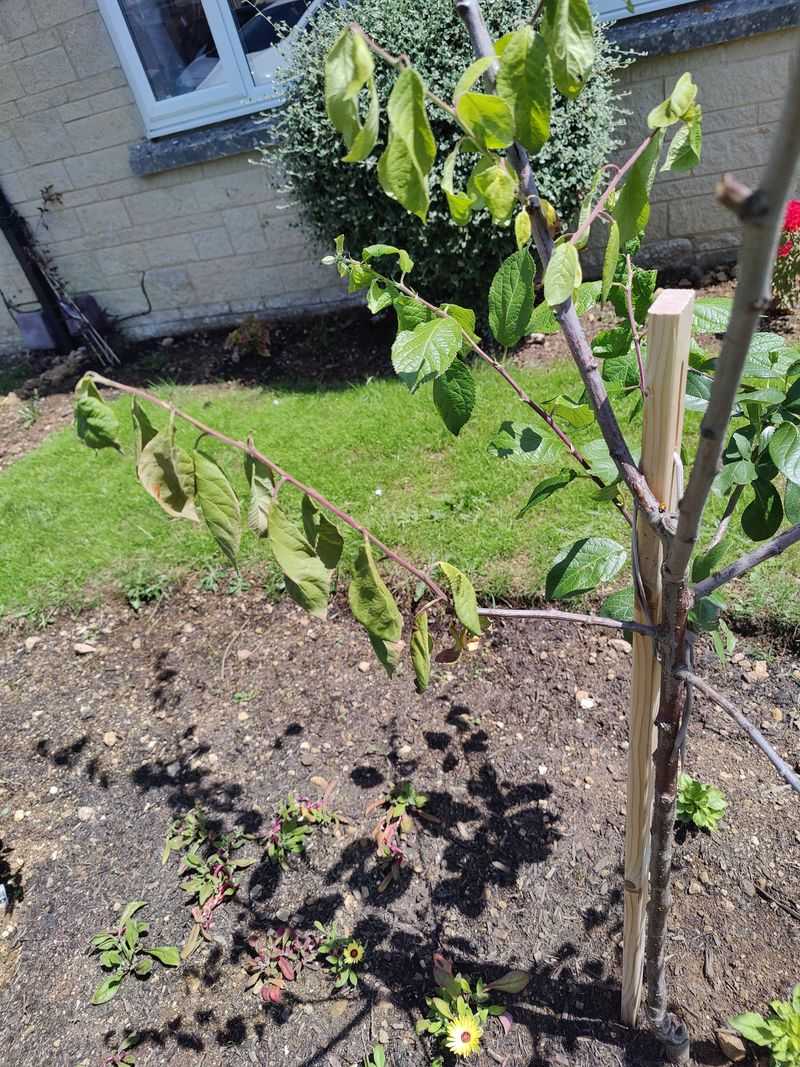
Drip lines are fantastic tools, but placement matters more than most people realize. A line installed too close to the trunk can water the wrong zone entirely.
Tree roots do not stay clustered right under the trunk. They spread outward, often extending well beyond the canopy’s edge, searching for moisture and nutrients.
When emitters sit only six inches from the trunk, the water saturates a small area near the base. Meanwhile, the expanding root zone further out stays bone dry.
Newly planted trees in Texas need water delivered where the roots are actively growing. That zone shifts outward as the tree establishes itself over the first year.
A common mistake is setting up the drip system at planting and never adjusting it. Roots move, and your emitter placement should move with them.
For a newly planted tree, place emitters at the edge of the root ball, not against the trunk. As the tree grows, gradually move emitters outward to follow root expansion.
Running drip lines in a ring pattern around the tree works better than a single emitter. Multiple points of moisture delivery encourage roots to spread in healthy directions.
Check your soil moisture at different distances from the trunk using a simple screwdriver or moisture meter. Dry soil six inches down at the drip line edge means the system needs adjustment.
Getting the placement right changes everything about how well a new tree responds. Small tweaks to your setup can produce dramatic improvements in canopy health.
Overwatering Can Mimic The Same Wilting Symptoms
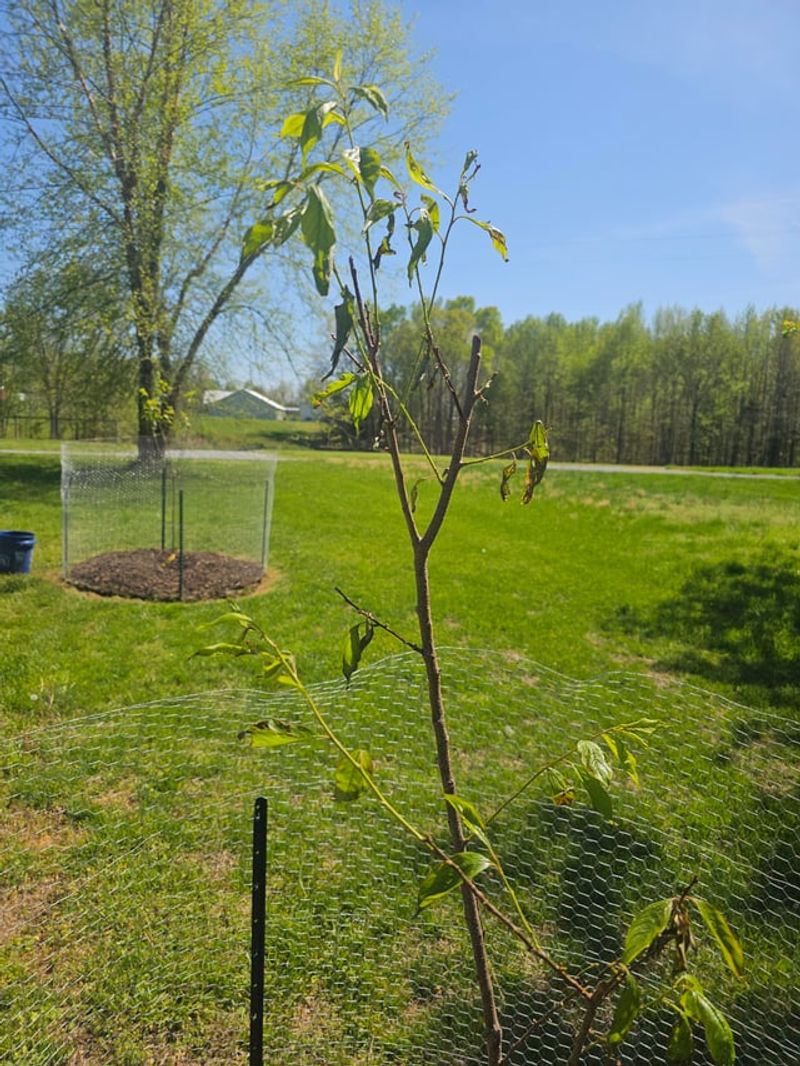
Here is the twist that surprises almost every new tree owner: too much water looks exactly like too little. Wilting leaves do not always mean the tree is thirsty.
When soil stays saturated for too long, roots begin to lose access to oxygen. Roots need oxygen just as much as they need moisture, and waterlogged soil cuts off their air supply.
Oxygen-starved roots cannot function properly, which means they cannot move water upward through the tree. The canopy wilts because the delivery system has broken down, not because the soil is dry.
Overwatering is especially tricky in heavy clay soils common across central and eastern parts of the state. Clay holds water longer and drains slowly, creating soggy conditions even without excessive irrigation.
A drip line set to run daily in clay soil can quickly push a tree into trouble. The timer does not know what the soil is actually doing.
Check soil moisture before assuming the tree needs more water. Stick a screwdriver six inches into the ground near the root zone and feel the tip.
If the tip comes out muddy or the soil clumps and feels wet, hold off on watering. Wait until the top few inches dry out slightly before running the drip line again.
Adjusting your run time or frequency based on actual soil conditions beats any fixed schedule. The tree will tell you what it needs if you pay attention.
Overwatering is easier to fix than most people think, and catching it early protects the root system. Less water, applied less often, often saves the day.
Signs That Point To Recovery Versus Real Trouble
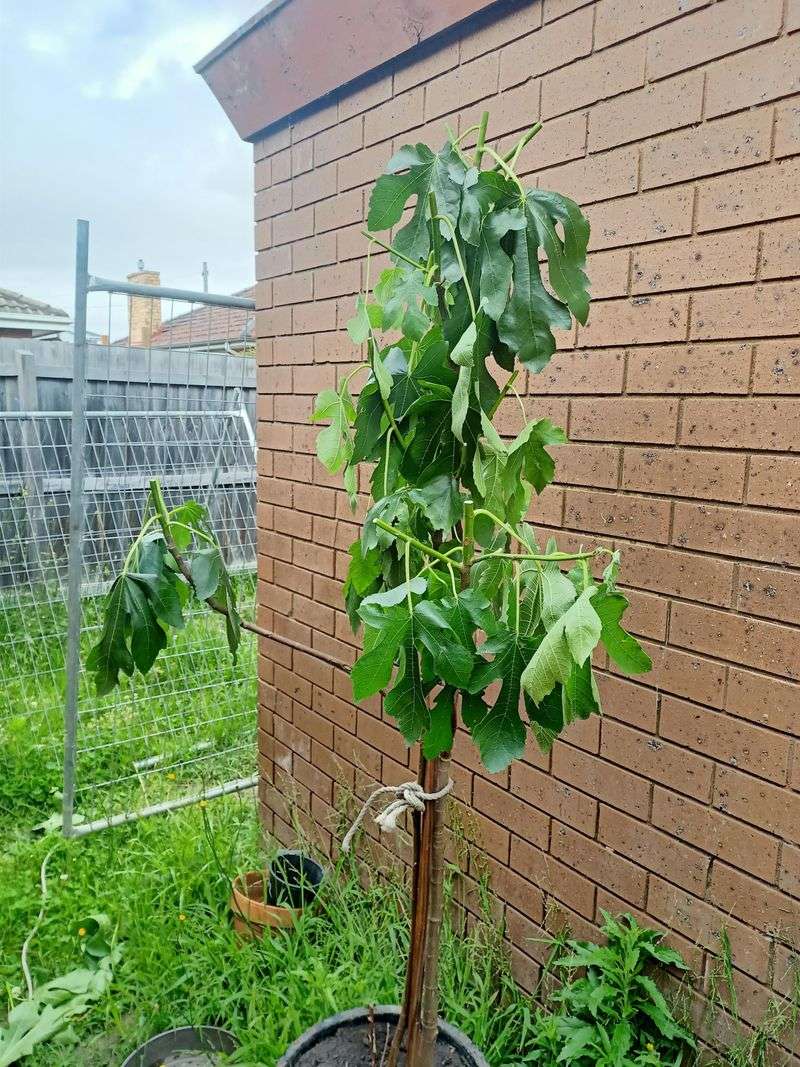
Not all wilting trees are headed in the same direction. Learning to read the difference between a tree bouncing back and one in serious decline changes how you respond.
A recovering tree will show new growth at the branch tips even if older leaves look rough. Fresh green buds pushing out are one of the clearest signs of forward momentum.
Leaves that wilt during the hottest part of the afternoon but perk back up by evening are usually stress responses, not crisis signals. That pattern is normal for newly planted trees during summer.
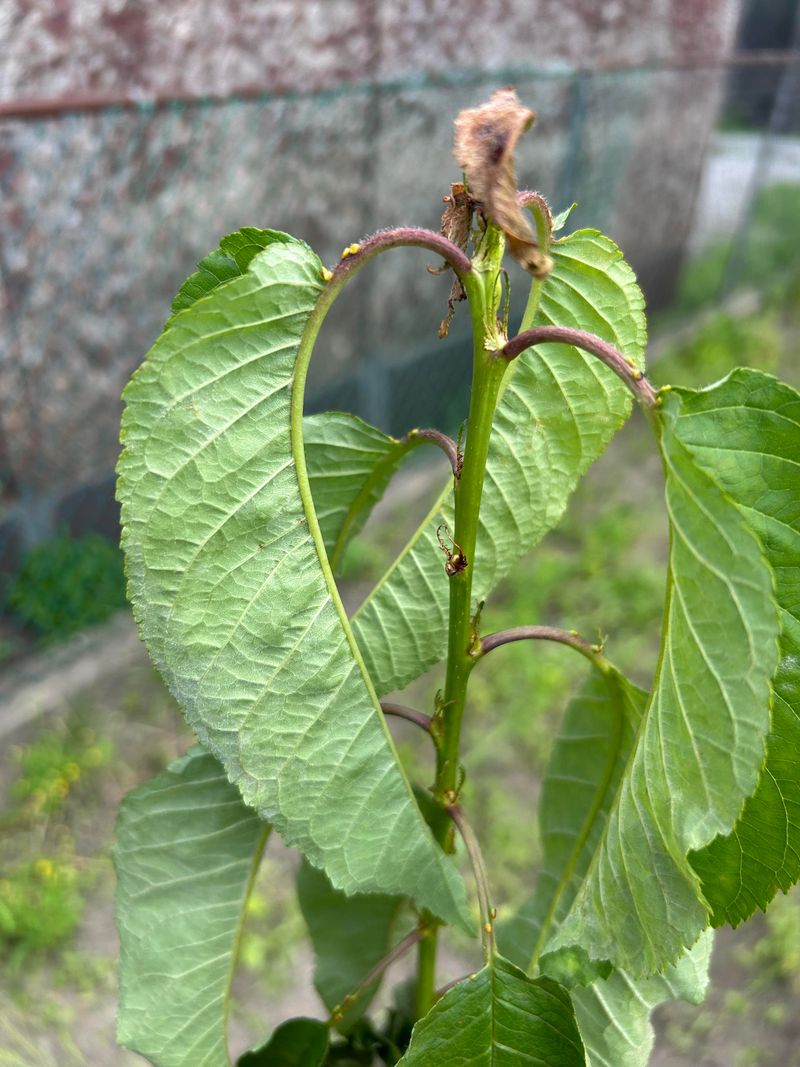
Permanent wilting, where leaves stay drooped even in cooler morning hours, is a more serious flag. That pattern suggests the root system cannot recover overnight.
Leaf color tells a story too. Yellow leaves often signal overwatering or nutrient issues, while brown crispy edges point toward heat stress or underwatering.
Scratch a small section of bark on a lower branch with your fingernail. Green tissue underneath means the branch is alive and the tree is still working.
Brown, dry tissue under the bark means that branch is no longer active. Check multiple branches before drawing conclusions about the whole tree.
A tree showing new leaf growth, green bark tissue, and evening recovery from afternoon wilt is almost certainly going to make it. Stay consistent with care and resist the urge to panic.
Real trouble looks like no new growth, bark that cracks and peels without green underneath, and leaves that don’t recover. Catching those signs early gives you options before problems become permanent.
Adjusting Your Watering Approach For The First Year
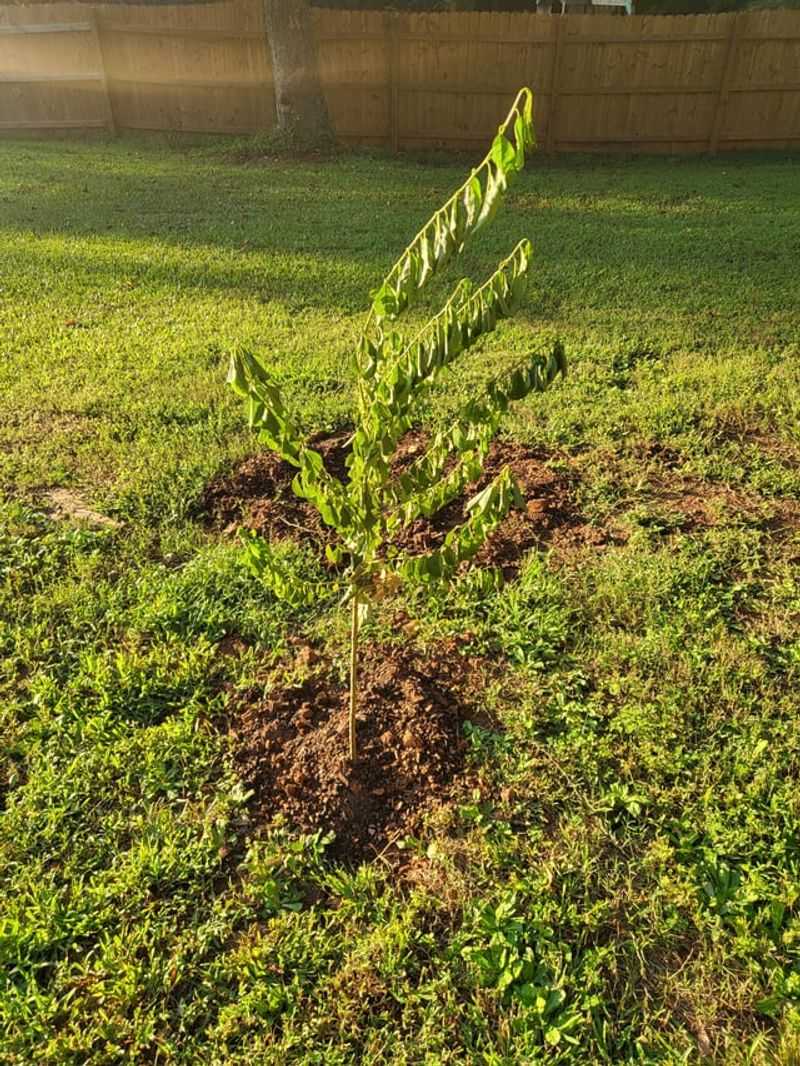
The first year is the most important stretch in a new tree’s life. How you water during this window shapes whether the root system thrives or struggles for years.
Start by watering deeply but less frequently rather than shallow daily sessions. Deep watering encourages roots to chase moisture downward, building a stronger anchor system.
During the hottest months, new trees may need water two to three times per week. As temperatures drop in fall, pull back to once a week or less.
Check soil moisture before running the drip line. A consistent schedule sounds smart, but actual soil conditions should guide every decision.
Mulching is one of the highest-return actions you can take for a new tree. A wide ring of mulch, kept a few inches away from the trunk, slows evaporation dramatically.
Extend the mulch ring out to the drip line of the canopy for maximum benefit. That wide coverage keeps soil cooler and supports the expanding root zone.
As fall arrives, begin tapering your watering frequency to help the tree harden off naturally. Trees that get babied with water too late in the season may not prepare well for winter.
Revisit your emitter placement every two to three months during the first year. Moving them outward as the tree grows keeps moisture where new roots are actively spreading.
What it really means when new Texas trees wilt despite a drip line is that the tree needs a smarter system, not just more water. Adjust your approach, stay observant, and your tree will reward the effort.