7 Native North Carolina Plants That Turn A Bare Side-Yard Strip Into A Finished Garden
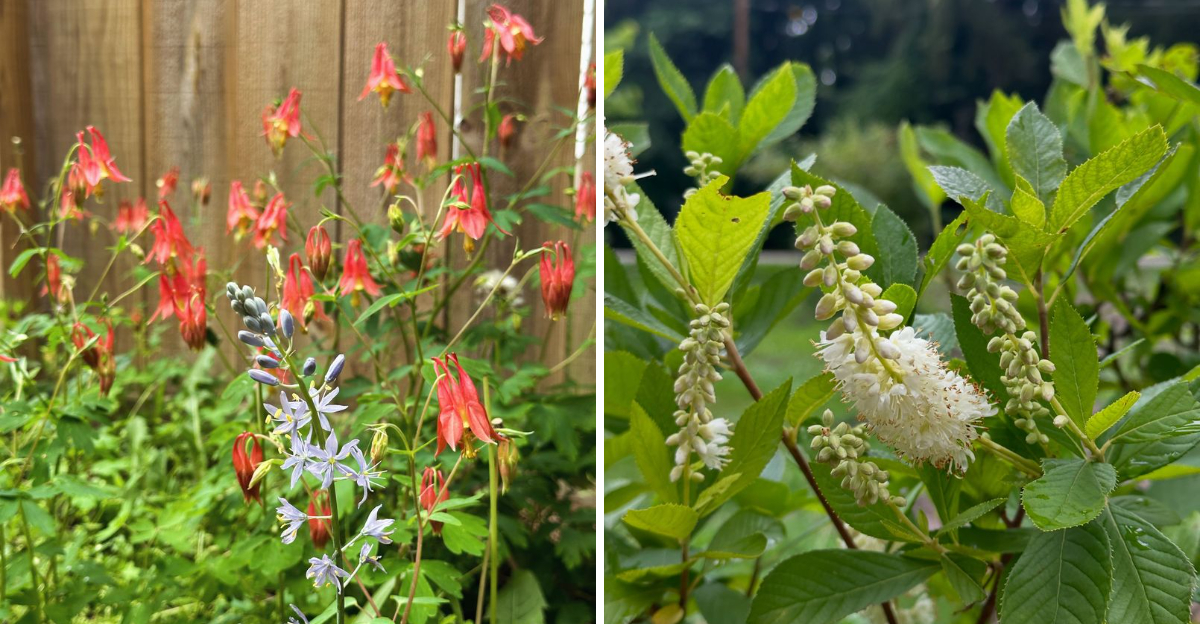
A narrow side yard can make an entire property feel unfinished even when the front beds look polished.
The space is usually awkward for a reason. Light arrives at odd angles, roof runoff changes the moisture level, fences trap humidity, and the planting strip may be too tight for ordinary shrubs.
Grass often thins out, mulch slides around, and every empty patch seems to invite another weed.
Still, this forgotten corridor can become one of the most intentional parts of a North Carolina garden.
The trick is not packing it with random shade plants.
A better result comes from building layers that solve several problems at once, from bare soil and seasonal gaps to awkward height changes along the wall.
The right combination can create flowers, texture, movement, and year-round structure without making the walkway feel narrower.
So what turns that difficult strip into a garden that looks planned from end to end?
The answer starts low, rises carefully, and uses each plant for a different job along the way.
1. Carpet The Front With Green And Gold
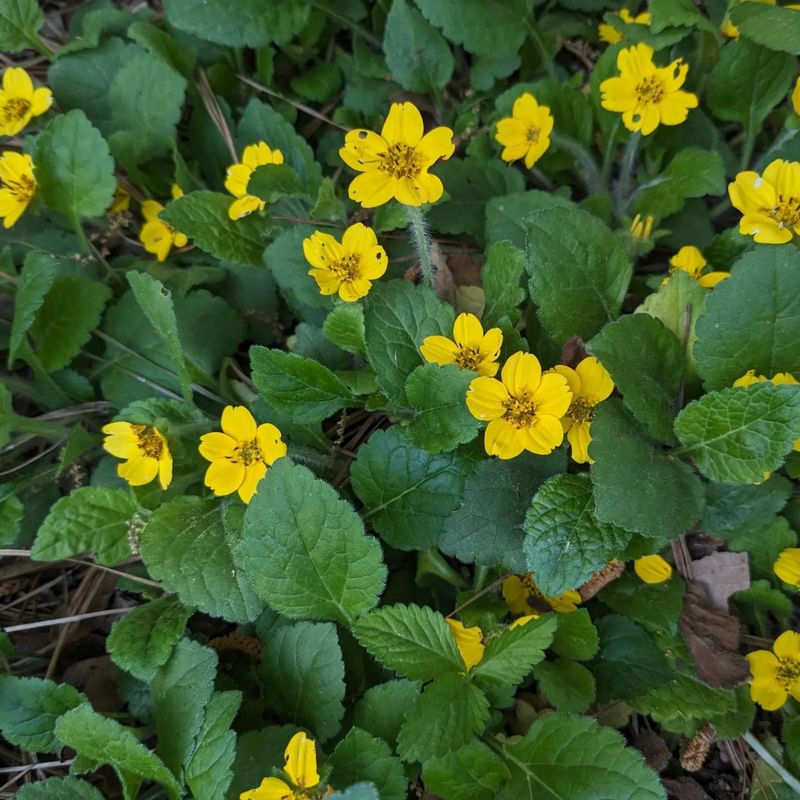
Bare soil near the front of a side-yard bed needs a plant that spreads without swallowing the path.
Green and gold, Chrysogonum virginianum, handles that job with low foliage and bright yellow flowers. It usually stays around 6 to 12 inches tall and can spread by stolons, gradually covering open ground beneath taller plants.
Partial shade is a particularly useful match.
That makes green and gold well suited to the softer light found beside many North Carolina homes, especially where morning or filtered sun reaches the bed without baking it all afternoon.
Moist, well-drained soil supports the strongest growth, though established plants can handle shorter dry stretches once roots settle.
Use it along the front edge rather than burying it behind taller perennials.
Spacing plants roughly 12 to 18 inches apart gives them room to knit together over time while still showing individual clumps during the first season. A thin layer of leaf mulch between plants helps hold moisture without smothering the crowns.
The yellow blooms bring a long splash of color and attract small pollinators.
Maintenance is mostly boundary work. Clip an occasional runner that crosses the walkway and leave the rest alone.
Green and gold turns the lowest part of the strip into a living edge, which immediately makes the planting look more deliberate. Bare dirt reads as unfinished. A soft yellow groundcover reads like someone had a plan.
2. Fill Shady Gaps With Heartleaf Foamflower
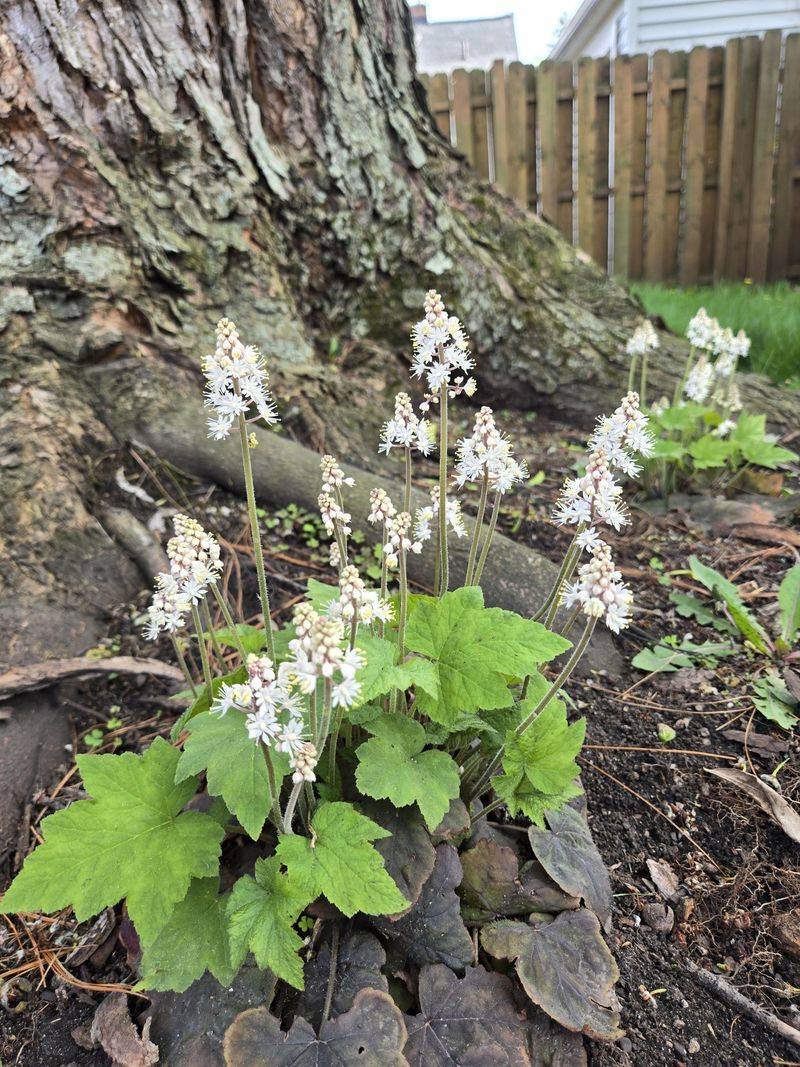
Deeper shade calls for a plant that looks at home beneath taller foliage instead of merely tolerating the darkness.
Heartleaf foamflower, Tiarella cordifolia, brings that woodland character with heart-shaped leaves and airy white flower spikes in spring. The foliage usually stays low while the blooms rise above it, creating a layered effect without blocking the narrow passage.
Moist, humus-rich soil suits it best.
A side yard beneath deciduous trees or beside a shaded foundation can provide the right setting, especially where leaf litter naturally improves the soil.
Consistent moisture matters during hot spells, so a light layer of shredded leaves or fine bark can help keep the root zone from drying too quickly.
Your North Carolina Garden Changes Every Week. Your Plan Should Too.
Gardening in North Carolina changes quickly throughout the season. Every Friday you’ll receive a simple weekly plan showing exactly what to plant, prune, fertilize, harvest, and protect so you never miss the right timing.
Avoid placing foamflower where storm water sits for long periods.
It enjoys moisture but still wants oxygen around the roots. Heavy clay can work better after the surface structure improves with organic matter and time rather than aggressive digging while the soil is wet.
Space plants about a foot apart for a quicker groundcover effect.
They spread gradually and can fill gaps between ferns, sedges, and other shade plants without creating a tangled wall.
Spring flowers attract early insects, while the patterned foliage keeps earning space after bloom ends.
In a finished side-yard design, foamflower works as the quiet connector. It links taller plants, softens gaps, and keeps the shaded middle layer from looking empty once spring bulbs disappear.
3. Add Christmas Fern For Evergreen Texture
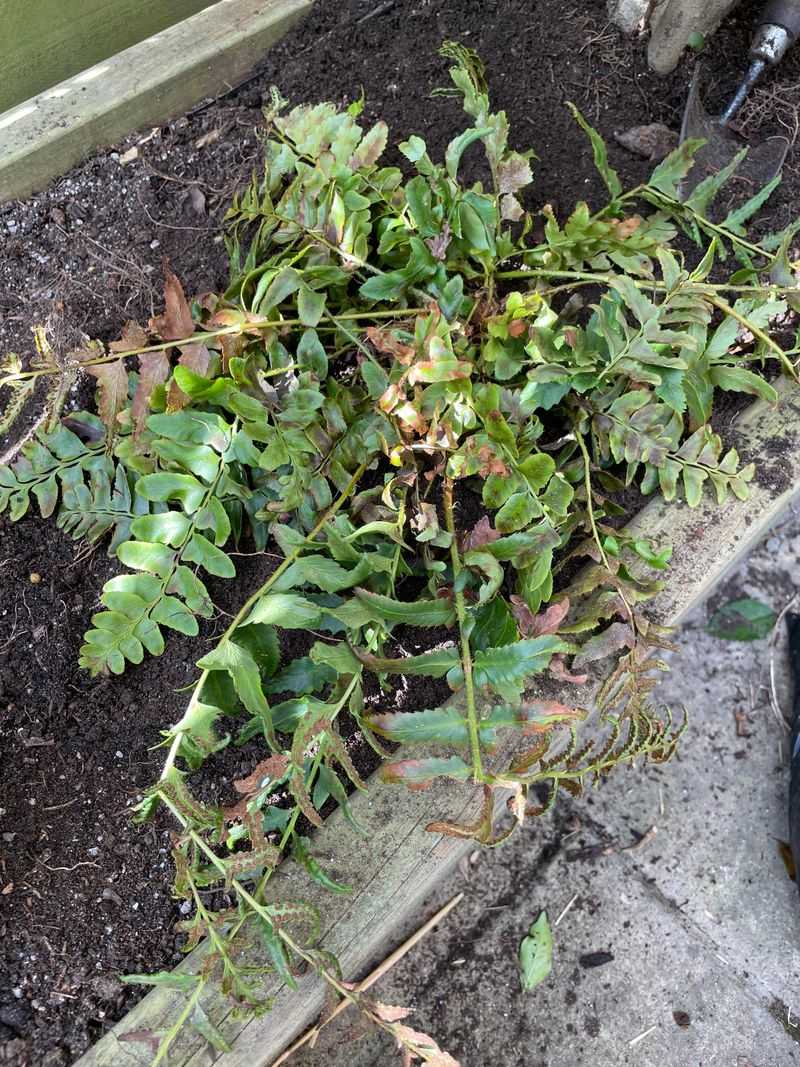
Evergreen texture becomes especially valuable once winter strips color from most of the side yard.
Christmas fern, Polystichum acrostichoides, holds glossy green fronds through much of the cold season and forms tidy clumps rather than racing across the bed.
Mature plants commonly reach about 18 to 24 inches tall, which puts them in a useful middle layer behind low groundcovers.
Shade is where this fern earns its keep.
It can handle rocky woodland soil and somewhat drier conditions better than many ferns, though new plants still appreciate regular moisture while roots establish. Filtered light, leaf mulch, and decent drainage give it a comfortable home.
Do not plant the crown too deeply.
Set the fern at the same level it occupied in the nursery pot, then water thoroughly and mulch around the root zone without burying the center. That small detail helps prevent a promising fern from sulking before it ever settles in.
Christmas fern rarely needs shaping.
Older fronds can be removed near the end of winter as fresh growth begins, but the clump keeps a naturally organized form without staking or constant trimming.
Pair several plants in a loose rhythm rather than one rigid row.
That repetition creates structure while still feeling woodland-like.
The result is useful even during seasons with few flowers. Green and gold may cover the soil, and foamflower may handle spring, but Christmas fern keeps the strip from disappearing visually in January.
Every finished garden needs something that refuses to clock out for winter.
4. Use Eastern Columbine For Spring Color
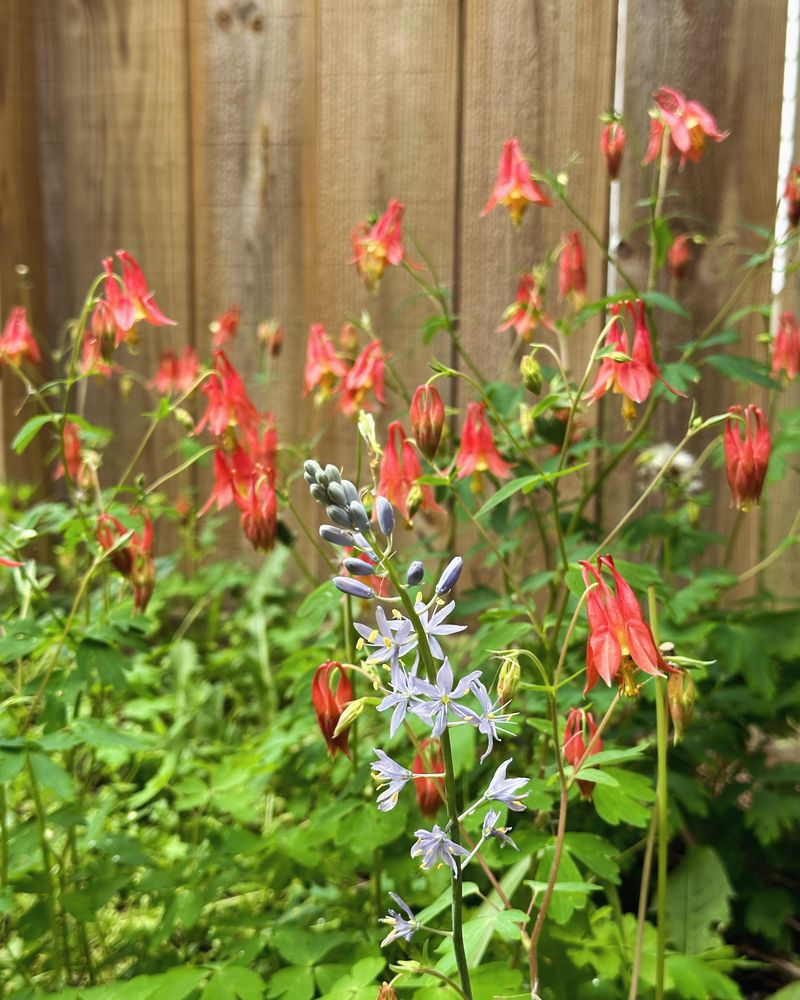
Spring color can rise above the groundcovers without turning the side yard into a crowded shrub tunnel.
Eastern columbine, Aquilegia canadensis, sends slender stems above ferny blue-green foliage and carries nodding red-and-yellow flowers in spring.
Mature flowering stems often reach roughly 18 to 24 inches, giving the planting a light vertical accent rather than a solid block.
Partial shade works beautifully.
Rocky, well-drained soil also suits the species, which makes it useful near foundations or along slightly raised edges where water moves away quickly.
Rich, constantly damp ground can encourage floppy growth, so columbine fits better in a leaner pocket than foamflower does.
Leave some spent flowers long enough to mature seed.
The plant is relatively short-lived, but self-seeding can keep a small colony present for years. Seedlings rarely land in perfect rows, and that slight unpredictability helps the side yard feel more natural rather than overly arranged.
Hummingbirds can visit the tubular flowers during spring migration, while bees also use the blooms.
Leaf miners may leave pale trails in the foliage later in the season. The marks are often cosmetic and usually do not justify turning a small native planting into a spray program.
Trim tired foliage later in summer when appearance declines, then let neighboring plants take over visually.
Columbine works because it borrows space instead of owning it all year. The flowers rise, perform, scatter seed, and then politely let the rest of the planting carry the season forward.
5. Plant River Oats For Soft Movement

A narrow garden needs movement, but tall ornamental grasses can make a side passage feel even tighter.
River oats, Chasmanthium latifolium, brings motion with broad leaves and dangling flat seedheads that sway on arching stems.
Plants commonly reach about 2 to 4 feet tall, creating a soft middle-to-back layer without the rigid look of a clipped shrub.
Partial shade is a strong fit.
The grass also tolerates moist soil, which makes it useful near a downspout, low section, or side yard where runoff keeps the bed wetter than the rest of the landscape.
It can handle ordinary garden moisture too, though richer damp ground usually encourages stronger growth.
Give the spreading habit some thought before planting.
River oats can seed enthusiastically and may form colonies where conditions suit it.
A narrow strip stays easier to manage when seedheads are removed before they fully mature, or when the plant occupies a defined section where extra seedlings are welcome.
Leave some seedheads through fall when the space allows.
They turn tan to coppery shades and add movement after many flowers are finished. Birds may also use the seeds.
Cut old stems back near the end of winter before new growth begins.
That single yearly reset is usually enough to keep the clump tidy.
In the side-yard composition, river oats provides the motion. Ferns give structure, groundcovers give continuity, and the oats move every time a breeze finds the corridor.
A narrow garden benefits from anything that makes the space feel less static.
6. Raise The Middle With Virginia Sweetspire
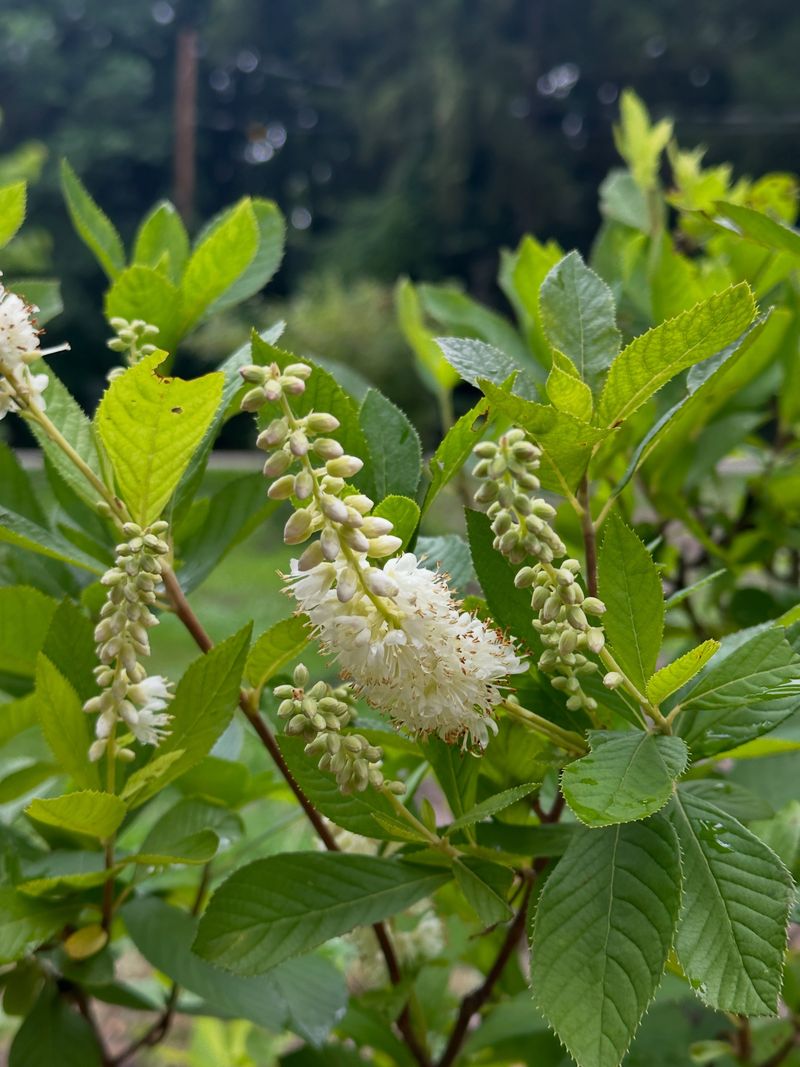
The middle of the strip often needs one shrub with enough height to anchor the planting without swallowing the walkway.
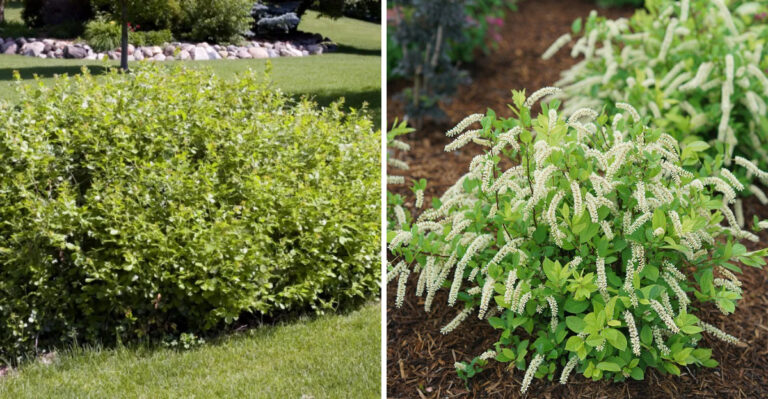
Virginia sweetspire, Itea virginica, can fill that role with arching stems, fragrant white flower clusters, and strong fall color.
Depending on selection and conditions, plants commonly reach around 3 to 5 feet tall and can spread gradually by suckers.
Moisture flexibility makes it especially useful.
Sweetspire handles moist ground well and can tolerate periodic wetness, so a side yard near a downspout or low drainage path can become an advantage rather than a constant problem.
Established plants can also manage ordinary garden conditions once roots are settled.
Sun to shade changes the performance.
Brighter conditions usually support heavier flowering and stronger fall color, while shaded plants may grow more loosely. A side yard with several hours of filtered or morning light can create a good middle ground.
White flower racemes appear in early summer and attract pollinators.
Later, the foliage can shift into red, burgundy, orange, or purple tones, giving the narrow corridor a stronger autumn finish than many shade shrubs provide.
Allow room for the mature width.
Remove an occasional outer sucker where the colony reaches the path, but avoid constant shearing. The arching outline is part of the appeal.
Sweetspire gives the side yard a visual center of gravity. Without one taller anchor, seven small plants can look like a collection. With it, the lower layers suddenly read as parts of the same garden.
7. Finish The Edge With Gray’s Sedge
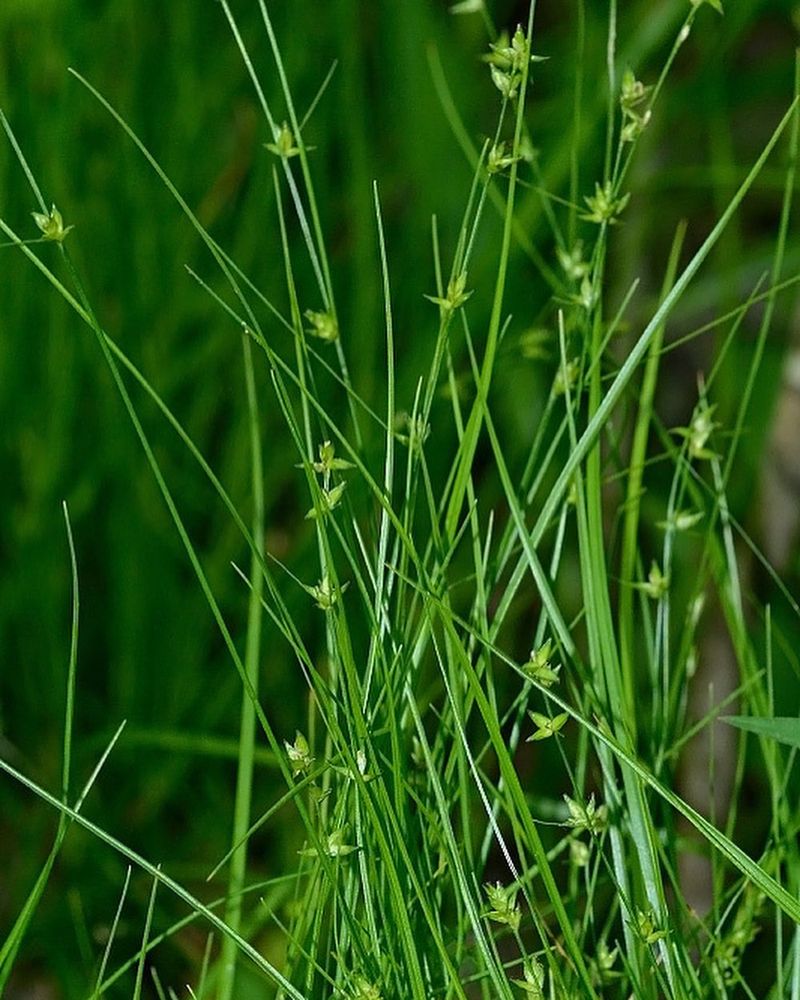
The front edge needs something orderly enough to finish the composition without looking like a miniature hedge.
Gray’s sedge, Carex grayi, forms upright clumps of fresh green foliage and produces unusual rounded seedheads covered in pointed projections.
Those sculptural heads add character from summer into fall and make the edging feel more intentional than plain mulch.
Moist soil is the strongest match.
This sedge naturally suits damp woodland margins, stream edges, and similar conditions, so it works especially well where roof runoff or a low grade keeps one part of the side yard consistently moist. Partial shade also suits the plant.
Mature clumps can reach roughly 2 to 3 feet tall.
That is taller than many traditional edging plants, so place it where the walkway has enough width and use repeated clumps rather than a continuous wall.
The upright form still feels light because individual leaves arch outward instead of forming a solid block.
Gray’s sedge stays clumping rather than racing through the bed.
That behavior makes it useful beside more enthusiastic spreaders such as river oats or Virginia sweetspire. Division every few years can refresh crowded clumps and provide extra plants for another section of the strip.
Little pruning is required.
Remove old foliage before spring growth resumes and leave the seedheads standing as long as they still look attractive.
At the edge, this sedge acts like punctuation. It repeats a clear shape, ties the planting together, and tells the eye that the garden ends there on purpose.